Top 20 Natural Monuments in Naturpark Hessischer Spessart
Best natural monuments in Naturpark Hessischer Spessart showcase the region's dense forests and diverse landscapes. This area, covering approximately 74,000 hectares, is characterized by its extensive deciduous forests, primarily featuring beech and oak trees. The geology of the Spessart, largely composed of Buntsandstein, contributes to the unique character of its natural features. These monuments offer insights into the area's geological and botanical heritage.
Best natural monuments in Naturpark Hessischer Spessart
- The most popular natural monuments is Barbarossa Spring, a…
Last updated: October 8, 2026
Kinzig Reservoir
Highlight • Lake
Translated by Google •
Tip by

Kinzig Floodplains
Highlight • River
Translated by Google •
Tip by

Sign up now to discover places like this
Get recommendations on the best single tracks, peaks, & plenty of other exciting outdoor places.
Barbarossa Spring
Highlight • Natural Monument
Translated by Google •
Tip by

Dr. Karl Kihn Square
Highlight • Mountain Hut
Dr. Karl Kihn was a general practitioner who, as a student …
Showing Translation
Tip by

Hanau-Wolfgang Forestry Office and Giant Sequoia
Highlight • Historical Site
Translated by Google •
Tip by

Sign up for free to discover even more natural monuments in Naturpark Hessischer Spessart.
Already have an account?
Start today with a free account
Your next adventure awaits.
Popular around Naturpark Hessischer Spessart
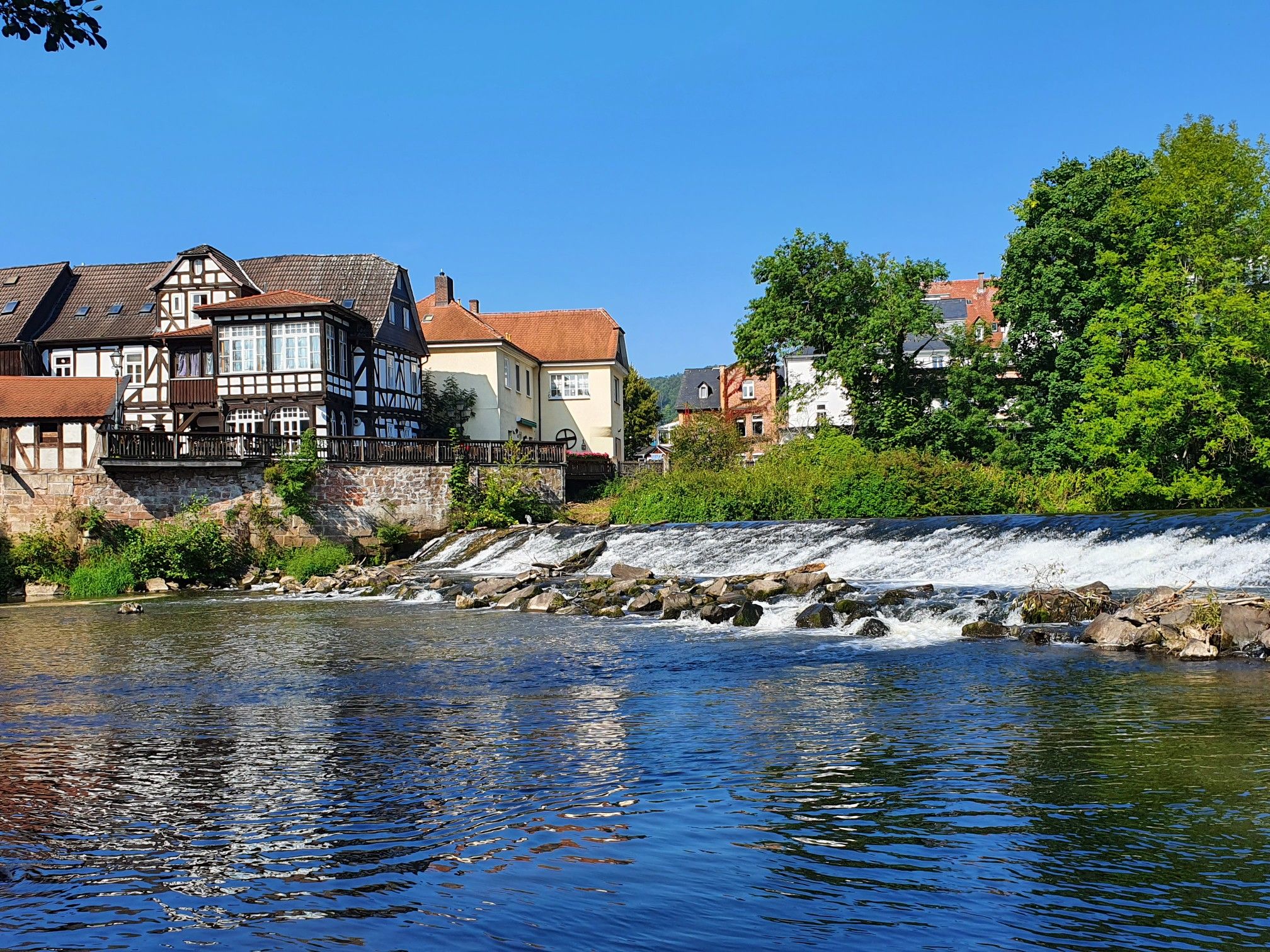
11 Hessen trails – criss-cross through the countryside
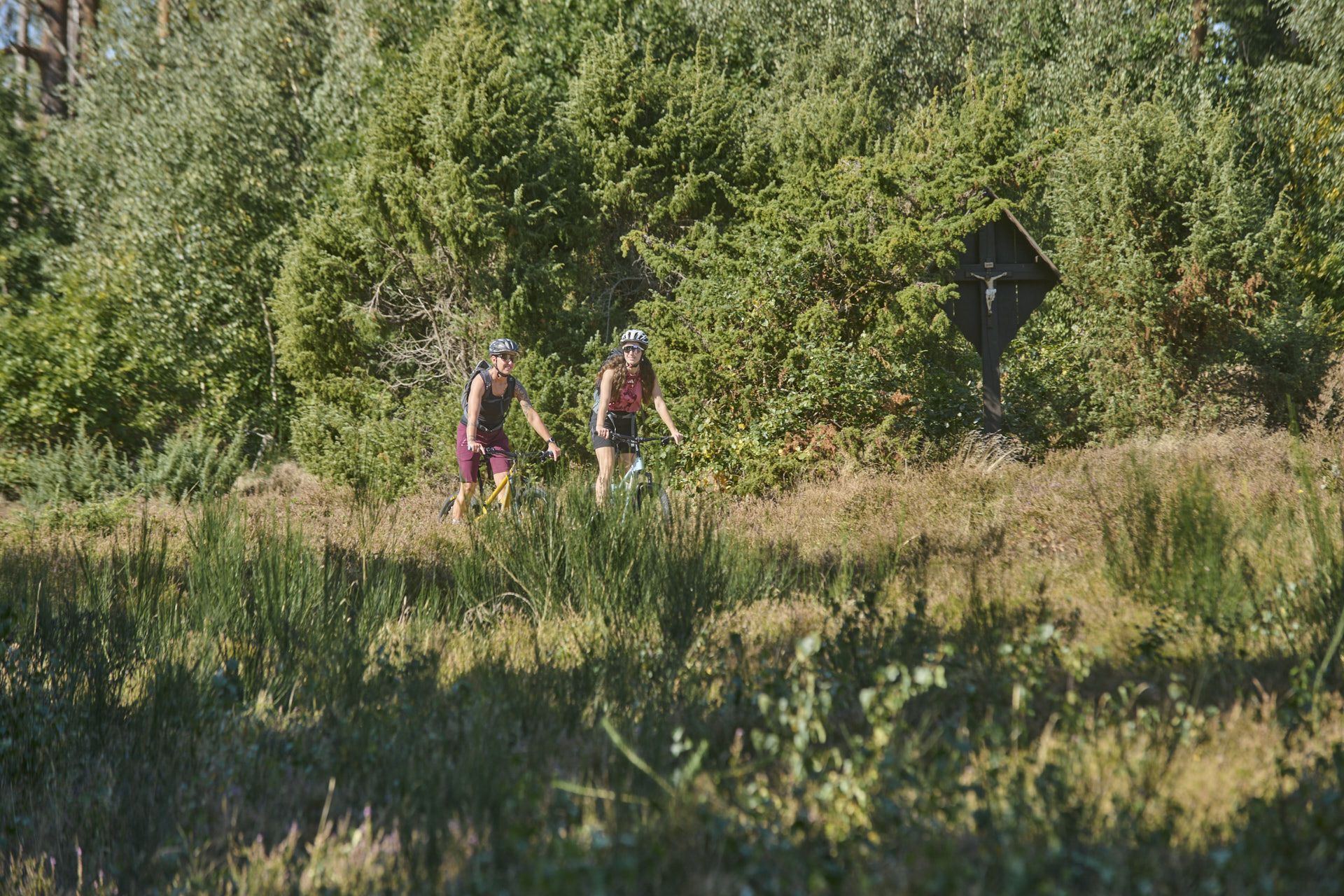
Nature, trails and local cuisine – MTB in the Spessart
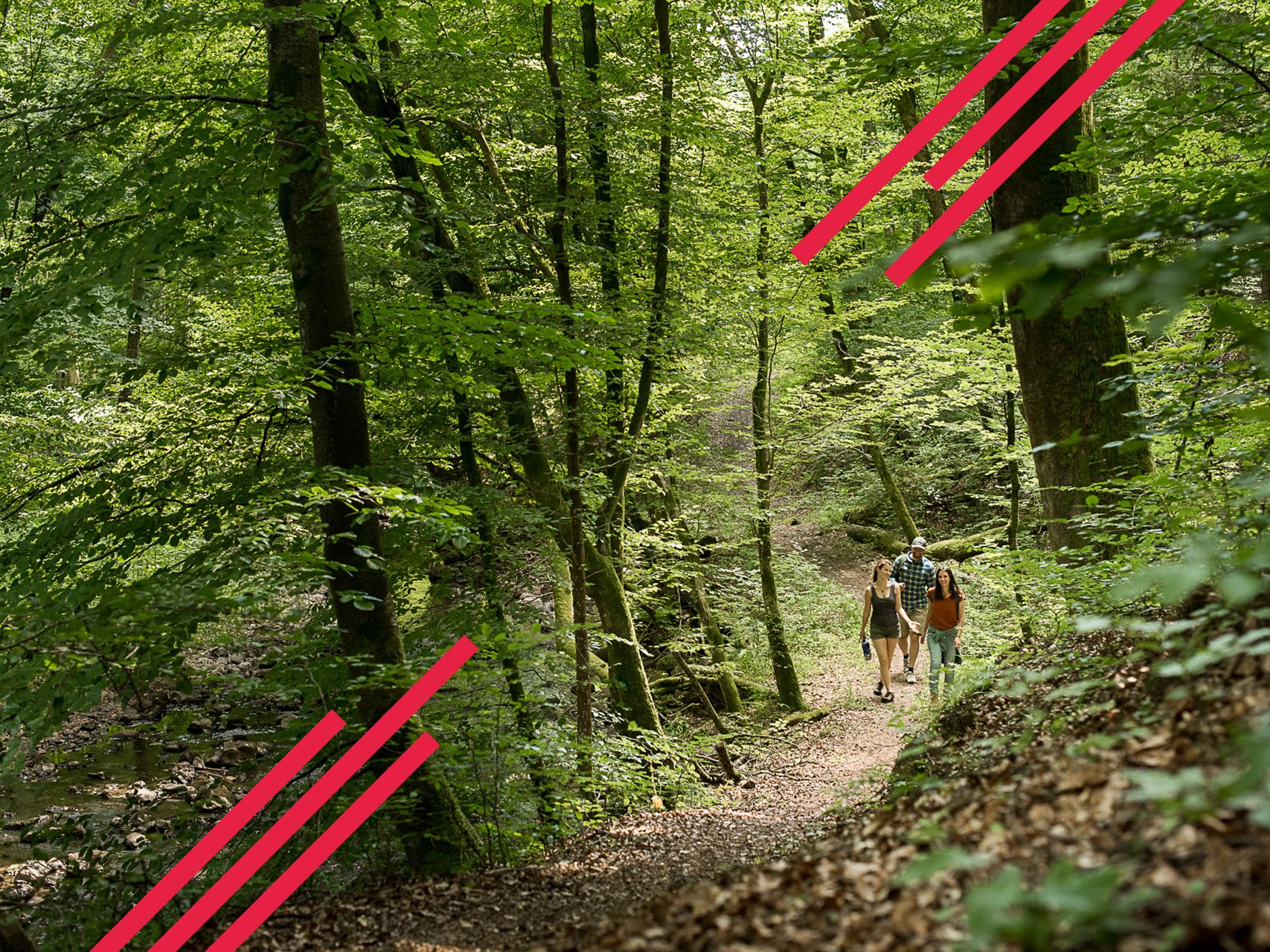
Relaxed hiking in the Spessart – short trails of discovery
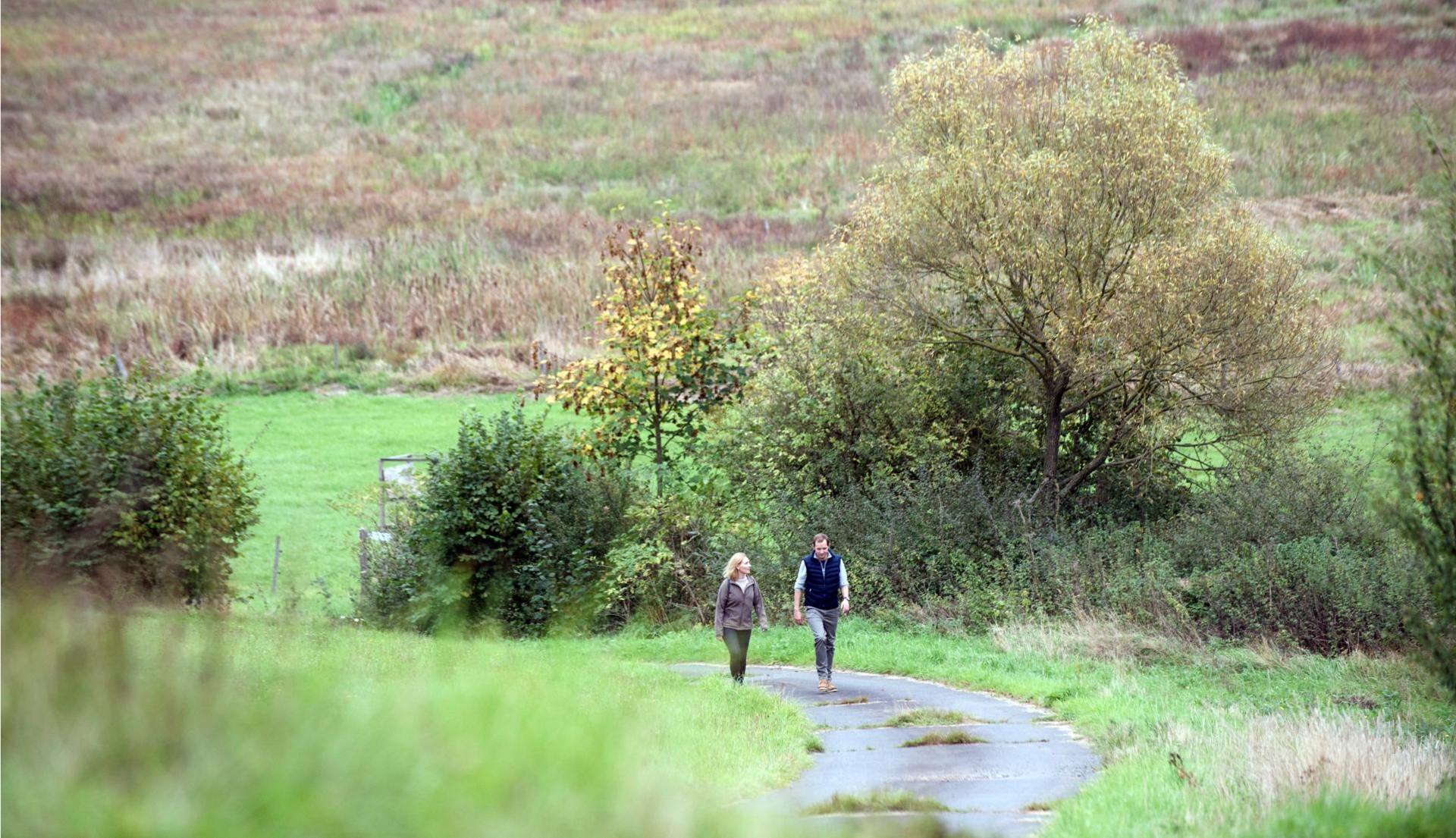
Pleasure hiking in the Spessart: trails that taste as good as they look
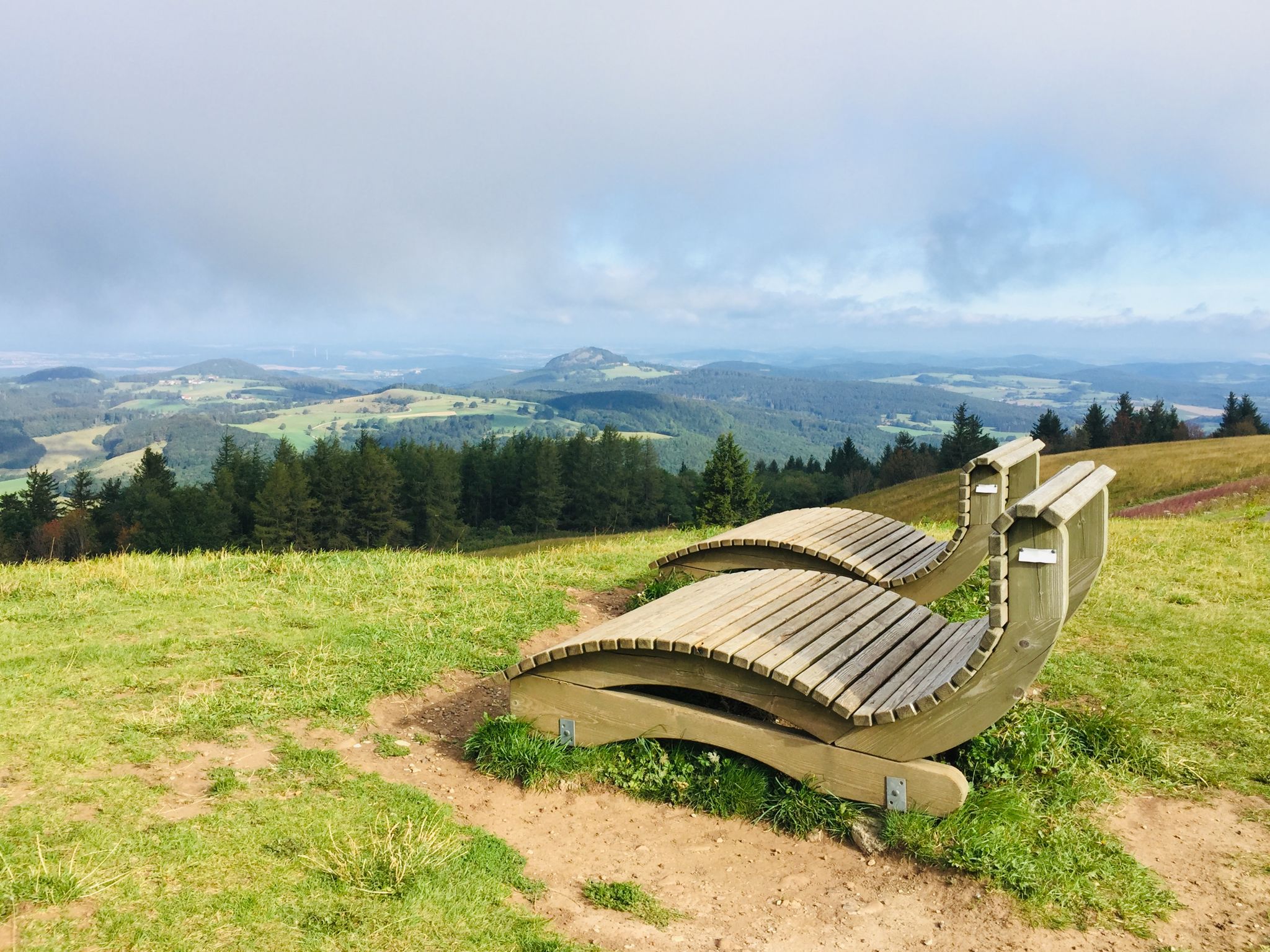
The National Natural Landscapes in Hessen

Winter adventures by public transport – hikes for the whole family
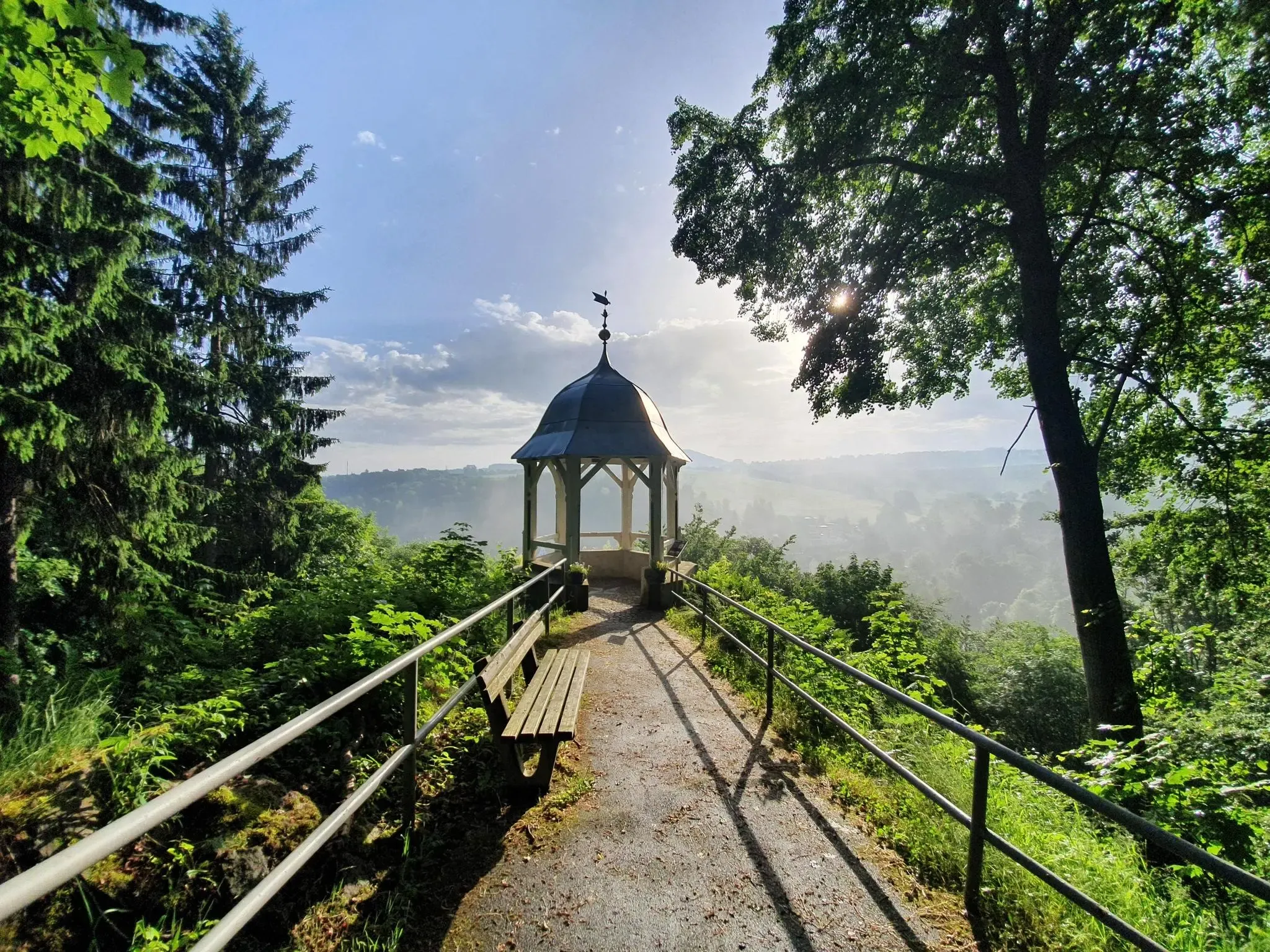
#GoFurther – discover the views of Germany!

Bikepacking to road cycling to MTB – on Tour with RMV

Onto the train, out into the snow – winter hiking for all ages in the Rhine-Main
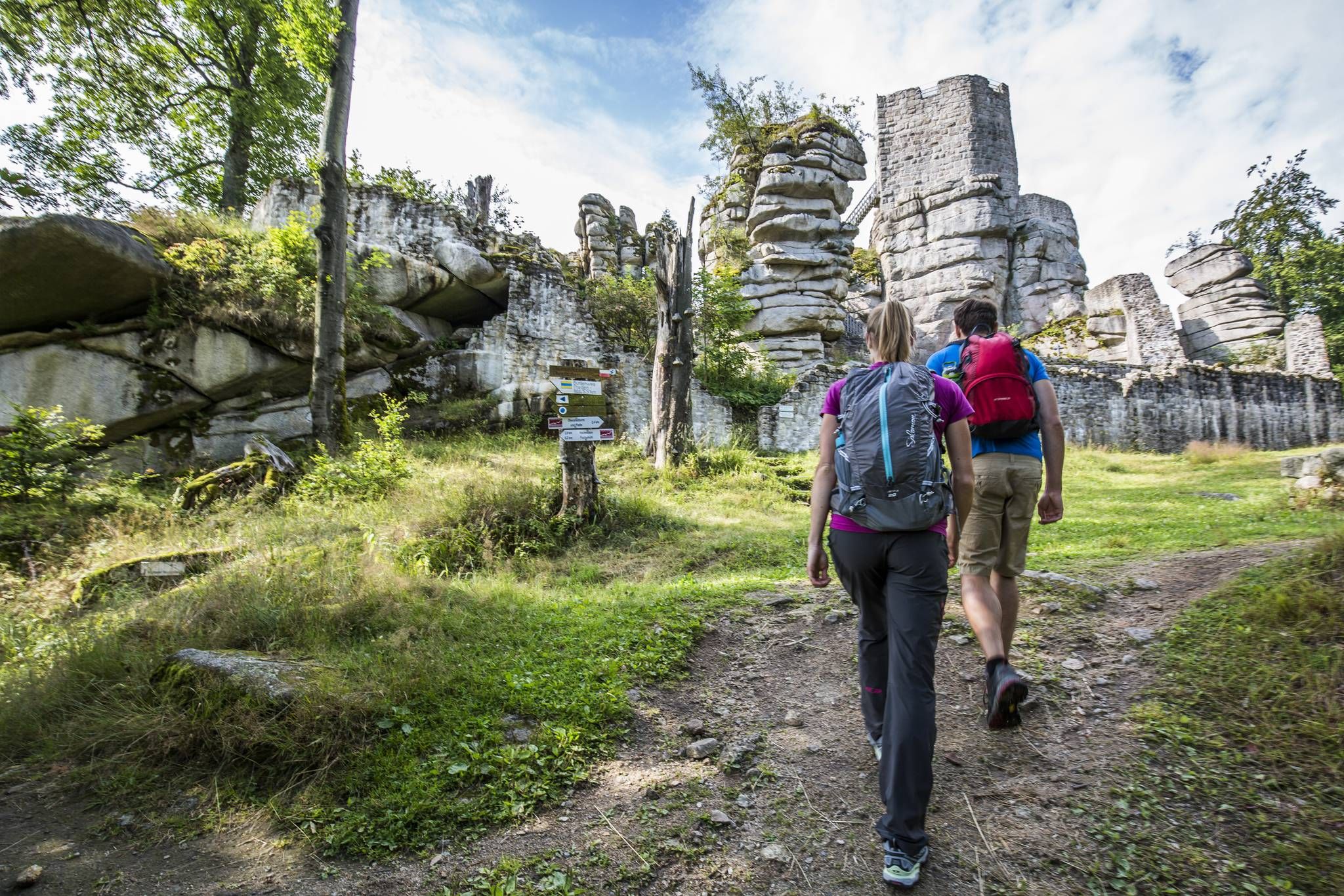
Thousands of kilometres of hiking fun – long-distance hiking trails in Bavaria
Other adventures in Naturpark Hessischer Spessart


Tips from the Community

Even invites you to swim on hot days ;)
1
0

The Kinzig is a river approximately 86 kilometers long. It rises in Sterbfritz, flows southwest through the Main-Kinzig district of Hesse, and flows into the Main from the right in Hanau. The Kinzig is a second-order river in low mountain ranges. It overcomes an elevation of 301 meters and has a bed gradient of 3.5 per thousand. The Kinzig's catchment area covers 1,058 square kilometers, and the calculated mean discharge (MQ) at the mouth of the Kinzig is 10.97 cubic meters per second. The Kinzig was first documented in 796 as "iuxta fluvium Kincihen." In 815, the name was written as "Chinzicha," around 900 as "Kincicha"/"Kinzicham," in 1364 as "Kinzige," in 1584 as "Kintzig," in 1607 as "Bintz," in 1681 as "Kintz," in 1716 as "Kins," in 1769 as "Kinzing," and in 1802 as "Kinzig." In the river's headwaters, there was the now-defunct village of Kinzig, mentioned in 815 as "Chirizichheimero." The village and river were often confused by monastery scribes at that time with "Chizzicha" (now Bad Kissingen), both of which were described as being located in the Saalegau. The name presumably derives from the ancient Celtic *ku̯anti̯o- meaning "flat hill, valley." The name was therefore derived from the mountainous region from which the Kinzig flows. Source: Wikipedia
2
0

It is a great place to cycle all year round.
3
0

Beautiful buildings from the old days in public ownership combined with contemporary farm buildings
14
0

The Kinzig is also used by the brave (not just children) to cool down. Very romantic.
4
0

In the hut there is a guest book waiting for your descriptions.
6
0
Beautiful place to stay, observing the signs is a matter of honor, isn't it!?!
13
0
Frequently Asked Questions
What are some of the most popular natural monuments to visit in Naturpark Hessischer Spessart?
Among the highly-rated natural monuments, the Barbarossa Spring is a tranquil natural setting named after Friedrich I. Visitors also enjoy the Kinzig Reservoir, which offers a 6.5 km circular path and activities like pedal boating, and the Kinzig Floodplains, known for its idyllic moments and abundant nature.
Are there any significant geological natural monuments in the region?
Yes, the Teufelshöhle (Devil's Cave) near Steinau an der Straße is a prominent geological formation. This impressive dripstone cave, approximately 2.5 million years old, features diverse formations like stalagmites and stalactites, a large dome, and even a complete cave bear skeleton. It offers a unique glimpse into millions of years of geological history.
What kind of natural features can I expect to see in Naturpark Hessischer Spessart?
The Naturpark Hessischer Spessart is characterized by its extensive deciduous forests, primarily featuring magnificent beech and ancient oak trees. Beyond the forests, you can explore water features like the Kinzig Reservoir and the Barbarossa Spring, as well as the unique geological formations found in the Teufelshöhle.
Are there family-friendly natural monuments or activities available?
Many natural monuments in the region are family-friendly. For instance, the Kinzig Reservoir offers a pleasant circular path suitable for families, along with pedal boat rentals in summer. The Barbarossa Spring area also provides great trails for a family outing. The Teufelshöhle is also considered captivating for visitors of all ages.
What outdoor activities can I do near the natural monuments?
The Naturpark Hessischer Spessart offers a variety of outdoor activities. You can find numerous running trails, easy hikes, and road cycling routes throughout the region. For example, the Kinzig Reservoir area is popular for both walking and cycling.
Are there any notable trees or forest areas designated as natural monuments?
While the entire Naturpark is known for its extensive forests, a specific individual tree highlighted as a natural monument is the Giant Sequoia located near the Hanau-Wolfgang Forestry Office. This imposing tree is a significant natural landmark.
What is the best time of year to visit the natural monuments in Naturpark Hessischer Spessart?
The Naturpark Hessischer Spessart is beautiful year-round. Spring brings lush greenery and blooming flora, while summer offers a refreshing escape, especially in cooler spots like the Teufelshöhle. Autumn showcases vibrant fall foliage across the extensive deciduous forests, making it a particularly scenic time for hikes.
Are there any historical or cultural sites near the natural monuments?
Yes, the Dr. Karl Kihn-Platz Rest Area is a historical traffic junction located at the intersection of Eselsweg and Birkenhainer Straße. It features a monument dedicated to Dr. Karl Kihn, who contributed significantly to tourism in the region as the founder of the oldest hiking club in Spessart.
Are there accessible natural monuments for visitors with mobility considerations?
The Hanau-Wolfgang Forestry Office and Giant Sequoia highlight is noted as wheelchair accessible, offering an opportunity for visitors with mobility considerations to experience a significant natural monument.
What do visitors enjoy most about the natural monuments in Naturpark Hessischer Spessart?
Visitors frequently praise the tranquil natural settings, such as those found at the Barbarossa Spring. The Kinzig Reservoir is appreciated for its beautiful, flat circular path and recreational options like pedal boating. The overall appeal lies in the diverse landscapes, from serene water features to impressive geological formations and extensive forests.
Are there good options for hiking near the natural monuments?
Absolutely. The Naturpark Hessischer Spessart is ideal for hiking. You can find numerous easy hikes, including routes around the Kinzig Reservoir and trails surrounding the Barbarossa Spring. These trails allow you to immerse yourself in the region's natural beauty.
Most popular routes in Naturpark Hessischer Spessart
Most popular attractions in Naturpark Hessischer Spessart

Get inspired with the komoot mobile app


Explore more
Extend your search for the best caves by checking out these guides of the top ones in Naturpark Hessischer Spessart:
