Top 20 Natural Monuments around Molschleben
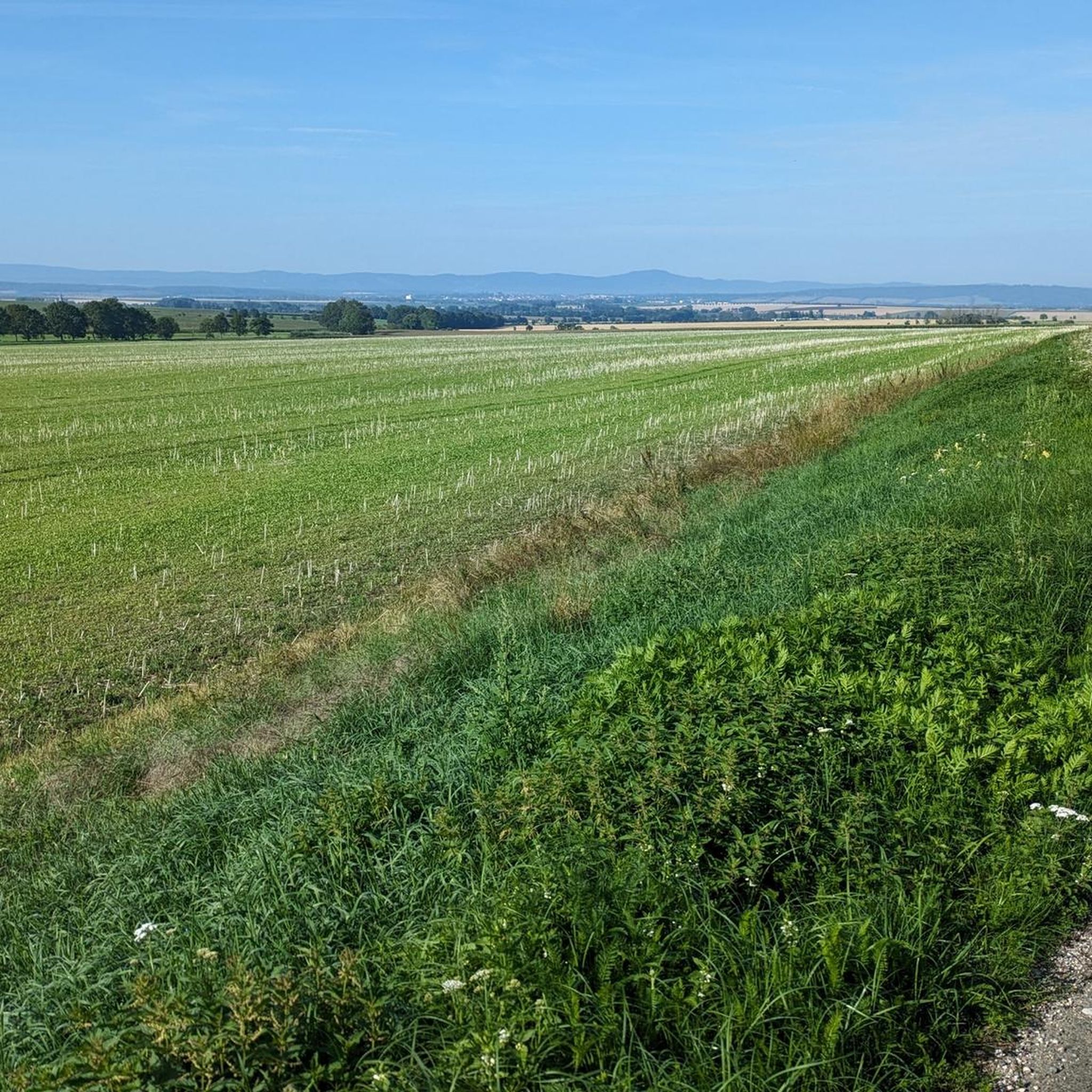
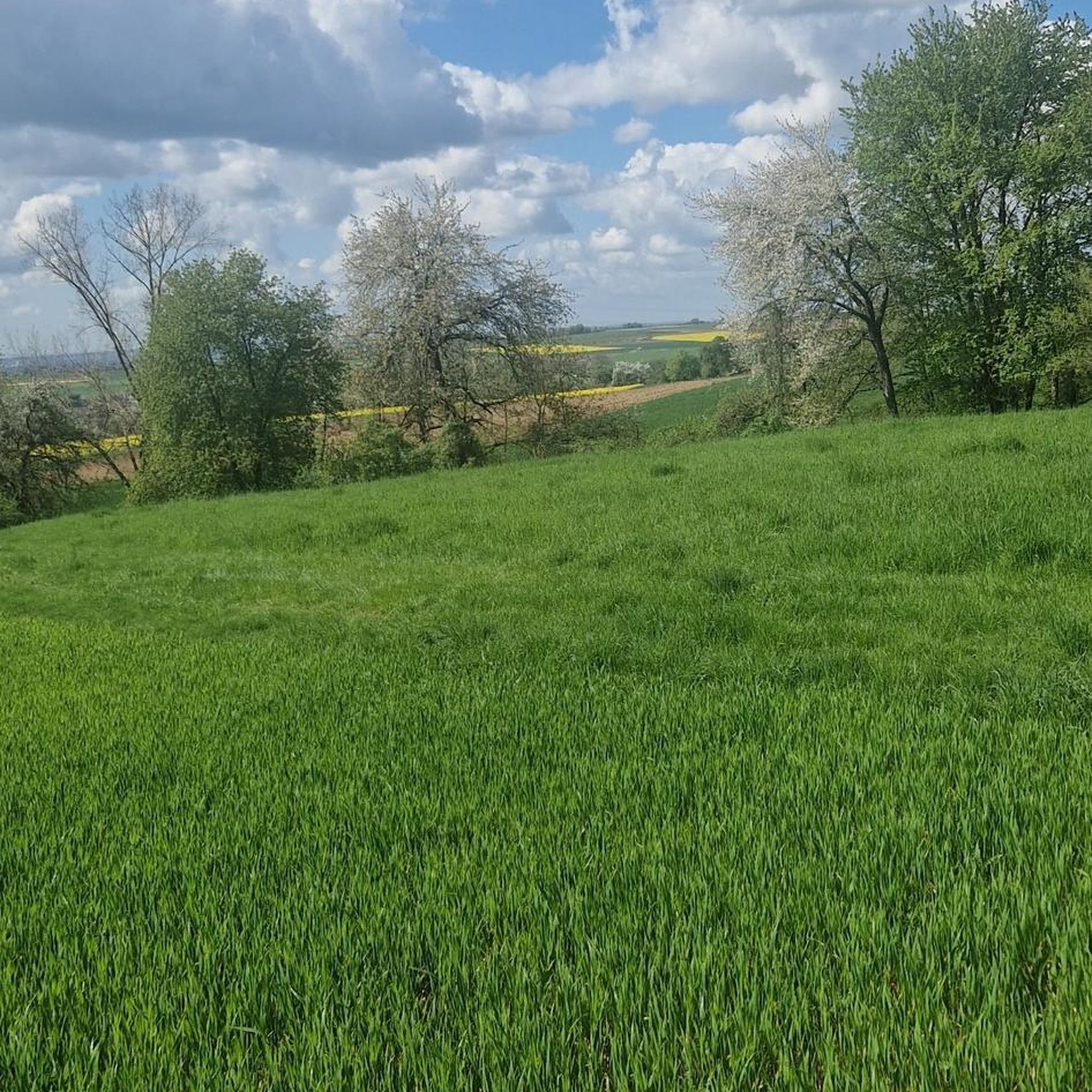
Best natural monuments around Molschleben are situated in a region characterized by picturesque hills and lush forests within Gotha, Germany. The area offers a natural backdrop for outdoor activities, including hiking and exploration. Notable natural features include the Fahner Höhe nature reserve and geological sites such as the Seeberg quarries. Molschleben provides access to diverse landscapes, from river valleys to historical quarries.
Best natural monuments around Molschleben
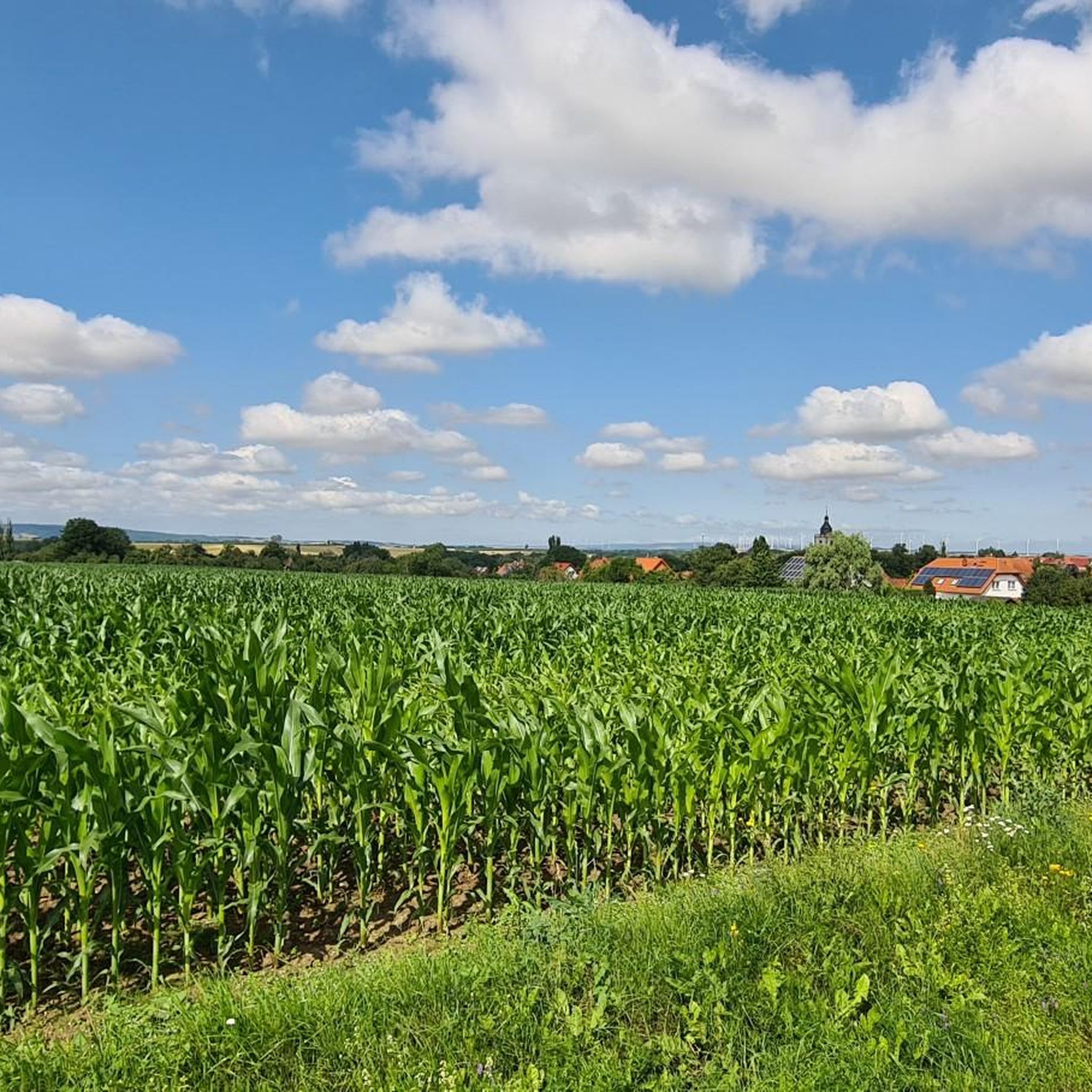
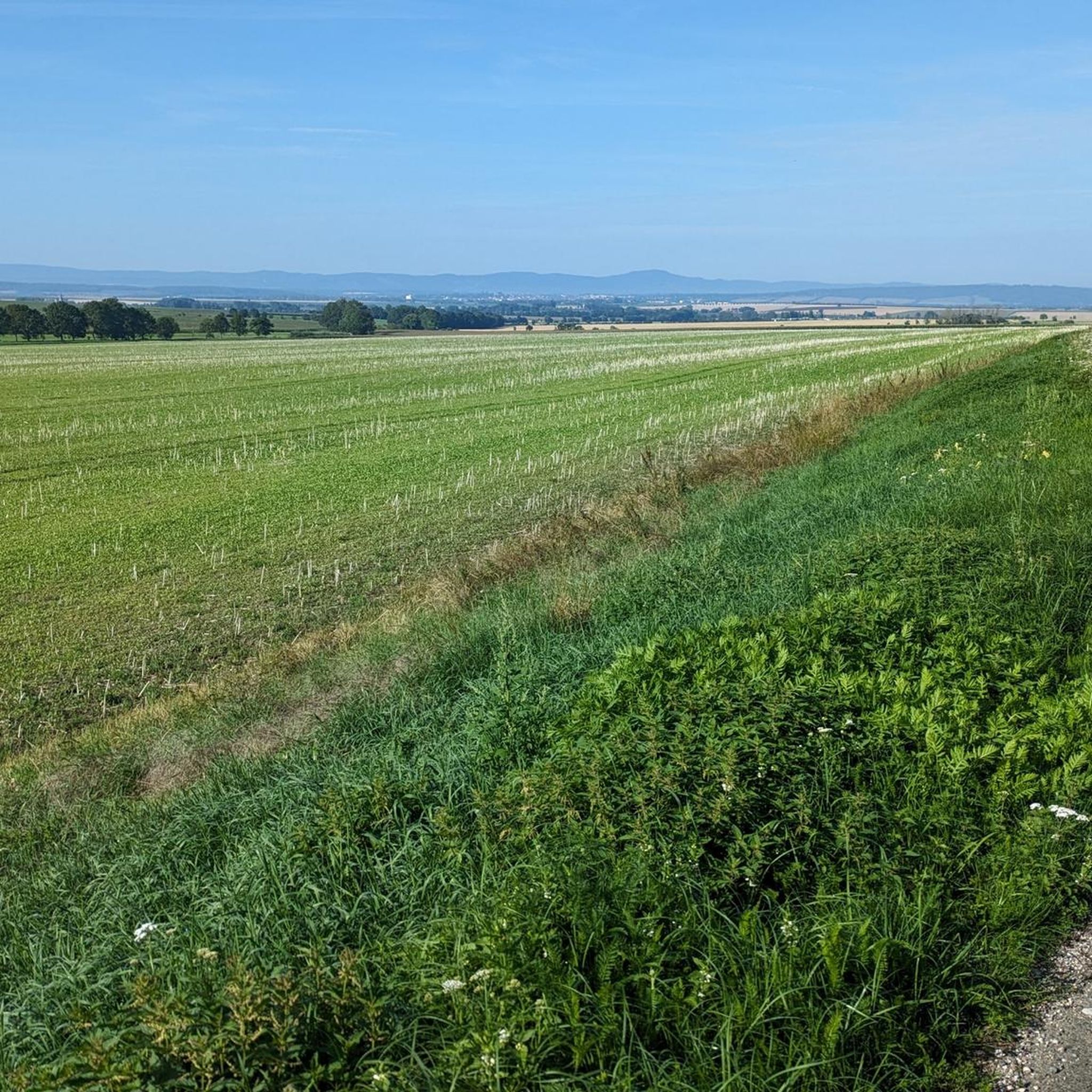
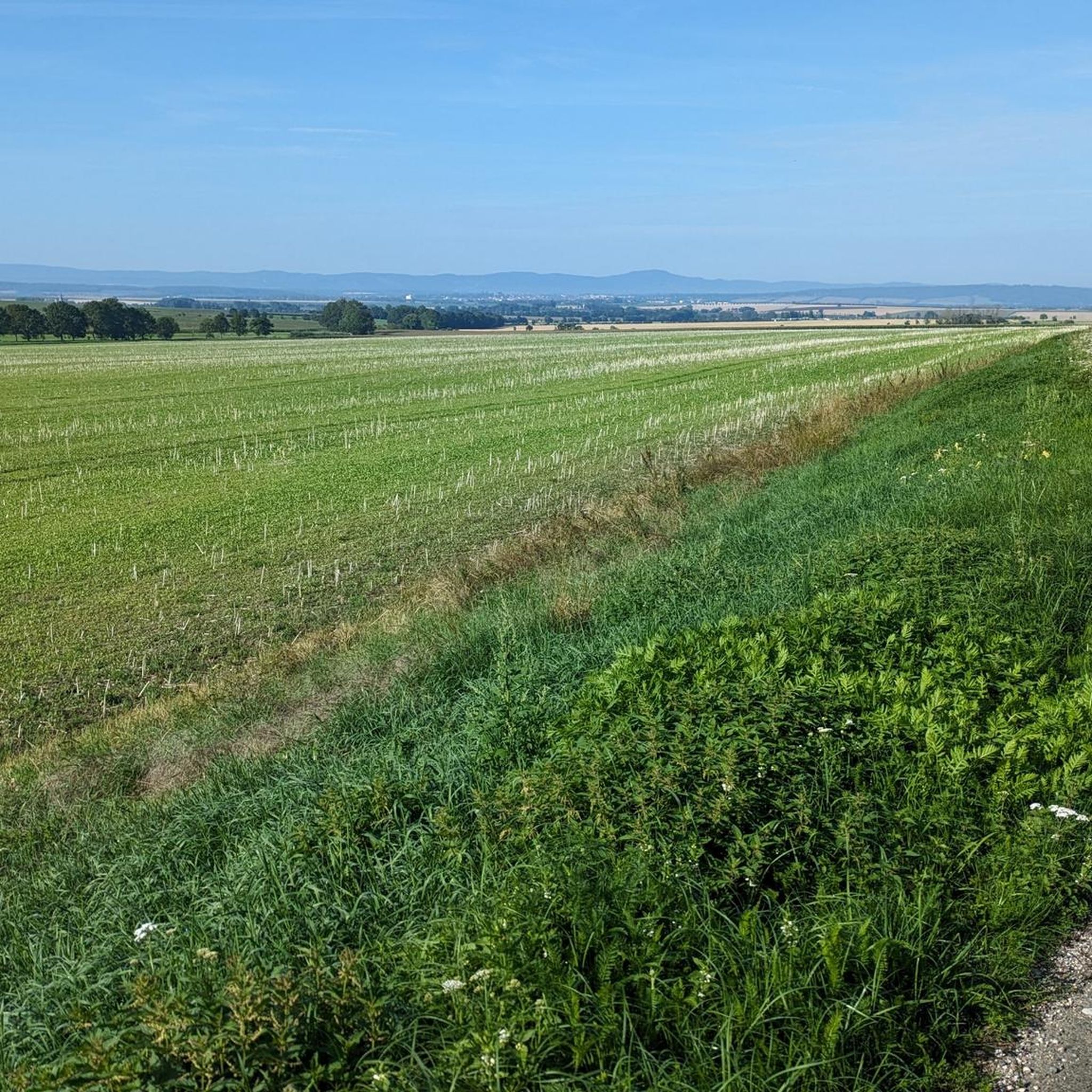
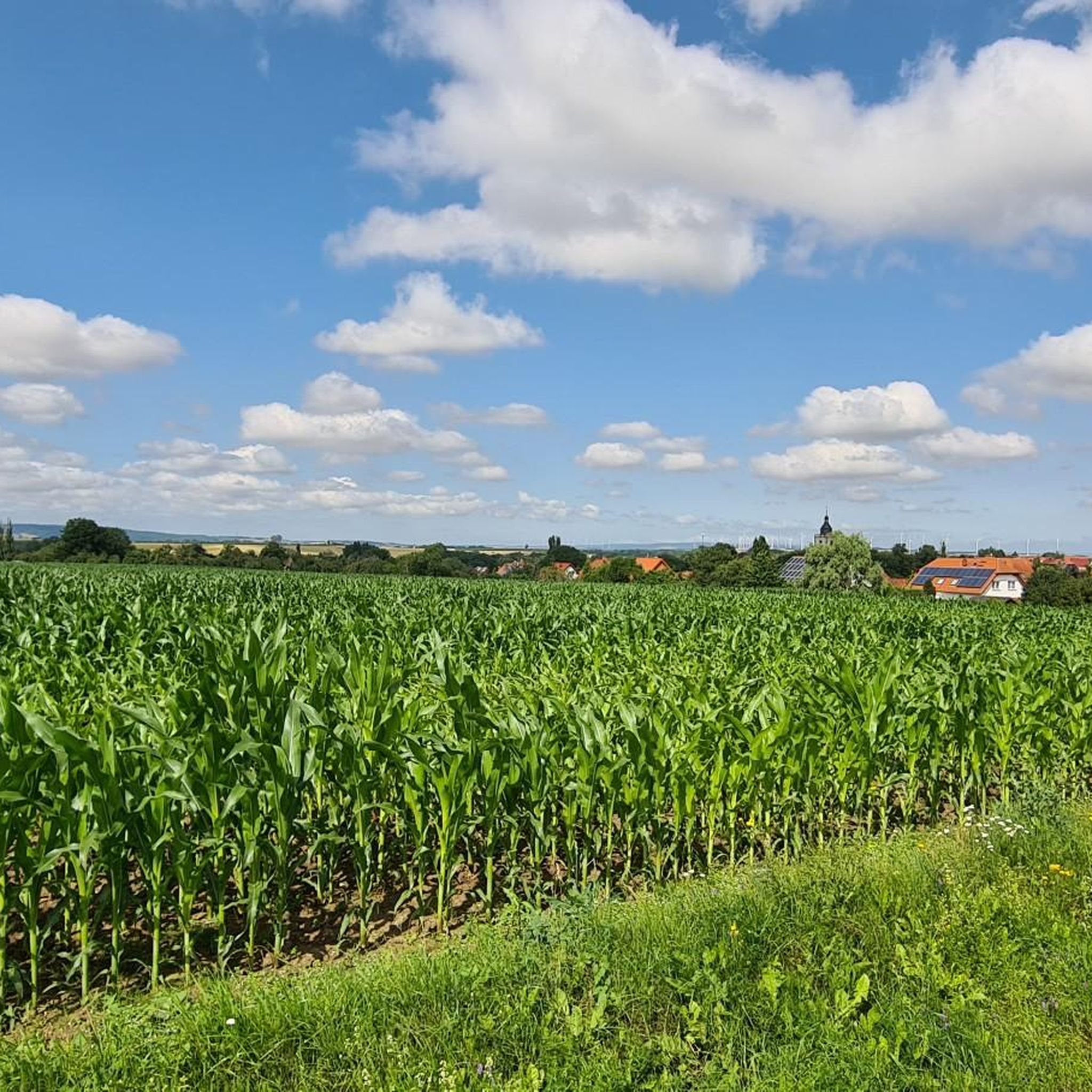
- The most popular natural monuments is Unstrut Valley Nature Reserve between Nägelstedt and Großvargula, a trail that features the Unstrut river flowing in its original riverbed. This section is known for its pollarded willows, dense bank vegetation, and a variety of insect and bird species, including more than 30 species of butterflies.
- Another must-see spot is Gotha Orangery, a man-made monument that is also recognized as a natural monument. Visitors can expect an impressive structure known for its size and aesthetic appeal, making it a notable landmark.
- Visitors also love Weiße Hütte (Thuringia Stamp Point No. 368), a hut located in the Fahner Heights. This site offers a rest stop with a spring, providing a destination for those exploring the natural surroundings.
- Molschleben is known for its nature reserves, geological formations, and scenic trails. The region offers a variety of natural monuments to see and explore, from river valleys to historical quarries and forest areas.
- The natural monuments around Molschleben are appreciated by the komoot community. Users have contributed more than 800 photos and over 1000 upvotes, indicating the popularity and visual appeal of these natural attractions.
Last updated: July 8, 2026
Unstrut Valley Nature Reserve between Nägelstedt and Großvargula
Highlight (Segment) • Trail
Translated by Google •
Tip by

Gotha Orangery
Highlight • Monument
Translated by Google •
Tip by

Sign up now to discover places like this
Get recommendations on the best single tracks, peaks, & plenty of other exciting outdoor places.
Sign up for free
Friemar Reservoir
Highlight • Lake
Translated by Google •
Tip by

Weiße Hütte (Thuringia Stamp Point No. 368)
Highlight • Mountain Hut
Nice hut, rightly there is a stamp here.
Showing Translation
Tip by

Kammerbruch Quarry
Highlight • Structure
Translated by Google •
Tip by

Sign up for free to discover even more natural monuments around Molschleben.
Sign up for free
Already have an account?
Start today with a free account
Your next adventure awaits.
Login or Signup
Tips from the Community

Secret tip for the 🐻🌱 time, mega. Nice hut, rightly there is a stamp here.
8
0

The Orangery of Gotha is a beautiful destination.
14
0

Stamp box and water source located near the seating area.
2
0
The Orangery is a beautiful eye-catcher and a great photo motif.
16
0

A very nice rest area at a well-kept hut in the middle of the forest, stamp point 368 from Touringen.de.
4
0

Very impressive, just because of the size 🤩.
19
0

It was created in the 18th century on behalf of Duke Friedrich III. of Saxony-Gotha-Altenburg with the aim of collecting, growing and presenting exotic plants. It is not only the largest orangery in Thuringia, but also one of the largest such facilities in the German-speaking region.
8
0
Frequently Asked Questions
What are some of the most popular natural monuments to visit near Molschleben?
The region around Molschleben offers several noteworthy natural monuments. Highly appreciated by visitors are the Unstrut Valley Nature Reserve between Nägelstedt and Großvargula, known for its unique river landscape and diverse wildlife, and the impressive Gotha Orangery, a man-made structure recognized for its aesthetic appeal. Another popular spot is the Weiße Hütte (Thuringia Stamp Point No. 368) in the Fahner Heights, offering a pleasant rest stop.
Are there family-friendly natural monuments around Molschleben?
Yes, several natural monuments in the area are suitable for families. The Unstrut Valley Nature Reserve is great for observing nature, while the Friemar Reservoir offers a relaxed setting with a restaurant and playground nearby. The Gotha Orangery is also a fascinating destination for all ages. Additionally, the region research mentions a 'Fairytale Trail' designed for younger explorers to immerse themselves in nature.
What kind of geological features can I explore near Molschleben?
The area around Molschleben is rich in geological history. You can explore the Kammerbruch Quarry near Seeberg, which is a designated geotope where sandstone, used in historical buildings like Friedenstein Castle, was mined. The broader Seeberg area also features other notable quarries, including the Seeberg Sandstone Quarry and former Limestone and Gypsum Quarries, offering a glimpse into 220-million-year-old geological formations.
What outdoor activities can I do near these natural monuments?
The natural monuments around Molschleben are excellent starting points for various outdoor activities. You can enjoy extensive hiking, with options ranging from easy walks to more challenging routes. For cyclists, there are numerous road cycling and gravel biking routes. For example, you can find many easy hikes, road cycling routes, and gravel biking tours in the surrounding area.
Are there specific hiking trails recommended for exploring the natural beauty?
Yes, the region offers several appealing hiking trails. The Fahner Höhe nature reserve, easily accessible from Molschleben, is known for its beautiful forest paths and extensive views. Within Molschleben, the 'Panorama Trail' guides visitors through expansive green meadows and dense forests, offering stunning vistas. For families, the 'Fairytale Trail' provides an engaging nature experience for younger explorers.
What is the best time of year to visit the natural monuments around Molschleben?
The most favorable seasons for exploring the natural settings around Molschleben are spring through autumn. During these months, you can expect pleasant weather and vibrant scenery, making it ideal for hiking and outdoor activities. Winter also offers opportunities for enchanting snow walks, though some access might be limited.
Are there any dog-friendly trails or areas near the natural monuments?
While specific dog-friendly designations aren't always highlighted, many natural areas and hiking trails around Molschleben, including those in the Fahner Höhe nature reserve and the Panorama Trail, are generally suitable for walks with dogs, provided they are kept on a leash and owners clean up after them. Always check local regulations for specific areas.
What do visitors enjoy most about the natural monuments in this region?
Visitors frequently praise the serene and idyllic nature of the region. For instance, the Unstrut Valley Nature Reserve is loved for its beautiful riverbed, pollarded willows, and abundant bird and insect life, including over 30 species of butterflies. The Gotha Orangery is often described as 'very impressive' and a 'beautiful eye-catcher' due to its size and aesthetic appeal.
Are there places to eat or rest near the natural monuments?
Yes, you can find options for refreshments and rest. The Friemar Reservoir has a small, cozy restaurant, often with a beer garden in summer. The Weiße Hütte in the Fahner Heights offers a nice rest area with a spring. Many trails also feature seating areas, inviting you to pause and enjoy the surroundings.
What kind of wildlife can I expect to see in the natural monuments?
The natural monuments around Molschleben are home to diverse wildlife. The Unstrut Valley Nature Reserve is particularly rich, with its dense bank vegetation providing valuable protection for insects and birds. Over 35 species of butterflies have been observed there, making it a great spot for nature enthusiasts.
Is public transport available to reach hiking trails or natural monuments?
The region research indicates that public transport options are available to access some of the hiking trails around Molschleben. It's advisable to check local public transport schedules and routes to plan your visit to specific natural monuments or trailheads.
Are there any historical aspects associated with the natural monuments?
Yes, some natural monuments have significant historical connections. The Kammerbruch Quarry, for example, is an ancient sandstone quarry where rock was mined for important structures like Friedenstein Castle and the Gotha viaduct. The sandstone from the Seeberg quarries, dating back 220 million years, was even used in the construction of Erfurt Cathedral, highlighting the area's long history of resource utilization.
Most popular routes around Molschleben
Most popular attractions around Molschleben

Get inspired with the komoot mobile app


Explore more
Extend your search for the best caves by checking out these guides of the top ones around Molschleben:
