Top 3 Natural Monuments in Untere Wümme
Best natural monuments in Untere Wümme are defined by the naturally meandering Wümme river and its extensive wetland ecosystems. This region, encompassing parts of Bremen and Lower Saxony, features diverse habitats including freshwater mudflats, reed beds, and floodplain forests. The area serves as a critical habitat for numerous wetland-specific plant and animal species. These natural features provide opportunities for observing riverine ecosystems and rich biodiversity.
Best natural monuments in Untere Wümme
- The most popular natural monuments is Wümme bend in…
Last updated: July 11, 2026
Wümme bend in Blockland
Highlight • River
Translated by Google •
Tip by

New Wümme Bridge in Lilienthal
Highlight • Bridge
Translated by Google •
Tip by

Sign up now to discover places like this
Get recommendations on the best single tracks, peaks, & plenty of other exciting outdoor places.
Sign up for free
Confluence of the Wümme and Hamme rivers
Highlight • River
Translated by Google •
Tip by

Kreuzdeich Floodplain Biotope
Highlight (Segment) • Natural Monument
Translated by Google •
Tip by

Start today with a free account
Your next adventure awaits.
Login or Signup
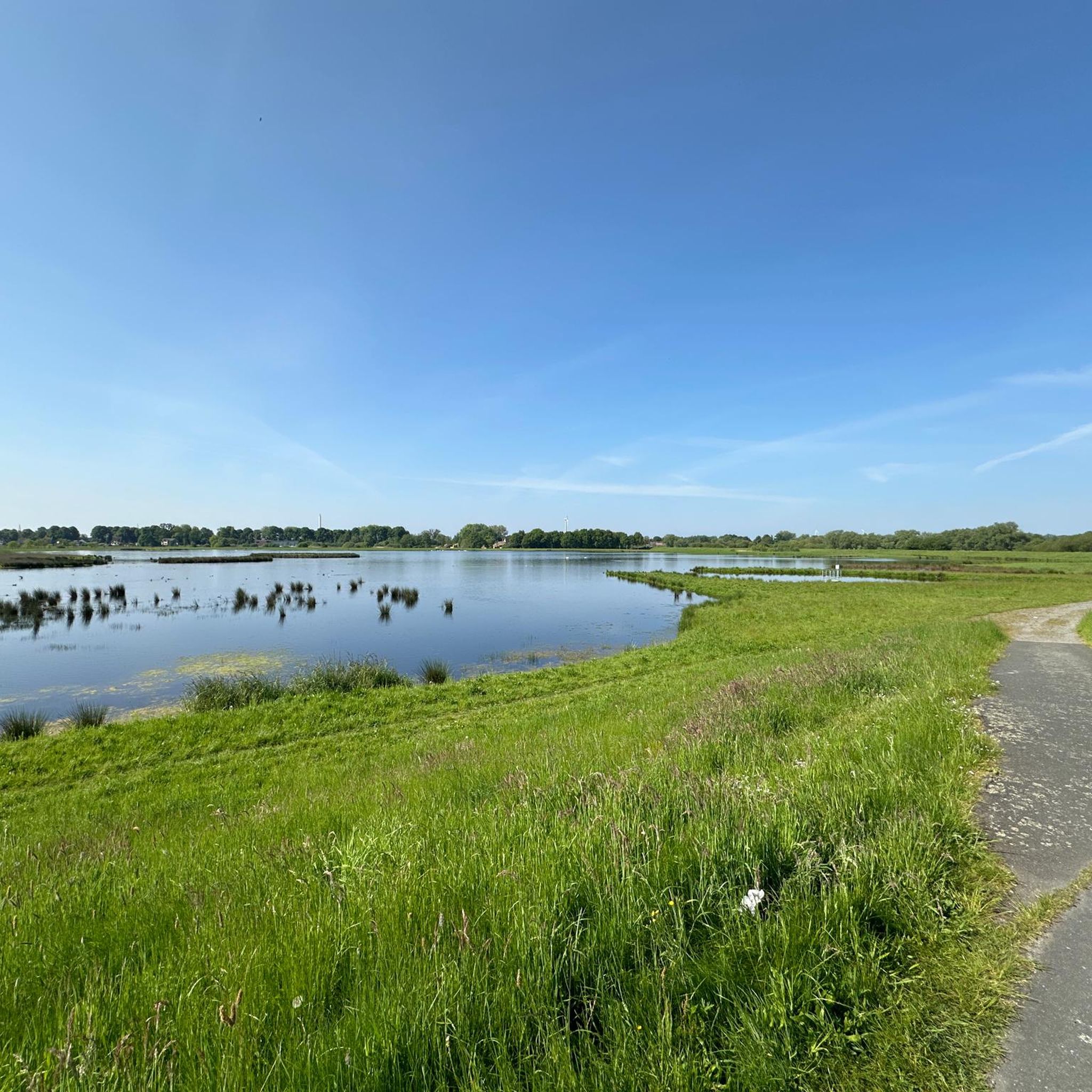
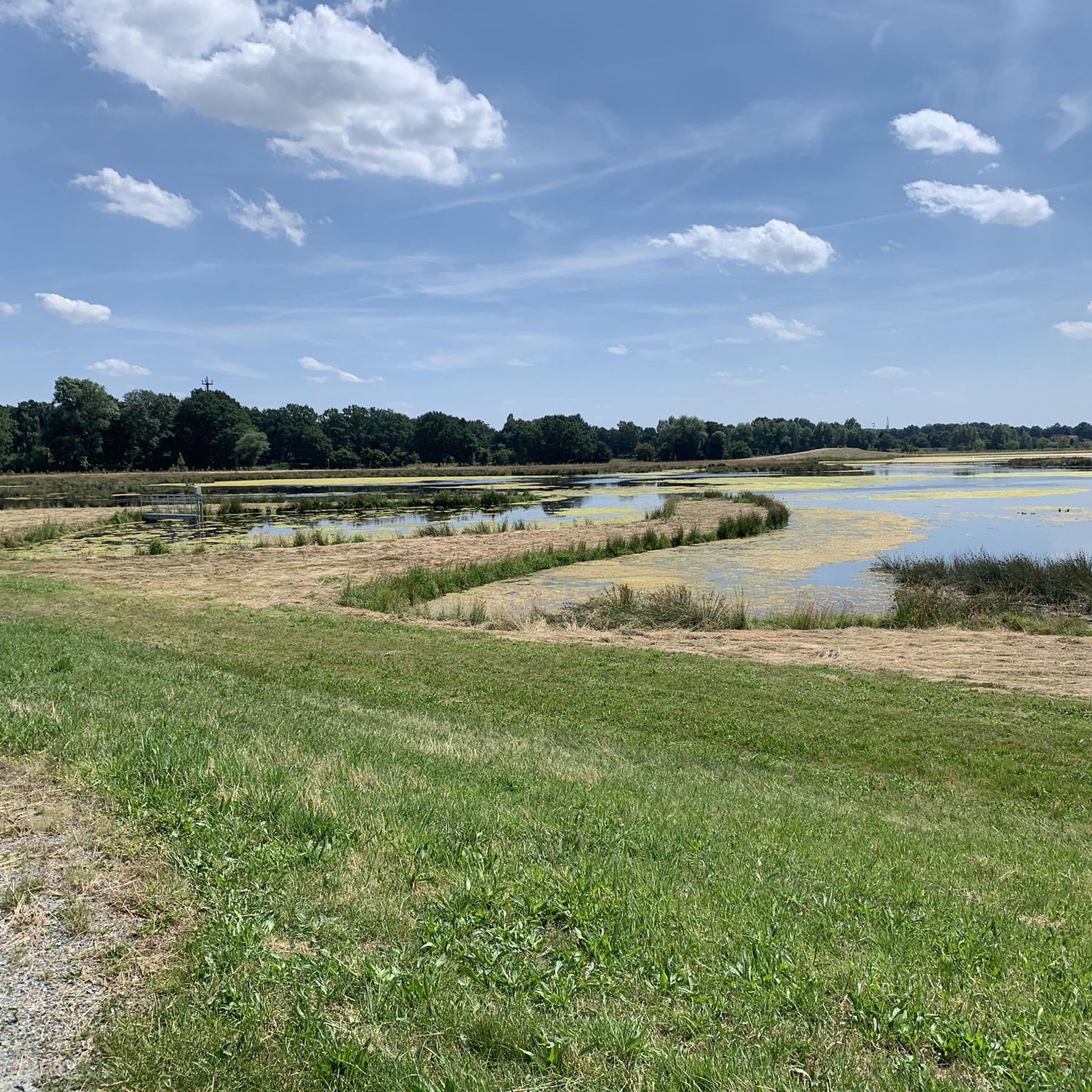
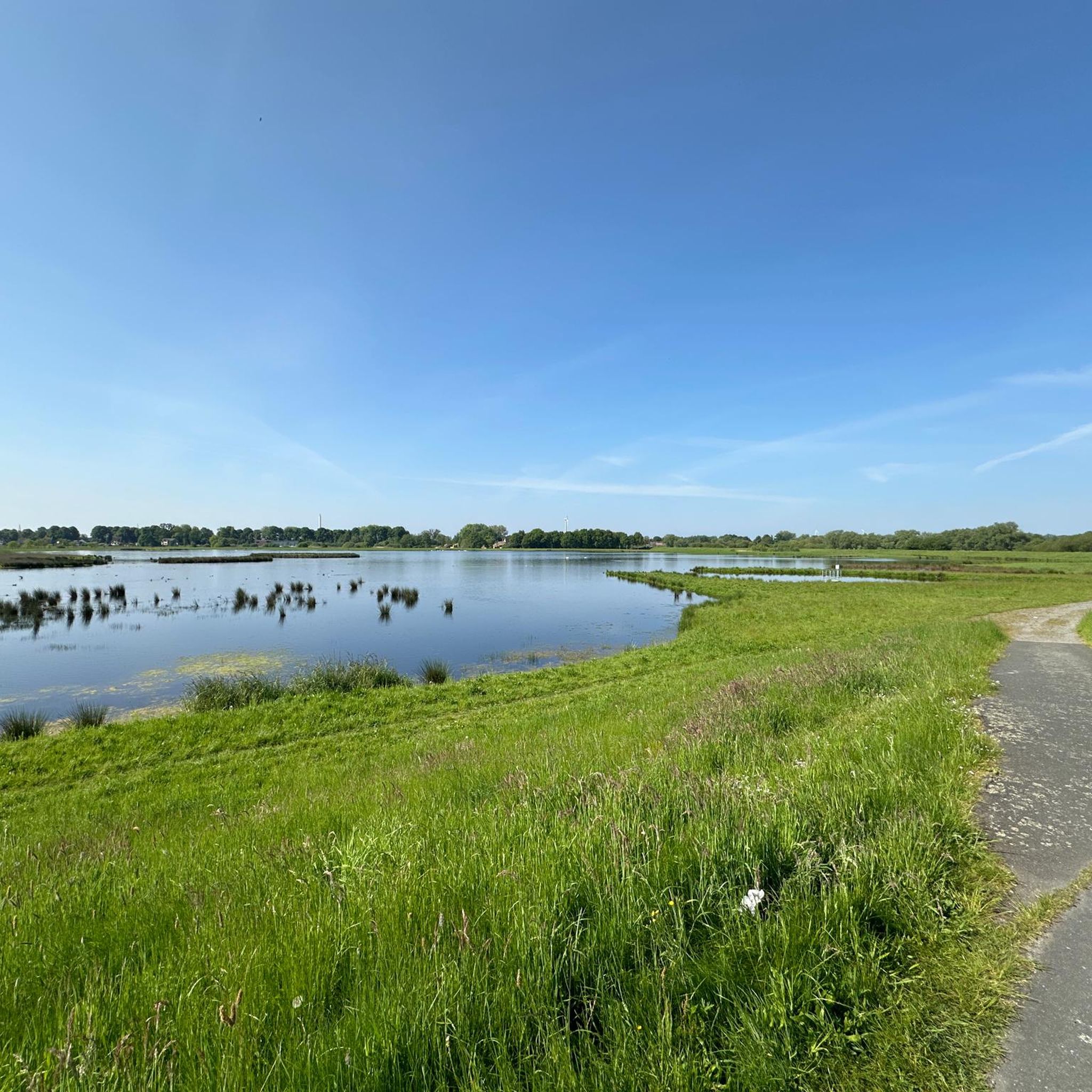
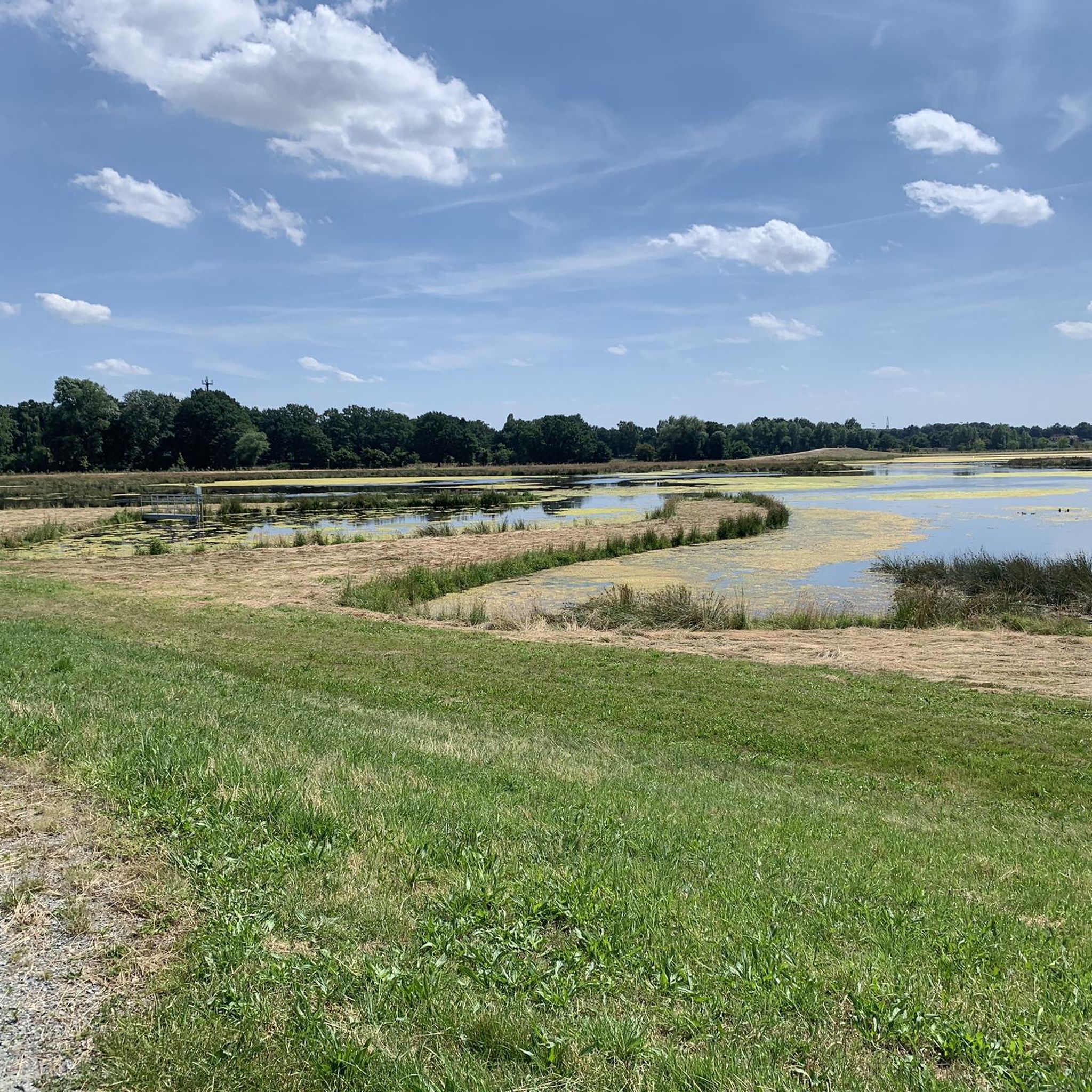
Tips from the Community

Nice to ride the bike!
4
0

The Wümme is a 121-kilometer-long river in northern Germany that flows through the federal states of Lower Saxony and Bremen. Its source is in the Lüneburg Heath, and it eventually flows into the Lesum, which in turn flows into the Weser. The Wümme partially marks the border between Lower Saxony and Bremen and is the main tributary of the Lesum. Together with the Lesum, the Wümme reaches a total length of 131.2 kilometers. The Wümme flows through several towns and villages, including Lauenbrück, Scheeßel, Rotenburg an der Wümme, Ottersberg, Fischerhude, Lilienthal and Bremen. It is known for its clean water quality and the picturesque landscapes along its course, which are characterized by wide meadows and floodplains.
3
0

If you know what you're looking at, then you'll definitely look at the place a little differently. I've always wondered where the three rivers meet... Finally: now I know ;-) it's just "a fork," ... where you could imagine a little sign on the "cycle highway". (It's probably like the confluence of the Bever and the Oste: last seen 40 years ago, we should/will visit the area... ))
0
0

Telescopeium Lilienthal Observatory
3
0

Small idyllic river, flows into the Lesum, then further into the Weser and North Sea.
4
0

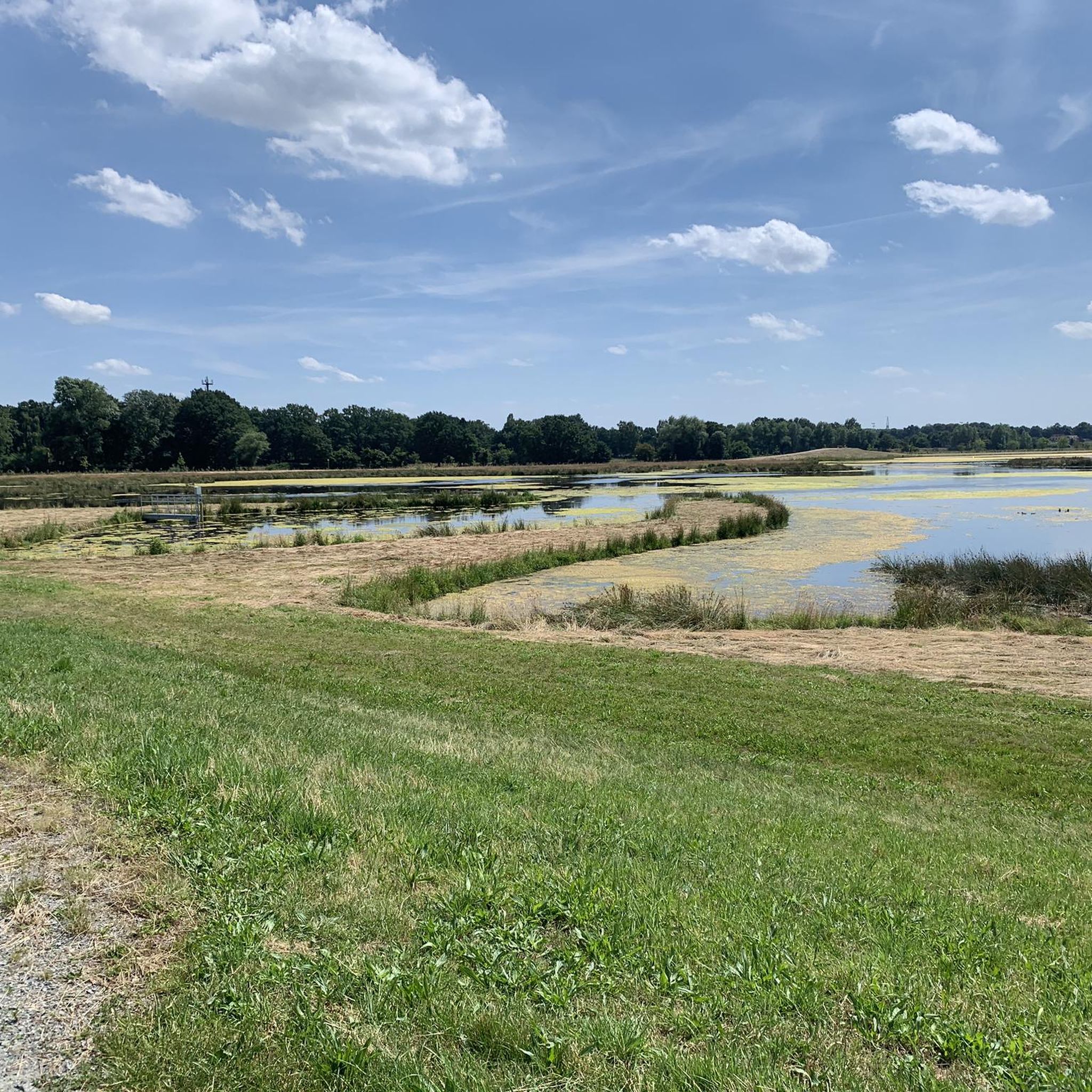
Nice view of the Wümme.
3
0

Here the Jan-Reimers-Weg crosses the Wümme
1
0
Frequently Asked Questions
What natural features define the Untere Wümme region?
The Untere Wümme region is characterized by its extensive riverine and wetland ecosystems. The naturally meandering Wümme River, with its tidal influence, creates dynamic freshwater mudflats, reed beds, and tall herbaceous vegetation. You'll also find diverse wetland habitats, including fallow wet grasslands and willow floodplain forests, which are crucial for local biodiversity.
Are there specific natural monuments worth visiting in Untere Wümme?
Yes, the region offers several notable natural spots. The Wümme bend in Blockland is a picturesque section of the river popular for cycling and canoeing. The Confluence of the Wümme and Hamme rivers marks the beginning of the Lesum River and is a great spot for nature observation. Additionally, the Kreuzdeich Floodplain Biotope is an evolving natural area designed to restore floodplain landscapes.
What kind of wildlife can I observe in the Untere Wümme natural areas?
The Untere Wümme is rich in biodiversity. Its extensive reed beds are vital breeding grounds for birds like the marsh harrier, water rail, and bluethroat. Grey herons also nest in the foreland. The river itself is home to migratory fish such as salmon and eel, and the Eurasian otter has made a return to the area. In spring, look for the blooming marsh marigold, and in summer, the rare marsh ragwort.
Are there family-friendly natural spots in Untere Wümme?
Absolutely. Many areas are suitable for families. The Wümme bend in Blockland is a great place for a family bike ride, offering wide views and easy paths. The Confluence of the Wümme and Hamme rivers provides a peaceful setting for nature watching. The Kreuzdeich Floodplain Biotope is also designed with accessible paths, allowing families to observe the ongoing ecological development.
What outdoor activities can I enjoy near the natural monuments in Untere Wümme?
The region is ideal for various outdoor activities. Cycling is very popular, especially along the Wümme-Bogen in Blockland. Canoe tours are also a fantastic way to experience the meandering river. For more structured routes, you can explore the many road cycling routes, MTB trails, and city hikes available in the Untere Wümme area.
When is the best time to visit the natural areas of Untere Wümme?
Spring (March/April) is particularly beautiful when the marsh marigolds bloom profusely. Summer offers the chance to see the rare marsh ragwort and enjoy longer days for cycling and canoeing. The quiet stretches between Kuhsiel and Dammsiel provide a peaceful natural experience, especially when motorboats are prohibited.
How can I reach the natural monuments in Untere Wümme using public transport?
While specific public transport details for each natural monument vary, the Untere Wümme region, being close to Bremen, is generally accessible. Key areas like Blockland and Lilienthal often have bus connections from Bremen. It's advisable to check local transport schedules for the most direct routes to your chosen starting point.
Are there places to eat or drink near the natural monuments?
Yes, you'll find various cafes and pubs in the villages and towns bordering the natural areas, such as those near Gartelmann's Gasthof mentioned in the region research. These establishments often cater to cyclists and hikers, providing opportunities for refreshments and meals after exploring the natural monuments.
What makes the Wümme river itself a significant natural feature?
The Wümme River is a key natural monument due to its unstraightened, naturally meandering course and tidal influence. This creates a unique and dynamic environment with freshwater mudflats, extensive reed beds, and diverse vegetation. Its preservation, particularly in areas like the Wümme bend in Blockland, highlights its ecological value as a rare and valuable habitat.
Can I bring my dog to the natural monuments in Untere Wümme?
Many natural areas and trails in Untere Wümme are dog-friendly, including the Wümme bend in Blockland. However, it's always important to keep dogs on a leash, especially in nature reserves, to protect wildlife and ensure a pleasant experience for all visitors. Be mindful of signage regarding protected areas or specific restrictions.
Are there any unique historical natural formations in the region?
Yes, the Truper Kolke, located west of Lilienthal, are unique natural water bodies. They were formed by historical dike breaches, showcasing the long-standing interaction between the Wümme River and the surrounding landscape. These kolke contribute significantly to the area's ecological diversity and offer a glimpse into its natural history.
What do visitors particularly enjoy about the natural monuments here?
Visitors frequently praise the scenic beauty and tranquility of the Untere Wümme. Many enjoy the wide views of the Wümme from one side and the Blockland meadows from the other, especially along the Wümme bend in Blockland. The peaceful atmosphere, opportunities for nature and water watching, and the chance to observe the ongoing development of areas like the Kreuzdeich Floodplain Biotope are also highly valued.
Most popular routes in Untere Wümme
Most popular attractions in Untere Wümme

Get inspired with the komoot mobile app


Explore more
Extend your search for the best caves by checking out these guides of the top ones in Untere Wümme:
