Top 20 Castles around the Maas
Castles around the Maas are situated in a region rich in history, featuring structures from medieval fortresses to Renaissance châteaux. The Meuse River carves a path through this landscape, providing scenic locations for these historical sites. These castles showcase centuries of architectural evolution and strategic importance. The area offers diverse historical landmarks for exploration.
Best castles around the Maas
- The most popular castles is Citadel of Namur, a castle that is one of the largest citadels in Europe. Its…
Last updated: May 9, 2026
Arcen Castle Gardens
Highlight • Castle
Translated by Google •
Tip by

De Keverberg Castle
Highlight • Castle
Translated by Google •
Tip by

Sign up now to discover places like this
Get recommendations on the best single tracks, peaks, & plenty of other exciting outdoor places.
Sign up for free
De Keverberg Castle
Highlight • Castle
Translated by Google •
Tip by
Geulle Castle
Highlight • Castle
Translated by Google •
Tip by
De Mookerheide Hunting Lodge
Highlight • Castle
Translated by Google •
Tip by

Schanstoren of Arcen
Highlight • Historical Site
Translated by Google •
Tip by

Elsloo Castle
Highlight • Castle
Translated by Google •
Tip by

Well Castle
Highlight • Castle
Translated by Google •
Tip by

Citadel of Namur
Highlight • Castle
Translated by Google •
Tip by

Historic Center of Stevensweert
Highlight • Historical Site
Translated by Google •
Tip by

Sign up for free to discover even more castles around the Maas.
Sign up for free
Already have an account?
Start today with a free account
Your next adventure awaits.
Login or Signup
Popular around Maas
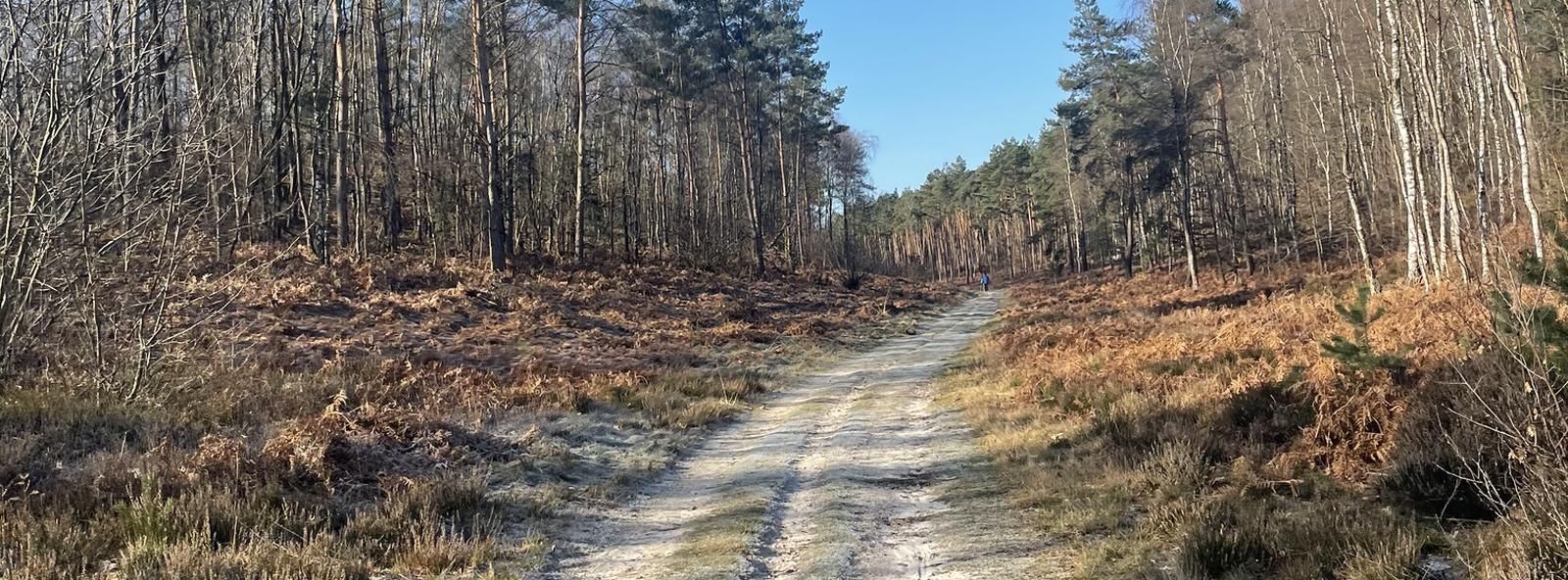
Belgium’s Hoge Kempen and Meuse Valley – Bram Tankink’s best rides
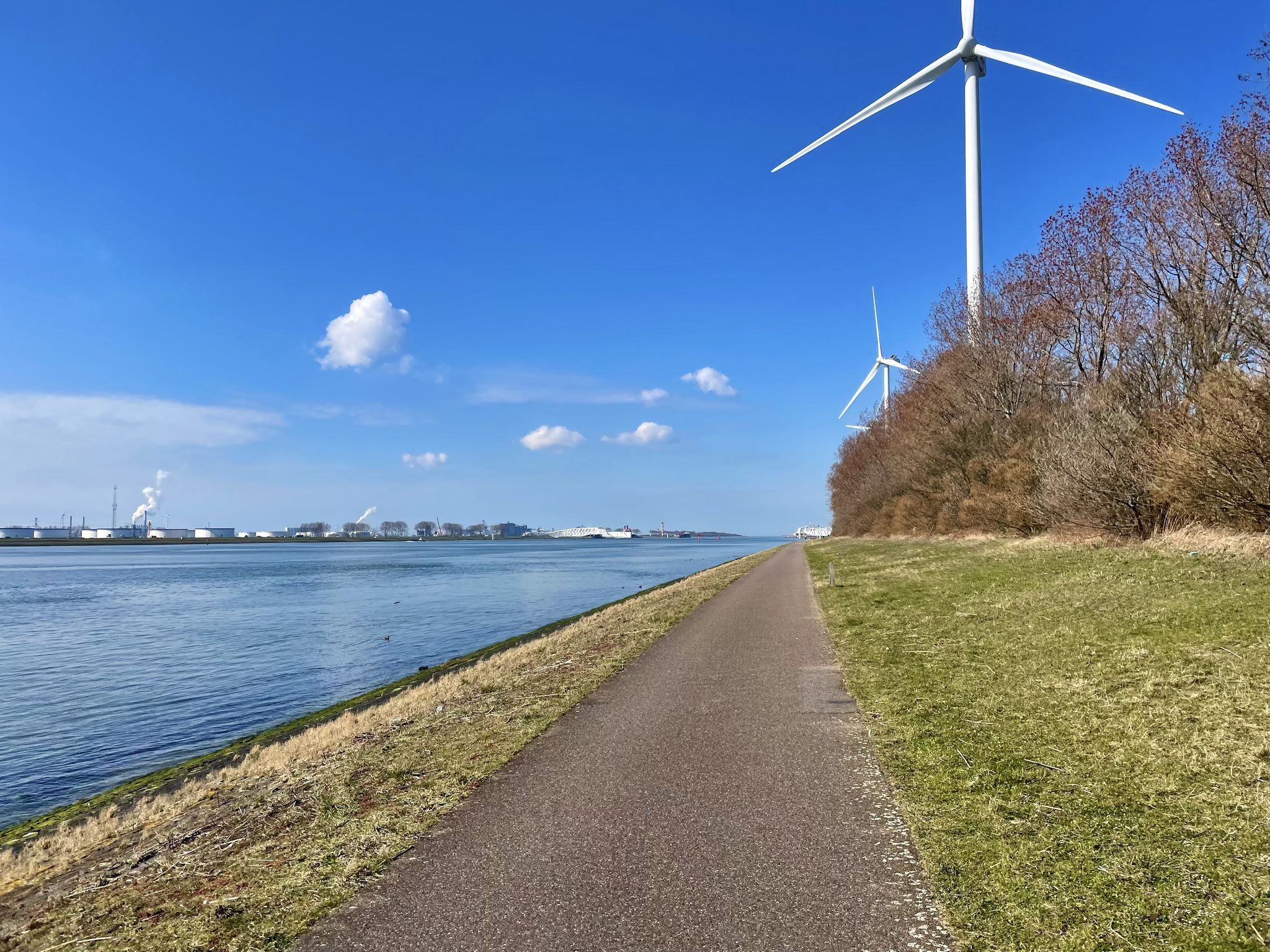
The Meuse Cycle Route - Follow the Meuse from the hills to the harbor
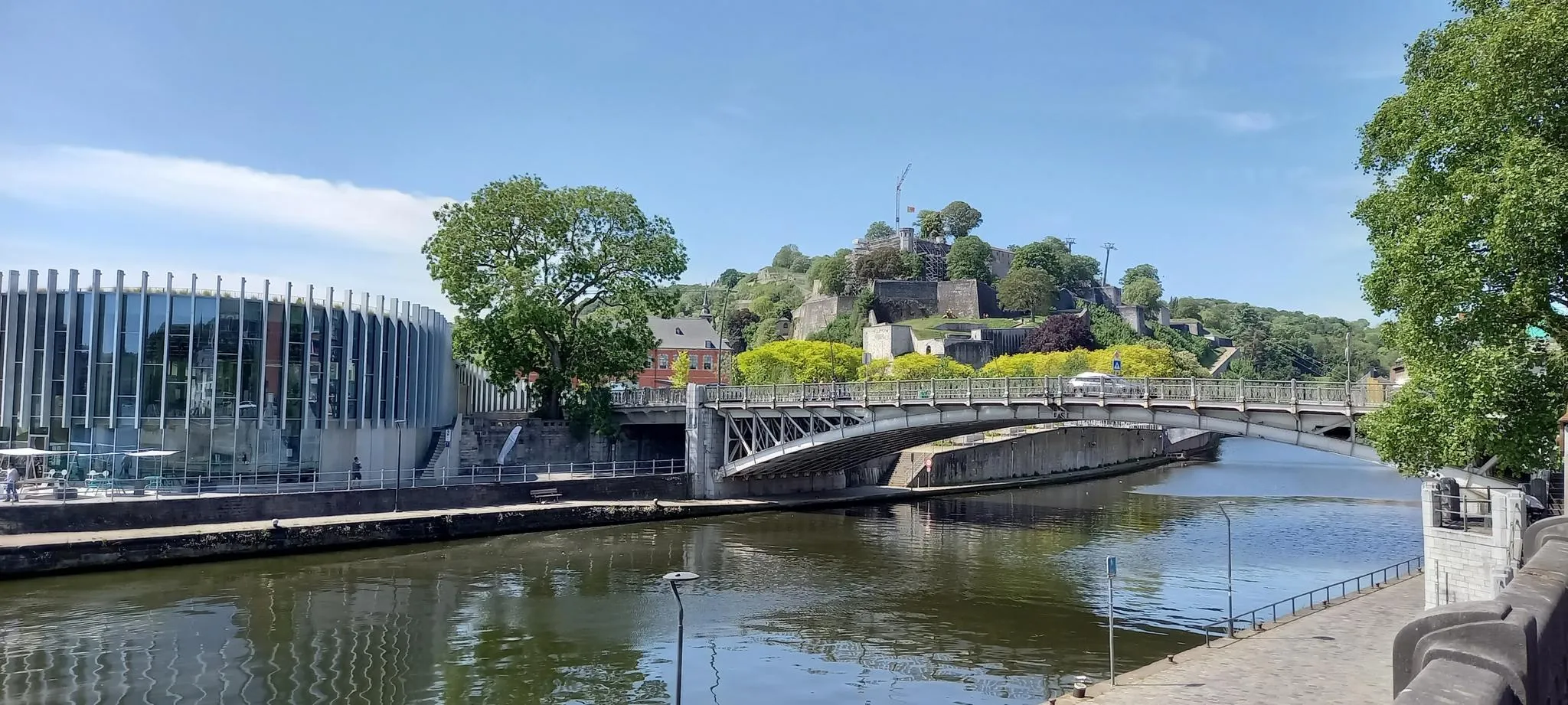
EuroVelo 3 — The adventure in the heart of Belgium
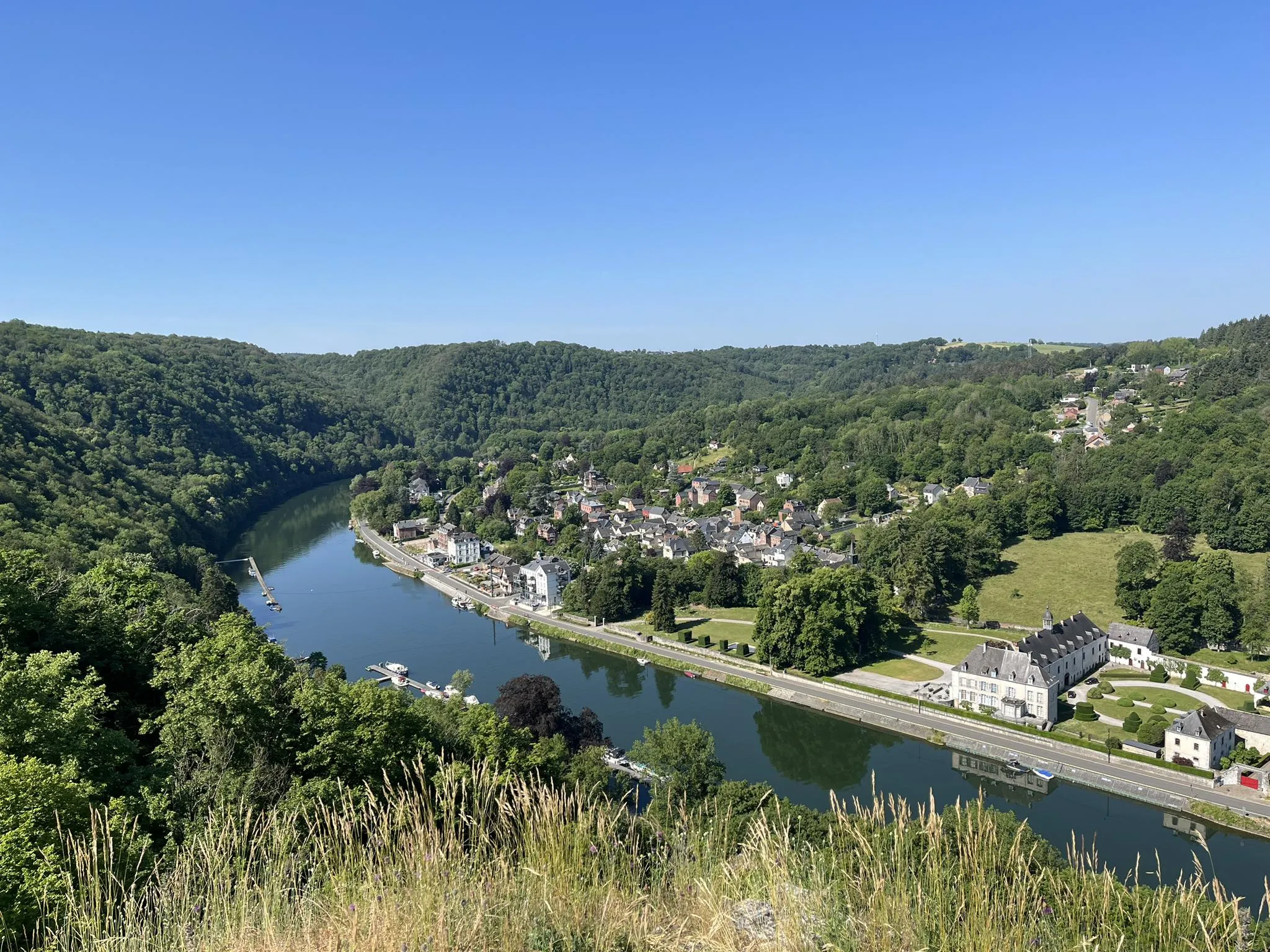
Sentier des abbayes trappistes part 1 – Between nature and gastronomy
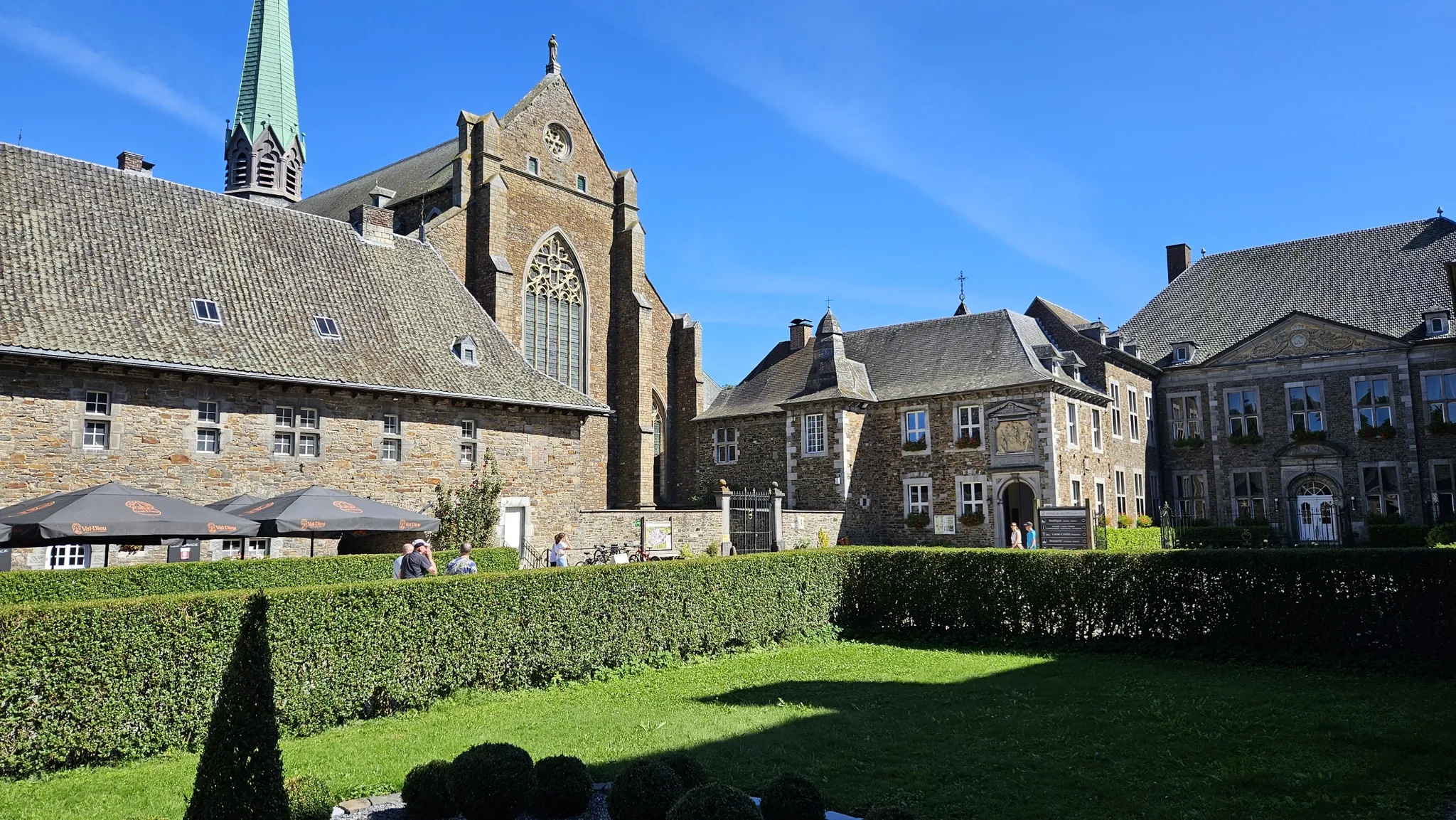
Trappist abbeys cycle route – Between beers and heritage
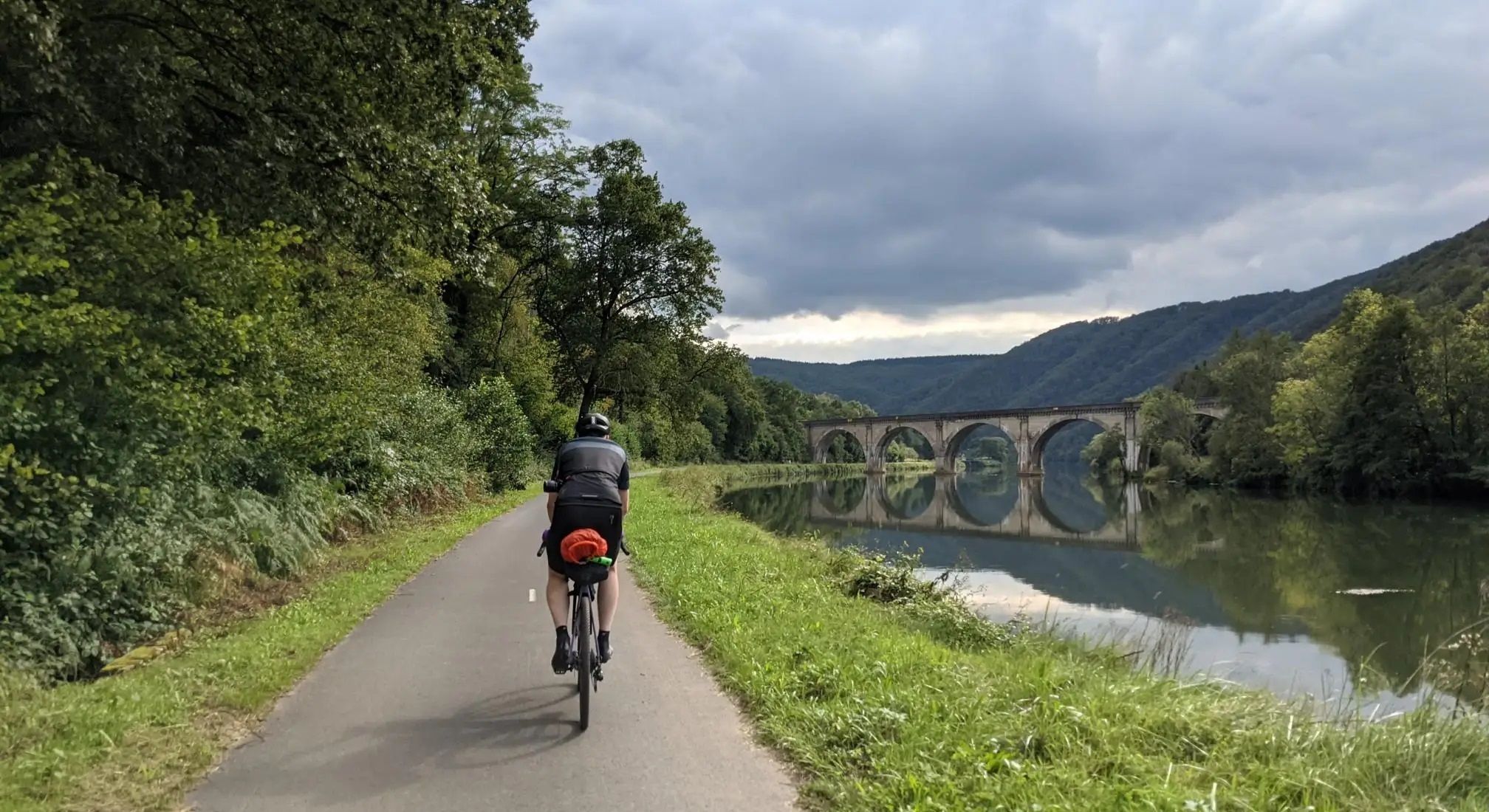
Aachen to Reims – Ardennes, Meuse and Champagne
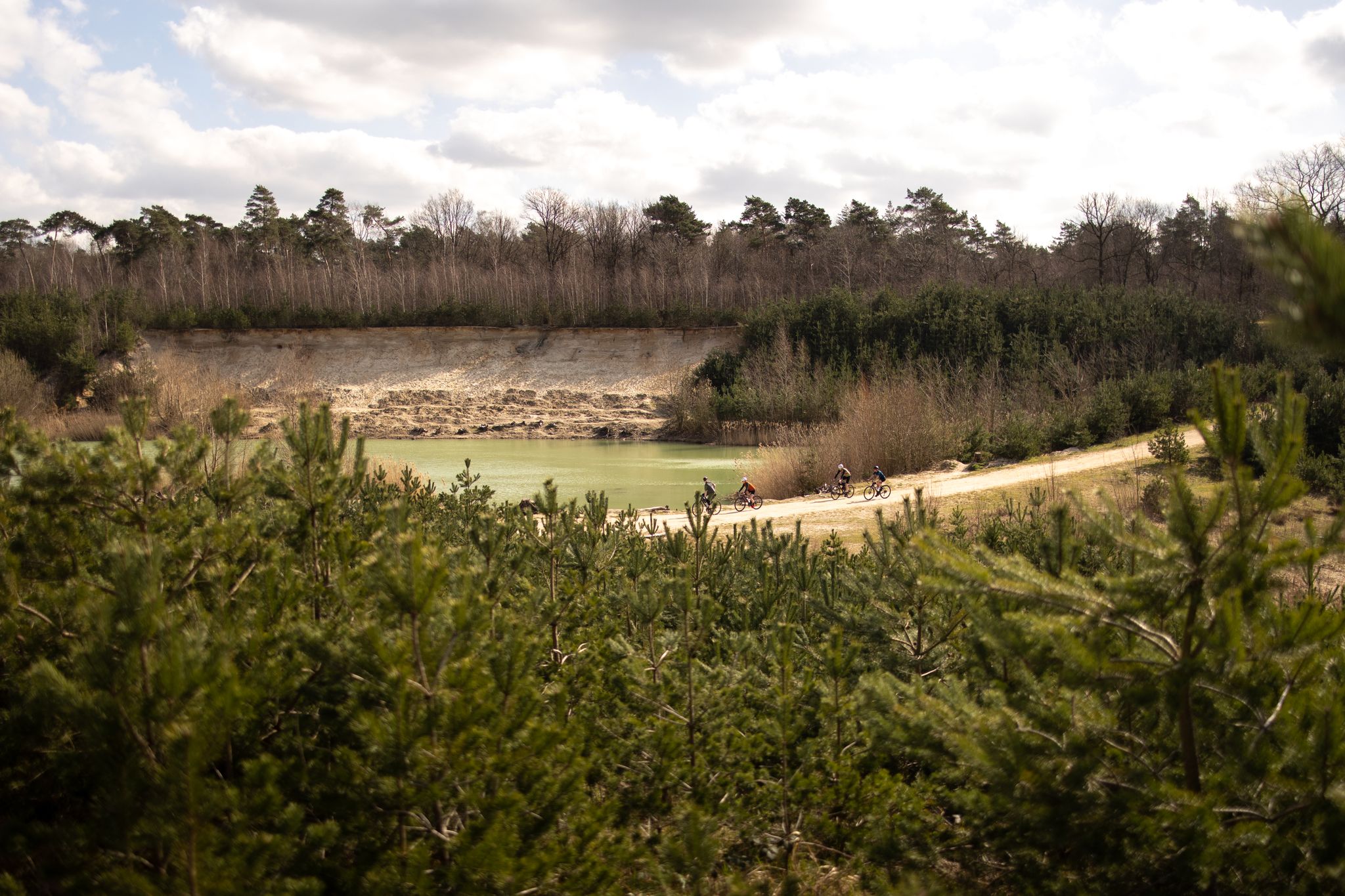
The Pieterpad by bike – From Pieterburen to Sint-Pietersberg
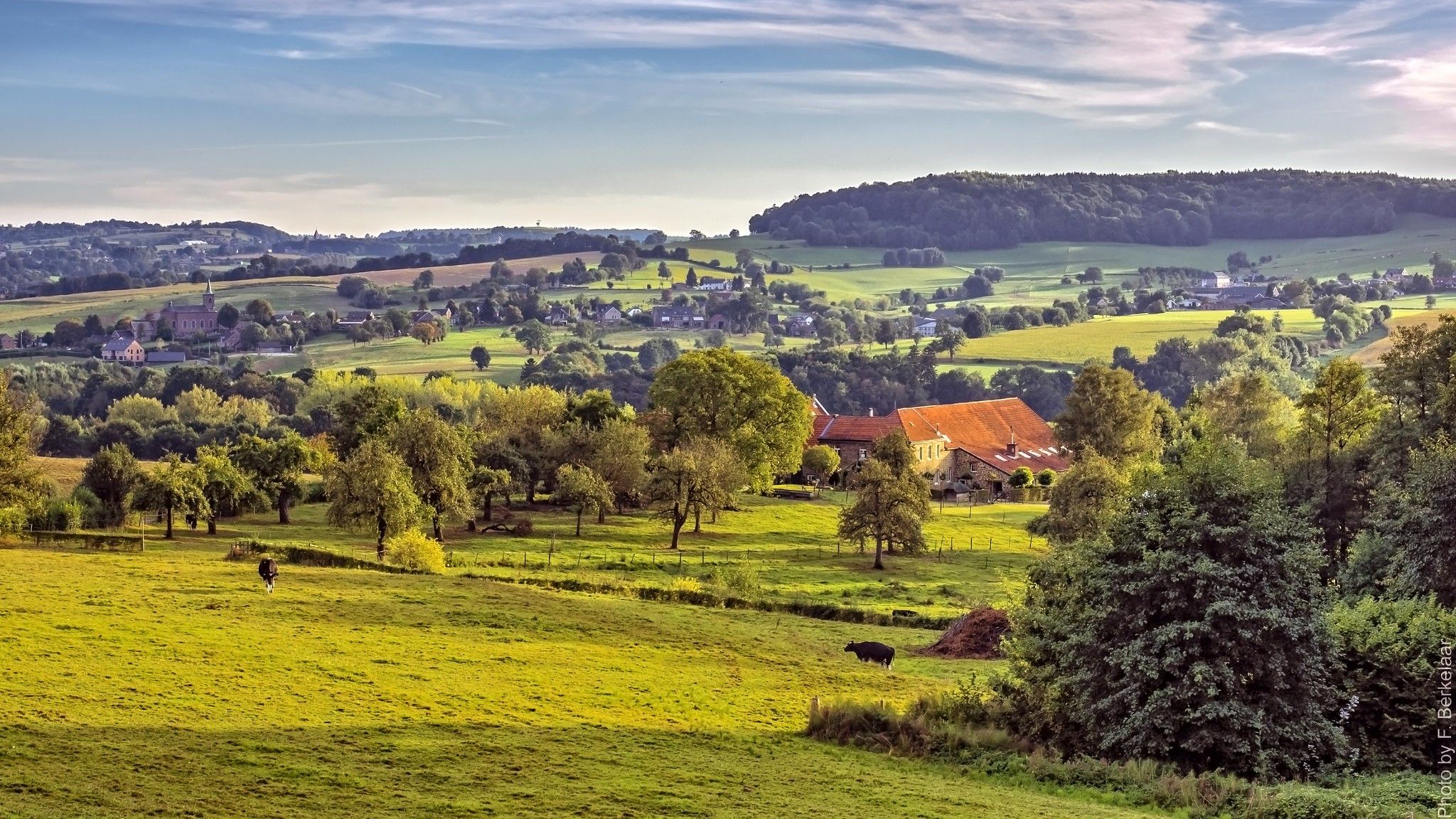
Pilgrim's Way part 2 — s-Hertogenbosch to Maastricht
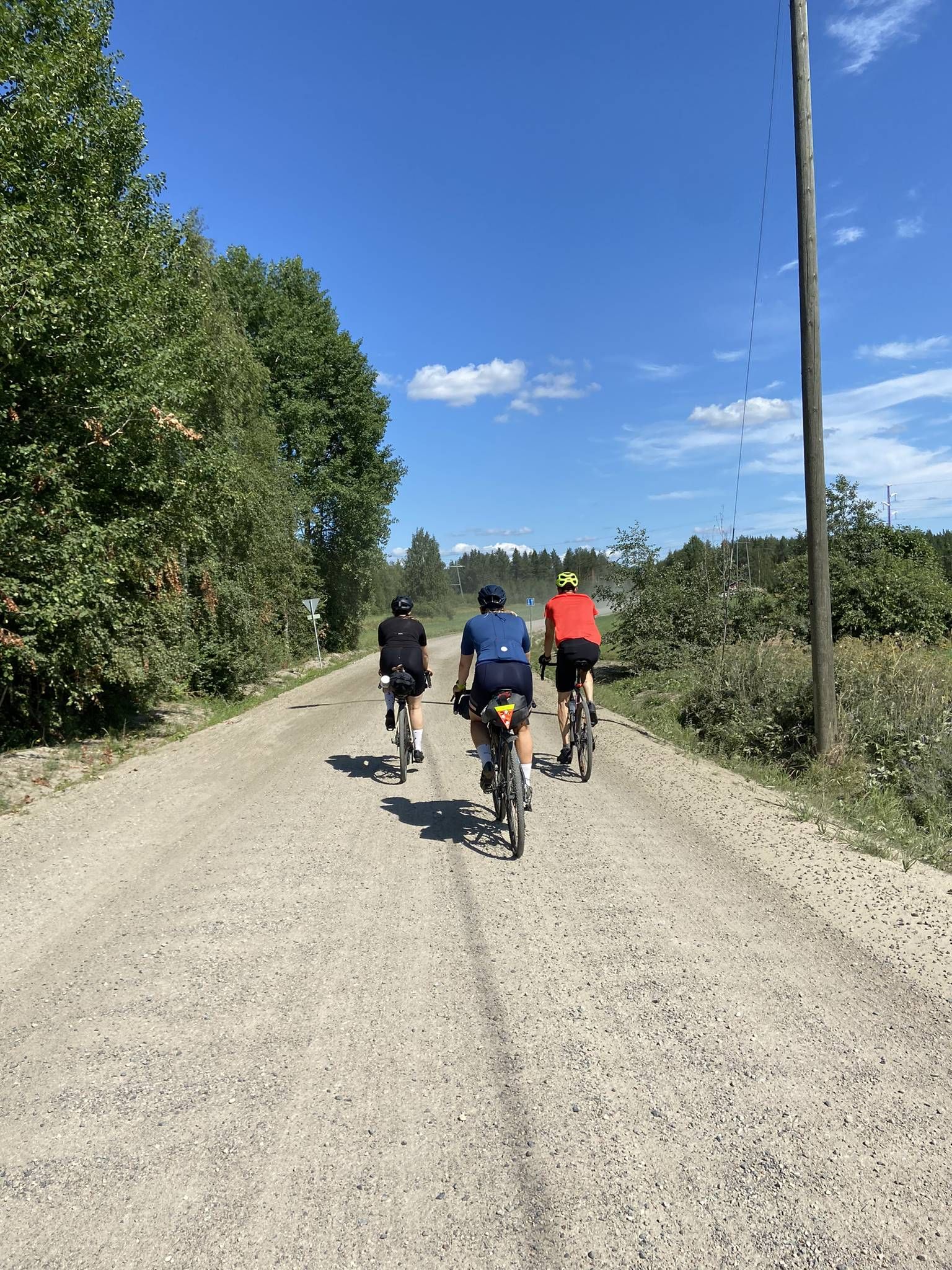
Naples to North Cape — Two friends, one purpose and many scoops of ice-cream
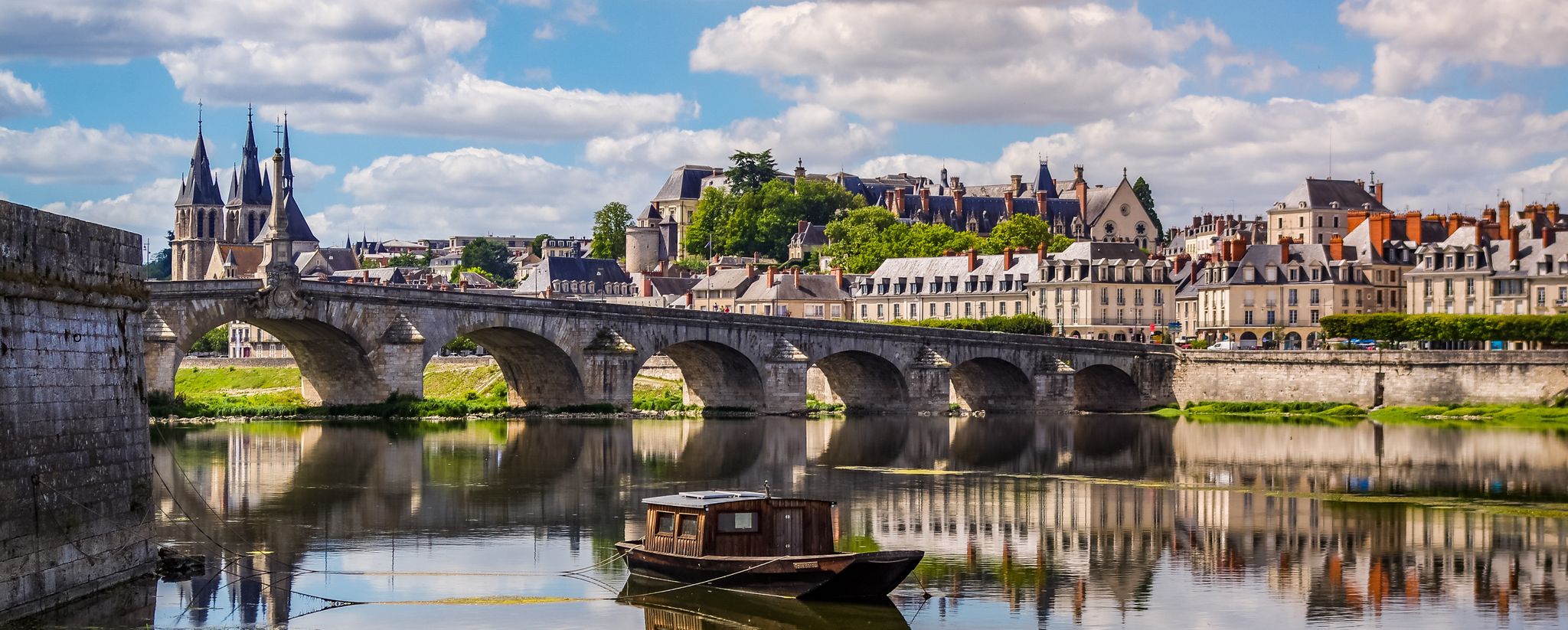
EuroVelo 3 – A cycling pilgrimage from Norway to France
Other adventures around the Maas


Tips from the Community

The stables of the old moated castle Schloss Geulle, demolished in 1850, have been converted into comfortable accommodation with elegantly landscaped gardens within the moat. Guest rooms with fireplace, fully equipped kitchen, bicycles and free Wi-Fi. Numerous golf courses and excellent Michelin-starred restaurants in the surrounding area.
6
0

The current owner of the castle is the Boston-based Emerson College, which offers American students a comprehensive orientation about Europe from the castle fountain.
15
0

This historic castle, parts of which date back to the 16th century, is located near Elsloo, directly on the Juliana Canal. The buildings were also a brewery and water mill for a time, and are now used as a hotel and restaurant.
3
0
The current castle is a fortification of the 17th century castle, which was demolished in 1847. The impressive castle is surrounded by a wide moat and there is a gatehouse on the west side, which you can reach via an arched bridge. The stables of the old moated castle, Geulle Castle, demolished in 1850, have been converted into comfortable accommodation with elegantly landscaped gardens within the moat.
3
0

As a free imperial lordship, Elsloo traditionally had a castle, even before the thirteenth century. The Spanish set it on fire in 1579 during the siege of Maastricht, after which the Maas water gradually gained free rein and the original castle fell into ruin. The current castle was rebuilt along the Slakbeek, hundreds of meters from the original location, and initially consisted of a mansion with outbuildings. The watermill is the oldest part of this 'new' castle. It dates back to 1552. The characteristic tower was built in 1843. Source: https://www.kasteelelsloo.nl/historie/
8
0

The current castle is the remaining outer bailey, a remnant of a 17th-century Renaissance castle that was demolished in 1847. The remaining outer bailey is a national monument.
4
0

The original castle of Elsloo was located further west of the current castle, directly on a bend in the Maas.[1] At the beginning of the 17th century, this castle fell into disrepair because the eastern bank eroded due to the strong flowing Meuse water. Foundations of the medieval castle are still visible when the water level of the Meuse is low. The first lords of Elsloo mentioned in the sources are Herman van Elsloo and his son Arnold (or Arnulf). It is known that Herman van Elsloo took part in the Fifth Crusade in 1218-1220. The Elsloo family became extinct around 1285. The eldest daughter of the then lord of Elsloo was married to Gozewijn van Born, who became the new lord of Elsloo. After his family also became extinct, the possessions passed to the Van Schoonvorst family, then to the De Gavre/Van Gavere(n) family. During the reign of the latter family, the castle (together with the nearby church) gradually fell prey to the Meuse (as would happen again later, in the 17th century). It was still habitable, but hardly defensible. One of the lords Van Gaveren therefore built a new castle at the end of the 15th century, using the remains of the dilapidated castle. In 1641 the medieval castle had completely disappeared. Some of the economy buildings were converted into noble country residences. By public sale it became the property of Counts De Geloes. After a devastating fire in 1885, the De Geloes family left Elsloo Castle. After public sale in 1887, the remains and the associated estate came into the possession of Hendrikus Jurgens (1840-1888), a member of the Jurgens manufacturer family in Oss. After a major restoration, he and the families of his children used the estate as a summer residence. In 1957, the then owner, Dorine Verschure, left the estate, consisting of the castle, the park and 168 hectares of land, plus a capital of 118,250 guilders, to the municipality of Elsloo. The current owner is the Limburgs Landschap foundation. The castle is operated as a hotel-restaurant.
6
0

Step by step, climbing paths, green trees, lots of history, beautiful views, art, the feeling of being a king, you get it all...
9
0
Frequently Asked Questions
What types of castles can I expect to see along the Maas?
The Maas region is home to a diverse range of castles, from formidable medieval fortresses and impressive ruins to elegant Renaissance châteaux and water castles. You'll find structures showcasing centuries of architectural evolution and strategic importance, often dramatically situated along the riverbanks.
Which castles offer the most impressive historical insights or unique architecture?
For unique architecture, consider Jehay Castle with its distinctive checkerboard-patterned walls, or Château de Freÿr, often compared to the Palace of Versailles. The Citadel of Namur is one of Europe's largest citadels, known for its vast underground passages. For a glimpse into military history, the Citadel of Montmédy, enhanced by Vauban, and the subterranean Verdun Citadel are significant.
Are there any castle ruins worth visiting for their historical significance?
Yes, several impressive ruins tell compelling historical stories. Château de Poilvache is one of Belgium's largest medieval ruins, dramatically perched above the Meuse. The Pietersheim Water Castle (ruins) offers a glimpse into a 12th-century moated castle. You can also explore the Batenburg Castle Ruins and the historical site of Dun-sur-Meuse Castle, which was originally a hill fort.
Which castles provide the best scenic views of the Meuse Valley?
Many castles offer breathtaking views. The Citadel of Namur provides magnificent panoramas over the Meuse Valley. Château de Freÿr offers stunning views from its terraces, while Château de Poilvache boasts expansive vistas of the river valley. Walzin Castle is known for its dramatic setting above the Lesse River, just before its confluence with the Meuse, offering picturesque views.
Are there castles with notable gardens or natural surroundings?
Absolutely. Arcen Castle Gardens are renowned for their meticulously landscaped classical gardens. Château de Freÿr also features elegant gardens with fountains and a historic orange tree orchard. Geulle Castle is surrounded by a beautiful garden with old trees, and the park around Eijsden Castle is open for visitors to relax and picnic.
Are there family-friendly castles or activities for children?
Many castles cater to families. The Pietersheim Water Castle (ruins) has a visitor center where you can learn about its history, a petting zoo, and a gnome path for younger visitors. The Citadel of Namur is also considered family-friendly, offering exploration and great views. De Keverberg Castle and Geulle Castle are also listed as family-friendly options.
What outdoor activities can I do near these castles?
The region around the Maas castles offers numerous outdoor activities. You can find various running trails, such as the 'Trail des Lumeçons' or routes in 'Nationaal Park de Maasduinen'. For cyclists, there are road cycling routes like the 'LF Meuse Route Loop' and gravel biking options including 'High Kempen and Meuse floodplains for gravel bike'. You can explore more routes on the Running Trails around the Maas, Road Cycling Routes around the Maas, and Gravel biking around the Maas guide pages.
Are there hiking trails near these castles?
Yes, the Maas region provides excellent opportunities for hiking. You can find trails that pass by or lead to many of these historical sites. For example, the area around the Citadel of Namur offers trails with wonderful views. For more detailed information on hiking routes, refer to the Running Trails around the Maas guide, which includes various walking and running paths.
What is the best time to visit the castles along the Maas?
The best time to visit the castles along the Maas is generally during spring and summer (April to September) when the weather is mild and the gardens are in full bloom. This period is ideal for exploring the castle grounds, enjoying scenic views, and participating in outdoor activities like hiking and cycling. Some castles may also host special events during these months.
Are there accessible routes or facilities for visitors with limited mobility?
Yes, some castles offer accessible options. The Pietersheim Water Castle (ruins), for instance, has a floating walkway that makes the ruin accessible for less mobile visitors. It's always recommended to check the specific castle's website or contact them directly for detailed accessibility information before your visit.
What do visitors enjoy most about the castles around the Maas?
Visitors frequently appreciate the blend of rich history, stunning architecture, and beautiful natural settings. The dramatic views over the Meuse Valley from sites like the Citadel of Namur are highly praised. The meticulously maintained gardens, like those at Arcen Castle Gardens, and the unique historical insights offered by places like De Keverberg Castle, also receive high acclaim from the komoot community.
Are there cafes or restaurants near the castles?
Yes, many castles or nearby villages offer dining options. For example, De Keverberg Castle has a cafe, and the village of Kessel, where it's located, offers cozy terraces. The area around Geulle Castle, near Maastricht, also has options. It's common to find cafes and pubs in the historic centers or villages adjacent to these attractions, perfect for a break during your visit or outdoor activity.
Most popular routes around the Maas
Most popular attractions around the Maas

Get inspired with the komoot mobile app


Explore more
Looking for the best castles somewhere else? Discover other guides around the Maas:
