The best traffic-free bike rides in Mittelland
4.5
(2734)
27,860
riders
313
rides
No traffic touring cycling routes in Mittelland traverse a diverse landscape of plains, gentle hills, and river valleys, often following the courses of major waterways. The region is characterized by its accessible terrain, featuring wide agricultural plains like the Broye and Seeland, and undulating hills adorned with orchards. Numerous lakes, including Lake Constance, Lake Geneva, and the Three-Lakes region, provide scenic backdrops, while rivers such as the Aare and Thur carve through the landscape. The renowned Mittelland Route exemplifies the…
Last updated: October 1, 2026
4.8
(9)
136
riders
30.6km
02:18
750m
750m
Hard bike ride. Very good fitness required. Mostly paved surfaces. Suitable for all skill levels.
5.0
(3)
75
riders
37.8km
02:29
530m
530m
Hard bike ride. Very good fitness required. Mostly paved surfaces. Suitable for all skill levels.

36
riders
Hard bike ride. Very good fitness required. Mostly paved surfaces. Suitable for all skill levels.
3.0
(1)
36
riders
Moderate bike ride. Good fitness required. Mostly paved surfaces. Suitable for all skill levels.
19
riders
12.9km
00:49
140m
140m
Easy bike ride. Great for any fitness level. Mostly paved surfaces. Suitable for all skill levels.
Get access to more routes and recommendations from other explorers.
Already have an account?
Our route recommendations are based on thousands of hikes, rides, and runs completed by other people on komoot.
Start today with a free account
Your next adventure awaits.
Popular around Mittelland

Traffic-free bike rides around Trogen
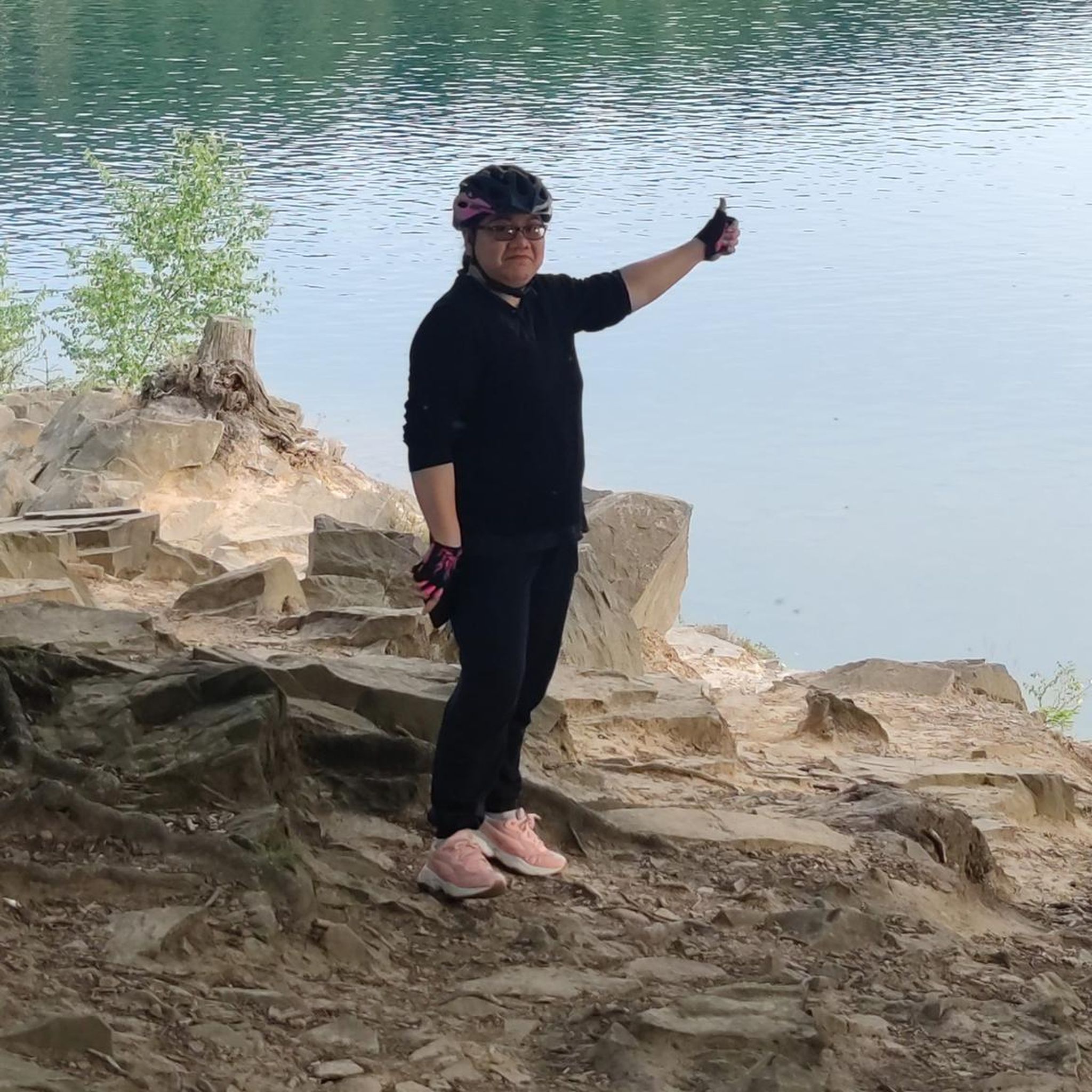
Traffic-free bike rides around Teufen (AR)

Traffic-free bike rides around Speicher

Traffic-free bike rides around Bühler
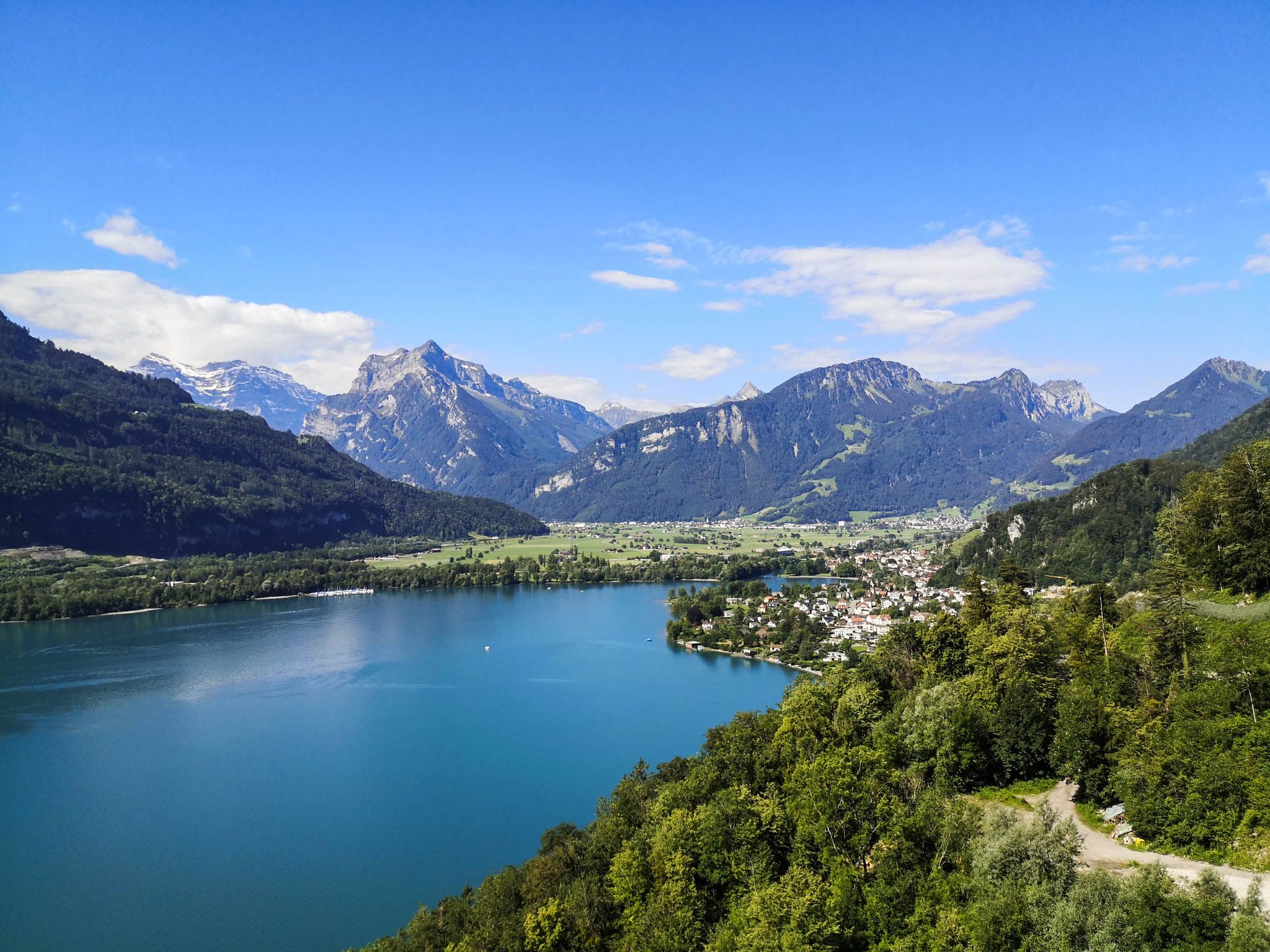
Alpine Panorama Trail in Switzerland – Keep your eyes on the mountains
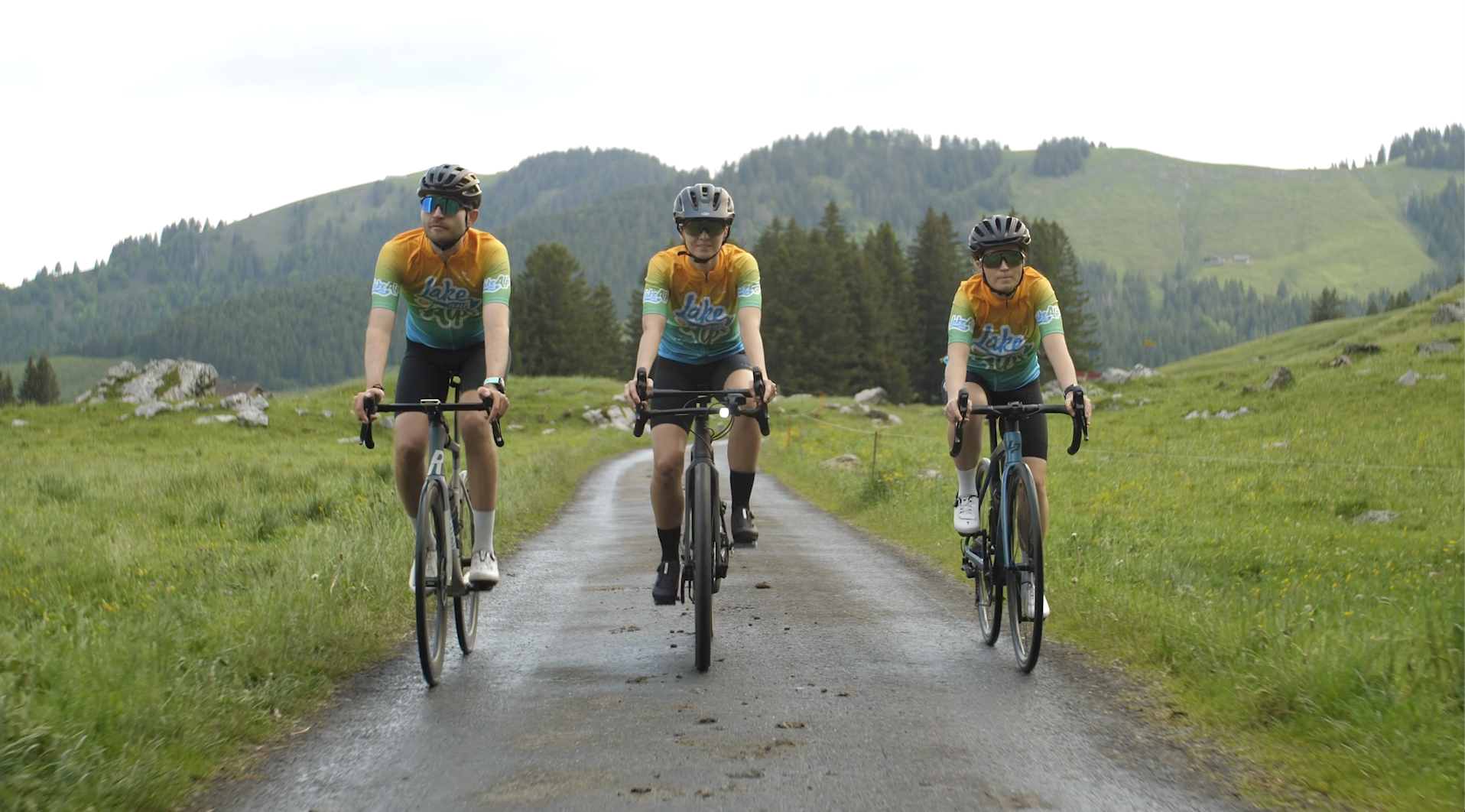
Lake and Alps Adventure – explore 100 dreamy places in our cycling region!
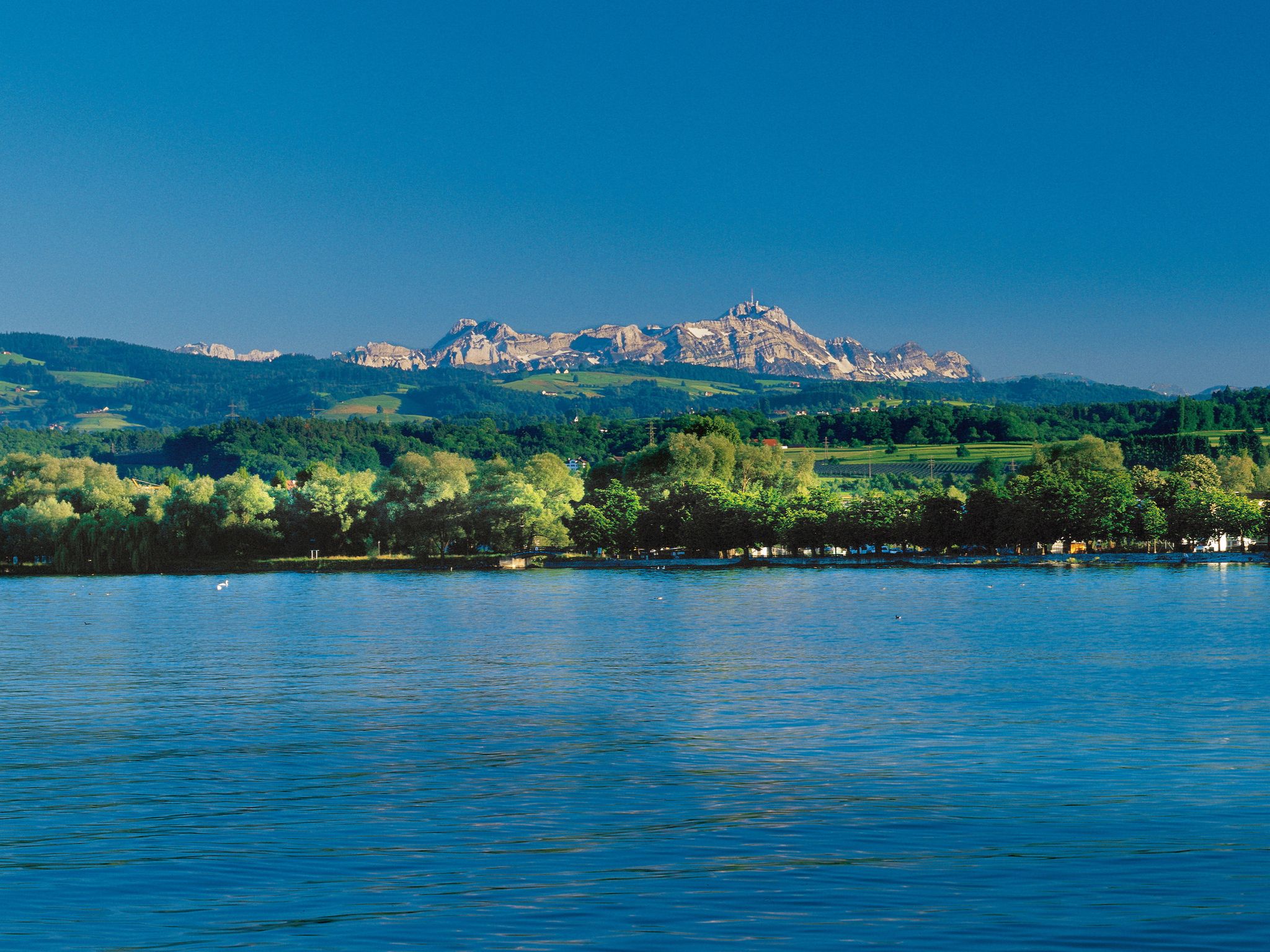
Lake and Alps Route – Cycling between Lake Constance and the Appenzell Alps
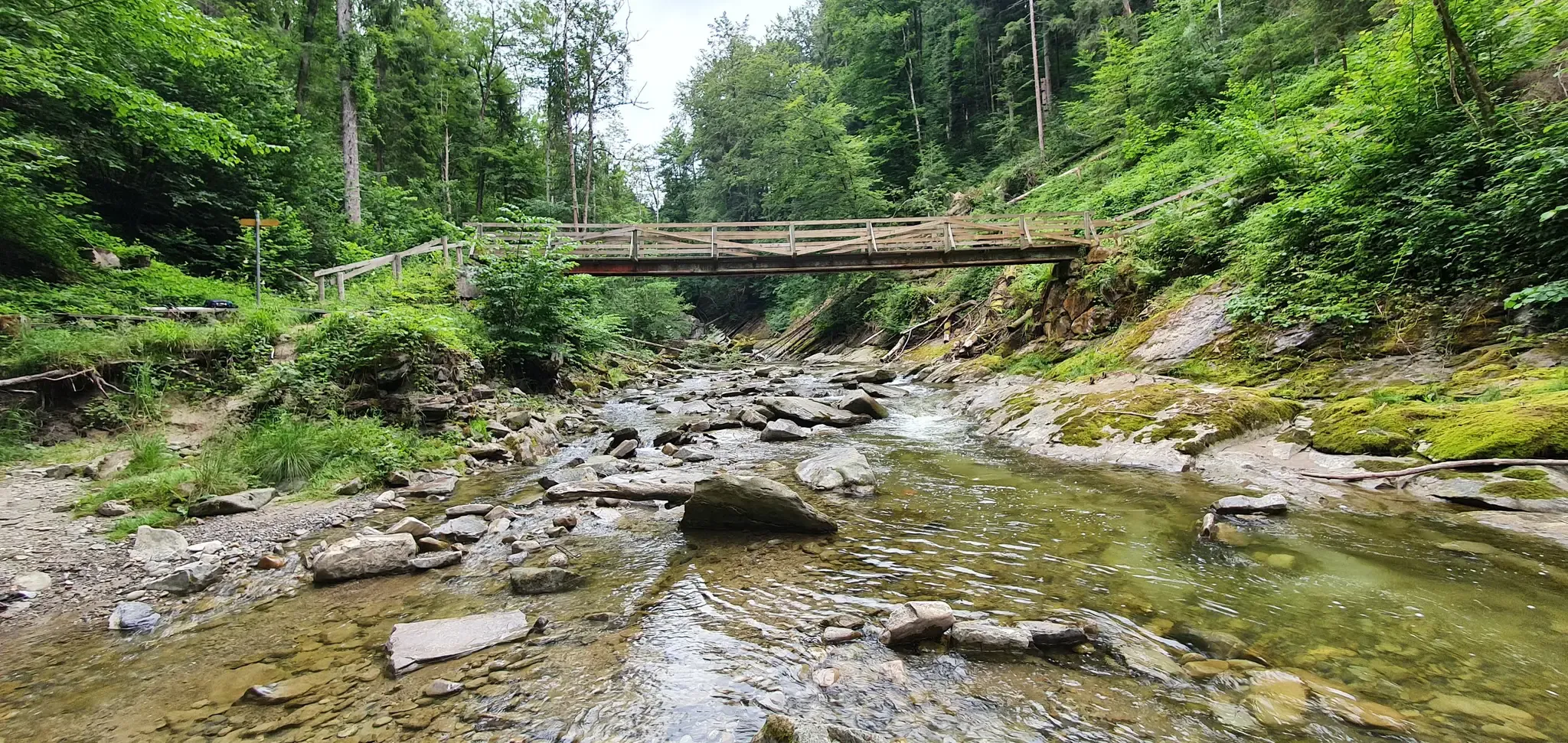
Cultural Trail Appenzellerland - Hiking between Lake Constance and Alpstein
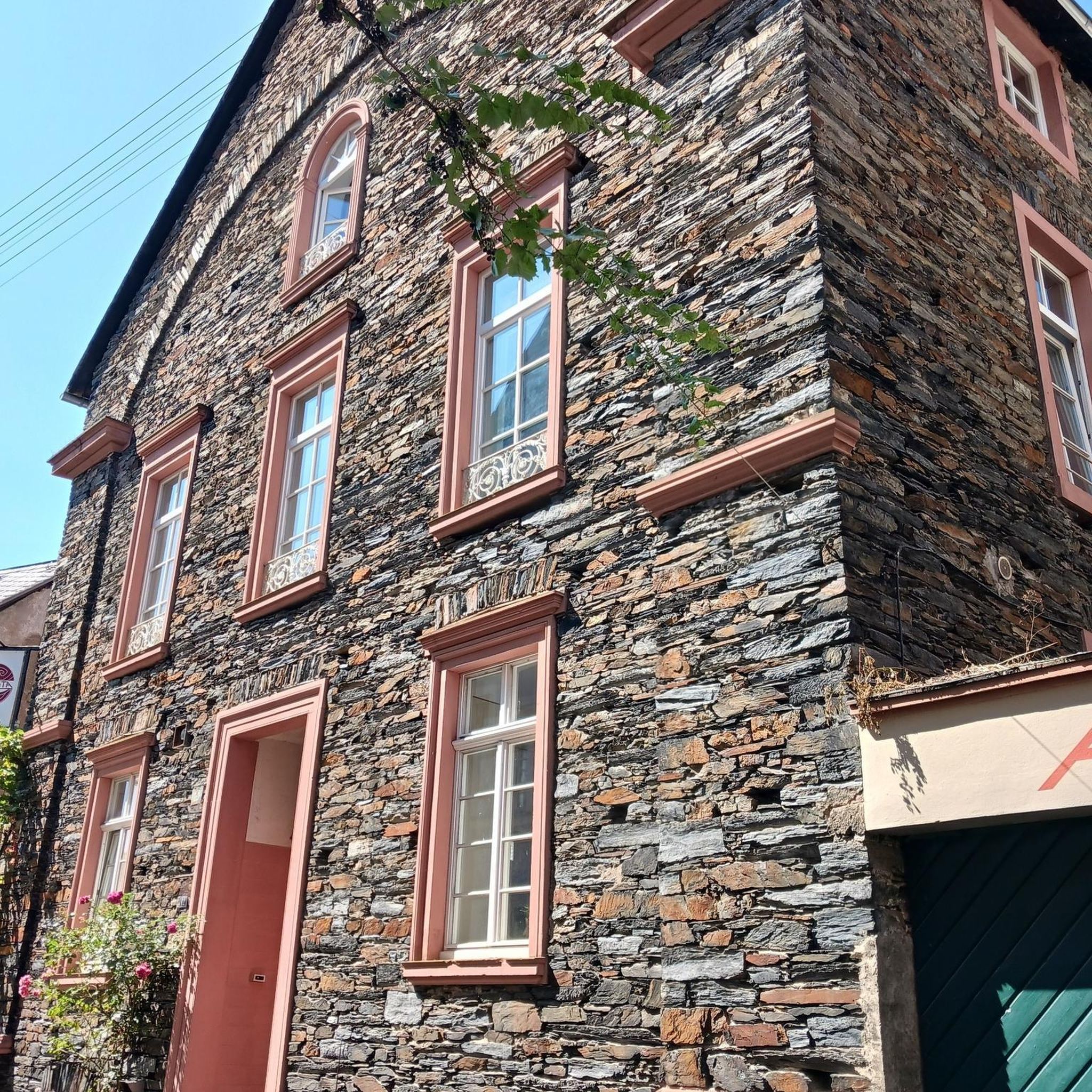
Traffic-free bike rides in Mittelland

Traffic-free bike rides in Mittelland
Other adventures in Mittelland


Tips from the Community

Since 1983, the Collegiate Church and Cathedral of St. Gallen (actually Collegiate Church of St. Gallus and Otmar) and the entire Abbey District have been part of the UNESCO World Heritage Site. The baroque new building of the Benedictine monastery church, built between 1755 and 1766, stands where Saint Gallus is said to be buried. From 720 onwards, Abbot Otmar organised the construction work around the crypt, and his successor Gozbert began the construction of the new monastery church from 820 onwards. The construction of the Collegiate Church in its present form - it is one of the last monumental sacred buildings of the late Baroque period - was planned by Gabriel Loser and Johann Caspar Bagnato. Its two 68-metre-high towers tower above the old town of St. Gallen.
8
0
The Evangelical Reformed Parish Church of St. Gallen is dedicated to the martyr Laurentius of Rome as its patron saint. For centuries, the church was the political, religious, and social center of the St. Gallen city republic and has had a lasting impact on the city's history. The first church on this site probably originated in the mid-12th century. St. Laurenzen received its present neo-Gothic appearance in 1845 according to the plans of Johann Georg Müller.
10
0
The St. Gallen reformer, mayor, doctor and historian Joachim von Watt, called Vadian, is the only person in St. Gallen who is honored with a larger-than-life monument. Since 1904, the monumental, 3.75-meter-high bronze statue of the reformer, who lived from 1484 to 1551, has stood at this location. It was created by the sculptor Richard Kissling. Previously, the old town hall stood here, which was demolished in 1877.
10
0

There's hardly any view inside the forest...
1
0

Great steady climb - Komoot elevation has a section at 19% but it must be an error its very consistent.
0
0

Cathedral, St. Gallen Several earlier structures preceded the monumental church. Originally, the chapel of Saint Gallus stood on this site, where the saint was buried around 640. Later buildings incorporated Gallus's tomb. Around 720 (the founding of the monastery), a stone church was built. By the 9th century, the church had already reached its present length. In the 15th century, a new choir in the Gothic style was constructed. In 1756, the monks embarked on the final phase of the church's reconstruction, which was completed in 1766. The renowned architect Johann Kaspar Bagnato played a significant role in the design, while Johann Michael Beer oversaw the construction. The patrons were Abbots Cölestin Gugger von Staudach and Beda Angehrn. After the dissolution of the monastery, the church became a cathedral (bishop's church) in 1824. The church underwent interior renovations from 1961 to 1967 and exterior renovations from 2000 to 2003. The church has an elongated, rectangular floor plan. Within this plan, a rotunda (round structure) is inserted, resembling a transept. On the eastern end, the striking twin-tower facade rises as a dominant feature, the emblem of the Diocese, City, and Canton of St. Gallen. The facade's sculptural decoration includes figures of Saints Maurice and Desiderius and a relief depicting the Coronation of the Virgin Mary by the Holy Trinity. The interior of the church is a three-aisled, free-pillared structure with a central dome (rotunda). High-quality stucco work, vault paintings, altars, and the choir stalls are among the highlights of the interior. The concept of harmoniously coordinated art forms is the work of Christian Wentzinger, sculptor and painter. Text / Source: City of St. Gallen, Town Hall, 9001 St. Gallen https://www.stadt.sg.ch/home/freizeit-tourismus/stgallen-entdecken/stiftsbezirk-unesco-weltkulturerbe.html
16
1

Hoher Hirschberg, with restaurant and toboggan run
2
0

It's the Landsgemeindeplatz in Trogen. Appenzell has its own Landsgemeindeplatz 😀
0
1
Frequently Asked Questions
How many traffic-free touring cycling routes are available in Mittelland?
Mittelland offers a wide selection of traffic-free touring cycling routes, with over 330 options available. This includes more than 50 easy routes and over 110 moderate routes, ensuring there's something for every skill level.
What kind of terrain can I expect on traffic-free touring routes in Mittelland?
The traffic-free touring routes in Mittelland are largely characterized by mostly flat terrain, making them ideal for pleasure cyclists. While there are gentle hills, particularly in areas like Oberthurgau with its apple orchards and the undulating wheat fields of Canton Vaud, the routes are generally considered easy to moderate with manageable elevation gains.
Are there any specific long-distance traffic-free routes in Mittelland?
Yes, the region is home to the renowned Mittelland Route (National Cycle Route 5), a 370-kilometer path that largely features traffic-free sections. It stretches from Romanshorn on Lake Constance to Lausanne on Lake Geneva, offering extensive opportunities for car-free touring.
What natural attractions can I see along traffic-free touring routes in Mittelland?
You'll encounter diverse natural beauty, including picturesque views of lakes like Lake Constance, Lake Geneva, and the Three-Lakes region (Lake Biel, Lake Murten, Lake Neuchâtel). Many routes follow rivers such as the Aare, Thur, and Töss. Keep an eye out for the Grande Cariçaie, Switzerland's largest marshland and a significant bird breeding ground near Lake Neuchâtel. You can also explore highlights like Gäbrisseeli or enjoy the View of Lake Constance from Vögelinsegg.
Are there historical towns or cultural sights accessible from these routes?
Absolutely. The routes often pass through charming towns and villages. You can explore historic cities like Murten, a medieval town with picturesque alleys, or Avenches, the ancient capital of Roman Helvetia. Other notable stops include Solothurn with its impressive Cathedral of St. Ursus, and the vibrant city of Winterthur. The journey also offers glimpses of rural beauty and agricultural landscapes.
How accessible are the traffic-free touring routes by public transport?
The Mittelland region boasts excellent infrastructure, including numerous connections to the railway network at various points along the routes. This allows cyclists to easily shorten stages, start or end their tour conveniently, or take a break if needed, making public transport a viable option for accessing these traffic-free paths.
Are there family-friendly traffic-free cycling options in Mittelland?
Yes, many of the traffic-free routes, especially sections of the Mittelland Route, are largely flat and well-maintained, making them ideal for families, even those with children. The manageable distances and gentle gradients ensure an enjoyable experience for all ages.
What do other touring cyclists enjoy most about traffic-free cycling in Mittelland?
The area is highly rated by the komoot community, with an average score of 4.5 stars. Reviewers often praise the peaceful, car-free paths, the diverse and scenic landscapes, and the excellent infrastructure that makes touring accessible and enjoyable for all skill levels.
Can I find circular traffic-free touring routes in Mittelland?
Yes, there are several circular routes designed for touring cyclists looking for traffic-free experiences. For example, you could try the moderate Viewpoint Near Forest Cabin – Route to Hoher Hirschberg loop from Strahlholz, which offers a scenic journey without retracing your steps.
Are there any easy, shorter traffic-free routes for beginners?
Certainly. For those looking for an easier, shorter option, the Gallus Square – St. Gallen Cathedral loop from Speicher is an excellent choice. It's classified as easy, covers a distance of about 12.7 km, and has minimal elevation gain, making it perfect for beginners or a relaxed ride.
What are some challenging traffic-free touring routes for experienced cyclists?
For more experienced cyclists seeking a challenge, Mittelland offers several difficult traffic-free routes. Consider the Ruppen Pass – Ruppen Pass loop from Trogen, which features significant elevation gain over its 30 km distance, providing a rewarding workout amidst stunning scenery.
Most popular routes in Mittelland
Most popular attractions in Mittelland

Get inspired with the komoot mobile app


Didn’t find what you were looking for?
Check out more Cycling routes throughout Mittelland below and find the perfect route in your destination.
Explore more
Browse the best Cycling routes in other regions.
