Attractions and Places To See around Parc Natural del Cap de Creus - Top 20
Best attractions and places to see around Parc Natural del Cap de Creus, located at the easternmost point of the Iberian Peninsula in Catalonia, Spain, is a region where the Pyrenees meet the Mediterranean Sea. This maritime-terrestrial natural park features unique geological formations, pristine coves, and historical sites. The landscape, shaped by the "tramuntana" wind and sea, has inspired artists like Salvador Dalí. The park offers a diverse range of natural and cultural points of interest.
Best attractions and places…
Last updated: July 20, 2026
Cap de Creus Lighthouse
Highlight • Monument
Formerly, the tower served to guard …
Translated by Google •
Tip by

Sant Pere de Rodes Monastery
Highlight • Religious Site
Translated by Google •
Tip by

Sign up now to discover places like this
Get recommendations on the best single tracks, peaks, & plenty of other exciting outdoor places.
Sign up for free
Lledó Cove
Highlight • Beach
Showing Translation
Tip by

Els Falcons Viewpoint
Highlight • Viewpoint
Translated by Google •
Tip by

Cala Montjoi
Highlight • Beach
Translated by Google •
Tip by
Sign up for free to discover even more attractions around Parc Natural del Cap de Creus.
Sign up for free
Already have an account?
Start today with a free account
Your next adventure awaits.
Login or Signup
Popular around Parc Natural del Cap de Creus
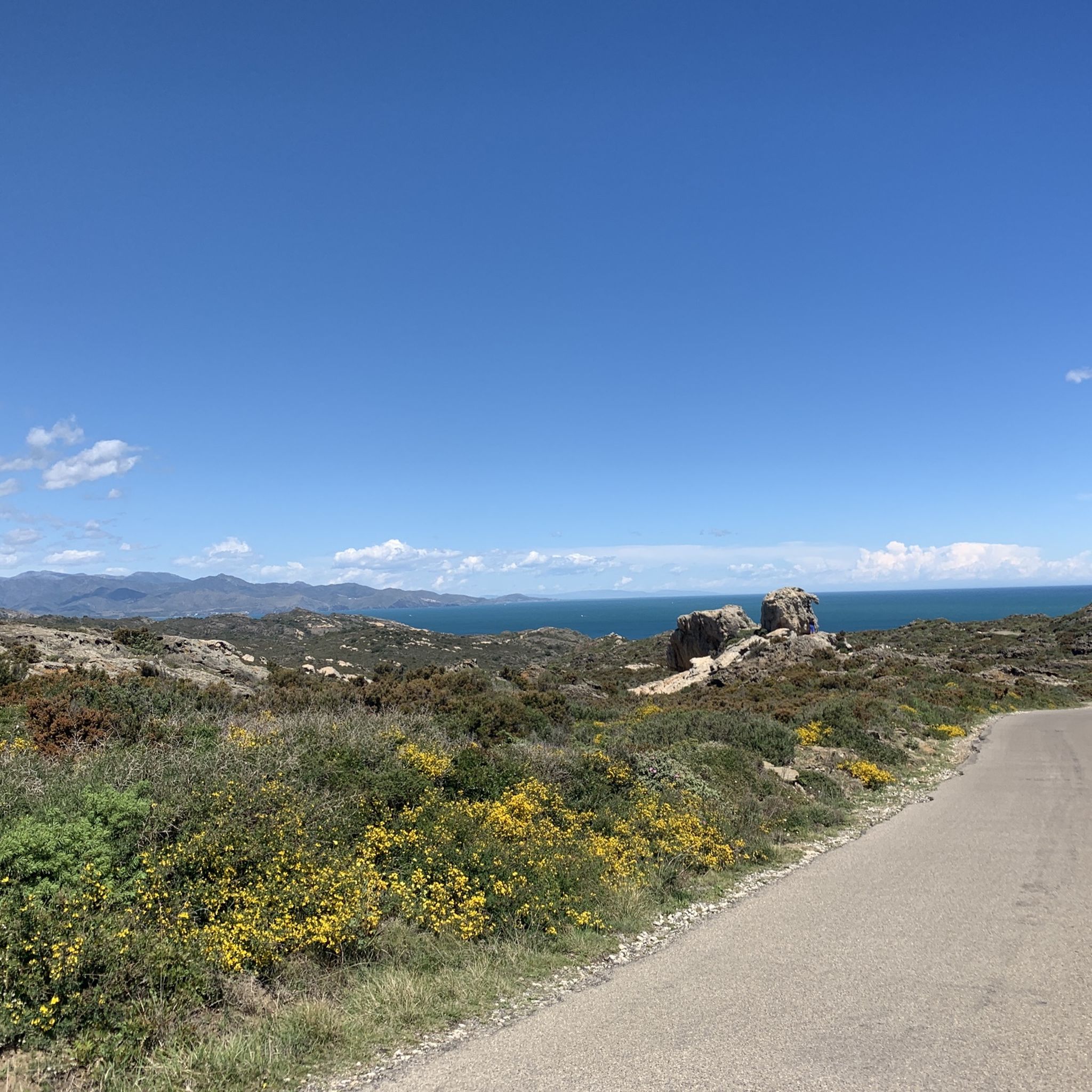
Road Cycling Routes around Parc Natural del Cap de Creus
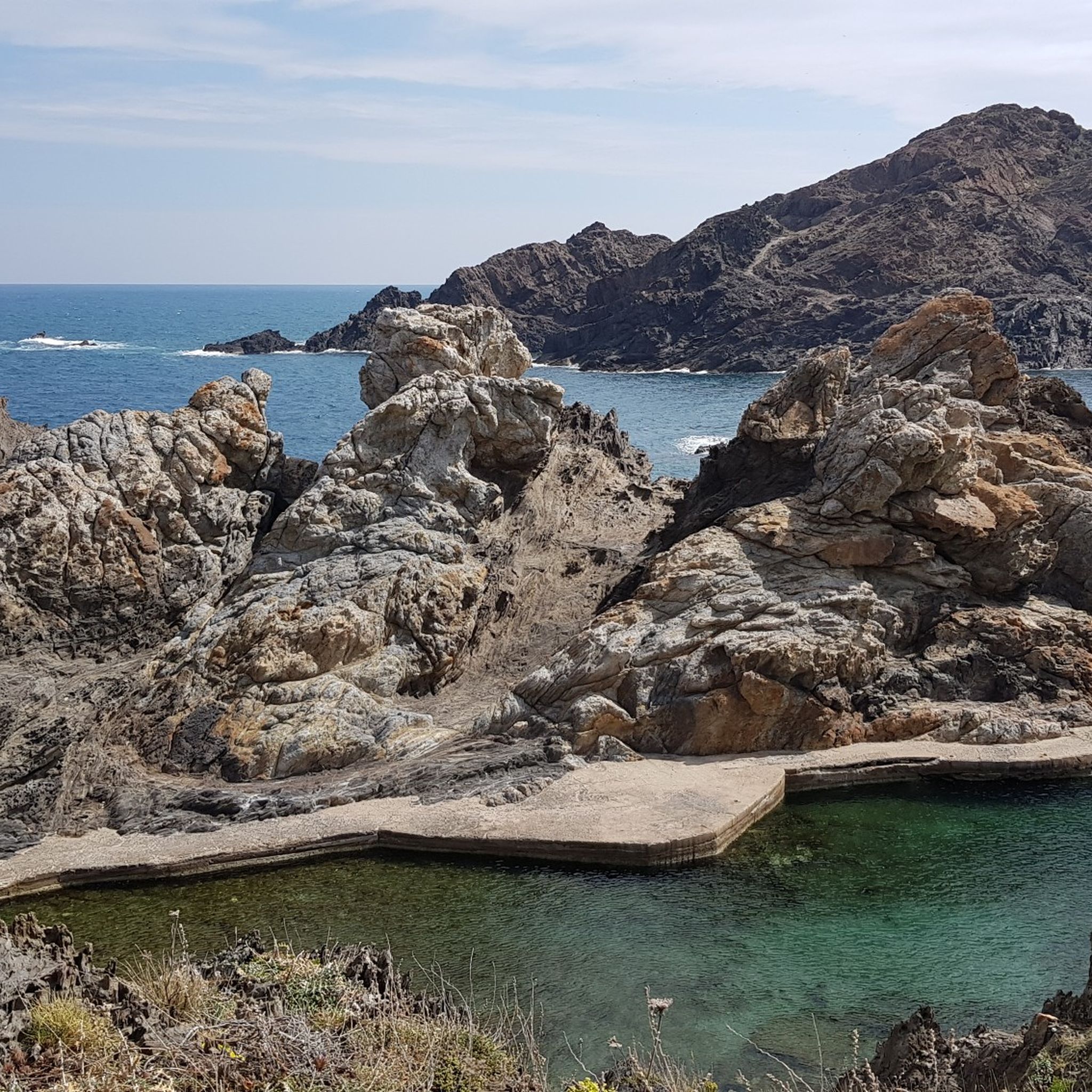
Hiking around Parc Natural del Cap de Creus
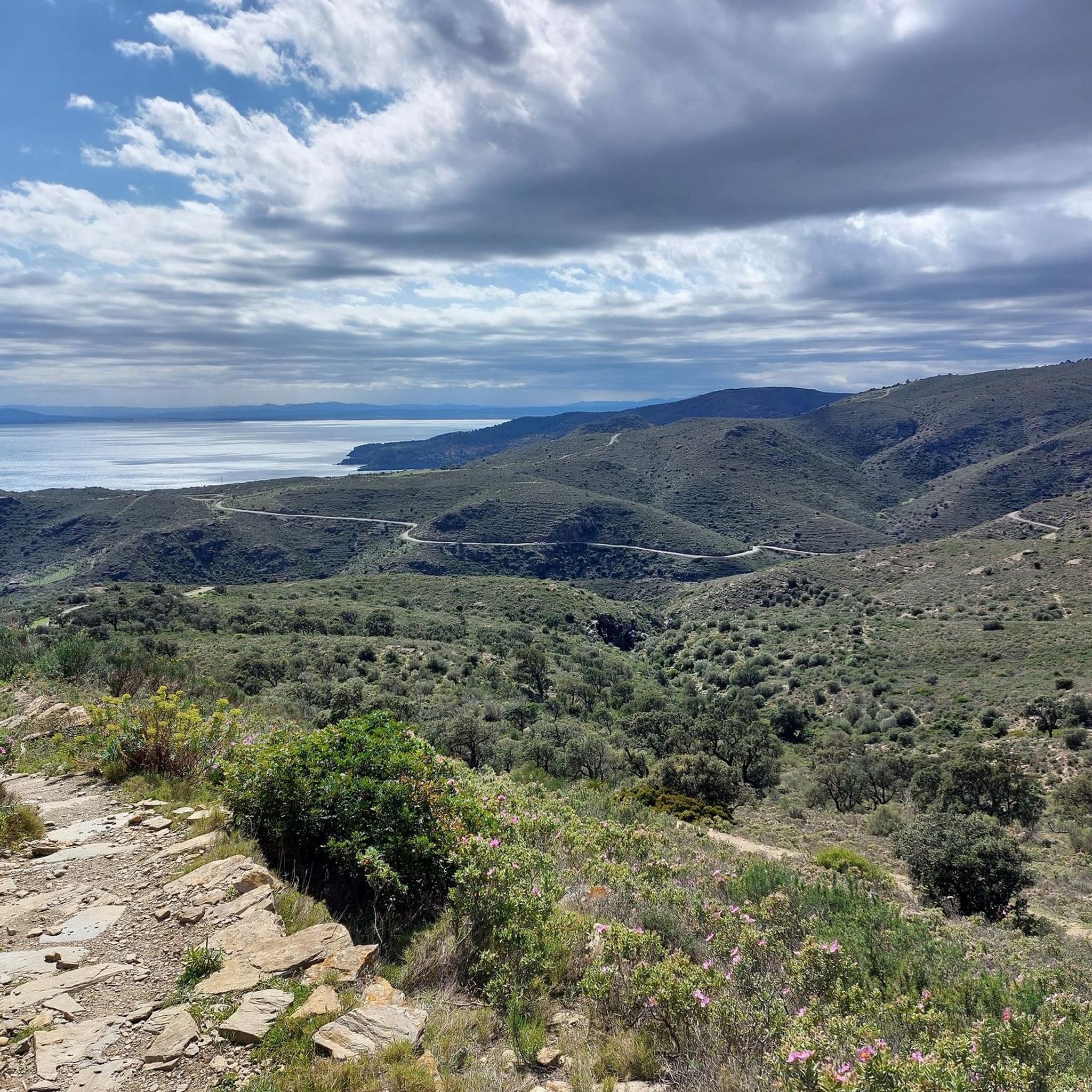
Running Trails around Parc Natural del Cap de Creus
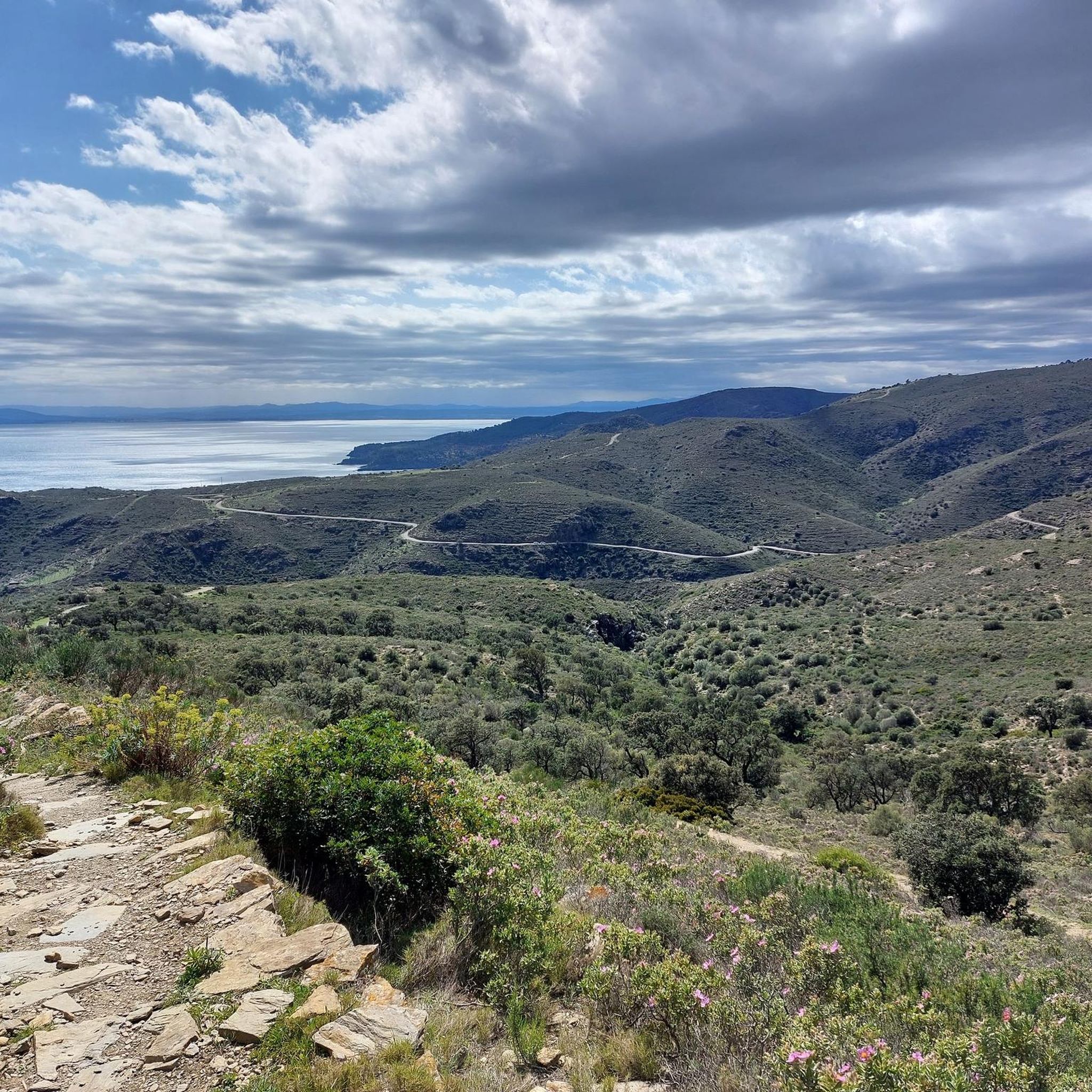
Cycling around Parc Natural del Cap de Creus
MTB Trails around Parc Natural del Cap de Creus

Gravel biking around Parc Natural del Cap de Creus

Mountain Hikes around Parc Natural del Cap de Creus
Tips from the Community

Cala del Lledó, also known as Cala de la Font del Lledó, is a bay in the municipality of Roses. It consists mainly of boulders and pebbles and is characterized by moderate waves and strong winds. Cala del Lledó is located at the foot of a cliff. The Cala del Lledó is located in the Cap de Creus Natural Park. It is usually not very busy; even in high season, no more than 30% of the bay is occupied. This is probably due to its remote and difficult-to-access location.
3
0
Punta Falconera, a former military base, boasts an impressive network of preserved bunkers, visible from the outside. Let yourself be captivated by the wild beauty of the landscape and enjoy the tranquility of the surroundings.
3
0

Super nice view of the sea and the national park
0
0

You have to visit this place with your bike.
1
0

Ferran Adrià turned this name into a world culinary reference, since right next to the beach is what was a temple of gastronomy, the El Bulli restaurant. The cove is about 250 meters long and combines coarse sand and pebbles. Just behind the beach is the holiday town of the same name, which has multiple services and many users. There is immediately a large drop in the water, which makes it easier for boats to get very close to the shore. It has a parking area and has the European environmental quality certifications EMAS and ISO 14001. To get there, you have to go in the direction of Cala Montjoi or Cala Jòncols from Gran Via de Pau Casals. It is located 7 km from the center of Roses
2
0
The action of tectonic plates and erosive phenomena have shaped Cap de Creus over the millennia. Winds, rain, and the sea have carved cliffs, coves, and caves that seem straight out of an adventure story. https://www.youtube.com/watch?v=ISTUD-0ctdA The Cap de Creus lighthouse was inaugurated - as the plaque still above its door says - in 1853 (although, as can be assumed, the lighting system has undergone several changes since then). It was part of the wave of lighthouse inaugurations that occurred in Spain in the mid-19th century to try to put the country in a similar situation to what other countries already had at that time regarding maritime lighting.
3
0

Beautiful view. There is also a café where you can take a break.
0
0

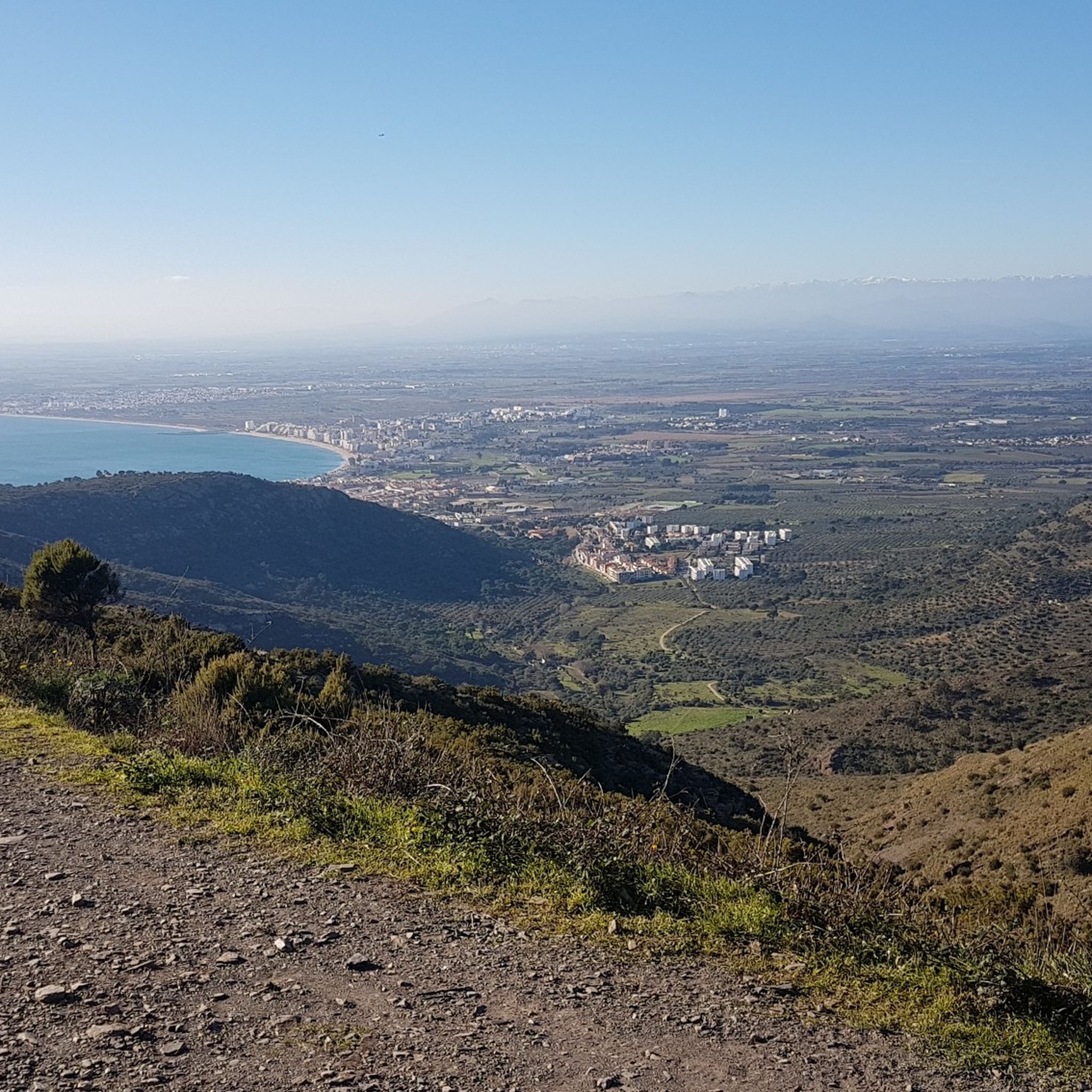
Here you have a magnificent view! This point is certainly worth some photos.
4
0
Frequently Asked Questions
What unique natural features can I expect to see in Parc Natural del Cap de Creus?
The park is renowned for its distinctive geological formations, where the Pyrenees meet the Mediterranean. You'll find ancient metamorphic and granite rocks, some over 300,000 years old, sculpted into whimsical shapes by the strong 'tramuntana' wind and sea. These wind-carved landscapes were a significant source of inspiration for Salvador Dalí. The coastline also features numerous pristine coves with deep blue, crystal-clear waters.
What historical and cultural sites are a must-see in the area?
A prominent historical site is the Sant Pere de Rodes Monastery, an impressive 9th-century Benedictine monastery offering exceptional views. You can also explore the Cap de Creus Lighthouse, which has a long history and provides panoramic views. Additionally, the area has a megalithic footprint with evidence of prehistoric human settlements, including dolmens and menhirs.
Are there any attractions related to Salvador Dalí in the Cap de Creus area?
Yes, the unique landscapes of Cap de Creus were a major source of inspiration for Salvador Dalí. His former home and studio, the Salvador Dalí House-Museum, is located in the small bay of Portlligat, near Cadaqués. This unique architectural complex, built from fishermen's cottages, offers insight into his life and art.
What kind of hiking opportunities are available near these attractions?
Parc Natural del Cap de Creus is a fantastic area for hiking. You can find numerous routes, including sections of the GR92 (Mediterranean Trail) and GR-11 long-distance trails, offering breathtaking coastal views. For more detailed routes, you can explore the Hiking around Parc Natural del Cap de Creus guide, which includes trails like the Cap de Creus Camí de Ronda Loop and routes to Lledó Cove.
Where can I find pristine coves for swimming or snorkeling?
The coastline of Cap de Creus is dotted with many beautiful coves perfect for swimming and snorkeling. Notable options include Cala Jugadora, known for its extreme transparency and unique rock formations, and Cala Culip, which has calm, deep waters ideal for scuba diving. Lledó Cove is another option, characterized by its untouched nature and clear waters.
Are there family-friendly attractions in Parc Natural del Cap de Creus?
Yes, several attractions are suitable for families. The Cap de Creus Lighthouse is a great spot for panoramic views and has an information office. Many of the accessible coves, like Cala Montjoi, offer pleasant environments for families to enjoy the beach and sea. Exploring the charming fishing villages like Cadaqués also provides a relaxed family experience.
When is the best time to visit Parc Natural del Cap de Creus?
The best time to visit generally depends on your preferred activities. Spring and autumn offer pleasant temperatures for hiking and exploring, avoiding the intense summer heat and crowds. The 'tramuntana' wind can be strong, especially in winter, so checking the weather forecast is advisable. For water activities, the summer months provide warmer sea temperatures.
What water sports can I do in the Cap de Creus area?
The marine area of Parc Natural del Cap de Creus is excellent for various water sports. You can enjoy activities such as scuba diving and snorkeling in its clean, clear waters, which are rich in marine life including red coral and gorgonians. Kayaking and fishing are also popular options along the diverse coastline.
Are there good spots for bird watching in the park?
Yes, the park's diverse ecosystems, both terrestrial and marine, support a wide variety of birds, making it a good location for bird watching. The rugged coastline and varied habitats provide opportunities to spot different species, especially during migration periods.
What do visitors enjoy most about the attractions around Parc Natural del Cap de Creus?
Visitors frequently highlight the spectacular panoramic views, especially from spots like the Cap de Creus Lighthouse and Els Falcons Viewpoint. The untouched nature of coves like Lledó Cove and the historical significance of sites like Sant Pere de Rodes Monastery are also highly appreciated. The unique geological formations and the overall wild beauty of the landscape are consistently praised.
Can I find routes for gravel biking near these attractions?
Yes, the region offers excellent opportunities for gravel biking. You can find various routes that take you through scenic landscapes with magnificent views. For specific routes and difficulty levels, refer to the Gravel biking around Parc Natural del Cap de Creus guide, which includes routes like the 'Excellent gravel path – Canadell Pass loop from Roses'.
Most popular routes around Parc Natural del Cap de Creus
Most popular attractions around Parc Natural del Cap de Creus

Get inspired with the komoot mobile app


Explore more
Still not found the Highlight you’re looking for? See guides of the top attractions in other regions:
