The best traffic-free bike rides around Loonse en Drunense Duinen
4.3
(234)
4,325
riders
62
rides
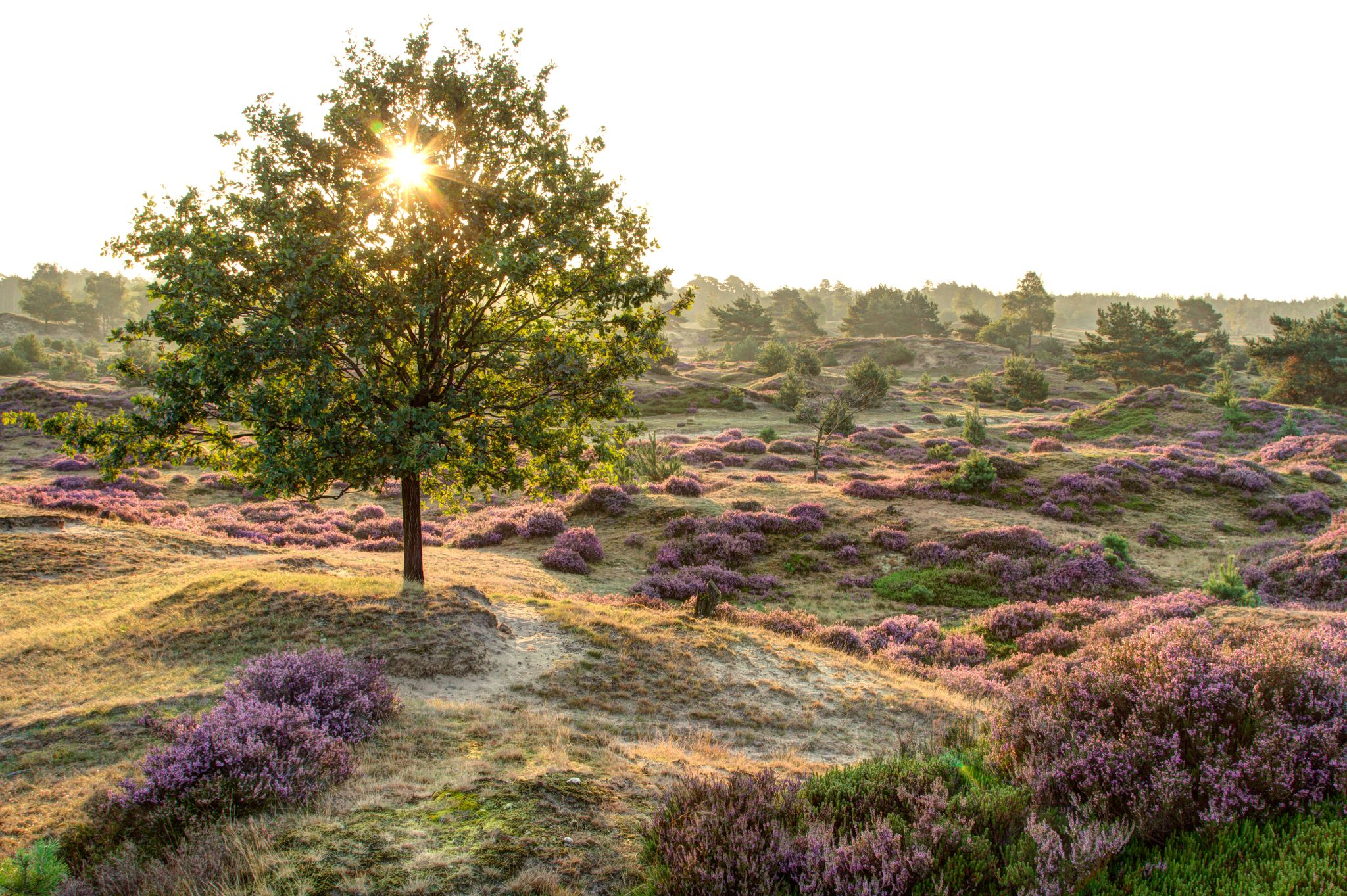
No traffic touring cycling routes around Loonse en Drunense Duinen traverse a unique landscape characterized by expansive sand dunes, vast forests, and tranquil heaths. The region, often referred to as the "Brabant Sahara," features varied ecosystems including coniferous and pine forests, fens, and quiet pools. Cyclists will encounter rolling hills that add diverse topography to the routes. This area offers a well-maintained network of paths suitable for touring cycling, with many segments on paved surfaces.
Best no traffic touring cycling…
Last updated: May 18, 2026
4.6
(71)
349
riders
41.4km
02:22
40m
40m
Moderate bike ride. Good fitness required. Mostly paved surfaces. Suitable for all skill levels.
4.6
(28)
2,545
riders
Moderate bike ride. Good fitness required. Mostly paved surfaces. Suitable for all skill levels.

Sign up for free
4.4
(30)
107
riders
Moderate bike ride. Good fitness required. Mostly paved surfaces. Suitable for all skill levels.
4.5
(6)
101
riders
Easy bike ride. Great for any fitness level. Mostly paved surfaces. Suitable for all skill levels.
4.0
(3)
44
riders
15.3km
00:52
20m
20m
Easy bike ride. Great for any fitness level. Mostly paved surfaces. Suitable for all skill levels.
Get access to more routes and recommendations from other explorers.
Sign up for free
Already have an account?
Our route recommendations are based on thousands of hikes, rides, and runs completed by other people on komoot.
Start today with a free account
Your next adventure awaits.
Login or Signup
Popular around Loonse en Drunense Duinen
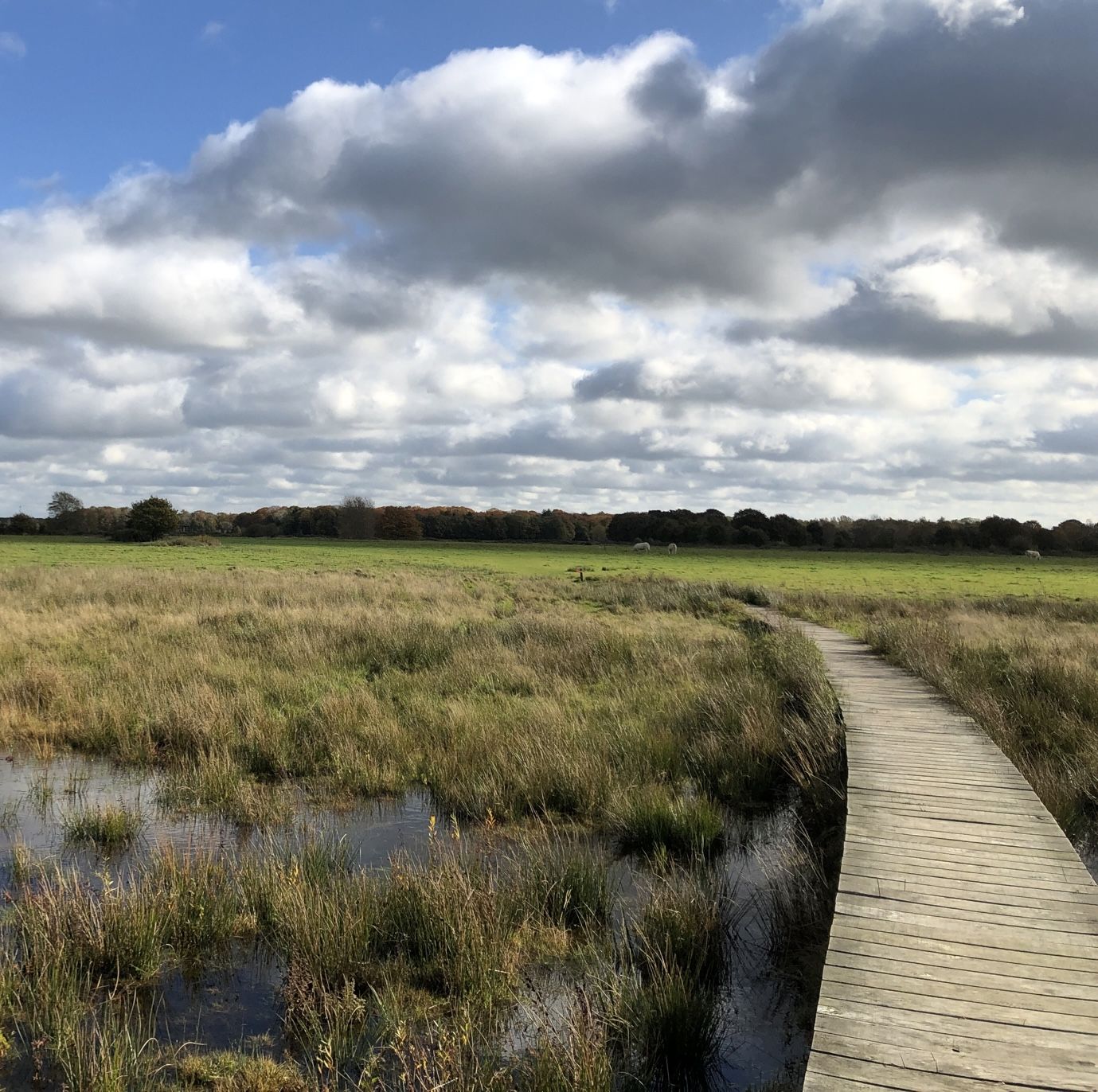
Bourgondisch Brabant - 20 tasty nature walks
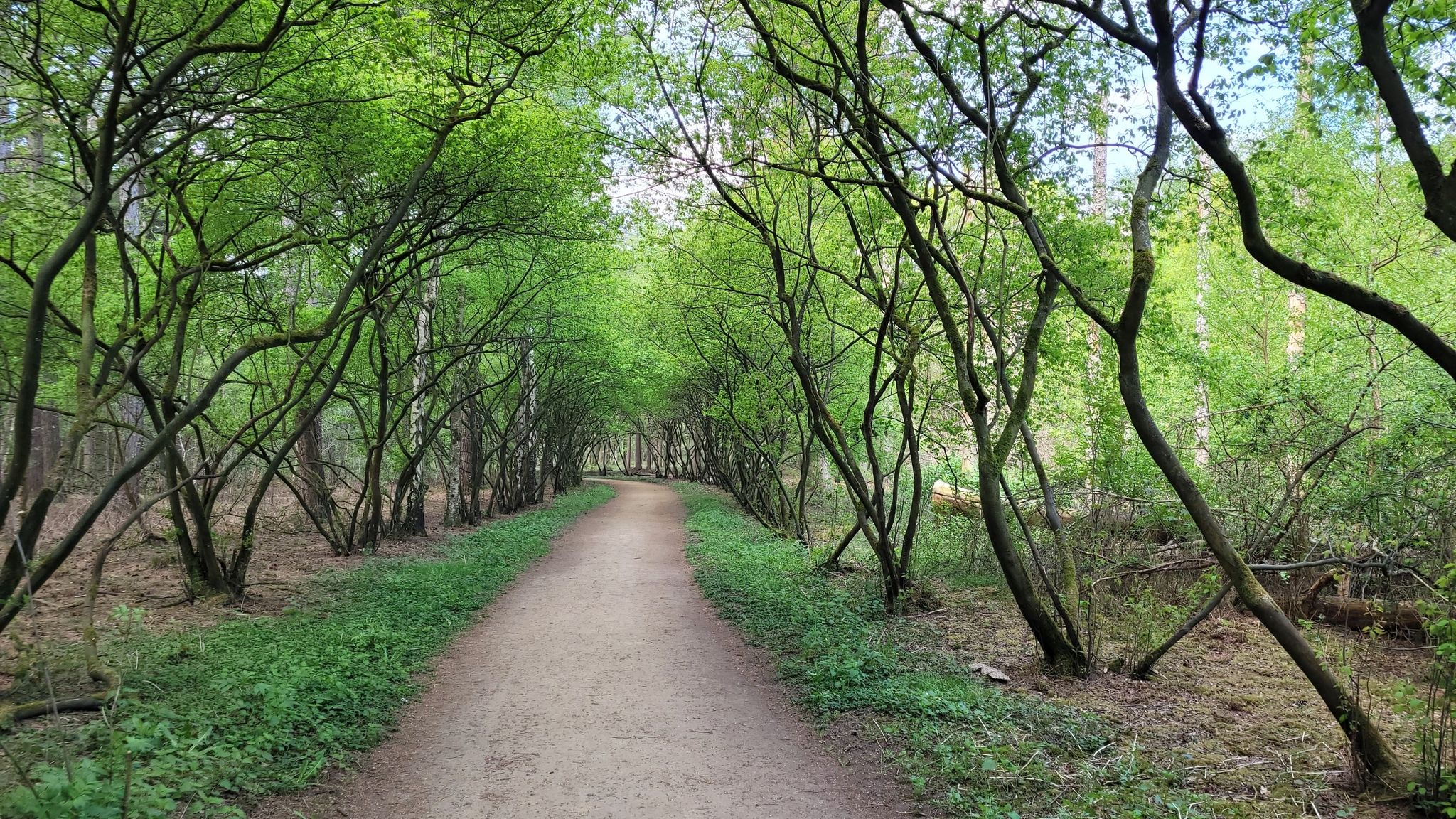
Discover North Brabant in a wheelchair — 7 Tours through the greenery
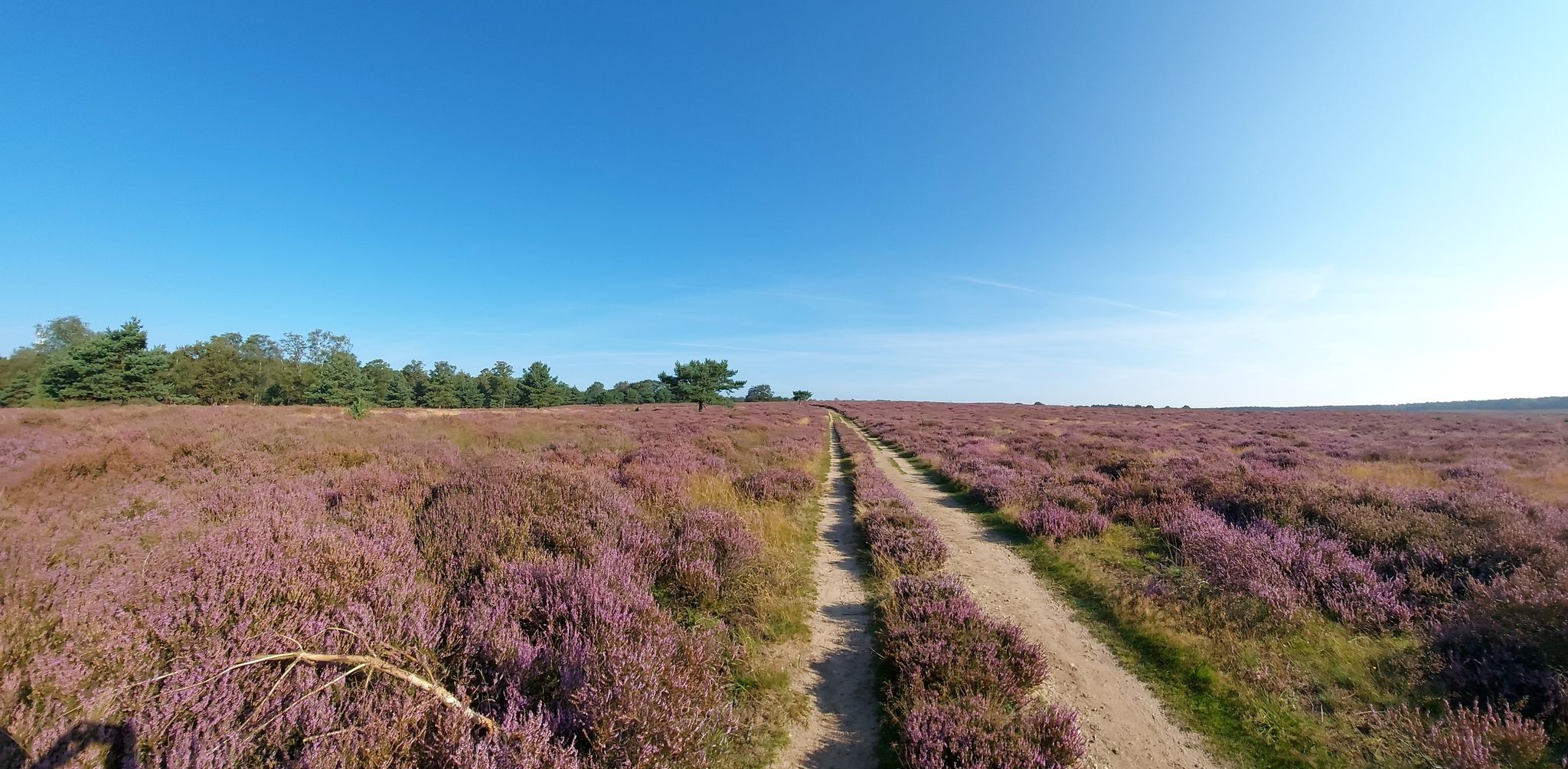
The Netherlands turns purple – 15 walks across the flowering heathlands
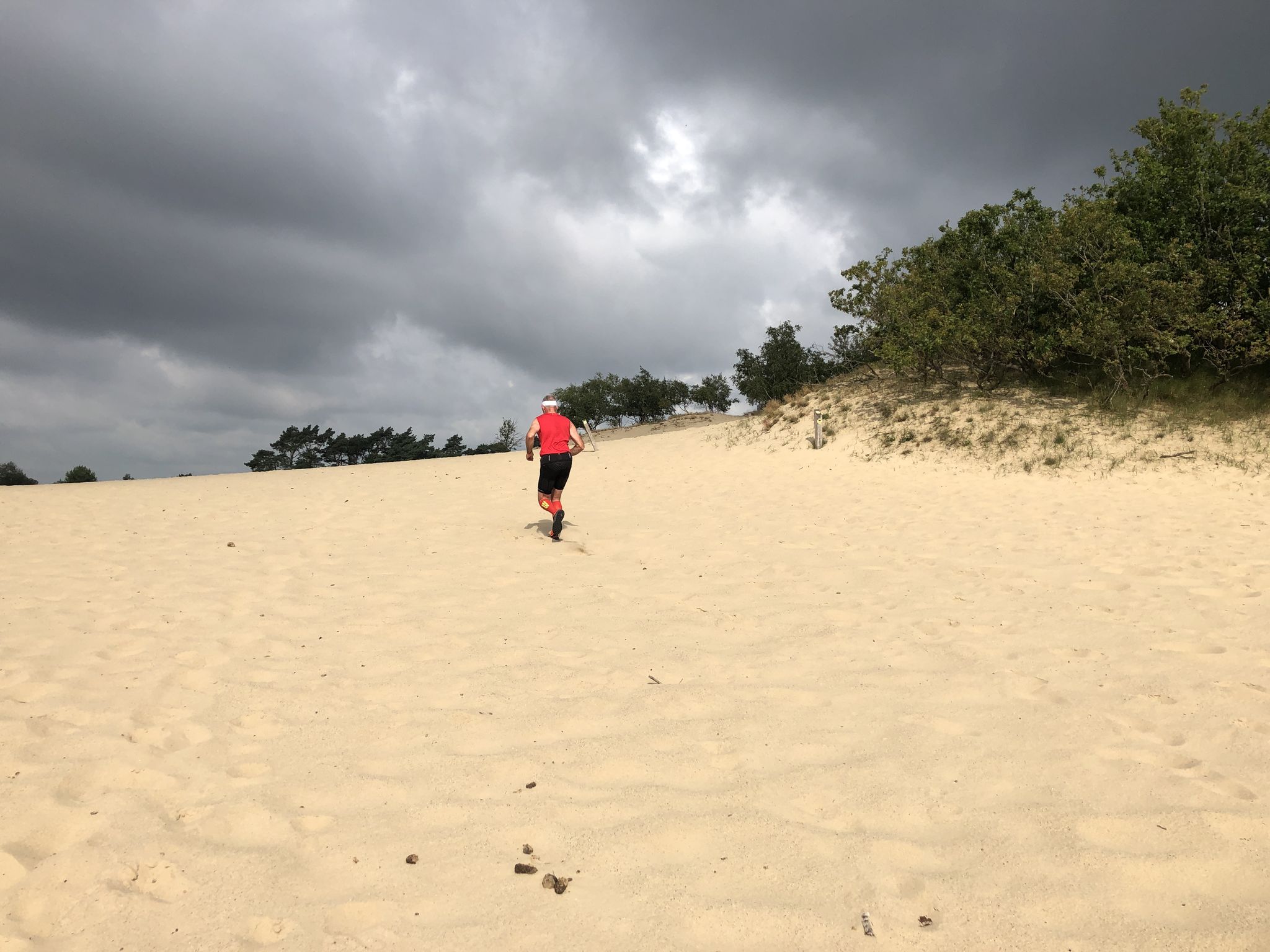
Trail runs for beginners – running off-the-beaten-track in the Netherlands
A complete hiking bucket list through every Dutch National Park

Traffic-free bike rides around Loonse en Drunense Duinen

Traffic-free bike rides around Loonse en Drunense Duinen
Other adventures around Loonse en Drunense Duinen


Tips from the Community

A bit of a desert area, loose sand, but easy to walk on
1
0

From the cycle path from Giersbergen to the Rustende Jager the sand dunes are clearly visible. Many unpaved footpaths and MTB routes also lead here.
0
0

A very beautiful area with good cycle paths.
1
0

Busy in the dunes Hundreds of Scottish soldiers gather around a small farm in the middle of the dunes at the end of 1944. Apparently this is an important place. But why exactly? A real hustle and bustle On the morning of Saturday 4 November 1944, Hoeve De Klinkert forms the heart of a range of activities. To start with, the café serves as the headquarters of the 152nd Brigade, which must liberate the western part of the current municipality of Heusden with its three battalions. But one of those battalions, the 5th Seaforth Highlanders, has also temporarily set up its headquarters there. At least as important is the arrival around noon of all kinds of heavy trucks that just fit on the narrow forest roads. The engineers They have bridge-building material with them. When the first phase of Operation Guy Fawkes is successful and Scottish foot soldiers, the infantry, are on the other side of the Channel, bridges must be built as quickly as possible so that tanks, guns and all other equipment can follow. For this purpose, the Allies used so-called Bailey bridges, named after the English engineer Donald Bailey. Such a bridge consisted of separate parts that could be put together in different compositions. An average Bailey bridge of 25 meters could be assembled by 40 men in three hours. Usually the job took longer. Hard work That afternoon, the first parts of a Class 40 bridge are assembled at De Klinkert. This designation indicates that the bridge can carry up to 40 tons. The colossus is built by the 280th Field Company. This is a unit of approximately 250 men. All their vehicles, and there are more than fifty of them, are parked around the farm. As soon as the infantry has a bridgehead over the drainage canal from 's-Hertogenbosch to Drongelen at the end of the afternoon, their work at the Duinweg begins. Further on, other units build three more Bailey bridges that night. It is now half past seven and pitch dark. In order not to make the enemy any wiser, only a few lamps are at the engineers' side. First, a bulldozer removes a section of the dike so that the bridge is a bit lower. Then the construction itself begins. It is not until the next morning that the bridge can be used by traffic. Sweaty, but satisfied, Major Clayton's men watch the first tanks disappear in the morning twilight in the direction of Drunen, over the new bridge, codenamed Wheat.
1
0
Nerves are running high. The last hours before a major attack are the worst. This also applies to the Scottish Highlanders who are preparing for the crossing of the Drainage Canal from 's-Hertogenbosch to Drongelen. It is Saturday 4 November 1944, a fresh and grey autumn day. The temperature fluctuates around nine degrees and there is a light wind. Soldiers of the 51st Highland Division arrive at various locations in the Loonse and Drunense Dunes at the end of the morning. The 5th Battalion Seaforth Highlanders has gathered around Giersbergen at the end of the morning. Lieutenant Colonel Walford's unit, over 800 men, has left Udenhout and is marching along the Rustende Jager to the hamlet. The soldiers are preparing for the upcoming operation. They hastily eat a so-called 'tiffin' meal', a light lunch. Weapons are checked, equipment checked and cartridges are distributed. The village on the northern edge of the dunes is a hive of activity for a while. At half past three the men march to the starting point. From the farm (now café) de Klinkert they walk over sandy paths to the wooded area just south of the canal dike. They arrive there an hour later. The thin canvas boats with which they are to cross are already ready, well camouflaged. Then the waiting begins. One of the Seaforths describes this episode very vividly: ‘We lay on the ground in the usual tense silence, waiting for the drumming of the guns. I remember a soldier in a ditch next to me. He was biting his lips and his hands were shaking. Then the first shells flew over us and somehow the tension was broken. He tightened the strap of his helmet, grinned at me, nodded in the direction of the explosions on the German side of the canal. ‘Exactly right!’ he said. It was then five past half four. The attack could begin."
0
0

Nice paved path along a dirt road. It can be quite busy here on weekends.
1
0

Very nice cycle paths on this route
0
0
Beautiful straight cycle path (Van Swinderenlaan) connects the Bosweg with the Oirschotsebaan
0
0
Frequently Asked Questions
How many no-traffic touring cycling routes are available in Loonse en Drunense Duinen?
There are over 45 dedicated no-traffic touring cycling routes in the Loonse en Drunense Duinen area. The majority of these, around 39, are considered easy, making them accessible for various skill levels, while 9 are moderate and 1 is more challenging.
What kind of landscapes can I expect on these traffic-free cycling routes?
The routes traverse a remarkably diverse landscape. You'll cycle through expansive sand dunes, earning the park its 'Brabant Sahara' nickname, as well as vast forests, tranquil fens, and vibrant purple heaths. Expect to encounter quiet pools, wetland zones, and even rolling hills that add varied topography to your ride.
Are there any circular no-traffic touring routes?
Yes, many of the touring cycling routes in Loonse en Drunense Duinen are designed as loops, allowing you to start and end at the same point. An example is the Giersbergen Village loop from Giersbergen, which is an easy 16.1 km ride.
What are some natural features or landmarks to look out for along the routes?
The region is rich in natural beauty. You can discover several serene lakes and ponds, such as the Kaatsheuvel Ice Rink Pond or Galgenwiel Pond. The iconic Roestelberg Sand Dunes and the broader Sand Dunes of Loonse en Drunense Duinen are central features, offering unique views. You might also spot the Reed Fields in De Brand, showcasing the area's wetland ecosystems.
What is the best time of year to go touring cycling in Loonse en Drunense Duinen?
The Loonse en Drunense Duinen is beautiful year-round, but spring and autumn offer particularly pleasant cycling conditions with mild temperatures and vibrant natural colors. Summer is also popular, though it can be warmer, especially on the exposed sand dunes. Winter cycling is possible, but be prepared for colder weather and potentially icy patches.
Are there any family-friendly no-traffic cycling routes?
Absolutely. With 39 easy routes available, many are suitable for families. The relatively flat terrain and well-maintained paths make it enjoyable for all ages. A good option is the Kaatsheuvelse Ice Rink Lake – Efteling Bosrijk loop from Biezenmortel, an easy 34.3 km route that passes near the famous Efteling amusement park, making it a great day out for families.
Where can I park my car to access these cycling routes?
The park is well-equipped with several 'Natuurpoorten' (nature gates) that serve as excellent starting points and offer parking facilities. Examples include Natuurpoort manege Van Loon in Loon op Zand, Herberg De Drie Linden in Giersbergen, and Eatery De Rustende Jager in Biezenmortel. These locations often provide amenities like catering as well.
How long are the typical no-traffic touring cycling routes?
The routes vary in length to suit different preferences. You'll find shorter, easy loops around 16 km, like the Giersbergen Village loop, up to longer, moderate tours of over 40 km, such as the Tour of Loonse en Drunense Duinen National Park. This variety allows you to choose a route that fits your desired distance and duration.
What do other touring cyclists say about the routes in Loonse en Drunense Duinen?
The area is highly rated by the komoot community, with an average score of 4.26 stars from 194 ratings. Reviewers often praise the unique and varied landscapes, particularly the shifting sand dunes and tranquil forests, as well as the well-maintained and extensive network of cycling paths that ensure a pleasant, traffic-free experience.
Are there places to eat or drink along the no-traffic cycling routes?
Yes, the region is known for its hospitality. Several establishments are conveniently located near or along the routes, especially at the 'Natuurpoorten'. You can find catering options at places like Herberg De Drie Linden in Giersbergen and Eatery De Rustende Jager in Biezenmortel, perfect for a break or a meal during your ride.
How challenging are the no-traffic touring cycling routes in terms of elevation?
The Loonse en Drunense Duinen generally offers relatively gentle terrain, making it suitable for touring cyclists. While there are some rolling hills that add interest and a moderate challenge, significant climbs are rare. Most routes have minimal elevation gain, with even a 41 km route like the Tour of Loonse en Drunense Duinen National Park featuring only about 40 meters of ascent.
Most popular routes around Loonse en Drunense Duinen
Most popular attractions around Loonse en Drunense Duinen

Get inspired with the komoot mobile app


Explore more
Browse the best Cycling routes in other regions.
