The best cycling routes around Loonse en Drunense Duinen
4.4
(304)
4,754
riders
78
rides
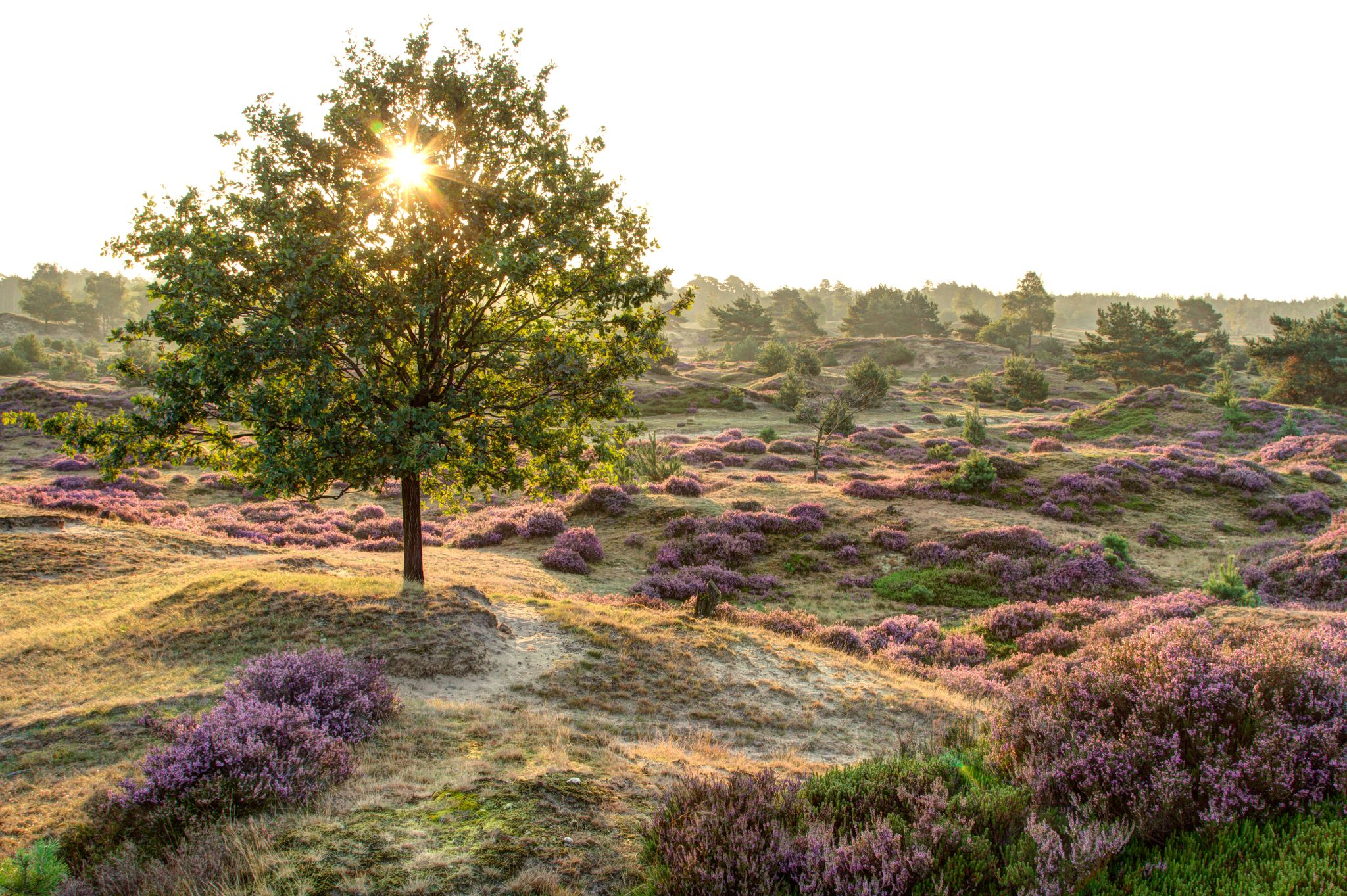
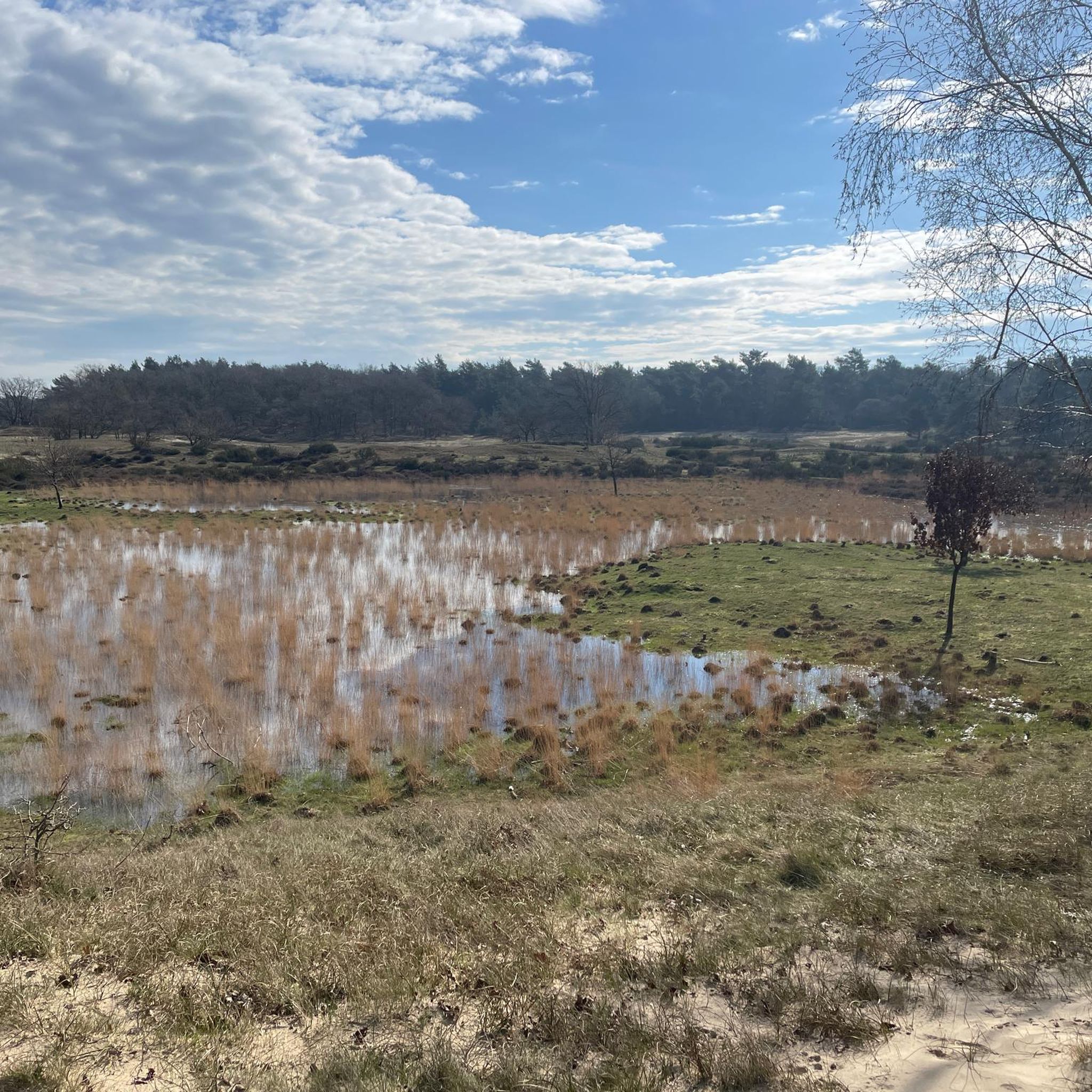
Touring cycling around Loonse en Drunense Duinen offers routes through a diverse landscape of vast sand dunes, heathlands, and dense forests. The region is characterized by its relatively flat terrain, with gentle elevation changes suitable for various cycling abilities. These natural features provide a unique backdrop for exploring the area on two wheels. The network of trails allows for immersion in the natural environment.
Best touring cycling routes around Loonse en Drunense Duinen
- The most popular touring cycling route is Tour of Loonse en Drunense Duinen National Park, a 25.7 miles (41.4 km) trail that takes 2 hours 21 minutes to complete. This route provides a comprehensive overview of the national park's varied natural scenery.
- Another top favourite among local touring cyclists is Giersbergen Village – The Resting Hunter loop from Loonse en Drunense Duinen, a moderate 15.5 miles (24.9 km) path. This route combines rural village views with natural forest and heathland sections.
- Local touring cyclists also love the Giersbergen Village – Kaatsheuvel Ice Rink Pond loop from Biezenmortel, a 24.4 miles (39.3 km) trail leading through villages and past water features, often completed in about 2 hours 18 minutes.
- Touring cycling around Loonse en Drunense Duinen is defined by expansive sand dunes, open heathlands, and tranquil forests. The network offers options for easy touring bike routes as well as more moderate challenges.
- The routes in Loonse en Drunense Duinen are highly rated by the komoot community with an average score of 4.3 stars from over 180 reviews. More than 4000 touring cyclists have used komoot to explore Loonse en Drunense Duinen's varied terrain.
Last updated: July 7, 2026
4.6
(86)
388
riders
41.4km
02:22
40m
40m
Cycle through vast forests, moors, and shifting sand dunes in Nationaal Park De Loonse en Drunense Duinen on this 25.7-mile route.
4.6
(28)
2,545
riders
Moderate bike ride. Good fitness required. Mostly paved surfaces. Suitable for all skill levels.

Sign up for free
4.6
(62)
301
riders
47.9km
02:47
50m
50m
Moderate bike ride. Good fitness required. Mostly paved surfaces. Suitable for all skill levels.
4.4
(30)
107
riders
Moderate bike ride. Good fitness required. Mostly paved surfaces. Suitable for all skill levels.
4.5
(6)
101
riders
Easy bike ride. Great for any fitness level. Mostly paved surfaces. Suitable for all skill levels.
Get access to more routes and recommendations from other explorers.
Sign up for free
Already have an account?
Our route recommendations are based on thousands of hikes, rides, and runs completed by other people on komoot.
Start today with a free account
Your next adventure awaits.
Login or Signup
Popular around Loonse en Drunense Duinen
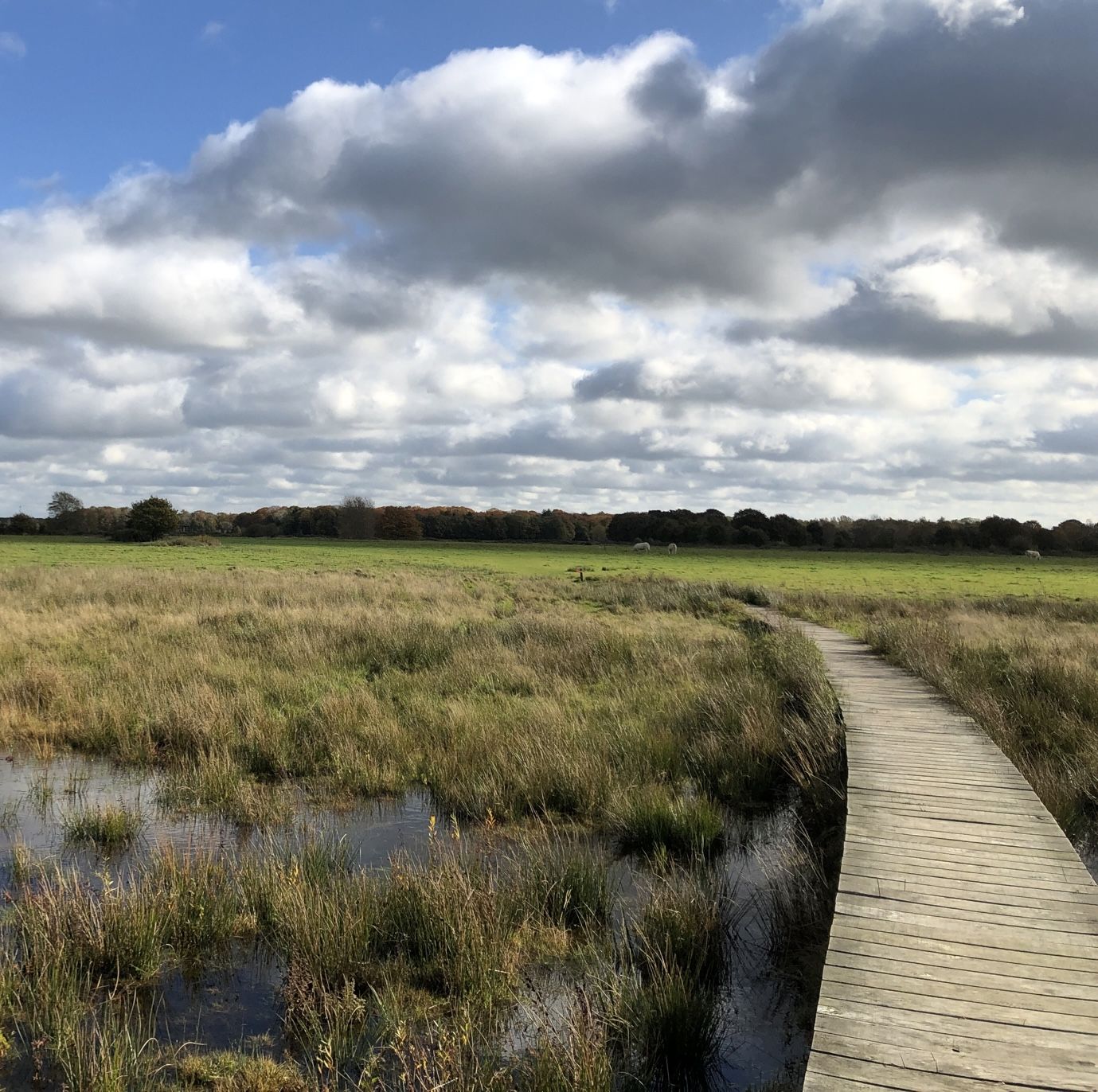
Bourgondisch Brabant - 20 tasty nature walks
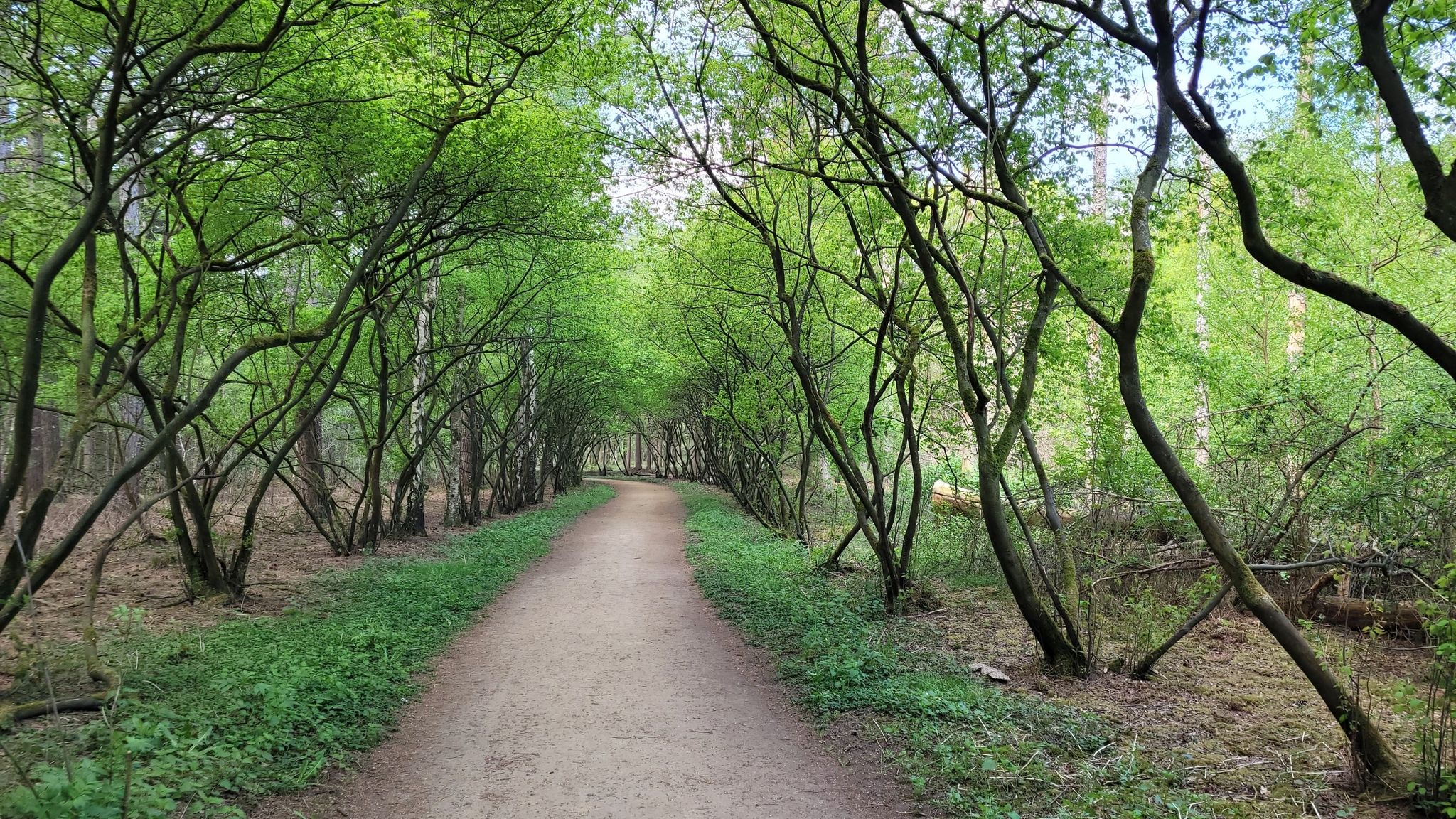
Discover North Brabant in a wheelchair — 7 Tours through the greenery
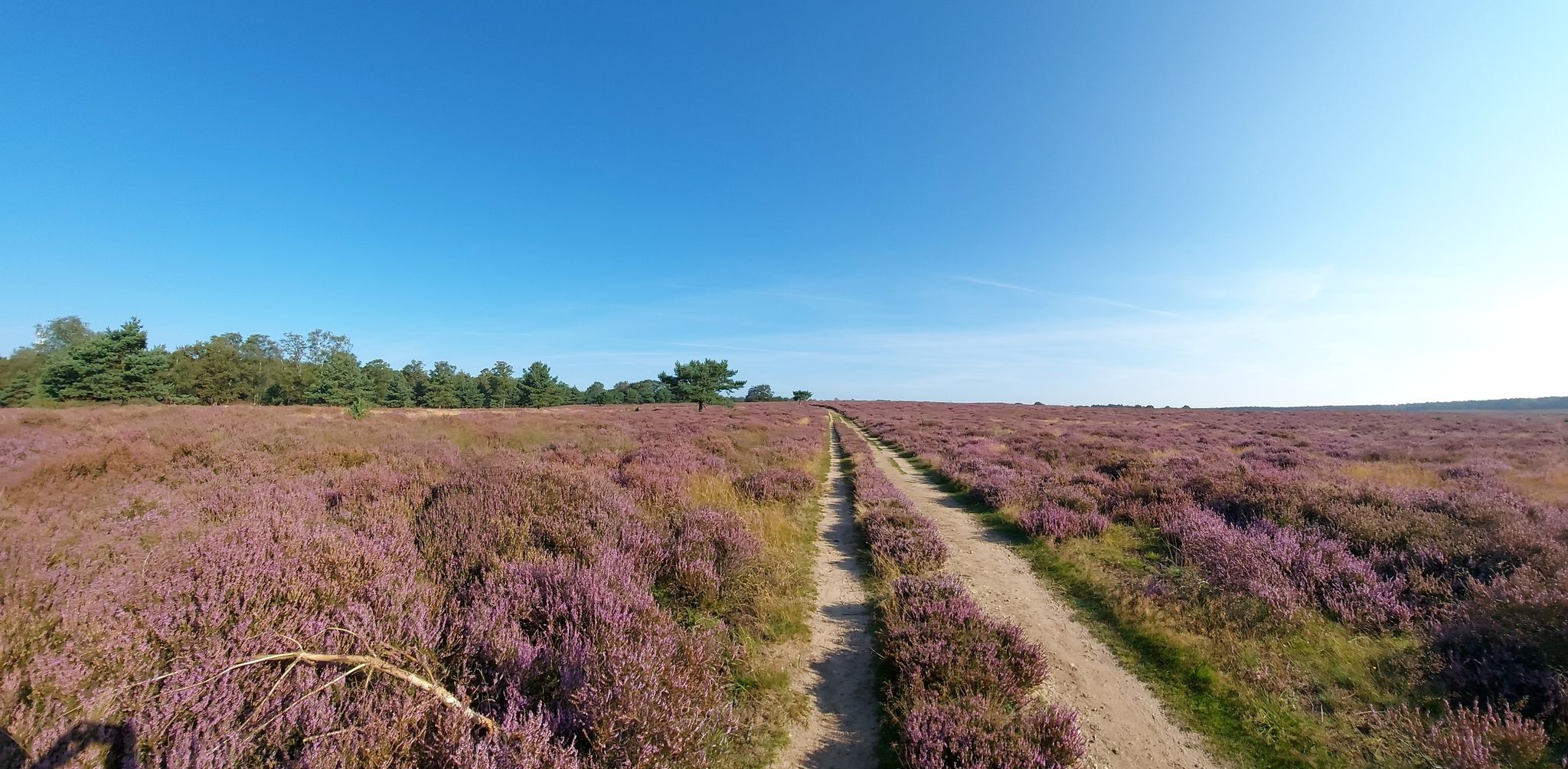
The Netherlands turns purple – 15 walks across the flowering heathlands
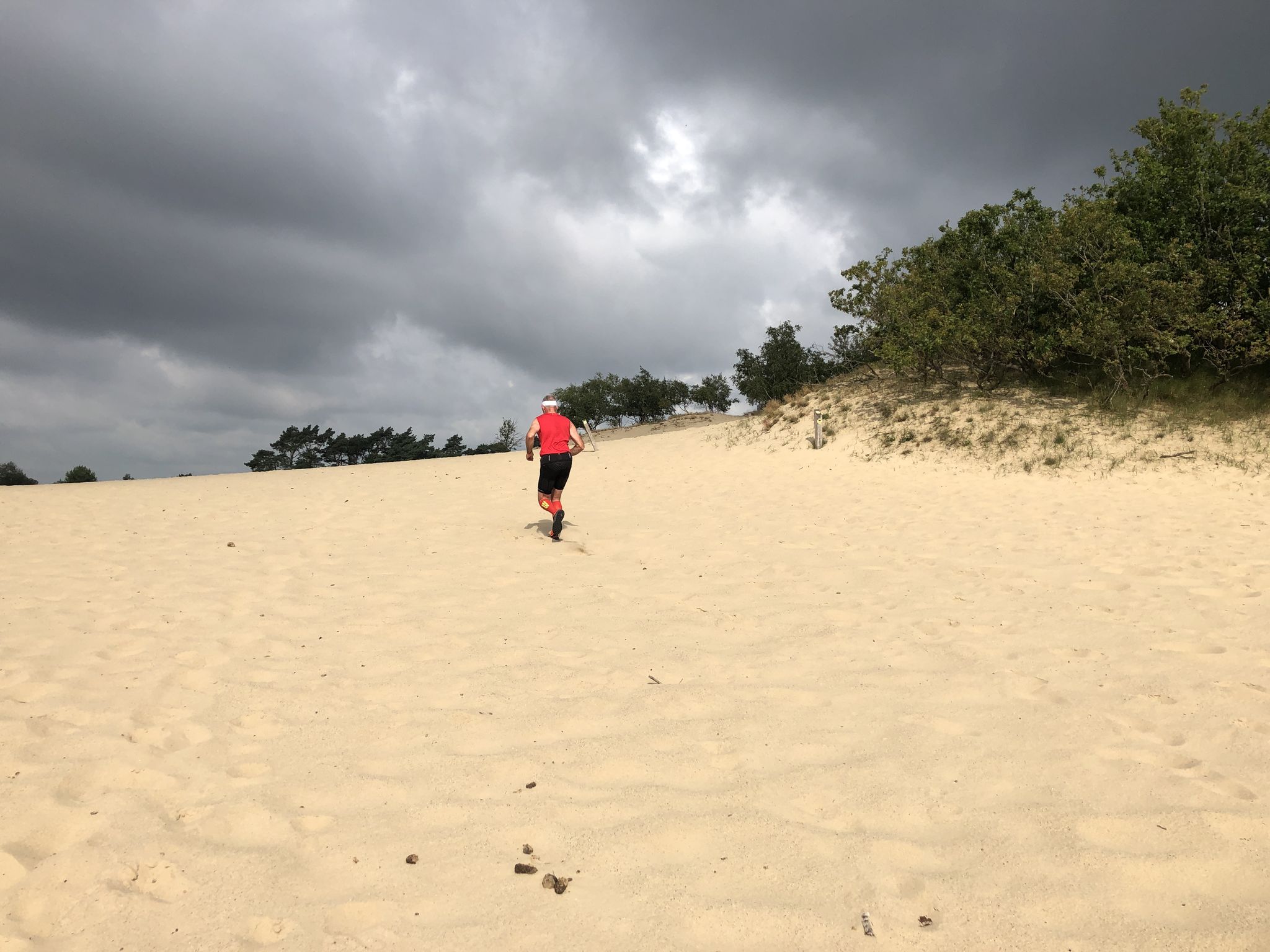
Trail runs for beginners – running off-the-beaten-track in the Netherlands
A complete hiking bucket list through every Dutch National Park
Hiking around Loonse en Drunense Duinen
Running Trails around Loonse en Drunense Duinen
Road Cycling Routes around Loonse en Drunense Duinen

Gravel biking around Loonse en Drunense Duinen
MTB Trails around Loonse en Drunense Duinen
Other adventures around Loonse en Drunense Duinen


Tips from the Community

Magnificent surroundings, for both cyclists and hikers. Have walked a lot here, each season has its charms here.
0
0


A lovely long stretch to cycle and let your thoughts wander in beautiful nature.
1
0

A bit of a desert area, loose sand, but easy to walk on
1
0

A very beautiful area with good cycle paths.
1
0

Nerves are running high. The last hours before a major attack are the worst. This also applies to the Scottish Highlanders who are preparing for the crossing of the Drainage Canal from 's-Hertogenbosch to Drongelen. It is Saturday 4 November 1944, a fresh and grey autumn day. The temperature fluctuates around nine degrees and there is a light wind. Soldiers of the 51st Highland Division arrive at various locations in the Loonse and Drunense Dunes at the end of the morning. The 5th Battalion Seaforth Highlanders has gathered around Giersbergen at the end of the morning. Lieutenant Colonel Walford's unit, over 800 men, has left Udenhout and is marching along the Rustende Jager to the hamlet. The soldiers are preparing for the upcoming operation. They hastily eat a so-called 'tiffin' meal', a light lunch. Weapons are checked, equipment checked and cartridges are distributed. The village on the northern edge of the dunes is a hive of activity for a while. At half past three the men march to the starting point. From the farm (now café) de Klinkert they walk over sandy paths to the wooded area just south of the canal dike. They arrive there an hour later. The thin canvas boats with which they are to cross are already ready, well camouflaged. Then the waiting begins. One of the Seaforths describes this episode very vividly: ‘We lay on the ground in the usual tense silence, waiting for the drumming of the guns. I remember a soldier in a ditch next to me. He was biting his lips and his hands were shaking. Then the first shells flew over us and somehow the tension was broken. He tightened the strap of his helmet, grinned at me, nodded in the direction of the explosions on the German side of the canal. ‘Exactly right!’ he said. It was then five past half four. The attack could begin."
0
0

Nice paved path along a dirt road. It can be quite busy here on weekends.
1
0
Frequently Asked Questions
How many touring cycling routes are available in Loonse en Drunense Duinen?
There are over 50 touring cycling routes available in the Loonse en Drunense Duinen region, offering a wide variety of experiences through its unique landscape of sand dunes, heathlands, and forests.
Are there easy touring cycling routes suitable for beginners or families?
Yes, the region is very accommodating for beginners and families, with 47 out of 58 routes classified as easy. An excellent option for a relaxed ride is the Efteling Main Entrance – Bosch en Duin loop from Helvoirt, which is 34.3 km long and features gentle terrain.
What are the typical distances and durations for touring bike routes in this area?
Route distances vary, with many popular tours ranging from 15 km to over 40 km. For example, the Giersbergen Village – The Resting Hunter loop from Loonse en Drunense Duinen is 24.9 km and typically takes around 2 hours 11 minutes. Longer routes, like the Tour of Loonse en Drunense Duinen National Park (41.4 km), can take approximately 2 hours 21 minutes.
Are there any circular touring cycling routes in Loonse en Drunense Duinen?
Many of the touring cycling routes in Loonse en Drunense Duinen are designed as circular loops, allowing you to start and end at the same point. The Giersbergen Village loop from Giersbergen is a good example, offering a 16.1 km circular ride.
What kind of attractions or scenic viewpoints can I expect along the touring routes?
The routes often pass through diverse landscapes, including vast sand dunes and forests. You can discover highlights such as the Cycling Path Through Loonse en Drunense Duinen, the tranquil Kaatsheuvel Ice Rink Pond, and the expansive Loonse en Drunense Duinen National Park itself. For more natural beauty, the Galgenwiel Pond is also a notable spot.
Are there places to stop for refreshments or cafes along the touring bike trails?
Yes, several routes pass by or near establishments where you can take a break. For instance, the The Resting Hunter is a well-known spot that cyclists often visit for refreshments.
What is the best season for touring cycling in Loonse en Drunense Duinen?
The Loonse en Drunense Duinen is enjoyable for touring cycling throughout much of the year. Spring and autumn offer pleasant temperatures and beautiful scenery with blooming heathlands or vibrant fall colors. Summer is also popular, though it can be busier. Winter cycling is possible, but check weather conditions as some paths might be affected by frost or rain.
Where can I find parking for touring bikes in Loonse en Drunense Duinen?
The National Park has several designated parking areas at its main entrances and around popular starting points for trails. These are typically well-signposted and provide convenient access to the cycling network. Specific parking details can often be found on local municipality websites or national park information boards.
What do other touring cyclists enjoy most about cycling in Loonse en Drunense Duinen?
The area is highly rated by the komoot community, with an average score of 4.3 stars from over 180 reviews. Reviewers often praise the diverse natural scenery, the well-maintained and extensive network of cycling paths, and the peaceful atmosphere that allows for a truly immersive experience in nature.
Are there any more challenging touring bike routes for experienced cyclists?
While the region is generally known for its gentle terrain, there is one route classified as difficult among the 58 available, and 10 routes are rated as moderate. These routes might include slightly longer distances or more varied surfaces, offering a bit more challenge for experienced touring cyclists seeking to explore further.
Can I combine touring cycling with other activities in the area?
Absolutely. The Loonse en Drunense Duinen National Park is a versatile area. You can easily combine your cycling tour with a stop for a picnic in the dunes, a short walk on one of the many hiking trails, or even visit nearby villages for cultural experiences. The diverse landscape encourages exploration beyond just cycling.
Most popular routes around Loonse en Drunense Duinen
Most popular attractions around Loonse en Drunense Duinen

Get inspired with the komoot mobile app


Explore more
Browse the best Cycling routes in other regions.
