The best traffic-free bike rides in Picos De Europa
4.5
(190)
2,771
riders
14
rides
No traffic touring cycling routes in Picos De Europa navigate a dramatic landscape characterized by imposing limestone peaks, deep gorges, and lush forests. The region features significant elevation changes, with challenging climbs and descents through mountain passes and river valleys. Cyclists can expect a blend of quiet tarmac roads and forest tracks, offering diverse terrain. This area is renowned for its low traffic density, providing a peaceful and immersive riding experience amidst spectacular natural scenery.
Best no traffic touring cycling…
Last updated: October 27, 2026
4.9
(16)
391
riders
27.8km
02:29
1,080m
1,080m
Hard bike ride. Very good fitness required. Mostly paved surfaces.
5.0
(1)
23
riders
40.3km
03:22
1,320m
1,320m
Hard bike ride. Very good fitness required. Mostly paved surfaces.

5.0
(1)
21
riders
Hard bike ride. Very good fitness required. Mostly paved surfaces.
4.3
(3)
18
riders
16.4km
01:37
730m
730m
Hard bike ride. Very good fitness required. Mostly paved surfaces.
20
riders
27.1km
02:08
770m
770m
Hard bike ride. Very good fitness required. Mostly paved surfaces.
Get access to more routes and recommendations from other explorers.
Already have an account?
Our route recommendations are based on thousands of hikes, rides, and runs completed by other people on komoot.
Start today with a free account
Your next adventure awaits.
Popular around Picos De Europa
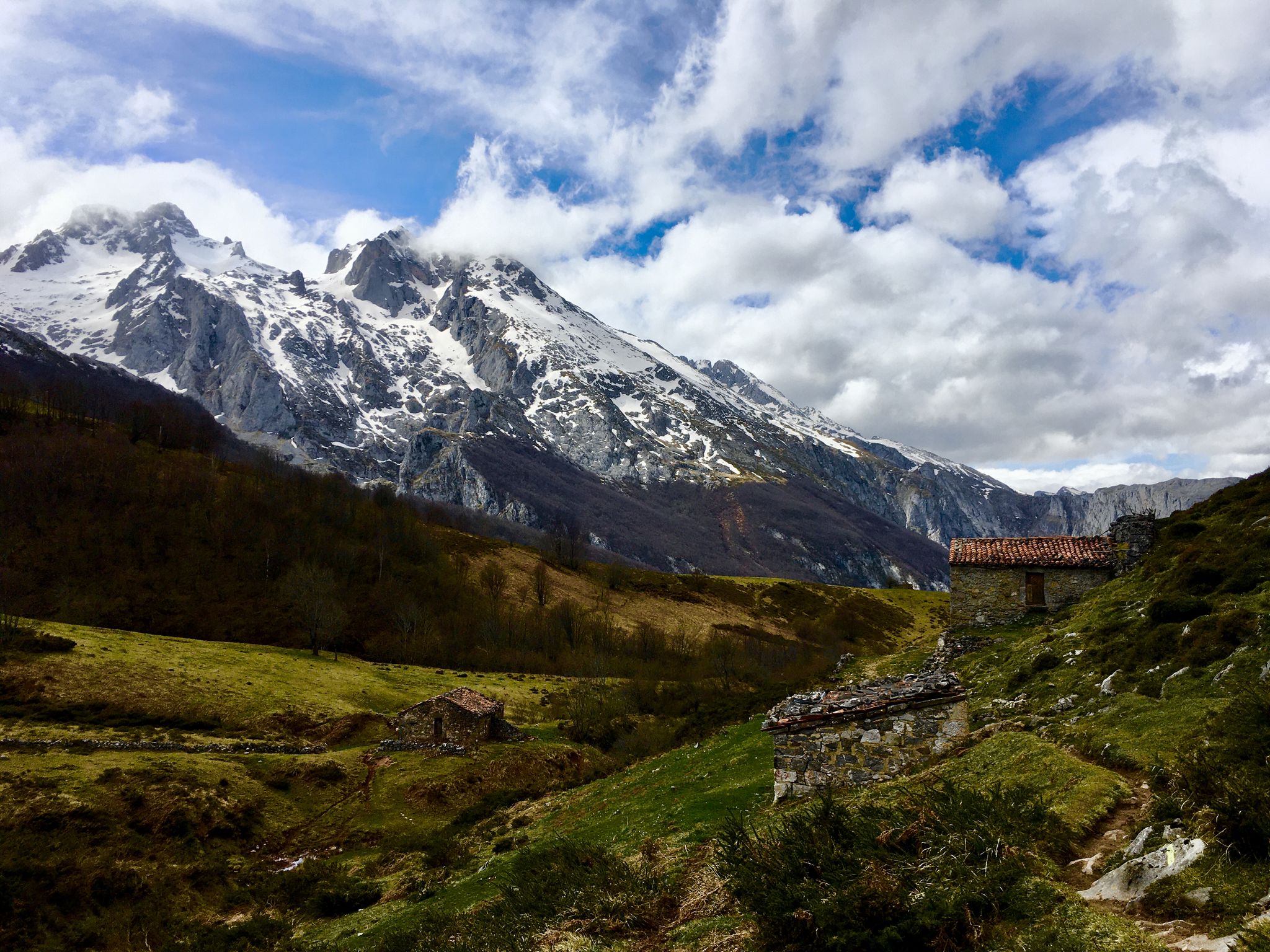
Route of the Reconquest (GR 202) – In the footsteps of an army
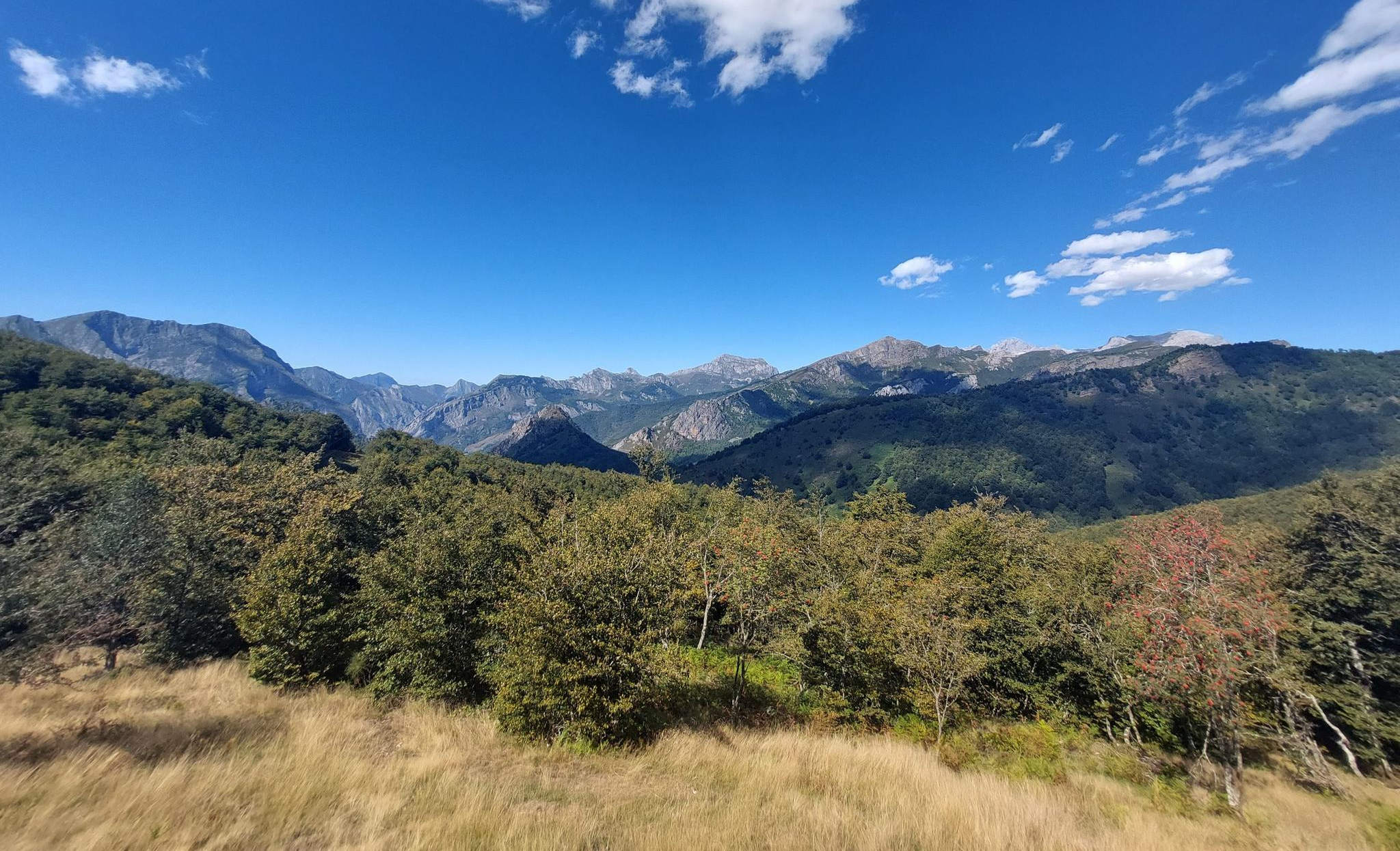
Senda del Arcediano (GR 210) - A historical hike through the Picos del Picos
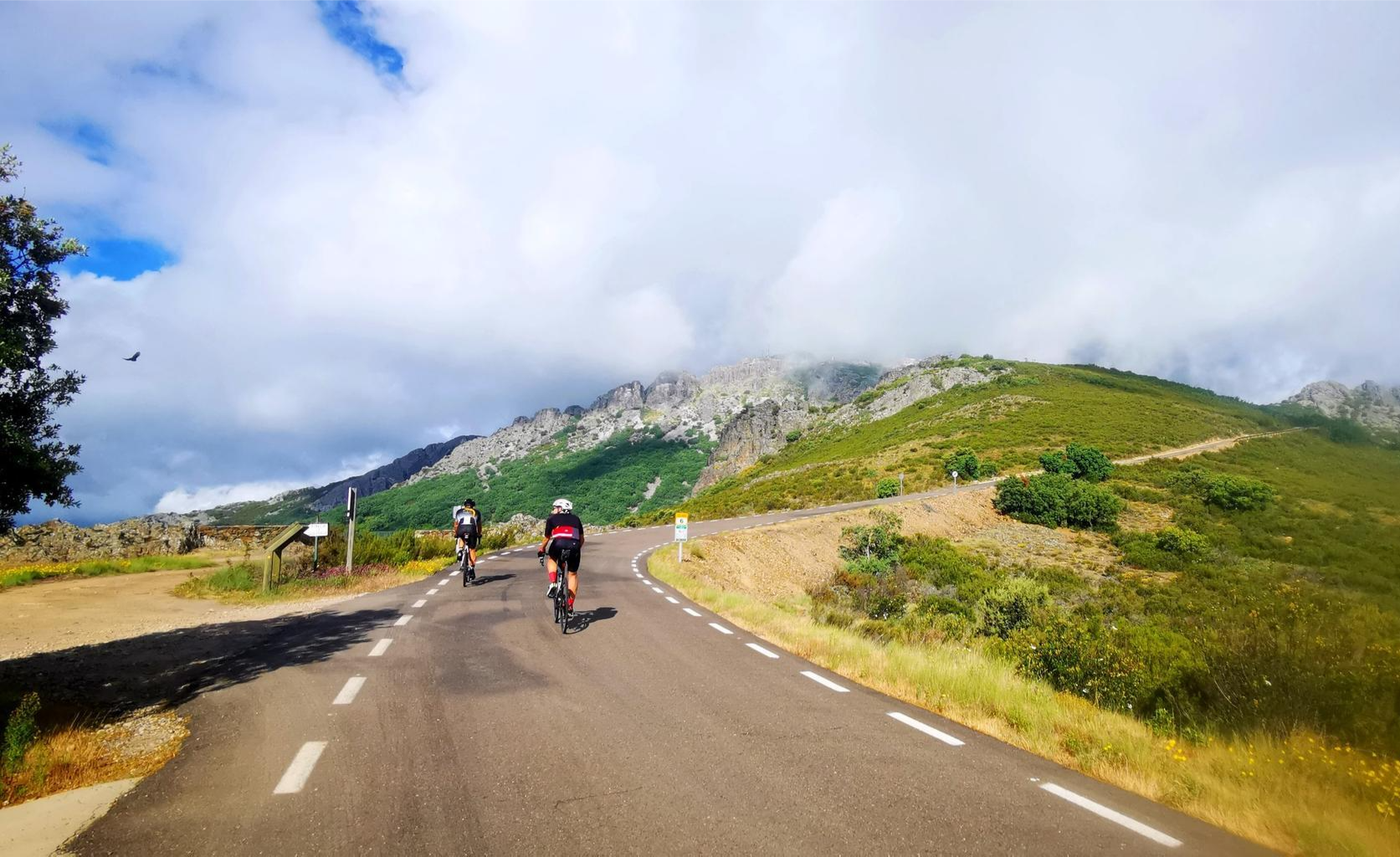
Legendary climbs - Ports of La Vuelta a España
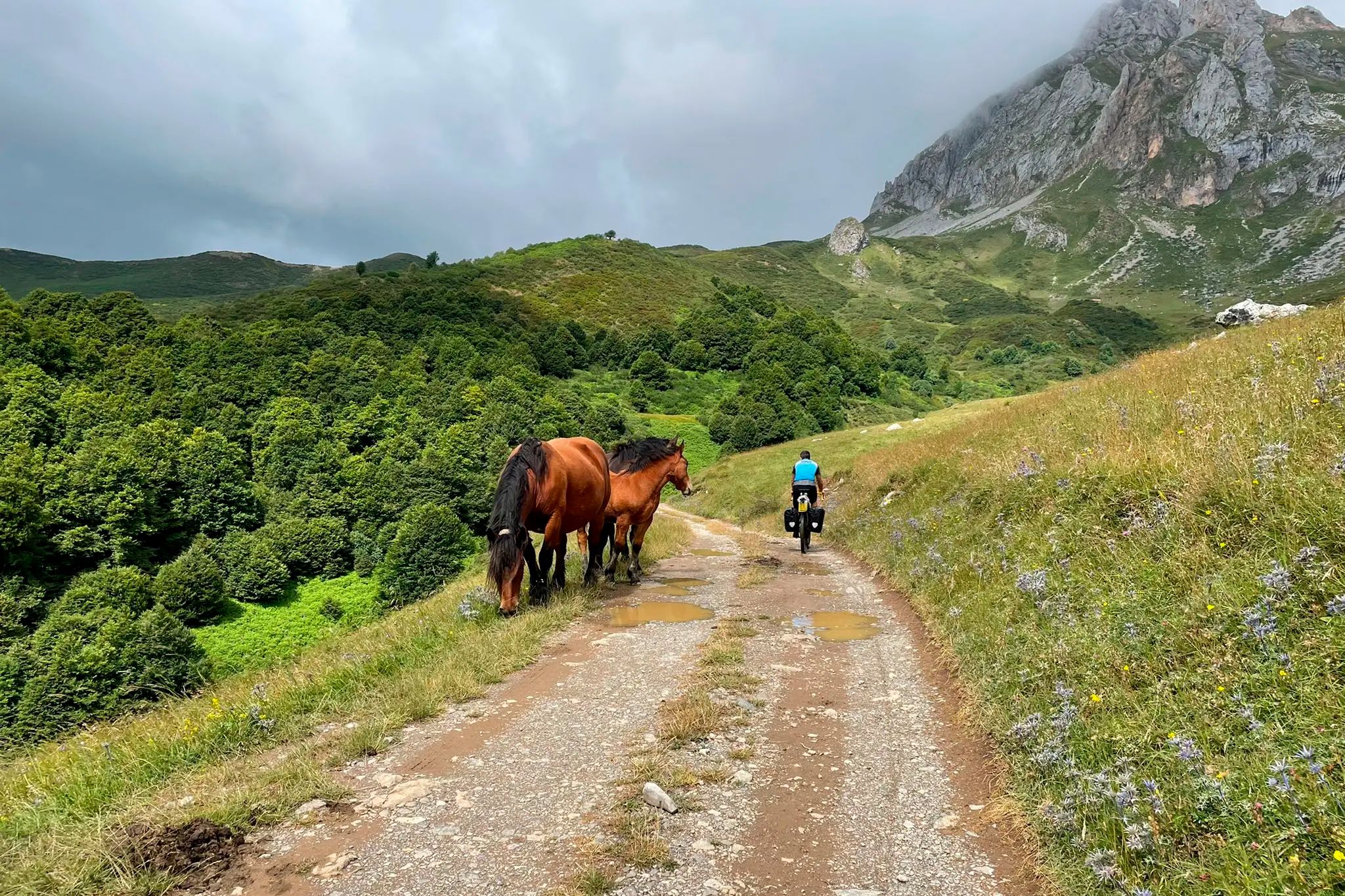
TransCantabrica – Extreme mountain biking in northern Spain
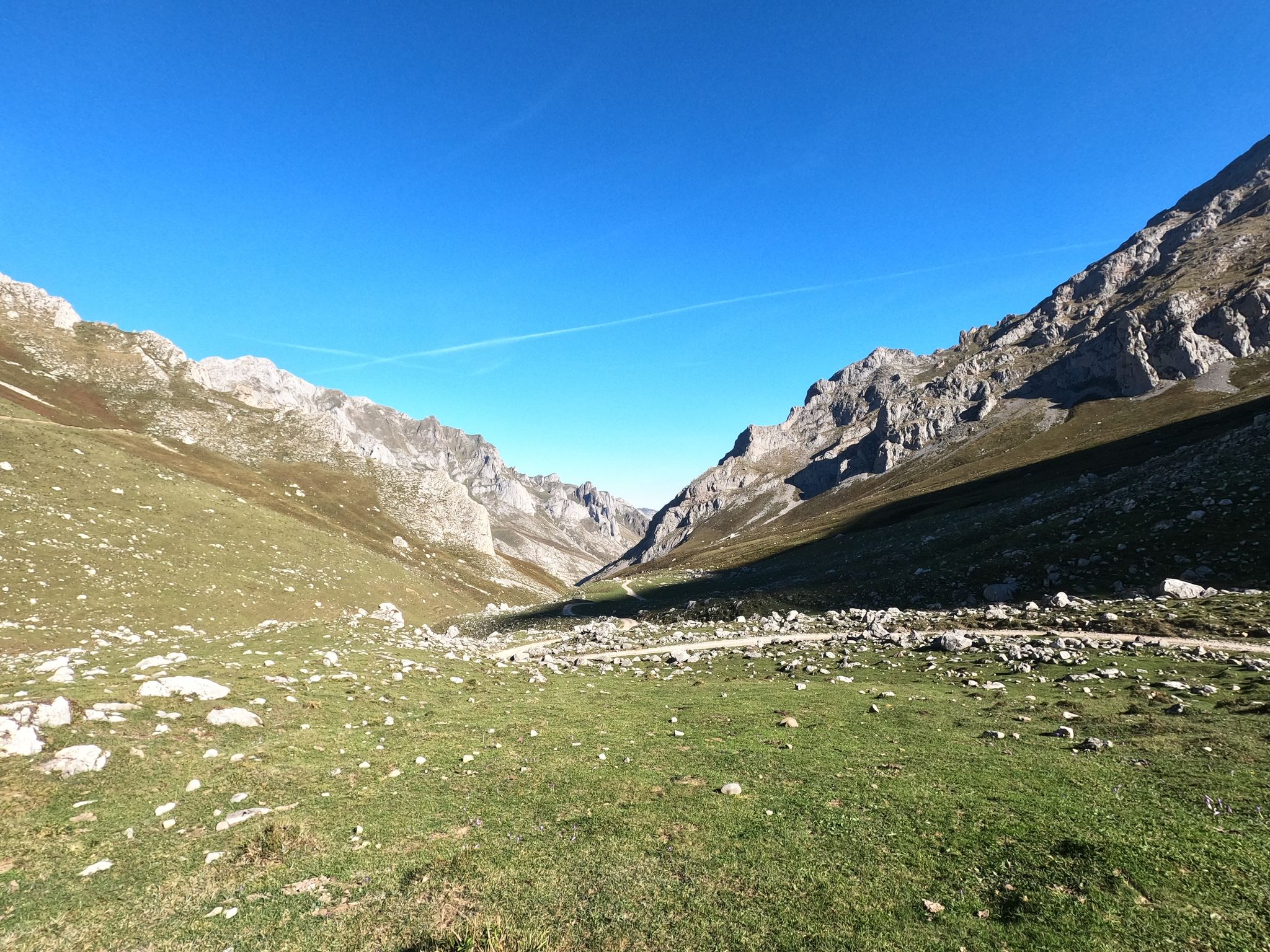
From statue to statue – Reconquista Challenge
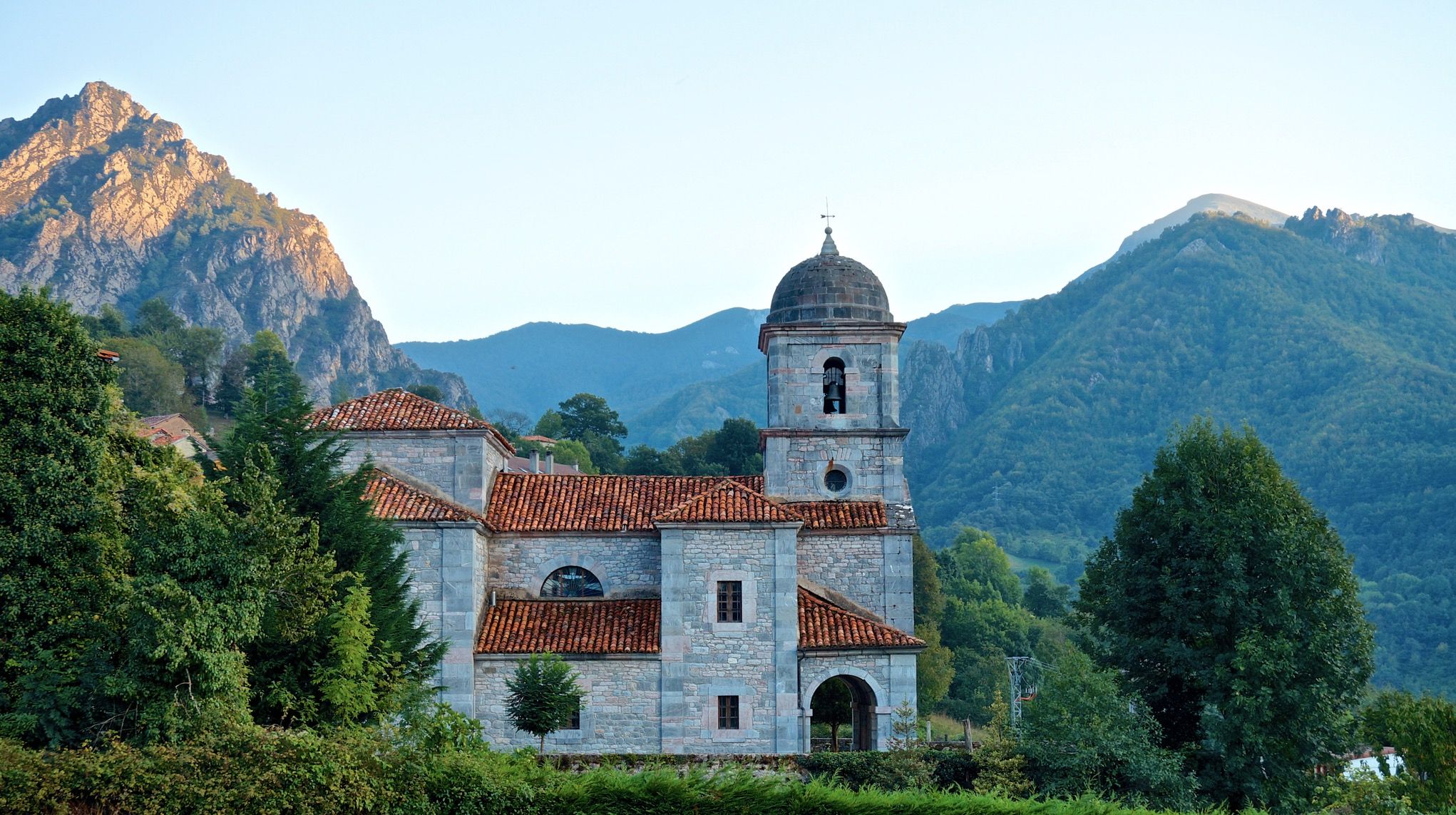
A trip through the mountains – Pedales de León MTB
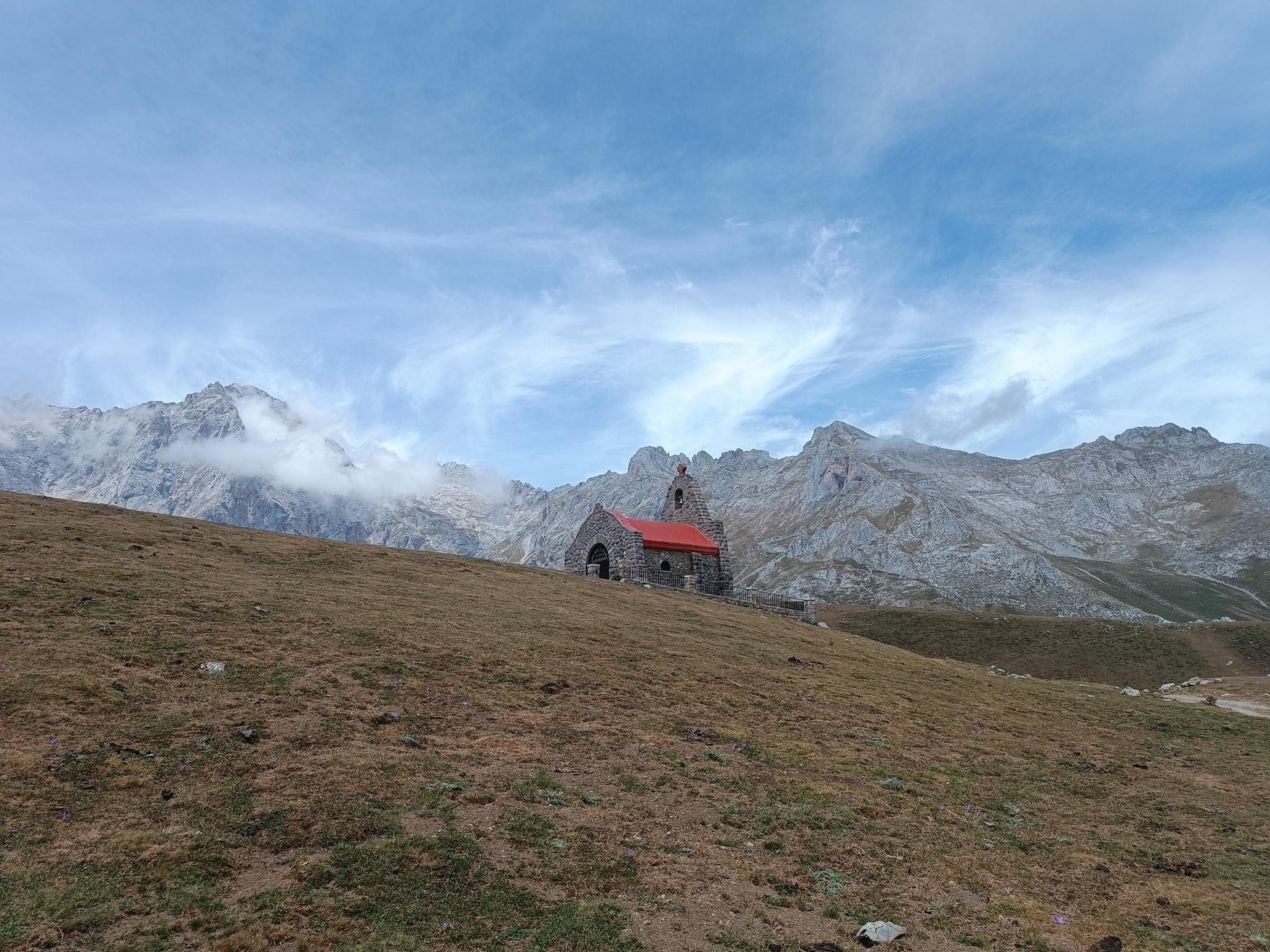
A pilgrimage to the peaks – Camino de los Santuarios
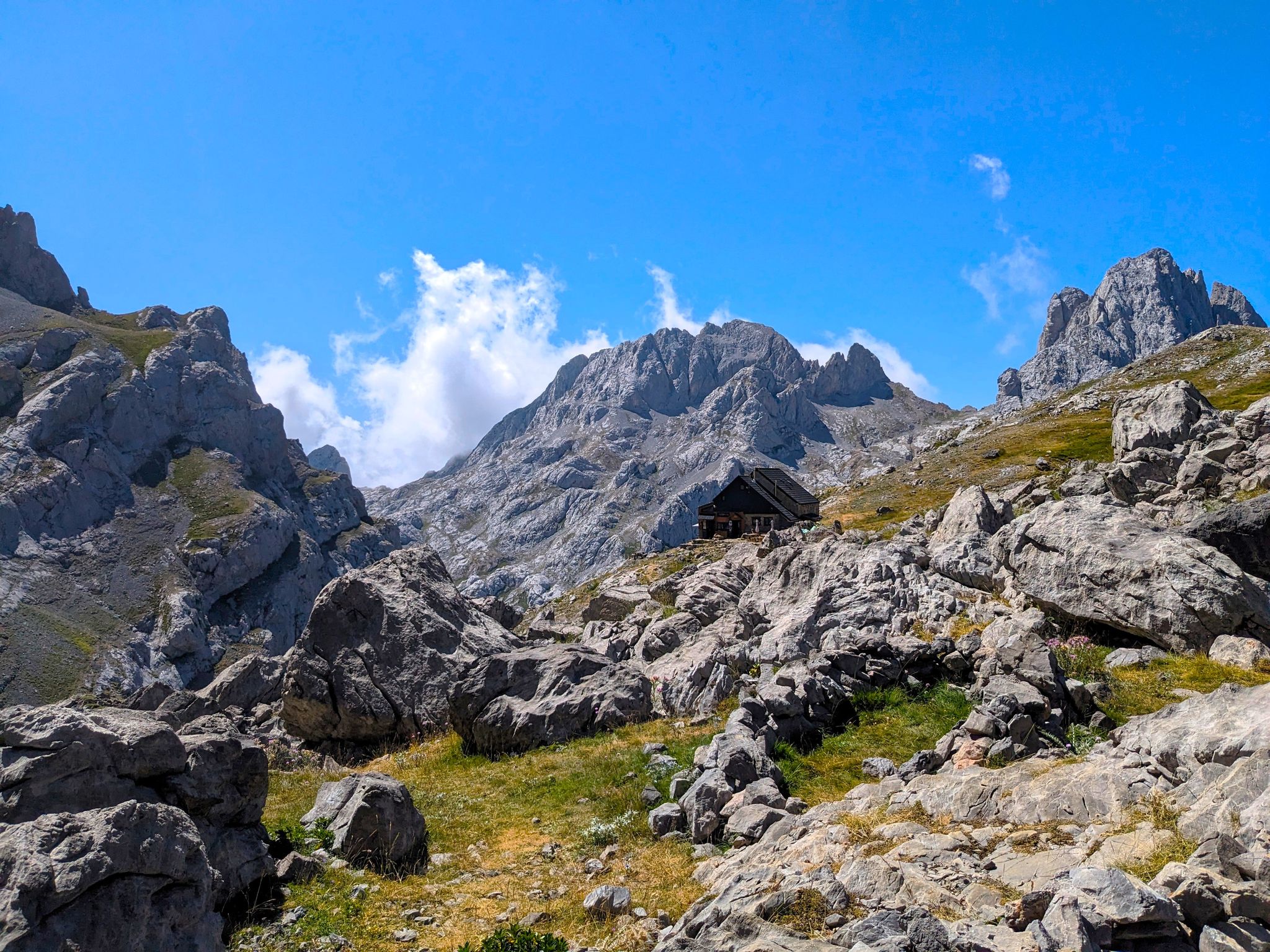
The untamed Collado Jermoso – Picos de Europa
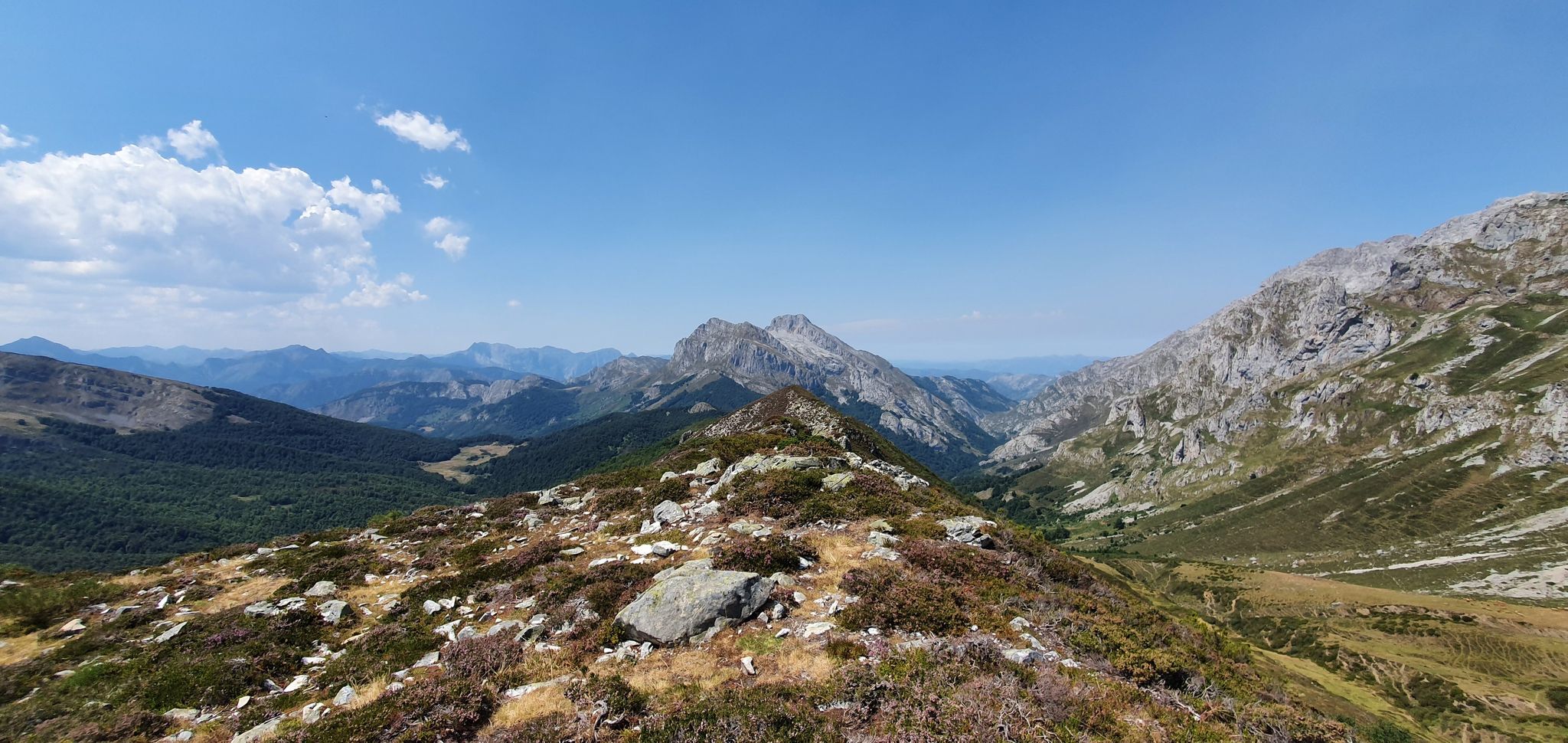
Four days hiking in Spain’s Picos de Europa – Anillo Vindio
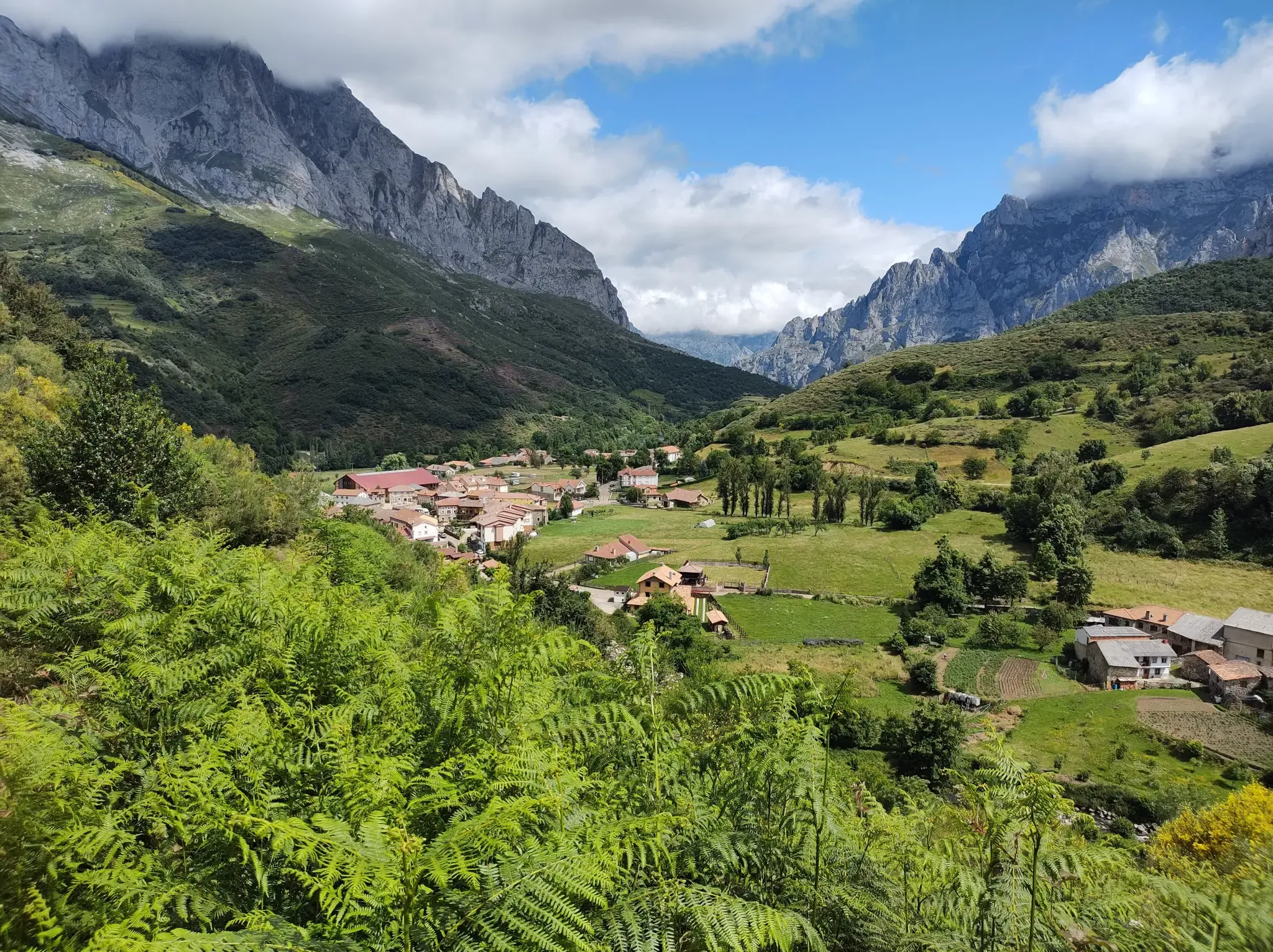
Hike Spain’s Picos de Europa – Ring of Peaks, Three Massifs
Other adventures in Picos De Europa


Tips from the Community

Already on the way to Covadonga, you repeatedly see the basilica, how it spectacularly thrones on its mountain. Just how it was placed in the mountain landscape is already a work of art in itself. Built from pink sandstone in the Neo-Romanesque style, you wouldn't guess at first glance that the church was only built in the 19th century. In this style and at this location, the basilica easily surpasses many a much larger cathedral in big cities. I also like the basilica very much on the inside. Very tasteful, the believer is not overwhelmed by a multitude of statues and ornate altars; the basilica captivates much more through relatively few, but beautifully designed statues, a surprisingly modest but very stylish altar, and successful lighting. Not too much, not too little, the basilica embraces instead of overwhelming.
0
0
The Holy Cave of Covadonga is a magical place. Seen from below, the small chapel is picturesquely built into the open cave. Once you are at the top, your gaze is captured by the beautiful statue of Mary, and I hardly noticed the small building of the chapel. Take your time, sit on one of the benches if there is space, and find a little peace. Photography is actually forbidden in the cave - however, this does not stop most visitors from doing it anyway, including me. However, one should at least refrain from posing at the barrier in front of the statue of Mary while other visitors are sitting devoutly on the benches. Proceed without haste, quickly take a photo of the statue and the chapel, and then withdraw; I don't think it should be any more than that. Don't destroy the magic of this place!
0
0

Nice village in the middle of the Valdeón valley. Nicely traditional in the middle of the high mountains.
0
0

The Mirador del Tombo is one of the most impressive views in the Valdeón Valley, in the Picos de Europa. Located very close to the village of Cordiñanes de Valdeón, it offers spectacular views of the Cares Gorge and the Central Massif of the Picos de Europa.
4
0

El Porru la Cabrona is a very tough climb on the climb to the Lakes of Covadonga, known for its demanding gradient that tests even the strongest cyclists. It's one of the legendary sections of this climb.
1
0


Beautiful view
2
0

A quiet location connecting the Valdeón and Riaño areas. It offers overnight parking and a fountain.
0
0
Frequently Asked Questions
How many no-traffic touring cycling routes are available in Picos de Europa?
There are over 30 dedicated no-traffic touring cycling routes in Picos de Europa. These routes are specifically curated to offer a peaceful and immersive cycling experience away from vehicular traffic.
Are the no-traffic touring cycling routes in Picos de Europa suitable for beginners?
The Picos de Europa region is known for its challenging terrain. While there are no routes specifically classified as 'easy' for touring cycling, there are 6 routes considered 'moderate'. The majority, 25 routes, are classified as 'difficult', featuring significant climbs and demanding sections. Cyclists should be prepared for strenuous ascents and descents.
What kind of terrain can I expect on these no-traffic touring cycling routes?
You can expect a variety of terrain, from quiet tarmac roads to more challenging forest tracks. The region is characterized by imposing limestone peaks, deep gorges, and lush forests, meaning routes often include significant elevation changes and can be physically demanding. Many routes feature challenging climbs, some extending 10-15km with steep grades.
Are there any circular no-traffic touring cycling routes in Picos de Europa?
Yes, several no-traffic touring cycling routes in Picos de Europa are circular, allowing you to start and end in the same location. An example is the Puerto de Pandetrave – Pandetrave Viewpoint loop from Posada de Valdeón, offering a rewarding loop through the landscape. Another option is the Santa Marina de Valdeón – Soto de Valdeón loop from Santa Marina de Valdeón.
What are some notable natural attractions or viewpoints along these routes?
The Picos de Europa offers breathtaking natural beauty. Along various routes, you might encounter spectacular gorges like the Cares Gorge, with its famous Ruta del Cares trail, or stunning viewpoints such as El Cable Viewpoint, offering panoramic vistas of the central massif. The Lagos de Covadonga Trail leads to the picturesque glacial lakes of Enol and Ercina.
Can I find places to eat or stay along the no-traffic cycling routes?
While the routes are designed to be traffic-free, many pass near or through charming traditional mountain villages. These villages, such as Potes or Sotres, often offer local eateries, cafes, and accommodation options. It's advisable to plan your stops in advance, especially in more remote sections, as services may be sparse.
What is the best time of year to cycle these routes?
The best time to cycle in Picos de Europa is generally from late spring to early autumn (May to October). During these months, the weather is more stable, and temperatures are pleasant. However, be aware that mountain weather can change rapidly, and even in summer, higher elevations can be cool. Winter often brings snow, making many routes inaccessible.
Are there any routes that pass by significant cultural or historical sites?
Yes, the region is rich in culture and history. While cycling, you might pass through areas near Cangas de Onís, known for its Romanesque bridge, or the Covadonga Sanctuary, a significant historical and religious site. Traditional villages like Potes, with its medieval charm, also offer cultural insights.
What do other touring cyclists enjoy most about cycling in Picos de Europa?
The komoot community highly rates the touring cycling experience in Picos de Europa, with an average score of 4.65 stars. Reviewers often praise the region's spectacular views, the challenge of its climbs, and the peaceful, low-traffic environment that allows for an immersive connection with nature.
Is public transport available to access the starting points of these routes?
Access to some starting points may be possible via regional bus services, particularly to larger towns or villages on the periphery of the national park. However, public transport options can be limited within the more remote areas of Picos de Europa. It's recommended to research specific routes and their accessibility by public transport beforehand.
Are there any routes that offer views of the iconic Naranjo de Bulnes (Picu Urriellu)?
While Naranjo de Bulnes is a prominent peak, many of the touring cycling routes offer views of the broader Picos de Europa massifs. For direct views of Naranjo de Bulnes, you might need to combine cycling with short hikes or explore specific viewpoints accessible by road, such as those near the Central Massif. The region's dramatic topography ensures stunning mountain vistas on most routes.
Most popular routes in Picos De Europa
Most popular attractions in Picos De Europa

Get inspired with the komoot mobile app


Explore more
Browse the best Cycling routes in other regions.
