The best mountain hikes in Picos De Europa
4.9
(10)
94
hikers
12
hikes
Mountaineering routes in Picos de Europa traverse a majestic mountain range in northern Spain, characterized by dramatic pale limestone formations, jagged peaks, and deep valleys. The region is divided into three distinct massifs, offering a rugged environment for adventurers. Its topography includes immense woods, mountain pastures, and limestone rock formations, with rivers carving breathtaking gorges.
Best mountaineering routes in Picos de Europa
- The most popular mountaineering route is Viewpoint – Horcados Rojos loop from Fuente Dé, a 6.8 miles (10.9 km) trail that takes 4 hours 55 minutes to complete. This difficult route offers expansive views of the high mountain landscape.
- Another top favourite among local mountaineers is View of the Picos de Europa – View of Fuente De loop from Fuente Dé, a difficult 10.6 miles (17.1 km) path. This route ascends through varied terrain, providing panoramic vistas of the Picos de Europa.
- Local mountaineers also love the Bulnes Village loop from Estaciòn inferior Poncebos (Funicular de Bulnes), a 5.6 miles (9.0 km) trail leading through deep valleys and traditional mountain villages, often completed in about 3 hours 43 minutes.
- Mountaineering in Picos de Europa is defined by sharp limestone peaks, deep glacial valleys, and extensive karst landscapes. The network offers options for different ability levels, from challenging ascents to routes through picturesque mountain pastures.
- The routes in Picos de Europa are highly rated by the komoot community with an average score of 4.9 stars from more than 30 reviews. More than 300 mountaineers have used komoot to explore Picos de Europa's varied terrain.
Last updated: July 15, 2026
5.0
(2)
18
hikers
10.3km
07:20
1,190m
1,190m
Hard mountaineering route. Very good fitness required. Sure-footedness, sturdy shoes and alpine experience required.
5.0
(1)
13
hikers
3.55km
02:30
340m
340m
Hard mountaineering route. Good fitness required. Sure-footedness, sturdy shoes and alpine experience required.

Sign up for free
4.5
(2)
4
hikers
11.8km
06:24
1,020m
1,020m
Hard mountaineering route. Very good fitness required. Sure-footedness, sturdy shoes and alpine experience required.
5.0
(2)
6
hikers
13.3km
06:00
950m
950m
Hard mountaineering route. Very good fitness required. Mostly accessible paths. Sure-footedness required.
5
hikers
12.6km
04:31
650m
650m
Moderate mountaineering route. Good fitness required. Mostly accessible paths. Sure-footedness required.
Get access to more routes and recommendations from other explorers.
Sign up for free
Already have an account?
Our route recommendations are based on thousands of hikes, rides, and runs completed by other people on komoot.
Start today with a free account
Your next adventure awaits.
Login or Signup
Popular around Picos De Europa
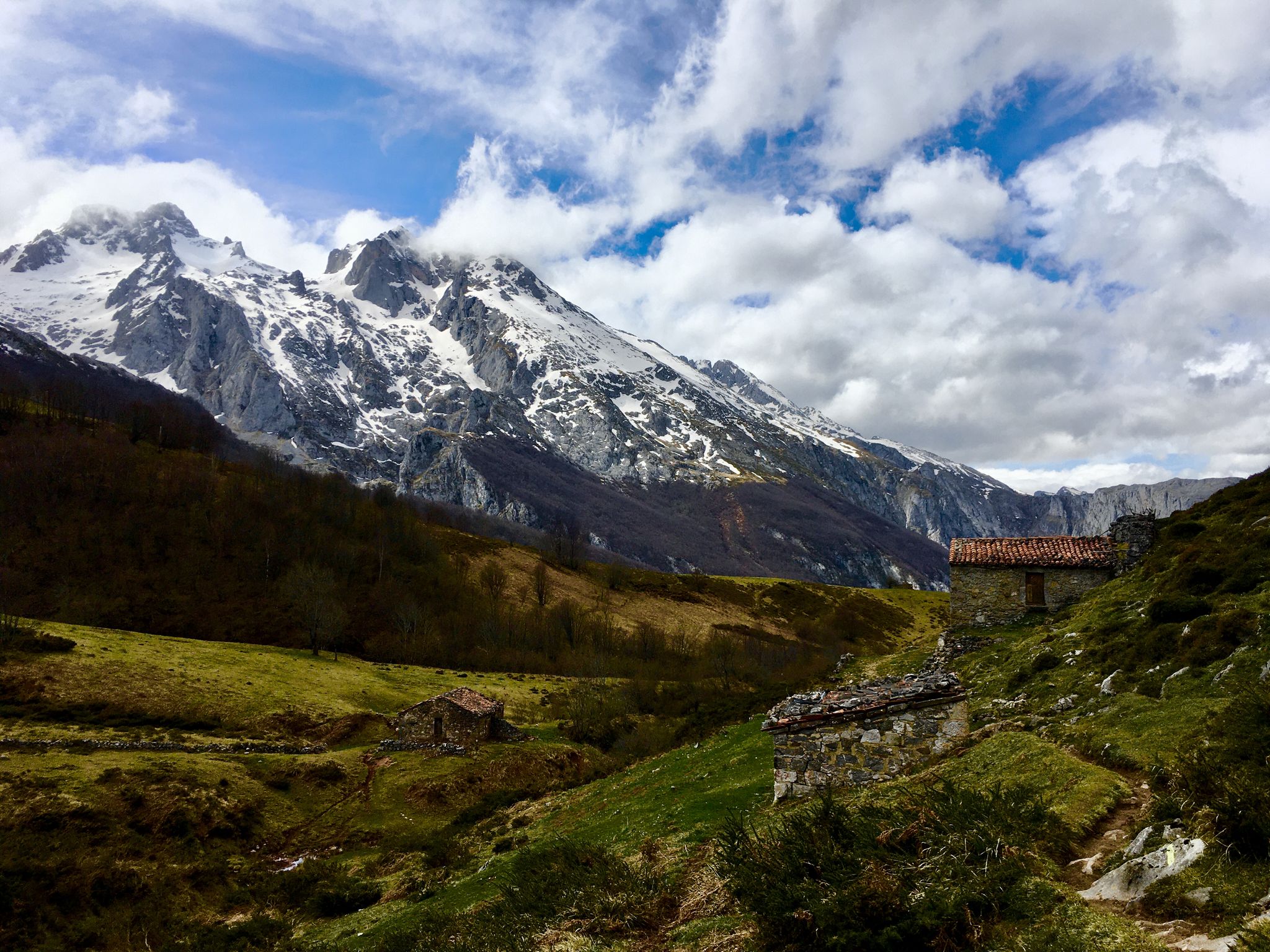
Route of the Reconquest (GR 202) – In the footsteps of an army
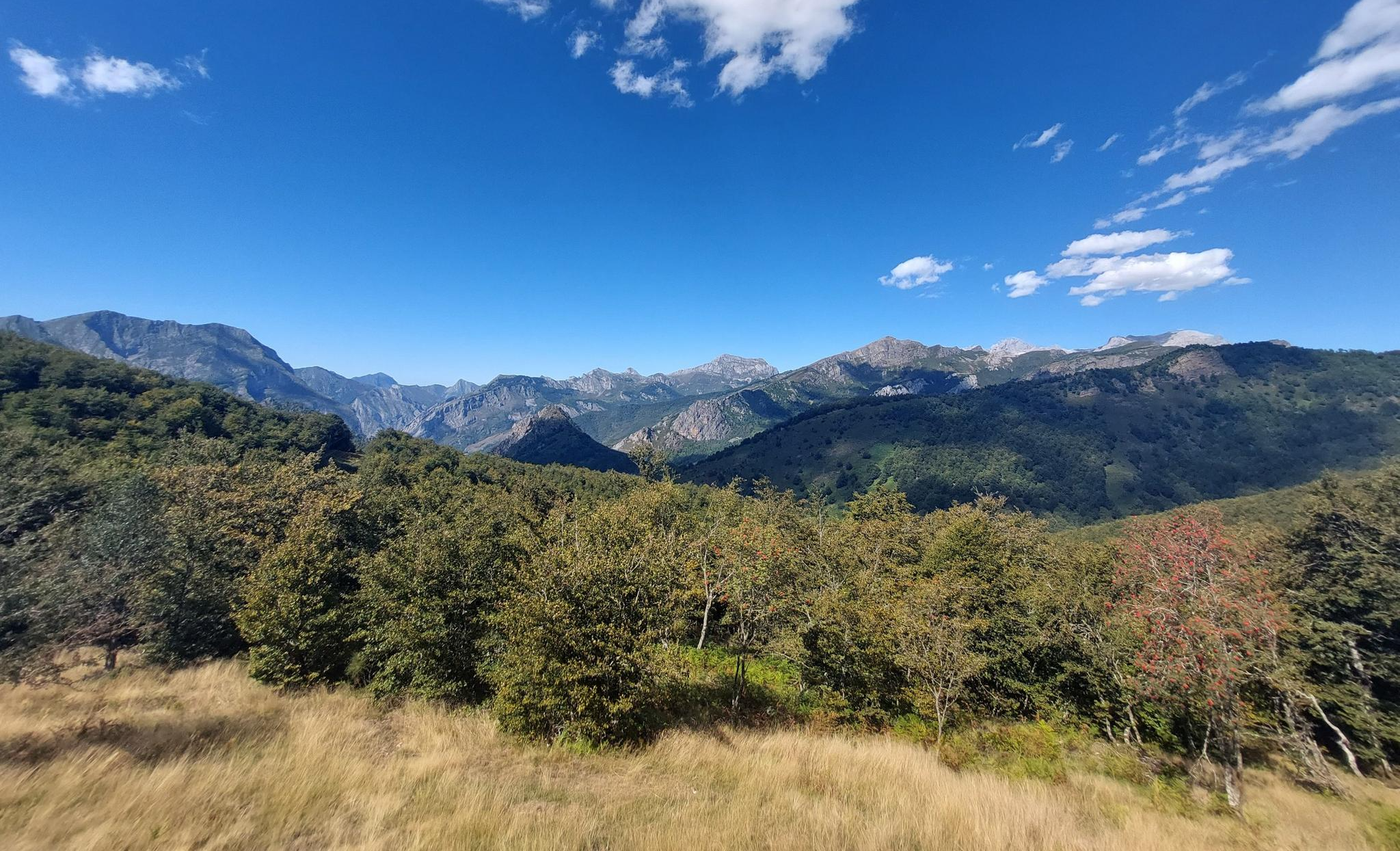
Senda del Arcediano (GR 210) - A historical hike through the Picos del Picos
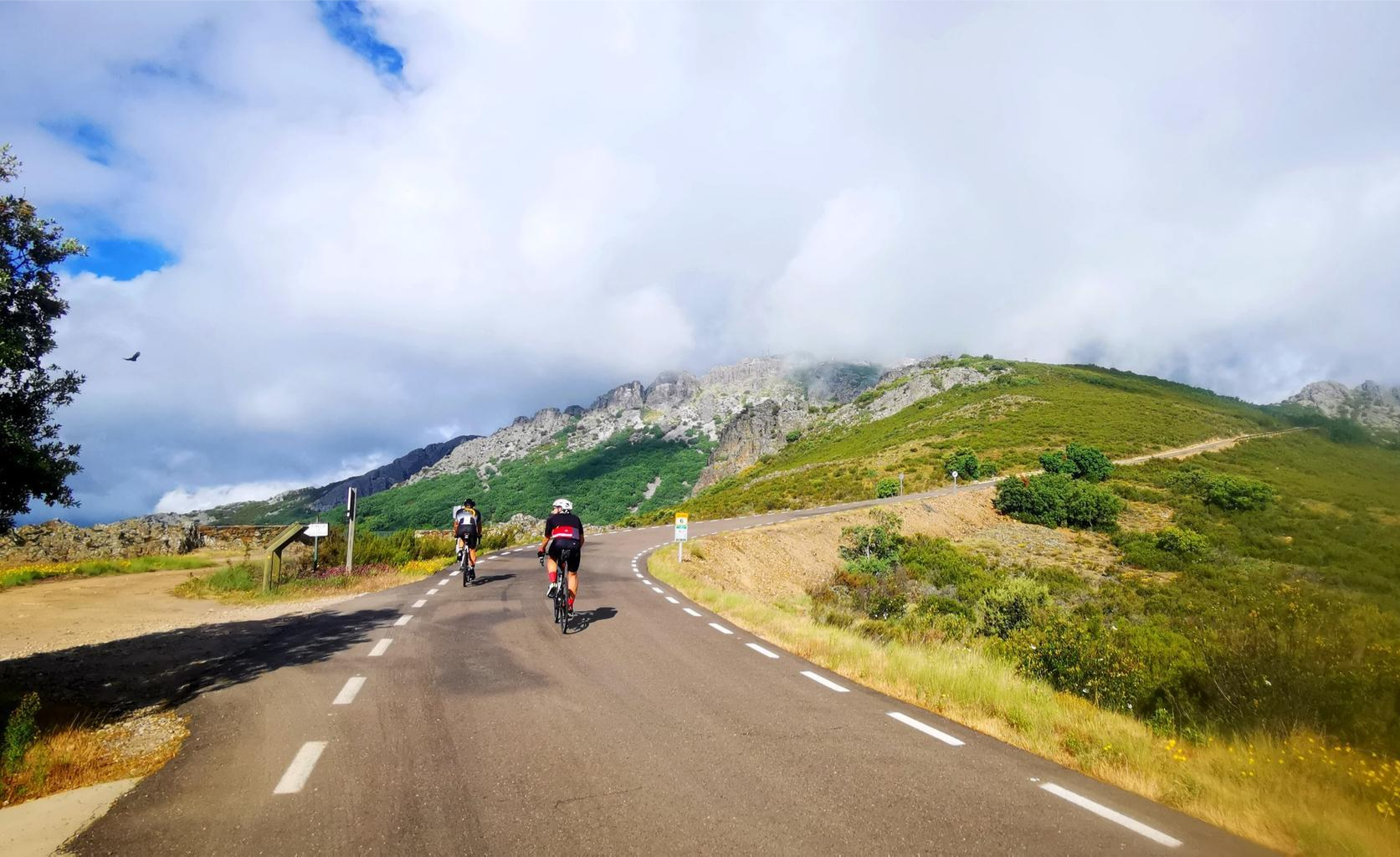
Legendary climbs - Ports of La Vuelta a España
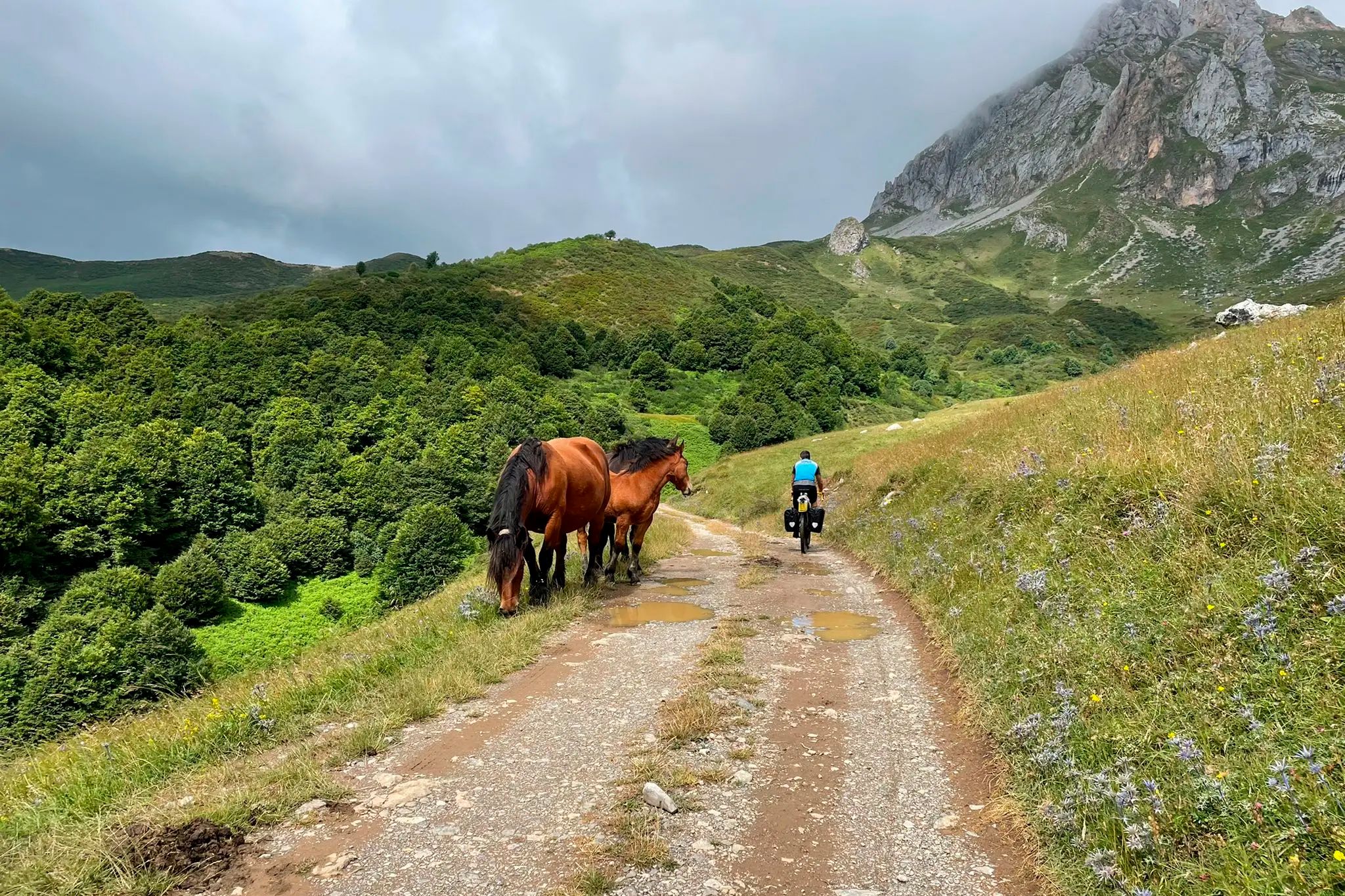
TransCantabrica – Extreme mountain biking in northern Spain
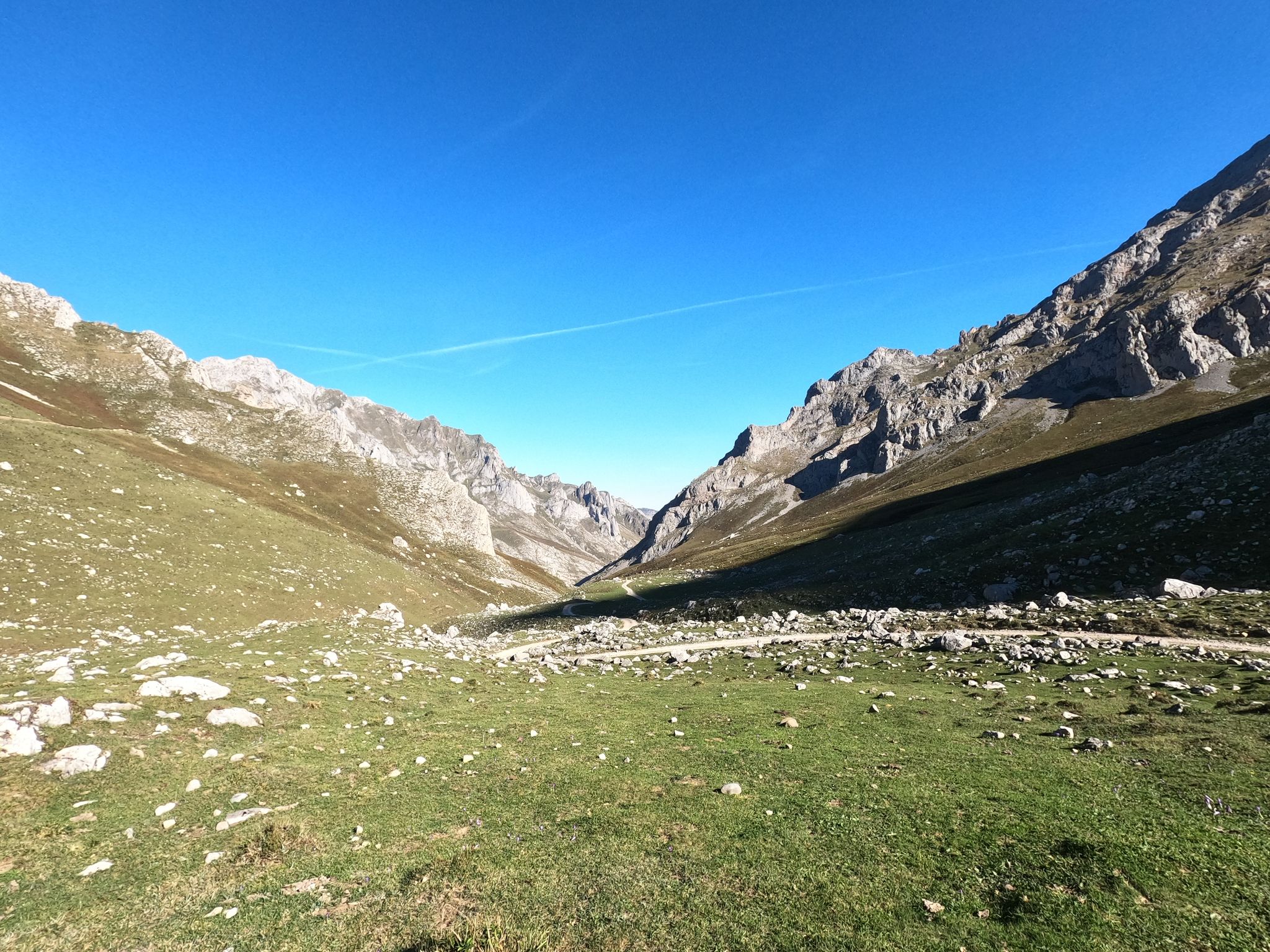
From statue to statue – Reconquista Challenge
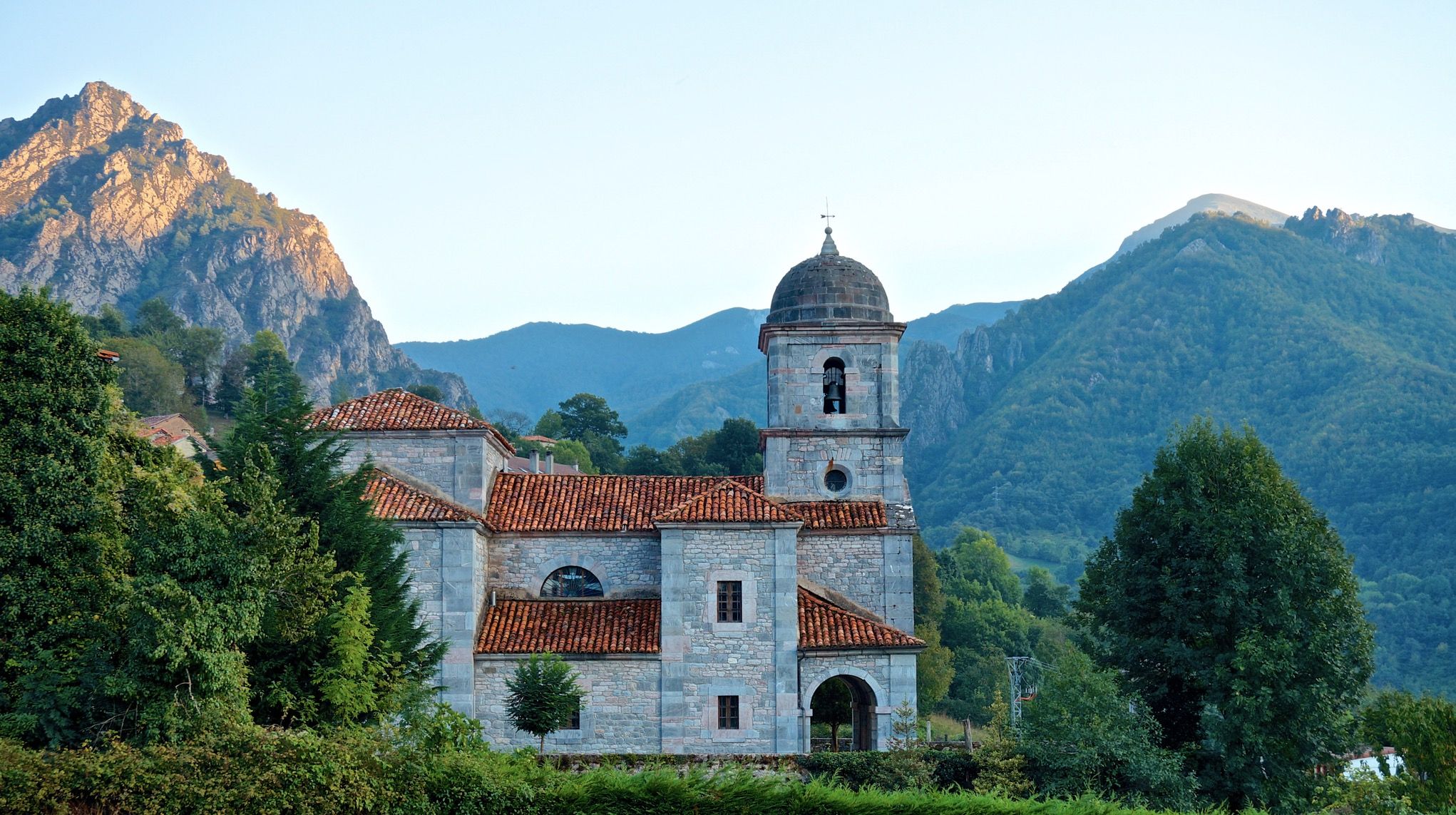
A trip through the mountains – Pedales de León MTB
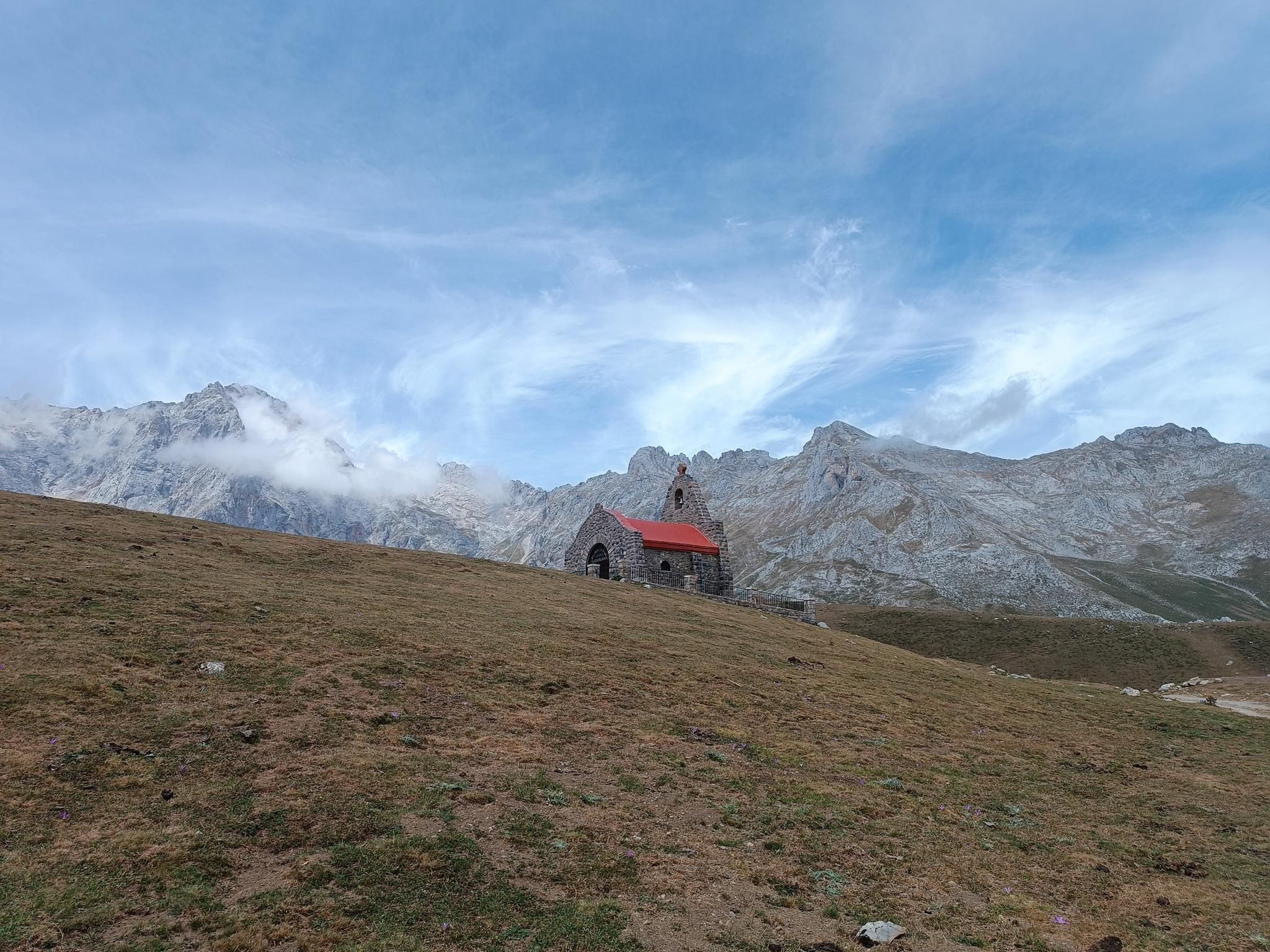
A pilgrimage to the peaks – Camino de los Santuarios
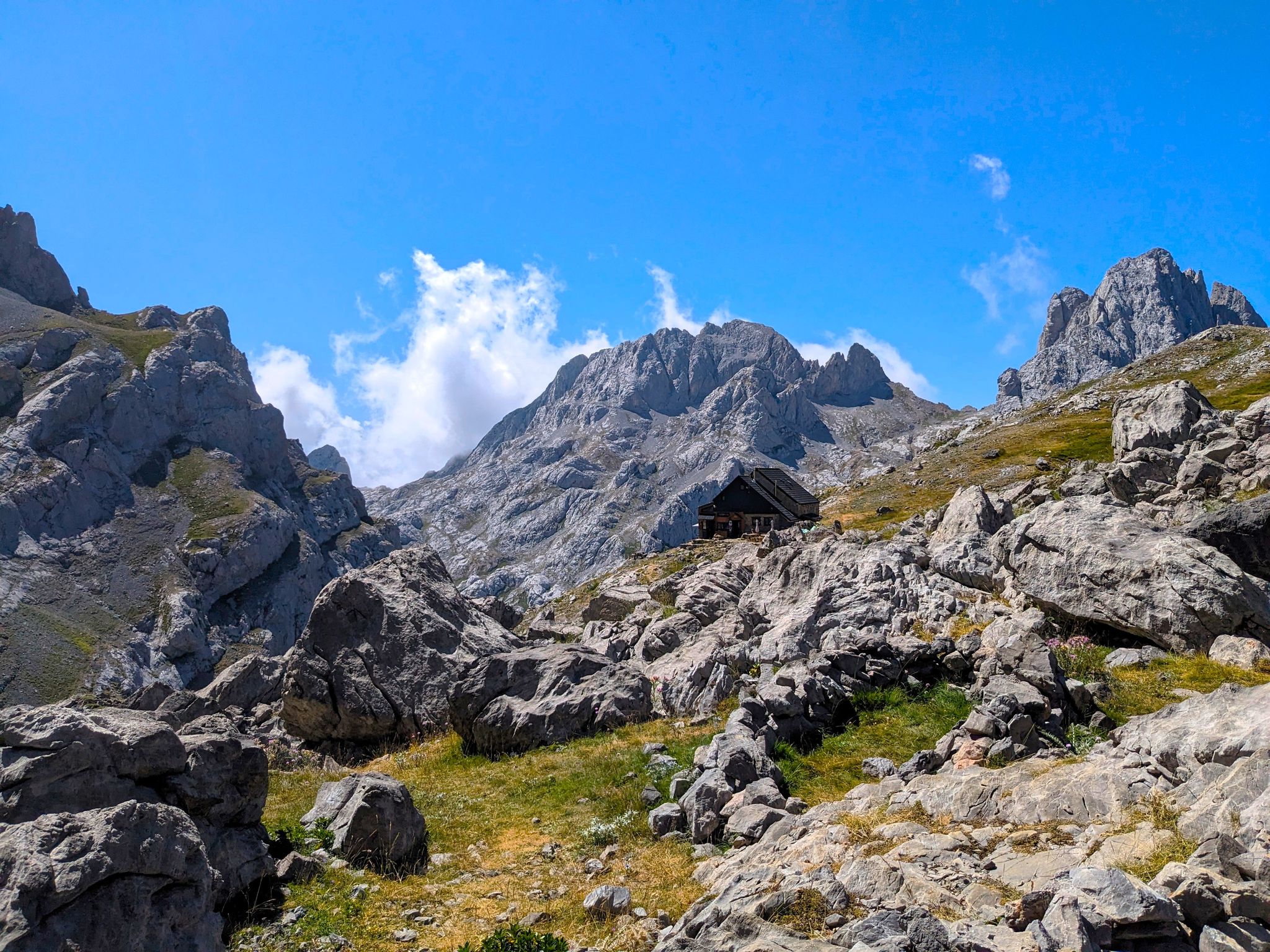
The untamed Collado Jermoso – Picos de Europa
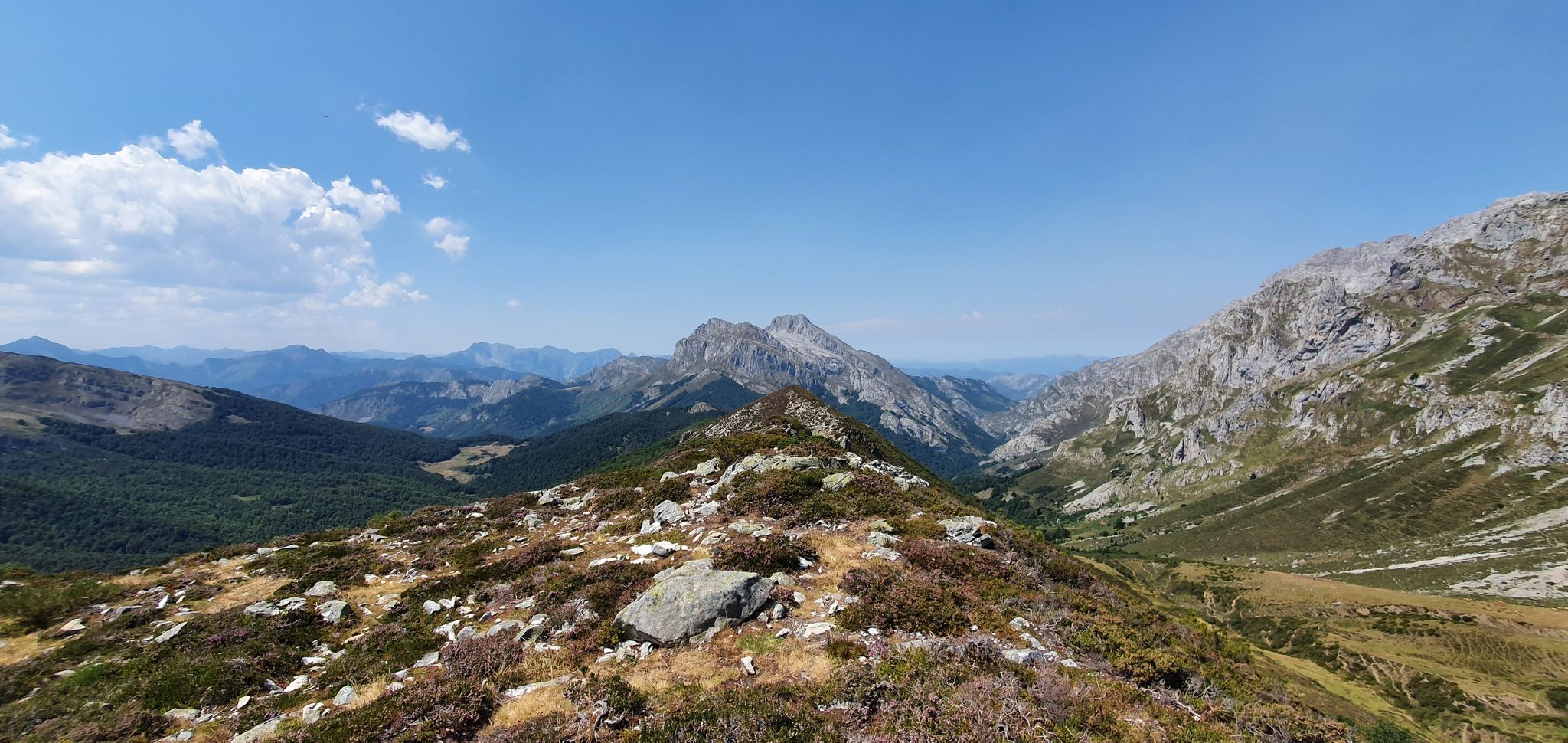
Four days hiking in Spain’s Picos de Europa – Anillo Vindio
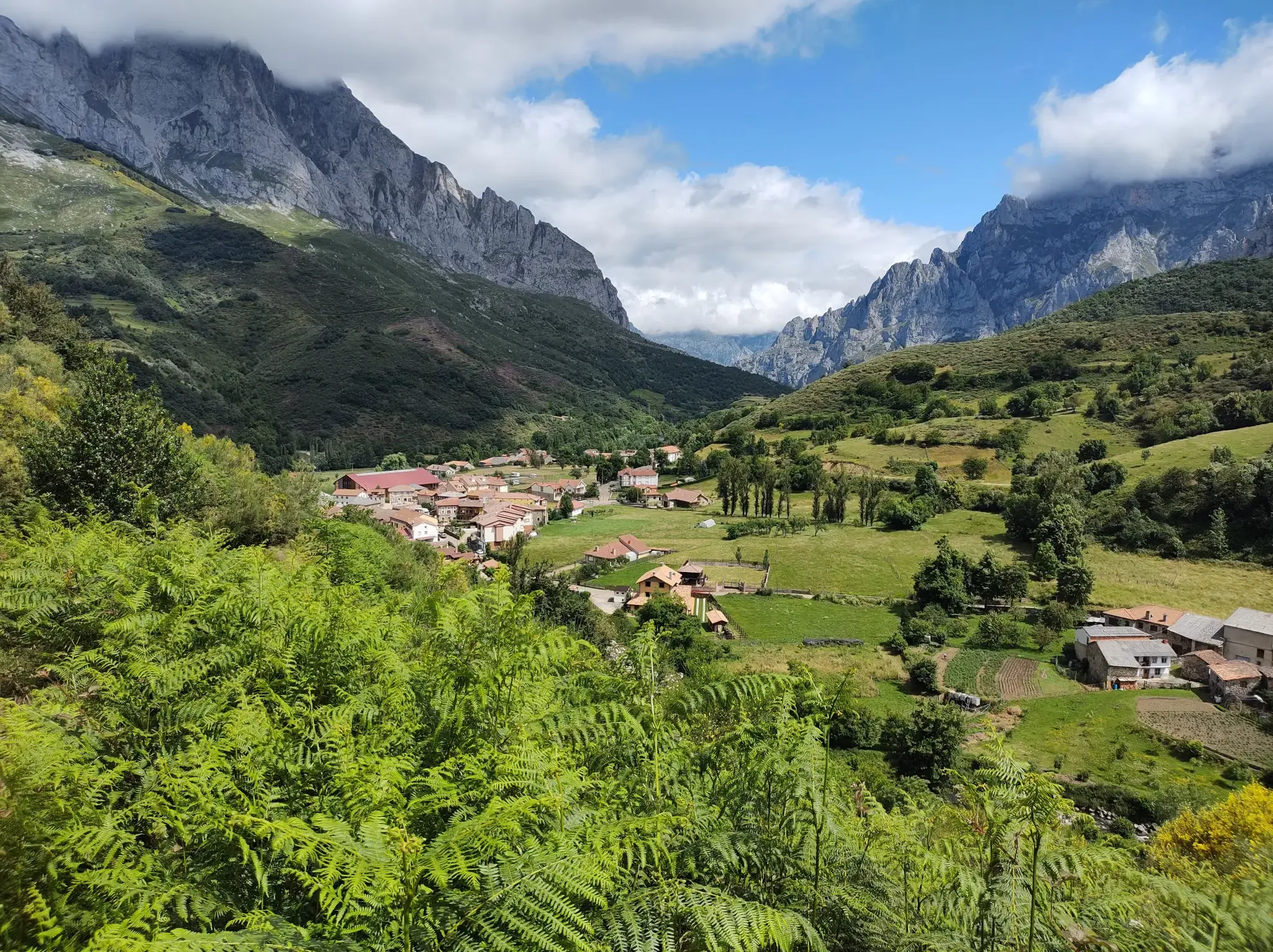
Hike Spain’s Picos de Europa – Ring of Peaks, Three Massifs
Other adventures in Picos De Europa


Tips from the Community

The start of the Valdeón Via Ferrata is located on the outskirts of the village of Cordiñanes de Valdeón, in the Valdeón Valley, within the Picos de Europa National Park.
4
0
The Mirador del Tombo is one of the most impressive views in the Valdeón Valley, in the Picos de Europa. Located very close to the village of Cordiñanes de Valdeón, it offers spectacular views of the Cares Gorge and the Central Massif of the Picos de Europa.
4
0
Cordiñanes de Valdeón is a small mountain village located in the Valdeón Valley, within the Picos de Europa National Park, in the province of León. Although less well-known than Caín or Posada de Valdeón, it offers access to spectacular trails and high-mountain landscapes.
4
0

Great place for an overnight stay. A fantastic view of the sunset (just a few meters from the hut)!
0
0
Since there are a lot of cars parked at the cable car, it is recommended to take the bus or a taxi (10 €) from Arenas to Poncebo.
3
0


Great stopover on the way to Picu Urriellu
0
0

This is a humble refuge at an altitude of 1,300 metres in the Picos de Europa, which is an intermediate point between the winter resorts of Texu and the Urriellu plain. It has 20 beds, an open kitchen for guests, a fireplace and a wood stove. It also offers a food service and a bar.
0
0
Frequently Asked Questions
How many mountaineering routes are available in Picos de Europa?
There are over 25 mountaineering routes documented in Picos de Europa on komoot, offering a wide range of challenges from moderate to difficult. The majority, around 20, are classified as difficult, with a few moderate and one easy option available.
What kind of terrain can I expect on mountaineering routes in Picos de Europa?
Mountaineering in Picos de Europa is defined by sharp limestone peaks, deep glacial valleys, and extensive karst landscapes. You'll traverse immense woods, mountain pastures, and dramatic rock formations, with rivers carving breathtaking gorges. The region's unique geology, including its pale limestone, creates a rugged and inspiring environment.
Are there any family-friendly mountaineering options in Picos de Europa?
While many routes are challenging, there are options that families can enjoy. For instance, the Bulnes Village loop from Estaciòn inferior Poncebos (Funicular de Bulnes) is a difficult route that leads through deep valleys and traditional mountain villages, but its 5.6 miles (9.0 km) distance and approximately 3 hours 43 minutes duration might be manageable for active families with older children. Always check the specific route details for elevation gain and terrain to ensure it suits your family's experience level.
Can I bring my dog on the mountaineering trails in Picos de Europa?
The Picos de Europa National Park has specific regulations regarding pets to protect its rich biodiversity, which includes species like the Iberian wolf and Cantabrian brown bear. While some trails may permit dogs on a leash, it's crucial to check the most current park regulations before planning your trip. Always ensure your dog is under control and that you clean up after them.
Are there any circular mountaineering routes in Picos de Europa?
Yes, many routes are designed as loops, allowing you to start and finish at the same point. A popular example is the Viewpoint – Horcados Rojos loop from Fuente Dé, which offers expansive views over 6.8 miles (10.9 km). Another option is the View of the Picos de Europa – View of Fuente De loop from Fuente Dé, a longer 10.6 miles (17.1 km) path providing panoramic vistas.
What interesting landmarks or natural features can I see along the mountaineering routes?
The Picos de Europa are rich in natural beauty and unique landmarks. You can explore the dramatic 6 km on the Ruta del Cares, known for its carved gorges. Other notable sights include the stunning View of Lakes Enol and Ercina, or the panoramic El Cable Viewpoint, accessible via the Fuente Dé Cable Car. The region's extensive karst landscape also features unique formations like the Dwarves' Tunnels on the Cares Trail.
What do other mountaineers enjoy most about Picos de Europa?
The Picos de Europa are highly rated by the komoot community, with an average score of 4.9 stars from over 30 reviews. Mountaineers often praise the dramatic, rugged landscapes, the challenging ascents, and the panoramic views of the limestone peaks. The variety of terrain, from deep valleys to high mountain passes, is also frequently highlighted.
Are there any permits required for mountaineering or climbing in Picos de Europa?
For general hiking and mountaineering on established trails, permits are typically not required. However, for specific technical climbing routes, especially on iconic peaks like Naranjo de Bulnes (Picu Urriellu) or Torre Cerredo, or for accessing certain protected areas, permits or prior registration might be necessary. It's advisable to check with the Picos de Europa National Park authorities or local mountain guides for the most up-to-date information on any required permits for your specific activity.
What is the best time of year for mountaineering in Picos de Europa?
The best time for mountaineering in Picos de Europa is generally from late spring to early autumn (May to October). During these months, the weather is more stable, and trails are typically free of snow, especially at lower and mid-altitudes. However, the region is known for sudden weather changes and mists due to its proximity to the Cantabrian Sea, so always be prepared for varying conditions regardless of the season. Winter mountaineering is possible but requires specialized gear and experience due to snow and ice.
Are there options for advanced mountaineers seeking a challenge?
Absolutely. Picos de Europa is a prime location for experienced climbers and mountaineers. The Central Massif, in particular, boasts the highest concentration of vertical peaks, including Torre Cerredo (2,648 meters) and the iconic Naranjo de Bulnes (Picu Urriellu), which is a mecca for world-class rock climbers. Routes like the Collado Valleju – Picu Urriellu loop from Fuente del Monte offer significant elevation gain and challenging terrain, making them suitable for advanced adventurers.
Is public transport available to reach mountaineering trailheads in Picos de Europa?
Public transport options exist for reaching some of the main access points and villages within the Picos de Europa National Park, particularly during peak season. Buses connect larger towns to popular starting points like Fuente Dé or Poncebos (for the Funicular de Bulnes). However, access to more remote trailheads might be limited, often requiring private vehicles or taxis. It's recommended to research specific routes and their accessibility in advance.
Where can I find parking near popular mountaineering routes in Picos de Europa?
Parking is available at many popular trailheads and villages, such as Fuente Dé and Poncebos. However, during peak season, these areas can become very busy, and parking spaces may fill up quickly. Some popular areas, especially around the Lakes of Covadonga, have restricted vehicle access during certain times, requiring visitors to use designated parking areas and shuttle buses. Always plan to arrive early or consider alternative transport options.
Most popular routes in Picos De Europa
Most popular attractions in Picos De Europa

Get inspired with the komoot mobile app


Explore more
Browse the best Mountain Hikes & Routes in other regions.
