The best road cycling routes in Picos De Europa
4.6
(120)
10,122
riders
20
rides
Road cycling in Picos De Europa offers a challenging and rewarding experience through a dramatic mountain range in northern Spain. The region is characterized by towering limestone peaks, deep gorges carved by rivers, and varied terrain that includes both steep ascents and rolling sections. Cyclists navigate routes that wind through green valleys, past glacial lakes, and along mountain passes, providing diverse landscapes for exploration. The Picos de Europa's geology, with its sharp summits and significant elevation changes, makes it a notable destination for road cycling enthusiasts.
Best road cycling routes in Picos De Europa
- The most popular road cycling route is San Antolín de Bedón Beach – Holy Cave of Covadonga loop from Cuadonga / Covadonga, a 68.9 miles (110.9 km) trail that takes 5 hours 29 minutes to complete. This route combines coastal views with significant mountain climbing.
- Another top favourite among local road cyclists is Holy Cave of Covadonga – Covadonga Sanctuary loop from Oseja de Sajambre, a difficult 56.3 miles (90.6 km) path. It features substantial elevation gain through the heart of the Picos de Europa.
- Local road cyclists also love the San Glorio Pass – Pandetrave Viewpoint loop from Estaciòn inferior Poncebos (Funicular de Bulnes), a 131.1 miles (211.0 km) trail leading through high mountain passes and panoramic viewpoints, often completed in about 11 hours 26 minutes.
- Road cycling in Picos De Europa is defined by dramatic limestone formations, deep river gorges, and challenging mountain passes. The network offers options for experienced riders seeking demanding climbs, as well as gentler routes around the park's periphery.
- The routes in Picos De Europa are highly rated by the komoot community with an average score of 4.8 stars from more than 40 reviews. More than 4000 road cyclists have used komoot to explore Picos De Europa's varied terrain.
Last updated: August 25, 2026
29
riders
211km
11:27
4,230m
4,230m
Hard road ride. Very good fitness required. Mostly well-paved surfaces and easy to ride.
38
riders
71.3km
03:45
1,280m
1,280m
Hard road ride. Very good fitness required. Mostly well-paved surfaces and easy to ride.

Sign up for free
27
riders
159km
08:00
2,530m
2,530m
Hard road ride. Very good fitness required. Some segments of this route may be unpaved and difficult to ride.
37
riders
195km
10:24
3,690m
3,690m
Hard road ride. Very good fitness required. Some segments of this route may be unpaved and difficult to ride.
5.0
(1)
21
riders
94.2km
06:01
2,780m
2,780m
Hard road ride. Very good fitness required. Mostly well-paved surfaces and easy to ride.
Get access to more routes and recommendations from other explorers.
Sign up for free
Already have an account?
Our route recommendations are based on thousands of hikes, rides, and runs completed by other people on komoot.
Start today with a free account
Your next adventure awaits.
Login or Signup
Popular around Picos De Europa
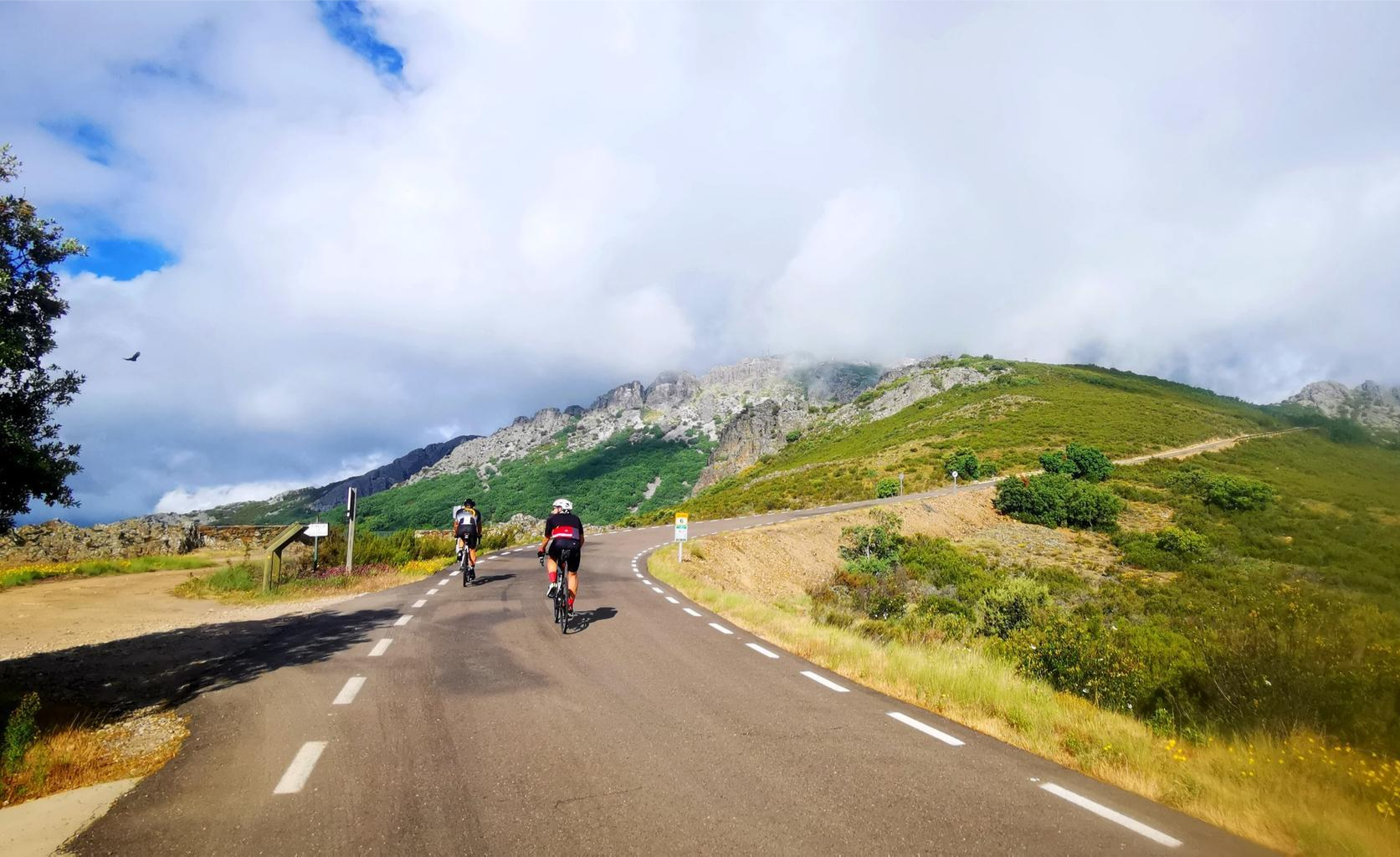
Legendary climbs - Ports of La Vuelta a España
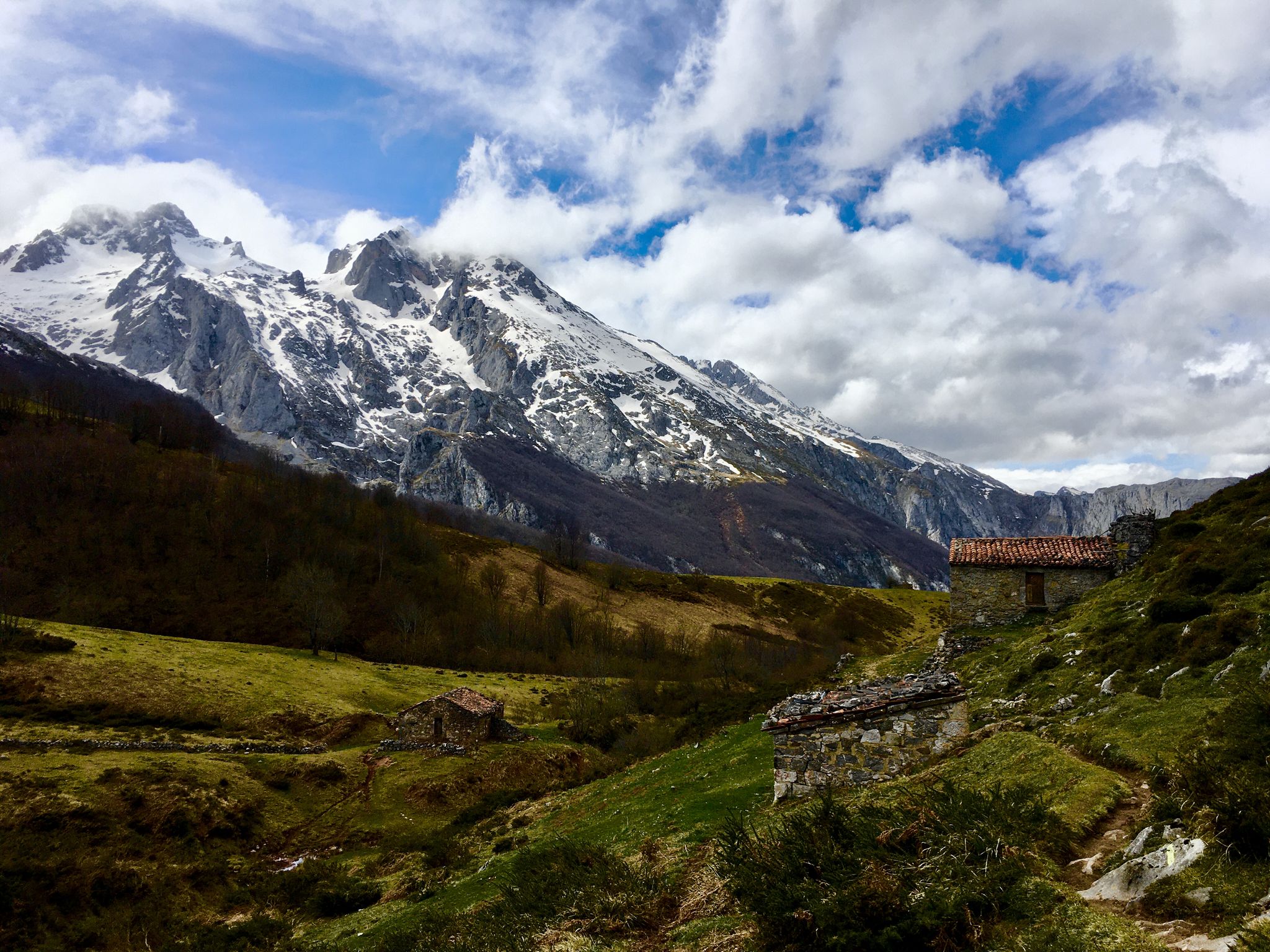
Route of the Reconquest (GR 202) – In the footsteps of an army
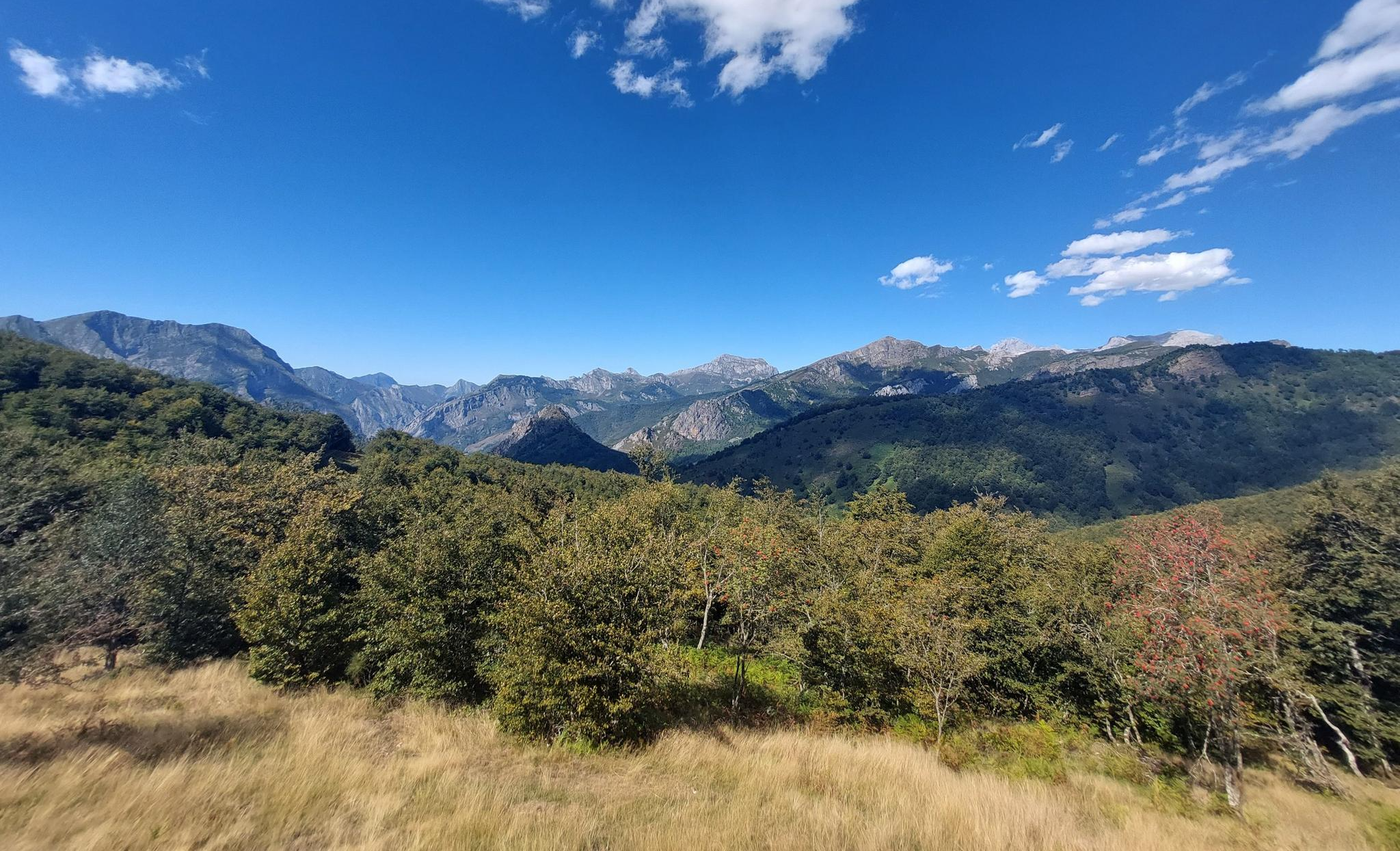
Senda del Arcediano (GR 210) - A historical hike through the Picos del Picos
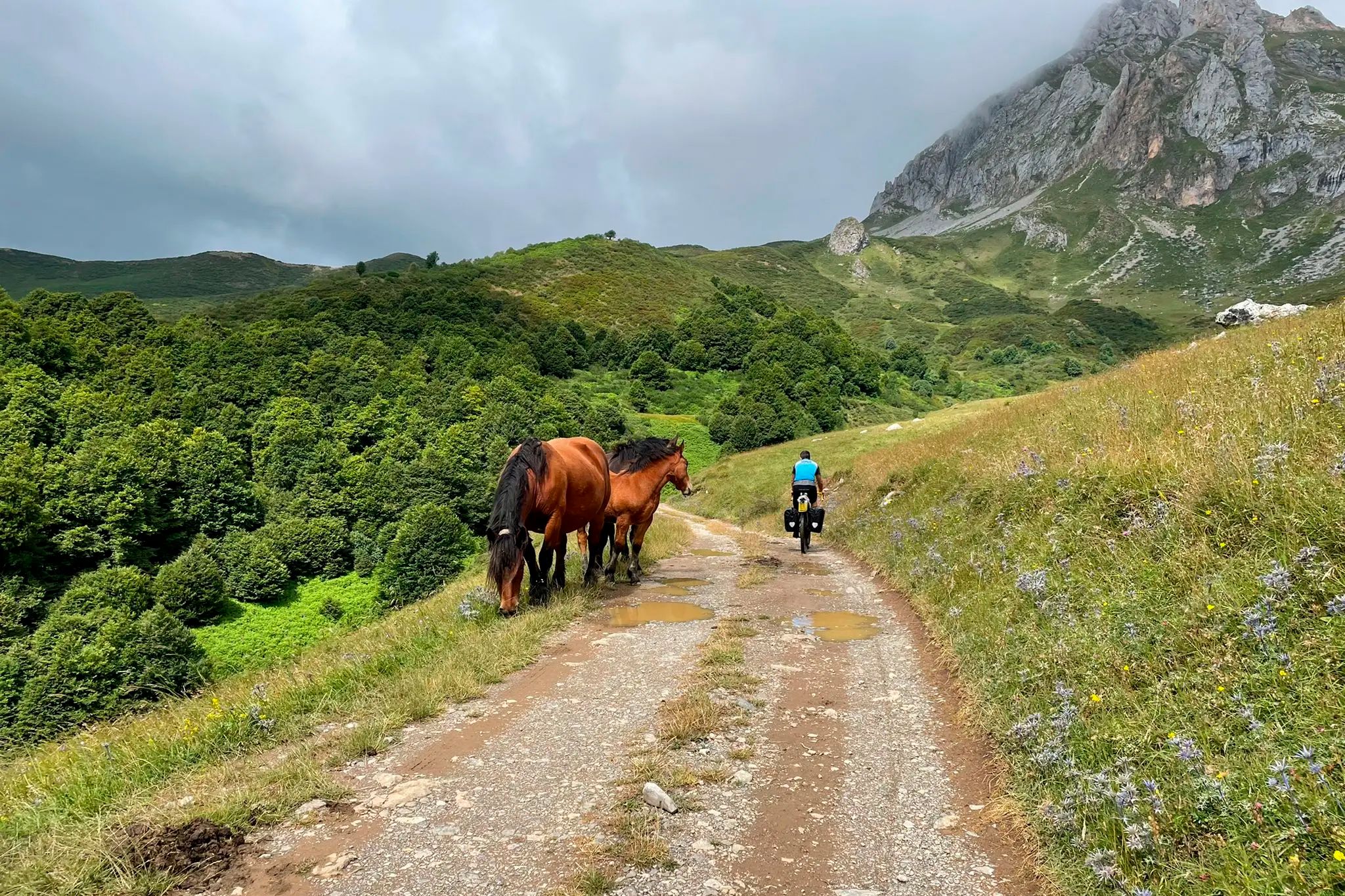
TransCantabrica – Extreme mountain biking in northern Spain
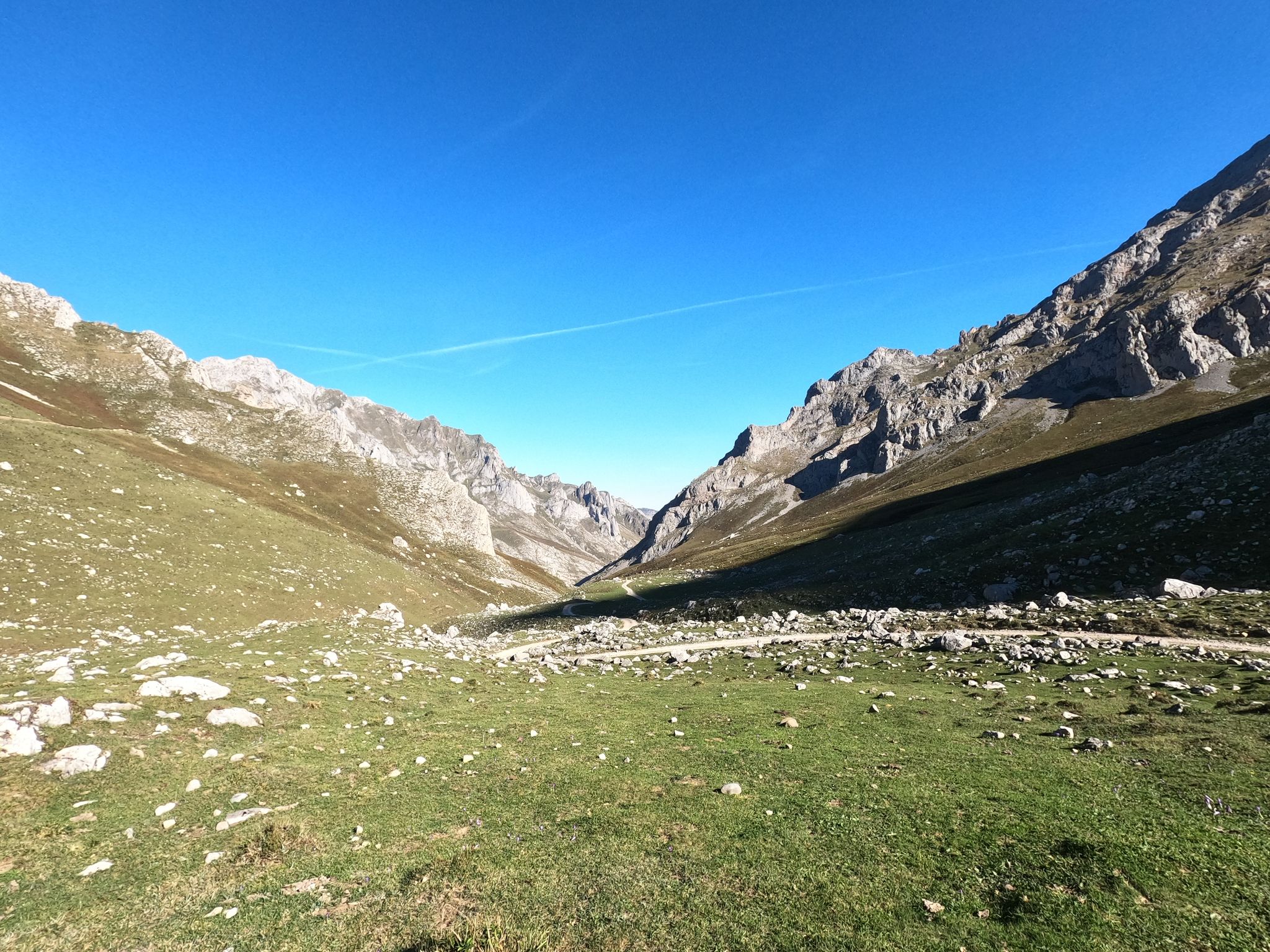
From statue to statue – Reconquista Challenge
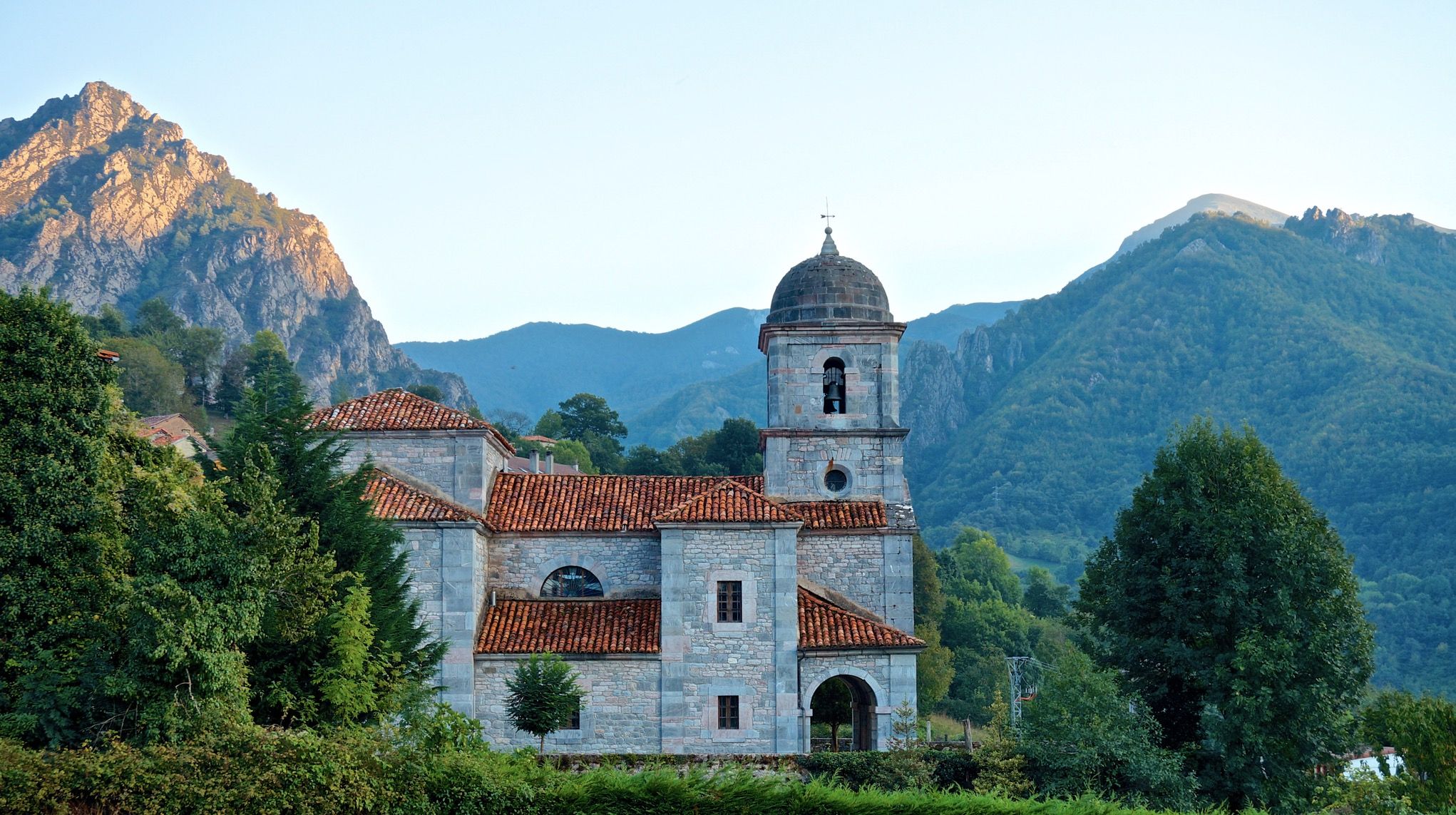
A trip through the mountains – Pedales de León MTB
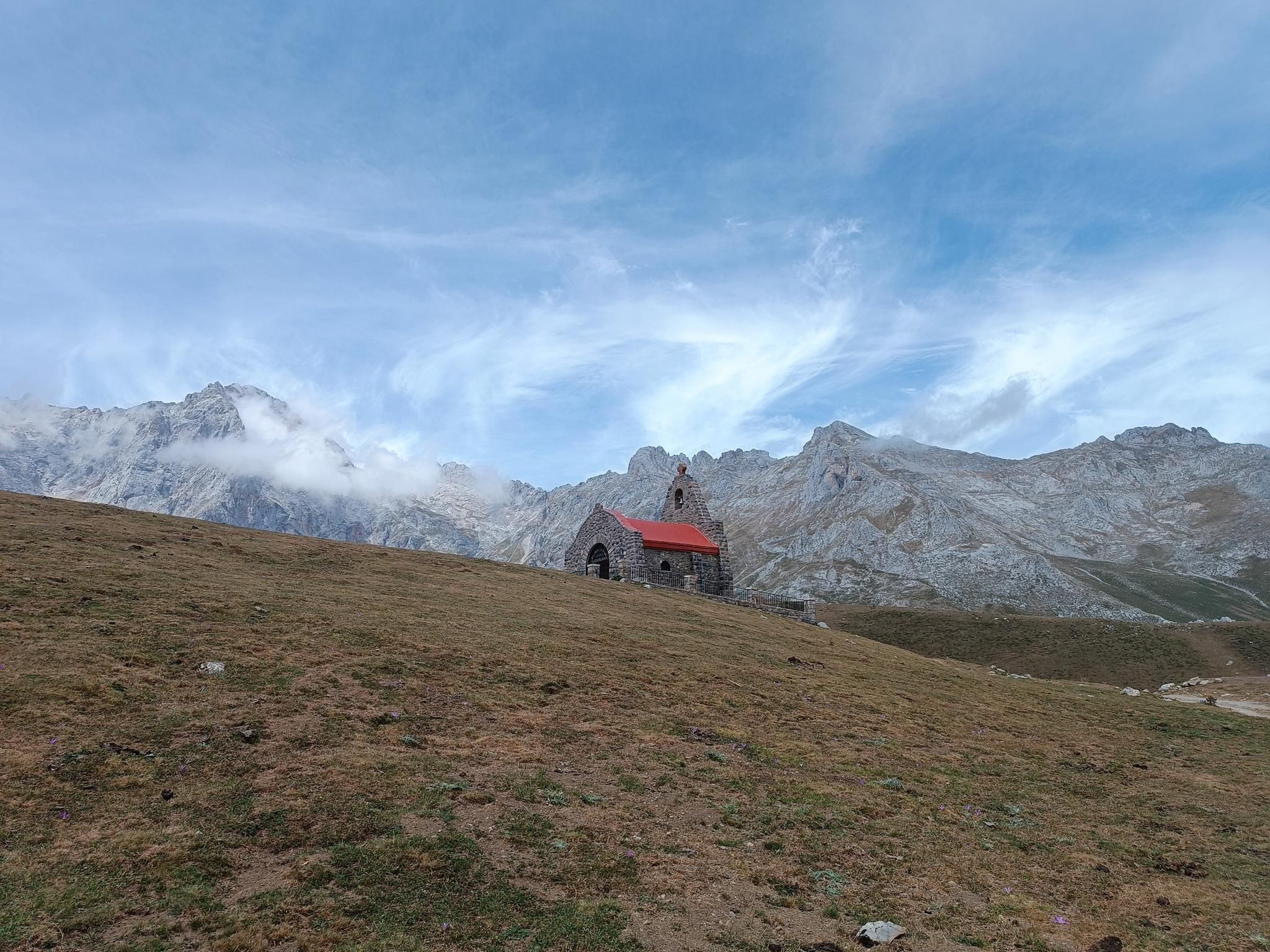
A pilgrimage to the peaks – Camino de los Santuarios
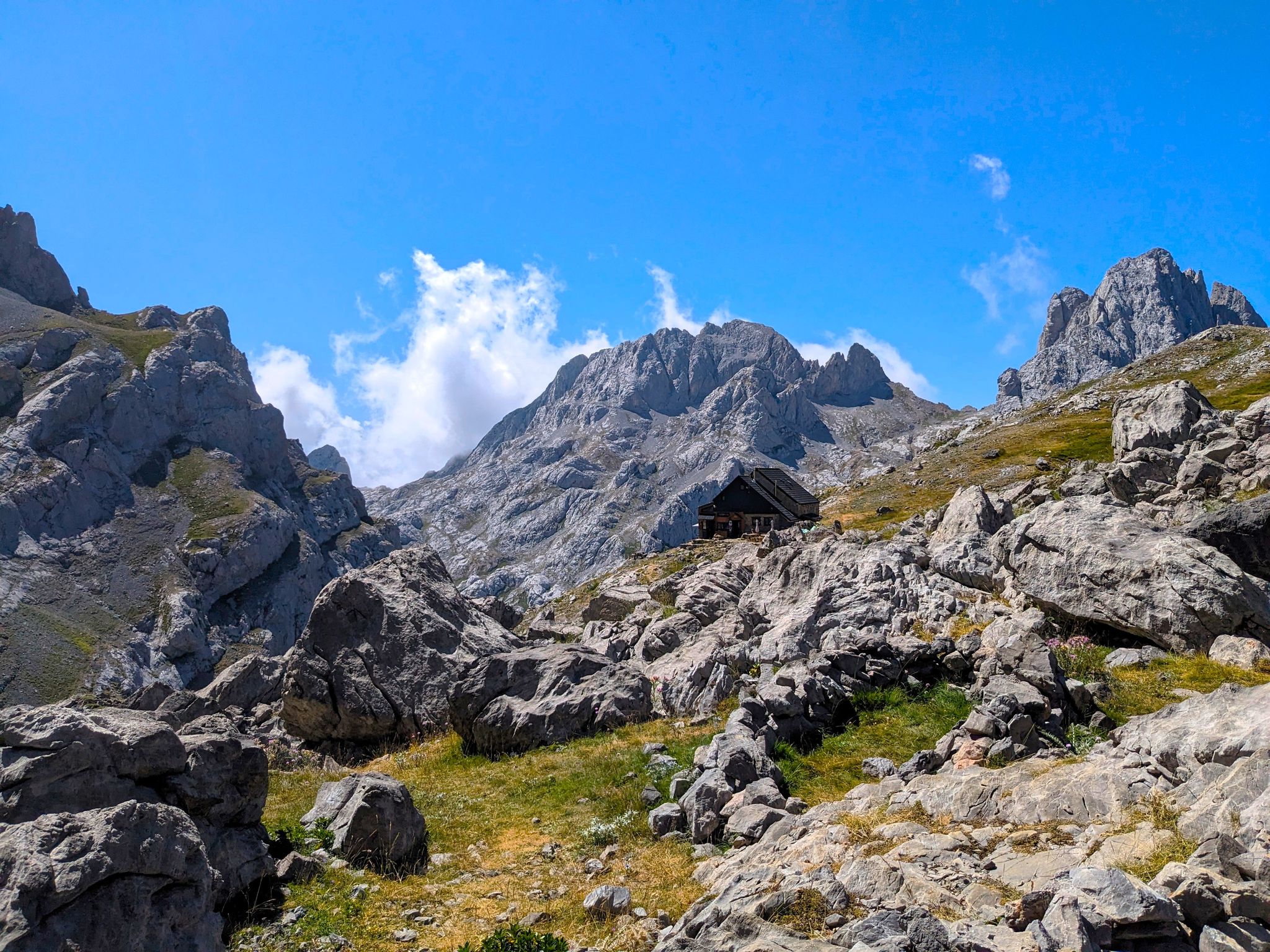
The untamed Collado Jermoso – Picos de Europa
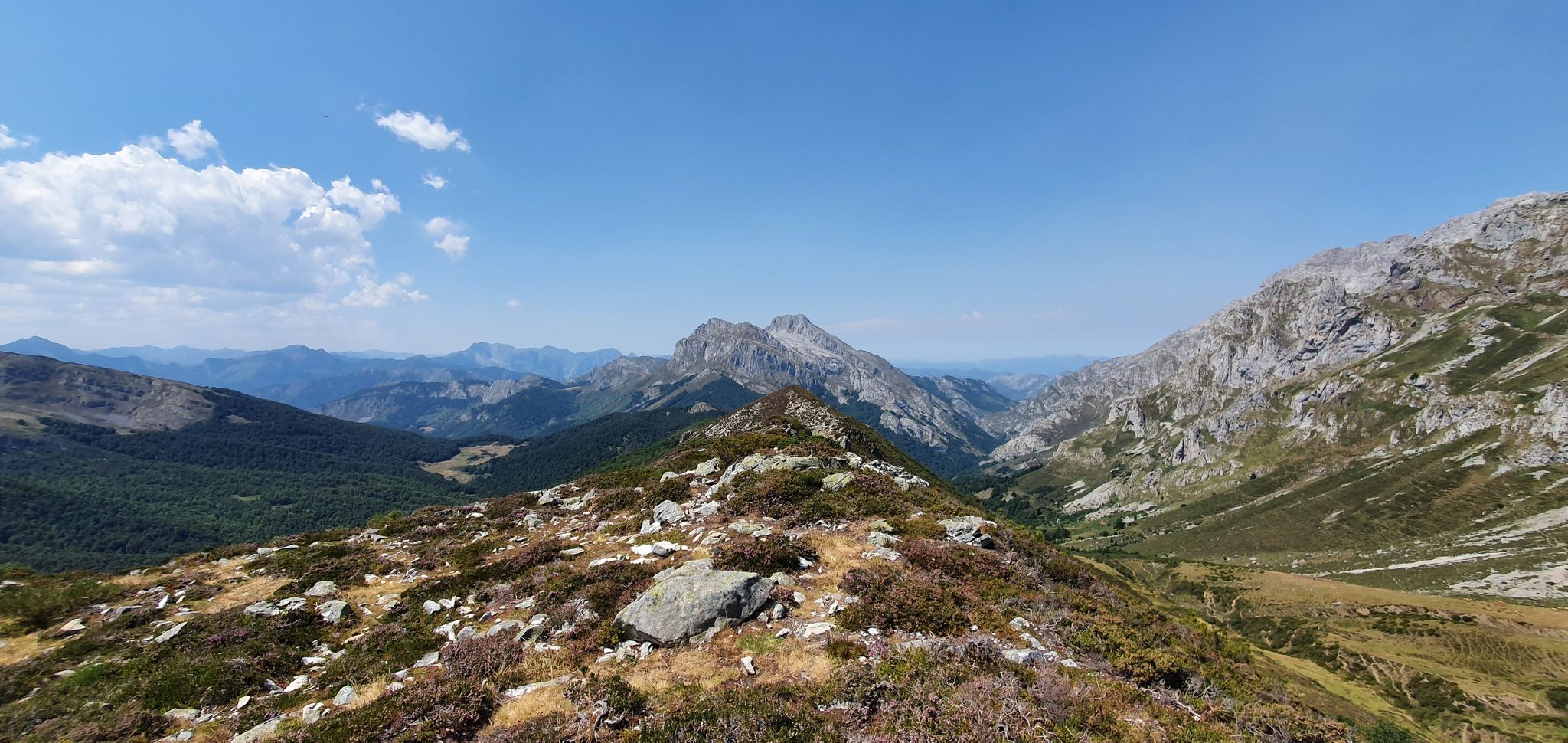
Four days hiking in Spain’s Picos de Europa – Anillo Vindio
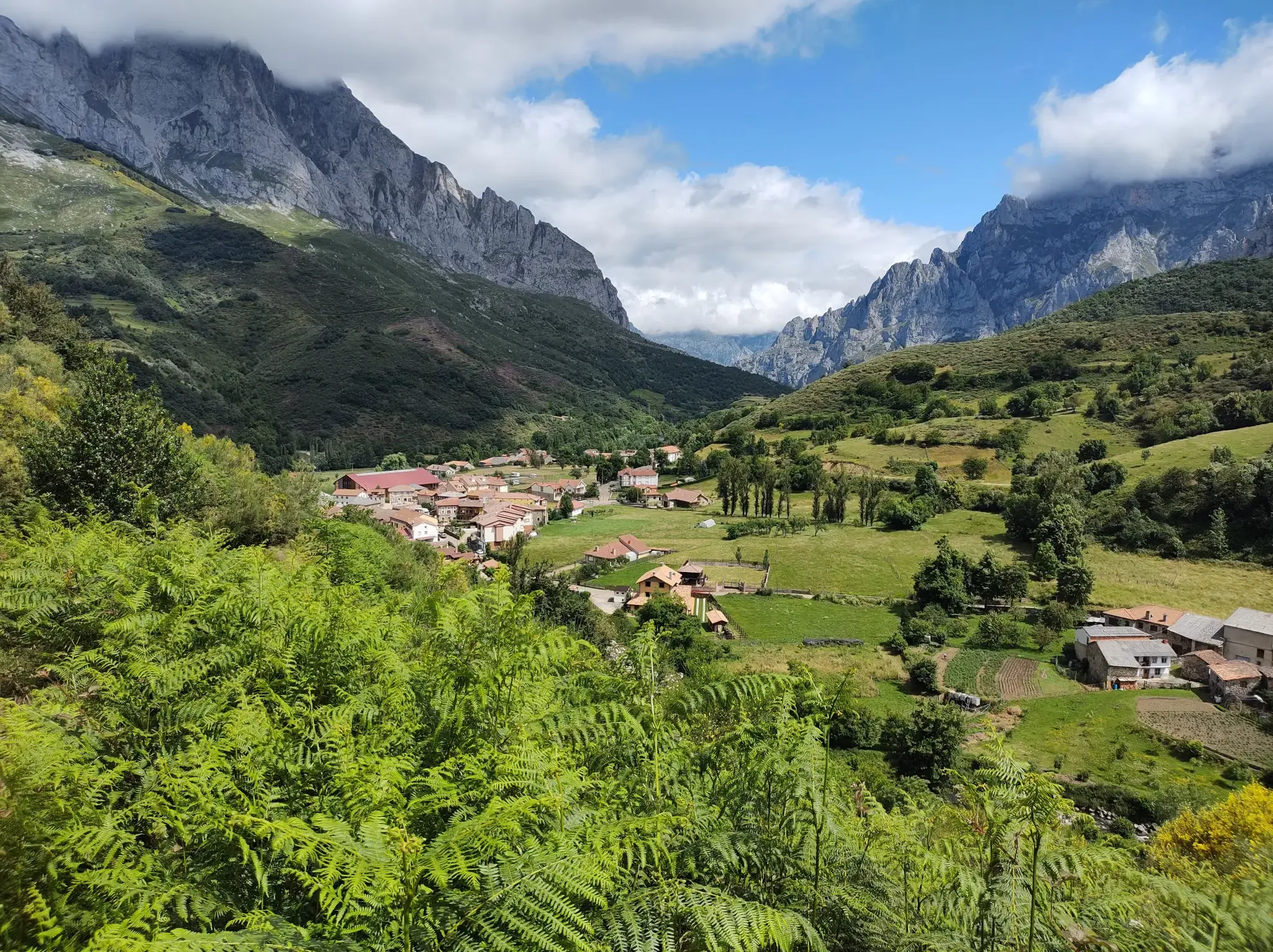
Hike Spain’s Picos de Europa – Ring of Peaks, Three Massifs
Other adventures in Picos De Europa


Tips from the Community

At the roundabout you can go towards Benia de Onís, the area of Cangas and the Lakes of Covadonga, towards Arenas de Cabrales, the area of Sotres, Bulnes, Colombres..., or towards Posada de Llanes.
0
0

The bridge is known as the Roman Bridge of Cangas de Onís and also bears the nicknames “Puente Vieyu” or “Puentón”. It is a very beautiful sight of the Principality of Asturias.
0
0

A town with a lively and very pleasant atmosphere, where you can feel both peace and adventure.
0
0

Spectacular landscapes. The cable car ride also offers beautiful views. I visited/walked around there and loved it, I recommend it.👍🥾
0
0

Oseja de Sajambre, in the heart of the Picos de Europa National Park, is an ideal destination for lovers of nature, hiking, and traditional mountain architecture.
5
1

Riaño, known as the "new Riaño," rises next to the reservoir that bears its name, surrounded by spectacular mountains in the heart of the León mountains. It is a picturesque and strategic location for exploring the surrounding peaks and valleys, as well as the Picos de Europa.
0
0

Although it is called Roman, its construction dates back to the High Middle Ages, probably the 13th century. There is a high probability that it was built on earlier Roman foundations. Whatever its date, the Cangas Bridge is one of the most emblematic monuments of Asturias. The river below the bridge is often quite deep, and swimmers can be seen jumping from the surrounding rocks.
1
0
Crossroads of essential paths in the east
0
0
Frequently Asked Questions
How many road cycling routes are available in Picos de Europa?
There are over 20 road cycling routes available in Picos de Europa, offering a variety of challenges and scenic experiences. Most of these, around 17, are classified as difficult, with 4 moderate options.
What is the typical difficulty level for road cycling in Picos de Europa?
Road cycling in Picos de Europa is generally challenging, characterized by significant elevation gains and demanding climbs. The region is known for routes that feature in the Vuelta a España, such as Lagos de Covadonga. While most routes are difficult, there are also moderate options available, particularly around the periphery of the National Park.
What do other cyclists say about road cycling in Picos de Europa?
The road cycling routes in Picos de Europa are highly rated by the komoot community, with an average score of 4.8 stars from over 40 reviews. Cyclists frequently praise the stunning scenery, challenging climbs, and the excellent road conditions with low traffic density, which allows for an immersive experience through dramatic mountain landscapes.
When is the best time of year to go road cycling in Picos de Europa?
The best time for road cycling in Picos de Europa is typically from late spring through early autumn (May to October). During these months, the weather is generally more stable, and mountain passes are clear of snow. Summer offers warmer temperatures, but spring and autumn provide pleasant conditions with fewer crowds and vibrant natural colors.
Are there any long-distance road cycling routes in Picos de Europa?
Yes, Picos de Europa offers several long-distance road cycling routes. For example, the San Glorio Pass – Pandetrave Viewpoint loop from Estaciòn inferior Poncebos (Funicular de Bulnes) is a substantial 131.1-mile (211.0 km) trail that takes you through high mountain passes and panoramic viewpoints, often requiring a full day to complete.
Can I find circular road cycling routes in the Picos de Europa?
Absolutely. Many of the most popular road cycling routes in Picos de Europa are circular, allowing you to start and end in the same location. Examples include the San Antolín de Bedón Beach – Holy Cave of Covadonga loop from Cuadonga / Covadonga, which combines coastal views with mountain climbing, and the Holy Cave of Covadonga – Covadonga Sanctuary loop from Oseja de Sajambre, featuring significant elevation gain through the heart of the Picos.
What kind of terrain can I expect on road cycling routes in Picos de Europa?
Road cycling in Picos de Europa is defined by dramatic limestone formations, deep river gorges, and challenging mountain passes. You'll encounter routes winding through green valleys, past glacial lakes, and along mountain roads with significant elevation changes. The terrain ranges from steep ascents to more rolling sections, offering diverse landscapes for exploration.
What natural features or landmarks can I see along the road cycling routes?
The Picos de Europa is rich in natural beauty and landmarks. Cyclists can encounter spectacular gorges like the Cares Gorge, impressive viewpoints such as El Cable Viewpoint, and unique geological formations like the Dwarves' Tunnels on the Cares Trail. The region's dramatic limestone peaks and glacial lakes also provide breathtaking scenery.
Are there any specific viewpoints worth visiting on a road cycling tour?
Yes, the Picos de Europa offers numerous stunning viewpoints. One notable spot is El Cable Viewpoint, accessible via the Fuente Dé Cable Car, which provides panoramic vistas of the surrounding mountains. Many routes also naturally lead to high passes and scenic overlooks, offering expansive views of the dramatic landscape.
What are the parking options for road cyclists in Picos de Europa?
Parking is generally available in the towns and villages that serve as starting points for many routes, such as Cangas de Onís, Potes, or near the Funicular de Bulnes. However, during peak season, popular areas like Covadonga may have restricted access or require parking further away with shuttle services. It's advisable to check local regulations, especially within the National Park.
Is public transport accessible for reaching road cycling routes?
Public transport options exist, primarily bus services connecting major towns and some villages around the Picos de Europa. However, carrying bicycles on these services can be limited or require specific arrangements. For reaching specific trailheads or more remote starting points, a car is often more convenient. Some areas, like the Lakes of Covadonga, have seasonal restrictions on private vehicle access, with public bus services being the only option.
Are there places to stop for refreshments or accommodation along the routes?
Yes, the Picos de Europa has many charming mountain villages scattered throughout the region, offering opportunities for refreshments and accommodation. Towns like Cangas de Onís, Arenas de Cabrales, and Potes provide a range of cafes, restaurants, and hotels. Even in more remote areas, you might find small local establishments or 'refugios' (mountain huts) where you can refuel.
Are there any routes that follow river gorges?
Yes, the Picos de Europa is famous for its spectacular river gorges. The Cares River Canyon – Arenas de Cabrales loop from Estaciòn inferior Poncebos (Funicular de Bulnes) is an excellent example, allowing cyclists to experience the dramatic scenery carved by rivers like the Cares. These routes often feature impressive rock formations and deep valleys.
Most popular routes in Picos De Europa
Most popular attractions in Picos De Europa

Get inspired with the komoot mobile app


Explore more
Browse the best Road cycling routes in other regions.
