The best traffic-free bike rides around Santiago De Compostela
4.3
(373)
3,570
riders
69
rides
Touring cycling around Santiago De Compostela offers diverse landscapes, from mountainous terrains and rolling hills to lush green valleys and coastal paths. The region, part of Galicia, is characterized by its verdant countryside, dense forests, and tranquil riverside paths along the Ulla and Sar rivers. Cyclists can experience varied topography, including challenging ascents and gentle routes through wooded areas. This area provides a compelling combination of natural features for no traffic touring cycling routes.
Best no traffic touring cycling routes…
Last updated: October 19, 2026
4
riders
22.3km
01:52
470m
470m
Hard bike ride. Very good fitness required. Mostly paved surfaces.
4.0
(3)
4
riders
51.1km
03:43
960m
960m
Hard bike ride. Very good fitness required. Mostly paved surfaces.

4.6
(53)
474
riders
Hard bike ride. Very good fitness required. Mostly paved surfaces.
4.5
(13)
111
riders
Hard bike ride. Very good fitness required. Mostly paved surfaces.
4.9
(7)
93
riders
51.2km
04:01
360m
360m
Moderate bike ride. Good fitness required. Mostly paved surfaces.
Get access to more routes and recommendations from other explorers.
Already have an account?
Our route recommendations are based on thousands of hikes, rides, and runs completed by other people on komoot.
Start today with a free account
Your next adventure awaits.




Tips from the Community

A very beautiful stage with very varied paths
0
0

A forest fire raged here in 2006.
0
1

What would a pilgrimage to Santiago be without this document?
4
1

Beautiful old church. There are also two bars here for refreshments.
0
1

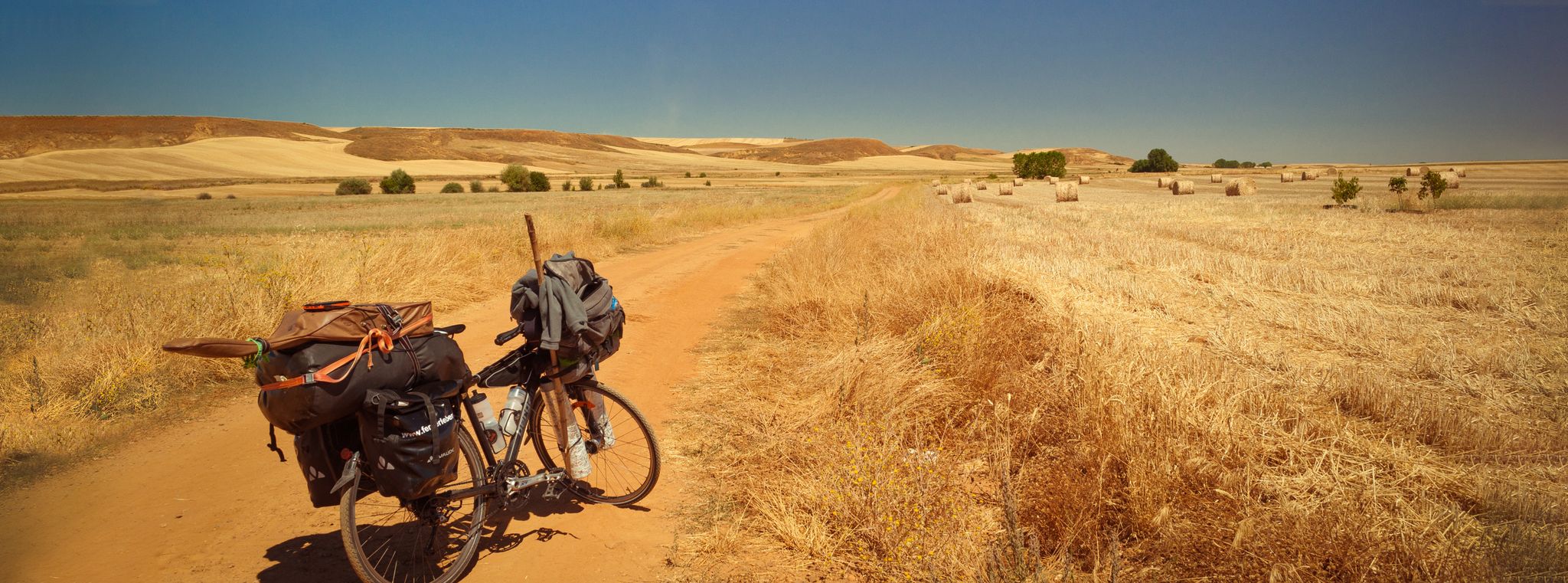
For those who do it by bike, I recommend taking panniers and nothing on your back.
1
0

A lovely Chapel of Santa Lucia, in the village of San Paio, belonging to the Parish of Labacolla, originally called 'Sabugueira'. It is probably the first parish church of Labacolla, before the current one was built. The cult is dedicated to Santa Lucia, whose feast is celebrated on May 1st, but the hamlet is dedicated to San Paio because the entire hamlet, in ancient times, was the Monastery of 'Sanctus Pelagium di Circitellum'. San Pelagius - called Paio in Gallego - is a martyr of the 10th century of the Christian era, highly venerated in Spain because he was an example of virtue and youthful purity, barbarically murdered and torn to pieces. A ridiculous statue dominates the main altar, with the modern image of a saint dressed in 19th-century style... who knows why! This is a suggestive place because traditionally here the Pilgrims took off their sweaty, dirty and worn clothes, washed themselves completely and changed their clothes to arrive in Santiago with more dignity. In this Chapel during the months of the Pilgrimage, from March to November, the Guanellians offer the Confession service, also to remember the ancient rite of the 'Washing' that was carried out during this stop.
0
1
A lovely Chapel of Santa Lucia, in the village of San Paio, belonging to the Parish of Labacolla, originally called 'Sabugueira'. It is probably the first parish church of Labacolla, before the current one was built. The cult is dedicated to Santa Lucia, whose feast is celebrated on May 1st, but the hamlet is dedicated to San Paio because the entire hamlet, in ancient times, was the Monastery of 'Sanctus Pelagium di Circitellum'. San Pelagius - called Paio in Gallego - is a martyr of the 10th century of the Christian era, highly venerated in Spain because he was an example of virtue and youthful purity, barbarically murdered and torn to pieces. A ridiculous statue dominates the main altar, with the modern image of a saint dressed in 19th-century style... who knows why! This is a suggestive place because traditionally here the Pilgrims took off their sweaty, dirty and worn clothes, washed themselves completely and changed their clothes to arrive in Santiago with more dignity. In this Chapel during the months of the Pilgrimship, from March to November, the Guanellians offer the service of Confessions, also to remember the ancient rite of the 'Washing' that was carried out during this stop A suggestive staircase leads to this church in classical style. Built in 1840, it has a rectangular plan and on its facade the front is a triangle at the vertex of which stands the bell tower. Above the door it has a semicircular skylight. A few meters from the church stands a transept with sculptures of Christ sitting.
1
2

Frequently Asked Questions
How many no-traffic touring cycling routes are available around Santiago de Compostela?
There are over 50 dedicated no-traffic touring cycling routes around Santiago de Compostela, offering a wide range of experiences from easy family rides to more challenging excursions through the Galician countryside. These routes are carefully curated to ensure a peaceful and scenic cycling adventure away from vehicular traffic.
What is the best time of year for no-traffic touring cycling in Santiago de Compostela?
The best time for no-traffic touring cycling in Santiago de Compostela is typically from spring to early autumn (April to October). During these months, the weather is generally mild and pleasant, with less rainfall, making for ideal cycling conditions. The lush green landscapes of Galicia are particularly vibrant in spring and early summer.
Are there any easy, family-friendly no-traffic routes suitable for beginners?
Yes, Santiago de Compostela offers several easy, family-friendly routes. While many routes are moderate to difficult, you can find options that are less demanding. Look for routes described as 'easy' or those that follow flatter river paths, such as sections of the Ulla River routes, which often provide a gentler experience for all ages.
Can I find circular no-traffic touring cycling routes around Santiago de Compostela?
Absolutely. Many of the no-traffic touring cycling routes around Santiago de Compostela are designed as circular loops, allowing you to start and end your journey in the same location. An example is the Monte Pedroso and Camino de Fisterra Loop, which offers varied terrain and scenic views.
What kind of natural landscapes can I expect on these no-traffic routes?
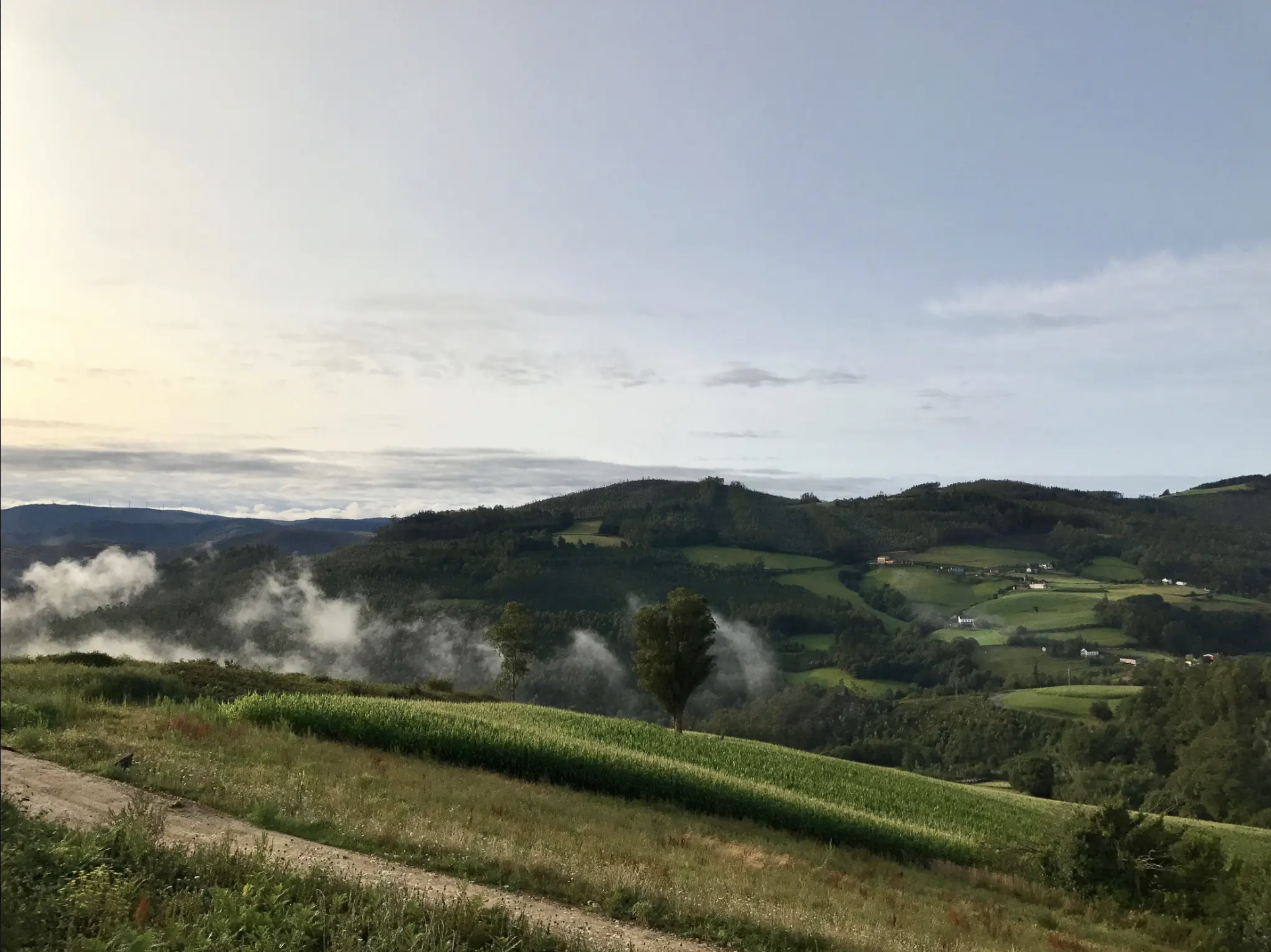
The no-traffic routes around Santiago de Compostela showcase Galicia's diverse natural beauty. You'll cycle through verdant countryside, dense eucalyptus forests, rolling hills, and along tranquil river paths. Many routes offer glimpses of ancient trees and the serene sounds of nature, providing a distinct atmosphere compared to other regions.
Are there specific routes that follow the Camino de Santiago but avoid heavy traffic?
While the Camino de Santiago is popular, some sections, particularly as you approach Santiago, can be busy. For a no-traffic experience, consider exploring the Camino de Fisterra Loop starting from Santiago, which offers quieter paths along the beautiful Costa da Morte, or look for specific 'Vía Verde' (Greenway) sections that are dedicated to non-motorized traffic.
What points of interest or attractions can I see along the no-traffic cycling routes?
Many routes offer access to significant natural and historical points. You might encounter highlights such as Monte Pedroso, offering panoramic views of Santiago, or the serene Carballeira de San Lourenzo forest. The Santiago de Compostela - Ulla River Loop, for instance, takes you through picturesque agricultural lands and along the Ulla River.
Are there services like cafes or restaurants available along these routes?
While many no-traffic routes prioritize natural immersion, you'll often find small villages or towns along the way, especially on longer loops like the Sanctuary of Escravitude – Winding paths loop. These can offer opportunities for refreshments, local Galician cuisine, or to refill water bottles. It's always advisable to carry sufficient supplies, especially on more remote sections.
What do other touring cyclists enjoy most about the no-traffic routes in Santiago de Compostela?
The area is highly rated by the komoot community, with an average score of 4.4 stars. Reviewers often praise the tranquility and natural beauty of the routes, the feeling of immersion in the Galician countryside, and the well-maintained paths that allow for a truly peaceful cycling experience away from traffic.
Is public transport available to access the starting points of these routes?
Santiago de Compostela has a well-connected public transport network. Many routes are accessible directly from the city center, or you can use local bus services to reach nearby towns that serve as starting points. For routes further afield, consider checking regional bus schedules, as some may accommodate bicycles or have stops close to trailheads.
Are there any routes that feature significant elevation changes for a challenging ride?
Yes, if you're looking for a challenge, many routes around Santiago de Compostela feature significant elevation changes. The region's diverse topography includes rolling hills and mountainous backdrops. For example, the Enchanted forest – Ancient Forest Path loop involves considerable climbing, offering rewarding views and a good workout.
Can I bring my dog on these no-traffic touring cycling routes?
Many of the natural paths and greenways are suitable for cycling with dogs, provided they are well-behaved and kept on a leash, especially in areas where wildlife might be present or near agricultural land. Always check local regulations for specific trails, and ensure your dog is comfortable with the distance and terrain.
Most popular routes around Santiago De Compostela
Most popular attractions around Santiago De Compostela

Get inspired with the komoot mobile app


Explore more
Browse the best Cycling routes in other regions.
