Parco Nazionale del Gran Sasso e Monti della Laga
Parco Nazionale del Gran Sasso e Monti della Laga
The 20 Most Amazing Peaks around Parco Nazionale del Gran Sasso e Monti della Laga
Best mountain peaks around Parco Nazionale del Gran Sasso e Monti della Laga are found within a protected area spanning the Abruzzo, Lazio, and Marche regions of Italy. This park is home to some of the Apennine Mountains' most impressive peaks, broadly divided into the Gran Sasso d'Italia and the Monti della Laga massifs. These mountains offer varied landscapes, from rugged, rocky ascents to lush forests and numerous waterfalls. The region attracts hikers, climbers, and nature enthusiasts seeking diverse terrain…
Last updated: September 26, 2026
Corno Grande Western Summit
Highlight • Summit
Tip by

Monte Aquila Summit
Highlight • Summit
Translated by Google •
Tip by

Sign up now to discover places like this
Get recommendations on the best single tracks, peaks, & plenty of other exciting outdoor places.
Monte Camicia summit
Highlight • Summit
Translated by Google •
Tip by

Capo la Serra Pass
Highlight • Mountain Pass
Translated by Google •
Tip by

Corno Grande, Western Summit, Normal Route
Highlight (Segment) • Summit
Showing Translation
Tip by

Sign up for free to discover even more peaks around Parco Nazionale del Gran Sasso e Monti della Laga.
Already have an account?
Start today with a free account
Your next adventure awaits.
Popular around Parco Nazionale del Gran Sasso e Monti della Laga
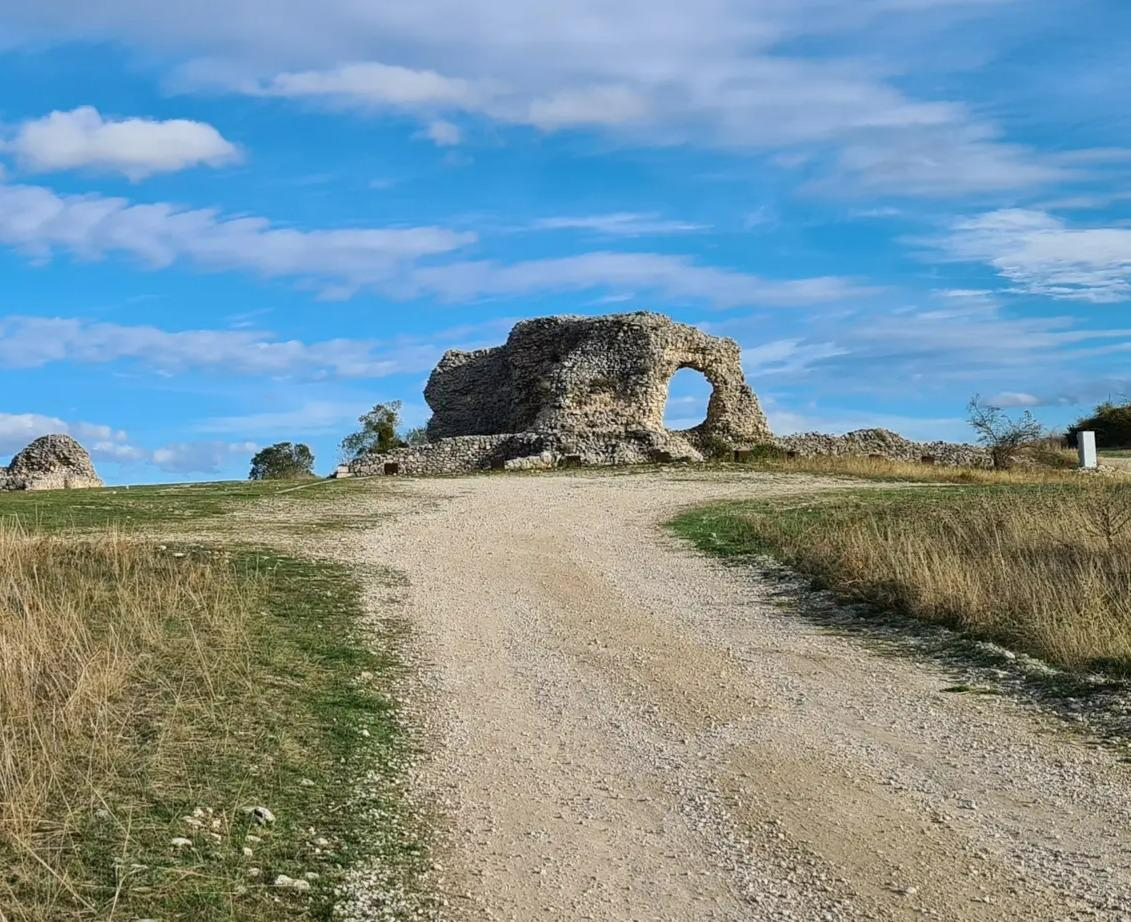
Tratturo Magno – On the roads of transhumance
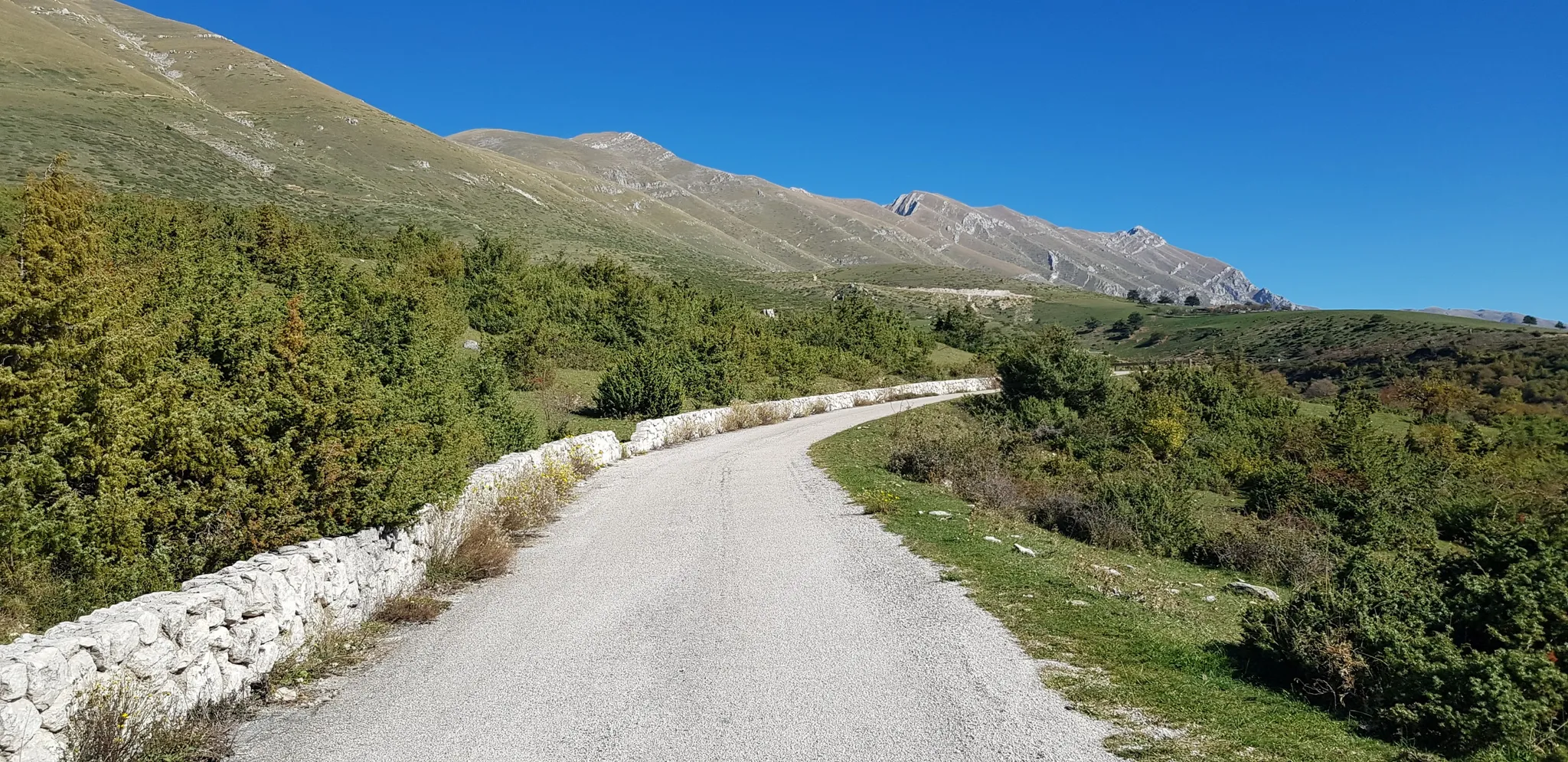
The Apennine Cycleway (Part 2) - From Umbria to Calabria
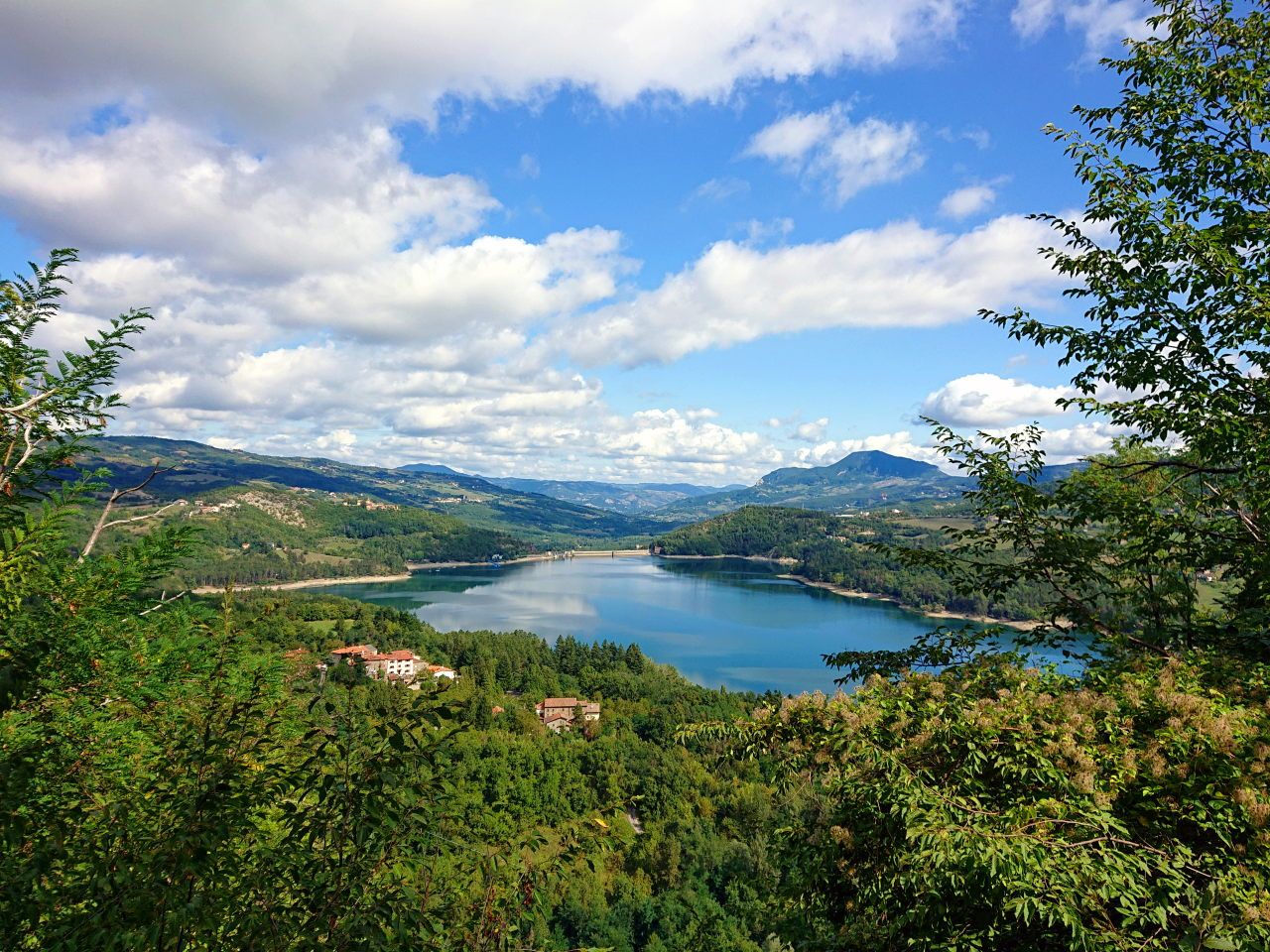
Interiora - A Journey into the Remote Areas of Italy
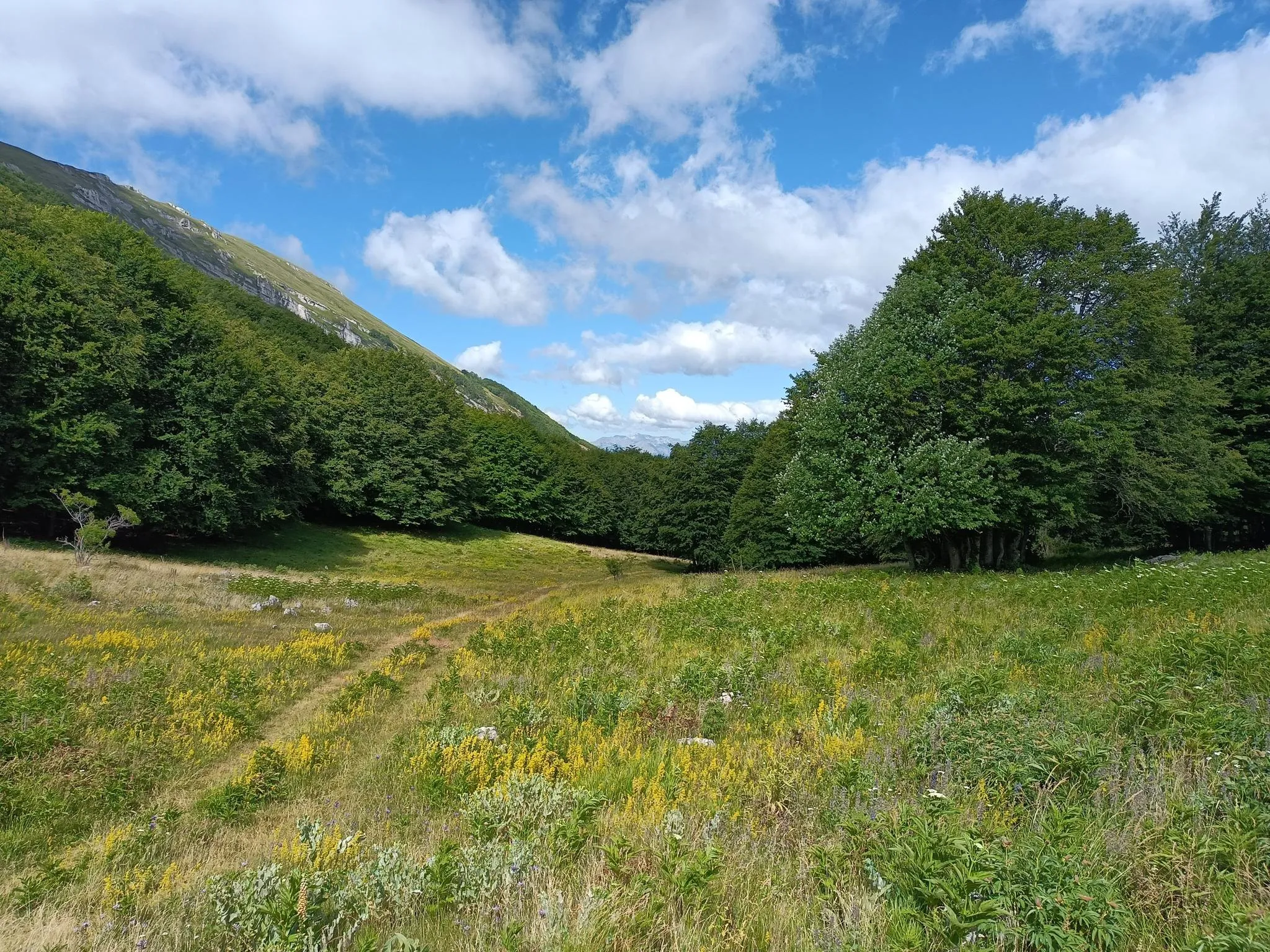
Natural Park Walk – part 4 from Accumoli to L'Aquila
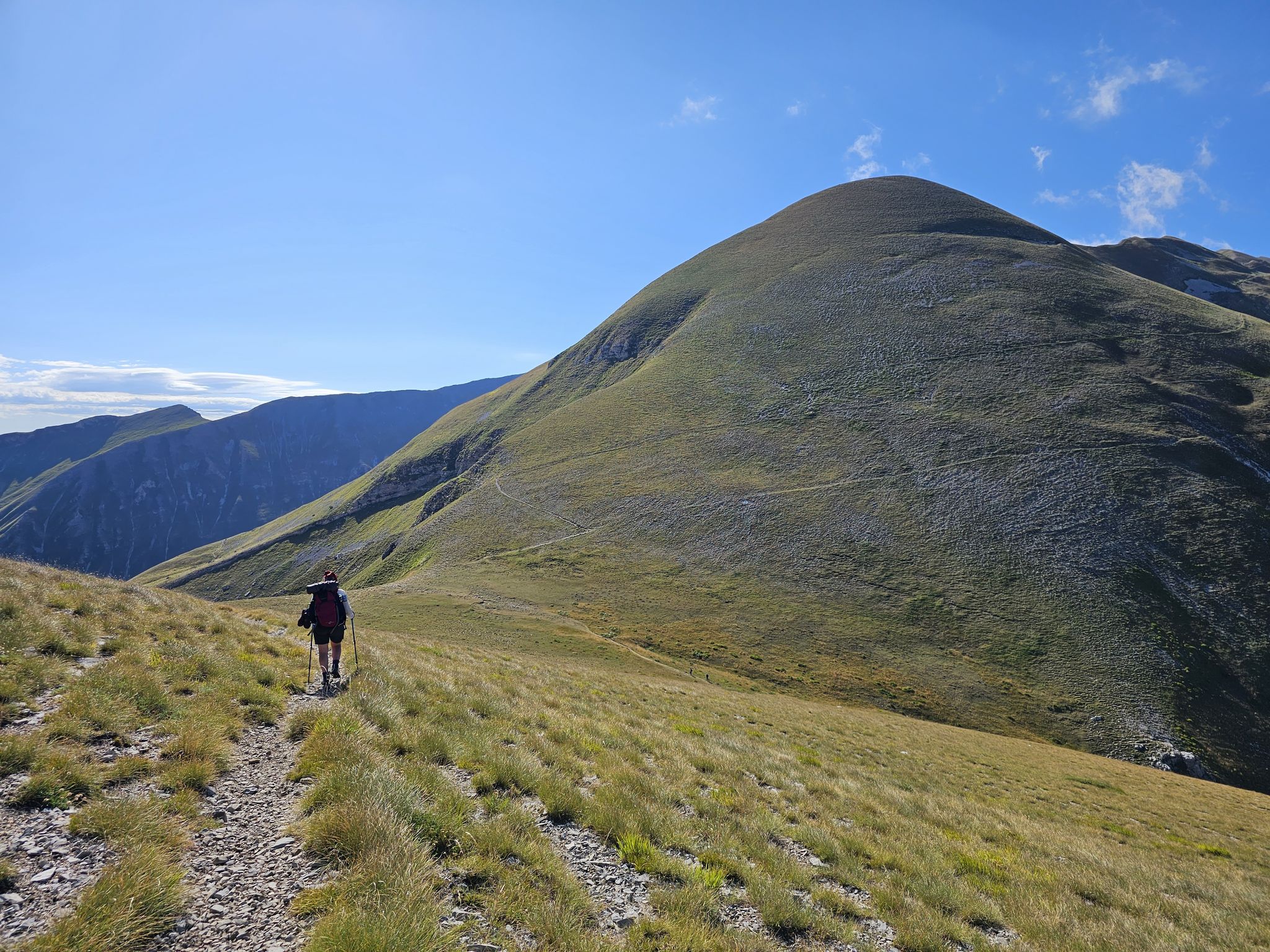
The Sibillini Mountains to Gran Sasso – the Great Apennine Crossing
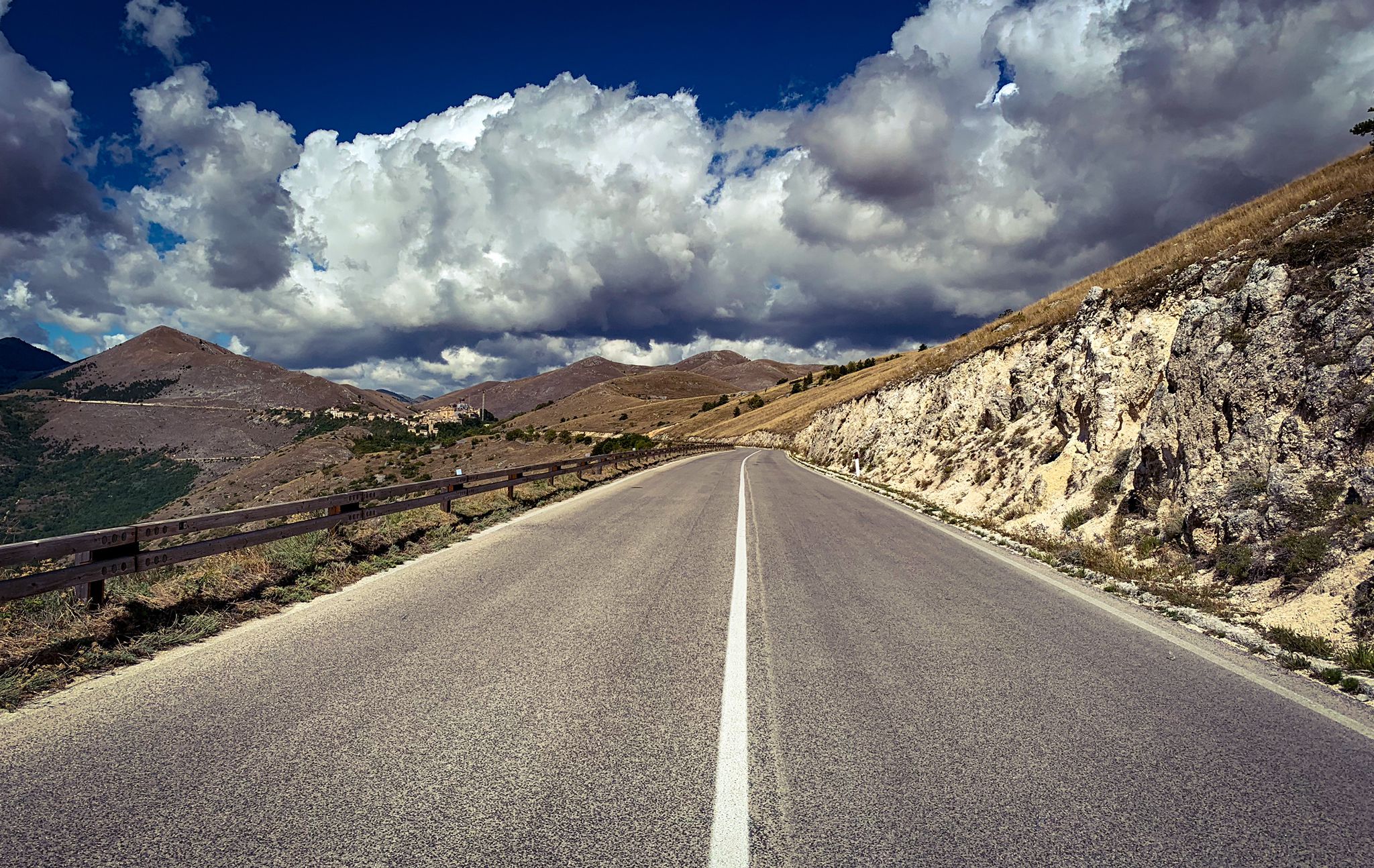
The Apennines to the Adriatic – cycling to discover Abruzzo
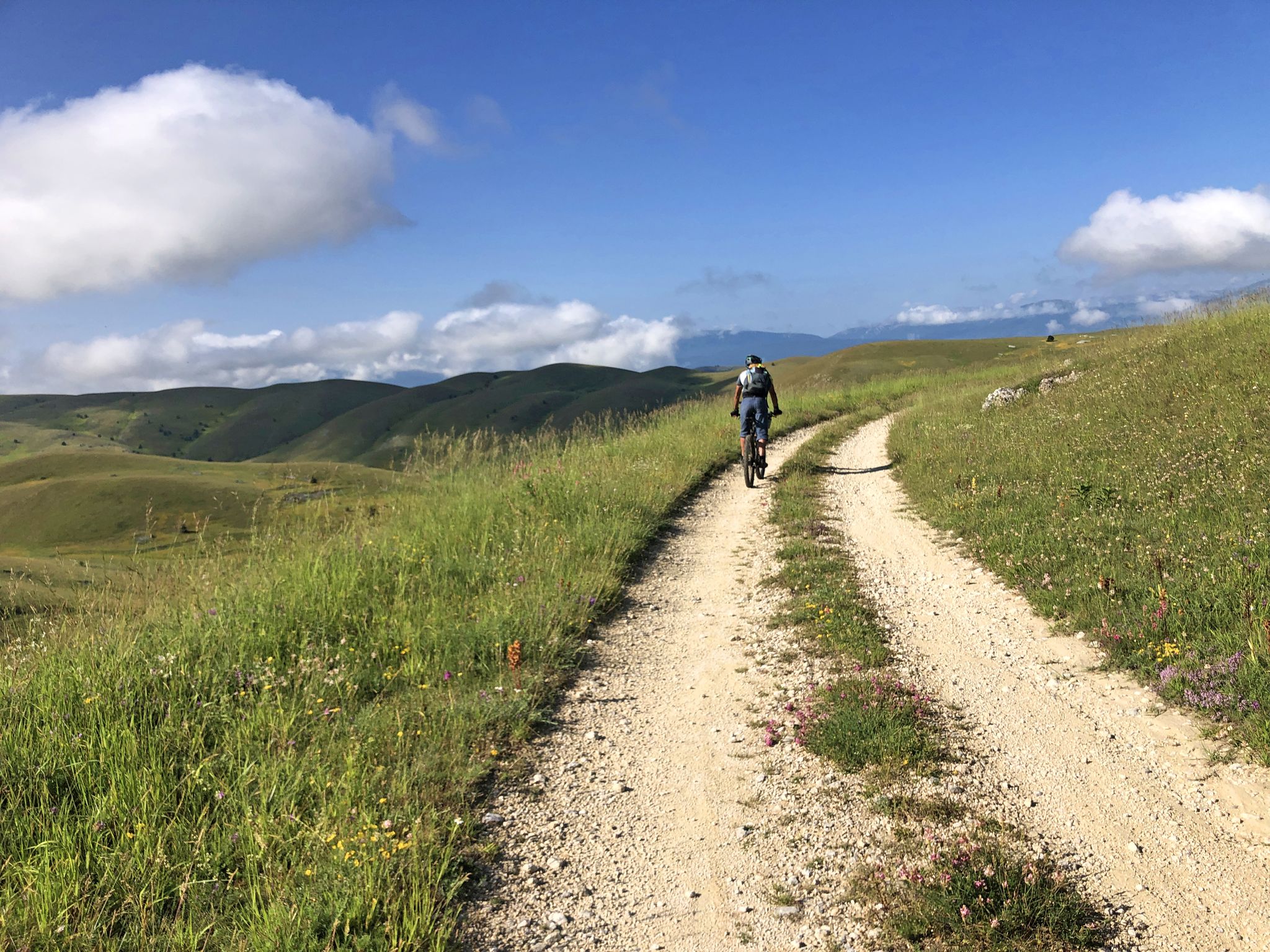
The Adriatic Sea to Gran Sasso – MAGS Abruzzo Trail 2023
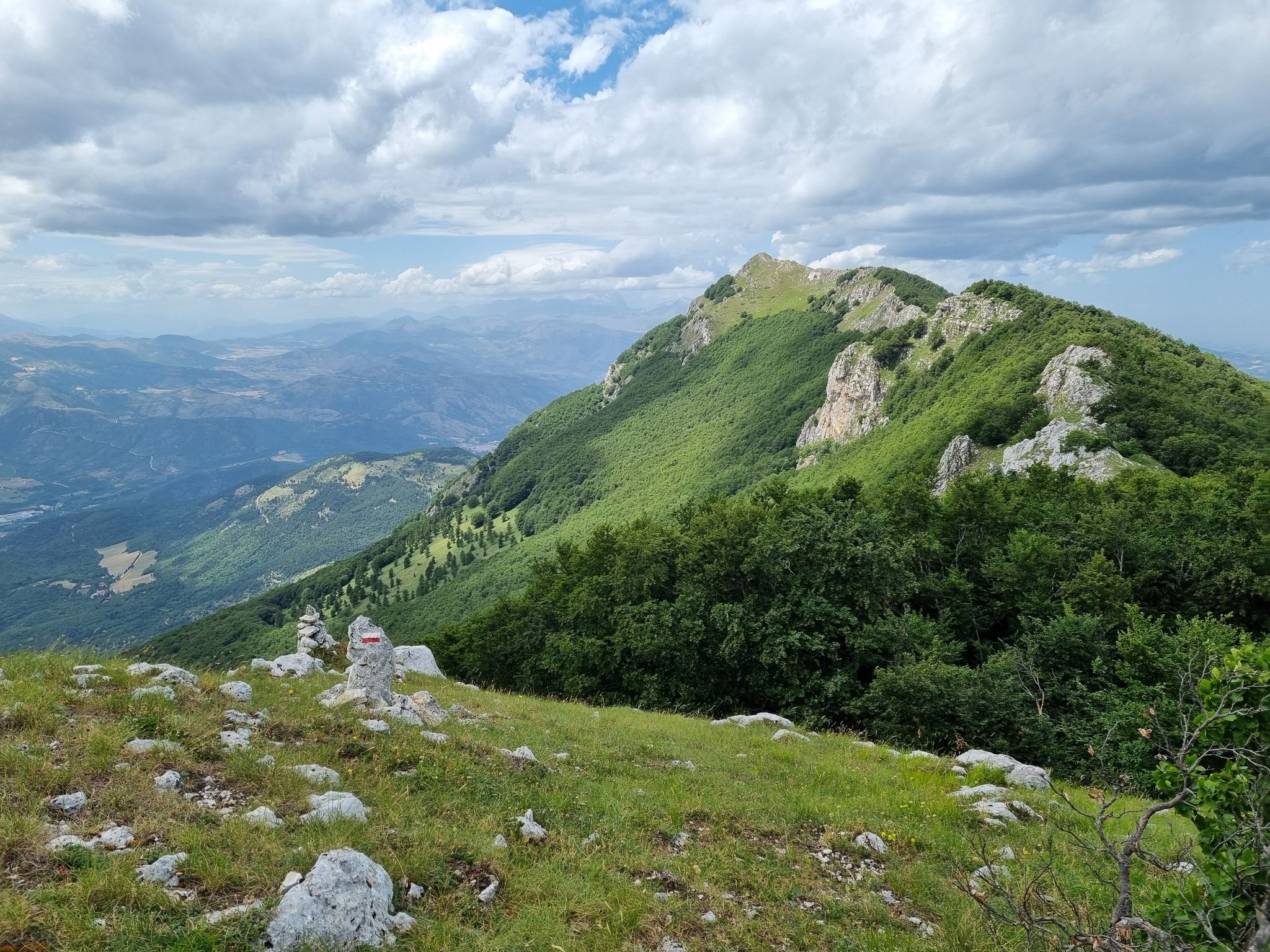
Through the green lungs of Abruzzo – Sentiero Italia
A journey through changed lands – Cammino nelle Terre Mutate
Bikepacking the Wolf's Lair – through Abruzzo in southern Italy
Other adventures around Parco Nazionale del Gran Sasso e Monti della Laga


Tips from the Community

A must-visit for mountain lovers in central Italy!
0
0

De Corno Grande (West Summit) – in Italian the Vetta Occidentale – with an absolute altitude of 2,912 meters, is the highest mountain peak in the Abruzzo region and the entire Apennines. It is the highest peak on the Italian peninsula outside the Alps. Historical fact: the pioneer Francesco De Marchi One of the most remarkable stories from the history of this summit is about the very first official ascent. On August 19, 1573, Francesco De Marchi became the first to successfully reach the mountain peak. De Marchi was a 69-year-old Italian military engineer and architect who was not deterred by the mountain's reputation as an "unclimbable" giant. While many early ascents had primarily religious or military reasons, De Marchi was driven by something else: pure curiosity and a passion for adventure. He had dreamed of taking on this challenge for thirty years. Once at the summit, he described his impressive view in his chronicles with the legendary words: "Looking around, it seemed as if I were in mid-air." In other words: “Looking around, it seemed as if I were floating in the thin air.” His ascent is considered a milestone in mountaineering history today and an early example of climbing driven by curiosity and a spirit of discovery.
1
0

Given the steepness, trekking poles are recommended.
0
0

The Normal Route is a fairly simple route, except for the last 400 meters, the gully and the ridge, which, being EEA grade (expert equipped hikers), require considerable physical strength and technique. Mountaineering boots are also required, and a helmet is recommended. Since the ridge is also quite technical, it is absolutely not suitable for those with a fear of heights, the elderly, children, or anyone without mountaineering experience.
3
0

what beautiful places to cycle
0
0

A Classic from Campo Imperatore, I recommend excursions even for those who are new to the area, beautiful panorama
0
0

Wonderful walk that takes you to the highest peak of the Apennines, doable at night to see the sunrise. The final stretch is delicate if you are inexperienced on debris and pebbles. I recommend appropriate clothing and suitable shoes!
0
0

It connects the Campo Imperatore plateau with the mountain centers of Castel del Monte, Calascio and Santo Stefano di Sessanio, and is dominated to the east by Monte Capo di Serre and to the west by Monte Bolza.
0
0
Frequently Asked Questions
What makes Corno Grande the most significant peak in the Apennines?
As the highest peak in the Apennines, standing at 2,912 meters (9,554 ft), Corno Grande Western Summit is the undeniable crown jewel of the Gran Sasso massif. It offers breathtaking panoramic views that can stretch for 200 km on clear days, encompassing both the Adriatic and Tyrrhenian seas. It's also home to the Calderone glacier, Europe's southernmost glacier, and presents a serious challenge for rock climbers and mountaineers.
Which peaks offer the best panoramic views of the Gran Sasso area?
For stunning panoramic views, Monte Aquila Summit is an excellent choice, providing a great overview of the Gran Sasso area, including the rocky Corno Grande and the vast Campo Imperatore plateau. The summit of Corno Grande itself also offers unparalleled vistas across the region.
What are the key differences between the Gran Sasso d'Italia and Monti della Laga massifs?
The Gran Sasso d'Italia massif, home to peaks like Corno Grande, is characterized by its imposing, often snow-capped, limestone and dolomite peaks, offering rugged, rocky ascents. In contrast, the Monti della Laga massif, featuring Monte Gorzano, is known for its more verdant landscapes, dense forests, and abundant waterfalls and streams, providing a wilder, less trodden experience.
Are there challenging climbing opportunities in the Gran Sasso d'Italia massif?
Yes, the Gran Sasso d'Italia massif offers significant challenges for climbers. Corno Grande Western Summit features rough vertical walls, making it a serious endeavor. Additionally, Corno Piccolo, often called 'The Sleeping Giant,' is renowned for offering some of the best rock climbing in Europe due to its unique shape and challenging routes.
Which peak is known for its unique flora and contrasting landscapes?
Monte Camicia is notable for its stark contrast: a rounded, grassy southern side versus a rocky, rugged northern side with a sheer drop. It's also home to rare plants, including the Apennine edelweiss, and features the Fonte Grotta, the highest resurgence springs in the Apennines, at 2080 meters. You can find Monte Camicia summit for a rewarding hike.
What kind of outdoor activities can I do near these mountain peaks?
The region around Parco Nazionale del Gran Sasso e Monti della Laga is ideal for various outdoor activities. You can find numerous hiking trails, including challenging routes to Corno Grande and Monte Camicia. For cycling enthusiasts, there are many routes for touring bicycles and mountain bikes, such as the 'Ascent to Campo Imperatore from Calascio' or the 'Campo Imperatore Plateau loop'. Explore more options on the hiking guide, cycling guide, and MTB trails guide.
Is there a less crowded peak for experienced mountaineers seeking challenging terrain?
Pizzo d'Intermesoli offers challenging terrain for experienced hikers and mountaineers. While less famous than the Corno peaks, it provides an opportunity to explore less crowded routes and enjoy stunning views of the surrounding Gran Sasso landscape.
What is the significance of the Campo Imperatore plateau?
The Campo Imperatore plateau, often called 'Little Tibet,' is a vast, high-altitude plain within the Gran Sasso d'Italia massif. It serves as a base for many hikes, including those leading to Corno Grande, and is home to Italy's oldest continuously operating commercial ski area. Historically, it's known as the site where Benito Mussolini was imprisoned. Campo Imperatore Summit is a key point on this plateau.
Which peak is ideal for training due to its challenging ridges and terrain?
Monte Prena is an excellent choice for hikers and mountaineers looking for a training ground. Its steep gullies and challenging terrain, including ridges, provide a demanding experience while offering spectacular views of the Abruzzo mountains.
What is the best time to visit the mountain peaks in Parco Nazionale del Gran Sasso e Monti della Laga?
The best time to visit depends on your activity. For hiking and mountaineering, late spring to early autumn (June to September) generally offers the most favorable weather conditions, though some higher peaks like Corno Grande can remain snow-capped for much of the year. Winter provides opportunities for snowshoeing and skiing, especially around areas like Campo Imperatore.
Where can I find a more verdant and water-rich landscape compared to the rocky Gran Sasso?
For a contrasting experience with lush forests and abundant water features, head to the Monti della Laga massif. This area, including Monte Gorzano, is known for its numerous waterfalls and streams, offering tranquil hikes amidst rich vegetation.
Most popular routes around Parco Nazionale del Gran Sasso e Monti della Laga
Most popular attractions around Parco Nazionale del Gran Sasso e Monti della Laga

Get inspired with the komoot mobile app


Explore more
See even more amazing summits around Parco Nazionale del Gran Sasso e Monti della Laga with these guides:
