The best cycling routes in Serra Do Xistral
4.5
(52)
413
riders
42
rides
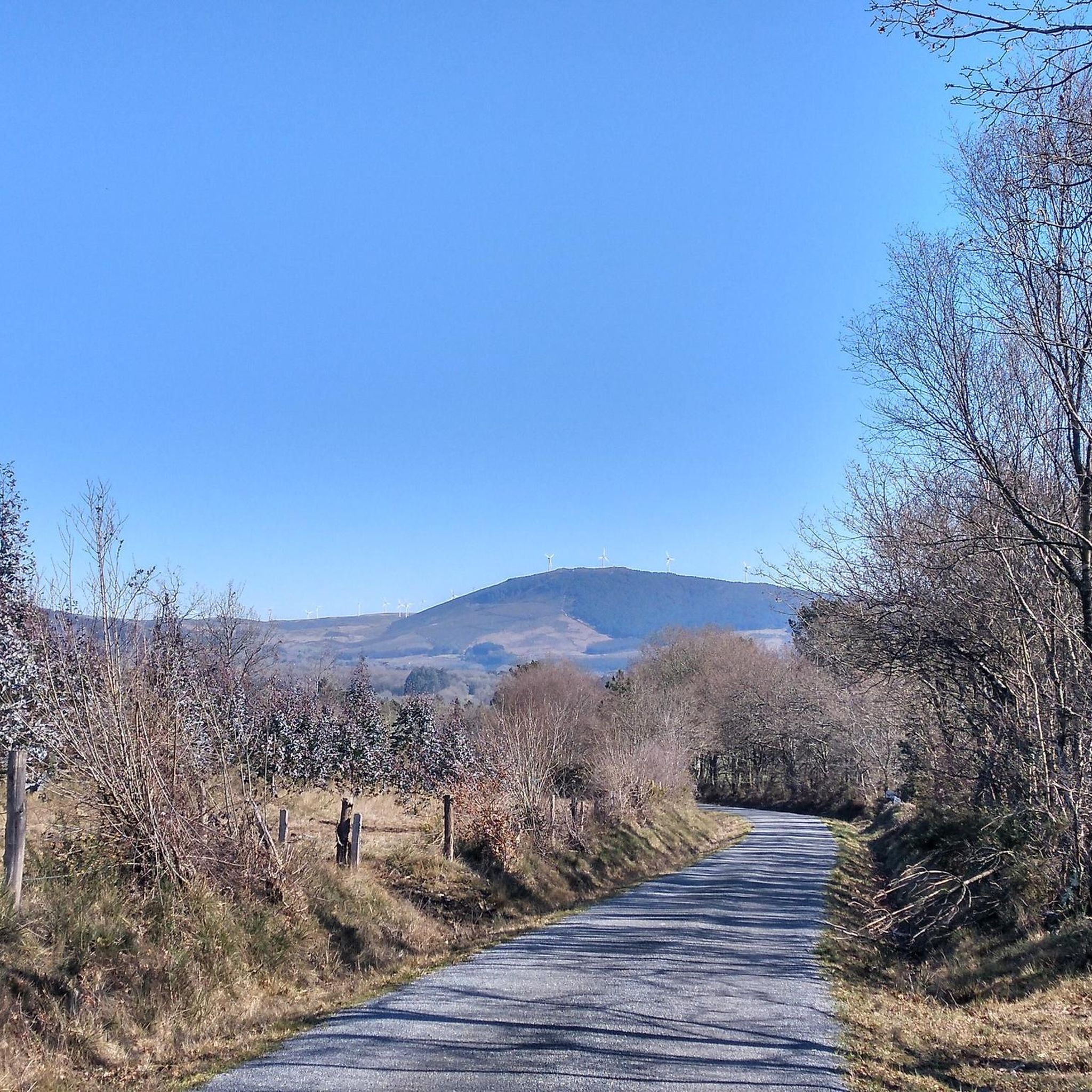
Touring cycling in Serra do Xistral offers routes through a rugged, moorland-like terrain characterized by low-lying mountains and extensive peatlands. The region features numerous rivers, including the Eume and Landro, and varied landscapes of forests and open areas. Despite modest altitudes, the constant moisture contributes to a distinct environment suitable for adventurous cycling. The network of trails and roads provides diverse cycling opportunities with minimal traffic.
Best touring cycling routes in Serra do Xistral
- The most popular touring cycling route…
Last updated: July 15, 2026
5.0
(1)
66
riders
38.1km
03:24
520m
520m
Hard bike ride. Very good fitness required. You may need to push your bike for some segments of this route.
1
riders
25.2km
02:11
700m
700m
Hard bike ride. Very good fitness required. Mostly paved surfaces. Suitable for all skill levels.

Sign up for free
48.1km
03:56
1,420m
1,420m
This difficult 29.9-mile (48.1 km) touring cycling route around Mondoñedo features the historic Monastery of San Salvador and scenic Galicia
32.1km
02:21
730m
730m
Hard bike ride. Very good fitness required. Mostly paved surfaces. Suitable for all skill levels.
18
riders
Hard bike ride. Good fitness required. You may need to push your bike for some segments of this route.
Get access to more routes and recommendations from other explorers.
Sign up for free
Already have an account?
Our route recommendations are based on thousands of hikes, rides, and runs completed by other people on komoot.
Start today with a free account
Your next adventure awaits.
Login or Signup
Tips from the Community

Buen Camino, always inspiring 🤙
0
0

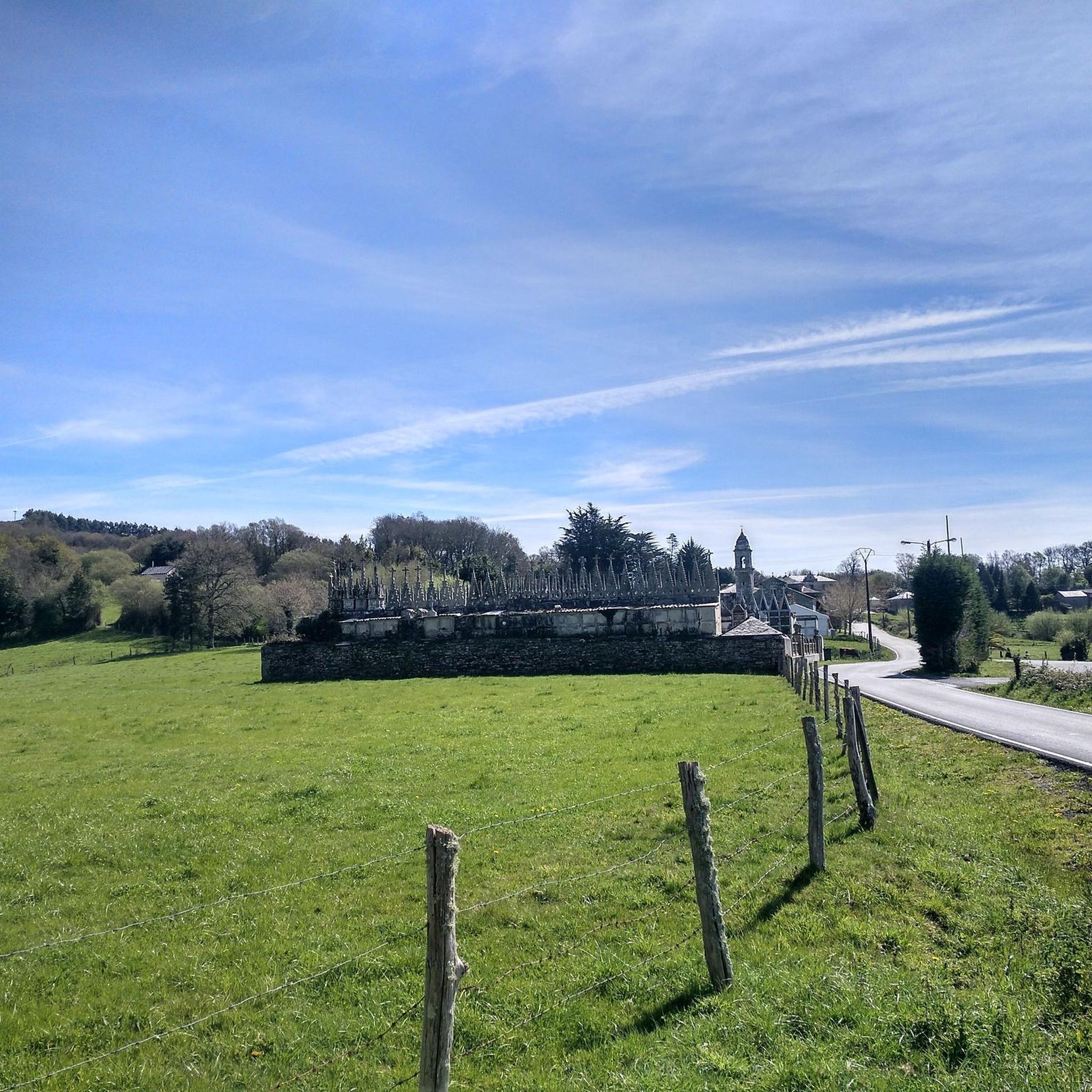
A good way to find inspiration at the start of a cycle touring trip is to cycle unhurriedly following the universal yellow arrows of the Camino de Santiago. In Ribadeo begins the Natural Route of the Cantabrian Route and it is also the entrance to Galicia of the Camino del Norte or Camino de la Costa from Asturias, in both ways it is known the Camino de Santiago that runs along the Cantabrian coast from Irún to Santiago de Compostela. The Jacobean route leaves the Cantabrian coast and faces the first stage through the interior of Galicia, the landscape, the language and the cultural signs change but the faithful yellow arrows remain along with the inseparable Compostelan scallop shell along the Camiño Norte. The main purpose of including this variant in the trip is to connect with the Natural Route of San Rosendo and to discover the landscapes and villages that this ancient pilgrimage route travels between Mondoñedo and Foz. The connection point between the Camino de Santiago and the Natural Route is in Vilanova de Lourenzá, an ancient town of the Bridge from other times, when pilgrims sought asylum and protection in the hospitium of the Benedictine monastery of San Salvador. The meeting of the two routes is precisely at the medieval bridge over the Baos river, at the entrance to the town, and one could continue directly along the Natural Route of San Rosendo towards the coast, but the visit to the historic city of Mondoñedo is fundamental, former seat of courts, lordships and bishoprics, it has an old town declared a Historic-Artistic Site with arcades, cobbled streets and facades decorated with coats of arms and crests. The two routes coexist in the villages of the route until the Plaza de la Catedral de Mondoñedo, then you have to return along the same route and in Lourenzá undertake the descent towards the coast through the parishes of Casolga and Celeiro, in the mountains of the Masma river valley, the river collector that flows into the estuary of Foz. The landmarks of the Natural Route of San Rosendo pass through the basilica of San Martiño de Mondoñedo, the ancient site of Mindumneto, refuge of the bishop of Braga, Sabarico, in the mid-9th century and seat of the diocese until the year 1112, it is the oldest preserved cathedral in Spain and the first raised in southern Europe, built in the 6th century. The signs of the Route continue through the forests that lead to the panoramic spot of the hermitage of Obispo Santo and finally descend to the coastal platform, connecting with the Natural Route of the Cantabrian Route on the outskirts of Foz to finish the cycling stage by touring the coast of the Gulf of Masma to Cape Burela.
0
0

The two routes coexist in the villages on the way to the Mondoñedo Cathedral Square, then you have to return along the same route and in Lourenzá begin the descent towards the coast through the parishes of Casolga and Celeiro, in the mountains of the river valley. Masma, the river collector that flows into the Foz estuary. The milestones of the San Rosendo Natural Trail pass by the basilica of San Martiño de Mondoñedo, the ancient place of Mindumneto, refuge of the bishop of Braga, Sabarico, in the mid-9th century and seat of the diocese until the year 1112, it is the cathedral oldest preserved in Spain and the first built in southern Europe, built in the 6th century. The signs of the Camino continue through the forests that lead to the panoramic spot of the Obispo Santo hermitage and finally go down to the coastal platform, connecting with the Natural Path of the Cantabrian Route on the outskirts of Foz to finish the cycling stage along the coast. from the Gulf of Masma to Cape Burela.
0
0

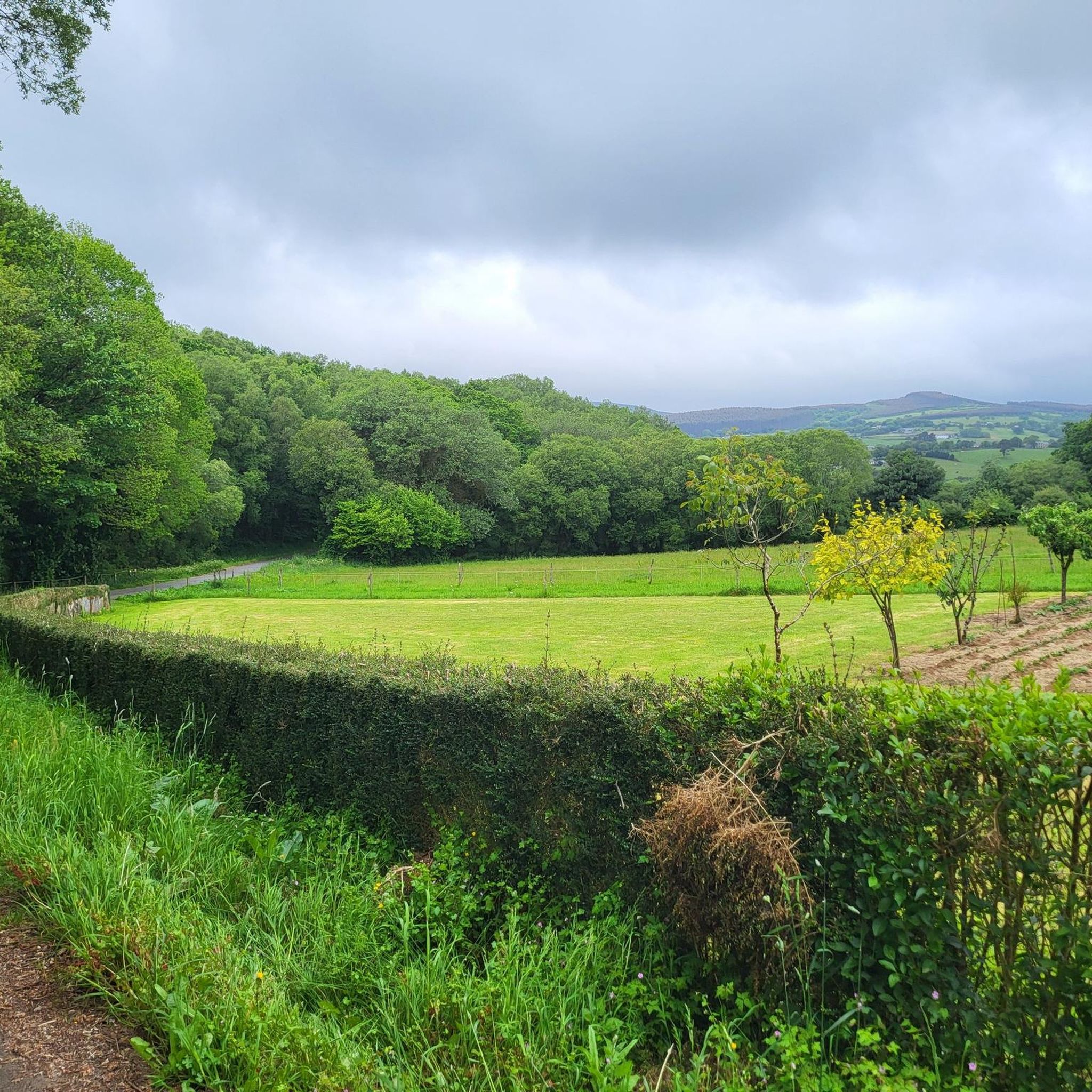
Natural recreational space with multiple trails for activities along the Tronceda River. Don't forget to see the waterfall and the water channel.
2
0

A very nice piece of trail on the Camino!
1
0
Quiet route with small lanes and gravel tracks on the Camino after Mondoñedo.
2
0
Frequently Asked Questions
How many touring cycling routes are available in Serra do Xistral?
Serra do Xistral offers a diverse selection of nearly 40 touring cycling routes. These routes cater to various skill levels, with a significant number providing challenging experiences for advanced cyclists.
What is the best time of year to go touring cycling in Serra do Xistral?
The most favorable period for touring cycling in Serra do Xistral is generally from May to September. During these months, you can expect more agreeable weather conditions, making it ideal for exploring the region's unique landscapes.
What are the typical weather conditions for touring cyclists in Serra do Xistral?
Serra do Xistral is known for its unique climate, characterized by frequent fog, strong winds (including the cold, damp 'xistra'), and ample rainfall. While these conditions contribute to the region's rugged charm, cyclists should be prepared for variable weather, even in warmer months. Snow is common in winter, despite the moderate altitude.
Are there options for beginner touring cyclists in Serra do Xistral?
While many routes in Serra do Xistral are rated as difficult, there are a few options suitable for beginners. For instance, the region offers routes with minimal traffic and some circular paths that traverse a mix of dirt tracks and asphalted sections, which can be more approachable.
What kind of challenges can advanced touring cyclists expect in Serra do Xistral?
Advanced touring cyclists will find plenty of challenges in Serra do Xistral. The region features numerous difficult routes, including demanding climbs like the 'O Xistral' ascent to a communication tower and the climb to Pico O Cadramón. These routes often involve significant elevation gains and varied terrain, providing a rewarding experience for experienced riders. An example of a challenging route is Mondoñedo – tour around the Monastery of San Salvador and Trabada, which covers nearly 50 km with over 1400m of ascent.
Are there any circular touring cycling routes in Serra do Xistral?
Yes, Serra do Xistral offers several circular touring cycling routes. These paths often combine dirt tracks and asphalted sections, providing diverse scenery and a convenient way to explore the region. A popular example is the Lakeside Swing – Lago de As Pontes loop from A Ribeira Nova.
What natural attractions can I see along touring cycling routes in Serra do Xistral?
The region boasts impressive natural features. You can encounter stunning waterfalls like the Tronceda River Waterfalls and the Escouridal Waterfall. Peaks such as Monseivane Summit and Pico O Cadramón offer panoramic views. The routes also pass through extensive peatlands, unique oak forests, and holly patches.
Are there any historical sites or cultural landmarks to explore while cycling in Serra do Xistral?
Beyond its natural beauty, Serra do Xistral holds historical interest. Cyclists can discover sites such as the Chapel of Santa Filomena do Cadramón, the Pena Abaladoira, the Dolmen de Santo Tomé, and the Prados das Chantas lithic circle. These offer cultural stops along various cycling routes, like the Mondoñedo – tour around the Monastery of San Salvador and Trabada.
What do other touring cyclists enjoy about the routes in Serra do Xistral?
The touring cycling routes in Serra do Xistral are highly rated by the komoot community, with an average score of 4.4 stars from over 30 reviews. Cyclists often praise the untouched natural beauty, the challenging climbs, and the opportunity to ride on roads with minimal traffic, allowing for an immersive experience in the rugged, moorland-like terrain.
Are there family-friendly touring cycling routes in Serra do Xistral?
Yes, some routes in Serra do Xistral are suitable for families. These often include circular paths that combine dirt tracks and asphalted sections with minimal traffic, providing a safer and more enjoyable experience for all ages. It's advisable to check the difficulty ratings for specific routes to ensure they align with your family's cycling abilities.
Can I expect to see wildlife while touring cycling in Serra do Xistral?
Serra do Xistral is rich in wildlife. The region is home to valuable oak forests and is vital for rare butterflies, a significant population of the Cantabrian wolf, and the peat bog lizard. You might also encounter wild horses roaming freely. Birdwatching is another recommended activity, making it a great area for nature enthusiasts.
What are some scenic viewpoints accessible by touring bike in Serra do Xistral?
Several points in Serra do Xistral offer breathtaking panoramic views. Key peaks like Monseivane Summit and Pico O Cadramón provide extensive vistas of the surrounding countryside. Pena Montol, a natural granite viewpoint, also offers significant views of the Sierra del Xistral, rewarding cyclists who make the climb.
What kind of terrain will I encounter on touring cycling routes in Serra do Xistral?
Touring cycling routes in Serra do Xistral feature a diverse range of terrain. You'll encounter rugged, moorland-like landscapes, extensive peatlands, and varied sections of forests and open areas. Routes often combine asphalted roads with minimal traffic and dirt tracks, providing a mix of surfaces and experiences. Expect some challenging climbs and descents due to the low-lying mountainous topography.
Are there any routes that feature the region's famous waterfalls?
Absolutely. Several routes allow you to experience the impressive waterfalls of Serra do Xistral. For example, the Mondoñedo – return via Tronceda river Waterfalls route specifically highlights the Tronceda River Waterfalls, known for their rapids and pools. You can also find routes that pass by the Escouridal Waterfall.
Most popular routes in Serra Do Xistral
Most popular attractions in Serra Do Xistral

Get inspired with the komoot mobile app


Explore more
Browse the best Cycling routes in other regions.
