Attractions and Places To See in Valles Occidentales - Top 20
Attractions and places to see in Valles Occidentales are primarily found within the Natural Park of Valles Occidentales in the Aragonese Pyrenees. This region is characterized by its preserved mountain environment, featuring peaks over 2,600 meters, extensive forests, and glacial valleys. The area also includes historical landmarks, traditional villages, and significant cultural sites. It offers diverse natural landscapes and a rich heritage for exploration.
Best attractions and places to see in Valles Occidentales
- The most popular attractions is Lizara Refuge…
Last updated: October 10, 2026
Estanés Lake
Highlight • Lake
Translated by Google •
Tip by

Ibón de Acherito
Highlight • Lake
All the Aragonese lakes …
Translated by Google •
Tip by

Sign up now to discover places like this
Get recommendations on the best single tracks, peaks, & plenty of other exciting outdoor places.
Linza Refuge
Highlight • Mountain Hut
They have a restaurant and a hostel area with all the basic amenities …
Translated by Google •
Tip by

Lizara Refuge
Highlight • Mountain Hut
On the ground floor there is a bar, a …
Translated by Google •
Tip by

Gabardito Refuge
Highlight • Mountain Hut
It offers catering service for guests and passers-by. Those staying there also have a kitchen for free use.
Translated by Google •
Tip by

Sign up for free to discover even more attractions in Valles Occidentales.
Already have an account?
Start today with a free account
Your next adventure awaits.
Popular around Valles Occidentales
Classic Swallows Route in Spain – Mountains with history
Aragon along the Pyrenean Trail – GR 11
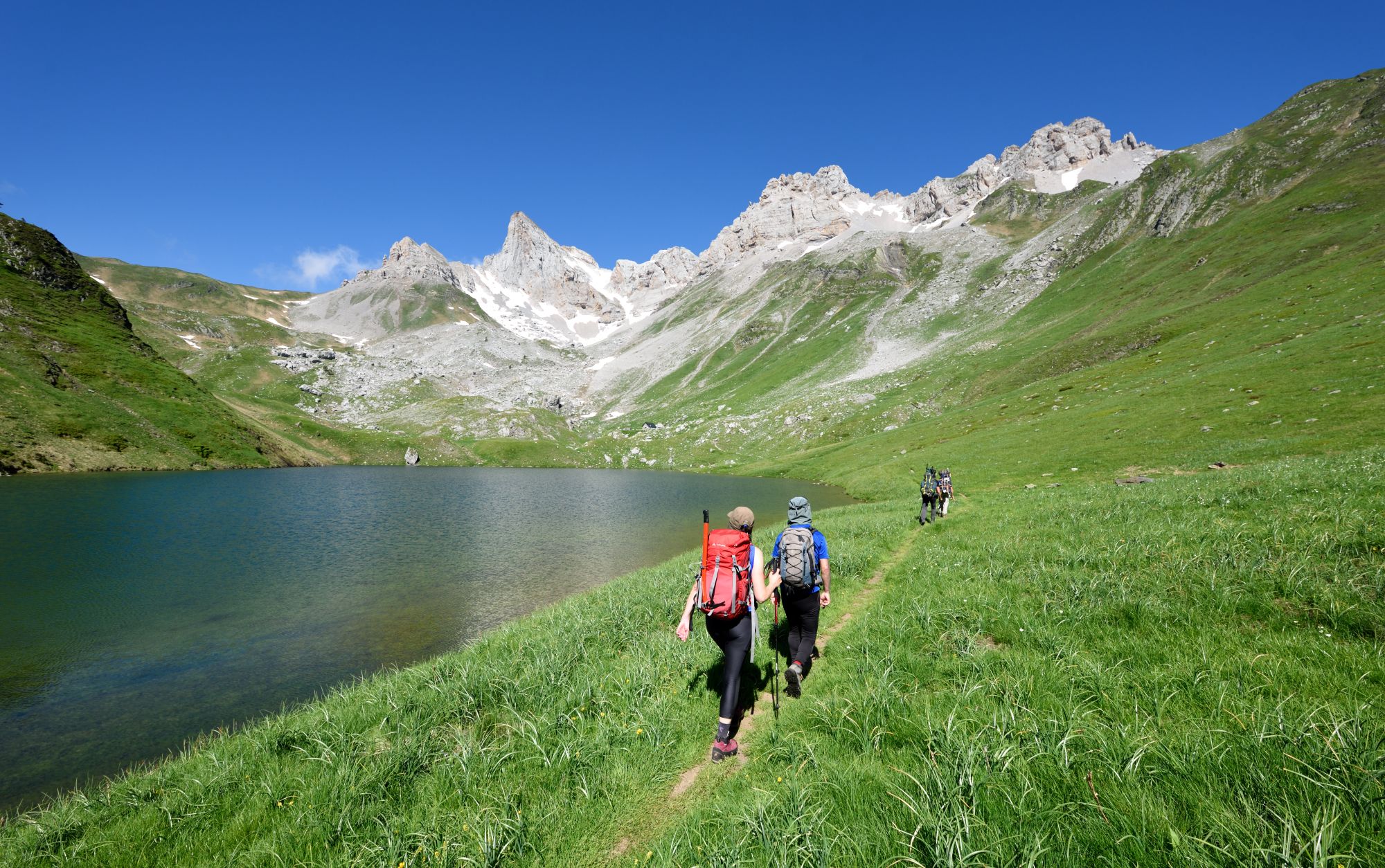
Hiking in Valles Occidentales
Running Trails in Valles Occidentales
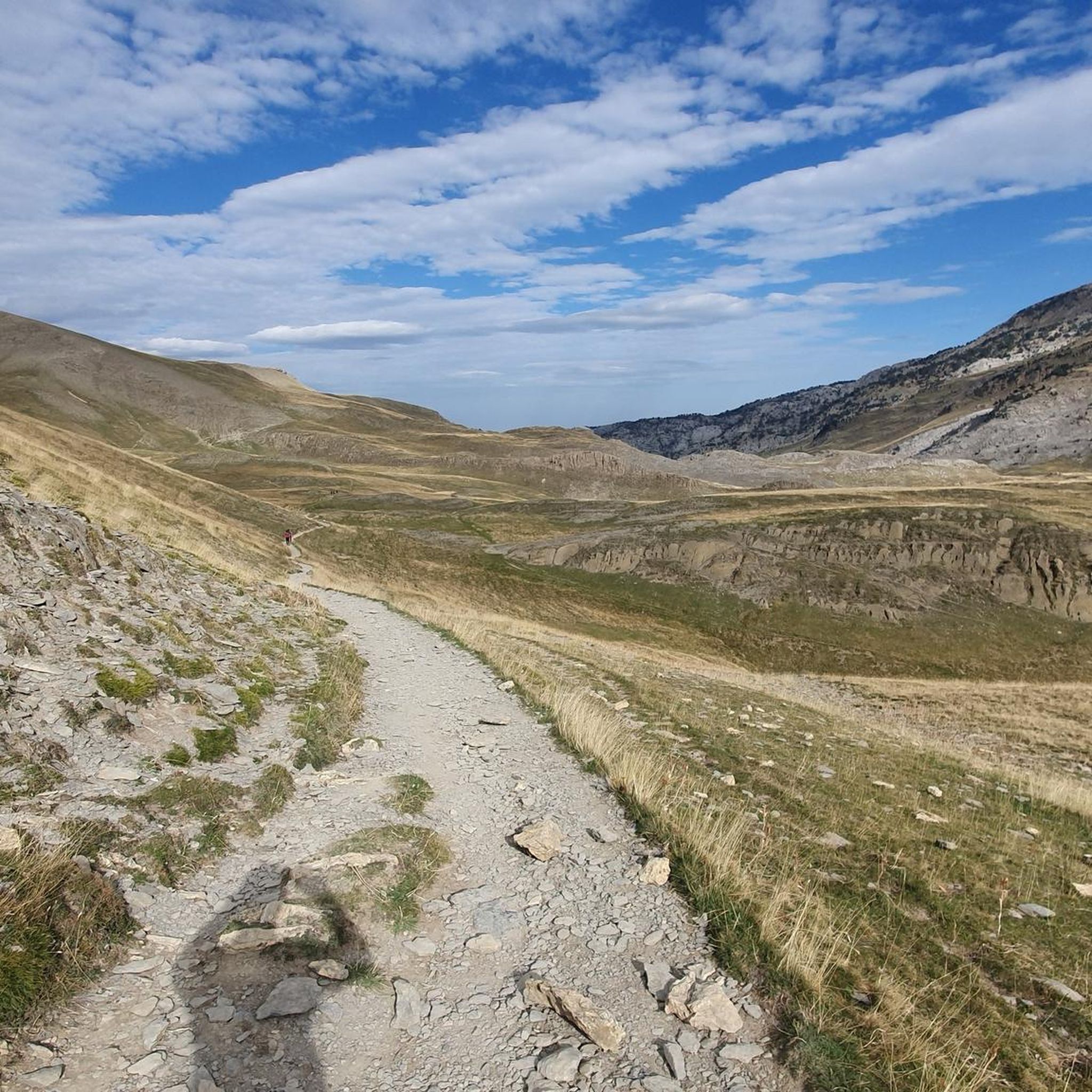
MTB Trails in Valles Occidentales
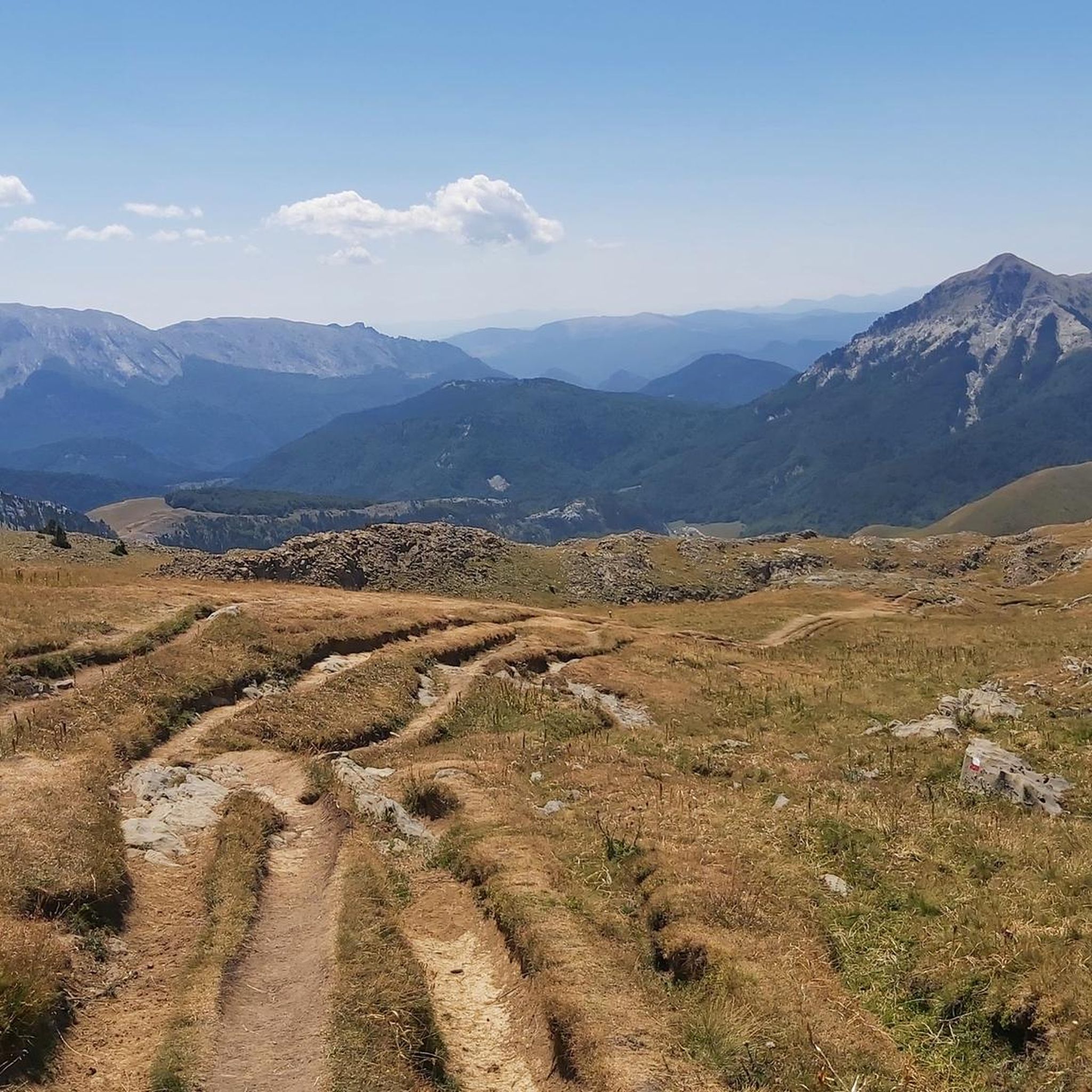
Road Cycling Routes in Valles Occidentales
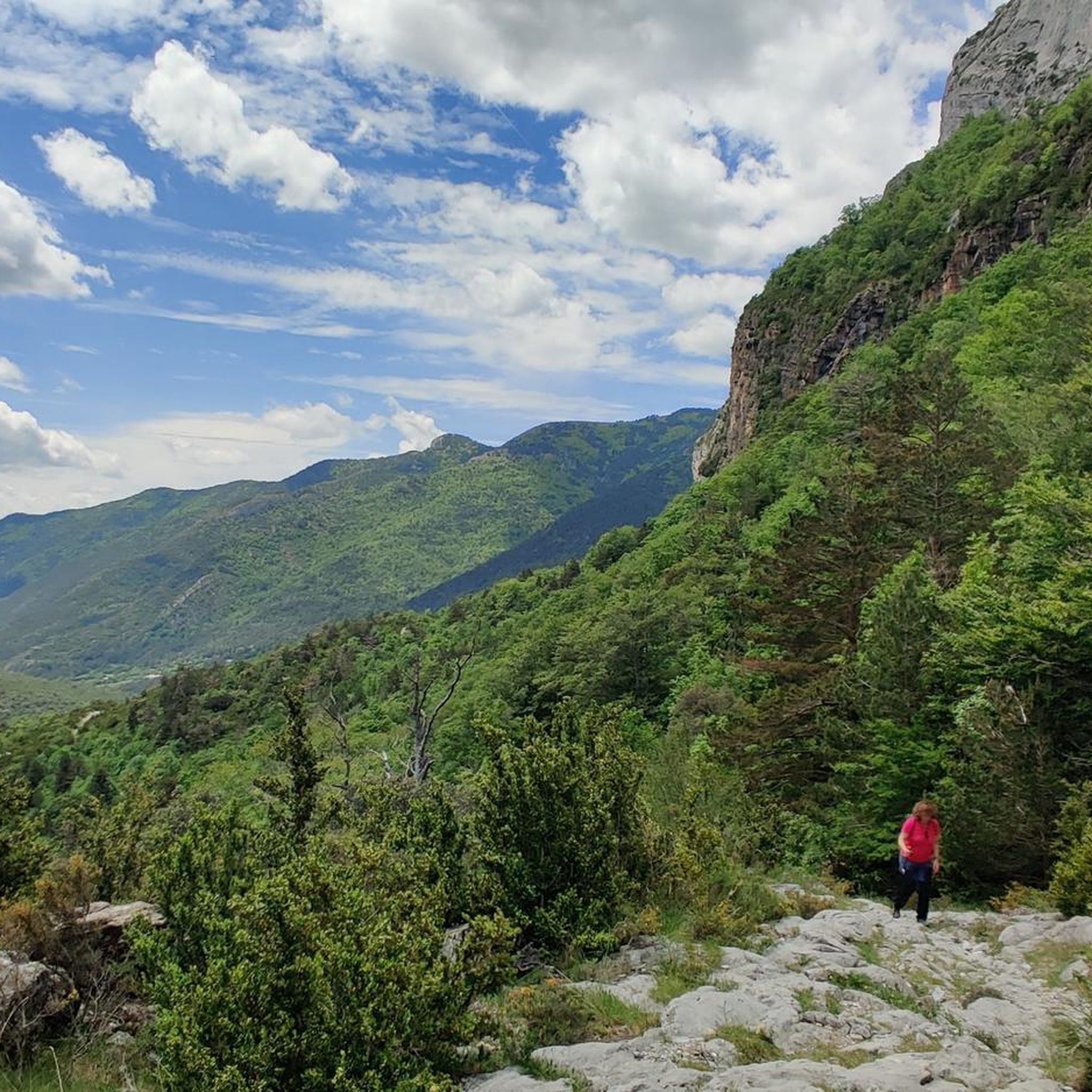
Cycling in Valles Occidentales

Mountain Hikes in Valles Occidentales

Gravel biking in Valles Occidentales


Tips from the Community

Refuge located in a splendid, very scenic clearing. Excellent starting point for many hikes
0
0
Refuge in a beautiful location and starting point for numerous hikes
0
0

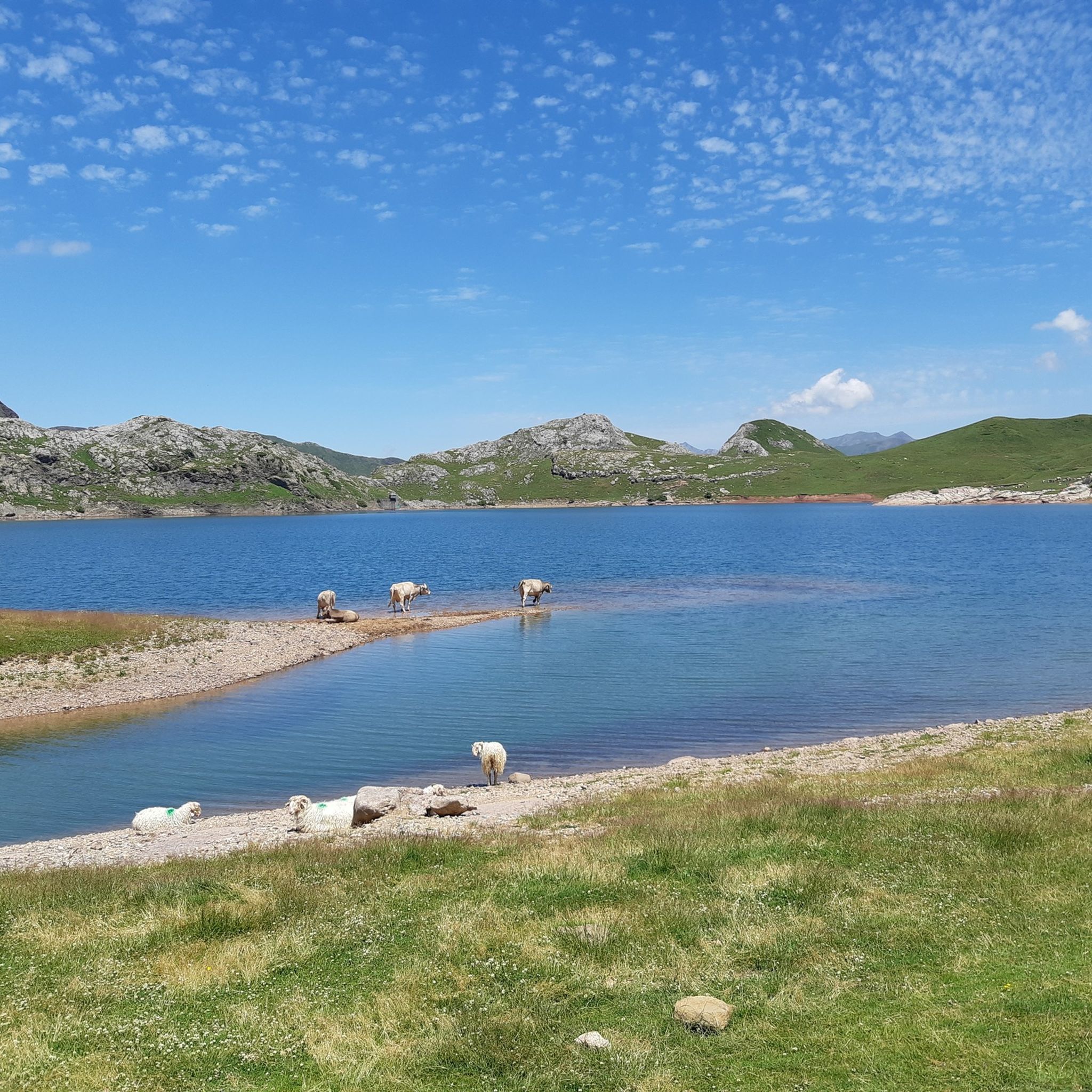
Sitting right at 1,754 meters on the Spanish side of the border, Lake Estanés (Ibón de Estanés) is a total Pyrenean classic. Grassy basin at the foot of towering, rugged limestone peaks, this spot feels completely timeless the second you step down to the shore. Also it's a local favorite and literally never disappoints!
1
0
Pure mountain magic sitting at nearly 1,900 meters up in the Echo Valley, Ibón de Acherito is hands-down one of the coolest glacial lakes in this part of the Spanish Pyrenees. It’s tucked right into a big, rocky bowl of steep limestone cliffs that make the whole place feel super hidden and special.
2
0
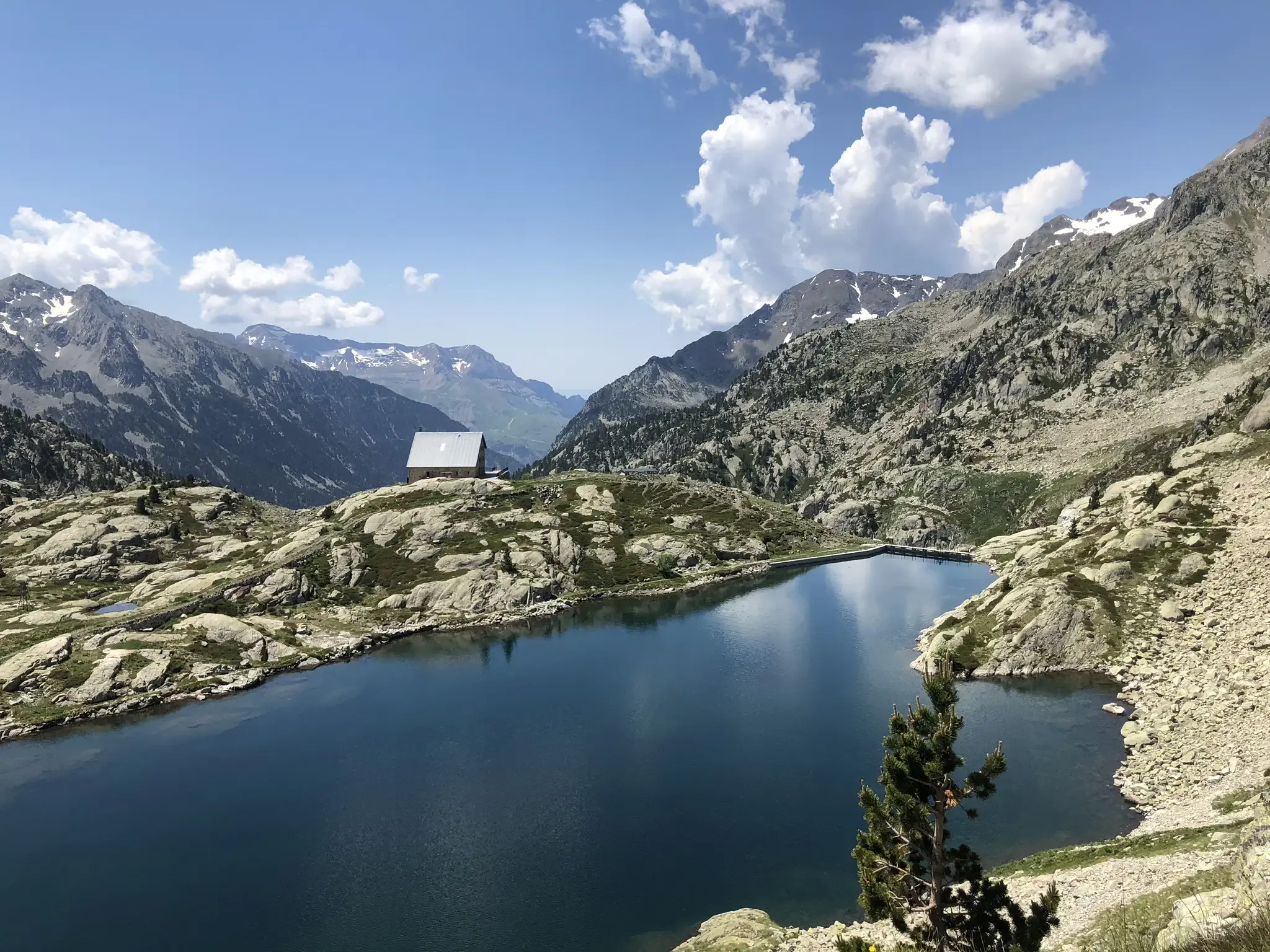
Beautiful starting point for ascents in the area. Also a stopover point for multi-day treks, it is in a beautiful location and easily reachable by car
0
0

After breakfast, it closes for a while for cleaning. Fill up your water bottle before heading up, as it's a scarce resource up there.
0
0

No cell phone reception in or around the hut. There's a free hot shower!
0
0

A refuge located in the Aragüés-Jasa Valley, one of the four valleys of the Natural Park declared in 2006. Located at the western end of the Aragonese Pyrenees and covering an area of 34,000 hectares, it encompasses a great diversity and richness of both fauna and geology, making it a great place for studying and practicing nature activities.
0
0
Frequently Asked Questions
What natural features can I explore in Valles Occidentales?
Valles Occidentales is home to the extensive Valles Occidentales Natural Park, featuring peaks over 2,600 meters, lush forests like Oza, Labati, and Gamueta, and impressive glacial valleys such as Valle de Aguas Tuertas. You can also discover high mountain lakes, known as "ibones," with Ibón de Acherito being a prominent example.
Are there any historical or cultural sites to visit in the region?
Yes, the region boasts significant historical and cultural sites. You can visit the imposing Romanesque Monasterio de San Pedro de Siresa, explore megalithic concentrations in the Aragón Subordán valley, and see remnants of Roman roads and bridges. Traditional villages like Ansó and Hecho also offer a glimpse into local heritage.
What kind of outdoor activities are available in Valles Occidentales?
Valles Occidentales is ideal for various outdoor activities. You can enjoy mountain hiking, snowshoeing, and backcountry skiing, particularly around areas like Gabardito. The region also offers numerous routes for road cycling, such as those found in the Road Cycling Routes in Valles Occidentales guide, and diverse hiking trails, including those highlighted in the Hiking in Valles Occidentales guide.
Are there family-friendly attractions or activities in Valles Occidentales?
Yes, Valles Occidentales offers experiences suitable for all ages. Many of the natural areas provide opportunities for environmental education and easy walks. Refuges like Lizara Refuge and Linza Refuge are marked as family-friendly and serve as excellent bases for excursions.
Where can I find accommodation or places to rest during my visit?
The region has several guarded mountain huts that offer accommodation and services. Notable options include Lizara Refuge, which provides private bathrooms and a kitchen for free use, Gabardito Refuge, known for its welcoming atmosphere and catering, and Linza Refuge, which also features a restaurant and hostel area.
What are some notable mountain peaks in Valles Occidentales?
The Valles Occidentales region is home to several impressive peaks, including Bisaurín (2,670 m), Mesa de los Tres Reyes (2,446 m), Aspe (2,643 m), and Castillo de Acher (2,384 m). These mountains offer challenging routes and stunning panoramic views for experienced hikers.
Can I spot wildlife in Valles Occidentales?
Yes, the Valles Occidentales Natural Park is a habitat for diverse wildlife, including endangered species like the brown bear, bearded vulture, Pyrenean desman, otter, and Pyrenean frog. You might also encounter golden eagles, chamois, marmots, and capercaillie. The park is a Special Bird Protection Zone (ZEPA).
What are some traditional villages worth visiting in the area?
Several traditional villages in Valles Occidentales preserve their charm with stone houses, cobbled streets, and centuries-old customs. Ansó, Hecho, Aísa, Aragüés del Puerto, Borau, and Jasa are notable examples, known for their lively festivals, traditional costumes, and local craftsmanship.
Are there options for easy hikes or beginner trails in Valles Occidentales?
While many trails can be challenging, there are options for easier hikes. The region's glacial valleys and forests offer gentler paths. For example, the Waterfall hikes in Valles Occidentales guide includes some moderate and easy routes, such as the "Magnificent view – Sanchèse Waterfall loop from Lescun" which is rated easy.
What is the best time of year to visit Valles Occidentales for outdoor activities?
The summer months are generally recommended for visiting Valles Occidentales, especially for activities like hiking to high mountain lakes such as Ibón de Acherito. During this time, the weather is more favorable for exploring the mountain environment and engaging in various outdoor sports.
Are there any unique natural formations or geological wonders?
The region is known for its impressive glacial formations, including U-shaped valleys and cirques. The picturesque Valle de Aguas Tuertas is a prime example, where water meanders through plains formed by filled-in glacial basins. The Boca del Infierno gorge also offers a dramatic natural spectacle.
Can I find places to park near trailheads or attractions?
Yes, several key attractions and starting points for excursions offer parking facilities. For instance, Lizara Refuge and Linza Refuge both have car parks very close by, making them convenient bases for starting your adventures.
What is special about the forests in Valles Occidentales?
The Valles Occidentales are home to significant and well-preserved mixed forests. The Oza Forest, located after the impressive Boca del Infierno gorge, is considered one of the most spectacular valleys in the Aragón Pyrenees, featuring dense beech, silver fir, and pine trees. Other notable forests include Labati and Gamueta.
Most popular routes in Valles Occidentales
Most popular attractions in Valles Occidentales

Get inspired with the komoot mobile app


Explore more
Still not found the Highlight you’re looking for? See guides of the top attractions in other regions:
