The best cycling routes in Embalse De Malpasillo
5.0
(2)
19
riders
6
rides
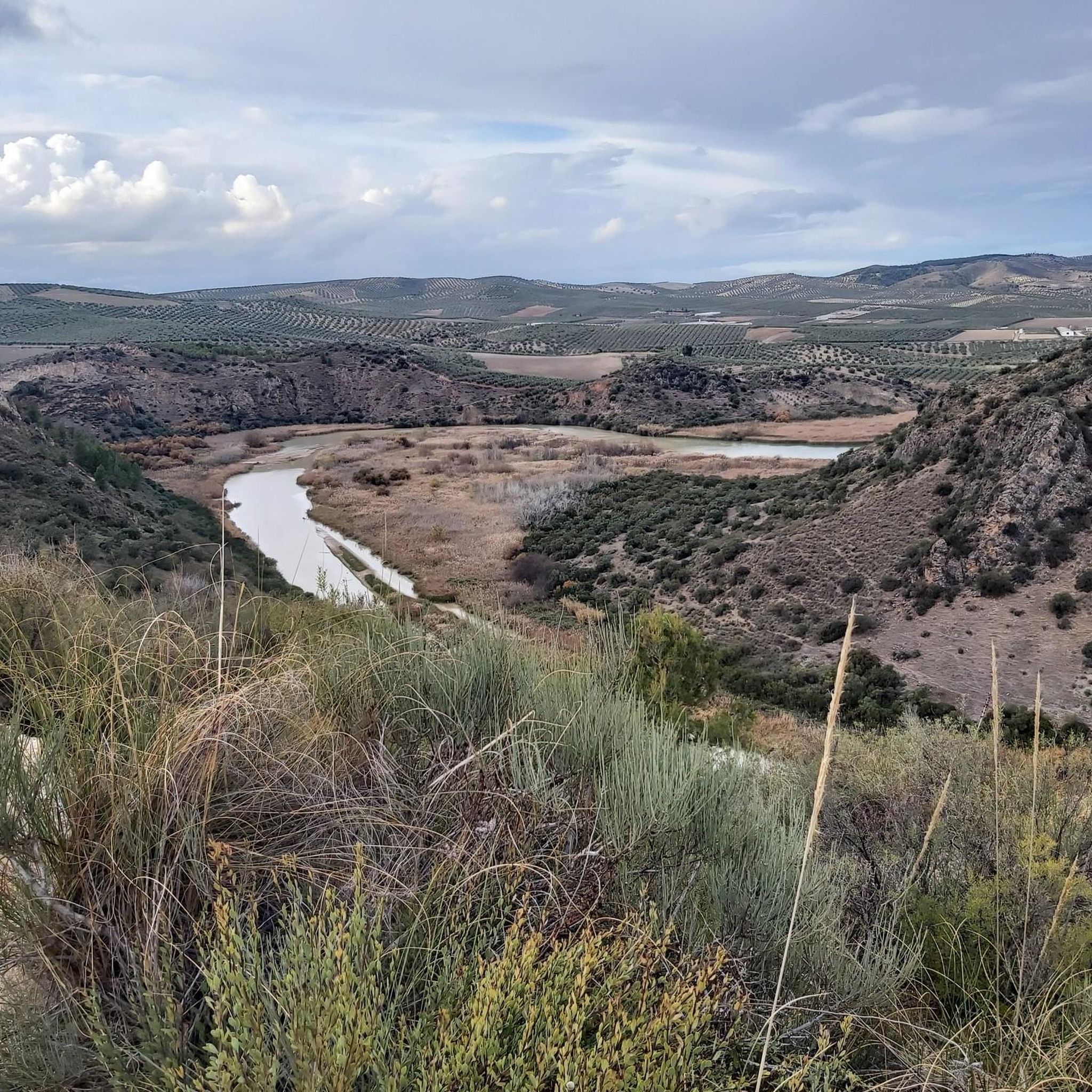
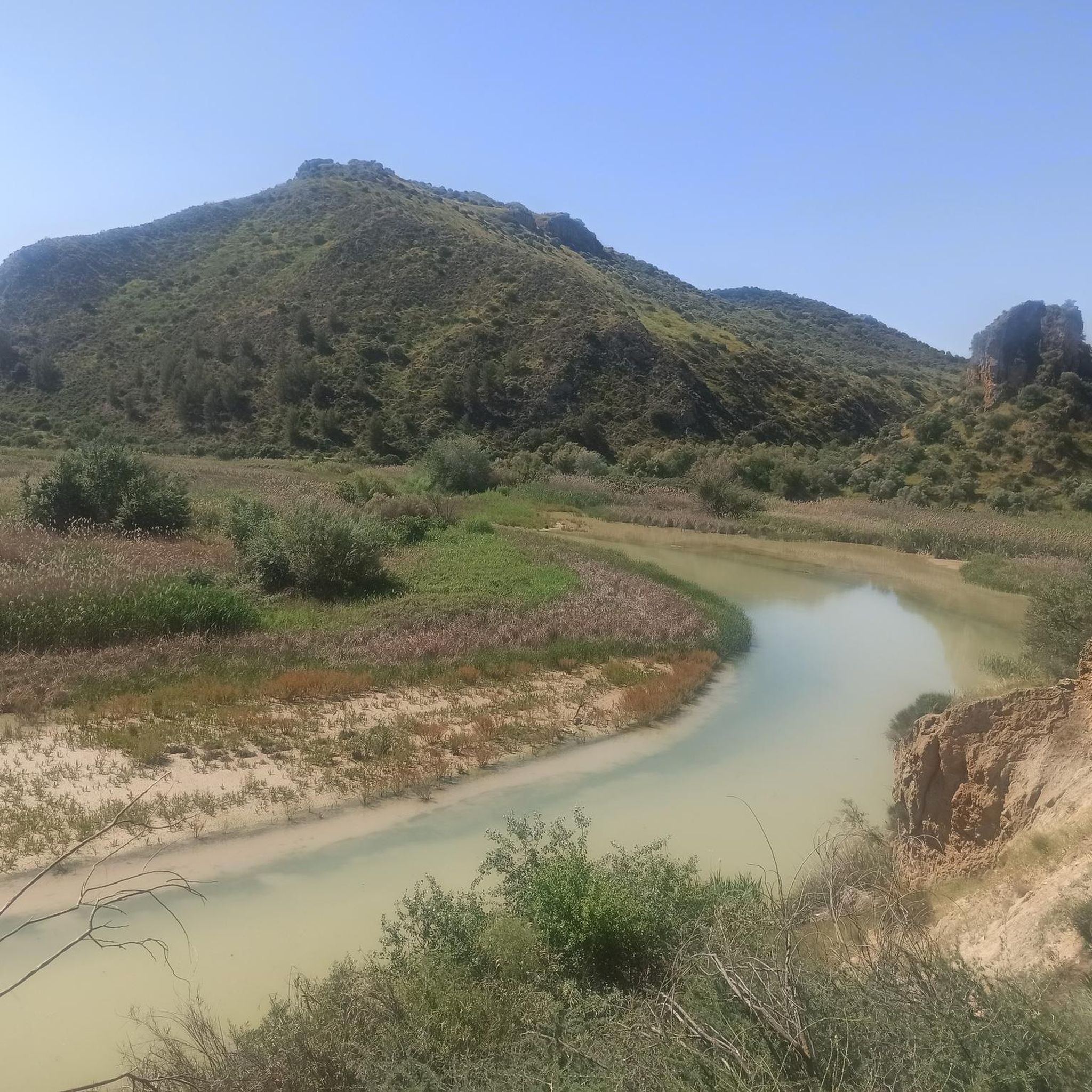
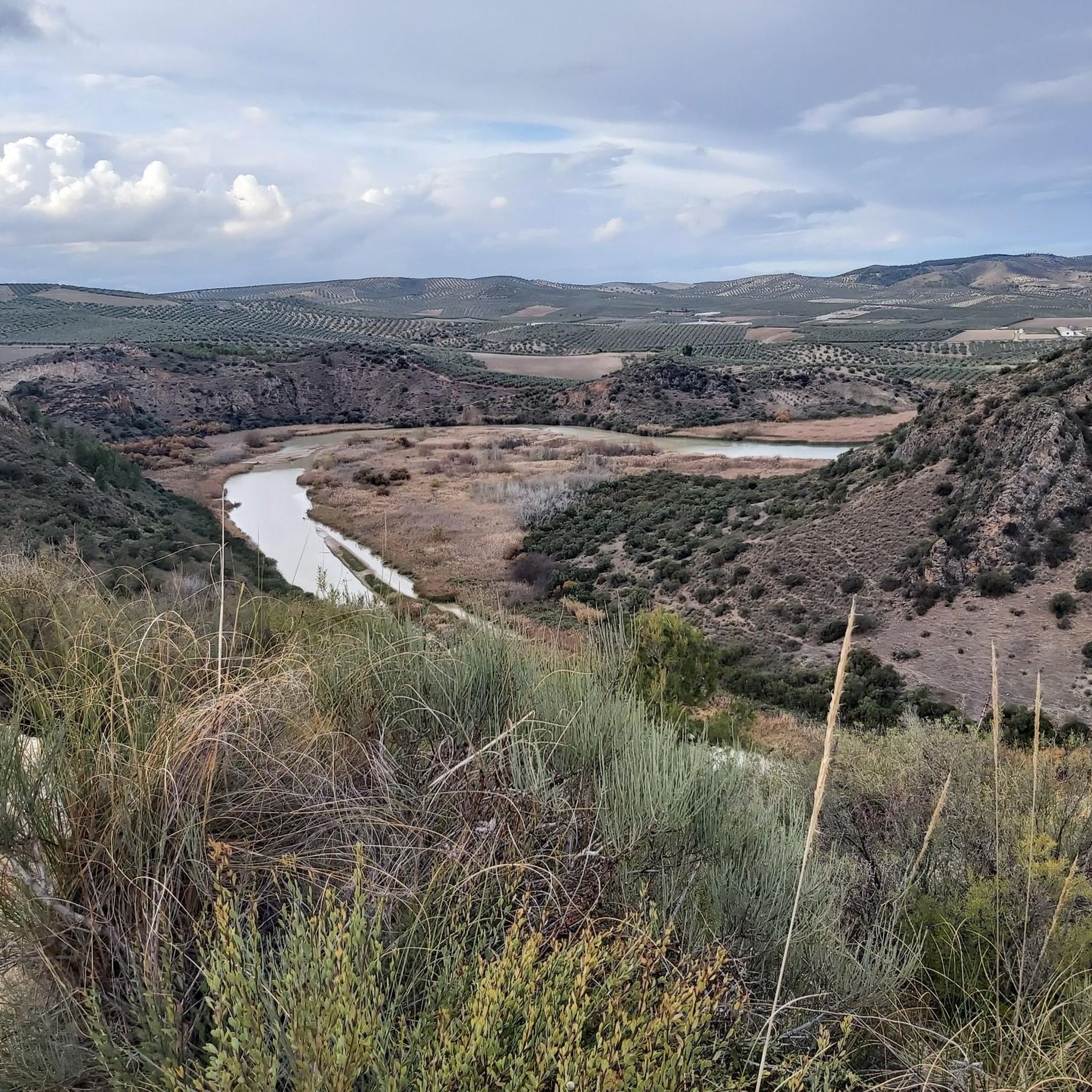
Touring cycling in Embalse De Malpasillo offers routes through a landscape shaped by the Río Genil, featuring rugged terrain and significant natural beauty. The area is characterized by steep slopes, river meanders, and the expansive views of the Malpasillo reservoir, which has become highly naturalized. Gypsum marl soil gives the water a distinctive whitish color, adding to the unique visual experience. This region provides varied terrain for cyclists, from sections around the water to more challenging hilly areas.
Best touring…
Last updated: June 26, 2026
1
riders
29.5km
02:28
230m
230m
Moderate bike ride. Good fitness required. Mostly paved surfaces. Suitable for all skill levels.
5.0
(1)
3
riders
23.3km
01:35
220m
220m
Moderate bike ride. Good fitness required. Mostly paved surfaces. Suitable for all skill levels.

Sign up for free
5
riders
72.0km
04:53
1,140m
1,140m
Hard bike ride. Very good fitness required. Mostly paved surfaces. Suitable for all skill levels.
2
riders
31.0km
02:10
240m
240m
Moderate bike ride. Good fitness required. Mostly paved surfaces. Suitable for all skill levels.
5
riders
47.0km
03:12
460m
460m
Hard bike ride. Very good fitness required. Mostly paved surfaces. Suitable for all skill levels.
Our route recommendations are based on thousands of hikes, rides, and runs completed by other people on komoot.
Start today with a free account
Your next adventure awaits.
Login or Signup

Tips from the Community


In the heart of Alameda stands the monument to José María Hinojosa Cobacho, better known as "El Tempranillo," one of the most famous Andalusian bandits of the 19th century. The bronze statue depicts him in a typical rebel and folk hero pose and is located on Calle Álamos, not far from the town center. El Tempranillo was born in 1805 in Jauja, near Lucena, and joined a band of highwaymen at a young age. Over time, he became a legendary figure, both feared and revered by the local population—a symbol of resistance against social injustice. After being mortally wounded in a raid in 1833, his body was brought to Alameda, where he died and was buried in the Church of the Immaculate Conception. The monument and his grave are now part of the "Ruta del Tempranillo," a cultural route that traces the life of the bandit. They are reminiscent of a time when outlaws and folk heroes often lived close together, making Alameda an important place in Andalusian history and legendary culture.
1
0
Alameda is a picturesque village that captivates visitors with its tranquil atmosphere and historically rich surroundings. Encircled by expansive fields and rolling hills, it offers ideal conditions for cycling tours through the Andalusian hinterland. The whitewashed houses, narrow streets, and shady squares lend the village its typical Andalusian charm. At its heart lie the Church of the Immaculate Conception and the Placeta Fountain, reminders of the village's Roman roots. Alameda is particularly famous for the legend of the bandit José María "El Tempranillo," whose monument and tomb are now popular destinations for visitors. The surrounding area is easily explored by bicycle – passing olive groves, old farmhouses, and quiet paths that offer a glimpse into rural Andalusia. Alameda uniquely combines history, culture, and nature, making it an ideal starting point for peaceful, enriching tours away from the crowds.
0
0
The Parish Church of Our Lady of the Immaculate Conception (Iglesia Parroquial de Nuestra Señora de la Inmaculada Concepción) is the main church of Alameda and is located in the town center. Built in 1633, it has been expanded several times over the centuries, including the 18th century with the addition of side aisles and a Baroque chapel. The church displays typical elements of Andalusian Baroque architecture, with a simple stone and brick facade and a striking round-arched portal. Inside, the high nave, flanked by two lower side aisles, and a barrel-vaulted ceiling create a harmonious atmosphere. The church is particularly famous as the burial place of the legendary bandit El Tempranillo, who died in Alameda in 1833. It also houses an elaborate image of the Virgen de los Dolores (Virgin of Sorrows), created in 1940 by the sculptor Castillo Lastrucci. The church is now a listed building and is considered one of the most important historical buildings in the town, combining both religious and cultural history.
2
0
It's impressive how the mountain is slowly being eroded; one day it will be completely gone. The quarry is operated by Excomar Canteras S.L., a company specializing in the extraction and processing of mineral resources. Founded in 2013, the company focuses on the extraction of sand, gravel, clay, and kaolin for the construction industry. Also located nearby is the Áridos Mineral Processing Plant, where the extracted material is processed. The quarry thus represents an important industrial site in the Mollina region and is central to the local raw material supply.
0
0
The Iglesia Parroquial de Nuestra Señora de la Inmaculada Concepción is the main church of Alameda and is located in the center of the town. It was built in 1633 and expanded several times over the centuries, including the addition of side aisles and a Baroque chapel in the 18th century. The church displays typical elements of Andalusian Baroque, with a simple facade of stone and brick and a striking round-arched portal. The interior features an impressive high main nave, flanked by two lower side aisles, and a barrel-vaulted ceiling, which lends the space a harmonious effect. The church is particularly famous for being the burial place of the legendary bandit El Tempranillo, who died in Alameda in 1833. It also houses an ornate image of the Virgen de los Dolores, created in 1940 by the sculptor Castillo Lastrucci. The church is now a listed building and is considered one of the most important historical buildings in the area, combining both religious and cultural history.
0
0
The Fuente en Álamos - Alameda is a historic fountain located in the heart of the village, marked by a small sign. It was once a central meeting place for the residents, especially for the aguadoras – women who fetched water, skillfully filling jugs directly with running water using a funnel and a long stick. This activity was not only a daily chore but also a kind of original artistry, as described by the writer Francisco Jiménez Conde. The fountain thus symbolizes not only the historical water supply of the community but also the practical skills and traditions of Alameda's inhabitants.
0
0
The view across the misty valley near Los Carvales reveals a tranquil, almost timeless Andalusian landscape. In the early morning hours, a delicate veil of mist often lies over the rolling hills and fields, revealing only the tips of the olive trees and isolated farmsteads. The light of the rising sun refracts in the humid air, bathing the surroundings in a soft, silvery glow. The landscape is characterized by olive groves, almond trees, and pale limestone slopes, which alternate harmoniously and form the typical character of the Andalusian hinterland. Scattered among the fields are small white country houses, their chimneys belching smoke on cool days. In the silent expanse, only the distant ringing of goat bells and the singing of birds can be heard. As the mist gradually lifts, the valley appears bathed in warm sunlight, peaceful and vast, as if time had stood still for a moment—a striking image of quiet beauty that captures the tranquil atmosphere of this landscape.
0
0
Frequently Asked Questions
How many touring cycling routes are available in Embalse De Malpasillo?
Embalse De Malpasillo offers a selection of 6 touring cycling routes, catering to various skill levels. These routes provide diverse experiences across the region's unique landscape.
What kind of terrain can I expect when touring cycling in Embalse De Malpasillo?
The terrain in Embalse De Malpasillo is characterized by its rugged nature, shaped by the Río Genil. You'll encounter steep slopes, river meanders, and expansive views of the Malpasillo reservoir. The gypsum marl soil gives the water a distinctive whitish color, adding to the unique visual experience. Routes can range from flatter sections around the water to more challenging hilly areas.
Are there any challenging touring cycling routes in Embalse De Malpasillo?
Yes, for experienced touring cyclists seeking a challenge, there are difficult routes available. One such route is the Mozarabic Way of St. James – Iznájar Dam and Reservoir loop from Palenciana, which covers 45.1 miles (72.6 km) with significant elevation gain. Another challenging option is the Embalse de Cordobilla – Casariche loop from Casariche, spanning 47.0 miles (75.7 km).
Can I find moderate touring cycling routes suitable for intermediate cyclists?
Absolutely. Embalse De Malpasillo features several moderate touring cycling routes. A popular choice is the La Ratosa Lagoon – Torca de Mollina loop from Alameda, an 18.4 miles (29.5 km) trail. Another great option is the Sierra de Mollina Trail – Torca de Mollina loop from Alameda, a 14.5 miles (23.3 km) path offering views of the Sierra de Mollina.
What are some notable natural features or landmarks I can see along the touring cycling routes?
As you cycle through Embalse De Malpasillo, you can explore several interesting natural features and landmarks. Keep an eye out for the tranquil Genil River Meander and the impressive Views of the Malpasillo Dam and Genil River. You might also encounter the Hermitage of Our Lady of Fuensanta, a Mozarabic-style cave church, and the scenic Arroyo del Pontón gorge.
Are there any circular touring cycling routes in the area?
Yes, many of the touring cycling routes in Embalse De Malpasillo are designed as loops, allowing you to start and end in the same location. Examples include the La Ratosa Lagoon – Torca de Mollina loop from Alameda and the Álamos Fountain – Alameda – Village of Alameda loop from Alameda.
What is the best time of year to go touring cycling in Embalse De Malpasillo?
Andalusia, where Embalse De Malpasillo is located, generally offers ideal weather conditions for cycle touring year-round. However, for the most comfortable experience, spring (March to May) and autumn (September to November) provide milder temperatures, making them excellent choices for exploring the region by bike.
Is Embalse De Malpasillo suitable for family touring cycling trips?
While the region features rugged terrain and some steep slopes, there are moderate routes that could be suitable for families with some cycling experience. The presence of varied terrain means careful route selection is advised. Look for routes with lower elevation gain and shorter distances if cycling with younger family members.
What do other cyclists say about touring cycling in Embalse De Malpasillo?
The touring cycling routes in Embalse De Malpasillo are highly rated by the komoot community, with an average score of 5.0 stars from 2 reviews. Cyclists often praise the unique landscapes, the tranquility of the reservoir, and the diverse terrain that offers both scenic beauty and a good workout.
Where can I park my car when visiting Embalse De Malpasillo for cycling?
While specific parking areas for each route are not detailed, many touring cycling routes in the region start from towns like Alameda or Palenciana. It is advisable to check local parking availability in these villages or near the starting points of your chosen route.
Are there options for public transport to access touring cycling routes in Embalse De Malpasillo?
Information on specific public transport links directly to the trailheads around Embalse De Malpasillo is limited. However, larger towns in the vicinity may offer bus services. For detailed planning, it's recommended to research public transport options to nearby towns like Alameda or Palenciana and then cycle to the route starting points.
Are there any places to eat or drink near the touring cycling routes?
The touring cycling routes often pass through or near charming villages such as Alameda and Palenciana. These villages are likely to have local cafes, restaurants, or small shops where you can refuel and refresh during or after your ride. It's a good idea to carry some snacks and water, especially on longer routes.
Can I bring my dog on touring cycling routes in Embalse De Malpasillo?
While the natural area is rich in wildlife, particularly birds, and is a protected site, there are no explicit restrictions against dogs on cycling routes mentioned. However, it is always recommended to keep dogs on a leash to protect local wildlife and ensure their safety, especially in areas with steep terrain or near water bodies. Please be mindful of local regulations and other trail users.
Are there any routes that offer views of the Malpasillo Dam?
Yes, the region is known for its beautiful views of the Malpasillo Dam and the continuation of the Genil River. Many routes that circle the reservoir or follow the riverbed will offer these picturesque vistas. The Views of the Malpasillo Dam and Genil River highlight specifically points to a great spot for these views.
Most popular routes in Embalse De Malpasillo
Most popular attractions in Embalse De Malpasillo

Get inspired with the komoot mobile app


Explore more
Browse the best Cycling routes in other regions.
