Top 20 Mountain Passes in Pyrénées
Best mountain passes in Pyrénées are located in a mountain range that forms a natural border between France and Spain. This region is known for its challenging climbs and significant history, particularly in professional cycling events. The passes offer diverse landscapes, from dense forests to high-altitude rocky areas. Many routes provide panoramic views of the surrounding peaks and valleys.
Best mountain passes in Pyrénées
- The most popular mountain passes is Col d'Aspin, a mountain pass that culminates at 1,489 meters above sea level. It is a classic of the Tour de France, with an ascent from Arreau winding for 12 kilometers at an average 6.5%.
- Another must-see spot is Hourquette d'Ancizan, a mountain pass that culminates at 1,564 meters above sea level. This classic Pyrenean pass features an ascent from Ancizan that is 10.3 kilometers long with an average gradient of 7.83%.
- Visitors also love Col du Soulor, an emblematic mountain pass that rises to an altitude of 1,474 meters. It is known for its beautiful mountain panoramas, especially from the east, and is often linked with the Col d'Aubisque.
- Pyrénées is known for mountain passes, viewpoints, and challenging climbs. The region offers a variety of mountain passes to see and explore, many of which are featured in major cycling tours.
- The mountain passes in Pyrénées are appreciated by the komoot community, with more than 50 highlights, over 140 photos, and more than 430 upvotes.
Last updated: August 20, 2026
Col du Soulor
Highlight • Mountain Pass
Translated by Google •
Tip by

Col d'Aspin
Highlight • Mountain Pass
It is also possible to climb it from Sainte-Marie-de-Campan. The climb is 12.5 kilometers long with an average gradient of 5.1%.
Showing Translation
Tip by
Sign up now to discover places like this
Get recommendations on the best single tracks, peaks, & plenty of other exciting outdoor places.
Sign up for free
Hourquette d'Ancizan
Highlight • Mountain Pass
The climb from Campan is longer and includes an average of around 4%. It takes place in the heart of a beautiful forest and passes not far from Lake Payolle.
Translated by Google •
Tip by
Marie-Blanque Pass
Highlight • Mountain Pass
Translated by Google •
Tip by
Luz-Ardiden
Highlight • Viewpoint
The last kilometers and its many switchbacks make it all its charm. Enjoy the view which becomes more and more vertiginous.
Translated by Google •
Tip by
Sign up for free to discover even more mountain passes in Pyrénées.
Sign up for free
Already have an account?
Start today with a free account
Your next adventure awaits.
Login or Signup
Popular around Pyrénées
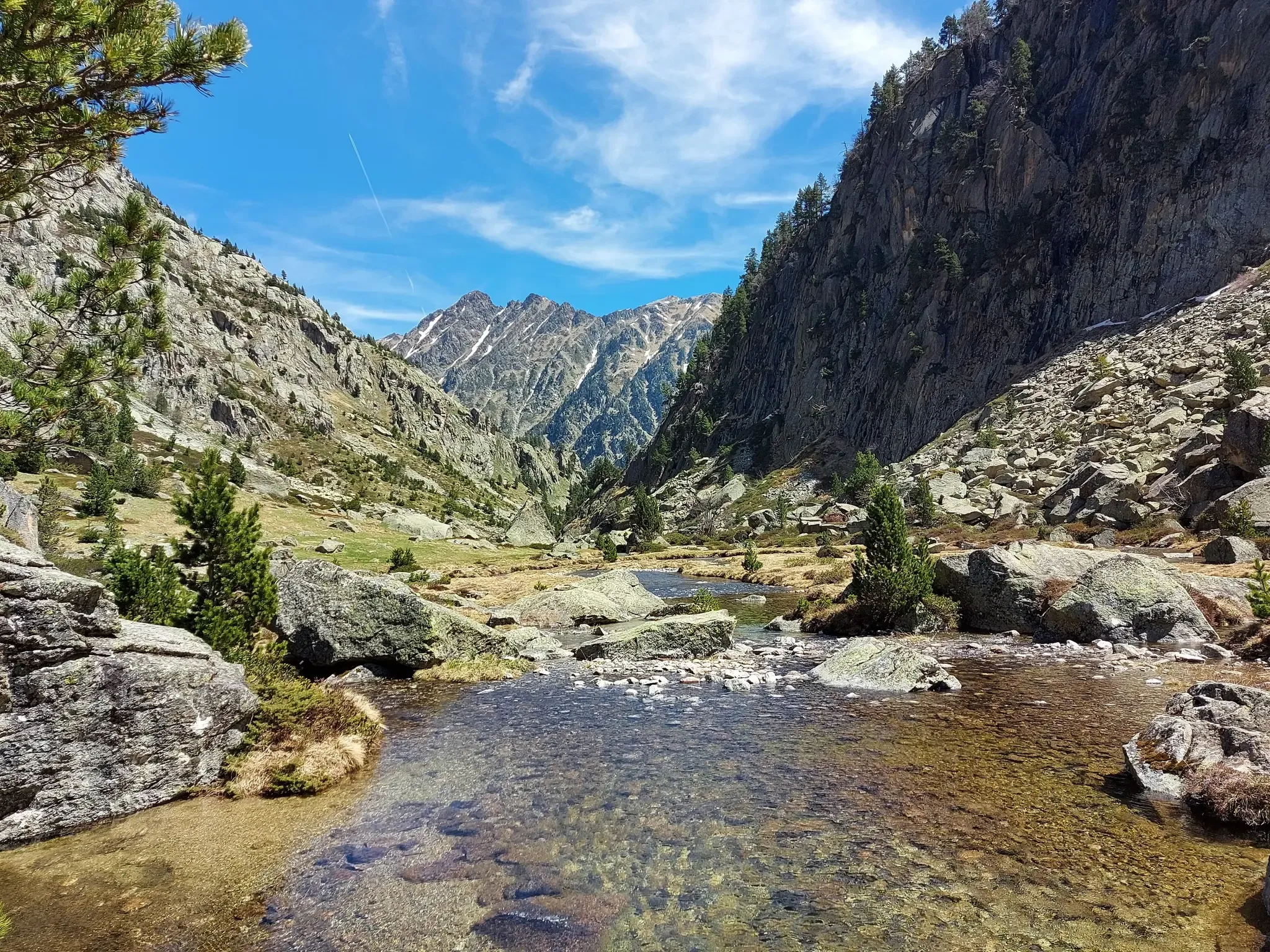
Hexatrek, the western and central Pyrenees – Between mountains and the ocean
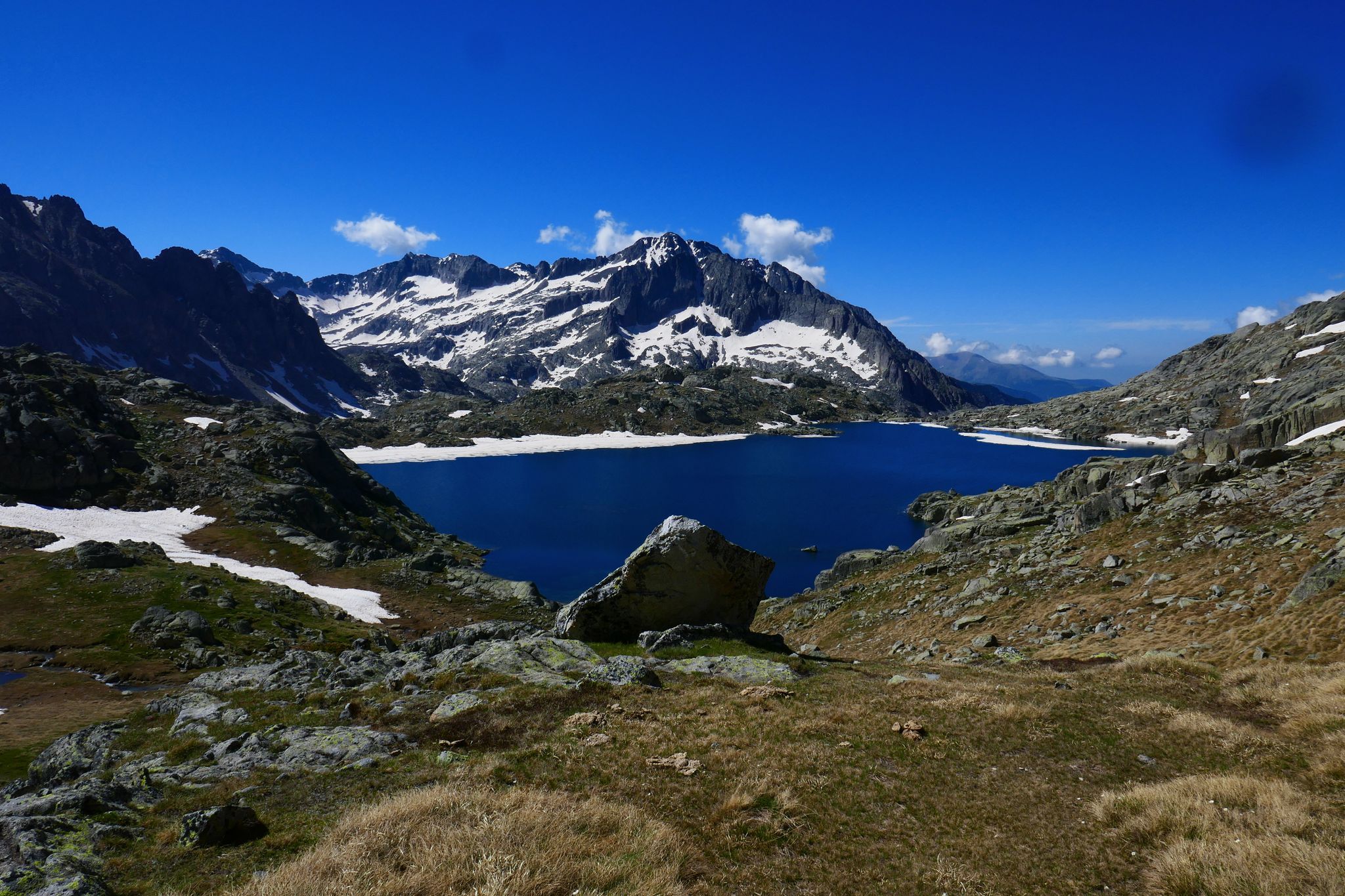
GR 10 – Central Pyrenees crossing the Pyrenees
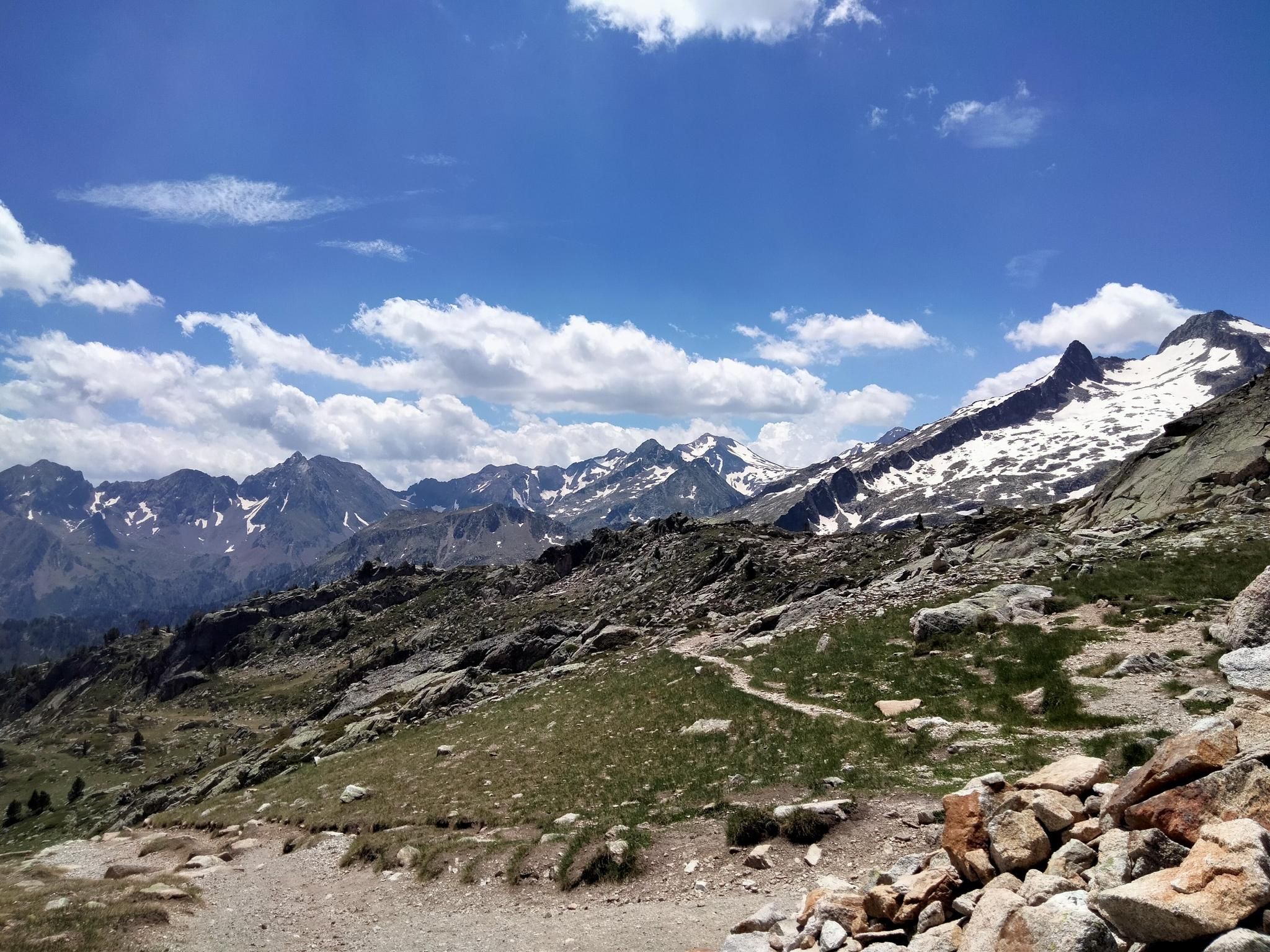
Tour of the Balaïtous – From passes to lakes
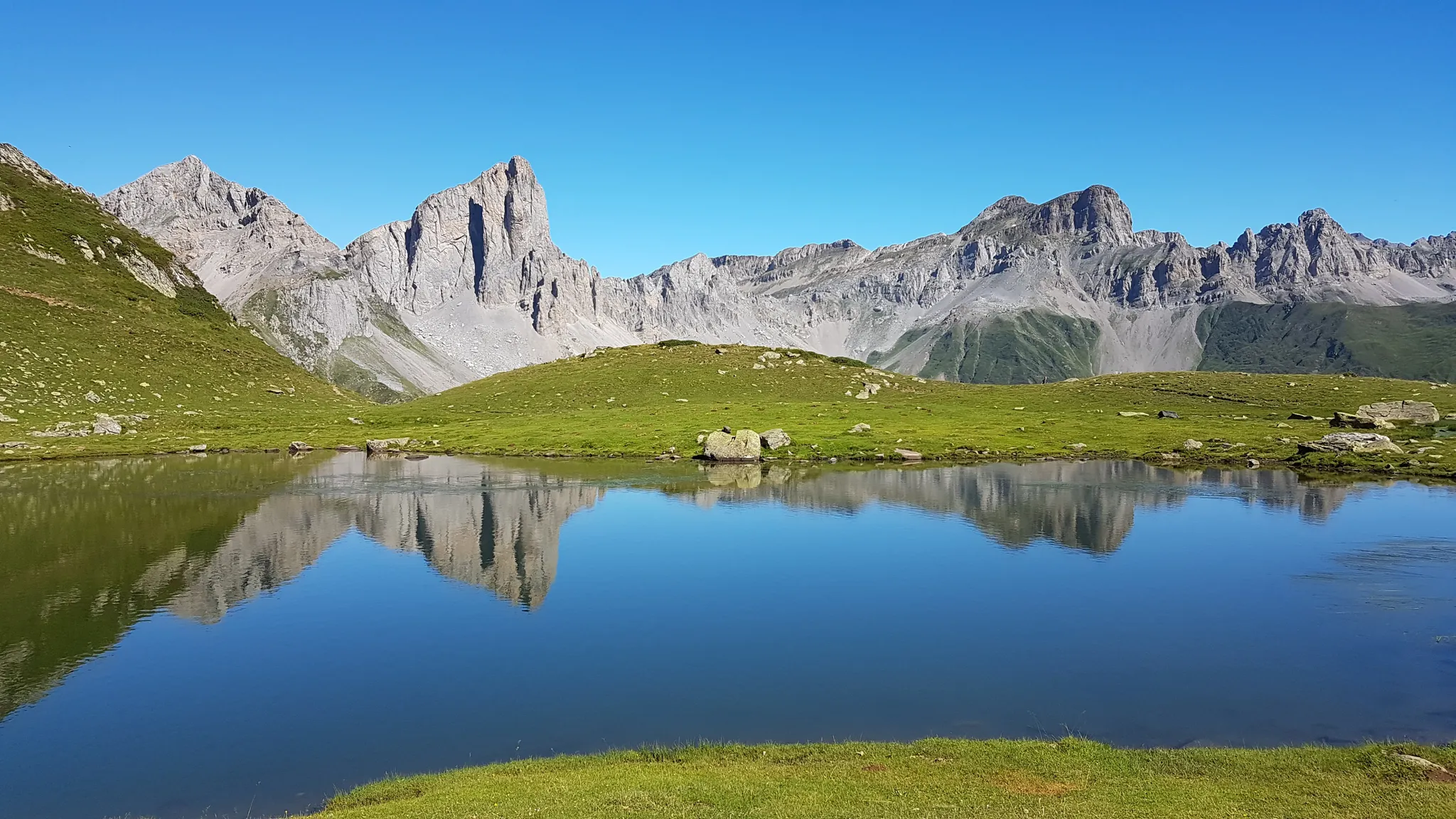
Hike the Aspe Valley – a jewel in the Pyrenees
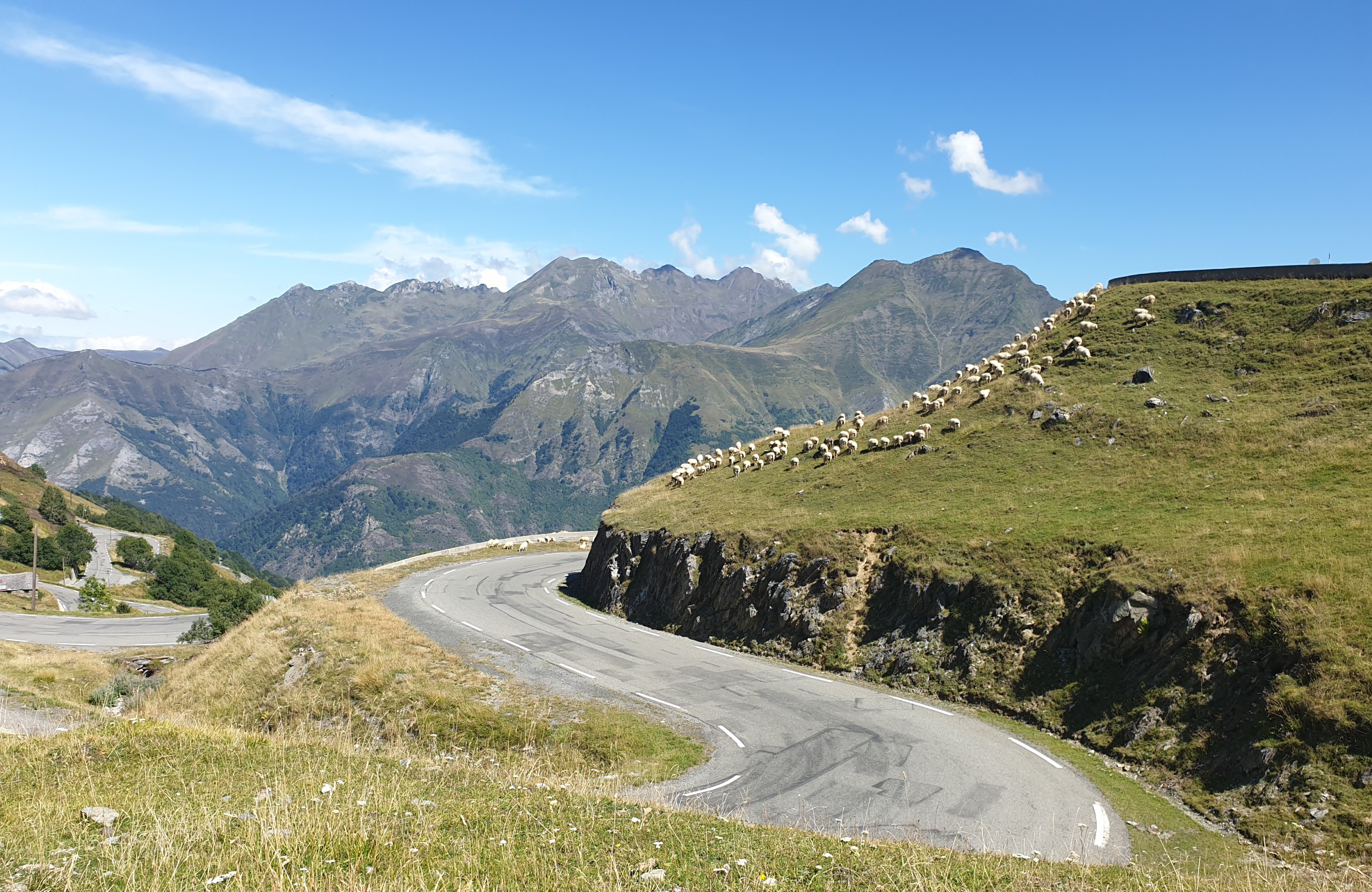
Between myths and legends – emblematic passes of the Pyrenees
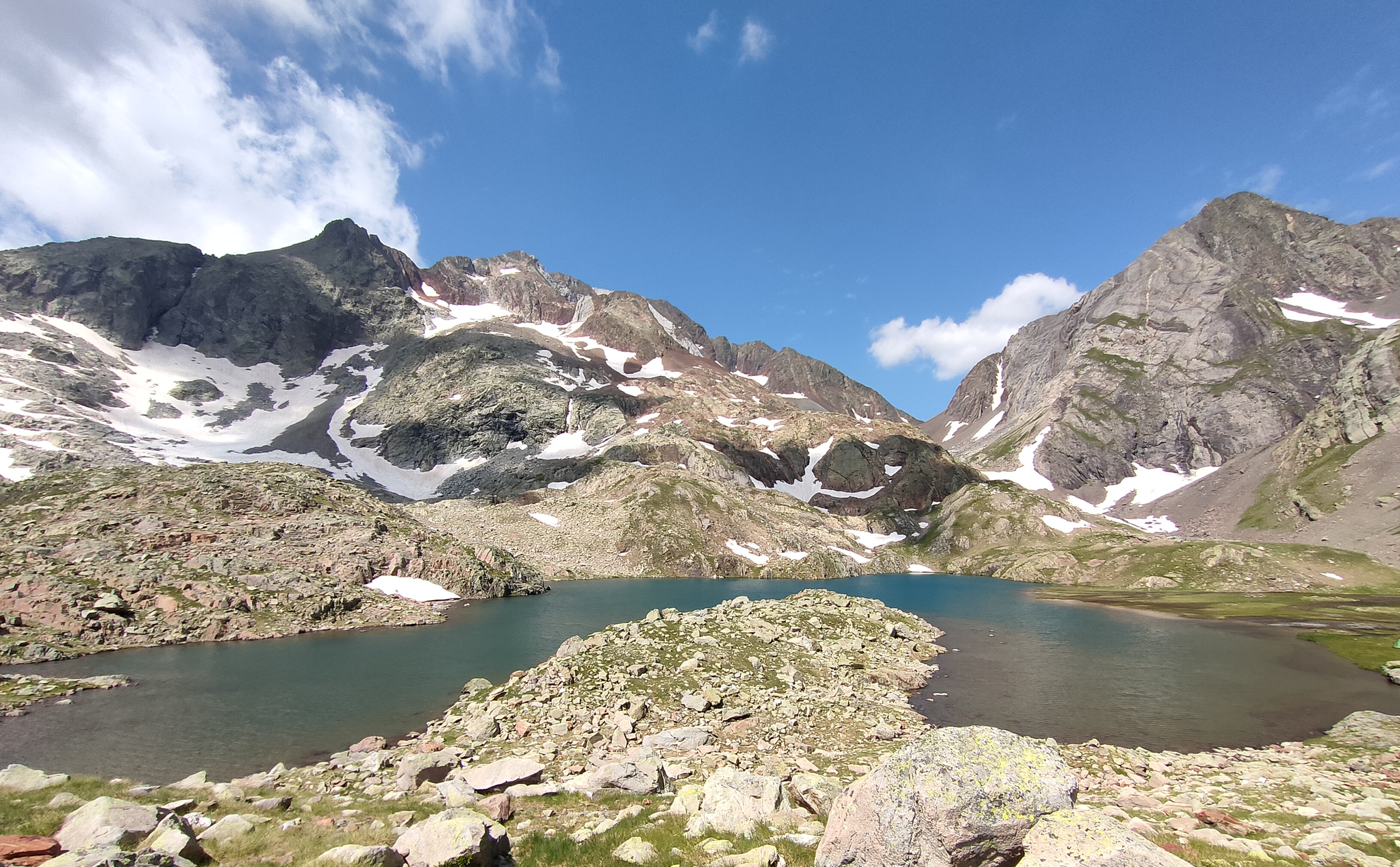
Panoramic Pyrenees – 15 hikers' peaks of over 3,000 metres
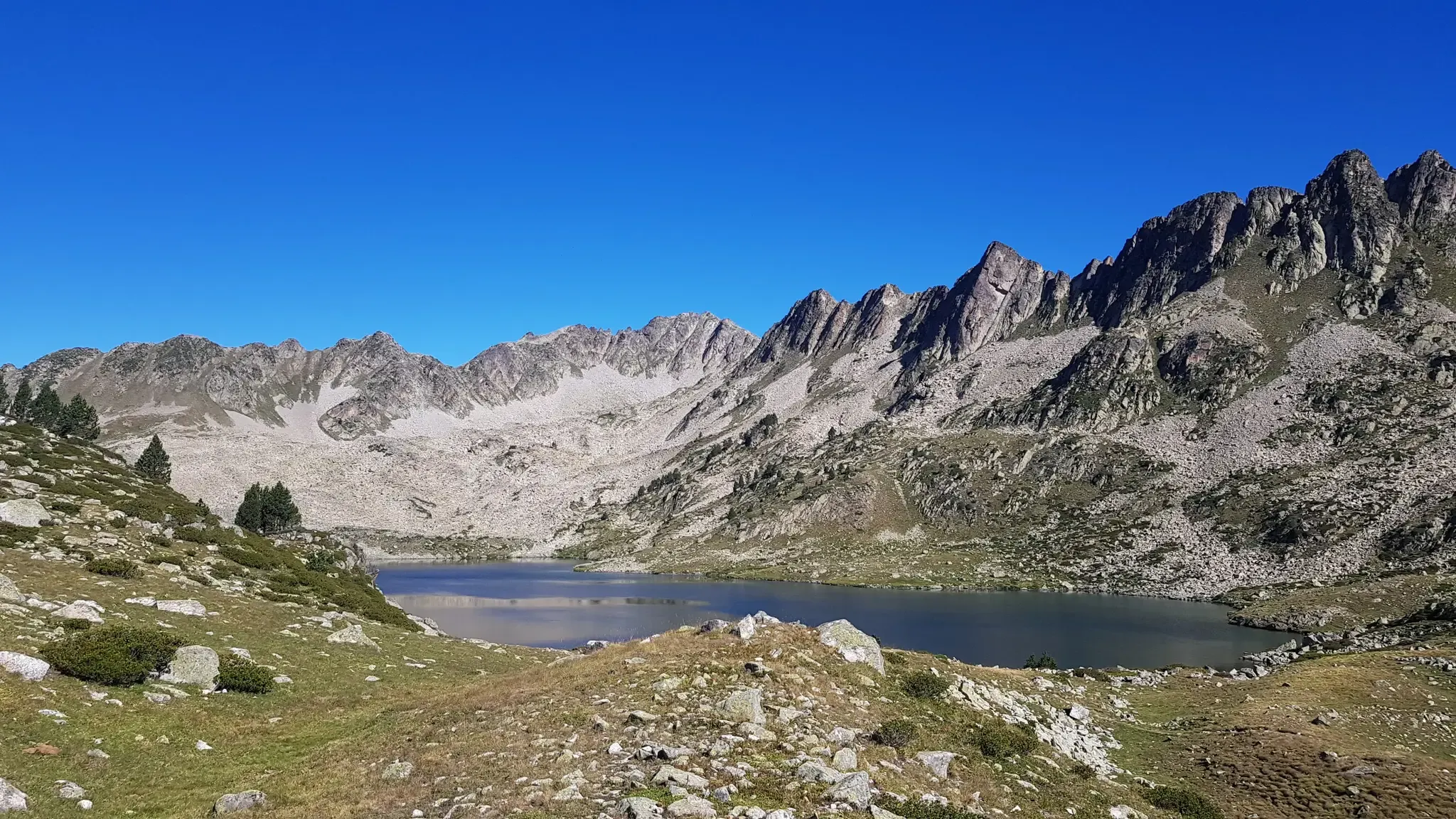
Grand Raid des Pyrénées – Ultra Tour Solo 2023 off
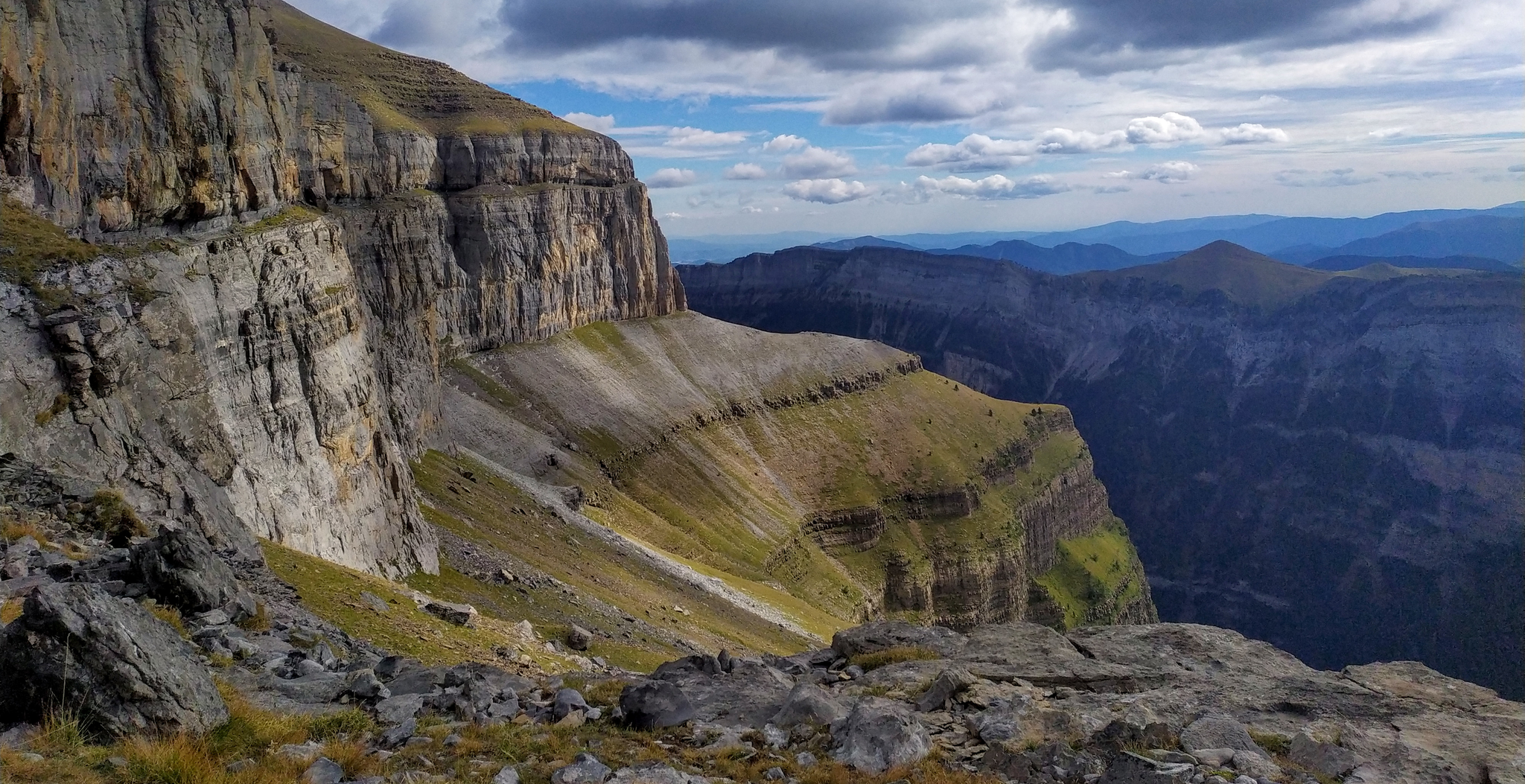
Hike from Gavarnie to Ordesa – A breathtaking loop in the cirques
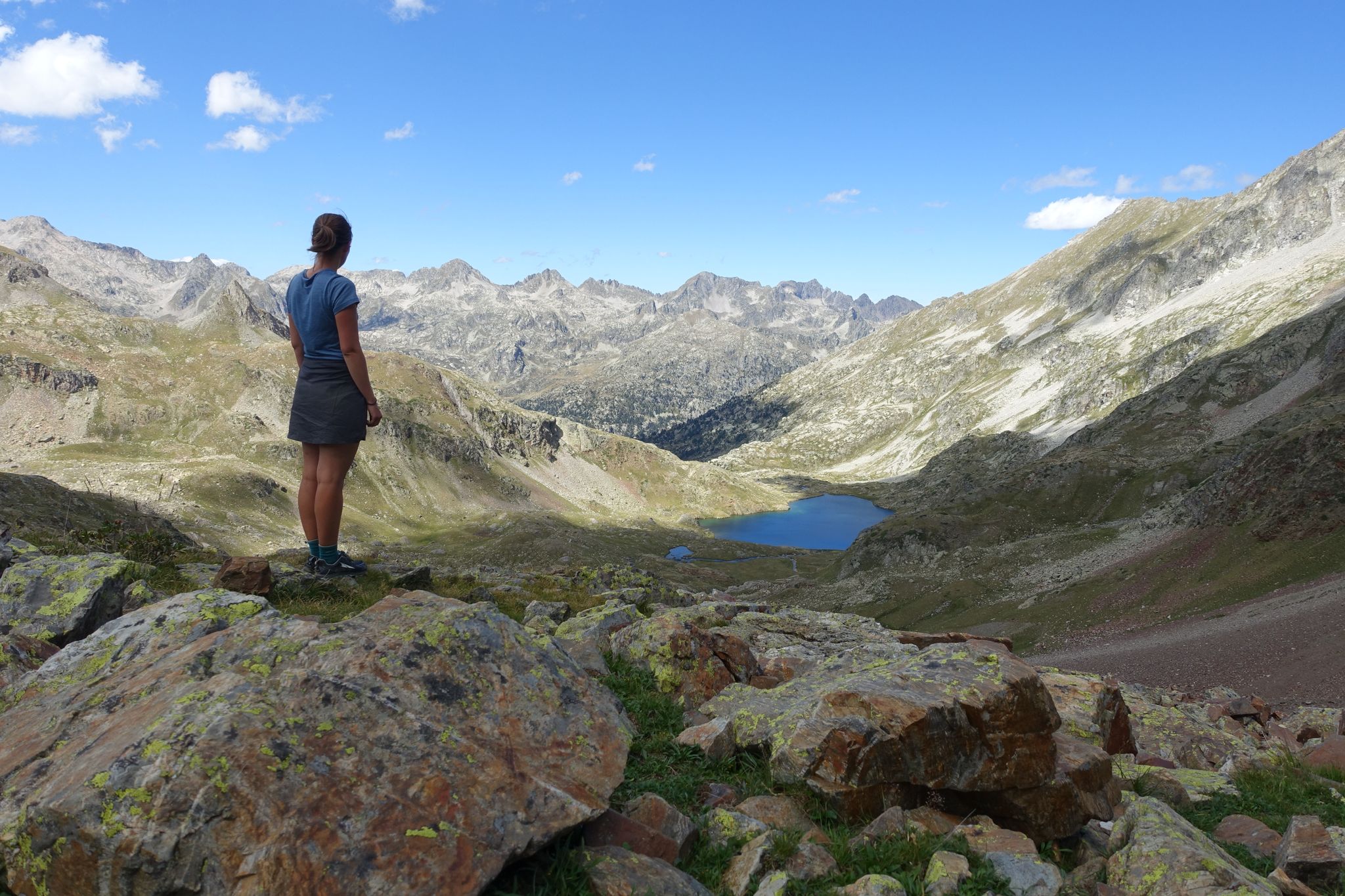
Haute Route Pyrénéenne – Pyrenees Crossing
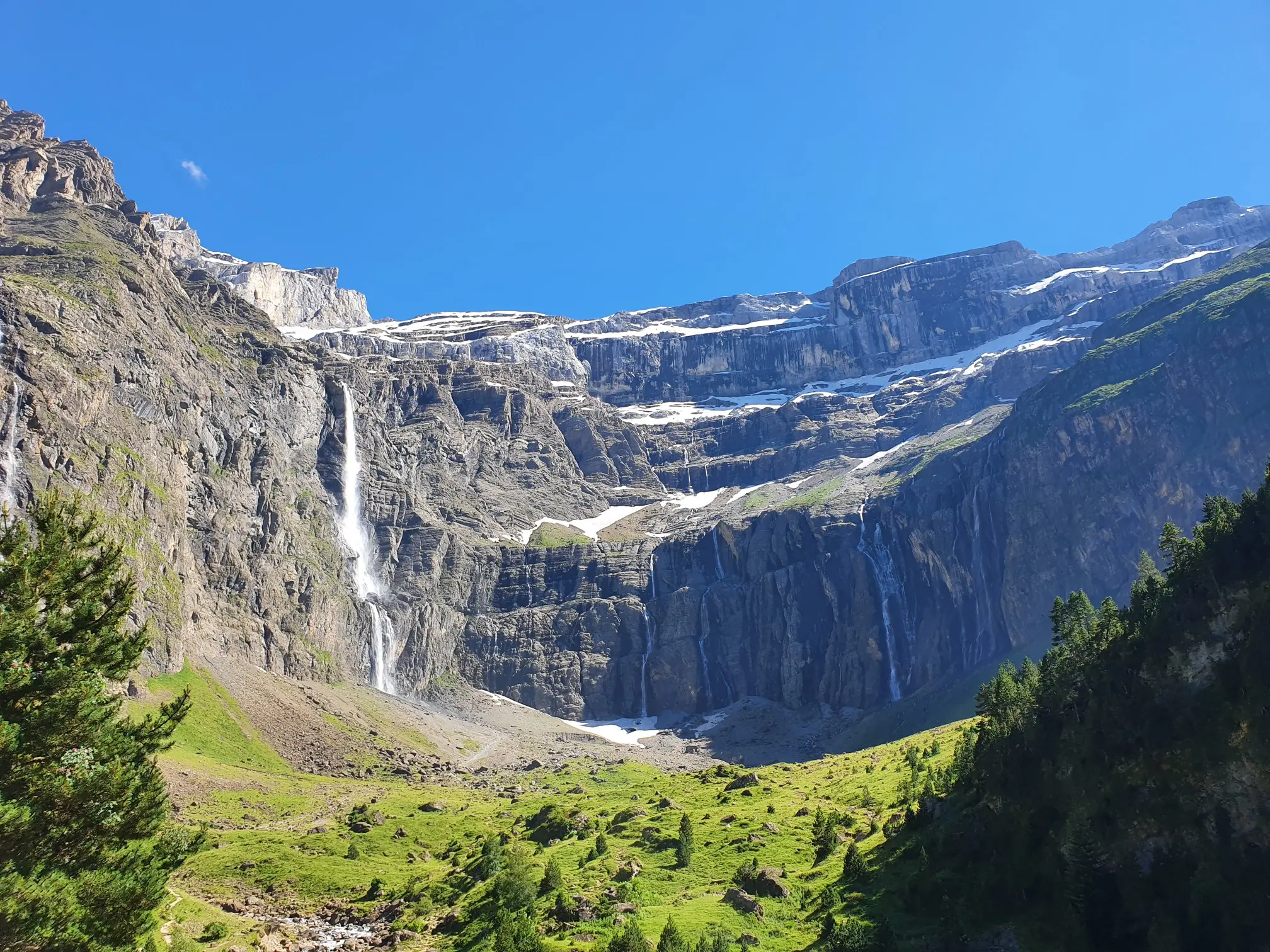
In the heart of the massif – the best hikes in the Central Pyrenees
Other adventures in Pyrénées


Tips from the Community

I ride this pass once a month by mountain bike since November 2025, this pass is closed to cars because of the snow but what a chance to see deer and does running in the snow. 😉
0
0

Pleasant and legendary climb used by the Tour de France
1
0


The Hourquette d'Ancizan is a classic pass of the Pyrenees and the Tour de France which culminates at 1,564 meters above sea level. Its ascent from the village of Ancizan is 10.3 kilometers long for an average of 7.83% average with passages at 11%. The climb from Campan is longer and includes an average of around 4%. It takes place in the heart of a beautiful forest and passes not far from Lake Payolle.
2
0
The Col de Marie-Blanque is an emblematic passage of the Tour de France which peaks at 1,035 meters above sea level. Its ascent from Louvie-Juzon is 15 kilometers long for an average of 4.1% with passages at 8.5%. Marie-Blanque marks the border between the beautiful valleys of Ossau and Aspe. In the middle of the climb, the pretty Bénou plateau offers a portion of respite in a remarkable setting.
1
0
The Marie-Blanque pass is an emblematic passage of the Tour de France which culminates at 1,035 meters above sea level. Its ascent from Louvie-Juzon is 15 kilometers long for an average of 4.1% with passages at 8.5%. Marie-Blanque marks the border between the beautiful valleys of Ossau and Aspe. In the middle of the climb, the pretty Bénou plateau offers a portion of respite in a remarkable setting.
0
0
The Col du Soulor is one of the emblematic passes of the Pyrenees and the Tour de France. This pass, which rises to an altitude of 1,474 meters, also owes its fame to its neighbor, the Col d'Aubisque. Located in the beautiful Ouzom valley, its ascent from the east offers beautiful mountain panoramas. The junction which leads to the Col d'Aubisque forms a wonderful viewpoint over the Litor cirque.
4
0
Luz-Ardiden is one of the most beautiful climbs in the Pyrenees. The Luz-Ardiden station is located on the heights of Luz-Saint-Sauveur from where the climb begins. In total, it's 14.7 kilometers at 6.87% average that lead to 1,720 meters above sea level. The last kilometers and its many switchbacks make it all its charm. Enjoy the view which becomes more and more vertiginous.
1
0
Frequently Asked Questions
What are some of the most popular mountain passes in the French Pyrénées?
The French Pyrénées boast several iconic passes. Col d'Aspin, culminating at 1,489 meters, is a classic of the Tour de France, offering splendid views. Another popular choice is Col du Soulor, an emblematic pass at 1,474 meters, known for its beautiful mountain panoramas and its connection to the Col d'Aubisque. Additionally, Hourquette d'Ancizan, reaching 1,564 meters, is appreciated as a quieter alternative to Col d'Aspin, winding through a beautiful forest.
Which mountain passes in the Pyrénées are famous for their cycling history?
Many passes in the Pyrénées are legendary in professional cycling. The Col du Tourmalet, first included in the Tour de France in 1910, is one of the most emblematic, known for its challenging ascent to 2,115 meters. The Col de Peyresourde has been climbed in 61 editions of the Tour de France, while the Col d'Aubisque is another iconic pass often linked with the Col du Soulor. The Col de Pailhères and Portillón have also featured prominently in the Tour de France and even the Vuelta a España.
What kind of views can I expect from the mountain passes in the Pyrénées?
The mountain passes in the Pyrénées offer diverse and breathtaking views. From the Col du Tourmalet, you can enjoy remarkable panoramas, sometimes extending to Pic d'Aneto. The Col du Soulor and the route from Soulor to Aubisque (Cirque du Litor) provide wonderful viewpoints over dramatic mountain cirques. Passes like Larrau offer scenic landscapes that transition from dense forests to rocky, bare slopes at higher altitudes.
Are there challenging climbs for experienced cyclists in the Pyrénées?
Absolutely. The Pyrénées are renowned for their challenging ascents. The Col du Tourmalet, with an average gradient of 7.3% over 17.2 kilometers, is a prime example. The Col de Pailhères features sections over 10%, and the Col de Portet has an average gradient of 8.3% over 16 kilometers. For an exceptionally tough challenge, the Coll de la Gallina in Andorra has sections with ramps up to 18%.
What outdoor activities can I do near the mountain passes in Pyrénées?
Beyond cycling, the Pyrénées offer a wide range of outdoor activities. You can find numerous running trails, including challenging routes like the 'Grand Raid des Pyrénées' stages or the 'Col de Bastanet and Pic de Bastan Trail'. For mountain biking, options like the 'Pic de Bazès Panoramic Loop' or the 'Tourmalet Pass – Oncet Lake loop' are popular. Explore more options on the Running Trails in Pyrénées, MTB Trails in Pyrénées, and Cycling in Pyrénées guide pages.
What should I know about the Route from Soulor to Aubisque (Cirque du Litor)?
The Route from Soulor to Aubisque (Cirque du Litor) is a particularly scenic section, featuring two tunnels directly dug into the rock that offer views of the Cirque du Litor. If you're cycling through the tunnels, it's advisable to carry a decent light as they can be very dark. Also, be mindful of animal droppings on the descent, as they can be hazardous.
Are there any mountain passes that cross the border between France and Spain?
Yes, several passes serve as natural borders. Portillón is situated directly on the border between France and Spain, and has been featured in both the Tour de France and Vuelta a España. The Larrau Pass, often referred to as a 'Pyrenean giant,' also lies on the French border, offering challenging climbs through diverse landscapes.
What makes the Col d'Aspin a classic Tour de France climb?
The Col d'Aspin is a classic due to its consistent presence in the Tour de France and its scenic beauty. It culminates at 1,489 meters and offers two main ascents: one from Arreau, which is 12 kilometers long with an average 6.5% gradient, and another from Sainte-Marie-de-Campan, which is 12.5 kilometers long with an average 5.1% gradient. Both routes provide magnificent views and are considered very rewarding.
What is the difficulty level of mountain passes in the Pyrénées?
The difficulty level varies significantly. Many passes, especially those featured in professional cycling events like the Tour de France, are considered challenging with steep gradients and long ascents. Examples include the Col du Tourmalet, Col de Pailhères, and Coll de la Gallina. However, there are also intermediate sections and routes with more progressive climbs, such as the ascent of Col d'Aspin from Sainte-Marie-de-Campan, making the region accessible to a range of abilities.
What do visitors appreciate most about the mountain passes in the Pyrénées?
Visitors frequently highlight the breathtaking views and the sense of accomplishment from conquering challenging climbs. The historical significance, particularly for cycling enthusiasts, is also a major draw. Many appreciate the diverse landscapes, from dense forests to high-altitude rocky areas, and the opportunity to explore iconic routes like the Col du Soulor and Hourquette d'Ancizan.
Are there any less-known but equally rewarding mountain passes in the Pyrénées?
While many passes are famous, the Pyrénées also offer hidden gems. The Coll de la Gallina in Andorra, though less known than some major passes, provides a very tough challenge for cyclists and motorbike enthusiasts, winding through the valley of the Os de Civís river with breathtaking views. The Hourquette d'Ancizan is also considered a 'real gem' by the komoot community, offering a beautiful and quieter alternative to more frequented routes.
What is the Col de Marie-Blanque known for?
The Col de Marie-Blanque is an emblematic passage of the Tour de France, peaking at 1,035 meters. It marks the border between the beautiful valleys of Ossau and Aspe. Its ascent from Louvie-Juzon is 15 kilometers long with an average gradient of 4.1%, including sections up to 8.5%. A notable feature is the pretty Bénou plateau midway through the climb, offering a moment of respite in a remarkable setting.
Most popular routes in Pyrénées
Most popular attractions in Pyrénées

Get inspired with the komoot mobile app


