Attractions and Places To See around Palagianello - Top 16
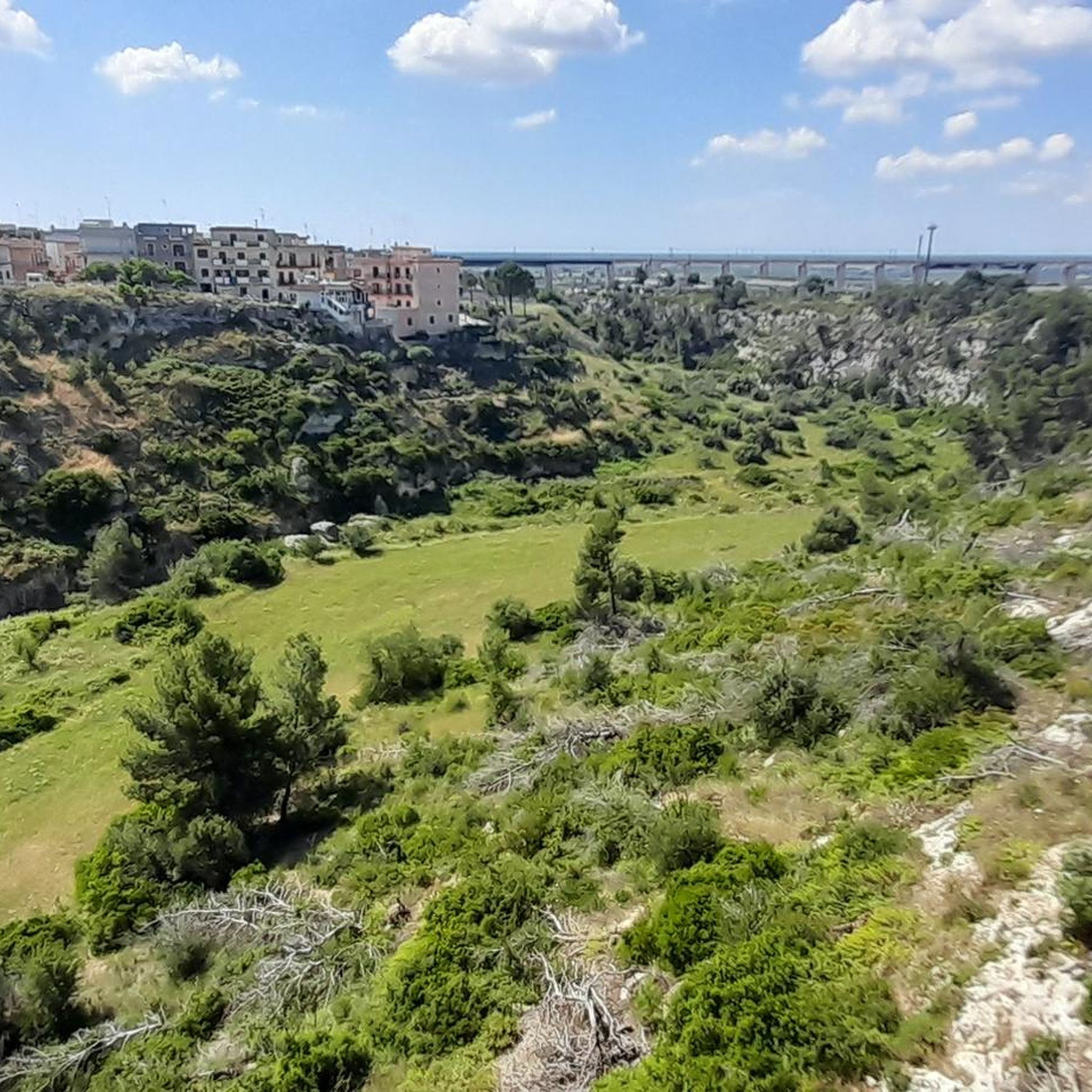
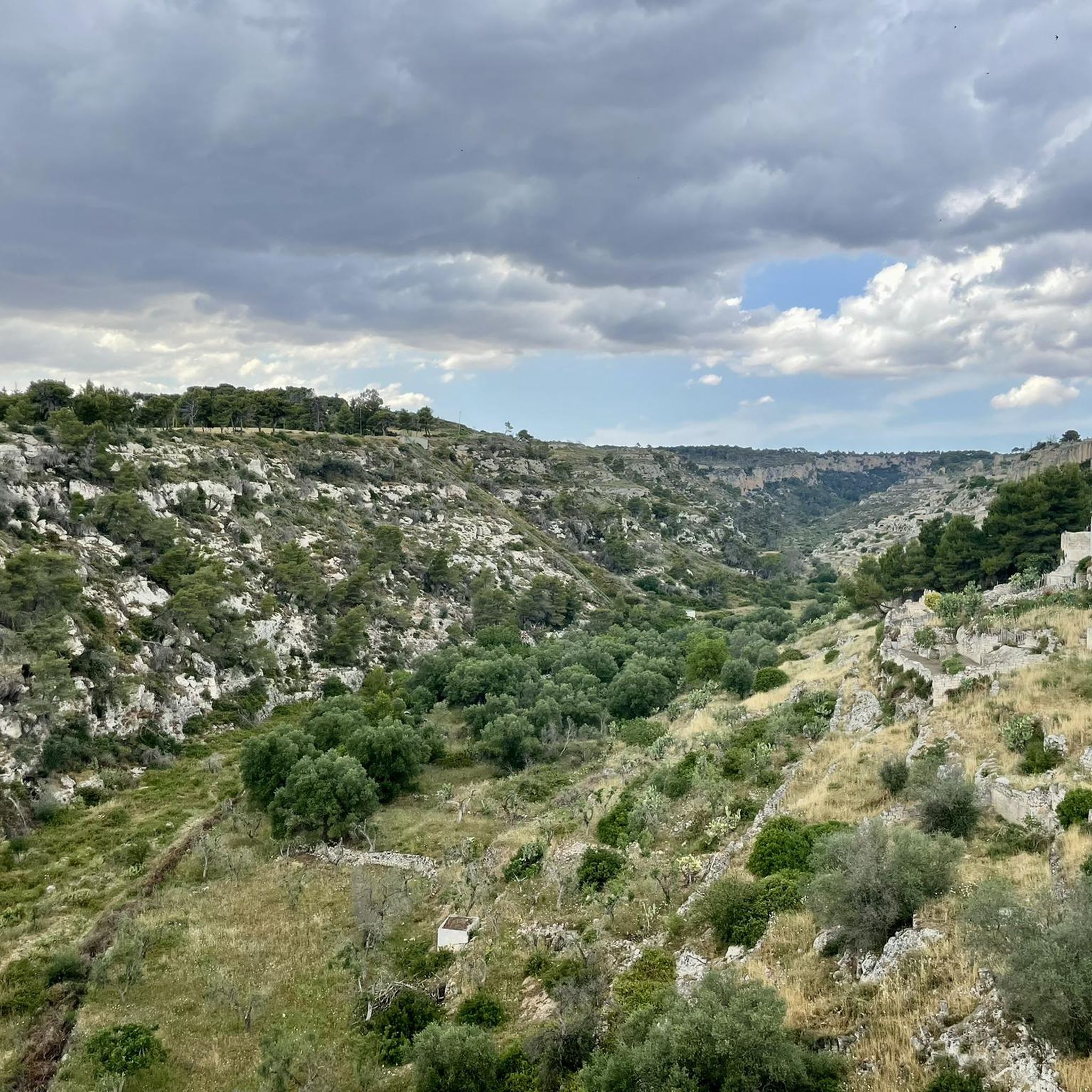
Best attractions and places to see around Palagianello include a blend of historical landmarks, natural features, and cultural sites. The town, situated within the Murgia Tarantina, is defined by its dramatic "gravine" or canyons, which have shaped its landscape and history. These gravine host ancient rupestrian villages and rock churches, offering insights into the region's past. Palagianello provides diverse opportunities for exploring both its natural environment and its rich heritage.
Best attractions and places to see around Palagianello
- The most…
Last updated: October 10, 2026
Massafra Castle
Highlight • Castle
Discover Puglia by bike on viaggiatorelento.com
Translated by Google •
Tip by

Rock Church of San Nicola
Highlight • Religious Site
Translated by Google •
Tip by

Sign up now to discover places like this
Get recommendations on the best single tracks, peaks, & plenty of other exciting outdoor places.
Mouth of the Lato River
Highlight • River
Translated by Google •
Tip by

Sanctuary of Our Lady of Mount Carmel
Highlight • Religious Site
Translated by Google •
Tip by

FS 851.113 locomotive
Highlight • Monument
Translated by Google •
Tip by

Sign up for free to discover even more attractions around Palagianello.
Already have an account?
Start today with a free account
Your next adventure awaits.

Other adventures around Palagianello

Tips from the Community

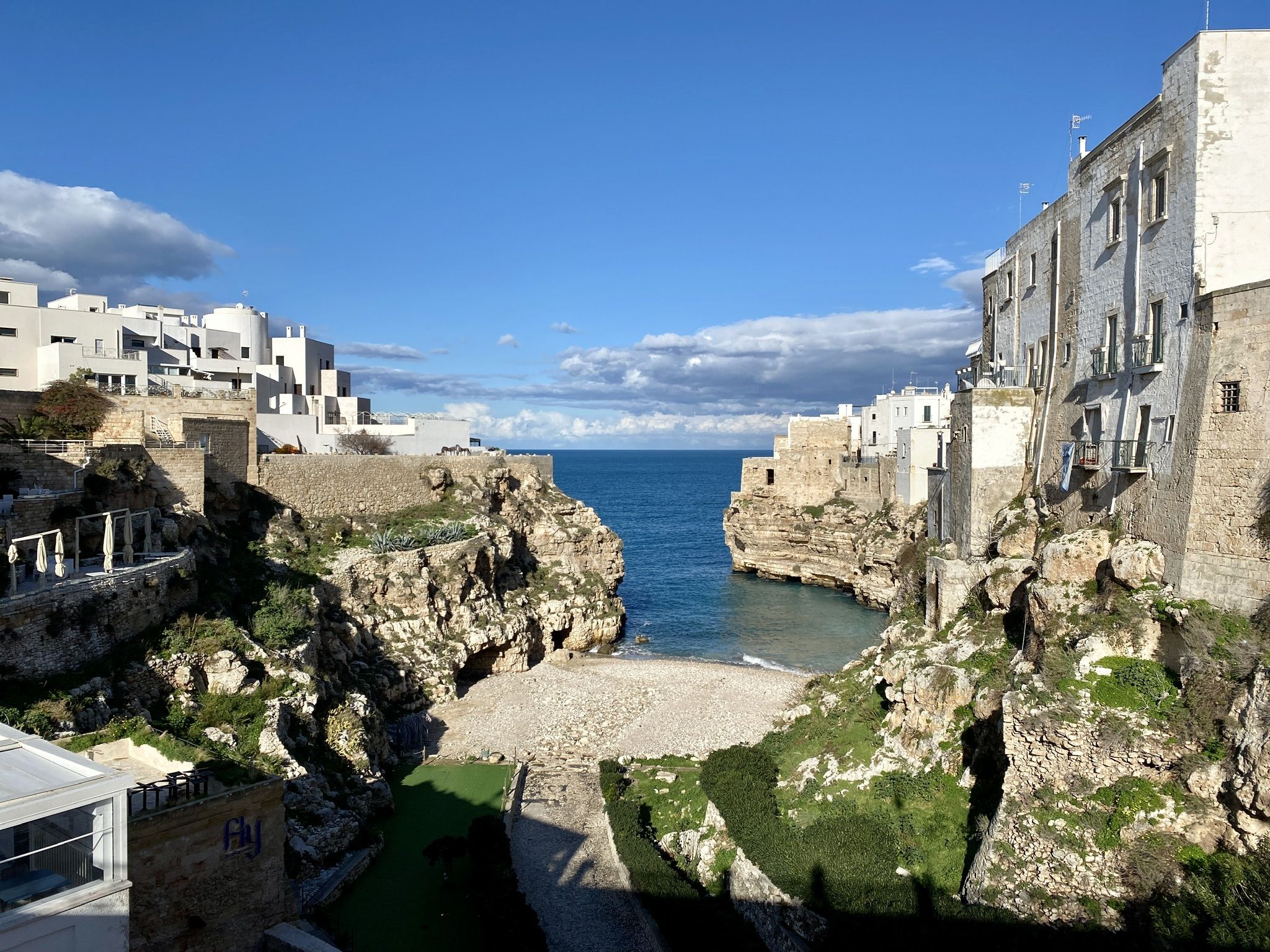
The Castle of Massafra, located in the historic center of Massafra, is a medieval castle overlooking the Pizzo Ravine and San Marco. Its structure and architectural motifs are similar to other castles in Apulia, with four towers arranged in a wishbone and pattern and linked by boundary walls. The oldest towers are circular, while the keep is octagonal in the southeast. The first definite record of the castle dates back to the year 970. With the domination of the Angevins, the castle took on the appearance of a fortress, with crenellated ramparts and towers. It underwent further transformations under the Aragonese, and in the 18th century the Imperial family rebuilt the octagonal tower and the front facing towards the ravine, designed by the architect Mauro Manieri Lecce. The castle was in the possession of many owners before eventually being purchased by the city.
0
0
South-east of Mottola, in the Gorgone area near the Lamaderchia farm, along the ancient Via Consolare which represents a medieval branch of the Via Appia, stands the jewel in the crown of the Mirabili Grotte di Dio Mottolesi, the rock church of San Nicola, so named by Charles Diehl who was the first to describe it in 1894, an object of devotion for centuries of the local inhabitants, as well as of the Crusaders and pilgrims who travelled to Taranto and Brindisi from the inland regions to embark for the Holy Land. The beauty of its frescoes, cleaned for the first time in 1972 and restored in August 1989, after the vandalism of some heads of the wall icons, have led to it being defined as the Sistine Chapel of the rock civilization in Southern Italy. In truth, in this rock church we find ourselves in front of the most complete and astonishing art gallery of the popular sacred art of Puglia, which manages to fully highlight the testimonies of the various theological and artistic influences of oriental and Latin origin, spanning almost four centuries of the Middle Ages. The church is located on the edge of the ravine and can be accessed via stairs carved into the rock and adapted from the recent iron structure prepared by the Superintendency. A double-ringed lunette surmounts the door to the crypt and on it are visible traces of painted decoration of a half-length haloed figure.
0
0

The first certain records of a castle date back to 970. Today the fortress of Massafra is managed by the municipality, which often uses it for events. The municipal library has been set up in some of the rooms inside.
0
0


the castle of Massafra with its imposing walls built overlooking the ravine of San Marco. Discover Puglia by bike on www.viaggiatorelento.com
0
0

Centennial steam locomotive of the State Railways located near the old railway station of Palagianello, on the Bari-Taranto line.
1
0

The rock sanctuary stands in the center of a natural oasis of peace and beauty. the church is dedicated to the Madonna del Carmine
3
0

inside the church there are several frescoes, including the depiction of St. Nicholas who is illuminated at the heart by a ray of light that passes through a hole in the wall, on the day of the equinox
0
0
Frequently Asked Questions
What are some of the most visited attractions around Palagianello?
Visitors frequently enjoy the FS 851.113 locomotive, a centennial steam locomotive near the old railway station, which is a reminder of the area's railway history. Other popular spots include Massafra Castle, an imposing medieval fortress overlooking the San Marco ravine, and the Sanctuary of Our Lady of Mount Carmel, a rock sanctuary nestled in a natural oasis between Mottola and Palagiano.
What historical and cultural sites can I explore in Palagianello?
Palagianello is rich in history. You can visit the imposing 16th-17th century Castello Stella-Caracciolo in the town center, or explore the ancient rupestrian village within the Gravina di Palagianello, which features numerous caves and rock churches. Notable rock churches include San Girolamo with its 14th-century frescoes, Sant'Andrea with frescoes from the 12th to 16th centuries, and the Rock Church of San Nicola, known for its extensive frescoes.
What natural features define the landscape around Palagianello?
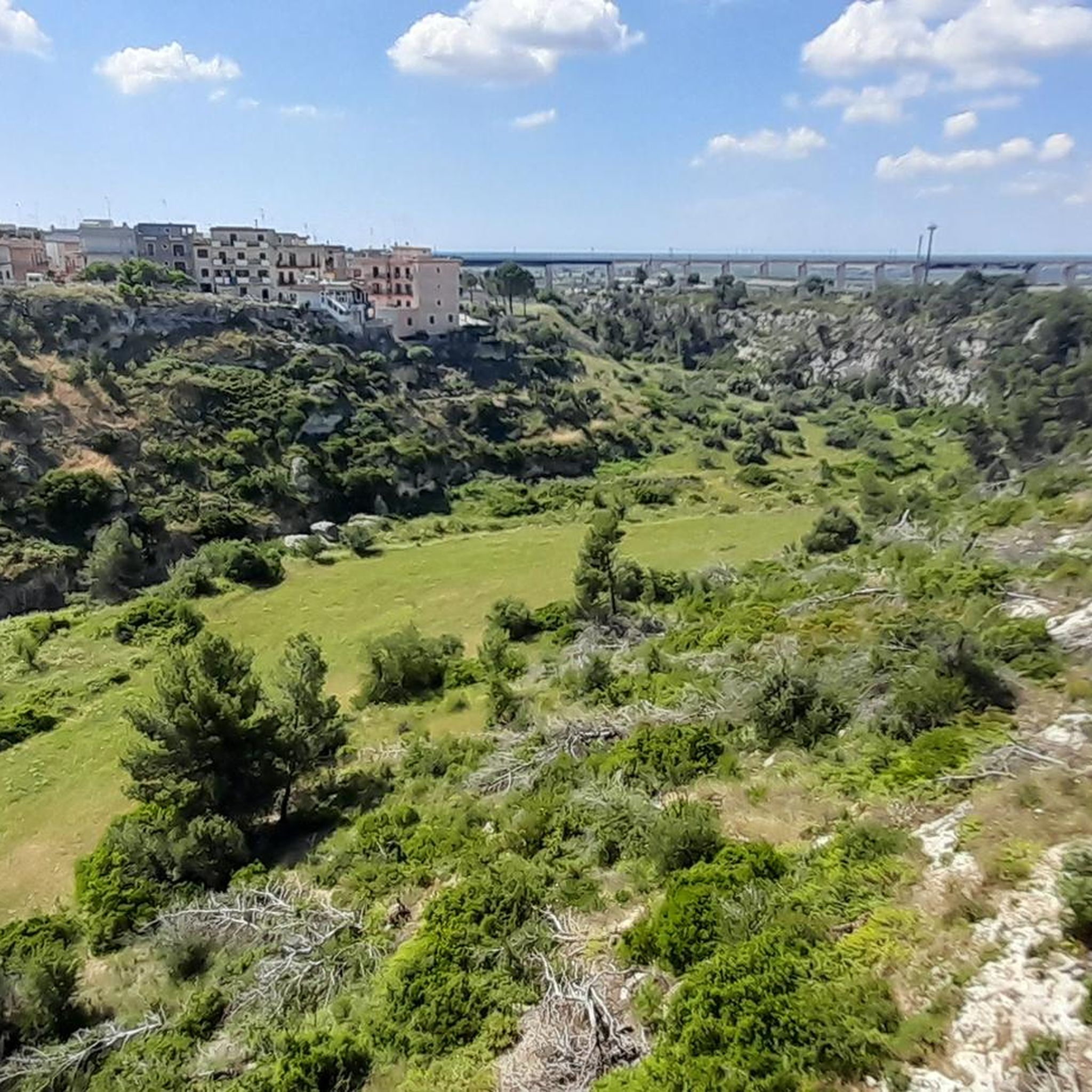
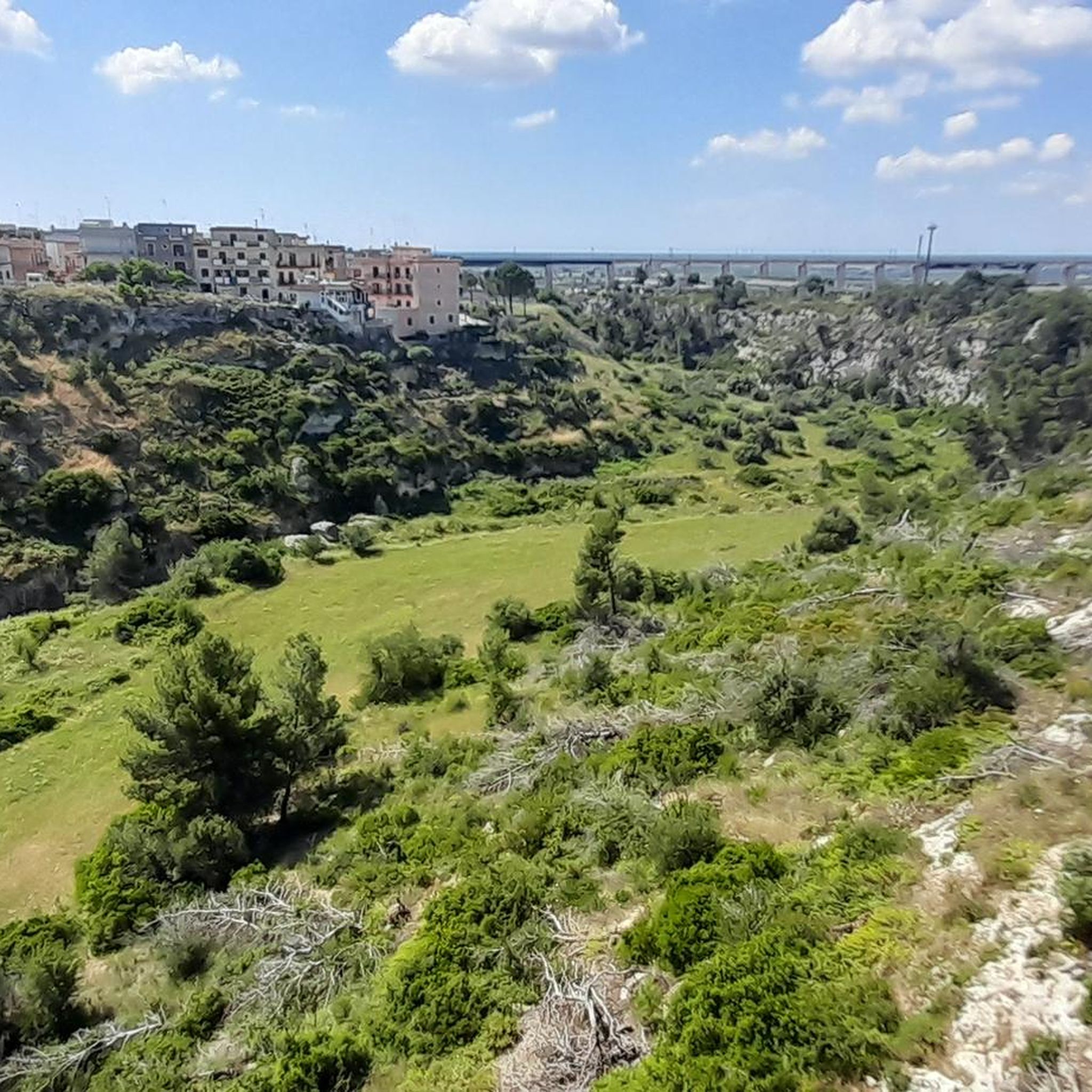
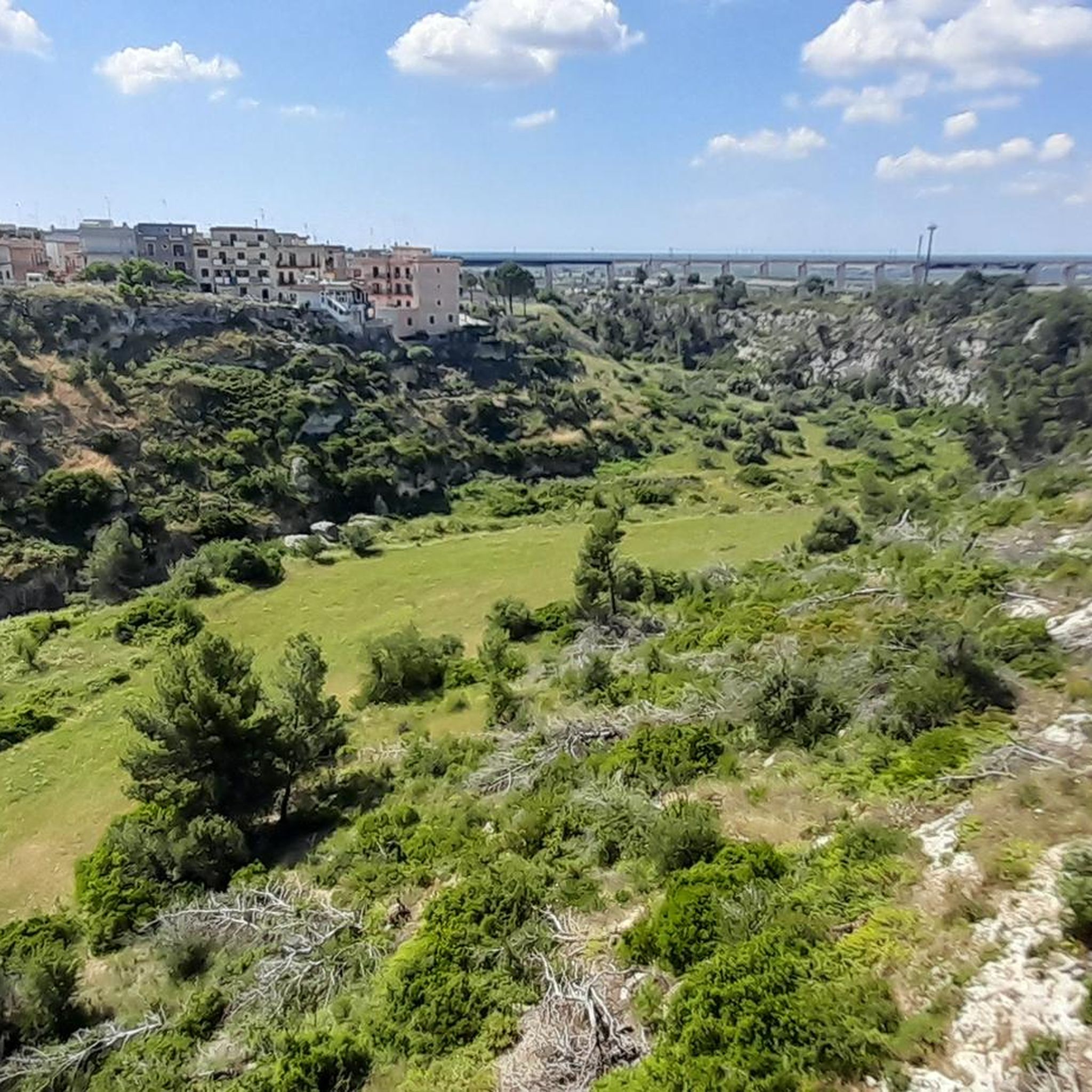
The most defining natural feature is the dramatic Gravina di Palagianello, a tufaceous canyon formed by water erosion over millennia. This unique environment supports wild Mediterranean scrub and hosts ancient rupestrian settlements. Additionally, the Mouth of the Lato River, the most important river in the province of Taranto, offers a good spot for birdwatching, especially in its final stretch as it flows into the Gulf of Taranto.
Are there hiking opportunities near Palagianello's attractions?
Yes, the Gravina di Palagianello and surrounding areas offer excellent hiking opportunities. You can find various trails, including moderate routes like the "View of Palagianello – FS 851.113 locomotive loop from Castellaneta" or easier options such as the "Hiking loop from Mottola." For more details and route options, explore the Hiking around Palagianello guide.
Can I go cycling or gravel biking in the Palagianello area?
Absolutely. The region around Palagianello is suitable for both cycling and gravel biking. Routes like the "FS 851.113 locomotive – Gravina di Castellaneta loop from Palagianello" offer challenging gravel biking experiences, while the "Fragments of memory along ancient railway tracks" is a moderate cycling route. Discover more routes in the Gravel biking around Palagianello and Cycling around Palagianello guides.
What is the best time to visit Palagianello for outdoor activities?
The best time to visit Palagianello for outdoor activities is generally during the spring (April-May) and autumn (September-October) months. During these periods, the weather is typically mild and pleasant, ideal for exploring the gravine, hiking, and cycling, avoiding the intense heat of summer.
Are there any family-friendly attractions in Palagianello?
Yes, several attractions are suitable for families. The FS 851.113 locomotive is an interesting man-made monument that children might enjoy. Exploring the historic center with its narrow streets and modern crochet decorations can also be a pleasant family activity. The Mouth of the Lato River is also considered family-friendly, offering opportunities for birdwatching.
What is the significance of the 'gravine' in Palagianello?
The 'gravine' are deep, tufaceous canyons that are a defining geological feature of the Murgia Tarantina, including Palagianello. They were formed by water erosion and have played a crucial role in the region's history, providing natural shelters for ancient rupestrian villages and rock churches. They also create unique biodiverse environments, making them significant for both natural and historical exploration.
Where can I see ancient frescoes in Palagianello?
Ancient frescoes can be found in several rock churches within the rupestrian village of the Gravina di Palagianello. The Rock Church of San Girolamo boasts 14th-century frescoes, while Sant'Andrea features frescoes dating from the 12th to 16th centuries. The Rock Church of San Nicola is particularly renowned for its well-preserved and extensive collection of medieval frescoes, often referred to as the 'Sistine Chapel of the rock civilization in Southern Italy'.
Is there a historic bridge worth visiting in Palagianello?
Yes, the Ponte di Santo Stefano is an impressive masonry bridge built in 1930. It replaced an older railway bridge and was vital for connecting Bari and Taranto. Today, it serves as a pedestrian and cycle path, offering scenic views of the surrounding landscape.
What is the 'Porta dell'Orologio'?
The Porta dell'Orologio, or Clock Gate, is a significant entrance to Palagianello's historic center. It leads into Piazza De Gasperi and serves as a charming gateway to the town's older, picturesque streets and buildings.
Are there any ancient sanctuaries in nature near Palagianello?
Yes, the Antico Santuario Madonna delle Grazie is an ancient sanctuary located in a natural setting. It contains traces of an ancient crypt carved into the rock, offering a serene and historically rich site for contemplation.
What do visitors enjoy most about the attractions around Palagianello?
Visitors particularly appreciate the blend of historical depth and natural beauty. The unique gravine with their ancient rock churches and rupestrian villages offer a fascinating glimpse into the past, while the scenic landscapes provide opportunities for outdoor activities. The historical landmarks like castles and old locomotives also add to the rich cultural experience.
Most popular routes around Palagianello

Get inspired with the komoot mobile app


Explore more
Still not found the Highlight you’re looking for? See guides of the top attractions in other regions:
