The best running trails around San Vito Romano
4.2
(6)
158
runners
21
runs
Jogging around San Vito Romano offers a variety of routes through the hilly landscape of the Lazio region. The area is characterized by undulating terrain, with routes often connecting historic towns and offering views of the surrounding countryside. Many running routes in San Vito Romano feature elevation changes, providing a good workout for runners. The region's natural setting provides a backdrop for both short, easy jogging routes and more challenging long-distance running trails.
Best jogging routes around San Vito Romano
…Last updated: May 11, 2026
1
runners
12.4km
01:48
410m
410m
Hard run. Very good fitness required. Sure-footedness, sturdy shoes and alpine experience required.
3.0
(1)
15
runners
13.9km
02:03
640m
640m
Hard run. Very good fitness required. Mostly paved surfaces. Suitable for all skill levels.

Sign up for free
17
runners
9.95km
01:07
260m
260m
Moderate run. Good fitness required. Mostly paved surfaces. Suitable for all skill levels.
4.0
(1)
11
runners
7.79km
00:49
100m
100m
Moderate run. Good fitness required. Mostly paved surfaces. Suitable for all skill levels.
10
runners
9.65km
01:13
190m
190m
Hard run. Good fitness required. Sure-footedness, sturdy shoes and alpine experience required.
Get access to more routes and recommendations from other explorers.
Sign up for free
Already have an account?
Our route recommendations are based on thousands of hikes, rides, and runs completed by other people on komoot.
Start today with a free account
Your next adventure awaits.
Login or Signup

Tips from the Community

Genazzano is an Italian town in the province of Rome. This picturesque place offers a mix of medieval history, contemporary art and natural beauty.
1
0

Genazzano is a jewel of the Prenestini mountains. In addition to its architectural beauties from the Colonna era (the castle and Bramante's nymphaeum), it is worth visiting on the first Sunday of July for the Infiorata. On this day the streets of the town are covered with artistic carpets. Just in 2012 Genazzano won the Guinness record for the largest carpet of flower petals in the world!
3
0
Splendid village perched in the Prenestini mountains. The name already suggests a thousand-year history: from the ancient Praeneste of the Latins to the domination of Roman noble families such as the Capranica. Far from the chaos of the city, here you can enjoy an atmosphere of peace and relaxation. The white pizza in the pizzeria in the main square is unmissable.
0
0

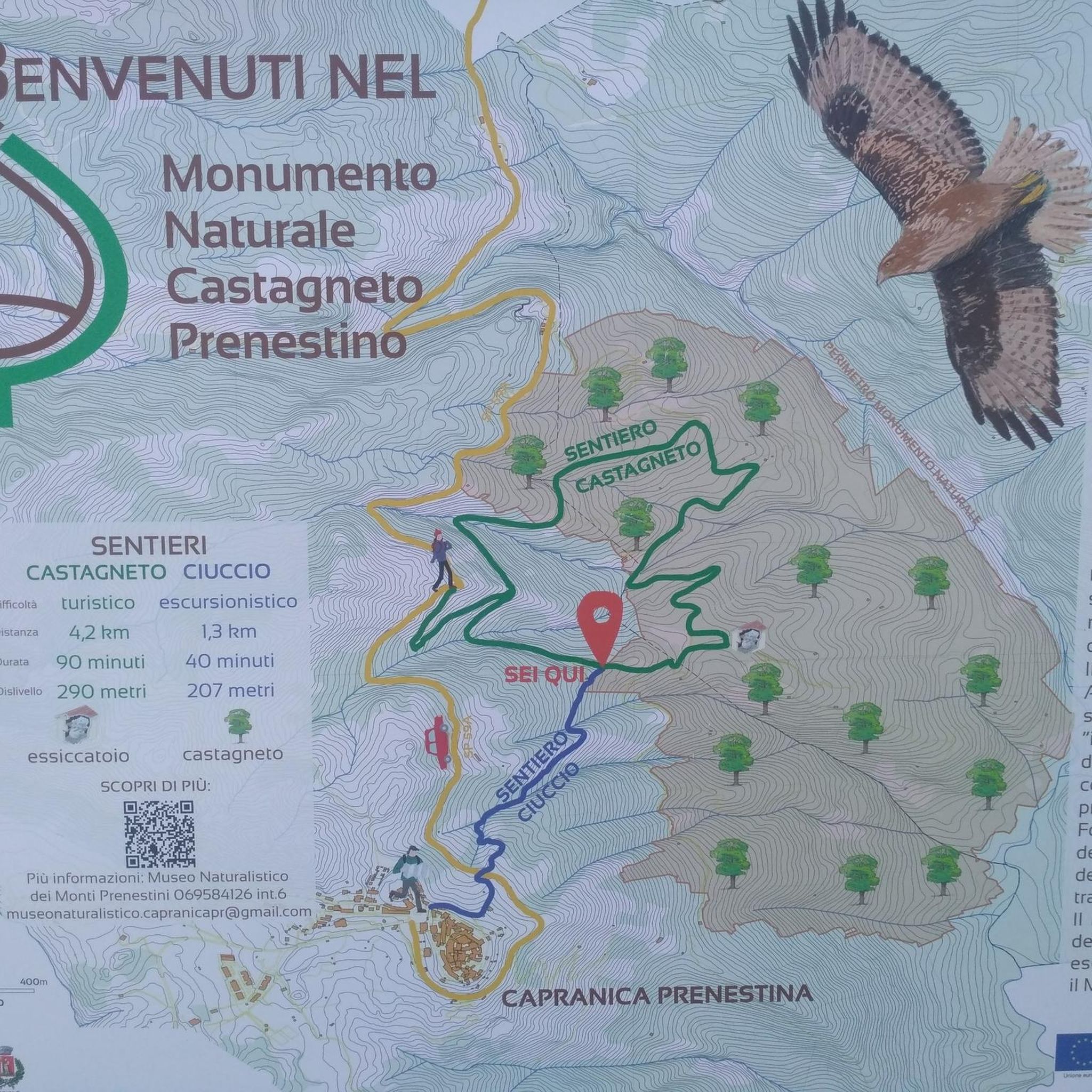
Wood made up of maples, turkey oaks and hornbeams.
1
0
Small medieval village with interesting structures such as the Church of the Maddalena and the Palazzo Capranica.
1
0

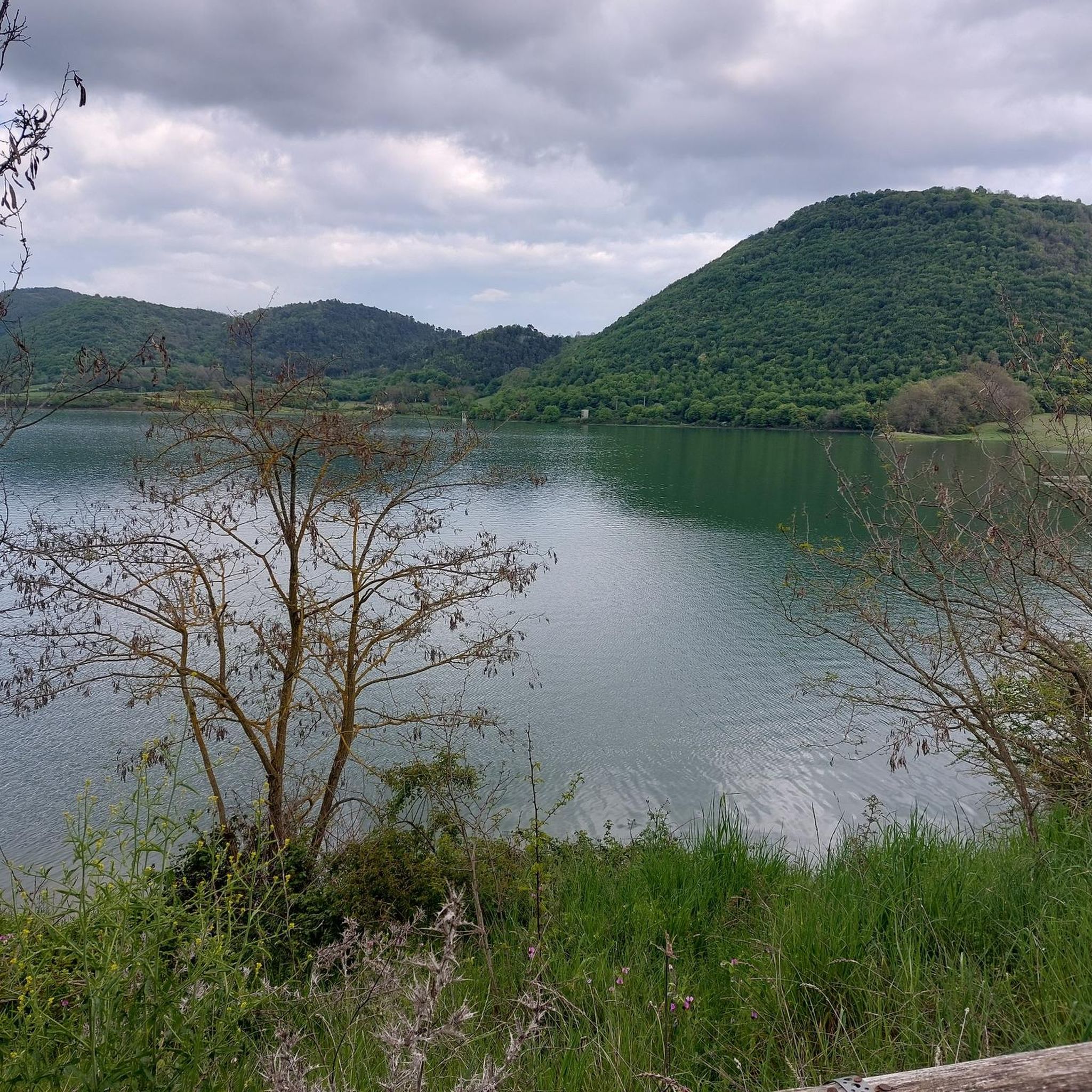
Among the most fascinating monuments of Genazzano there is the "Nymphaeum". At the beginning of the sixteenth century, the Colonna family conceived the idea of creating a garden in the Soglia valley, where they owned directly dominated property and where the Moat flowed, flanking the public road that led from Genazzano to Paliano. In the garden there was a lake and a Nymphaeum. In fact, four steps have been identified that would have articulated the lake into several bodies of water on three levels; the first is located at the height of the Ponticello sul Fossato, upstream of the Nymphaeum, the second and third at the height of the sides of the Nymphaeum, the fourth corresponds to the existing dam south of the Nymphaeum, referred to in documents as Muro Lungo. The actual "Nymphaeum" consists of a casino with a loggia façade of three spans, open towards the small valley and apsidal on the two short sides. Behind the portico a raised room extends in parallel consisting of three rectangular rooms with cross vaults, the walls of which are articulated by circular and rectangular niches, the central room is apsed. On the north side of this room there is an octagonal room that has large niches arranged diagonally, with seats inside them that allowed you to rest while enjoying the shady cool and the jets of water while remaining dry, and a circular water tank at the center. Power had to be guaranteed from a nearby source. On the sides of the central body of the factory there are two square rooms with two respective rooms behind them. (source: http://www.turismoqr.it/genazzano/10.html)
1
1
Genazzano è caratterizzato dalla bellezza del borgo medioevale e dal maestoso Castello Colonna che lo sormonta: è posto ad un altitudine di 375 metri s.l.m., fu abitato fin da epoche remotissime e fin dall’epoca romana, vista la vicinanza con la capitale e la amenità del luogo situato tra i monti Prenestini, tra uliveti, castagneti e vigneti, fu sede di ville e dimore lussuose imperiali e aristocratiche. Una serie abbondante di reperti archeologici è stata infatti rinvenuta lungo il corso dei secoli in varie zone del paese per essere poi riutilizzata, come era consuetudine all’epoca, dai signori Colonna o trasferita, in tempi più recenti, nei musei romani. L’etimologia del nome Genazzano rimane ancora oggi controversa: il primo documento in cui compare il nome del paese risale al 1022 nell’ambito di una donazione familiare per la quale Giovanni di Pietro Domenico e la moglie Francesca vengono chiamati habitatores in Castello, qui appellatur Genazzano. Sono varie e controverse le origini che gli storici negli anni hanno attribuito al toponimo: il Nibby lo riconduce alla gente Genucia, una famiglia romana di origine plebee che, stando a Plutarco e Dionigi di Alicarnasso, al pari di altre nobili famiglie romane, avrebbe posseduto in questo territorio ricco di luoghi di culto, oppida e residenze fastose, una sontuosa villa. Secondo altri studiosi il nome andrebbe ricondotto ai giochi ginnici, “Ginnasio”, che si svolgevano nelle ville romane degli imperatori antonimi, in particolar modo nella villa imperiale di Claudio Tiberio o, per altri, in una villa imperiale appartenuta a Augusto prima e Marco Aurelio poi, da localizzare nelle vicinanze del convento di San Pio. Un’altra ipotesi fa derivare il nome da Jani-Fanum, ovvero un tempio eretto in onore del dio Giano, mai localizzato ma che si crede esistesse pensando allo stemma antico di Genazzano che riportava il dio bifronte. Mentre un’altra ipotesi, meno citata negli scritti sulla storia e la nascita di Genazzano, sostiene che il toponimo venga da Gens Nova, riferendosi ai nuovi abitanti che andarono a vivere nel borgo medioevale alla sua nascita. Infine va citata quella secondo cui il toponimo non sia legato a famiglie illustri o attività particolari che vi si svolgevano bensì alla grande diffusione nell’intera zona della pianta delle ginestre. Lo stemma di Genazzano prende spunto dalla famosa "Disfida di Barletta": uno scudo con corona turrita e rami di alloro, che racchiude tredici triangoli contornati dal motto "L'abbattimento" in memoria dei tredici italiani che nel 1503 parteciparono vittoriosi alla Disfida, tra i qual Giovanni Brancaleone, cittadino genazzanese che con animo grande e valoroso difese l'onore ed il valore degli italiani rappresentando degnamente gli italiani.
1
0

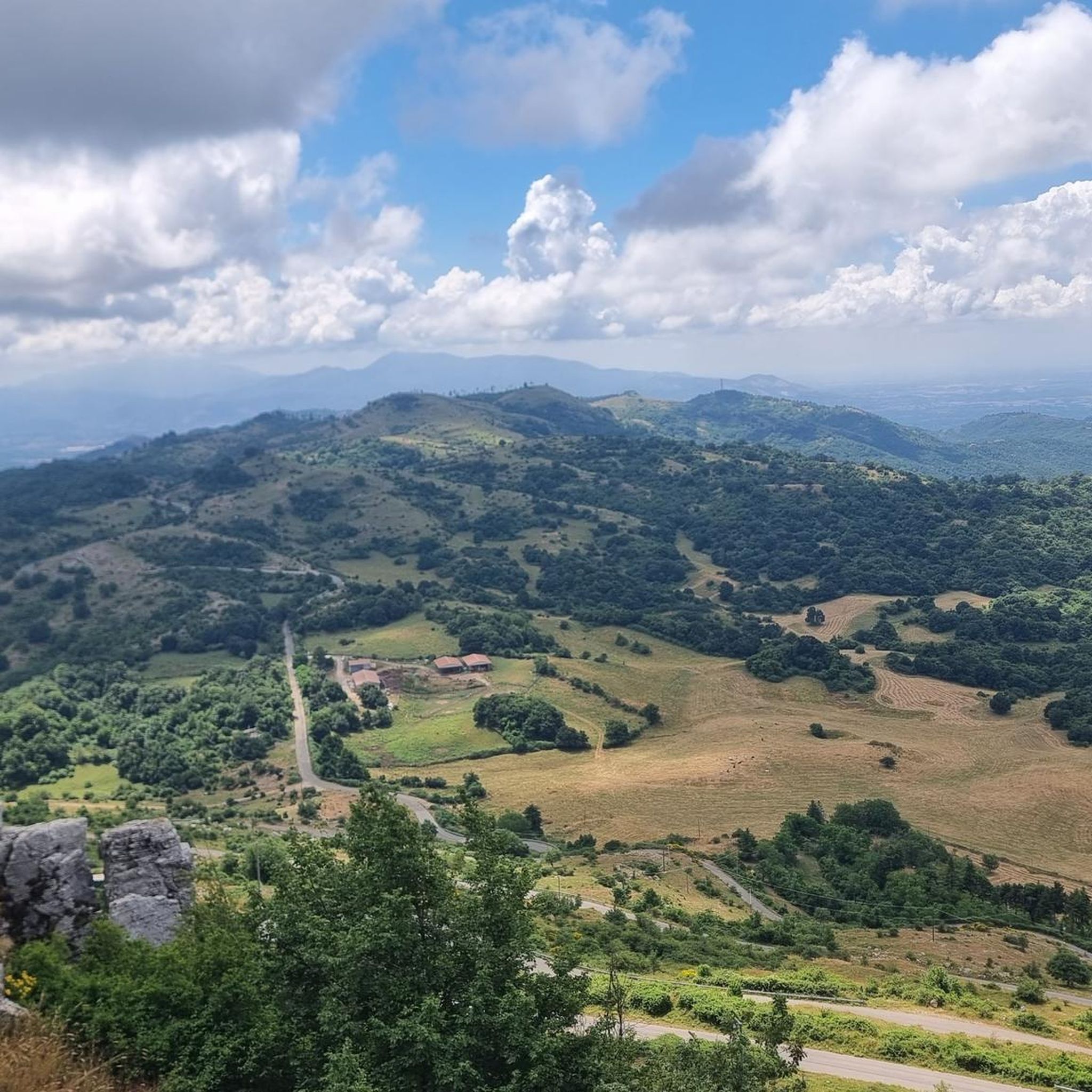
The municipality rises on the ridge of the Prenestini Mountains which reach and exceed 1,200 m with Monte Guadagnolo east of Rome, where the homonymous hamlet of Guadagnolo is located.
3
0
Frequently Asked Questions
How many running routes are available around San Vito Romano?
There are over 15 running routes in the San Vito Romano area, catering to various fitness levels. The region's hilly landscape provides a good mix of moderate paths and more challenging trails.
Are there any easy running routes suitable for beginners in San Vito Romano?
Yes, San Vito Romano offers a few easier running options. While many routes feature elevation changes, there are at least 2 routes classified as easy, providing a gentler introduction to running in the Lazio hills.
What are some good options for longer distance running trails near San Vito Romano?
For those seeking longer distances, routes like the Running loop from Rocca Canterano, which is about 8.7 miles (13.9 km) with substantial climbs, offer a challenging long-distance experience. Another option is the Palestrina - Guadagnolo Trail Loop, covering 7.7 miles (12.4 km) through local hills.
Can I bring my dog on the running trails around San Vito Romano?
Generally, dogs are welcome on many trails in Italy, especially in rural areas, as long as they are kept under control. However, it's always advisable to check local regulations or specific route descriptions for any restrictions, particularly in nature reserves or protected areas.
Are there any circular running routes in San Vito Romano?
Yes, many of the running routes around San Vito Romano are designed as loops, allowing you to start and finish in the same location. Examples include the Genazzano loop from Genazzano and the Running loop from Cave, which are popular choices among local runners.
What kind of scenery can I expect on the running trails in San Vito Romano?
The running trails in San Vito Romano offer diverse scenery, characterized by the hilly terrain of the Lazio region. You'll encounter rural landscapes, often connecting historic towns, and enjoy panoramic views of the surrounding countryside. Many routes provide a blend of natural beauty and glimpses of local architecture.
What do other runners enjoy most about jogging in San Vito Romano?
The running routes in San Vito Romano are highly rated by the komoot community, with an average score of 4.0 stars. Runners often praise the challenging elevation changes, the beautiful rural landscapes, and the opportunity to connect small, historic towns while getting a good workout.
Are there any interesting landmarks or natural monuments to see along the running routes?
While running, you might encounter various points of interest. Nearby natural monuments include the Monumental Oak of Pierluigi da Palestrina and the Simbruini Mountains Regional Park. For historical sites, consider highlights like the Villa of Nero Ruins or the Brancaccio Castle in San Gregorio da Sassola, which are accessible in the wider region.
Are there any challenging running routes for experienced runners?
Absolutely. San Vito Romano is known for its hilly terrain, offering several difficult routes. The Palestrina - Guadagnolo Trail Loop and the Running loop from Rocca Canterano are both classified as difficult, featuring significant elevation gains and providing a rigorous workout for seasoned runners.
What is the best time of year for running in San Vito Romano?
The Lazio region generally enjoys mild weather, making spring and autumn ideal for running in San Vito Romano. Temperatures are pleasant, and the scenery is vibrant. Summer can be hot, so early morning or late evening runs are recommended, while winter offers cooler, crisp conditions, though some higher elevation trails might be affected by weather.
Are there any running routes that pass through or near towns where I could find cafes?
Many routes in the San Vito Romano area connect or pass near small towns. For instance, the Genazzano loop from Genazzano starts and ends in Genazzano, a town where you can typically find cafes and other amenities. Similarly, routes around Cave or Pisoniano would offer opportunities to refuel in local establishments.
Are the running trails around San Vito Romano accessible by public transport?
Accessibility by public transport can vary. While San Vito Romano and surrounding towns are generally connected by local bus services, direct access to specific trailheads might require some planning. It's recommended to check local bus schedules and routes in advance if you plan to rely on public transport to reach the starting points of the trails.
Most popular attractions around San Vito Romano

Get inspired with the komoot mobile app


Explore more
Browse the best Running Trails & Routes in other regions.
