Attractions and Places To See around Capranica Prenestina - Top 20
Attractions and places to see around Capranica Prenestina include a rich blend of historical, cultural, and natural sites. Situated at approximately 1,000 meters in the Prenestini Mountains, the village features a medieval historic center and panoramic views. The area is home to one of Italy's largest chestnut groves and the highest inhabited center in Lazio, offering diverse landscapes. This region provides opportunities to explore ancient landmarks and significant natural features.
Best attractions and places to see around Capranica Prenestina
- The…
Last updated: July 6, 2026
Karol Wojtyła Trail to the Sanctuary of Mentorella
Highlight (Segment) • Trail
Translated by Google •
Tip by

Brancaccio Castle in San Gregorio da Sassola
Highlight • Castle
Translated by Google •
Tip by

Sign up now to discover places like this
Get recommendations on the best single tracks, peaks, & plenty of other exciting outdoor places.
Sign up for free
Torre dei Piscoli
Highlight • Monument
Translated by Google •
Tip by

Ponte Amato
Highlight • Bridge
Translated by Google •
Tip by

Monumental Oak of Pierluigi da Palestrina
Highlight • Natural Monument
Translated by Google •
Tip by
Sign up for free to discover even more attractions around Capranica Prenestina.
Sign up for free
Already have an account?
Start today with a free account
Your next adventure awaits.
Login or Signup
Other adventures around Capranica Prenestina

Tips from the Community

The "Oak of Pierluigi da Palestrina" is a monumental downy oak located in the Cannuccete Valley, in the Prenestini Mountains, not far from Palestrina. This centuries-old tree, over 20 meters tall and with a circumference of over six meters, is considered one of the oldest and most impressive trees in Lazio. It is estimated to be between 500 and 700 years old. According to local tradition, the famous musician Giovanni Pierluigi da Palestrina loved to go to the foot of this oak tree to find inspiration and moments of reflection. Legend has it that the composer meditated and perhaps composed some of his works in the shade of this tree, although these details are not confirmed by historical sources.
0
0

Between the towns of Colle Rampo and Polledrara, about 6 km from Paliano, there is this fortified farmhouse with a 13th-century square tower. The Sacco river valley has been the obligatory passage point between Lazio and Campania since the Roman period. The isolated towers, built inland at strategic points, formed a system of garrison and optical signaling between them. The de' Piscoli tower was the lookout outpost of the Prenestina and Latina roads. In the Middle Ages it was the obligatory passage to enter the Palianese territory, given that the road that led to Paliano passed over the Ponte della Mola, where there was a sentry who made people pay the crossing fee, called pontatico. Source FAI - I luoghi del cuore.
0
0
The Amato bridge is located just outside the center of Gallicano nel Lazio, it is a Roman bridge that allowed the old Via Prenestina to cross the valley of the Fosso Scalelle and reach the city of Palestrina. The bridge has a single round arch, now unfortunately only a section remains as the northern part collapsed during the Second World War.
0
0

Take a peek at the Pierluigi Oak, a magnificent tree that is about 500 years old. The tale behind this tree is about Giovanni Pierluigi da Palestrina, a composer from the late 1500s. He enjoyed coming here to contemplate and find inspiration beneath it's shade.
0
0

tower that seems to come out of nowhere :)
0
0

A beautiful passage near Paliano, to reach this fortified farmhouse with a 13th century square tower.
0
0
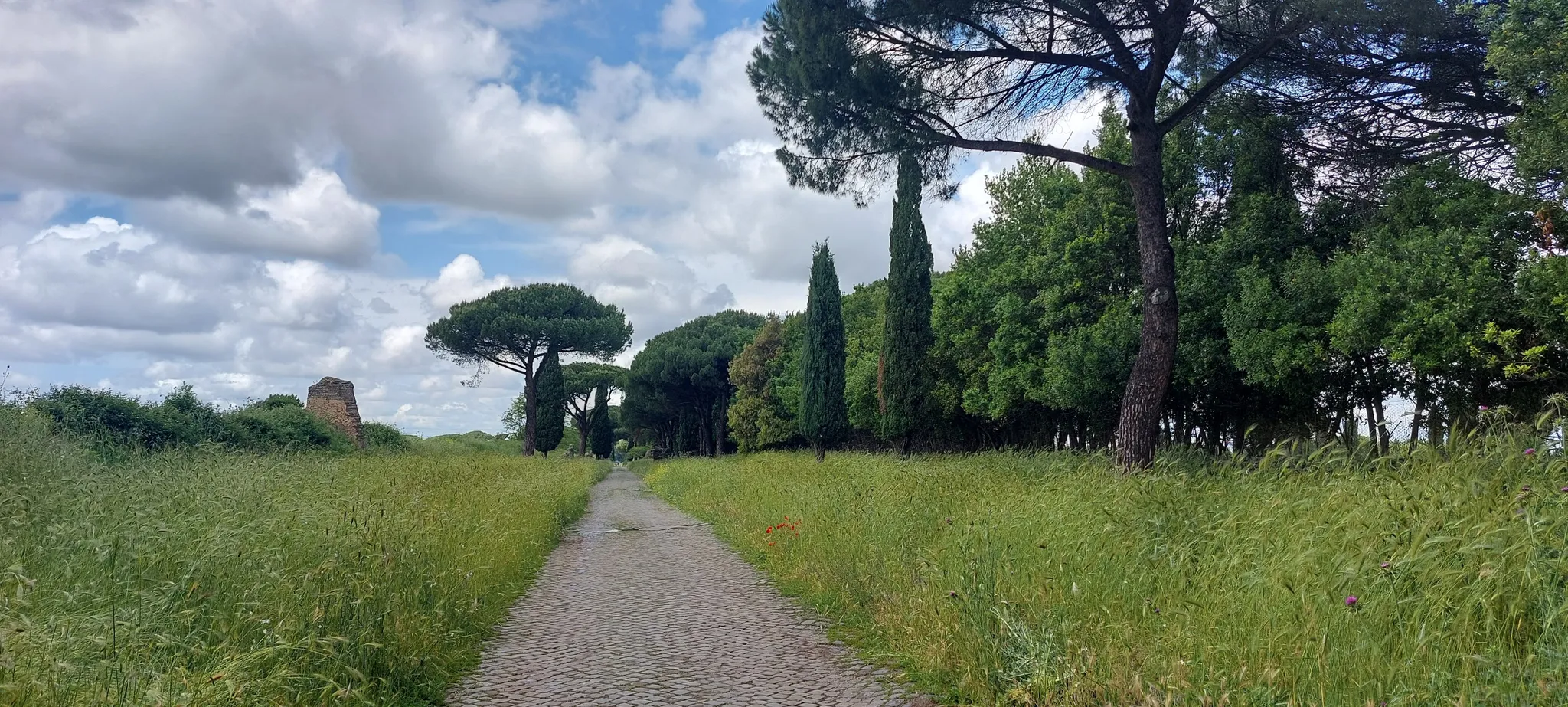
Here begins the archaeological park "Ponte Amato and Via Prenestina antica", a stretch of the ancient Via Prenestina to continue along the path of the aqueducts that supplied Rome with water.
0
0
from the web: "Ponte Amato, located near the Tagliata di Santa Maria di Cavanonte, is an isolated Roman bridge in the countryside near Gallicano nel Lazio. This ancient bridge allowed the ancient Via Prenestina to cross the valley of the Scalelle ditch, heading towards the city of Praeneste (Palestrina). Its exact dating is not certain, but the similarities with the Nona bridge (at the 9th mile of the Via Prenestina) suggest that it may date back to the second half of the 2nd century BC or the beginning of the 1st century BC. . The name “Ponte Amato” derives from Count Amato of Segni, who fortified it in the 10th century and took care of its restoration after a period of abandonment. After being neglected again for several centuries, the bridge was the subject of an excellent restoration in 2001 by the Archaeological Superintendency for Lazio, which returned it to its magnificent beauty. The arch of the bridge is characterized by a single rounded structure, and although the northern part collapsed during the fighting of the Second World War, the bridge still retains some of its original splendor. The dimensions of the Amato Bridge are impressive: it is made up of 17 rows of ashlar blocks in the shape of parallelepipeds of "lapis gabinus" (the famous gabine stone). The maximum height measured from the ditch surface is 10 metres. On the roadway, which reaches a width of 5.65 metres, the paving of the ancient Roman road is still visible. This site, belonging to the municipality of Gallicano nel Lazio, is part of an itinerary of great archaeological, landscape and wildlife interest. The surrounding area is crossed by four of Rome's public aqueducts: the Anius Vetus, the Aqua Marcia, the Aqua Claudia and the Anius Novus. A fascinating place to explore, immersed in a suggestive natural environment."
0
0
Frequently Asked Questions
What natural features and viewpoints can I explore around Capranica Prenestina?
Capranica Prenestina is nestled in the Prenestini Mountains, offering stunning panoramic views. You can explore the Monumento Naturale del Castagneto Prenestino, one of Italy's largest chestnut groves, known for its ancient trees and high biodiversity. The hamlet of Guadagnolo, the highest inhabited center in Lazio, also provides breathtaking views overlooking the Giovenzano Valley. For specific viewpoints, consider the ridge walk from Capranica Prenestina to Monte Guadagnolo.
Are there any historical sites or ancient monuments to visit?
Yes, the area is rich in history. You can visit the medieval historic center of Capranica Prenestina itself, with its narrow alleys. Notable landmarks include the Church of Santa Maria Maddalena with its imposing dome, and the Palazzo Capranica-Barberini, which houses the Civic Naturalistic Museum. Don't miss the ancient Roman bridge, Ponte Amato, which allowed the ancient Via Prenestina to cross the Scalelle ditch valley, or the majestic Ponte della Mola Roman Aqueduct with its 22 arches.
What kind of outdoor activities can I do near Capranica Prenestina?
The Prenestini Mountains offer various outdoor activities. You can find numerous trails for hiking and running. For example, the Karol Wojtyła Trail to the Sanctuary of Mentorella is a popular route through a wooded area. If you're interested in more options, you can explore running trails or cycling routes in the region.
Are there any family-friendly attractions or walks?
While specific family-friendly walks are not detailed, the medieval village of Capranica Prenestina and its natural surroundings offer gentle exploration opportunities. The Brancaccio Castle in San Gregorio da Sassola is noted as family-friendly and offers beautiful views. The Monumento Naturale del Castagneto Prenestino, with its vast chestnut grove, can also be a pleasant area for families to wander and enjoy nature.
Where can I find information about the local biodiversity and natural environment?
The Museo Civico Naturalistico dei Monti Prenestini, located within the Palazzo Capranica-Barberini, is dedicated to environmental education, science, nature, and the biodiversity of the Prenestini Mountains. It features technological exhibits, digital dioramas, and an educational garden, making it an excellent resource for learning about the local flora and fauna.
What is the Sanctuary of Mentorella and how can I reach it?
The Sanctuary of Mentorella, located in the hamlet of Guadagnolo, is one of Italy's oldest places of worship and a renowned pilgrimage destination. It's appreciated for its spiritual atmosphere and the Grotto of Saint Benedict. You can reach it via the Karol Wojtyła Trail to the Sanctuary of Mentorella, a relatively undemanding route through a wooded area, especially beautiful in spring.
What is the best time of year to visit Capranica Prenestina?
The region is particularly beautiful in spring when the forest floor along trails like the Karol Wojtyła Trail is covered with flowers. Autumn also offers vibrant colors in the Monumento Naturale del Castagneto Prenestino. The village hosts events like the Blackberry Festival in September and the Mosciarelle Festival in November, which can be enjoyable times to visit.
Are there any specific hiking trails for beginners or easy walks?
The Karol Wojtyła Trail to the Sanctuary of Mentorella is described as 'not very demanding' except for the final part, making it suitable for many. The vast Monumento Naturale del Castagneto Prenestino also offers opportunities for leisurely walks amidst nature. For more detailed route information, you can check the running trails guide, which includes routes of varying difficulties.
Can I bring my dog on trails in the Monti Prenestini area?
While specific dog policies for every trail are not detailed, the natural environment of the Monti Prenestini is generally welcoming for outdoor activities with pets. It's always advisable to keep dogs on a leash and ensure you clean up after them to preserve the natural beauty of the area, especially in protected zones like the Monte Guadagnolo Special Conservation Zone.
What local culinary specialties should I try in Capranica Prenestina?
Capranica Prenestina is known for its local gastronomic specialties. Be sure to try 'lane pelose,' a traditional pasta dish made with bran and mutton sauce. The region is also famous for its sweet chestnuts, known as 'Mosciarelle,' which are celebrated during the Mosciarelle Festival in November.
What is the Brancaccio Castle and where is it located?
The Brancaccio Castle in San Gregorio da Sassola is a prominent historical site located within a characteristic medieval village. It offers beautiful views and is considered a must-see spot. Visitors often enjoy the charming village atmosphere and the scenic surroundings.
Are there any unique or 'hidden gem' attractions in the area?
Beyond the main highlights, the area holds some lesser-known treasures. The Torre dei Piscoli is an unexpected and suggestive passage that emerges from the woods, a fortified farmhouse with a 13th-century square tower. Exploring the ancient Roman bridges like Ponte Amato and Ponte della Mola Roman Aqueduct also offers a glimpse into the region's rich past, often in serene natural settings.
Most popular routes around Capranica Prenestina
Most popular attractions around Capranica Prenestina

Get inspired with the komoot mobile app


Explore more
Still not found the Highlight you’re looking for? See guides of the top attractions in other regions:
