Attractions and Places To See around Pisoniano - Top 20
Attractions and places to see around Pisoniano include historical sites, cultural experiences, and natural landscapes in the Prenestini Mountains. This village, located about 50 kilometers from Rome, offers a blend of ancient crafts and picturesque scenery. The area features woods, olive groves, and various hiking trails. It provides a tranquil setting for exploring history and nature.
Best attractions and places to see around Pisoniano
- The most popular attractions is Brancaccio Castle in San Gregorio da Sassola, a castle that…
Last updated: May 4, 2026
Karol Wojtyła Trail to the Sanctuary of Mentorella
Highlight (Segment) • Trail
Translated by Google •
Tip by

Villa of Nero Ruins
Highlight • Historical Site
Translated by Google •
Tip by

Sign up now to discover places like this
Get recommendations on the best single tracks, peaks, & plenty of other exciting outdoor places.
Sign up for free
Brancaccio Castle in San Gregorio da Sassola
Highlight • Castle
Translated by Google •
Tip by

Ponte di San Francesco
Highlight • Bridge
Translated by Google •
Tip by

Ascent to the Monastery of Saint Benedict on the Via dei Monasteri
Highlight • Religious Site
Translated by Google •
Tip by

Sign up for free to discover even more attractions around Pisoniano.
Sign up for free
Already have an account?
Start today with a free account
Your next adventure awaits.
Login or Signup

Tips from the Community

These are the ruins of Nero's villa, on the road that goes from Subiaco towards the Benedictine monasteries.
4
0

The river Aniene passes underneath it
1
0

the San Francesco Bridge connects the two banks of the Aniene river at the entrance to the city of Subiaco (RM). Entirely built in blocks of local stone called cardellino, it is a perfectly preserved humpback bridge on a single span with a guard tower on one side.
1
0


It is a challenging but absolutely wonderful path, to be followed like the ancient pilgrims, in silence and prayer...
1
0

"The Villa of Nero is a historic site located in Subiaco, Italy. It was part of a much larger and more complex Roman villa that was later used by Saint Benedict. The villa is located on the right bank of the Aniene River, along the road leading to the Benedictine monasteries of Subiaco. The remains of the villa are small but still provide evidence of one of the most original and ambitious works of the Roman Empire. The villa was built by Emperor Nero in 60 AD, before he built the Domus Aurea in Rome. The structure was located in a rural area along the Aniene river and was characterized by three artificial lakes, the Simbruina Stagna, which were created by three dams on the river. The lakes were designed to integrate with the surrounding natural environment and modify it in ways unthinkable for that time. The remains of the villa are a testimony to its grandeur and magnificence".
0
0
"It was built in 1358 by Abbot Ademaro, with the ransom paid by Tivoli for the prisoners of the Battle of Campo d'Arco. Crossing the door of the turret, walking on the stone cobblestones, worn by time, is an emotion but, above all, the Ponte di San Francesco is a place to be experienced and perhaps this is precisely why the European Film Commission Network has included it among the best film locations in Europe.
1
0

Among the many things that the Romans knew how to do well, there is also the ability to know how to enjoy the natural wonders of their territory. This summer residence of Emperor Nero is a testament to this. Right next to the villa there is a road that descends towards the Aniene river, if you follow it for a few minutes you can reach corners of the river where you can swim immersed in an incredible natural environment.
3
0
Frequently Asked Questions
What historical sites can I explore around Pisoniano?
Pisoniano is rich in history. You can visit the unique Museo Civico della Canapa, dedicated to the ancient craft of hemp processing, or the Museo delle Antiche Scatole di Latta, showcasing a collection of old tin boxes. Religious sites include the ancient Chiesa di Santa Vittoria, the charming Chiesa della Madonna della Neve, and the significant Chiesa di San Paolo Apostolo. Additionally, you can find the remains of "Vicus Pisonis," believed to be a Roman villa where Gaius Calpurnius Piso sought refuge.
Are there any significant religious landmarks or sanctuaries in the area?
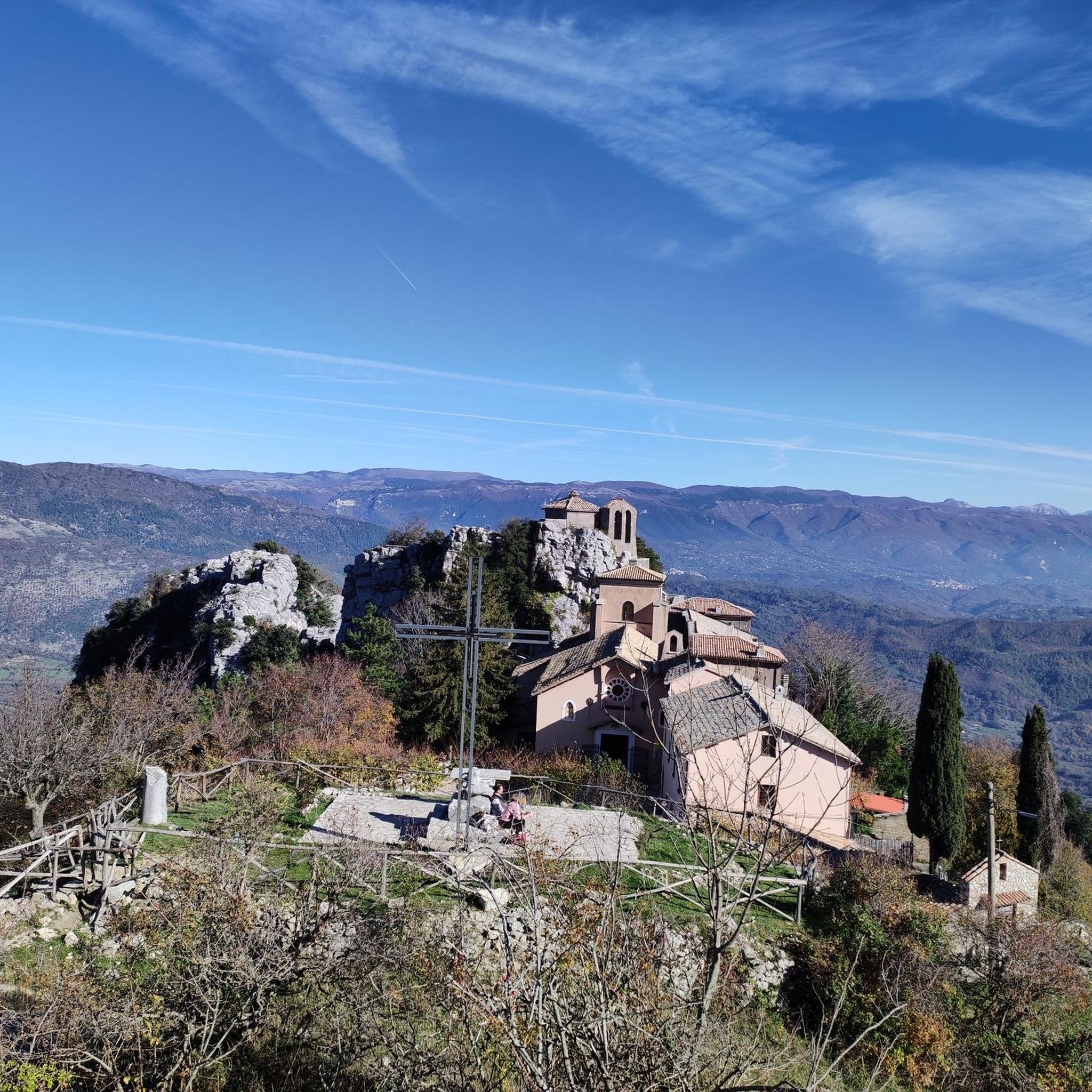
Yes, a prominent religious landmark is the Santuario della Mentorella, perched on Monte Guadagnolo. It's a significant place of worship and can be reached via the Karol Wojtyła Trail. Other notable churches in the village include the Chiesa di Santa Vittoria and the Chiesa della Madonna della Neve.
What natural features and outdoor activities are available near Pisoniano?
Pisoniano is nestled in the Prenestini Mountains, offering lush green forests, olive groves, and oxygenated mountain air. You can explore numerous hiking trails, including the Karol Wojtyła Trail which leads to the Sanctuary of Mentorella. In springtime, the Cascadelle dell'Ainata (Ainata Waterfalls) along the Sentiero dei Pellegrini add to the natural beauty.
What kind of hiking trails can I find around Pisoniano?
The area offers a variety of hiking experiences. A notable path is the Karol Wojtyła Trail to the Sanctuary of Mentorella, which is considered easy and particularly beautiful in spring when wildflowers bloom. For more options, you can explore various routes in the Prenestini Mountains, including moderate to difficult trails like the Guadagnolo for Monte Vincenzo loop or the San Benedetto Cave – Monte Cerella loop. Find more details on hiking around Pisoniano.
Are there any family-friendly attractions or activities in Pisoniano?
Yes, the Brancaccio Castle in San Gregorio da Sassola is considered family-friendly and offers beautiful views from its characteristic medieval village setting. The Karol Wojtyła Trail is also a relatively easy walk through a wooded area, suitable for families looking for a gentle outdoor experience, especially in spring.
What is the best time of year to visit Pisoniano for outdoor activities?
Spring is highly recommended for outdoor activities in Pisoniano. During this season, the forest floor along trails like the Karol Wojtyła Trail is covered in various flowers, and the Falconara ditch is full of water, enhancing the natural beauty. The oxygenated mountain air of the Prenestini Mountains is also particularly pleasant.
Can I find any ancient Roman ruins or historical remnants near Pisoniano?
Yes, you can visit the Villa of Nero Ruins, which are the remains of an imperial villa commissioned by Emperor Nero, located next to the Aniene river. Additionally, the village's name originates from the remains of "Vicus Pisonis," believed to be a Roman villa associated with Gaius Calpurnius Piso.
What other outdoor sports or activities can I do near Pisoniano besides hiking?
Beyond hiking, Pisoniano offers opportunities for running and road cycling. You can find various running trails, including loops from Pisoniano itself or from nearby towns like Capranica Prenestina. For road cycling, there are routes like the Aniene Waterfalls loop or the Fountain of Pisoniano – Subiaco Historic Center loop. Explore more options on running trails and road cycling routes around Pisoniano.
What do visitors particularly enjoy about the attractions around Pisoniano?
Visitors appreciate the blend of historical insights, cultural experiences, and natural beauty. The tranquility of the village and the picturesque landscapes of the Prenestini Mountains are often highlighted. Specific attractions like the Karol Wojtyła Trail are praised for their serene wooded areas, especially in spring. The Brancaccio Castle is noted for its characteristic medieval charm and views.
Are there any unique museums in Pisoniano?
Yes, Pisoniano hosts two unique museums. The Museo Civico della Canapa is dedicated to the cultivation and processing of hemp, a craft vital to the local economy until the mid-20th century. The Museo delle Antiche Scatole di Latta houses an interesting collection of old tin boxes.
Where can I find scenic viewpoints around Pisoniano?
Pisoniano itself lies on the eastern side of Monte Guadagnolo, providing spectacular views of the surrounding landscape. The Brancaccio Castle in San Gregorio da Sassola also offers excellent viewpoints from its elevated position within a medieval village.
Is there a place where I can see a historic bridge near Pisoniano?
Yes, you can visit the Ponte di San Francesco, a beautiful historic bridge above the Aniene river. Built in 1358, it connects the two banks of the river at the entrance to Subiaco and is entirely constructed from local stone.
Most popular attractions around Pisoniano

Get inspired with the komoot mobile app


Explore more
Still not found the Highlight you’re looking for? See guides of the top attractions in other regions:
