Attractions and Places To See around Introdacqua - Top 20
Attractions and places to see around Introdacqua are found in a medieval village nestled in Italy's Abruzzo region. Its location between the valleys of Sant'Antonio and di Contra, surrounded by mountains, provides a blend of historical landmarks and natural beauty. The area is known for its natural springs and wooded landscapes, offering access to various outdoor activities. Visitors can explore historical sites, cultural landmarks, and natural features within and around the village.
Best attractions and places to see around Introdacqua
- The most popular attractions is Lake San Domenico, a lake known for its green waters and location within the Sagittario Gorges. It is an artificial basin fed by the Sagittario river, with the hermitage of San Domenico nearby.
- Another must-see spot is Piazza Garibaldi and Medieval Aqueduct, Sulmona, a historical site featuring an ancient aqueduct dating back to 1256. This landmark in Sulmona was built to irrigate cultivated lands and power artisanal activities.
- Visitors also love Abbey of Santo Spirito al Morrone, a religious building located about 5 km from Sulmona. This abbey served as a significant settlement for the Celestine Congregation and a center for cultural, religious, and civil life in the region.
- Introdacqua is known for its historical sites, religious buildings, and natural features. The region offers a variety of attractions to see and explore, from ancient castles to mountain lakes.
- The attractions around Introdacqua are appreciated by the komoot community, with 98 upvotes and 75 photos shared by visitors.
Last updated: August 16, 2026
Lake San Domenico
Highlight • Lake
Translated by Google •
Tip by

Abbey of Santo Spirito al Morrone
Highlight • Religious Site
Translated by Google •
Tip by
Sign up now to discover places like this
Get recommendations on the best single tracks, peaks, & plenty of other exciting outdoor places.
Sign up for free
Pacentro Castle
Highlight • Castle
Translated by Google •
Tip by
Bosco di Sant'Antonio
Highlight • Forest
In the undergrowth there is holly, rose arvense, juniper, gooseberry currant, laurel daphne and hawthorn. For lovers of cross-country skiing, among the beech trees and on the plateau below there is one of the most beautiful slopes in Abruzzo. In summer, however, you can take walks on the paths that wind through the beech forest.
Translated by Google •
Tip by

Piazza Garibaldi and Medieval Aqueduct, Sulmona
Highlight • Historical Site
Translated by Google •
Tip by

Sign up for free to discover even more attractions around Introdacqua.
Sign up for free
Already have an account?
Start today with a free account
Your next adventure awaits.
Login or Signup
Tips from the Community

Lake San Domenico is a picturesque artificial basin created around 1920 with the construction of a dam on the Sagittario river, built for hydroelectric power generation. Located near the Hermitage of San Domenico, it strikes with the extraordinary color of its waters, which vary from emerald green to intense blue.
1
0

The medieval aqueduct of Sulmona runs alongside the central Piazza Garibaldi and is one of the symbols of the city of Sulmona.
0
0
The Medieval Aqueduct is one of the symbols of the city of Sulmona. It runs alongside the central Piazza Garibaldi and was built in 1256 during the reign of Manfred of Swabia.
0
0

Interesting, well-restored castle complex with worthwhile views from the tower of the entire old town of the medieval village of Pacentro and the beautiful surroundings.
0
0

Artificial lake in the municipality of Villalago, the San Domenico basin has as its main tributary the Sagittario river, which is also the waterway that emerges from the dam. Not far from this point stands the hermitage of San Domenico.
0
0

The arrival in Piazza Garibaldi, in Sulmona, is preceded by the Fontana Del Vecchio and the arches of the aqueduct
0
0


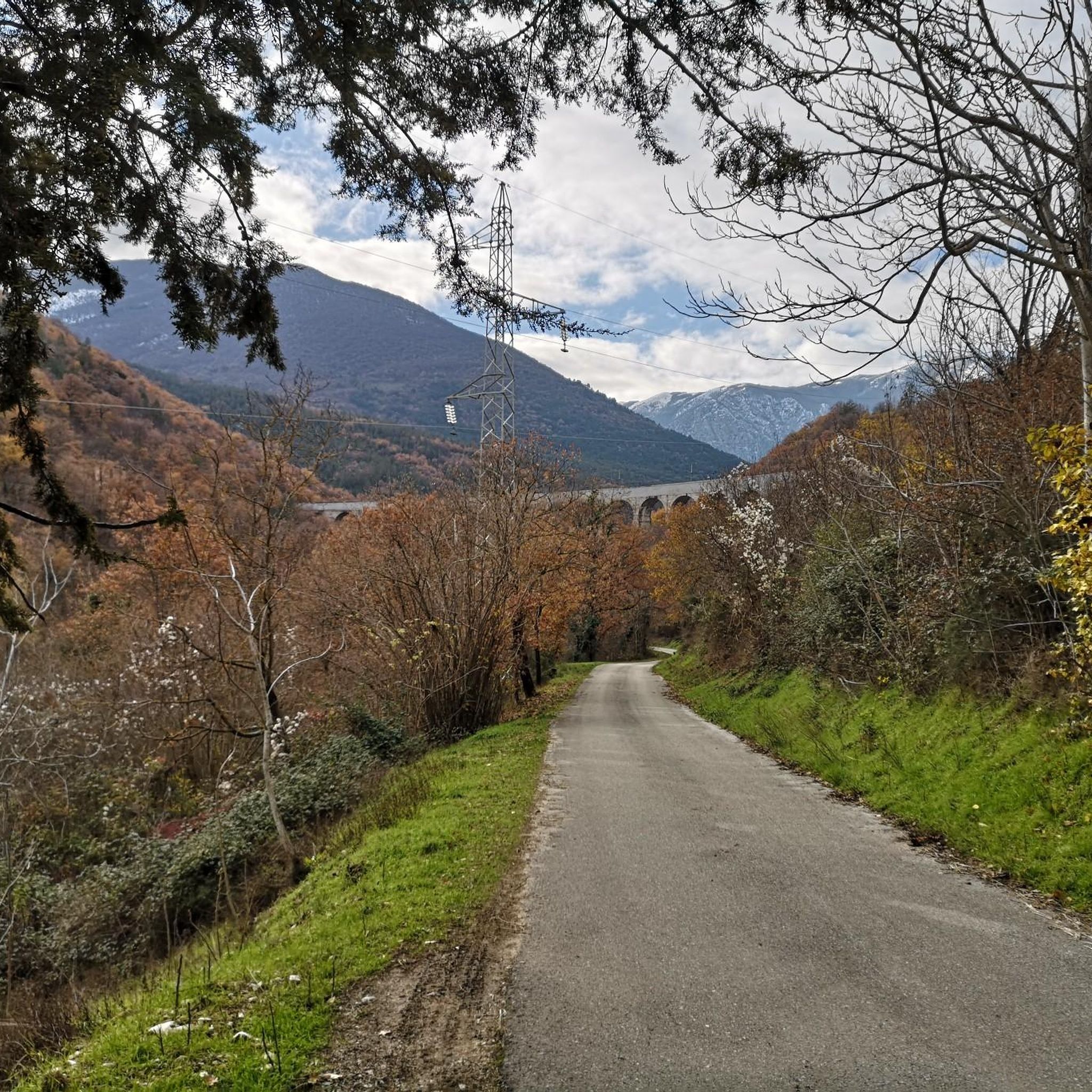
A centenary forest in the heart of the Majella National Park. Especially beautiful in autumn. There are some paths inside the woods of low difficulty, but better done with a MTB.
1
0
Frequently Asked Questions
What historical landmarks can I explore in Introdacqua?
Introdacqua offers a rich history, including the remains of the Introdacqua Castle and Medieval Tower (Dongione di Introdacqua), dating back to the 1200s, which provides panoramic views. You can also visit the Fontanavecchia, an old fountain built in 1706, and historical mansions like Palazzo del Barone and Palazzo Trasmondi. The village's historic medieval center with its narrow streets and traditional architecture is also worth exploring.
Are there any significant religious sites in Introdacqua and nearby?
Yes, Introdacqua is home to several notable churches. The Mother Church of Maria Santissima Annunziata, built between 1474 and 1510, features medieval and Renaissance frescoes. Other important churches include the 12th-century Church of San Nicola di Bari, the Church of Our Lady of Sorrows, and the Church of the Holy Trinity. Nearby, you can visit the Abbey of Santo Spirito al Morrone, a significant historical and religious complex about 5 km from Sulmona.
What natural attractions are there around Introdacqua?
The region around Introdacqua is known for its natural beauty. You can visit Lake San Domenico, an artificial basin with emerald green waters nestled in the Sagittario Gorges. The area is surrounded by mountains and valleys, offering scenic views. The Bosco di Sant'Antonio, a centenary forest within the Majella National Park, is another beautiful natural spot, especially in autumn.
What outdoor activities can I do near Introdacqua?
Introdacqua is an excellent base for outdoor enthusiasts. You can find numerous routes for hiking, running, and road cycling. For hiking, consider trails like the 'Genzana Snow-Covered Forest loop from Introdacqua' or routes around Sulmona. Road cyclists can explore longer routes such as 'San Leonardo Pass – Pacentro Castle loop from Sulmona Introdacqua'. You can find more details and routes in the dedicated guides for hiking, running, and road cycling around Introdacqua.
Are there family-friendly attractions in the Introdacqua area?
Yes, several attractions are suitable for families. Lake San Domenico is a beautiful spot for a family outing. The Abbey of Santo Spirito al Morrone and Piazza Garibaldi and Medieval Aqueduct in Sulmona are also considered family-friendly historical sites. Additionally, the Bosco di Sant'Antonio offers easy paths for family walks.
What is there to see in nearby Sulmona?
Sulmona, a short distance from Introdacqua, is famous for its historical sites and cultural heritage. A must-see is Piazza Garibaldi and the Medieval Aqueduct, an impressive structure dating back to 1256. Sulmona is also known for its confetti (Italian almond candy) and as the birthplace of the Roman poet Ovid.
Can I find viewpoints with scenic panoramas around Introdacqua?
Absolutely. The 12th-century tower of the Introdacqua Castle offers panoramic views of the Peligna Valley, Introdacqua, Sulmona, and Pacentro. A 15-minute drive up to the summit of Monte Playa, just outside of town, also provides excellent views of the Peligna Valley and surrounding towns.
What is the best time of year to visit Introdacqua?
Introdacqua is charming throughout the year, but August is particularly lively with local festivals such as the Feast of Pork Sandwiches and Prosciutto, and the feasts of St. Antonio and St. Feliciano. Autumn is especially beautiful for visiting natural areas like the Bosco di Sant'Antonio due to the changing foliage.
What kind of wildlife can be found in the Introdacqua region?
The mountainous and wooded landscapes around Introdacqua, particularly areas like Monte Genzana and Ponte Plaia, are known for their rich flora and fauna. Monte Genzana acts as an ecological corridor between Abruzzo National Park and Majella National Park, making it a good spot to discover rare wildlife specimens.
Are there any castles or historical fortifications nearby?
Beyond Introdacqua's own medieval tower, you can visit Pacentro Castle. Located on Mount Morrone, this castle is one of the best-preserved fortified structures in Abruzzo and offers an interesting historical experience.
What do visitors enjoy most about the attractions around Introdacqua?
Visitors particularly appreciate the stunning natural beauty, such as the 'suggestive panorama' of Lake San Domenico. The historical significance of sites like the Abbey of Santo Spirito al Morrone and the ancient Medieval Aqueduct in Sulmona are also highly valued. The overall blend of historical charm and natural splendor provides an authentic Italian experience.
Most popular attractions around Introdacqua

Get inspired with the komoot mobile app


Explore more
Still not found the Highlight you’re looking for? See guides of the top attractions in other regions:
