Attractions and Places To See around Oricola - Top 20
Attractions and places to see around Oricola include a variety of historical, cultural, and natural sites. This charming village, nestled in the Abruzzo region of Italy, offers ancient landmarks and serene natural features. The area is characterized by its blend of history and natural beauty, providing diverse exploration opportunities. Visitors can discover significant cultural sites and unique geological formations.
Best attractions and places to see around Oricola
- The most popular attractions is Lagustelli di Percile, a lake that consists…
Last updated: July 7, 2026
Lagustelli di Percile
Highlight • Lake
Translated by Google •
Tip by

Mandela
Highlight • Settlement
Translated by Google •
Tip by

Sign up now to discover places like this
Get recommendations on the best single tracks, peaks, & plenty of other exciting outdoor places.
Sign up for free
Santa Maria del Piano
Highlight • Religious Site
Translated by Google •
Tip by
Rioscuro Stream Waterfalls
Highlight • Waterfall
Translated by Google •
Tip by
Percile
Highlight • Settlement
Translated by Google •
Tip by
Sign up for free to discover even more attractions around Oricola.
Sign up for free
Already have an account?
Start today with a free account
Your next adventure awaits.
Login or Signup

Tips from the Community


wonderful place, the trail is very easy
1
0

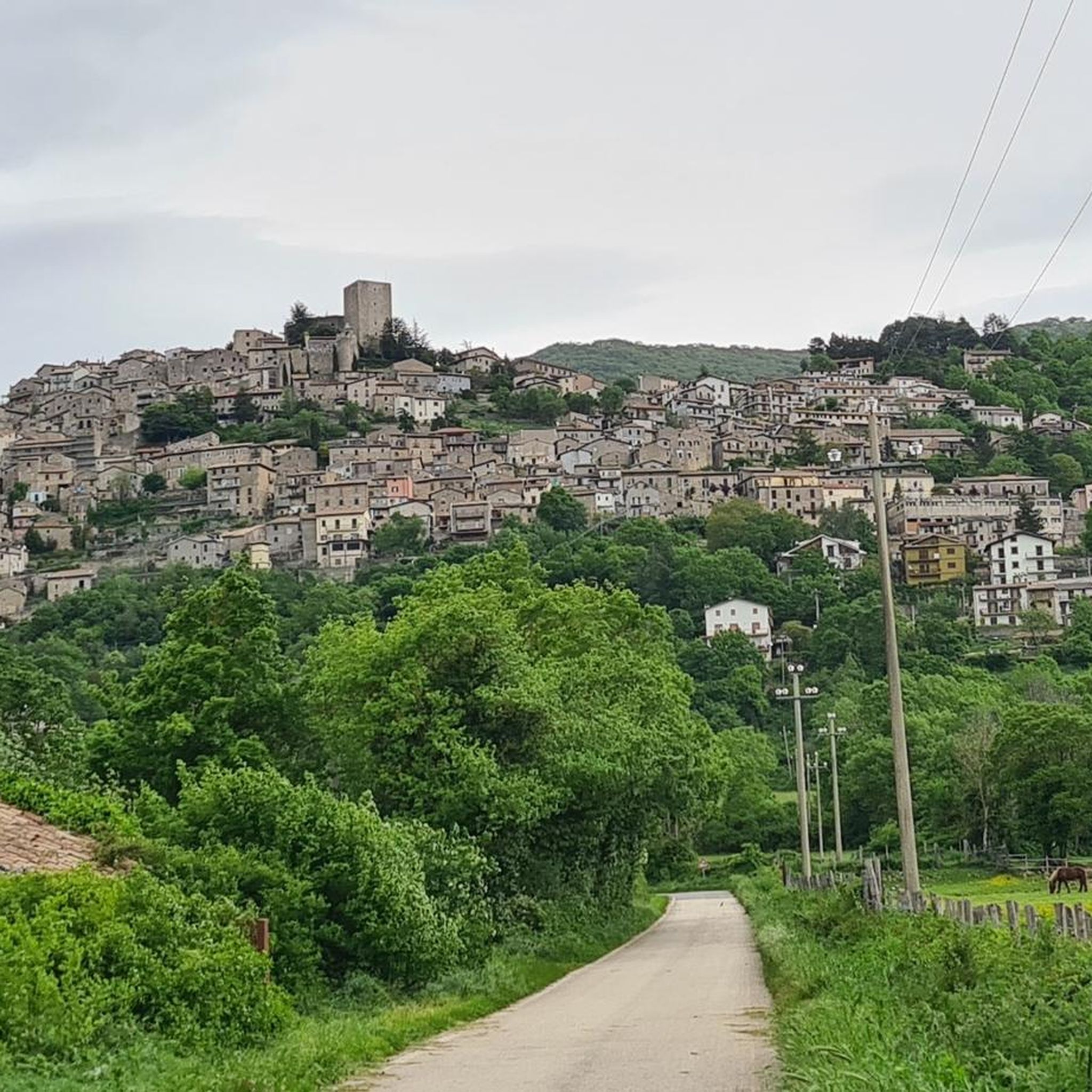
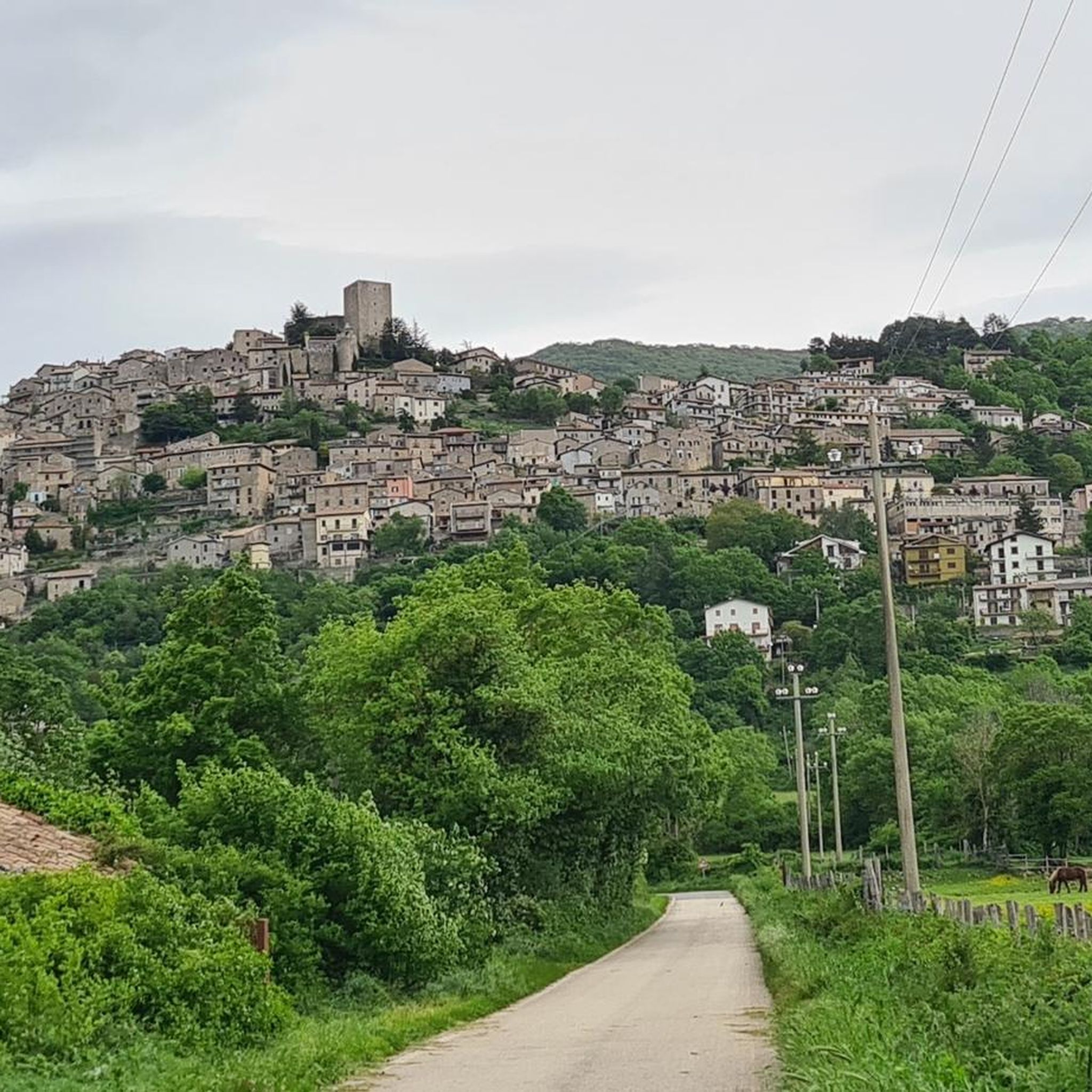
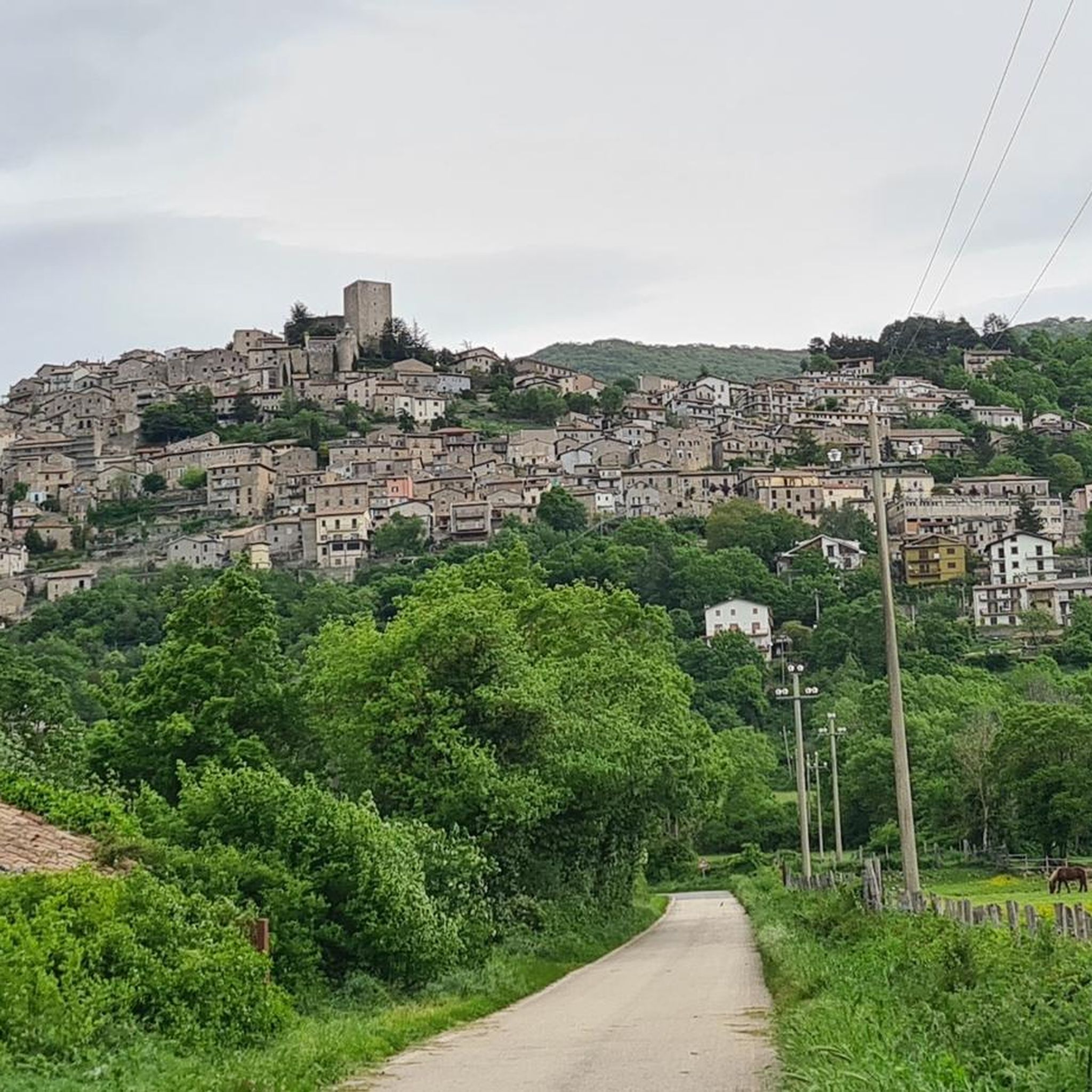
This small village nestled in the Lucretili mountains gives its name to the most famous lagustelli, which are located to the south of the town. Percile is also included in the list of the most beautiful villages in Italy. Like most of the villages in Lazio, Percile also has a thousand-year history that begins in Roman times (the name probably derives from a noble Roman family, Porcia) and continues through papacies and families, such as that of the Orsini family, for reach us.
3
0

Mandela is located in the heart of the Aniene Valley. Mandela, originally known as Cantalupo Bardella in the Middle Ages, changed its name after 1870. This village was a fiefdom granted to the Orsini by Pope Celestine III. Over the centuries, it passed from the hands of the Orsini to the Nunez and then to the Marquises Del Gallo of Roccagiovine. In the 19th century, Giulia Bonaparte created a literary salon frequented by artists and men of culture in Mandela. The village is famous for its local cuisine, with typical products such as polenta with sausages and ribs, fettuccine, nociata, anise donuts and wine biscuits.
3
0
Santa Maria del Piano is an ancient abbey located near Orvinio, in Lazio. Dating back to the 11th century, the abbey is characterized by its imposing architecture and a panoramic position immersed in the surrounding nature. The structure tells a thousand-year history and offers a fascinating experience for visitors eager to explore the cultural heritage of the area.
3
0

Crayfish (Austropotamibius pallipes), indicator of the integrity of the ecosystem and the spectacled salamander (Salamandrina perspicillata).
1
0
The Rioscuro stream is among the Natural Monuments of Lazio and is a protected area. The clear waters are home to crayfish and spectacled salamander. Biological indicators of ecosystem integrity. These waterfalls are a hidden jewel of the Lucretili mountains and a testimony to the richness of biodiversity of the natural areas around the capital!
5
0
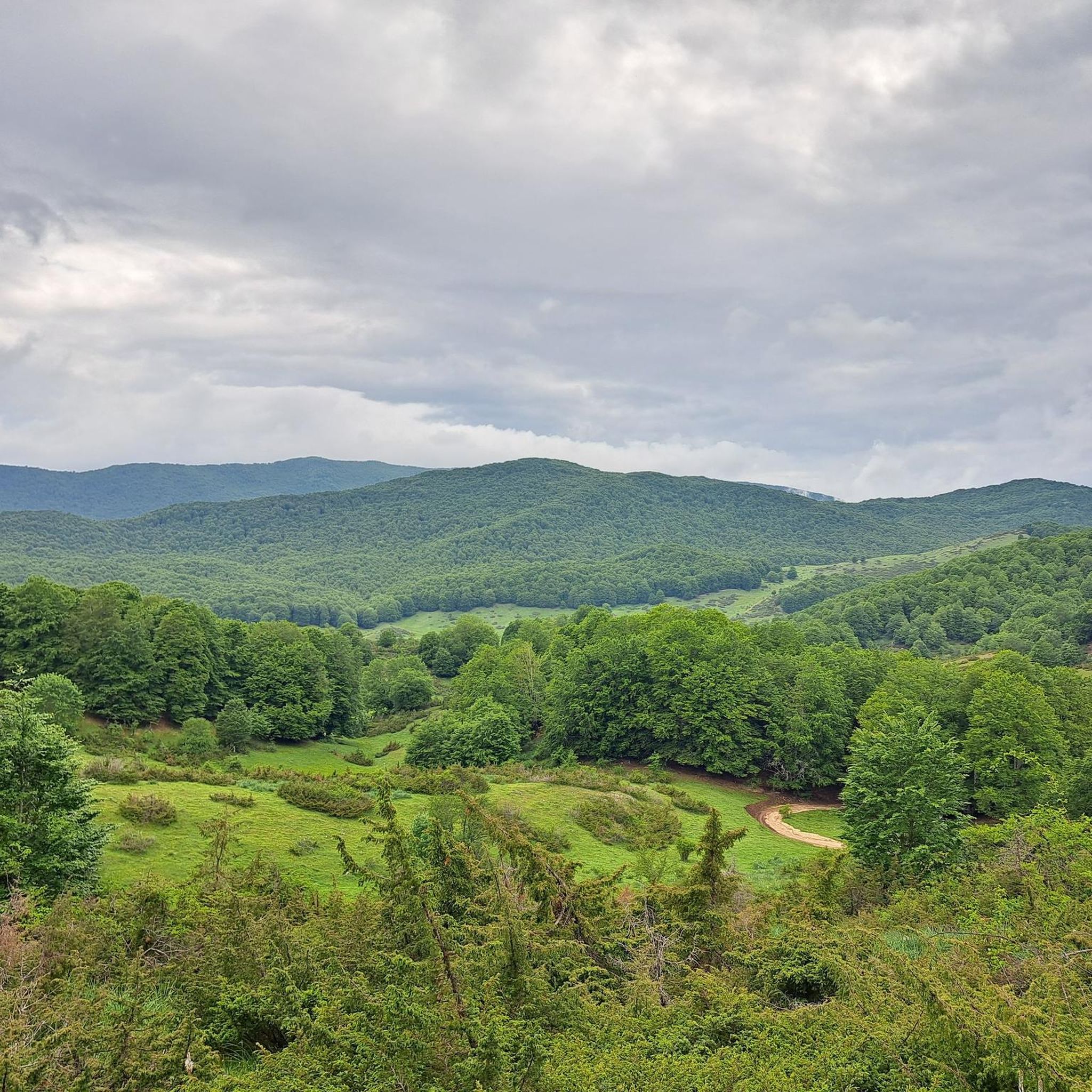
These splendid lakes are a testimony of the karst phenomenon on the Lucretili mountains. The largest, the Fraturno lake, exposed to the sun, the smallest enclosed in a deep sinkhole. Immersing yourself in the Fraturno waters is a unique experience if you overcome the initial skepticism of the muddy bottom!
5
0
Frequently Asked Questions
What natural attractions can I explore around Oricola?
The region offers several beautiful natural sites. You can visit Lagustelli di Percile, a series of splendid karst lakes in the Lucretili mountains, including the larger Fraturno lake. Another highlight is the Rioscuro Stream Waterfalls, a designated Natural Monument of Lazio, known for its clear waters and diverse aquatic life. The extensive Bosco di Sèsera, with its ancient beech forests, is also a significant natural feature.
Are there historical sites to visit in Oricola?
Oricola is rich in history. The most prominent historical landmark is the medieval Castello di Oricola, dating back to the 9th century, which dominates the village. You can also explore the elegant 18th-century Palazzo Signorile (Palazzo Rostagno) in the heart of Oricola. Near Civita di Oricola, the ancient city of Carsioli offers archaeological remnants of Roman walls and an aqueduct.
What outdoor activities can I do near Oricola's attractions?
The area around Oricola is excellent for outdoor enthusiasts. You can find numerous routes for road cycling, gravel biking, and mountain biking. For example, there are challenging road cycling routes like the 'Monte Bove Pass – Roccacerro, Velino view loop' and various gravel biking and MTB trails. You can find more details and specific routes in the Road Cycling Routes around Oricola, Gravel biking around Oricola, and MTB Trails around Oricola guides.
Are there any charming villages nearby worth visiting?
Yes, the small village of Percile, nestled in the Lucretili mountains, is recognized as one of Italy's most beautiful villages and has a history dating back to Roman times. Its proximity to the famous Lagustelli di Percile makes it a great stop.
What religious buildings can I visit in the Oricola area?
Oricola and its surroundings feature several significant religious buildings. You can visit the Baroque-style Church of San Salvatore, known for its frescoes and 19th-century organ. The Church of Santa Restituta d'Africa displays well-preserved 13th-century frescoes. Additionally, the ancient Santa Maria del Piano abbey, an 11th-century structure near Orvinio, offers imposing architecture and a panoramic setting.
What are the unique geological features in the Oricola region?
Beyond the karst lakes of Percile, the Oricola-Carsoli Volcanic Field is notable for its Pleistocene-era tuff cones, tuff rings, and maars, providing insight into the region's ancient volcanic activity. These formations are a testament to the area's dynamic geological past.
Are there family-friendly attractions around Oricola?
Many natural sites are suitable for families. The Lagustelli di Percile offer easy trails, and the Old Spring near the village is a pleasant spot with fresh water and a sculpture, accessible via a short walk on the Coleman Trail.
What do visitors enjoy most about the natural areas around Oricola?
Visitors frequently praise the serene beauty and ecological richness. For instance, the Lagustelli di Percile are described as a 'wonderful place' with 'very easy' trails. The Rioscuro Stream Waterfalls are considered a 'hidden jewel' and an indicator of a healthy ecosystem, home to crayfish and spectacled salamanders.
What can I expect from Oricola's historic center?
Oricola's historic center is characterized by its narrow, winding cobbled streets. You'll find small squares framed by ancient white limestone arches and traditional exposed stone buildings, offering picturesque views and a glimpse into the town's past.
Are there any specific cultural tributes or monuments in the area?
Near the village, at the Old Spring, you'll find a sculpture dedicated to the Cinetesi women. This monument honors their historical contributions to the town, reflecting a unique local cultural aspect.
What kind of wildlife can be found in the natural areas around Oricola?
The natural areas are home to diverse wildlife. Bosco di Sèsera is known for rare reptiles and amphibians like the cervone snake, crested newt, and yellow-bellied frog. The Rioscuro stream's clear waters support crayfish and spectacled salamanders, indicating a healthy ecosystem. The verdant meadows of Oricola are also abundant with wild epigeous mushrooms.
Most popular attractions around Oricola

Get inspired with the komoot mobile app


Explore more
Still not found the Highlight you’re looking for? See guides of the top attractions in other regions:
