The best cycling routes around Castelnuovo Magra
4.3
(792)
8,760
riders
21
rides
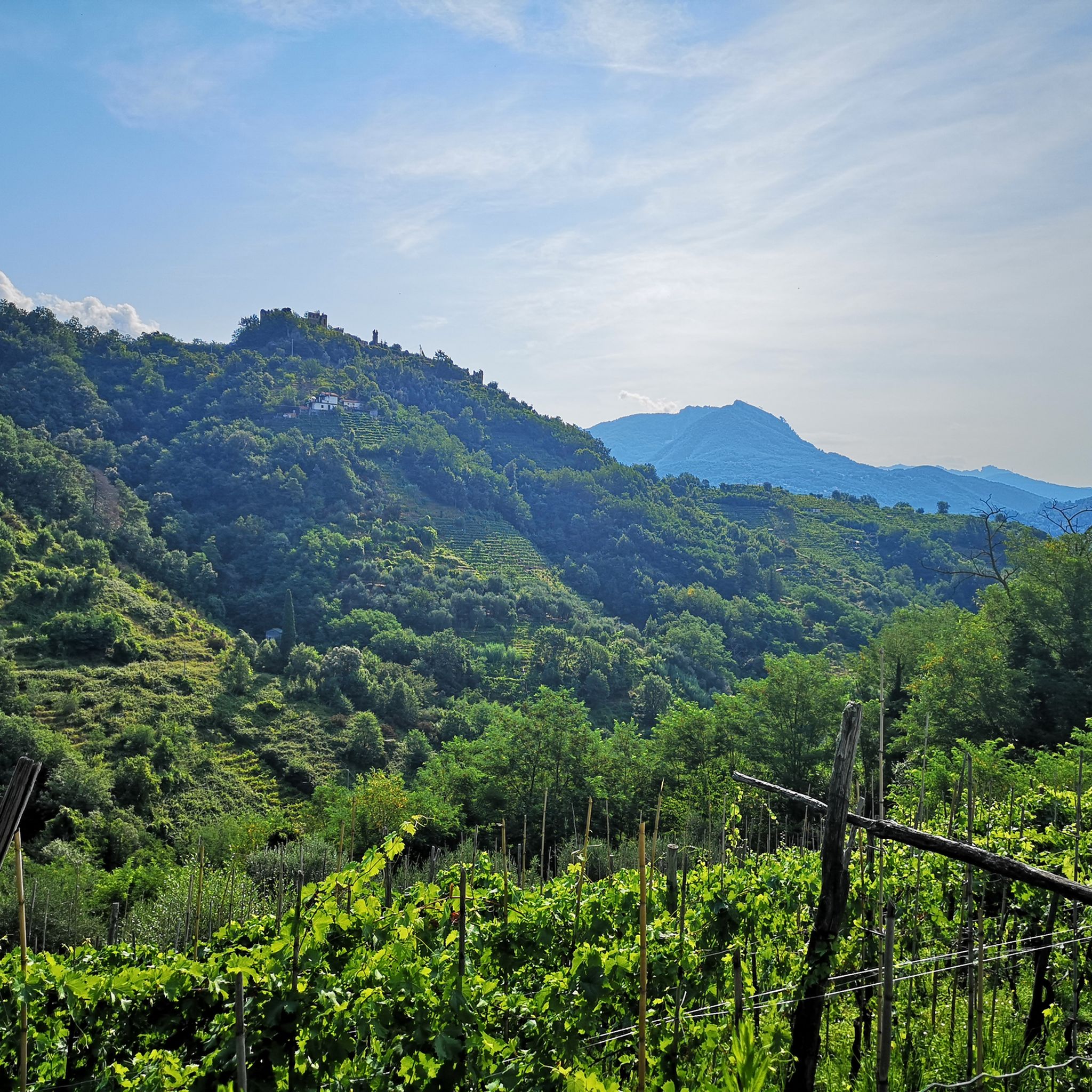
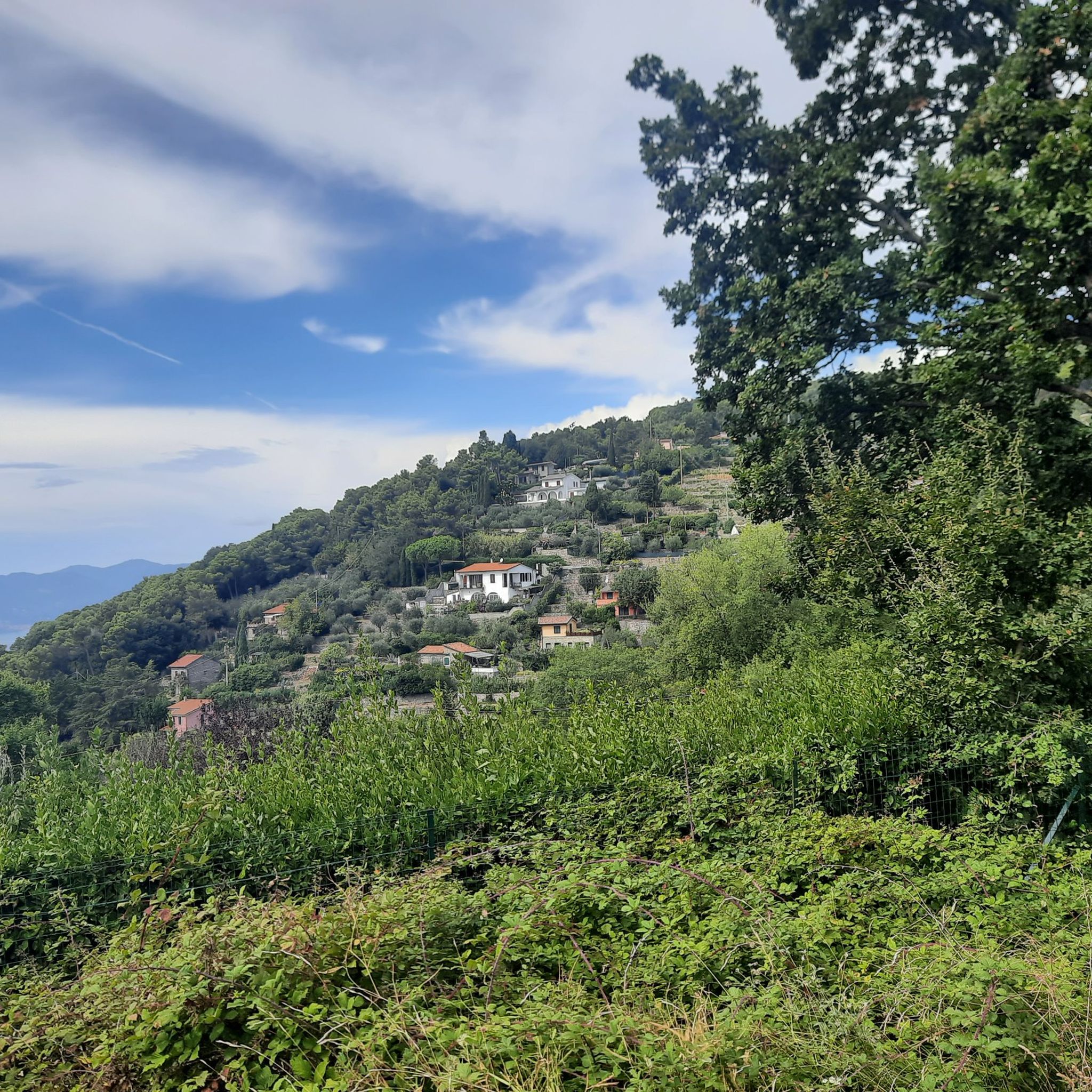
Touring cycling routes around Castelnuovo Magra traverse a gentle, farmed hilly landscape known as the "Colline del Sole" or "Sunshine Hills." This area offers panoramic views over the Magra Valley, the Apuan Alps, and glimpses of the Ligurian Sea. Routes wind through picturesque vineyards and olive groves, while flatter options include a calm cycle path along the Canale Lunense and a smooth riverside gravel route following the Magra river. Elevation gains vary, providing options from easy rides to challenging ascents.
…Last updated: July 13, 2026
3.7
(3)
96
riders
70.7km
04:45
1,090m
1,090m
Hard bike ride. Very good fitness required. Mostly paved surfaces. Suitable for all skill levels.
5.0
(2)
81
riders
52.5km
03:33
490m
490m
Hard bike ride. Very good fitness required. Mostly paved surfaces. Suitable for all skill levels.

Sign up for free
3.7
(10)
78
riders
38.6km
02:46
700m
700m
Hard bike ride. Very good fitness required. Mostly paved surfaces. Suitable for all skill levels.
46
riders
62.5km
04:12
860m
860m
Hard bike ride. Very good fitness required. Mostly paved surfaces. Suitable for all skill levels.
4.3
(6)
37
riders
49.7km
03:05
410m
410m
Moderate bike ride. Good fitness required. Mostly paved surfaces. Suitable for all skill levels.
Get access to more routes and recommendations from other explorers.
Sign up for free
Already have an account?
Our route recommendations are based on thousands of hikes, rides, and runs completed by other people on komoot.
Start today with a free account
Your next adventure awaits.
Login or Signup
Tips from the Community

The Magra river is an important watercourse in central Italy, 62 kilometers long, flowing between Tuscany and Liguria. It represents Liguria's main watercourse by average flow rate at the mouth. It originates at an altitude of 1,401 meters from Monte Borgognone, crosses the fertile Val di Magra, and flows into the Ligurian Sea at the locality of Bocca di Magra
0
0
The Citadel, also known as the Sarzana Fortress or Firmafede Fortress, was the first fortification in Sarzana, built in the 13th century. It was owned by the lord Castruccio Castracani, who made numerous significant modifications to its defenses. After its destruction by Florence in 1487, it was rebuilt on the orders of Lorenzo de' Medici. In 1494, the Republic of Genoa, having regained possession of Sarzana, completed work on the Citadel. The fortress is used as a venue for cultural events and exhibitions and also houses the Fortress Museum, an interactive exhibit that traces the history of Sarzana and the Lunigiana region.
0
0
Of the five gates that once provided access to the town, Porta Romana and Porta Parma remain on the opposite side. We are on the ancient Via Romea, and today's Via Mazzini is a vestige of it. Its current appearance, clad in white Carrara marble, dates back to 1783; on the exterior is the coat of arms of Genoa and, higher up, a statue of Mary.
0
0
It was built on the area where the parish church of San Basilio once stood, starting in 1204. Construction work ended in 1474 with the completion of the upper part of the façade by Leonardo Riccomanni. Following the completion of the work, in 1735 the statues of Saint Eutychiano in the centre, of Sergius IV on the left and of Nicholas V on the right were placed on the façade. The building, which represents the sum of all the historical-artistic production of Sarzana and the Magra Valley, has been elevated to a minor basilica. It preserves, among other works, the crucifix by Mastro Gugliermo (1138), the first dated example of a painted cross in the history of art.
0
0

The building of the Cathedral of St. Mary of the Assumption, erected on the area occupied by the previous parish church of San Basilio, is consequent to the transfer of the bishop's seat from Luni to Sarzana in 1204. È assai probabile che i lavori siano effettivamente iniziati solo alla fine del secolo XIII. In 1355, the lower part of the façade was completed (as recalled by the inscription engraved on the marble architrave of the portal), while in 1474 Lorenzo Riccomanni da Pietrasanta created the rose window that adorns the upper part. The construction of the bell tower also dates back to the 15th century, while between the end of the 17th century and the beginning of the 18th century, the two side bodies flanking the marble façade were built to open the six internal chapels. Also dating back to the 18th century are the statues placed at the crowning of the building depicting three important exponents of the Lunigiana church: Pope Sergius IV, St. Eutichiano and Nicholas V. The interior with three wide naves divided by octagonal pillars and covered by a valuable wooden coffered ceiling, created in 1670 by Pietro Giambelli from Pisa, preserves important testimonies of art and faith: among them, the Reliquary of the Precious Blood of Christ and the painted Cross by Mastro Guglielmo, a cornerstone of Italian Romanesque painting, signed and dated 1138. (c) https://visitsarzana.it/cathedral-santa-maria-assunta/
0
0
Porta Romana is one of the historic entrances to the center of Sarzana, dating back to the 15th century, once an entry point along the Via Francigena. It preserves the city's identity and is a symbol of continuity between past and present.
1
0

A very easy and pleasant ride. Much of the route follows secondary roads with very little traffic. Splendid views of Fosdinovo Castle, the mouth of the Magra River, and the Bay of La Spezia.
1
0

Frequently Asked Questions
How many touring cycling routes are available around Castelnuovo Magra?
There are over 20 touring cycling routes around Castelnuovo Magra, offering a variety of experiences for different skill levels. These routes are highly rated by the komoot community, with an average score of 4.0 stars from more than 50 reviews.
What kind of terrain can I expect on touring cycling routes in Castelnuovo Magra?
The region features a gentle, farmed hilly landscape known as the "Colline del Sole" or "Sunshine Hills," with routes winding through picturesque vineyards and olive groves. You'll find panoramic views over the Magra Valley, the Apuan Alps, and glimpses of the Ligurian Sea. There are also flatter options like the calm cycle path along the Canale Lunense and a smooth riverside gravel route along the Magra river.
Are there any easy touring cycling routes suitable for beginners or families?
Yes, for a flatter and easier experience, the calm cycle path along the Canale Lunense is ideal for families. Another easy option is the Marina di Carrara Beach – Tyrrhenian Sea Beach loop from Luni, which has minimal elevation gain and offers coastal views.
What are some challenging touring cycling routes in the area?
For those seeking a challenge, routes like the San Terenzo Bay – Pitèi loop from Luni offer significant elevation gain over 36 miles (58 km). Another demanding option is the Firmafede Fortress – Fosdinovo Castle loop from Luni, which includes over 700 meters of ascent.
What natural features or viewpoints can I see along the cycling routes?
Many routes offer panoramic views of the Magra Valley, the Apuan Alps, and the Ligurian Sea. You'll cycle through vineyards and olive groves in the "Hills of the Sun" region. The riverside gravel route along the Magra river provides opportunities for birdwatching amidst wetlands. The nearby Montemarcello Regional Park also offers breathtaking panoramic vistas of the Gulf of La Spezia.
Are there any historical landmarks or attractions to visit while cycling?
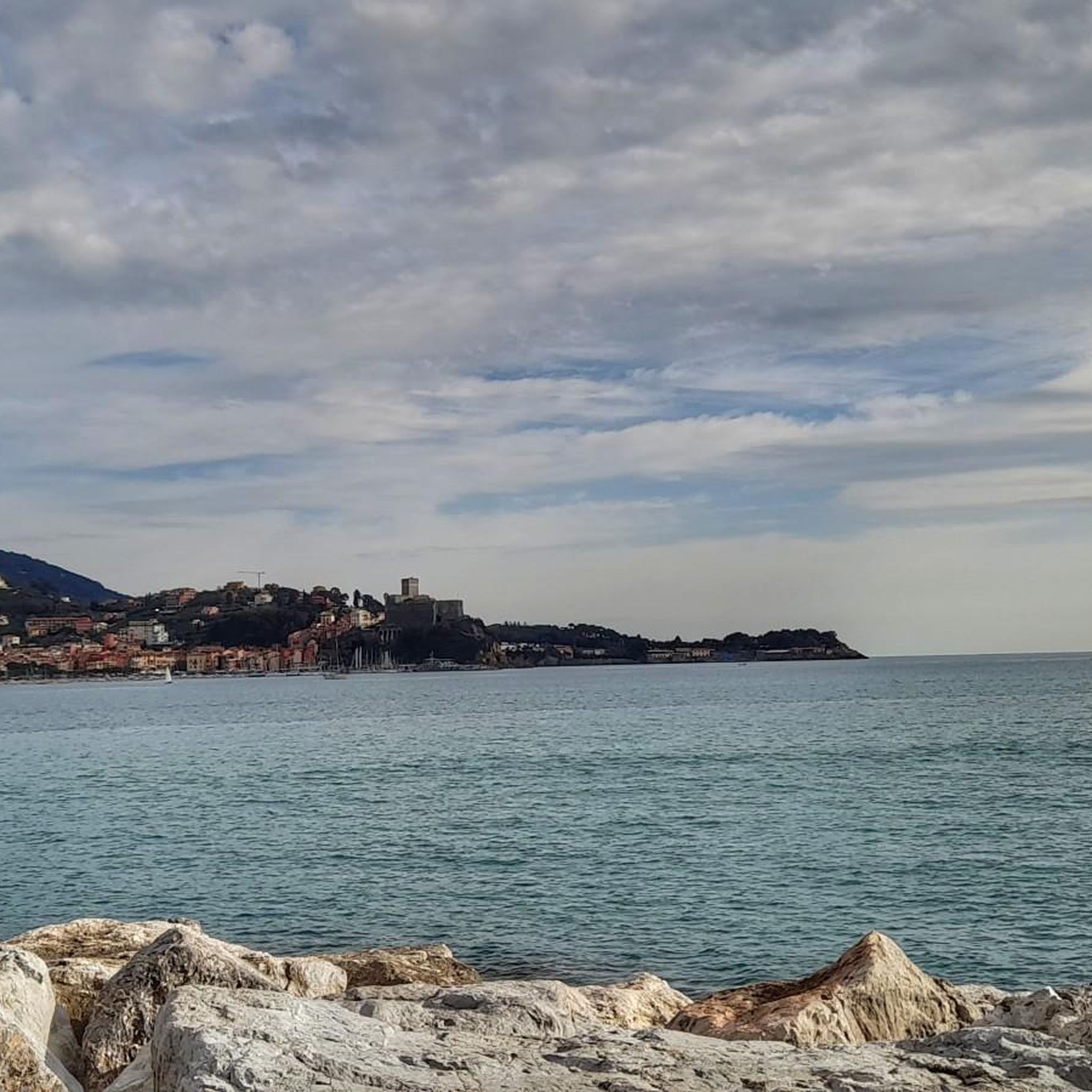
Absolutely. You can integrate visits to attractions like the historic Malaspina Castle, which dominates the village skyline, or explore the charming historic center of Castelnuovo Magra. Other notable sites include the Parish Church of Santa Maria Maddalena and the ancient Luni Roman Amphitheater. You might also pass by the Lerici Promenade and Harbor or the picturesque Tellaro Village.
Are there any circular touring cycling routes around Castelnuovo Magra?
Yes, many of the touring cycling routes are designed as loops. For example, the Village Street, Bocca di Magra – Marina di Carrara Beach loop from Luni offers a moderate ride with a mix of coastal and village scenery. Another option is the longer Pitèi – San Terenzo loop from Luni, which covers coastal areas and inland hills.
What is the best time of year for touring cycling in Castelnuovo Magra?
The region generally enjoys a mild climate, making it suitable for touring cycling for much of the year. Spring and autumn typically offer pleasant temperatures and beautiful scenery, ideal for exploring the vineyards and olive groves. Summer can be warm, but coastal routes or early morning rides are still enjoyable.
Are there opportunities for wine tasting along the cycling routes?
Yes, the Colli di Luni area, which you'll traverse on many routes, is known for its wine production. This provides excellent opportunities for cyclists to stop and enjoy local wine tastings, adding a cultural and culinary element to your ride.
What do other touring cyclists enjoy most about cycling in Castelnuovo Magra?
The area is highly rated by the komoot community, with an average score of 4.0 stars. Reviewers often praise the diverse landscapes, from the gentle hills with vineyards and olive groves to the scenic river valleys and coastal views. The variety of routes catering to different ability levels is also frequently highlighted.
Is public transport available to access cycling routes in Castelnuovo Magra?
While specific public transport options directly to trailheads may vary, Castelnuovo Magra is generally accessible. It's advisable to check local bus or train schedules for connections to the main towns and villages in the area, from where many routes begin or pass through.
Are there any specific parking facilities for cyclists in Castelnuovo Magra?
While dedicated cyclist parking facilities are not explicitly detailed, parking is generally available in and around the main village of Castelnuovo Magra and other towns like Luni, which serve as common starting points for many routes. Look for public parking areas, especially near historical centers or attractions.
Most popular attractions around Castelnuovo Magra

Get inspired with the komoot mobile app


Explore more
Browse the best Cycling routes in other regions.
