The best MTB trails around Santo Stefano Di Magra
4.6
(92)
390
riders
27
rides
Mountain biking around Santo Stefano Di Magra offers diverse terrain within the Liguria region of Italy. The area is characterized by its location within the Montemarcello-Magra Natural Regional Park, featuring a mix of hilly and mountainous landscapes. Trails often follow the confluence of the Vara and Magra rivers, providing riverside paths and varied topography. This region combines natural features with historic elements, making it suitable for mountain bikers seeking both challenging rides and scenic routes.
Best mountain bike trails around…
Last updated: October 2, 2026
4.3
(3)
32
riders
Hard mountain bike ride. Very good fitness required. Advanced riding skills necessary. Some portions of the route may require you to push your bike.
4.8
(13)
35
riders
Hard mountain bike ride. Good fitness required. Advanced riding skills necessary. Some portions of the route may require you to push your bike.

4.4
(11)
21
riders
Hard mountain bike ride. Great for any fitness level. Advanced riding skills necessary. Some portions of the route may require you to push your bike.
4.5
(16)
24
riders
Hard mountain bike ride. Good fitness required. Advanced riding skills necessary. Some portions of the route may require you to push your bike.
4.4
(5)
35
riders
51.1km
04:09
1,050m
1,050m
Hard mountain bike ride. Very good fitness required. Advanced riding skills necessary. Some portions of the route may require you to push your bike.
Get access to more routes and recommendations from other explorers.
Already have an account?
Our route recommendations are based on thousands of hikes, rides, and runs completed by other people on komoot.
Start today with a free account
Your next adventure awaits.
Tips from the Community

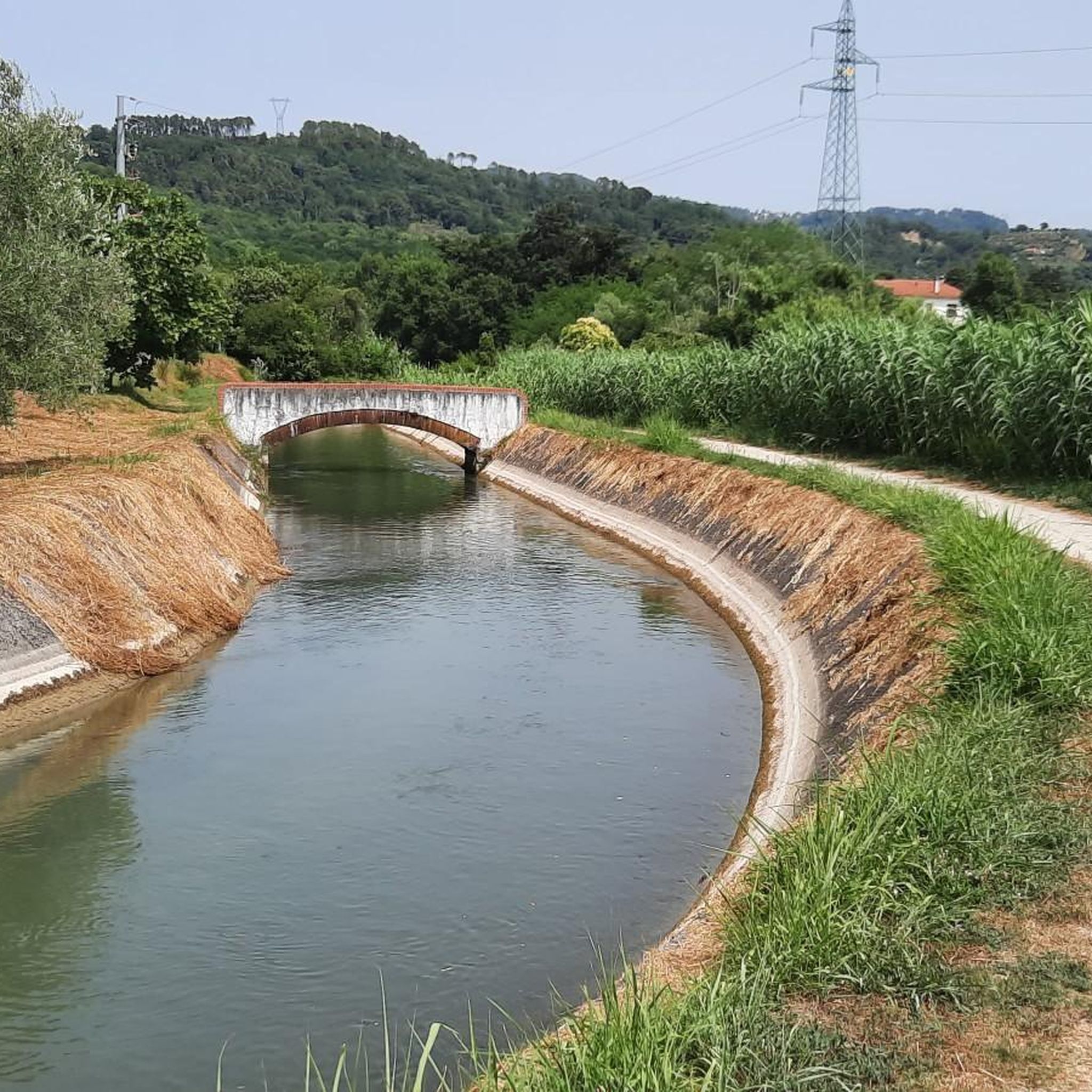
The Lunense Canal cycle-pedestrian path in Sarzana is a flat and easy route of about 12-20 km that follows the banks of the historic irrigation canal through the Val di Magra. Route Characteristics Length: Approximately 12 km in the main section of the park (extendable up to almost 20-25 km in total from Santo Stefano di Magra to Luni). Difficulty: Easy and flat, suitable for everyone on foot or by bicycle. Municipalities crossed: Santo Stefano di Magra, Sarzana, Castelnuovo Magra, Fosdinovo, and Luni. Surface: Mixed, with paved sections, dirt tracks, and short interruptions on ordinary roads in the Sarzana area. What to See Countryside and nature: The route winds through cultivated fields, small rural bridges, and the typical vegetation of the valley. Engineering history: It runs alongside the Lunense Canal, an important hydraulic work inaugurated in 1930. Connections: The route easily connects to the Via Francigena and other local itineraries
0
0

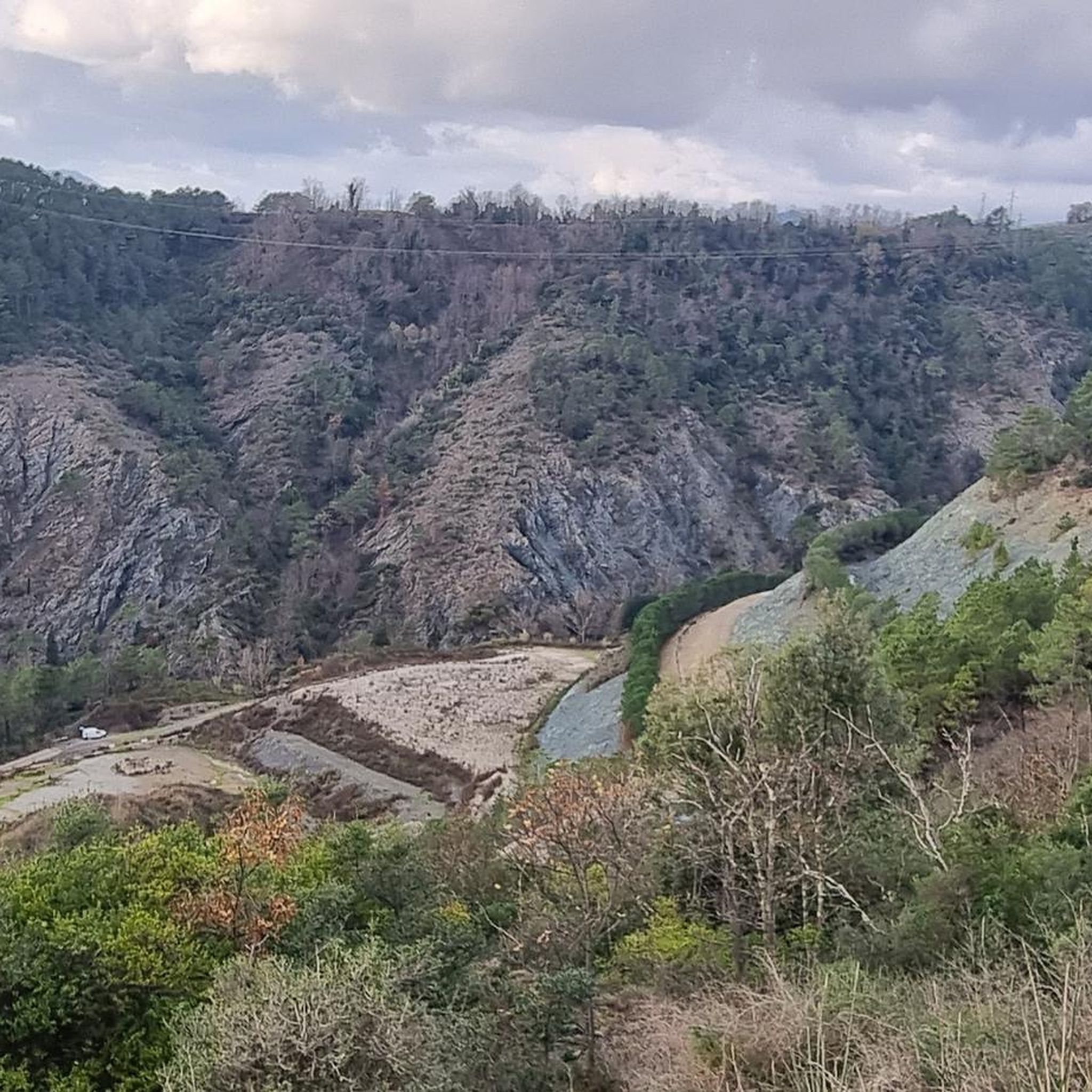
The tour is not for everyone. The climb from Caniparola is very tough, at the beginning it starts immediately at 11%
1
0

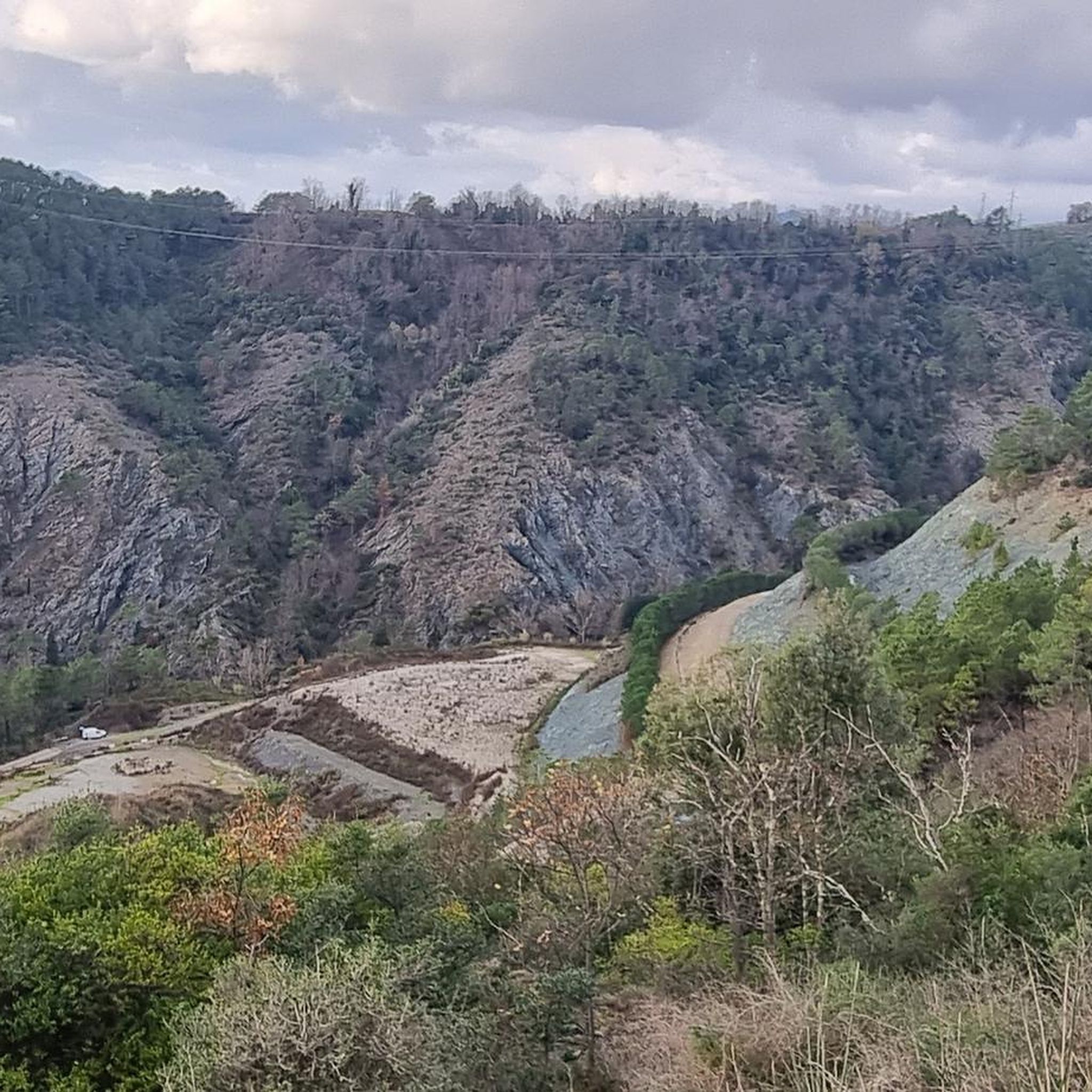
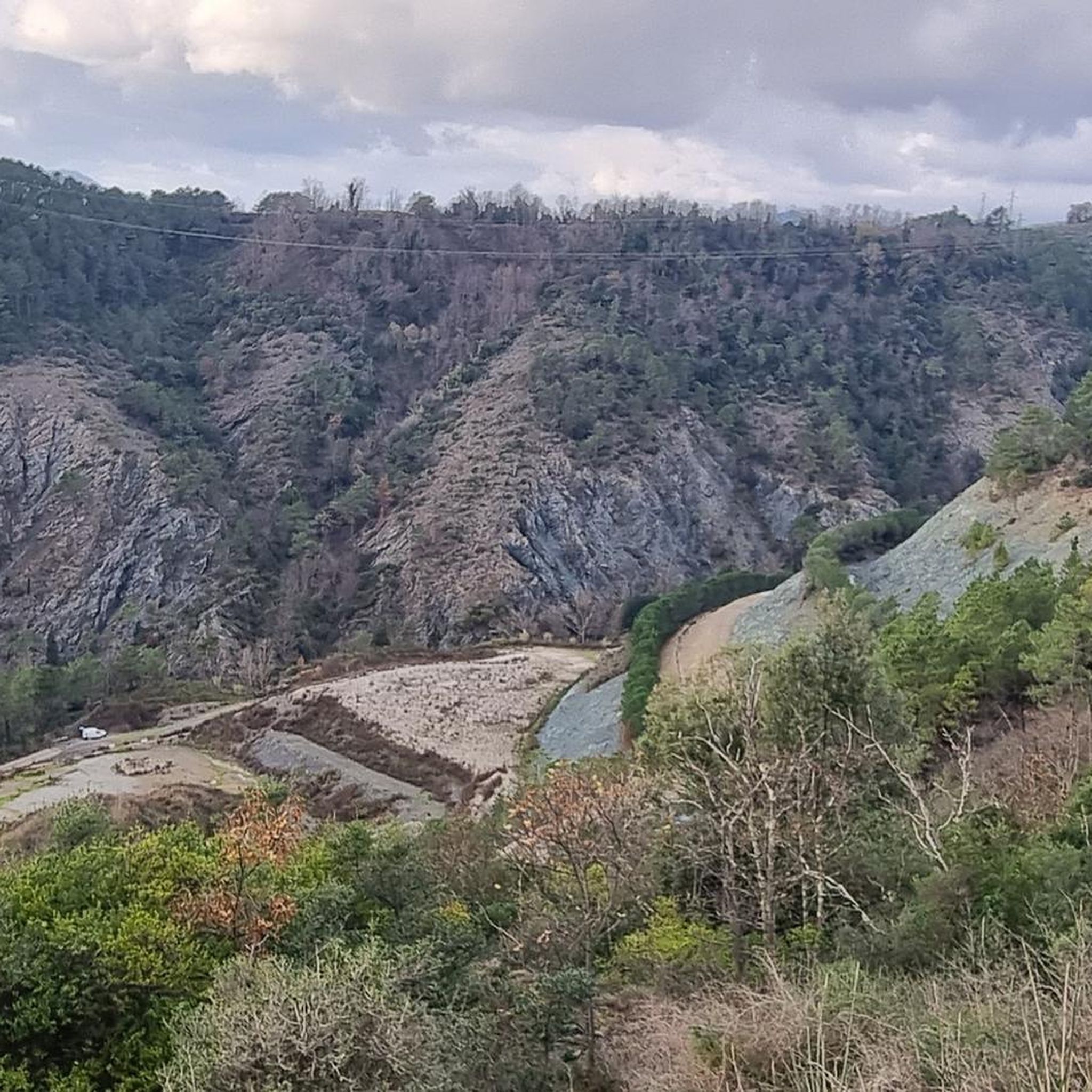
From here you can enjoy a beautiful view. You can choose which way to get off.
0
0

Malaspina - Fosdinovo Castle, live an experience out of time, immerse yourself in the charm of the Middle Ages. Enjoy your time here because unfortunately you cannot hold on to time.
3
0

nice and fun
1
0

Ponzano Superiore is a fraction of the Ligurian municipality of Santo Stefano di Magra. It is an ideal place to start hiking and mountain biking in the area. The CAI 343 path passes through the village.
0
0
A meeting point of different paths on the border between Tuscany and Liguria. Nearby you can also see the sea and several countries.
0
0
A lovely place to admire the sea. If you arrive from Magra or Ameglia, this will be the first place where you can see the sea rather than the interior.
0
0
Frequently Asked Questions
How many mountain bike trails are available around Santo Stefano di Magra?
There are over 30 mountain bike trails around Santo Stefano di Magra. These routes cater to various skill levels, ranging from easier paths to challenging rides with significant elevation gains.
What is the overall difficulty level of mountain biking in this region?
The mountain biking trails around Santo Stefano di Magra offer a diverse range of difficulties. While there are 5 easy and 5 moderate routes, the majority, 22 trails, are classified as difficult. This means you'll find options for both casual rides and more demanding technical challenges, often featuring substantial climbs and descents.
Are there any family-friendly mountain bike trails in Santo Stefano di Magra?
Yes, there are family-friendly options, particularly along the river valleys. Routes like the Canale Lunense Cycle Path – Val di Magra Cycle Path loop from Santo Stefano di Magra offer less technical terrain through agricultural areas, making them suitable for families. These paths often have gentler gradients and are mostly paved or on well-maintained gravel.
What kind of terrain can I expect on the mountain bike trails?
The terrain around Santo Stefano di Magra is highly varied, reflecting its location within the Montemarcello-Magra Natural Regional Park. You can expect a mix of hilly and mountainous landscapes, riverside paths along the Vara and Magra rivers, and even some coastal views further afield. Trails can range from mostly paved surfaces to challenging Enduro and All-Mountain singletracks with technical descents.
What natural features or landmarks can I see along the mountain bike trails?
Many trails offer access to significant natural and historical sites. You might encounter the unique The Golden Butterfly Megalithic Site on Monte Caprione, or enjoy views from the Gulf of Poets - Viewpoint. The region also features the Traaton Waterfall and the Sanctuary of Madonna del Gaggio.
Are there any historical sites accessible by mountain bike?
Absolutely. The region is rich in history. You can incorporate historical sites like the Sarzanello Fortress or the Firmafede Fortress into your rides. The Ameglia Historic Centre and San Giorgio Castle are also within reach, offering a blend of natural beauty and cultural exploration.
What is a good challenging mountain bike route from Santo Stefano di Magra?
For a challenging ride, consider the Ponzano Superiore – Public water fountain loop from Santo Stefano di Magra. This difficult 19.7-mile (31.7 km) path includes significant climbs and descents through the local hills, demanding good fitness and technical skills.
Are there circular mountain bike routes available?
Yes, many of the mountain bike trails around Santo Stefano di Magra are designed as loops. This allows you to start and finish at the same point, making logistics easier. An example is the Public water fountain – Ponzano Superiore loop from Santo Stefano di Magra, a moderate 15-mile (24.2 km) route.
What do other mountain bikers enjoy most about the trails here?
The area is highly rated by the komoot community, with an average score of 4.4 stars from over 80 reviews. Reviewers often praise the diverse terrain, the blend of natural parkland and river valleys, and the options available for different ability levels, from scenic, less technical paths to challenging routes with substantial elevation.
Is there parking available near the mountain bike trailheads?
Yes, Santo Stefano di Magra serves as a convenient starting point for many trails, and parking is generally available in or near the town center, or at designated trailheads. It's advisable to check specific route details for the most convenient parking locations.
What is the best time of year for mountain biking in Santo Stefano di Magra?
The region generally offers good conditions for mountain biking for much of the year. Spring and autumn provide pleasant temperatures and lush scenery, ideal for longer rides. Summer can be warm, so early morning or late afternoon rides are often preferred. Winter riding is also possible, though conditions can vary, especially at higher elevations.
Can I find cafes or pubs near the mountain bike trails?
Santo Stefano di Magra and the surrounding villages offer various amenities, including cafes and pubs. Many routes pass through or near these towns, providing opportunities for refreshments. It's a good idea to check the route map beforehand to identify suitable stops along your chosen trail.
Most popular routes around Santo Stefano Di Magra
Most popular attractions around Santo Stefano Di Magra

Get inspired with the komoot mobile app


Explore more
Browse the best MTB trails in other regions.
