The best cycling routes around Sarzana
4.2
(1117)
12,422
riders
50
rides
Touring cycling around Sarzana offers a diverse landscape situated between Tuscany and Liguria. The region features a mix of coastal routes, gentle rides through the fertile Magra Valley, and more challenging climbs into the surrounding hills and mountains, including the Apennine Mountains and Apuan Alps. This geographical position provides varied terrain for cyclists of all levels.
Best touring cycling routes around Sarzana
- The most popular touring cycling route is Marina di Carrara Beach – Versilia River Cycle Path loop from…
Last updated: October 3, 2026
4.4
(42)
583
riders
Moderate bike ride. Good fitness required. Mostly paved surfaces. Suitable for all skill levels.
4.6
(20)
290
riders
61.0km
03:54
660m
660m
Hard bike ride. Very good fitness required. Mostly paved surfaces. Suitable for all skill levels.

4.7
(15)
155
riders
68.3km
04:41
1,110m
1,110m
Hard bike ride. Very good fitness required. Mostly paved surfaces. Suitable for all skill levels.
4.8
(5)
60
riders
Moderate bike ride. Good fitness required. Mostly paved surfaces. Suitable for all skill levels.
5.0
(1)
64
riders
48.0km
03:29
900m
900m
Hard bike ride. Very good fitness required. Mostly paved surfaces. Suitable for all skill levels.
Get access to more routes and recommendations from other explorers.
Already have an account?
Our route recommendations are based on thousands of hikes, rides, and runs completed by other people on komoot.
Start today with a free account
Your next adventure awaits.

Other adventures around Sarzana

Tips from the Community

The city is located at the extreme east of the Liguria region, a few kilometers from the border with Tuscany, in the center of a deep natural gulf to which it gives its name. The gulf, also known as the Gulf of Poets for its beauty, is encircled by a continuous chain of heights whose highest peaks, Monte Verrugoli (749 m above sea level), Monte Parodi (673 m above sea level), Monte Santa Croce (543 m above sea level), and Monte Viseggi (347 m above sea level), located on the western side of the inhabited center, overlook the city of La Spezia. The municipal territory of Spezia is part of the interregional Magra river basin authority, while a small portion of the municipal territory, consisting of the small village of Tramonti and the surrounding hill, falls within the Cinque Terre National Park.
0
0
Montemarcello the main panoramic point is located a few minutes' walk from the center of the village, behind the Relais del Golfo hotel.
0
0
From Montemarcello, a delightful village in the municipality of Ameglia, listed among the most beautiful villages in Italy, you can enjoy an extraordinary panoramic view of the Luni plain, the coast of Massa, and the majestic Apuan Alps.
0
0
The waterfront of La Spezia, historically known as Passeggiata Costantino Morin, is one of the most famous symbols of the Ligurian city. This splendid pedestrian area develops parallel to Viale Italia and is completely immersed in greenery among majestic palm trees, maritime pines, and oleanders, offering a suggestive panorama of the Gulf of Poets and the Apuan Alps.
0
0
The Port of La Spezia overlooks the eastern Ligurian Sea. It is a natural harbor that offers multiple advantages for maritime and land transport. Thanks to its strategic geographical position, it is one of the most important merchant ports in the Mediterranean and one of the strategic nodes within the TENT-T Core network, the central trans-European transport network, as a core port of the Scandinavia-Mediterranean priority corridor. The Port is an integral part of a vast port cluster that encompasses other important sectors of the maritime economy such as shipbuilding, recreational boating, tourism, and aquaculture, and represents one of the most significant economic entities present in the Ligurian territory.
0
0
The Doria Castle is a fortress located on the rocky hill overlooking the fishing village of Portovenere, in the province of La Spezia. Considered one of the most majestic military architectures of the Republic of Genoa in the Ligurian Levante, it is reached by taking the road to the Castle.
0
0
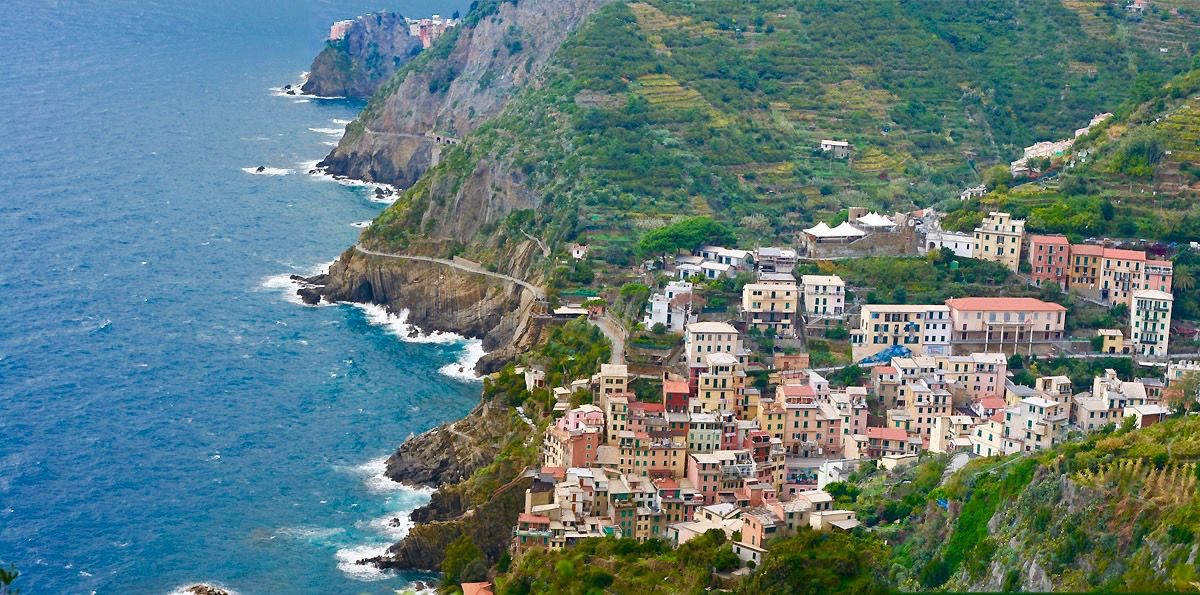
The "Bellissima vista sulla Cala di Montenero" is a famous viewpoint located along the coast of Cinque Terre, near Riomaggiorei
0
0
The seafront of La Spezia, historically known as Passeggiata Costantino Morin, is one of the city's most important symbols and develops as a wide pedestrian area overlooking the wonderful Gulf of Poets.
0
0
Frequently Asked Questions
What kind of terrain can I expect when touring cycling around Sarzana?
Sarzana offers a diverse mix of terrain for touring cyclists. You'll find everything from relaxed coastal routes and gentle rides through the fertile Magra Valley to more challenging climbs in the surrounding hills and mountains, including the Apennine Mountains and Apuan Alps. This variety ensures options for different ability levels and preferences.
Are there touring cycling routes suitable for beginners or families in Sarzana?
Yes, Sarzana provides options for less experienced cyclists and families. While many routes involve significant elevation, there are also easier valley loops and quiet countryside roads. For example, the Marina di Carrara Beach – Versilia River Cycle Path loop from Sarzana offers a moderate ride along the coast and river, which can be a good starting point.
What are some notable landmarks or natural features I can see along the touring cycling routes?
Sarzana's touring cycling routes often pass by significant landmarks and natural features. You can explore historic sites like the Sanctuary of Madonna del Gaggio or the Firmafede Fortress. Natural attractions include the coastline with views of the La Spezia Seafront and the Lerici Promenade, as well as the unique wetlands of Bozzi di Saudino. Some routes also offer panoramic views, such as the Gulf of Poets - Viewpoint.
Are there any challenging touring cycling routes for experienced riders?
Absolutely. For experienced touring cyclists seeking a challenge, Sarzana offers routes with significant elevation gains in the Apennine Mountains and Apuan Alps. The View of La Spezia and Its Gulf – View of Cala di Montenero loop from Sarzana is a difficult 37.3-mile path with panoramic views and substantial climbing. Another demanding option is the Lunense Canal Cycle Path – Passo del Giogo loop from Sarzana, which features over 1,600 meters of elevation gain.
What is the best time of year to go touring cycling in Sarzana?
The region around Sarzana is generally pleasant for cycling during spring and autumn, when temperatures are milder and the landscapes are vibrant. Summer can be warm, especially for more strenuous rides, but coastal routes might offer a refreshing breeze. Winter cycling is possible, though some higher mountain passes might be less accessible.
Are there circular touring cycling routes available from Sarzana?
Yes, many of the touring cycling routes around Sarzana are designed as loops, allowing you to start and finish in the same location. Examples include the Firmafede Fortress – Cycle path to Aulla loop from Sarzana, which takes you through historic areas, and the Lake Gramolazzo – Lake Gramolazzo loop from Sarzana for a longer mountain experience.
What do other touring cyclists enjoy most about cycling in Sarzana?
The touring cycling routes in Sarzana are highly rated by the komoot community, with an average score of 4.2 stars from over 100 reviews. Cyclists frequently praise the diverse landscapes, which combine coastal views with challenging mountain terrain, and the opportunities to explore charming villages and historic sites along the way.
Can I find cafes or pubs along the touring cycling routes in Sarzana?
Yes, many touring cycling routes in the Sarzana area pass through or near picturesque villages and towns. These offer opportunities to stop for refreshments at local cafes, bars, or trattorias. Planning your route with komoot can help you identify potential stops for food and drink.
Is it possible to rent e-bikes in Sarzana?
Yes, Sarzana offers practical support for cyclists, including the availability of e-bike rentals in town. This can be a great option for exploring the region's varied terrain, especially if you're looking to tackle some of the more challenging climbs with a bit of assistance.
How many touring cycling routes are there around Sarzana?
There are over 45 touring cycling routes available around Sarzana, catering to a wide range of abilities. This includes approximately 10 easy routes, 12 moderate routes, and 25 difficult routes, ensuring there's something for every touring cyclist.
Are there any specific viewpoints worth seeking out on a touring cycling trip?
Absolutely. The region is known for its stunning panoramic views. Routes often provide breathtaking vistas of the sea, especially towards La Spezia and its Gulf, and the unspoiled mountains. The Montemarcello area, for instance, offers fantastic panoramic sea views, and specific highlights like the Gulf of Poets - Viewpoint are popular stops.
What kind of historical sites can I visit while cycling in Sarzana?
Sarzana is rich in history, and cycling routes often incorporate historical elements. You can visit impressive fortresses like the Firmafede Fortress and Sarzanello, which offer a glimpse into the region's past. The Via Francigena, an ancient pilgrimage route, also passes through the area, offering a journey through history and nature for cyclists.
Most popular attractions around Sarzana

Get inspired with the komoot mobile app


Explore more
Browse the best Cycling routes in other regions.
