The 15 Most Amazing Peaks around Brallo Di Pregola
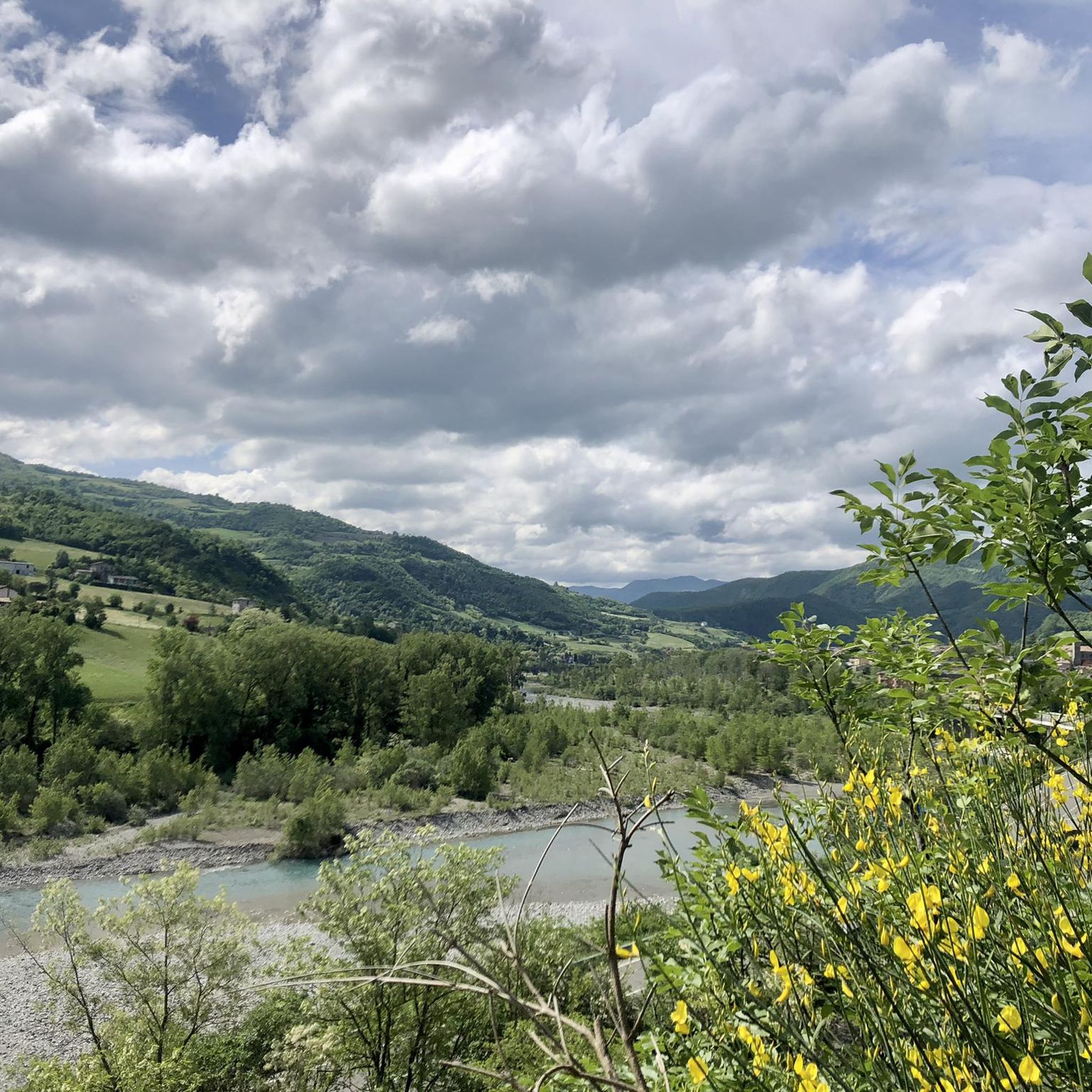
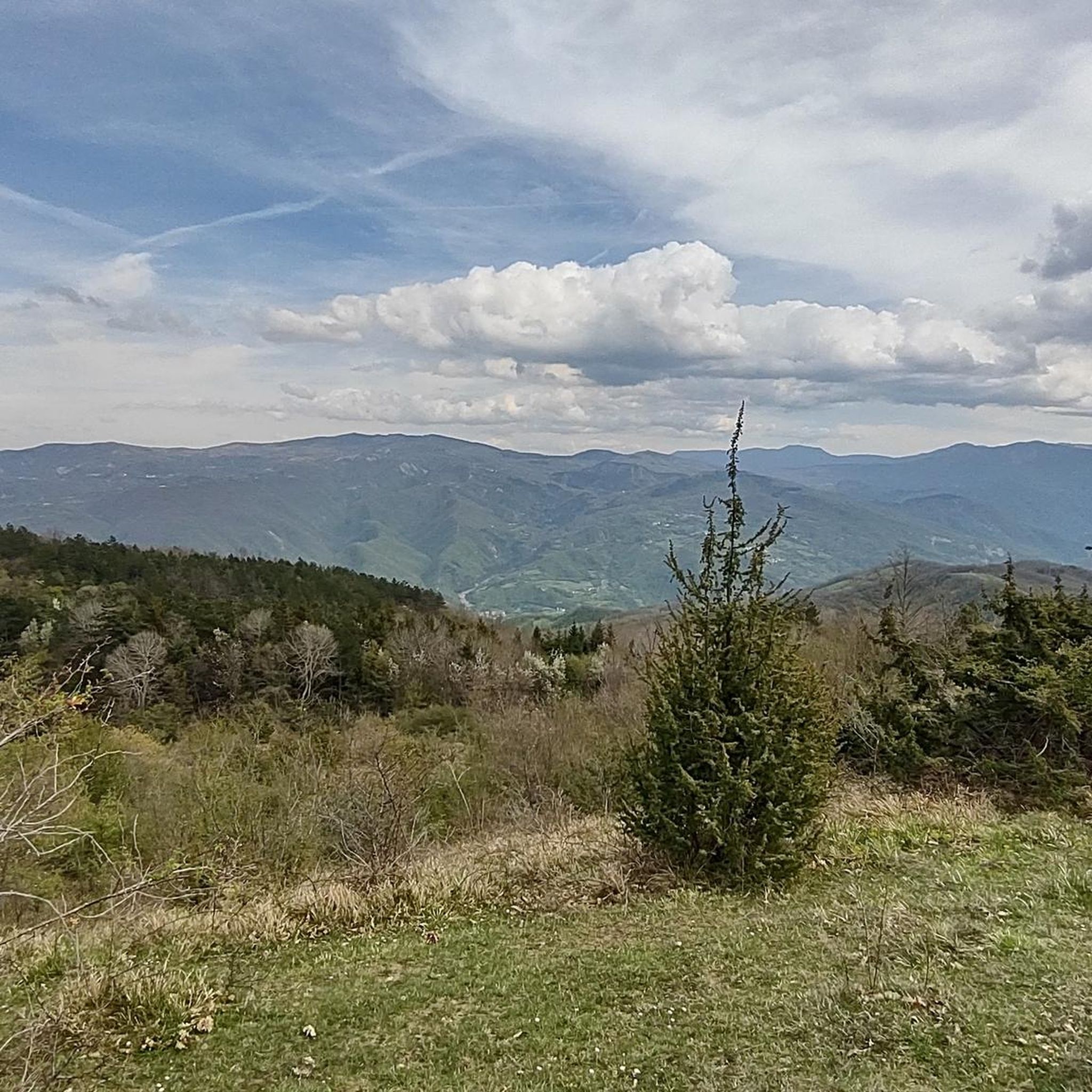
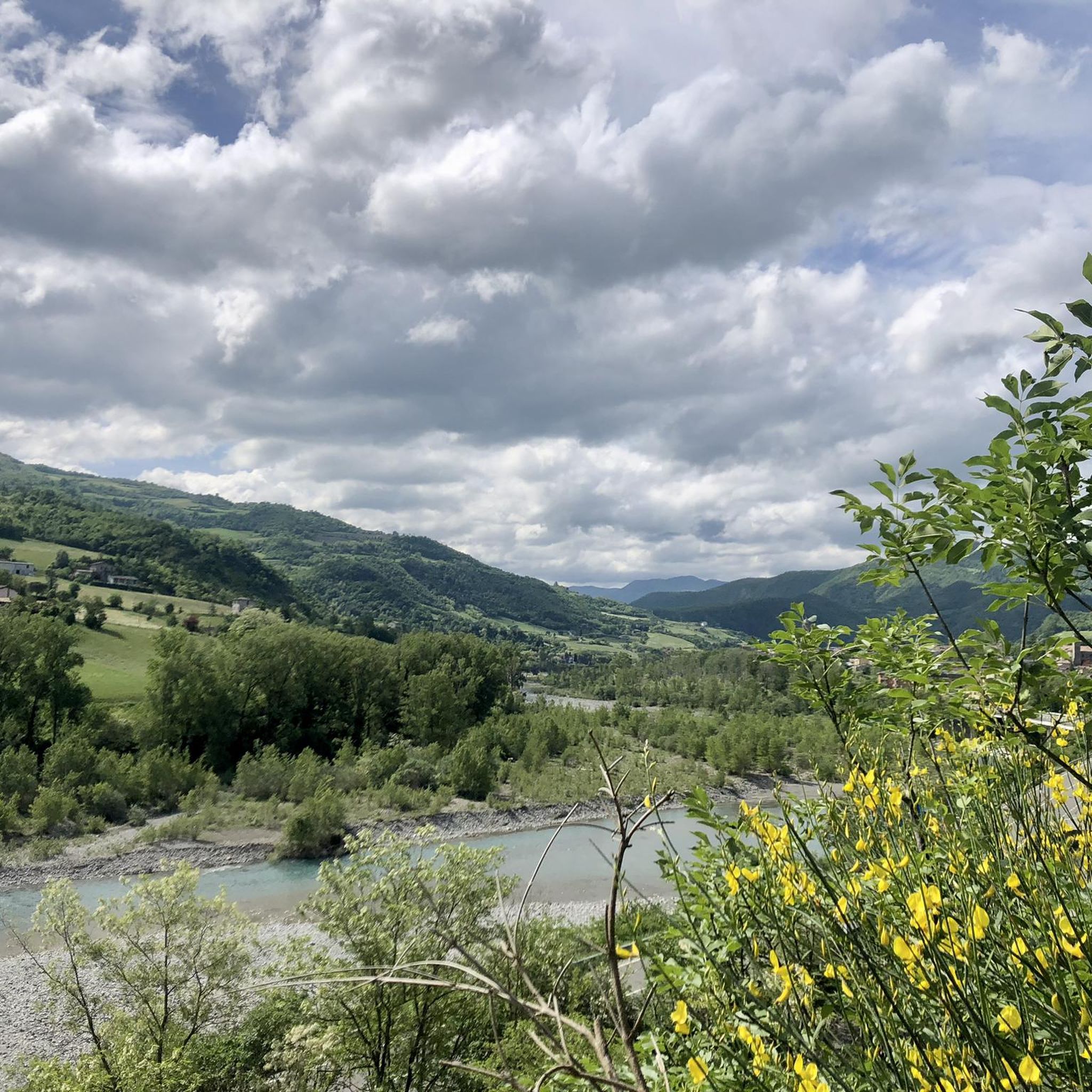
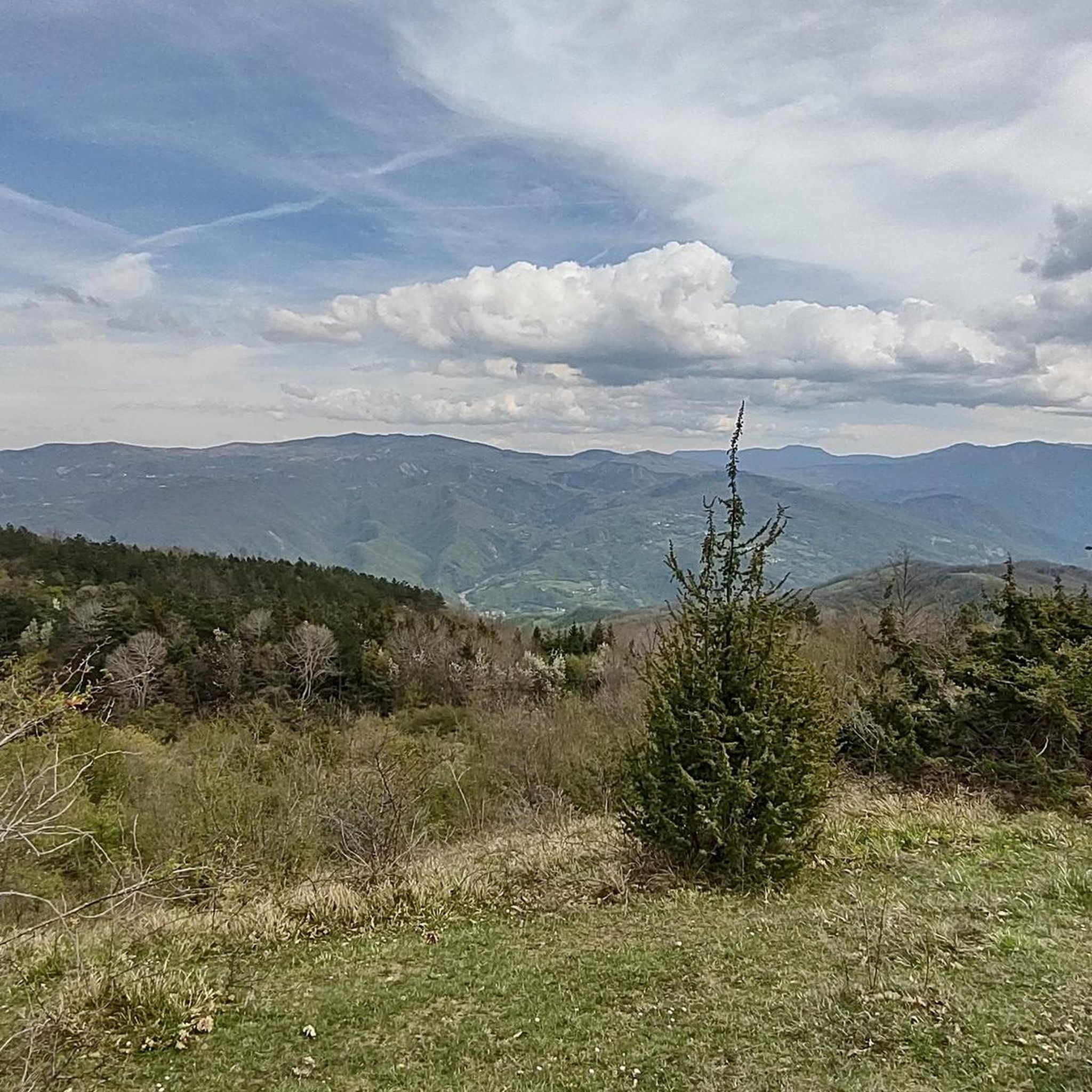
Best mountain peaks around Brallo Di Pregola are found in the Apennines, a region situated at the crossroads of four provinces: Piacenza, Genoa, Alessandria, and Pavia. This area features a diverse natural landscape with limestone formations and extensive beech forests at higher altitudes. The peaks offer panoramic views of surrounding valleys and, on clear days, distant glimpses of the Ligurian Sea. The region is characterized by its varied terrain, providing opportunities for outdoor activities.
Best mountain peaks around Brallo Di…
Last updated: July 15, 2026
Monte Ebro
Highlight • Summit
Translated by Google •
Tip by

Monte Lesima and the ENAV radar
Highlight • Summit
Translated by Google •
Tip by
Sign up now to discover places like this
Get recommendations on the best single tracks, peaks, & plenty of other exciting outdoor places.
Sign up for free
Statue of Christ the Redeemer on Monte Giarolo
Highlight • Monument
Translated by Google •
Tip by

Monte Carmo Summit Cross
Highlight • Summit
between the municipalities of Gorreto (Liguria), Carrega Ligure (Piedmont) and Ottone (Emilia Romagna). It is …
Translated by Google •
Tip by

Monte Chiappo Summit and Rifugio Monte Chiappo
Highlight • Summit
Translated by Google •
Tip by
Sign up for free to discover even more peaks around Brallo Di Pregola.
Sign up for free
Already have an account?
Start today with a free account
Your next adventure awaits.
Login or Signup
Tips from the Community

Each of these crosses, which travelers often encounter in the fields or, as here, on mountain peaks, is a reminder of the crucifixion and resurrection of Jesus Christ. “Here on earth, His memory exists, but in the Kingdom of Heaven is His presence: this presence is the joy of those who have already attained salvation. Remembrance is our comfort, we who are still wanderers, traveling toward our homeland.” (Saint Bernard of Clairvaux, c. 1090–1153)
0
0
The small sacred monument we encounter on Monte Carmo is perhaps the perfect place for a brief moment of reflection. A few years ago, Christiane Völkel commented on the wonderfully fitting sentence by the Italian poet Francesco Petrarch (who lived in the 14th century), "Everywhere one has heaven above oneself," as follows: "What is the use of prayer? This question moves me (...) I have found for myself the answer and the certainty that when I pray I am with the Lord, or rather, that when I pray he is often noticeably closer to me than usual. Thus, I retain the possibility of pouring out my heart to him (...) This intimacy with him makes me believe in him."
0
0
Up here, on Monte Giarolo, the hiker won't find the classic summit cross that crowns many mountains. Instead, on a pedestal divided into two sections, stands the figure of the Risen Christ, adorned with a cross. Christ raises one arm in greeting—or rather, in blessing—and with the other, he embraces the cross, that gruesome symbol of suffering and death, which, through his resurrection, he transformed into a glorious symbol of victory over death.
0
0

At 1,473 meters above sea level, the peak of Mount Giarolo is on the so-called Ligurian Apennines but in the province of Alessandria, Piedmont. It is the northernmost point of the Antola chain and divides the Borbera and Curone valleys. On the summit there is a statue of Christ the Redeemer.
1
0
The most famous crucifix in Italy is not found on the tops of the mountains, although of course there are many summit crosses all over the country, such as here on Monte CARMO, but in literature: The author Giovanni Guareschi, spiritual father of the protagonists 'Don Camillo' and 'Peppone', has included another main character in his stories - which are well-known and popular far beyond the country's borders: the crucified Christ, who speaks to Don Camillo from the high altar. The author himself makes the following comment on this: "So you have to explain: if the priests feel insulted by Don Camillo, they can smash a candlestick on my skull for all I care; if the communists are insulted by Peppone, they can break a club in two on my back; but if someone feels insulted by Christ's speeches, there's nothing you can do. Whoever speaks in my stories... is my Christ, that is, the voice of my conscience. My personal business, my affair. And therefore: each for himself and God for all.” (G. Guareschi)
2
0

Mount Ebro (1700 m above sea level) is the most beautiful and panoramic mountain of the entire Ántola chain, and one of the most beautiful and panoramic of the entire Ligurian Apennines. It is a gigantic pyramid, mostly grassy, that rises on the watershed between Borbera and Curone, a short distance from the important node of Mount Chiappo. The slopes of the mountain are generally wide and slightly sloping, covered by thick woods at lower altitudes, and meadows above 1400-1500 meters. The imposing southern slope is an exception, which towers, very high and steep, over the village of Aie di Cósola.
4
0
Monte Chiappo (1700 m above sea level) is a large grassy mountain, vaguely shaped like a large pyramid, which rises on the main axis of the Ántola Chain. The Stàffora and Curone streams originate on its northern side; for this reason, near the summit the mountain range divides into three buttresses: the easternmost one divides the Stàffora Valley from the Trebbia Valley, rising further into Monte Lésima; the central one heads north, forming the watershed between Stàffora and Curone, while the western one, on which Monte Ebro stands, separates the Borbera Valley from the Curone Valley. The summit of the mountain is the meeting point between the regional borders of Piedmont, Emilia-Romagna and Lombardy.
4
0
The Feast of the Redeemer has been celebrated on Mount Giarolo since the beginning of the last century, when the first statue of the Redeemer was erected on August 11, 1901 (replaced with the new one exactly one hundred years later) in order to celebrate the 19th centenary of the birth of Christ. It was inaugurated by the Bishop of Tortona who, for the occasion, promoted a diocesan pilgrimage in which approximately 12,000 faithful participated. Since then, every year on the first Sunday of August tourists and faithful go to the top of the mountain to renew the tradition.
3
0
Frequently Asked Questions
Which mountain peaks offer the best panoramic views around Brallo Di Pregola?
For extensive panoramic views, consider Monte Lesima, which provides breathtaking vistas of the surrounding valleys, the Ligurian-Piacenza Apennines, and on clear days, even the Ligurian Sea. Monte Chiappo offers vast views towards the Padana Plain and the Alps, and sometimes the Riviera di Ponente. Monte Penice also boasts stunning views of the Val Trebbia and Val Staffora.
Are there family-friendly mountain peaks or trails near Brallo Di Pregola?
Yes, Monte Penice is known for its family-friendly atmosphere, especially in winter with its artificial snow facilities for skiing. For hiking, trails to Monte Lesima are generally suitable for various skill levels, including families, with routes typically around 10-11 km and 600m elevation gain. Monte Chiappo also offers varied trails, some suitable for families.
What unique natural features can I find on the mountain peaks in this region?
The region is rich in natural diversity. Monte Lesima is part of the Le Torraie – Monte Lesima Nature Reserve, a Site of Community Importance (SCI) known for its diverse flora, over 80 butterfly species, and fauna including deer, wolves, and raptors like the golden eagle. It also features limestone formations and extensive beech forests at higher altitudes. Monte Ebro is notable as a gigantic, mostly grassy pyramid.
Are there any historical or cultural landmarks on the mountain peaks?
Yes, several peaks have historical and cultural significance. Monte Penice hosts the ancient Sanctuary of Santa Maria at its summit. Monte Chiappo is historically part of the ancient Via del Sale (Salt Road) and features a statue of Saint Joseph the Carpenter. Monte Giarolo is crowned with a statue of Christ the Redeemer, where the Feast of the Redeemer has been celebrated annually since 1901.
What outdoor activities can I do near the mountain peaks around Brallo Di Pregola?
The area offers a variety of outdoor activities. You can find numerous cycling routes, including challenging ones like the 'Monte Penice Summit – Penice Pass (Bobbio) loop from Colleri'. For gravel biking, consider routes such as the 'Passo del Giova – Radar Station of Monte Lesima loop from Pietragavina'. Mountain biking enthusiasts can explore trails like 'Via del Mare - Via del Sale to Monte Lesima'. You can find more details on these activities in the Cycling around Brallo Di Pregola, Gravel biking around Brallo Di Pregola, and MTB Trails around Brallo Di Pregola guides.
What is the best time to visit the mountain peaks for hiking?
The warmer months are ideal for hiking, offering varied trails and pleasant conditions. However, some peaks like Monte Chiappo and Monte Penice also cater to winter sports enthusiasts, with opportunities for skiing and snowshoeing when conditions allow.
Which mountain peaks are significant for their geographical location?
Monte Chiappo is a unique geographical point where the regional borders of Piedmont, Emilia-Romagna, and Lombardy meet. Monte Penice is located on the border between the Piacenza and Lombardy territories. Monte Lesima is the highest peak of the Ligurian-Piedmontese-Pavese Apennines.
Can I find food and refreshments near the mountain peaks?
Yes, near Monte Chiappo, you can find the Rifugio Monte Chiappo, which offers bar and restaurant services. Passo Penice, on Monte Penice, is also a popular destination with amenities.
Are there any peaks with unique man-made structures?
Yes, Monte Lesima is easily identifiable by a large white radar dome used for air navigation and a prominent summit cross. Monte Penice hosts the Monte Penice transmission center with impressive television and radio transmitters, including a RAI transmitter operational since 1953. Monte Carmo features a well-known summit cross.
What is the typical difficulty and duration for hiking to the summit of Monte Lesima?
Hiking trails to the summit of Monte Lesima, particularly from starting points like Prodongo and Cima Colletta, are typically around 10-11 km in length with about 600m of elevation gain. These routes are generally considered intermediate and suitable for various skill levels.
Which mountain peaks are good for spotting wildlife?
Monte Lesima, being part of the Le Torraie – Monte Lesima Nature Reserve, is an excellent location for wildlife spotting. The reserve is home to diverse fauna, including deer, wolves, and various raptors such as the golden eagle.
Are there any peaks that are particularly popular with the komoot community?
Yes, Monte Lesima and the ENAV radar is a highly popular mountain peak, recognized as the highest in the Ligurian-Piedmontese-Pavese Apennines. Monte Chiappo Summit and Rifugio Monte Chiappo is also a favorite, known for its vast panoramic views and its unique position at the meeting point of three regional borders.
Most popular routes around Brallo Di Pregola
Most popular attractions around Brallo Di Pregola

Get inspired with the komoot mobile app


Explore more
See even more amazing summits around Brallo Di Pregola with these guides:
