Attractions and Places To See around Calestano - Top 20
Best attractions and places to see around Calestano include a blend of historical charm, natural beauty, and local traditions. Nestled in the Parma Apennines, the area features picturesque rolling hills, lush valleys, and ancient architecture. Visitors can explore scenic landscapes and delve into the region's rich history and culinary experiences.
Best attractions and places to see around Calestano
- The most popular attractions is Torrechiara Castle, a castle that is one of the best preserved fortresses in Emilia-Romagna. It features…
Last updated: August 30, 2026
Cyclo-pedestrian footbridge over the Baganza River
Highlight • Bridge
Translated by Google •
Tip by

Torrechiara Castle
Highlight • Castle
Translated by Google •
Tip by

Sign up now to discover places like this
Get recommendations on the best single tracks, peaks, & plenty of other exciting outdoor places.
Sign up for free
Rocca Sanvitale di Sala Baganza
Highlight • Castle
fountain. Outside there are also games for children.
Translated by Google •
Tip by

Bivouac at Mount Sporno
Highlight • Mountain Hut
Translated by Google •
Tip by

Fragno Pass
Highlight • Mountain Pass
Translated by Google •
Tip by
Sign up for free to discover even more attractions around Calestano.
Sign up for free
Already have an account?
Start today with a free account
Your next adventure awaits.
Login or Signup
Other adventures around Calestano

Tips from the Community

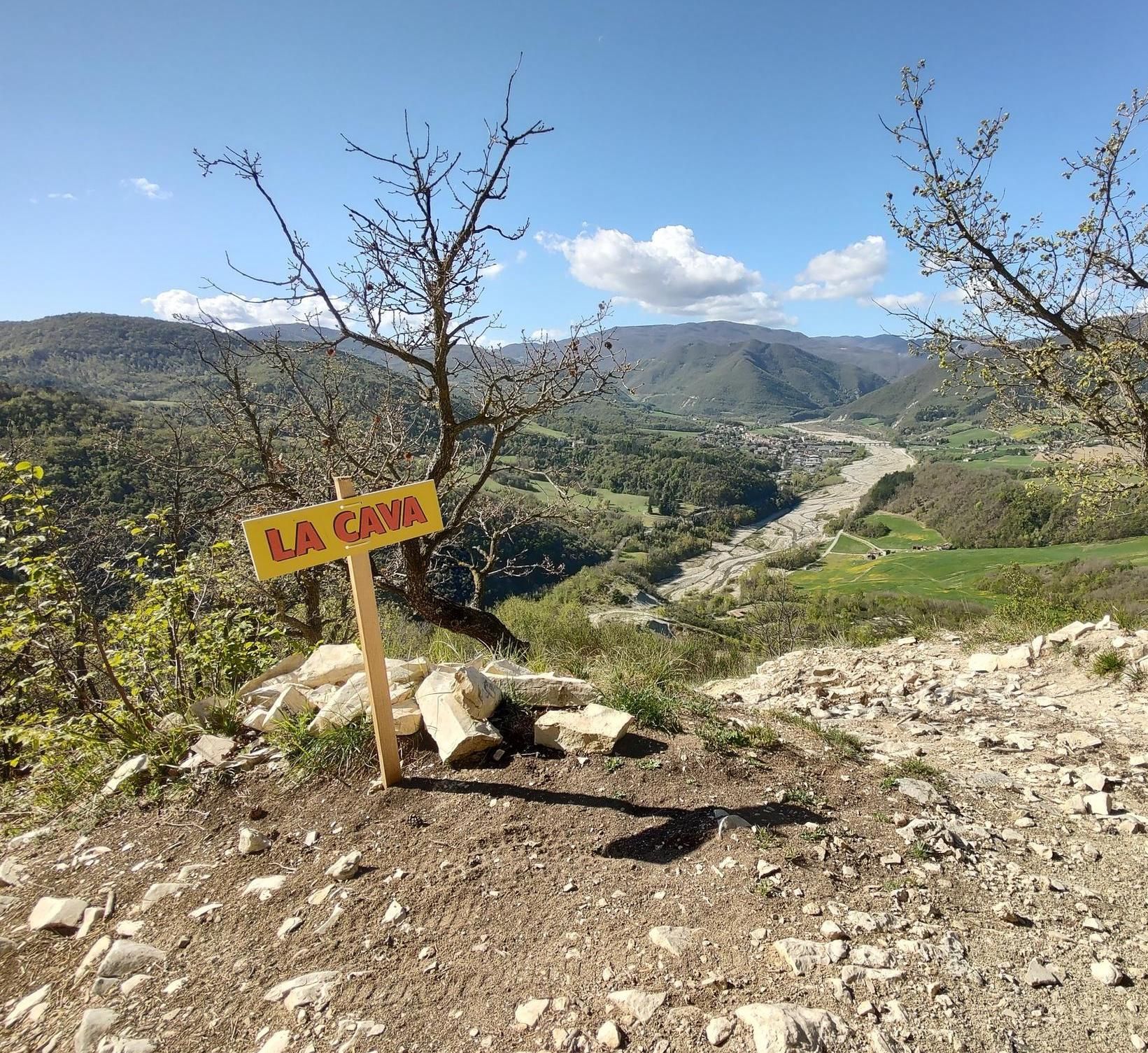
Beautiful panoramic point overlooking the valleys of the Parma and Baganza rivers
0
0

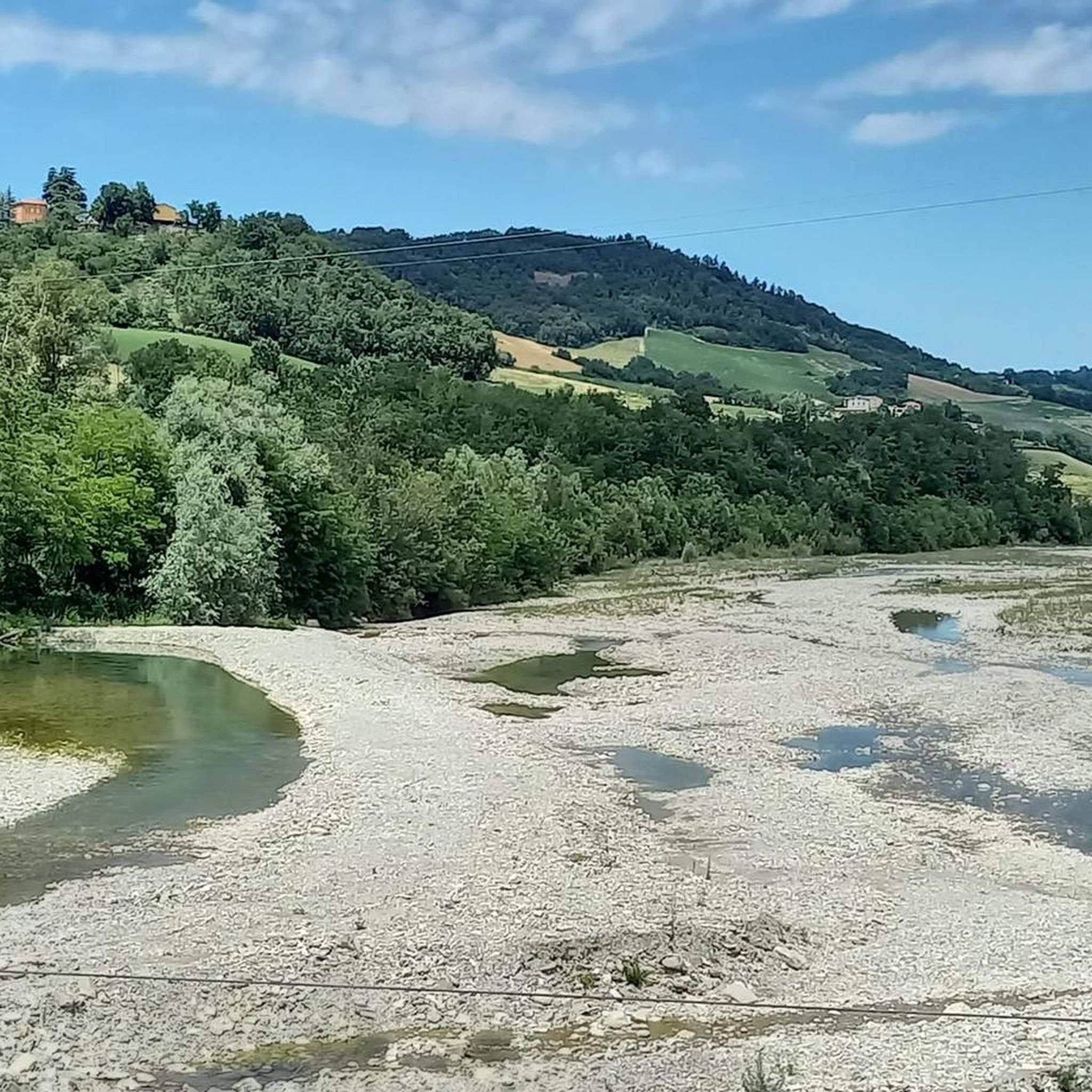
To be done with dry soil
1
0
Area with tables. Often dirty with abandoned garbage, a shame.
1
0

A short detour to visit the town center (and perhaps stop at a bar for a snack)
1
0
A bivouac with a fireplace and stove is always open. Located at the foot of Mount Sporno, it's an excellent shelter in times of need or simply for a rest. The refuge is always open and accessible. Naturally, please respect the basic rules, taking any waste down with you and leaving everything tidy (preferably better than you found it).
1
0
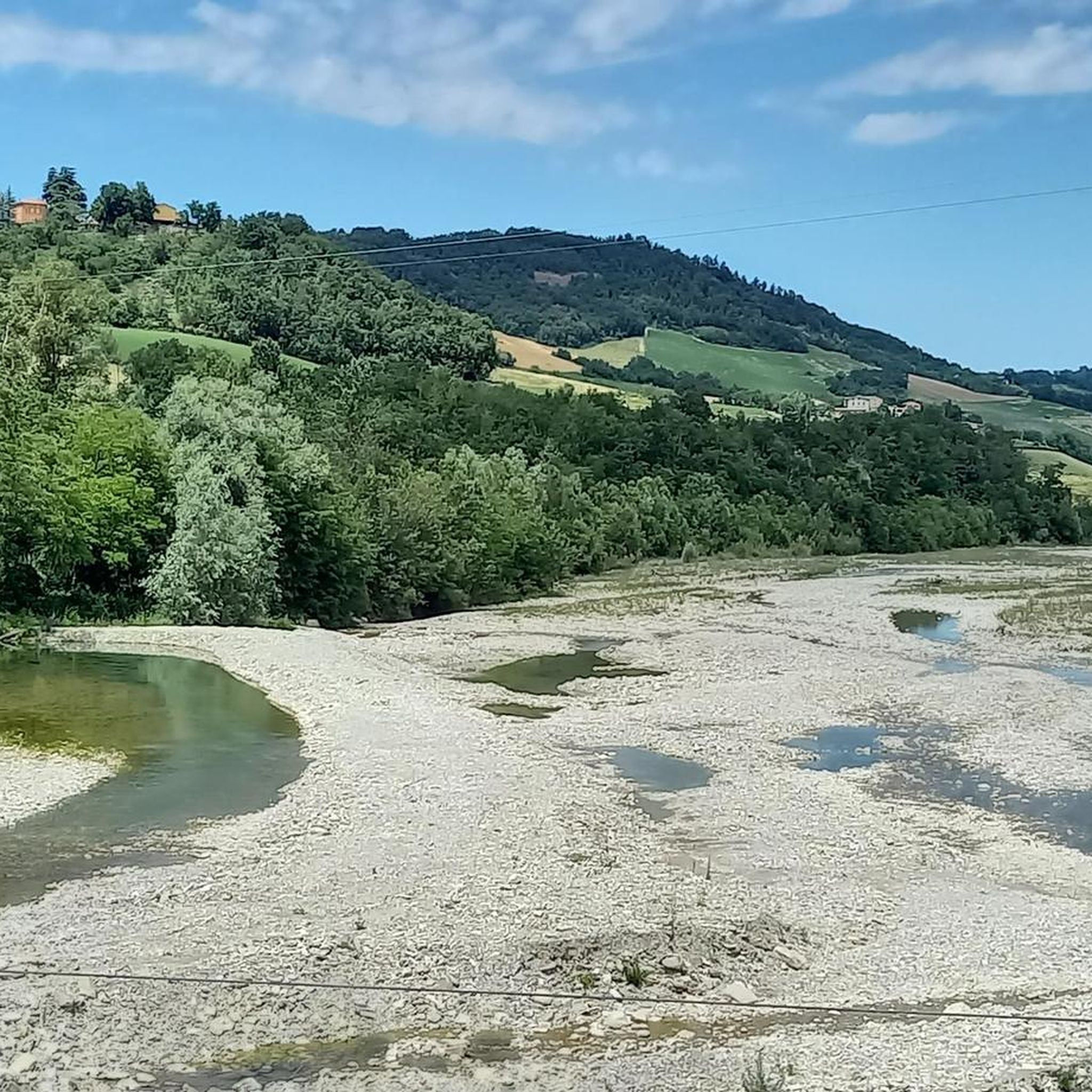
Very useful cycle and pedestrian bridge that crosses the Baganza stream
0
0

Small bridge over the Baganza torrent, only for cycling and pedestrians - it is located in the town of San Vitale Baganza and connects with the Poggio di S. Ilario B.
0
0
Frequently Asked Questions
What natural attractions can I explore around Calestano?
The region offers diverse natural beauty. You can visit Monte Sporno Hut, located just below the summit of Monte Sporno, an interesting mountain with a dense network of trails. Not far from Calestano, you can also admire the suggestive rocky spires of the Salti del Diavolo in Chiastre di Ravarano, formed approximately 80 million years ago. The area is also characterized by picturesque rolling hills, lush valleys, vineyards, and olive groves.
What historical sites and cultural landmarks are worth visiting near Calestano?
Calestano and its surroundings are rich in history. Don't miss Torrechiara Castle, one of Emilia-Romagna's best-preserved fortresses, featuring medieval and Renaissance elements. Another significant site is Rocca Sanvitale di Sala Baganza, a fortress that served as a hunting residence for the Farnese and Bourbon Dukes, complete with a large eighteenth-century garden. The Pieve di Talignano, a well-maintained Romanesque church, is also worth a visit when open. Additionally, the Old Town Centre of Calestano itself offers a glimpse into the town's long history with stone buildings from the 15th to 18th centuries.
Are there family-friendly attractions or activities in the Calestano area?
Yes, several attractions are suitable for families. Rocca Sanvitale di Sala Baganza has a beautiful garden with games for children outside. The Felino Castle, while offering historical tours, also features a restaurant that can be a pleasant stop for families. The natural landscapes, including the rolling hills and valleys, provide ample opportunities for easy walks and outdoor exploration with children.
What outdoor activities, like hiking or cycling, can I do around Calestano?
The diverse landscape around Calestano is ideal for outdoor enthusiasts. For hiking, Monte Sporno offers a dense network of trails. Cyclists can explore numerous routes, including those along the Strada del Prosciutto e dei vini dei colli. You can find various MTB trails, running trails, and cycling routes in the area. For detailed routes, check out the MTB Trails around Calestano, Running Trails around Calestano, and Cycling around Calestano guides.
When is the best time of year to visit Calestano for outdoor activities and cultural events?
The best time to visit Calestano largely depends on your interests. For outdoor activities like hiking and cycling, spring (April-June) and autumn (September-October) offer pleasant temperatures and beautiful scenery. If you're interested in local culinary traditions, October-November is significant for the Fiera del Tartufo Nero di Fragno (Black Truffle Fair of Fragno), a major event dedicated to the local Uncinato truffle, featuring tastings, shows, and art exhibitions.
Are there any unique culinary experiences or local products to discover in Calestano?
Calestano is renowned for its culinary heritage, particularly the black truffle of Fragno. The village hosts the important Fiera del Tartufo Nero di Fragno every autumn. The area is also part of the Strada del Prosciutto e dei vini dei colli, highlighting its connection to the rich food and wine traditions of the Parma region, including local hams and wines.
What is the Uncinato Truffle Museum of Fragno?
The Uncinato Truffle Museum of Fragno is a new exhibition established in 2024, located in the basements of the Calestano Municipality. It is dedicated to the local Uncinato truffle and enriches the network of Parma's Food Museums, offering insights into this prized local delicacy.
Can I find trails suitable for different difficulty levels around Calestano?
Yes, the area around Calestano offers a variety of trails. Monte Sporno, for instance, has a dense network of paths that can be combined into more or less complex rings. You can find routes ranging from moderate to difficult for MTB, running, and cycling, catering to different fitness levels. For specific routes and their difficulty, refer to the komoot guides for MTB, running, and cycling.
What is the significance of the Cyclo-pedestrian footbridge over the Baganza River?
The Cyclo-pedestrian footbridge over the Baganza River is a historic bridge that was restored in 2022. It plays an important role in connecting the municipalities of Sala Baganza and Felino, embracing Poggio Sant'Ilario and San Vitale. It offers a convenient and scenic passage for both cyclists and pedestrians, enhancing the network of outdoor routes in the area.
What are some lesser-known historical gems in the Calestano region?
Beyond the major castles, the region holds several charming historical sites. The Palazzo Coruzzi in Calestano showcases artistic heritage with a 16th-century marble baptismal font, valuable paintings, and an 18th-century wooden choir. Additionally, the Chiesa di San Giacomo in the nearby hamlet of Vallerano has medieval origins and was renovated in the early 18th century, offering a glimpse into local religious architecture.
Most popular routes around Calestano
Most popular attractions around Calestano

Get inspired with the komoot mobile app


Explore more
Still not found the Highlight you’re looking for? See guides of the top attractions in other regions:
