Attractions and Places To See around Marino - Top 20
Best attractions and places to see around Marino include a rich tapestry of landmarks, natural beauty, and cultural experiences within the Lazio region of Italy. The town is part of the Castelli Romani area, nestled on the slopes of the Alban Hills and overlooking Lake Albano. Marino is characterized by its ancient origins, well-preserved architecture, and surrounding vineyards. This area offers a blend of historical sites and scenic landscapes.
Best attractions and places to see around Marino
- The most popular…
Last updated: July 6, 2026
Via Appia Antica (Ancient Appian Way)
Highlight • Historical Site
Translated by Google •
Tip by

Park of the Aqueducts
Highlight • Monument
Translated by Google •
Tip by

Sign up now to discover places like this
Get recommendations on the best single tracks, peaks, & plenty of other exciting outdoor places.
Sign up for free
Mausoleum of Cecilia Metella
Highlight • Historical Site
Translated by Google •
Tip by

Tempesta Spring
Highlight • Natural Monument
Translated by Google •
Tip by

Nemi
Highlight • Settlement
Translated by Google •
Tip by

Sign up for free to discover even more attractions around Marino.
Sign up for free
Already have an account?
Start today with a free account
Your next adventure awaits.
Login or Signup

Tips from the Community

After a long time, the water has returned, perhaps thanks to the rains of the past few months. There are also some tadpoles that have been placed in the fountain.
0
0

Fontan Tempesta is much more than a simple spring: it is a melting pot of history, geology, and legend located in the heart of the Castelli Romani Park, along the ancient path connecting Genzano, Nemi, and Rocca di Papa. 1. History and Name The name "Tempesta" has ancient roots. Some historians link it to the Tempesta family, local nobles in the Middle Ages. Others, more romantically, maintain that the area is so named for the frequency of intense atmospheric phenomena due to the particular shape of the Nemi volcanic crater, which "attracts" thunderstorms. 2. A Hydrographic Turning Point The spring is located approximately 600 meters above sea level. Geologically, the water that flows here is the result of filtering through the pyroclastic rocks of the Laziale Volcano. The fact that it has returned to flow after years of drought is an important sign of the restoration of surface water tables, often strained by the scarce rainfall of recent years. 3. Crossroads of Pilgrims and Wayfarers Historically, Fontan Tempesta was an obligatory stop for those traveling the Southern Via Francigena or for pilgrims heading to the Temple of Diana in Nemi. Even today, it is a favorite "turning point" for bikers and hikers because it represents the coolest and most sheltered spot in the forest, where the microclimate remains humid even in the height of summer.
0
0

Nice spot to make pause and regain energy. Don’t expect water flowing during summer months
0
0

Hello Do you know if the trail is exposed in any places? We have a 15-month-old baby, and my wife is particularly afraid of the exposed sections. Thank you very much.
0
0

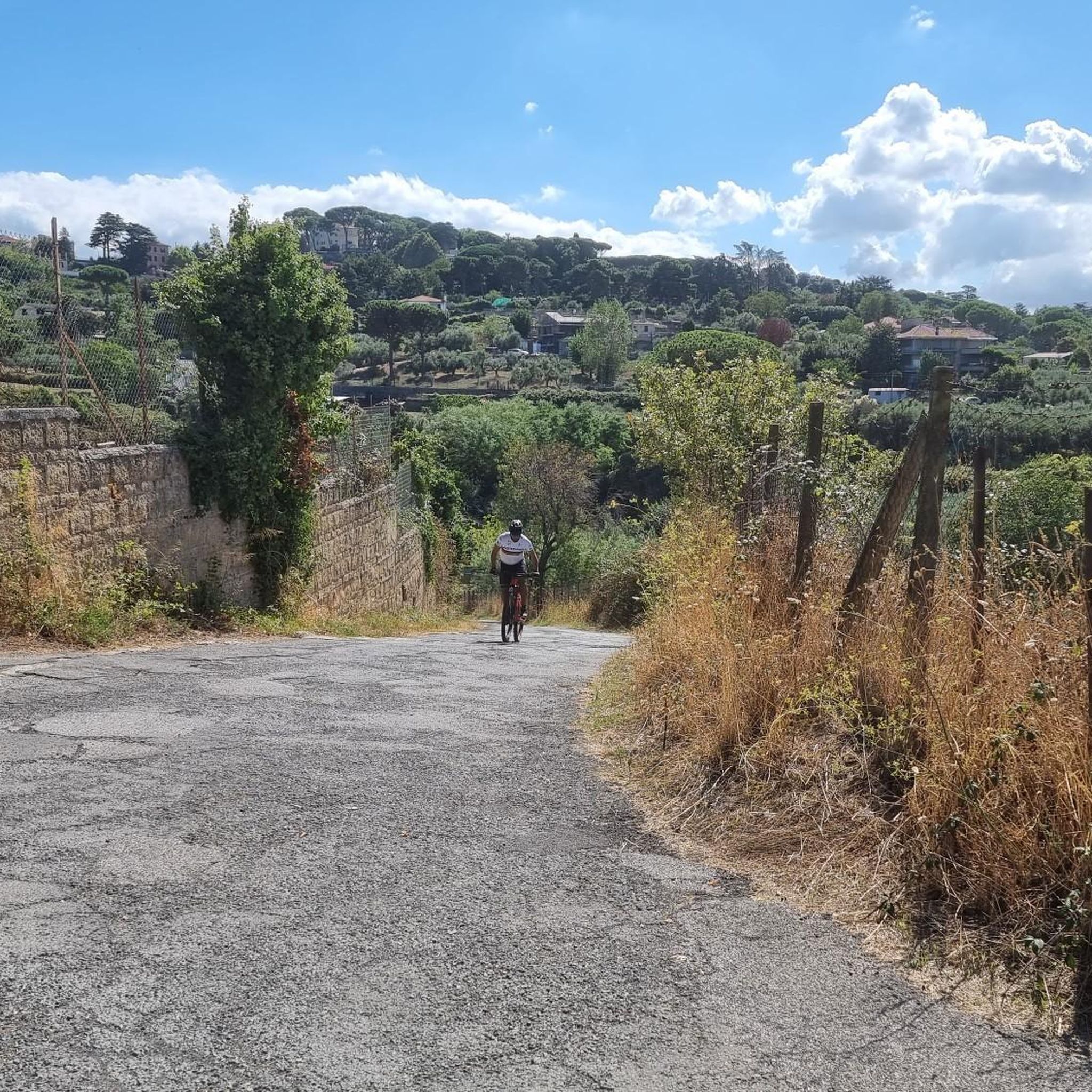
The Appian Way is the perfect place for a family bike ride, away from the hustle and bustle. The paths are mostly very well-maintained. In some places, you can cycle alongside the Appian Way on sandy paths, as the old stones are not very pleasant to ride on. However, this is only the case in a few places. Furthermore, throughout the entire ride, you can repeatedly see ancient ruins, etc., on both sides. Just passing by is wonderful.
2
0

An impressive building even from the outside.
1
0

It's a real shame that there is no more water, but this place is definitely worth a visit.
0
0

It is undoubtedly the best-known tomb on the Appian Way and the very symbol of the "Regina Viarum".
1
0
Frequently Asked Questions
What historical landmarks can I explore in Marino?
Marino is rich in historical landmarks. You can visit the impressive Basilica of San Barnaba, a Baroque masterpiece, or the grand Palazzo Colonna, which now serves as the Town Hall. The iconic Fountain of the Four Moors is also a must-see, especially during the annual Grape Festival. For a glimpse into Marino's feudal past, explore the Rocca Orsini.
Are there any ancient Roman sites near Marino?
Yes, the area around Marino boasts significant ancient Roman sites. You can walk along the historic Via Appia Antica (Ancient Appian Way), an arterial road lined with tombs and estates. Another remarkable site is the Park of the Aqueducts, where seven ancient Roman aqueducts intersected. Don't miss the Mausoleum of Cecilia Metella, a grandiose Roman funerary monument later reused as a castle tower.
What cultural experiences does Marino offer?
Marino is known for its vibrant cultural traditions. The town hosts the Sagra dell'Uva (Grape Festival), Italy's oldest grape festival, where wine famously flows from the Fountain of the Four Moors. You can also explore the Church of the Santissimo Rosario, a splendid example of Roman Rococo architecture, or simply enjoy a leisurely stroll through the old town's historic streets.
Can I learn about Marino's past through museums or archaeological sites?
Absolutely. The Marino Archaeological Museum (Museo Civico), housed in the deconsecrated medieval Church of Santa Lucia, offers insights into local history with artifacts from ancient to modern times. A significant underground treasure is the Mitreo (Mithraeum), located inside a Roman villa's cistern, featuring a rare fresco known as "Tauroctonia." Guided tours are available on weekends for the Mitreo.
What natural attractions are there around Marino?
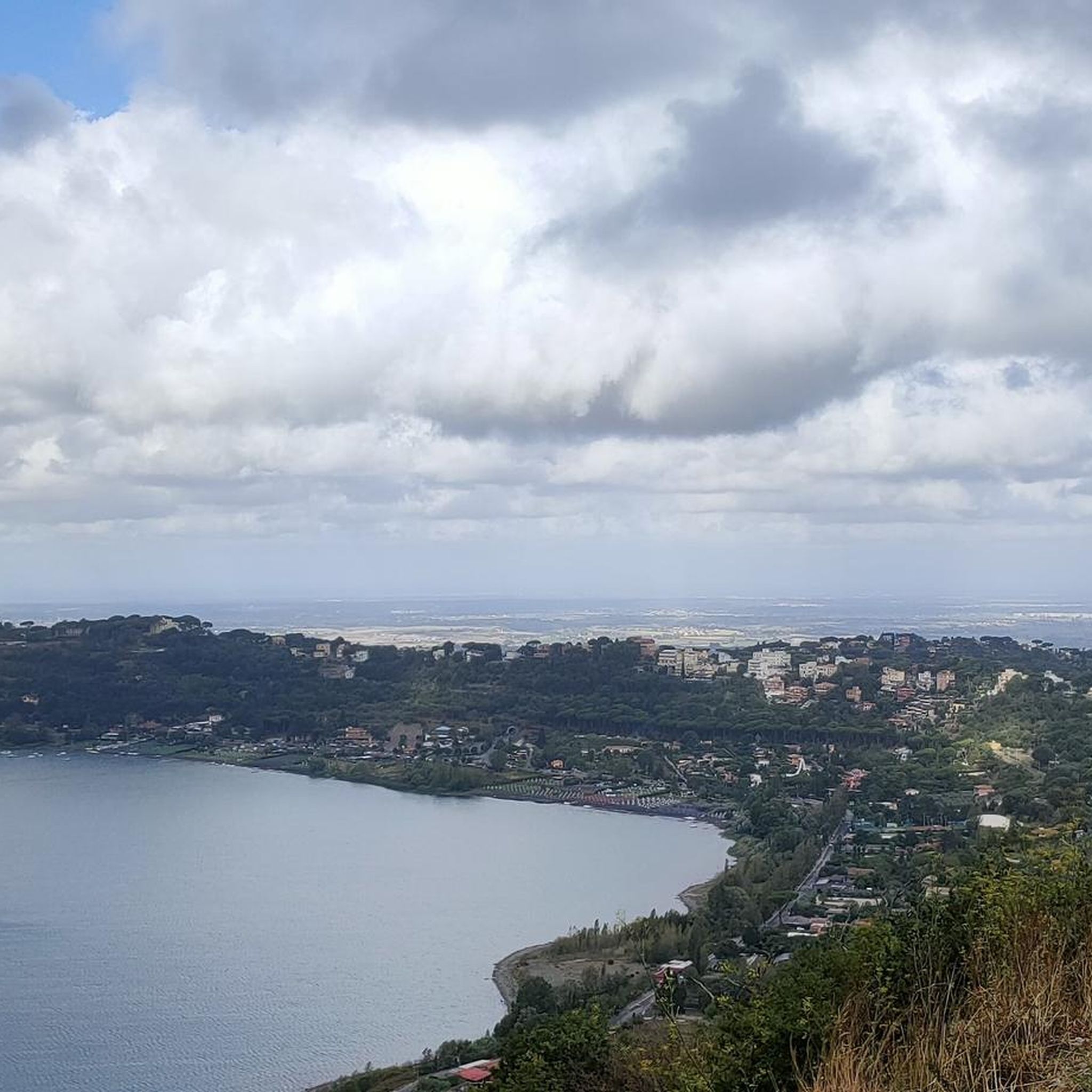
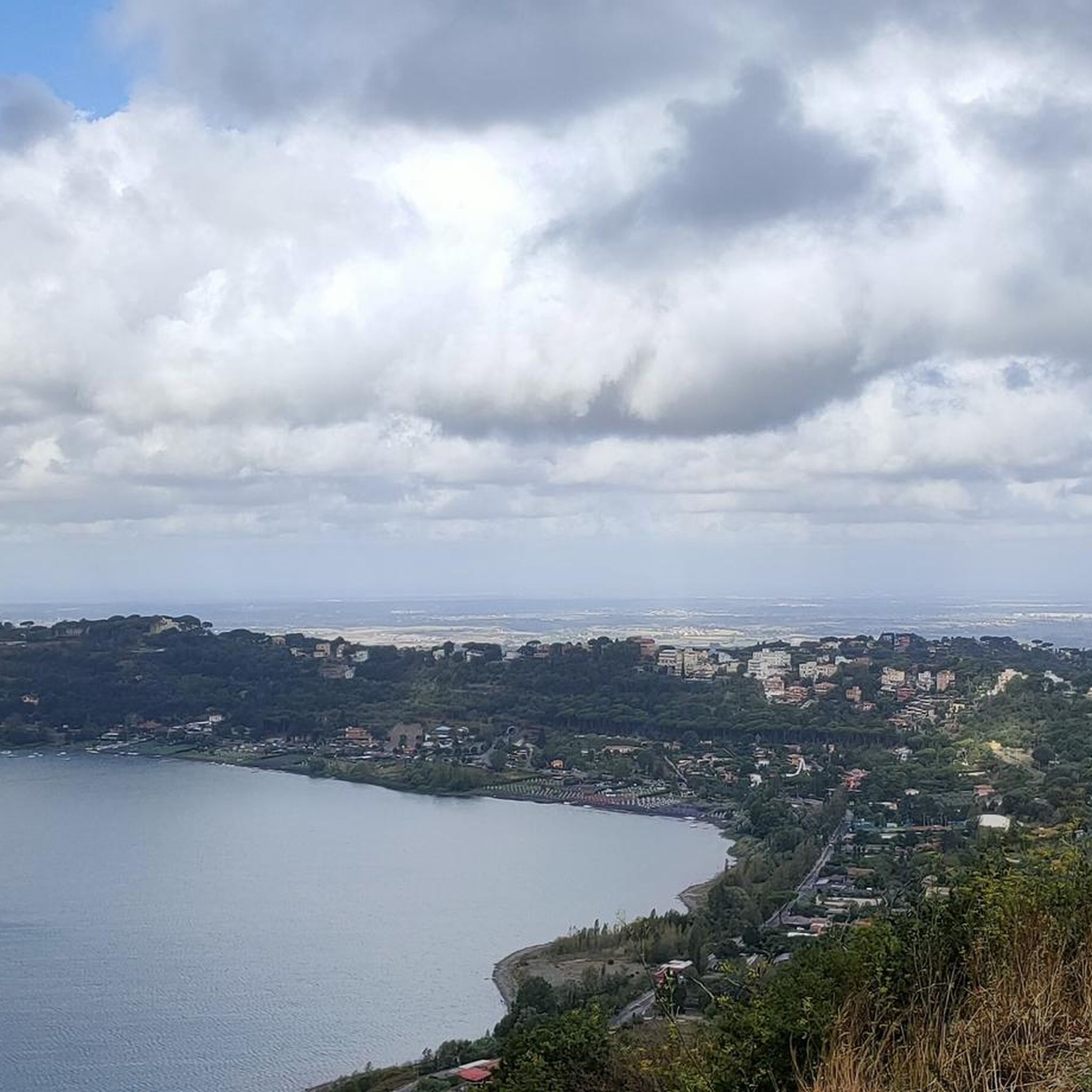
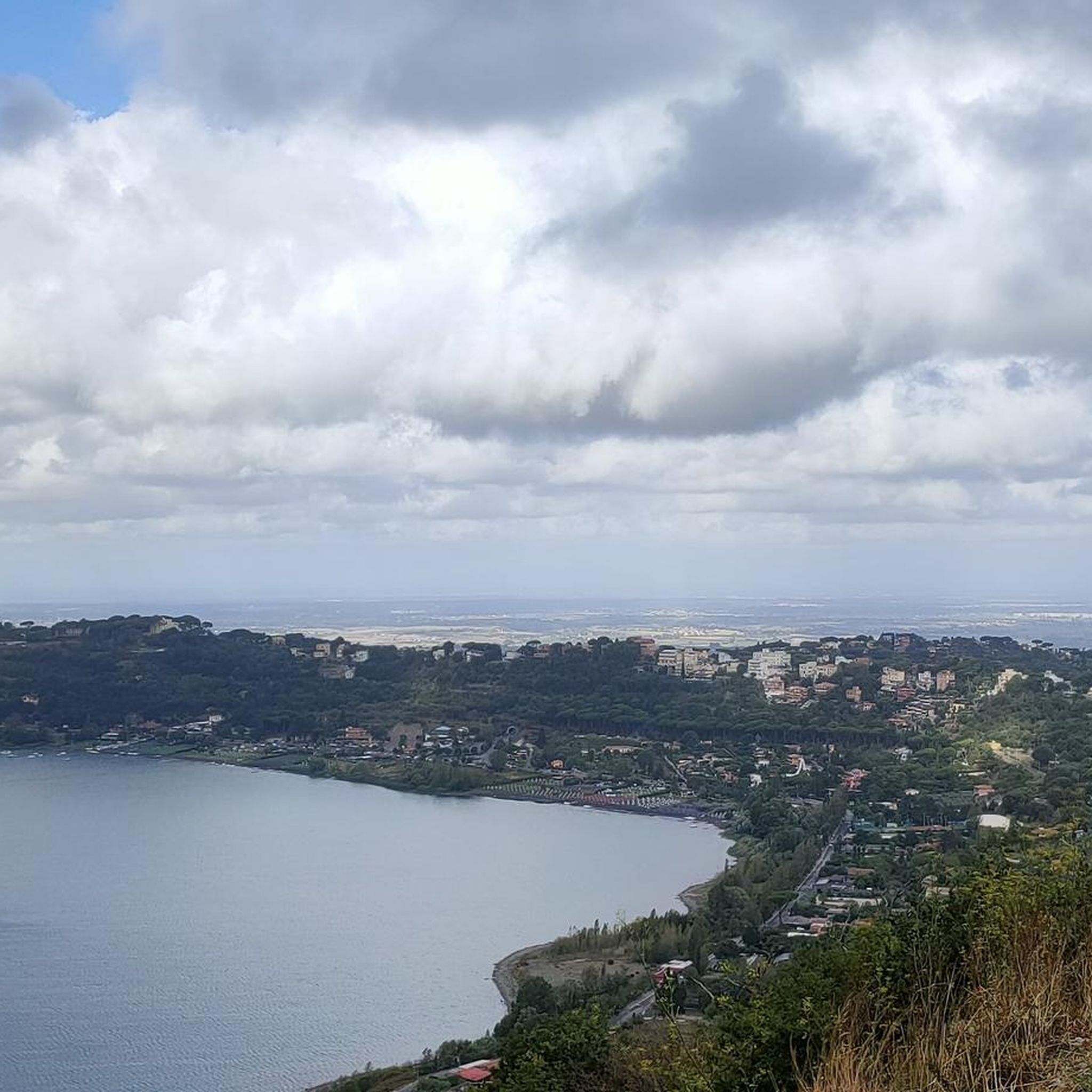
Marino is surrounded by beautiful natural features. The town overlooks the scenic Lake Albano, which is part of the "Parco Naturale dei Castelli Romani" and ideal for outdoor activities. It sits on the slopes of the Alban Hills, offering breathtaking views towards Rome and the Italian countryside, with picturesque vineyards contributing to the landscape.
Where can I find scenic viewpoints in the Marino area?
The Alban Hills surrounding Marino provide numerous opportunities for scenic views. From various points in and around the town, you can enjoy panoramic vistas of Lake Albano, the sprawling Roman countryside, and even Rome itself. The vineyards also offer picturesque backdrops.
Are there family-friendly attractions in Marino?
Yes, several attractions around Marino are suitable for families. The Park of the Aqueducts is a vast green space perfect for walks, cycling, and exploring ancient Roman structures. The Appian Way is also considered family-friendly, offering a unique historical outdoor experience.
What outdoor activities and trails are available near Marino?
The area around Marino is excellent for outdoor activities. You can find various trails for mountain biking, running, and gravel biking. For example, there are routes like the "Lake Albano Loop Trail" for MTB, and the "Parco degli Acquedotti – Caffarella Valley loop" for gravel biking. You can explore more options on the MTB Trails around Marino, Running Trails around Marino, and Gravel biking around Marino guide pages.
Are there good running trails around Marino?
Yes, Marino offers several running trails for different fitness levels. You can find easy routes like the "La Mola Mausoleum loop" or moderate options such as the "View of Lake Albano – Beach at Lake Albano loop." For more details and other routes, check the Running Trails around Marino guide.
What do visitors enjoy most about Marino's attractions?
Visitors particularly enjoy the blend of history and nature. The ancient Roman roads and aqueducts, like the Via Appia Antica and Park of the Aqueducts, are highly appreciated for their historical significance and recreational opportunities. Many find the atmosphere of stepping back in time while cycling or walking through these sites to be a unique charm.
When is the best time to visit Marino?
The best time to visit Marino depends on your interests. For cultural enthusiasts, the first Sunday of October is ideal to experience the famous Sagra dell'Uva (Grape Festival). Generally, spring and early autumn offer pleasant weather for exploring the historical sites and enjoying outdoor activities around Lake Albano and the Alban Hills.
Is Marino part of a larger historical region?
Yes, Marino is an integral part of the charming Castelli Romani area. This collection of hill towns southeast of Rome is known for its historical significance, rural landscapes, and a slower pace of life. Its strategic location provides easy access to nearby towns like Castel Gandolfo and Frascati.
Most popular attractions around Marino

Get inspired with the komoot mobile app


Explore more
Still not found the Highlight you’re looking for? See guides of the top attractions in other regions:
