Attractions and Places To See around Albanella - Top 20
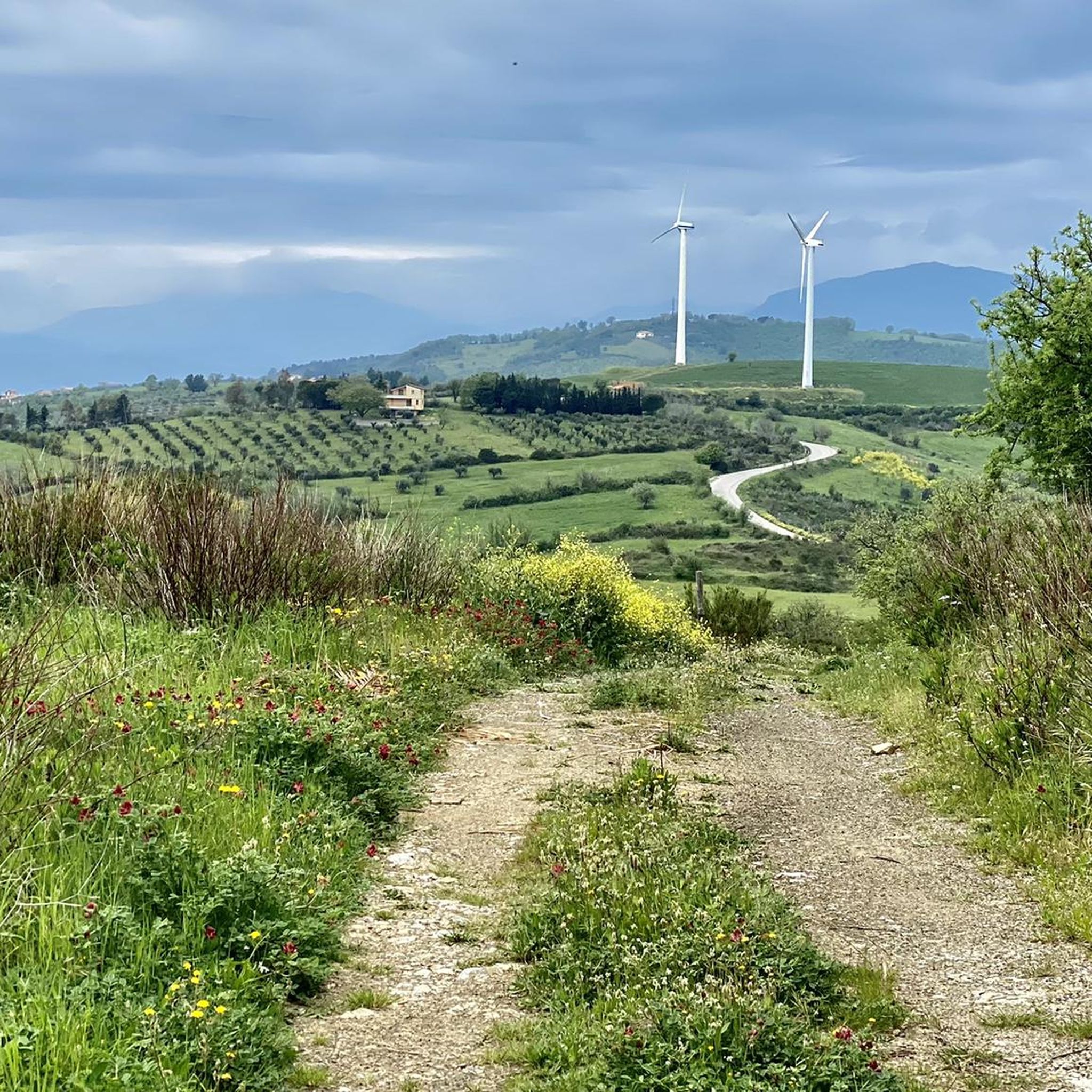
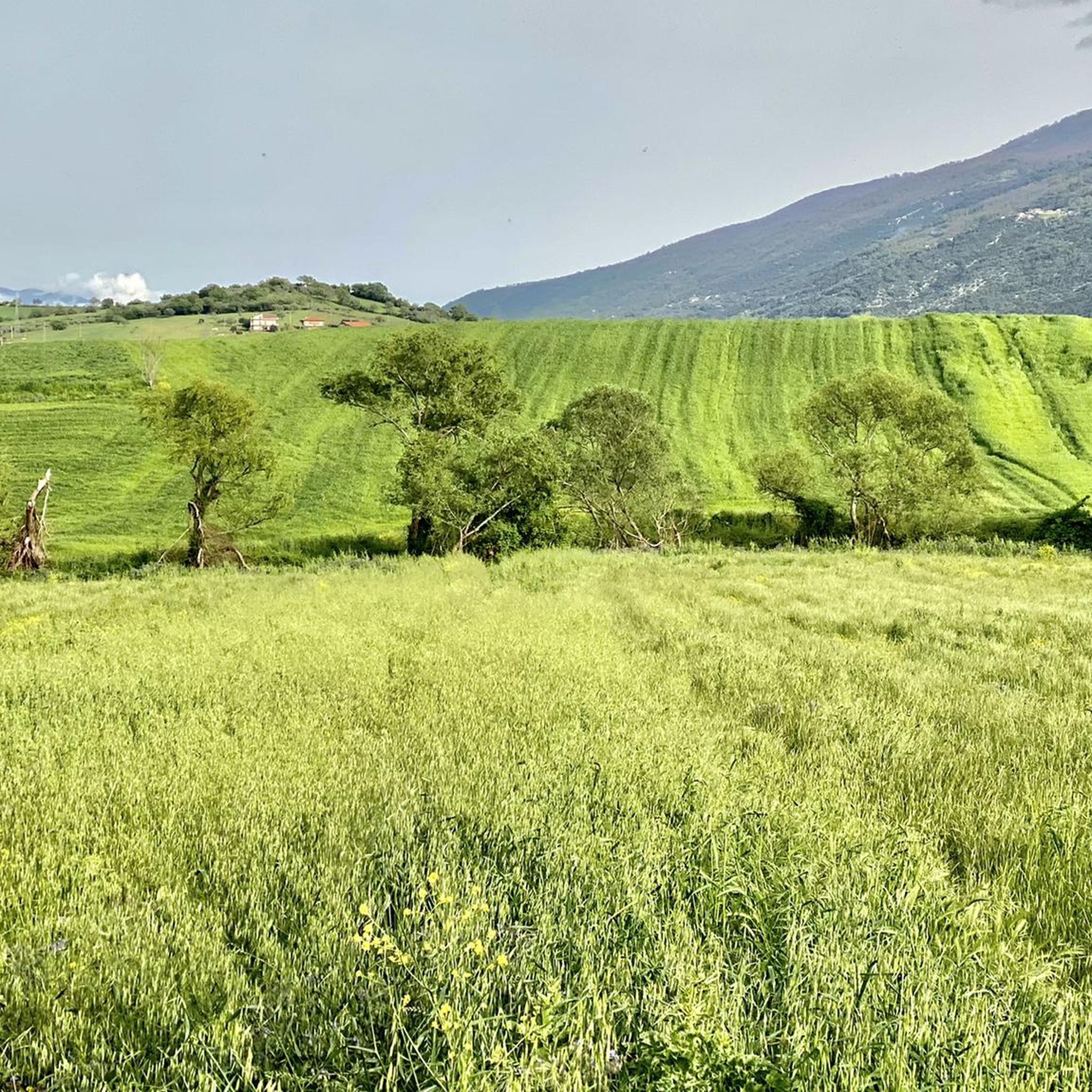
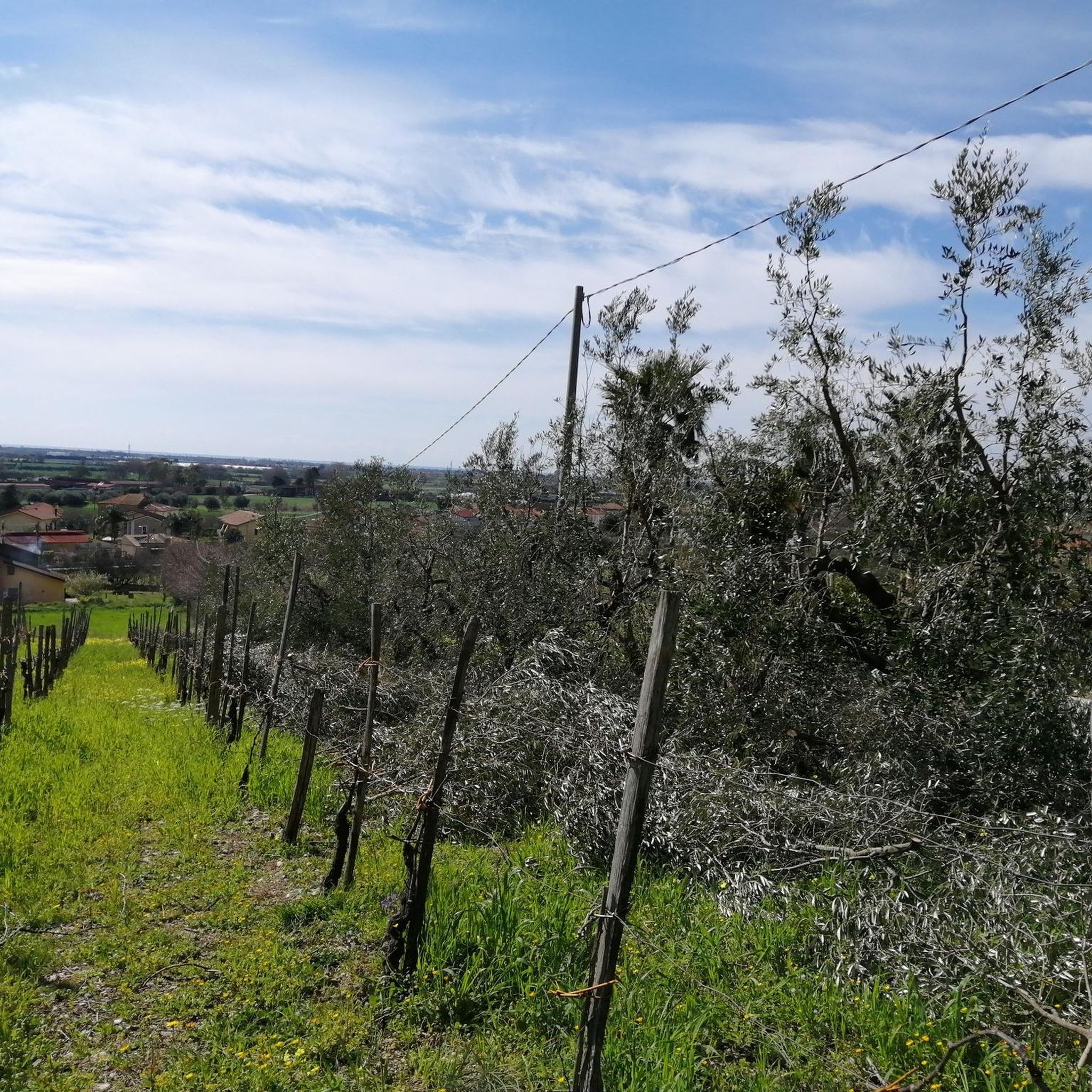
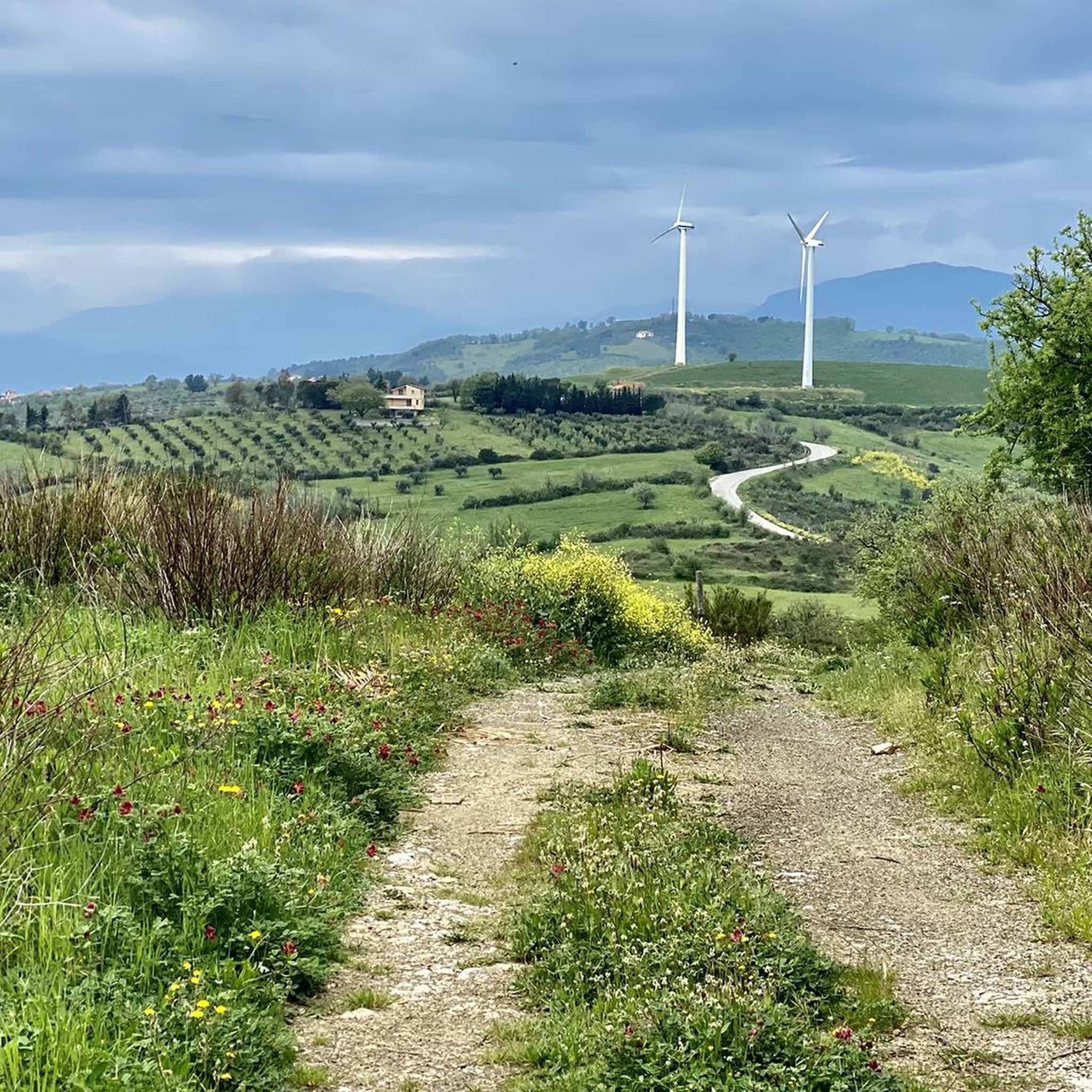
Best attractions and places to see around Albanella are situated on olive tree-dotted hills, offering panoramic views of the Piana del Sele. This region provides a blend of historical, cultural, and natural attractions. Albanella's history dates back to the 9th century, with archaeological findings indicating stable human settlements from the 4th century B.C. Known as "The Land of the Olive Trees," it offers a tranquil setting for visitors exploring its diverse points of interest.
Best attractions and places to see around Albanella
- The most popular attractions is Paestum: walk along Via Magna Grecia, a historical site that allows visitors to immerse themselves in the ancient city of Magna Graecia. The extension of its inhabited area, enclosed by Greek walls, is still clearly recognizable today.
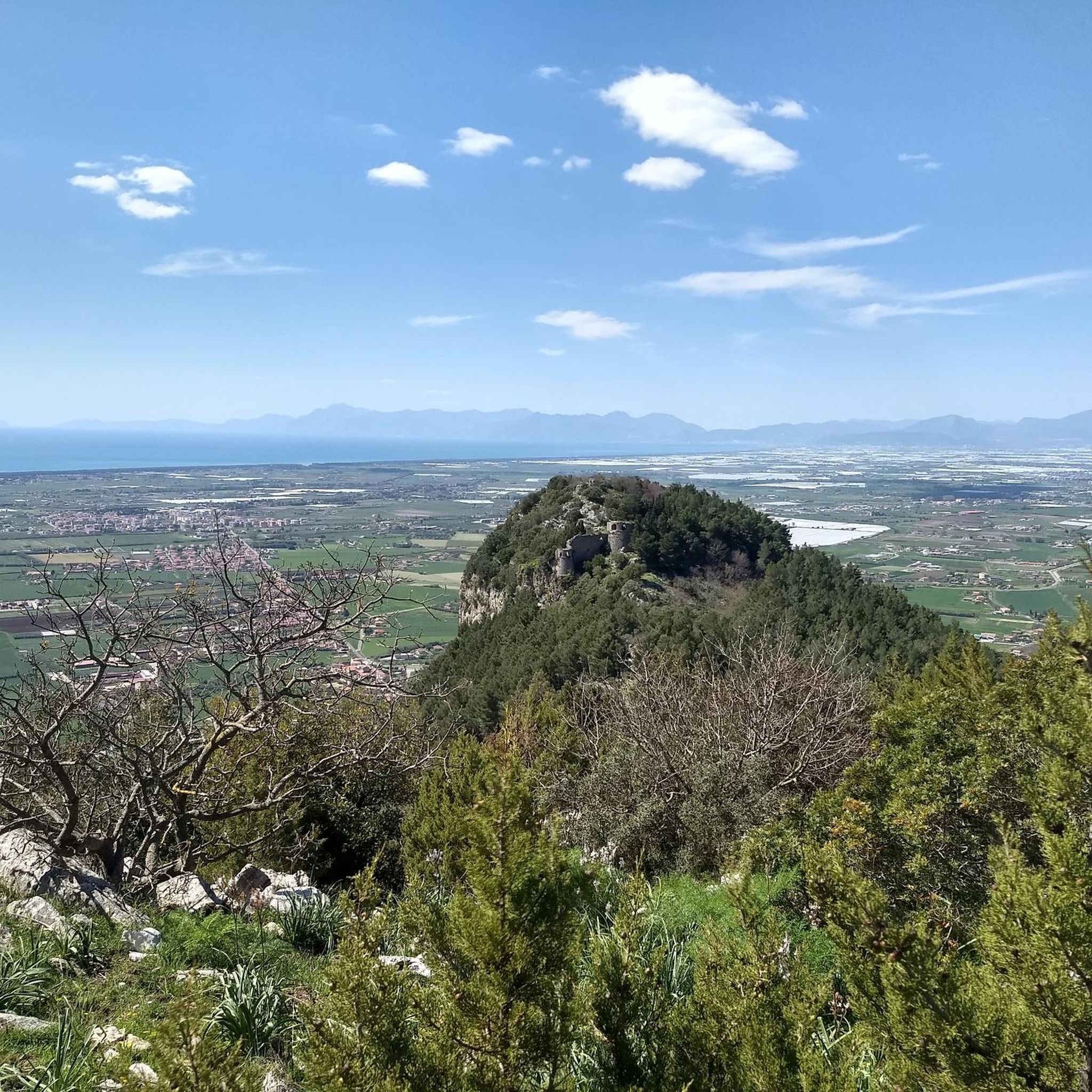
- Another must-see spot is The Terrace of Cilento, a viewpoint offering a panoramic route. From here, visitors can enjoy views embracing the entire Piana del Sele, the archaeological excavations of Paestum, and the Gulf of Salerno.
- Visitors also love Temple of Hera, Paestum, a historical site within the Archaeological Park of Paestum. This temple is part of the remarkably well-preserved remains of the ancient city, originally called Poseidonia.
- Albanella is known for its historical sites, religious buildings, and natural viewpoints. The area offers a variety of attractions to see and explore, from ancient ruins to scenic landscapes.
- The attractions around Albanella are appreciated by the komoot community, with 108 upvotes and 105 photos shared by visitors.
Last updated: July 7, 2026
Temple of Hera, Paestum
Highlight • Historical Site
Translated by Google •
Tip by

Paestum: walk along Via Magna Grecia
Highlight (Segment) • Historical Site
It is located in the Campania region in the province of Salerno, as a fraction of the municipality of Capaccio Paestum, about 30 km south of Salerno (97 km south of Naples); it is located in the Piana del Sele, near the coast, in the Gulf of Salerno, north of the Cilento, Vallo di Diano and Alburni National Park; the town, near which there are Capaccio Scalo and Lido di Paestum, is served by a railway station of the same name.
it.wikipedia.org/wiki/Paestum
Translated by Google •
Tip by

Sign up now to discover places like this
Get recommendations on the best single tracks, peaks, & plenty of other exciting outdoor places.
Sign up for free
The Terrace of Cilento
Highlight • Viewpoint
Translated by Google •
Tip by
Mouth of the Sele River
Highlight • River
Translated by Google •
Tip by

Paestum Amphitheater
Highlight • Historical Site
Translated by Google •
Tip by

Sign up for free to discover even more attractions around Albanella.
Sign up for free
Already have an account?
Start today with a free account
Your next adventure awaits.
Login or Signup
Tips from the Community


It's worth a stop (especially in summer to break the heat) if you happen to be cycling through the area. Keep in mind that admission is free on the first Sunday of every month!
1
0

Founded in the Caesarian era (around 50 BC), it is among the oldest examples of this type of building. Initially built without an external ring, it still retains a few steps of the caeva (stairs for the public). The balteo, a parapet separating the arena from the cavea, was built to a considerable height to avoid aggression from the animals performing in the arena. At the end of the 1st century AD, an external ring was added consisting of a series of arches resting on brick pillars, above which the crowning of the cavea (maenianum summum) was positioned, perhaps made of wood. Currently, the amphitheatre is only partially visible since approximately a third is buried under the modern road.
1
0


This terrace is unique in its kind, in reality it is a real panoramic route that starts from the flight of the Angel and ends in the lovers' belvedere. It is worth going all the way and choosing the most suitable bench to enjoy the landscape.
3
0

This application was made by @Reborn
4
1
In the archaeological park of Paestum it is possible to admire the remains of the ancient city of Magna Graecia called Poseidonia in honor of the God of the sea. The name Paestum was then given by the Romans in the III century. B.C. Today the archaeological site is distinguished by the perfect state of conservation of temples and monuments.
3
0
Crossing the Borgo di Trentinara you reach this panoramic square called the Terrace of Cilento. From here you can admire the Cilento coast, from Agropoli to Salerno, the Amalfi coast and even in the distance you can see the island of Capri.
1
0
Frequently Asked Questions
What are the main historical attractions to explore near Albanella?
The area around Albanella is rich in history. You can immerse yourself in the ancient city of Magna Graecia by visiting Paestum: walk along Via Magna Grecia, where the extension of its inhabited area, enclosed by Greek walls, is still clearly recognizable. Within the Archaeological Park of Paestum, you'll also find the remarkably well-preserved Temple of Hera, Paestum and the ancient Paestum Amphitheater. In Albanella itself, explore the 15th-century Church of San Matteo with its Romanesque bell tower, the 19th-century Chapel of Santo Rosario, and the 16th-century Sanctuary of Santa Sofia.
Are there any natural viewpoints or scenic spots near Albanella?
Yes, Albanella is situated on olive tree-dotted hills, offering panoramic views. A must-see spot is The Terrace of Cilento, a panoramic route in Trentinara that provides breathtaking views embracing the entire Piana del Sele, the archaeological excavations of Paestum, the Gulf of Salerno, and even glimpses of the Amalfi Coast and Capri. You can also visit the Mouth of the Sele River, the second most important river in Campania, which offers a unique natural scenario.
What kind of outdoor activities can I do around Albanella?
The region offers a variety of outdoor activities. For hiking enthusiasts, there are trails like the S5 Trail of Capaccio Paestum or loops around the Temple of Athena in Paestum. You can find more details on Hiking around Albanella. If you prefer mountain biking, explore routes such as the Solofrone Waterfalls and Trentinara Loop. Discover more MTB trails on MTB Trails around Albanella. Road cycling options are also available, with challenging routes like the Roscigno Vecchia loop. Check out Road Cycling Routes around Albanella for more.
Are there family-friendly attractions in the Albanella area?
Absolutely. The Archaeological Park of Paestum, including the walk along Via Magna Grecia, is considered family-friendly, allowing children to explore ancient ruins. The Terrace of Cilento offers an accessible panoramic route for all ages. Additionally, the Mouth of the Sele River provides a natural setting suitable for family outings.
What is the Bosco Camerine Natural Oasis?
The Bosco Camerine Natural Oasis is a preserved green area near Albanella, bordering Castelcivita and Roccadaspide. Although the ancient forests of the region have diminished, the WWF has preserved about one hundred acres, offering a natural escape. It's a great spot for those looking to experience the local flora and fauna.
What do visitors enjoy most about the attractions around Albanella?
Visitors particularly enjoy the historical immersion offered by the Archaeological Park of Paestum, with many describing the experience of walking among the well-preserved temples as a 'unique emotion.' The breathtaking views from The Terrace of Cilento are also highly praised, especially at sunset. The blend of ancient history and stunning natural landscapes is a major draw for the komoot community.
Can you tell me more about the religious sites in Albanella?
Albanella features several notable religious sites. The 15th-century Church of San Matteo, located in the historic center, is known for its Romanesque bell tower and valuable coffered ceiling. Opposite it stands the 19th-century Chapel of Santo Rosario, distinguished by its Vietri-style maiolica tile panel. The 16th-century Sanctuary of Santa Sofia offers views over the Piana del Sele, and in the village of Matinella, you'll find the Church of San Gennaro, also known as the Church of St. Anne.
What is Albanella known for besides its attractions?
Albanella is widely known as 'The Land of the Olive Trees.' Olive oil is a principal product of the region, reflecting its agricultural heritage. The town's history dates back to the 9th century, when refugees from Paestum sought refuge from Saracen attacks, though archaeological findings suggest human settlements from as early as the 4th century B.C.
Are there any caves or geological formations to visit nearby?
Yes, the Grotte di Castelcivita are a natural attraction located within a short distance from Albanella. These caves offer an opportunity to explore fascinating underground geological formations.
What is the best time to visit Albanella for outdoor activities and sightseeing?
Albanella's location on soft hills with olive trees makes it pleasant for outdoor activities for much of the year. Spring and autumn generally offer mild temperatures, ideal for exploring historical sites like Paestum and enjoying panoramic views from The Terrace of Cilento, as well as hiking and cycling. Summers can be warm, but the coastal proximity and elevated positions can provide some relief.
What is the significance of Paestum in the region?
Paestum, originally called Poseidonia by the Greeks, is a profoundly significant archaeological site near Albanella. It was a major city of Magna Graecia and later a Roman colony. Its importance lies in the remarkably well-preserved remains of its ancient city, including three major Greek temples: the Temple of Hera, the Temple of Neptune, and the Temple of Athena. The site allows visitors to literally immerse themselves in ancient history, as highlighted by the walk along Via Magna Grecia.
Most popular attractions around Albanella

Get inspired with the komoot mobile app


Explore more
Still not found the Highlight you’re looking for? See guides of the top attractions in other regions:
