The best road cycling routes around Pozzuolo Martesana
4.2
(845)
11,983
riders
18
rides
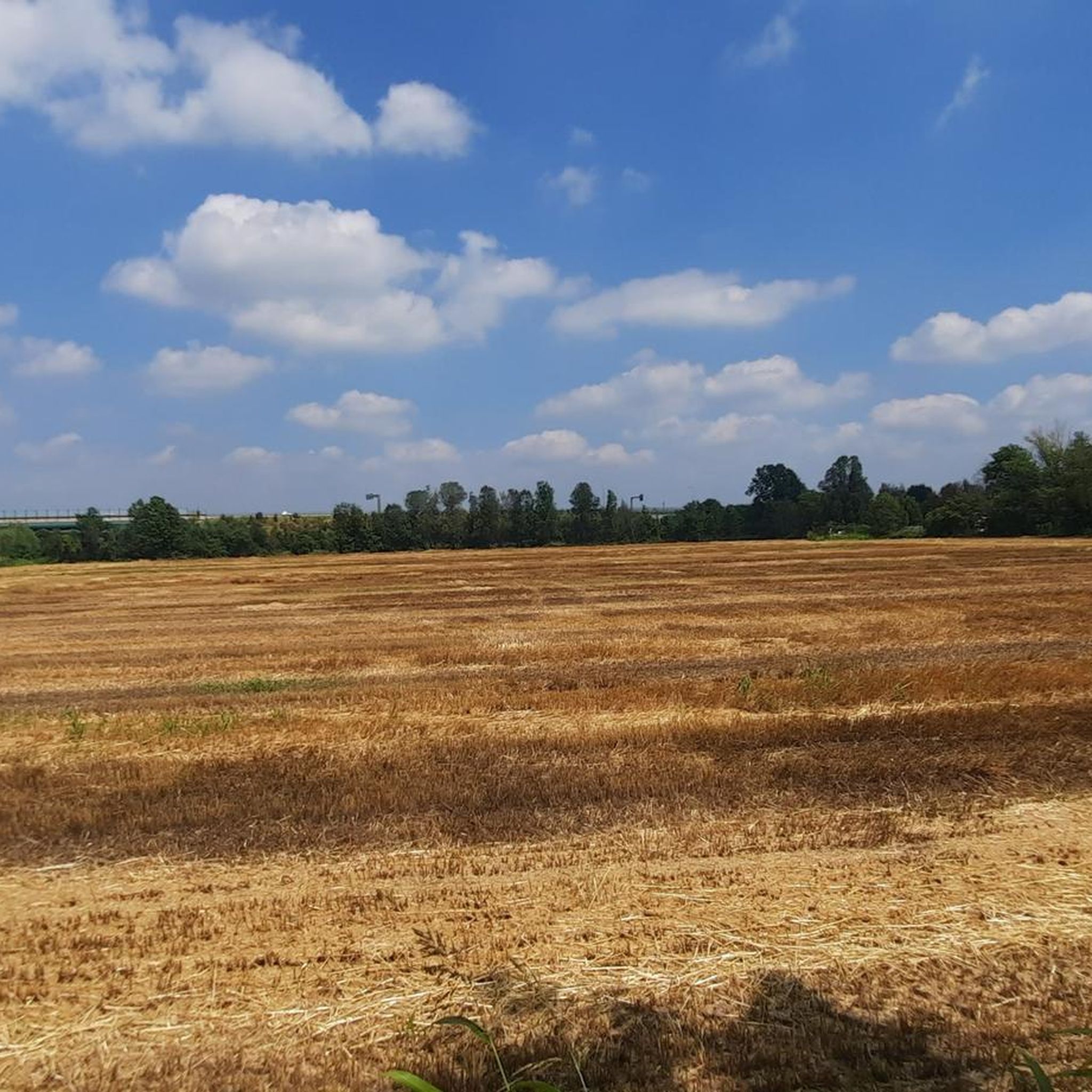
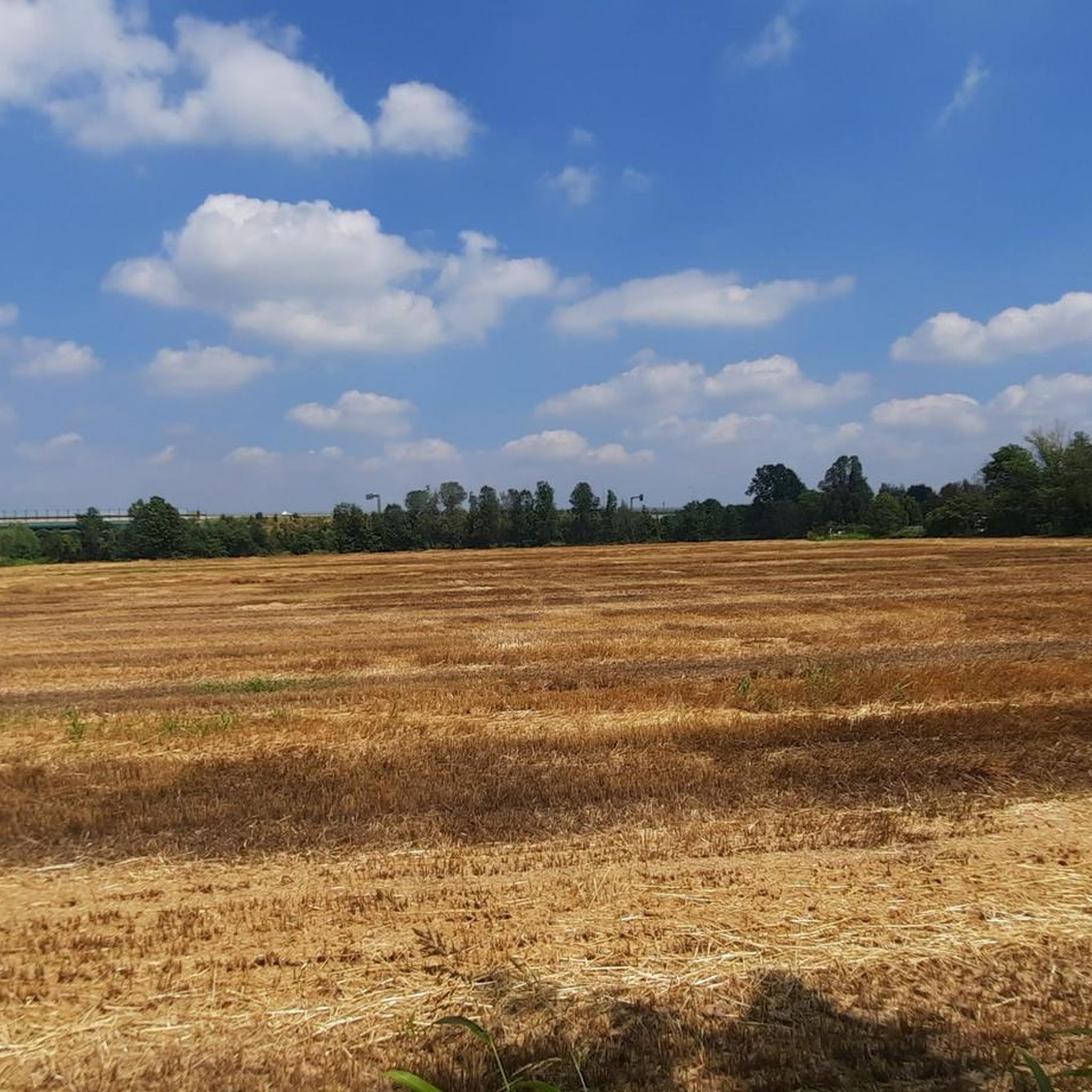
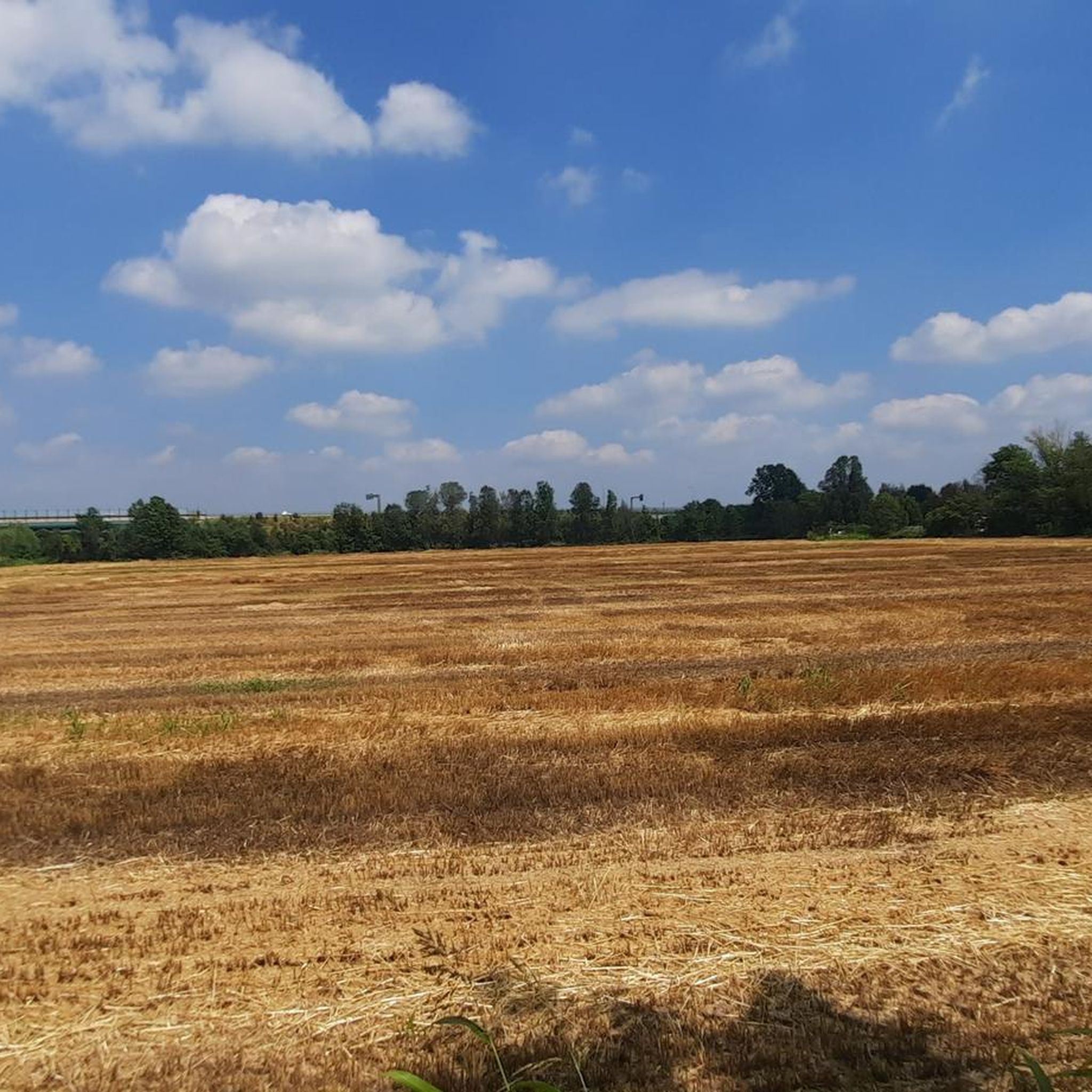
Road cycling around Pozzuolo Martesana is characterized by flat, accessible terrain within the Lombardy countryside. The region features cultivated fields and a network of waterways, with the historic Naviglio Martesana canal forming a central element of the cycling experience. This area offers routes primarily along the canal banks, providing a blend of natural features and historical points of interest. The landscape is generally low-lying, with gentle elevation changes.
Best road cycling routes around Pozzuolo Martesana
- The most popular road cycling…
Last updated: May 15, 2026
4.5
(95)
1,003
riders
Easy road ride. Great for any fitness level. Mostly well-paved surfaces and easy to ride.
5.0
(1)
113
riders
Moderate road ride. Good fitness required. Mostly well-paved surfaces and easy to ride.

Sign up for free
3.0
(1)
63
riders
95.4km
04:08
770m
770m
Moderate road ride. Good fitness required. Mostly well-paved surfaces and easy to ride.
27
riders
88.4km
03:51
650m
650m
Moderate road ride. Good fitness required. Some segments of this route may be unpaved and difficult to ride.
2.0
(1)
29
riders
90.5km
04:02
780m
780m
Moderate road ride. Good fitness required. Some segments of this route may be unpaved and difficult to ride.
Get access to more routes and recommendations from other explorers.
Sign up for free
Already have an account?
Our route recommendations are based on thousands of hikes, rides, and runs completed by other people on komoot.
Start today with a free account
Your next adventure awaits.
Login or Signup

Tips from the Community

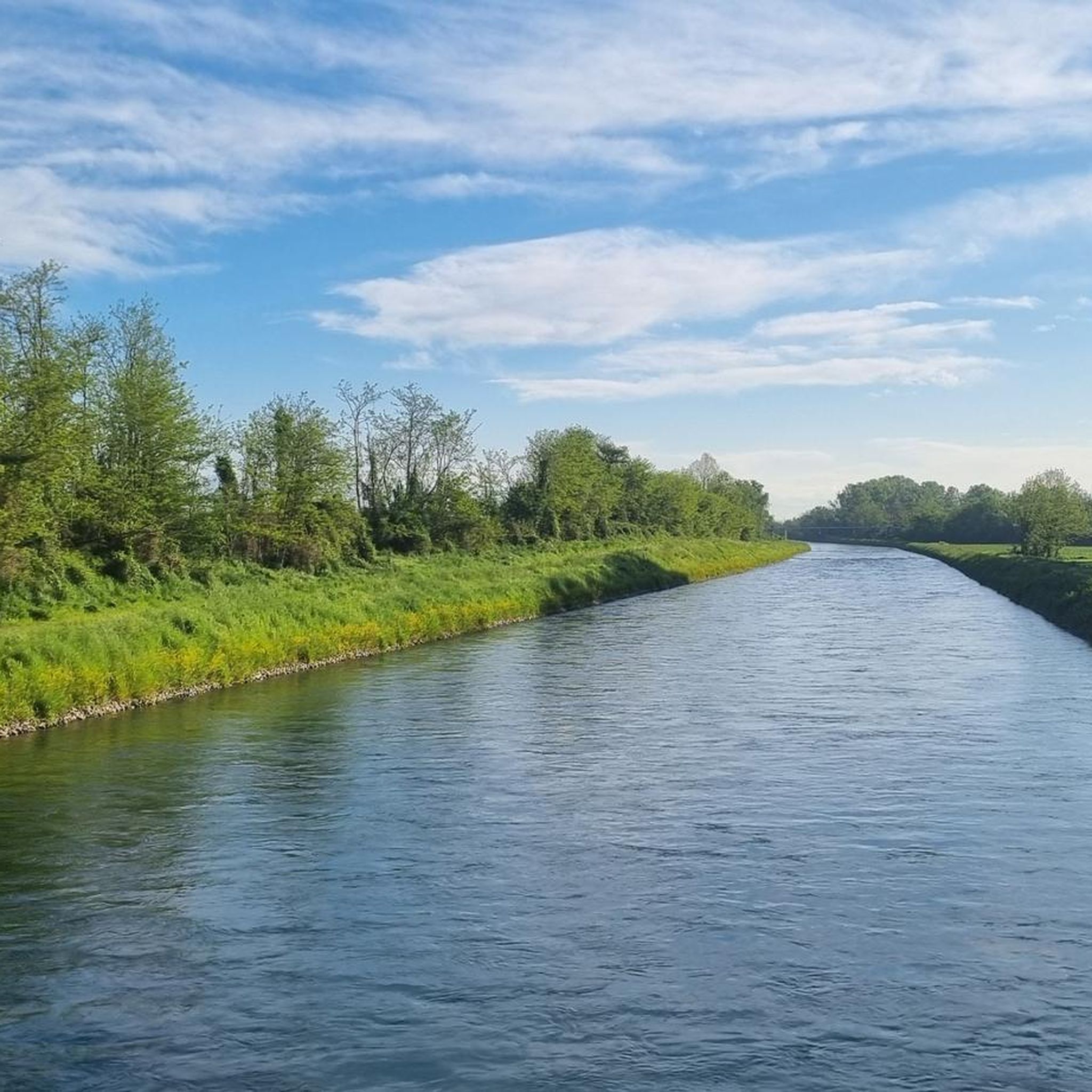
The Naviglio della Martesana is perhaps the least known among the ancient artificial canals that connect Milan to the great Lombard rivers. It originates from the Adda river in Concesa, a hamlet of Trezzo d’Adda, crosses the sub-region of Martesana, northeast of the provincial capital, and once in the city, it goes underground beneath via Melchiorre Gioia, near Cassina de’ Pomm. It measures approximately 38 km in length, with a width varying from 9 to 18 meters. However, in the past, the Naviglio della Martesana continued in the open air all the way to the center, where a system of locks centered on the Conca dell’Incoronata connected it to the short Naviglio di S. Marco and the urban network of the Navigli. The lock was inaugurated in 1496, utilizing lock gates designed by Leonardo da Vinci. The canal had been opened in 1471, under Francesco Sforza. By connecting it to the other Navigli, Leonardo laid the foundations for realizing a dream of the Sforza family: to travel by water from the Ticino river, and therefore from Lake Maggiore, to the Adda river.
1
0
Naviglio della Martesana is perhaps the least known of the ancient artificial canals connecting Milan to the great Lombard rivers. It originates from the Adda in Concesa, a hamlet of Trezzo d’Adda, crosses the Martesana sub-region, northeast of the provincial capital, and once in the city, it plunges underground beneath Via Melchiorre Gioia, at the height of Cassina de’ Pomm. It measures approximately 38 km in length, with a width varying from 9 to 18 meters. However, once upon a time, the Naviglio della Martesana continued in the open air all the way to the center, where a lock system centered on the Conca dell’Incoronata connected it to the short Naviglio di S. Marco and the urban network of the Navigli. The lock was inaugurated in 1496, utilizing lock gates designed by Leonardo da Vinci. The canal had been opened in 1471, under Francesco Sforza. By connecting it to the other Navigli, Leonardo laid the foundations for realizing a dream of the Sforzas: to travel by water from the Ticino, and therefore from Lake Maggiore, all the way to the Adda.
1
0
The route runs alongside the Naviglio della Martesana, perhaps the least known among the ancient artificial canals connecting Milan to the great Lombard rivers. It originates from the Adda river in Concesa, a hamlet of Trezzo d’Adda, crosses the Martesana sub-region, north-east of the provincial capital, and once in the city, it plunges underground beneath via Melchiorre Gioia, near Cassina de’ Pomm. It measures approximately 38 km in length, with a width varying from 9 to 18 meters. However, at one time, the Naviglio della Martesana continued in the open air right into the center, where a system of locks centered on the Conca dell’Incoronata connected it to the short Naviglio di S. Marco and the urban ring of the Navigli. The lock was inaugurated in 1496, utilizing lock gates designed by Leonardo da Vinci. The canal had been opened in 1471, under Francesco Sforza. By connecting it to the other Navigli,
2
0
The construction of the Naviglio Piccolo, later called della Martesana, was initiated by Francesco Sforza in 1475 to move along the route "machinery, oil presses, spinning mills, paper mills". It originates from the Adda river, on the right bank, below the Castle of Trezzo and reaches Milan at Cascina de' Pomm, ending up buried at San Marco. The Naviglio della Martesana, definitively completed in 1496 under the guidance of Ludovico il Moro, flows from Trezzo sull’Adda to Milan for a total length of 38 km. The route runs alongside the ancient Roman road that crossed the Adda with two branches: at Vaprio and at Cassano. Concurrently with the improvement of the agricultural structure thanks to irrigation, a notable flourishing of stately villas occurred in the Baroque era. The irrigational function of the Martesana marks the clear boundary between the dry plain to the north and the irrigated plain to the south.
1
0
The construction of the Naviglio Piccolo, later known as the Martesana, was started by Francesco Sforza in 1475 to transport along the route "grinding stones, oil presses, spinning mills, paper mills". It originates from the Adda, on the right bank, below the Castle of Trezzo and reaches Milan at Cascina de' Pomm, ending buried at San Marco. The Naviglio della Martesana, definitively completed in 1496 under the guidance of Ludovico il Moro, flows from Trezzo sull’Adda to Milan for a total length of 38 km. The route runs alongside the ancient Roman road that crossed the Adda with two branches: at Vaprio and at Cassano. Concurrently with the improvement of the agricultural structure thanks to irrigation, a notable flourishing of stately villas occurred in the Baroque era. The irrigation function of the Martesana marks the clear boundary between the dry plain, to the north, and the irrigated plain, to the south.
2
0

Just past the Martesana section near the Adriano neighborhood, there's a bit of new, smooth pavement. This bike path is always beautiful as you leave Milan.
1
0

Porta San Lorenzo, also known as Porta Garibaldi, is the smallest of the four gates to the upper town of Bergamo, built by the Venetian Republic between 1562 and 1563. It takes its name from the church of San Lorenzo, which was demolished for the construction of the city walls and was closed from 1605 to 1627 because it was deemed difficult to defend. On June 8, 1859, Giuseppe Garibaldi entered the city through this gate, an event commemorated by a plaque on its façade.
0
0

The Martesana cycle path is a cycle route along the Martesana Canal that extends for approximately 35 km, starting in Milan (from Cassina de' Pomm, near Via Melchiorre Gioia) and ending in Cassano d'Adda. The route passes through several municipalities including Cologno Monzese, Vimodrone, Cernusco sul Naviglio, Cassina de' Pecchi, Bussero, Gorgonzola, and Inzago.
0
0
Frequently Asked Questions
How many road cycling routes are available around Pozzuolo Martesana?
There are over 15 road cycling routes around Pozzuolo Martesana, catering to various skill levels. You'll find a good mix of easy and moderate routes, with 5 routes classified as easy and 13 as moderate.
What is the typical terrain like for road cycling in Pozzuolo Martesana?
The terrain around Pozzuolo Martesana is predominantly flat and accessible, characteristic of the Lombardy countryside. Routes often follow the historic Naviglio Martesana canal, which features an almost entirely flat cycle-pedestrian path. You'll cycle through cultivated fields and along waterways, with generally gentle elevation changes.
Are there easy road cycling routes suitable for beginners or families?
Yes, Pozzuolo Martesana offers several easy road cycling routes perfect for beginners or families. The flat terrain, especially along the Naviglio Martesana, makes it very accessible. A great example is the Martesana Cycle Path – Martesana Canal Cycle Path loop from Pozzuolo Martesana, which is 25.5 miles (41.1 km) and follows the scenic canal.
What kind of natural features and landmarks can I expect to see along the cycling routes?
As you cycle, you'll encounter a blend of natural beauty and historical sites. The Naviglio Martesana itself is a significant feature, partly designed by Leonardo da Vinci. You can also explore the Increa Park with its artificial lake, and the Salto del Gatto Pond with Swans. Historical highlights include the impressive Rudun Water Wheel of Groppello d'Adda near Cassano d'Adda, and various historical villas along the canal.
Are there any circular road cycling routes available?
Yes, many of the road cycling routes around Pozzuolo Martesana are designed as loops, offering convenient starting and ending points. For instance, the Martesana Cycle Path – Martesana Canal Cycle Path loop from Pozzuolo Martesana is a popular circular option that allows you to experience the canal's beauty without retracing your steps.
What do other road cyclists enjoy most about cycling in Pozzuolo Martesana?
The area is highly rated by the komoot community, with an average score of 4.7 stars from over 100 reviews. Cyclists often praise the well-maintained, flat paths along the Naviglio Martesana, the charming towns like Gorgonzola, and the blend of natural scenery with historical points of interest. The accessibility for various fitness levels is also frequently highlighted.
Can I find places to stop for refreshments or food along the routes?
Yes, the cycling routes often connect charming towns and villages such as Cologno Monzese, Cernusco sul Naviglio, and Gorgonzola. These towns offer opportunities to experience local culture and find amenities like cafes, restaurants, and fountains, perfect for a break during your ride.
What is the best time of year for road cycling in Pozzuolo Martesana?
The region is generally pleasant for cycling from spring through autumn. The flat terrain makes it enjoyable even in warmer months, though spring and early autumn offer milder temperatures. The well-maintained paths are suitable for cycling in most weather conditions, but it's always advisable to check local forecasts.
Are there any routes that offer a more challenging experience for advanced cyclists?
While many routes are flat, some moderate options provide longer distances and more varied terrain. For example, the Brivio Bridge – Odiago village loop from Pozzuolo Martesana is a moderate 49.1 miles (79.1 km) path that traverses cultivated fields and connects various villages, featuring some moderate elevation gain. Another option is the Sirtori – Sirtori Village and Church loop from Trecella, a 59.1 miles (95.1 km) trail through the Lombardy countryside.
How accessible are the road cycling routes by public transport?
The region around Pozzuolo Martesana is well-connected, and many of the towns along the Naviglio Martesana cycle path are accessible by public transport, particularly train or metro from Milan. This allows for flexible starting points and the option to combine cycling with public transport for longer tours or to reach specific sections of the path.
Are there any specific historical or cultural sites worth visiting directly from the cycling paths?
Absolutely. The Naviglio Martesana path itself is steeped in history. You can admire historical villas like the Rococo Villa Alari Visconti in Cernusco sul Naviglio. The town of Gorgonzola, famous for its cheese, features a picturesque covered bridge. Near Cassano d'Adda, don't miss the impressive Rudun Water Wheel of Groppello d'Adda, a historical hydraulic structure.
What is the longest road cycling route in the area?
One of the longer routes available is the Sirtori – Sirtori Village and Church loop from Trecella, which covers approximately 59.1 miles (95.1 km) and typically takes around 4 hours and 7 minutes to complete. This route offers an extensive exploration of the Lombardy countryside.
Most popular routes around Pozzuolo Martesana
Most popular attractions around Pozzuolo Martesana

Get inspired with the komoot mobile app


Explore more
Browse the best Road cycling routes in other regions.
