Top 9 Castles around San Donato Milanese
Castles near San Donato Milanese are situated in the Metropolitan City of Milan, a modern industrial and services center. While San Donato Milanese itself is a post-war suburb, its location provides access to historical fortifications within the broader Lombardy region. The area offers a blend of urban development and proximity to significant historical sites.
Best castles around San Donato Milanese
- The most popular castles is Castello di Peschiera Borromeo, a castle that originated as an ancient fortified farmhouse in…
Last updated: May 3, 2026
Castello di Peschiera Borromeo
Highlight • Castle
Translated by Google •
Tip by

Sforza Castle
Highlight • Castle
Translated by Google •
Tip by

Sign up now to discover places like this
Get recommendations on the best single tracks, peaks, & plenty of other exciting outdoor places.
Sign up for free
Sforza Castle
Highlight • Castle
Translated by Google •
Tip by

Rocca Brivio
Highlight • Historical Site
Translated by Google •
Tip by

Rivellino of Porta Vercellina
Highlight • Historical Site
Translated by Google •
Tip by

Sign up for free to discover even more castles around San Donato Milanese.
Sign up for free
Already have an account?
Start today with a free account
Your next adventure awaits.
Login or Signup
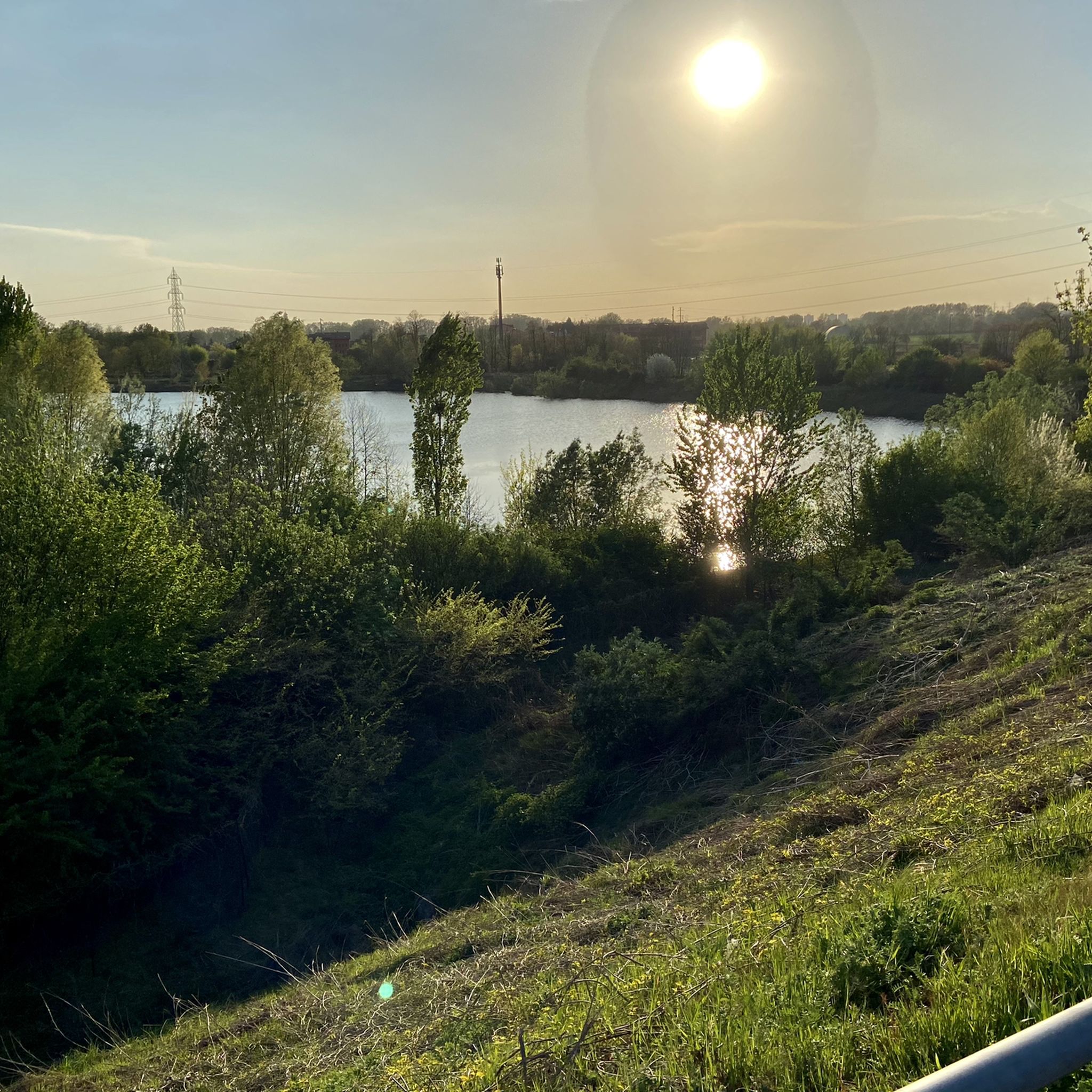
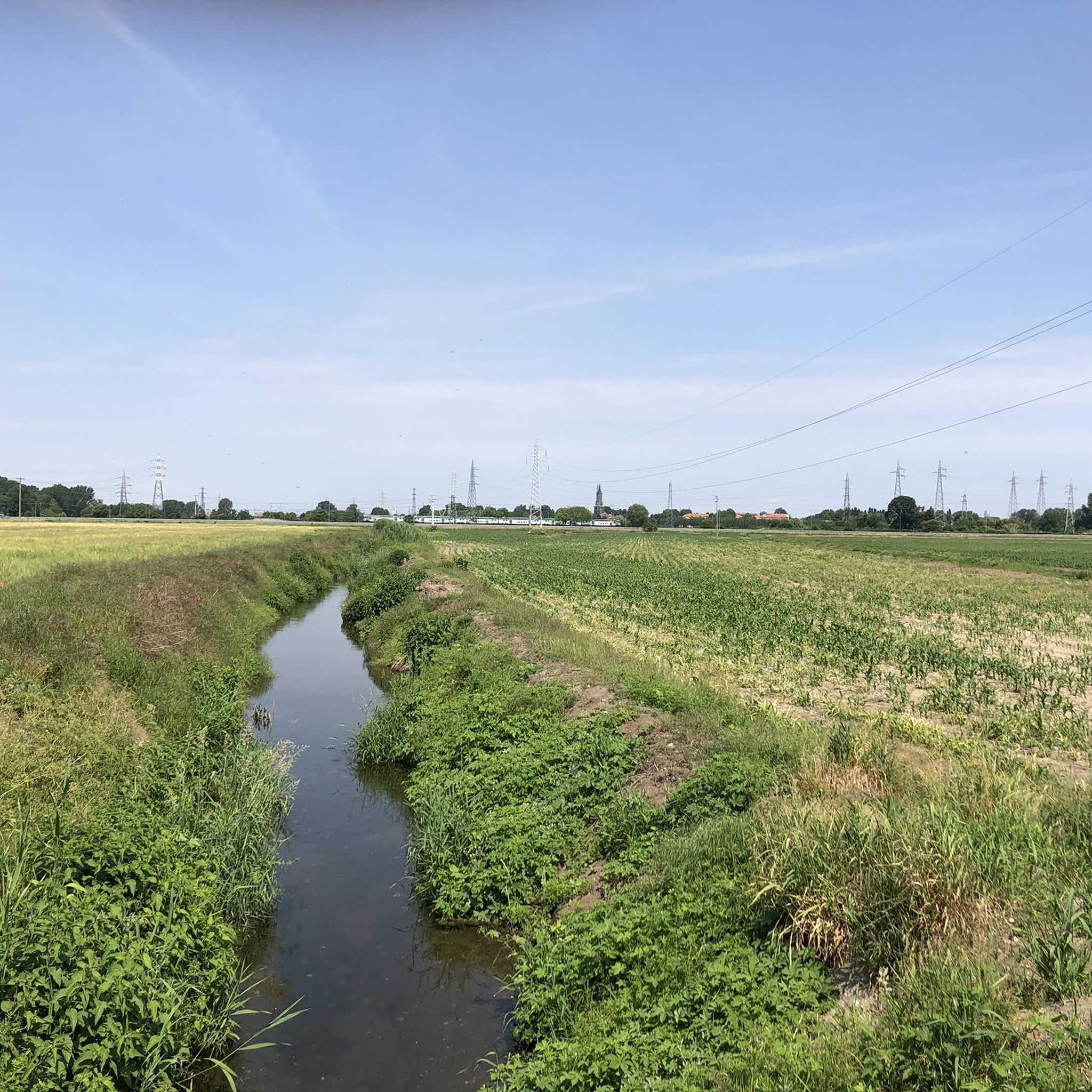
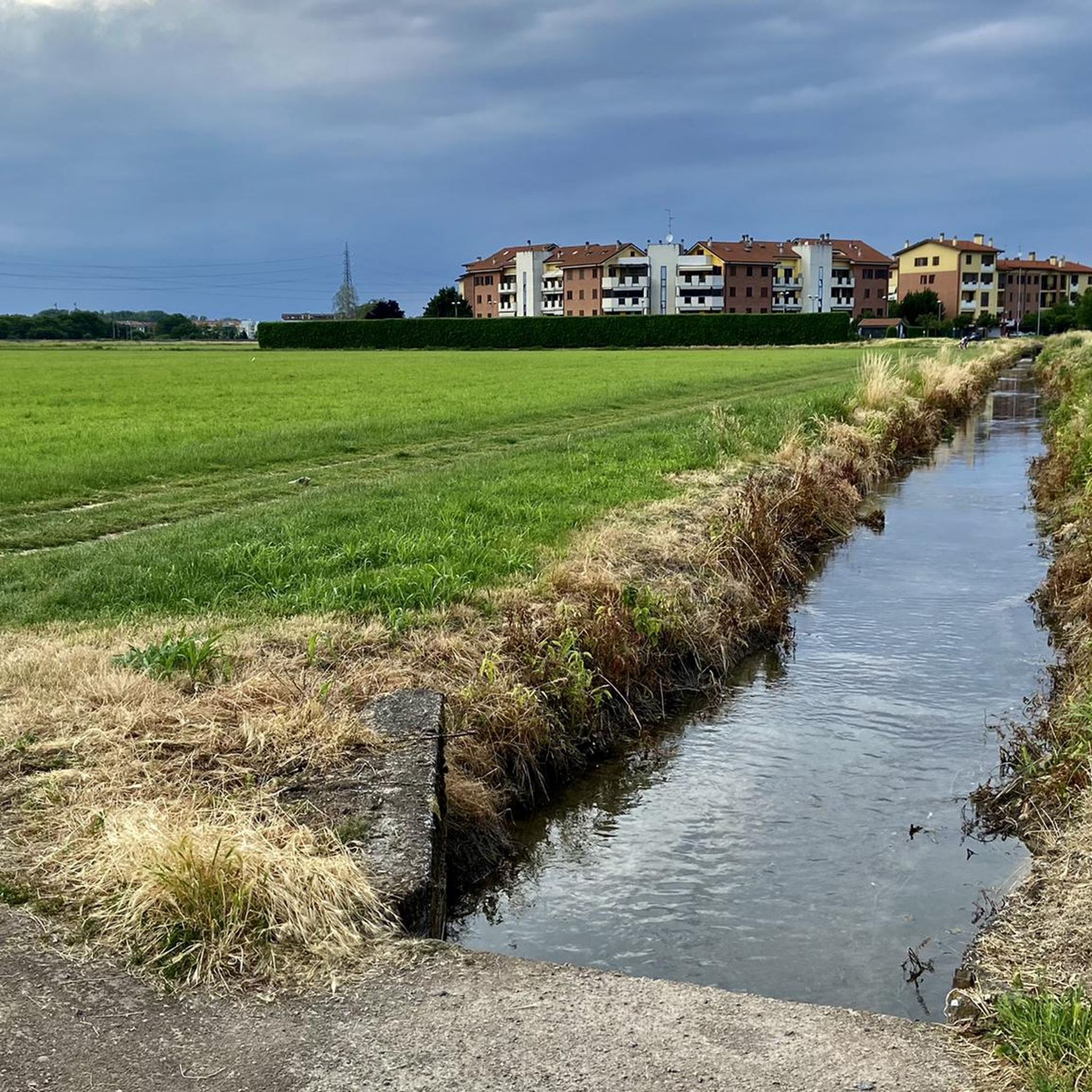
Tips from the Community

A true gem just a stone's throw from Milan. It's a shame it can't be visited.
2
0

route for children and tourists
1
0

With its seven centuries of history, the Sforza Castle is an extraordinary testimony to Milan's glorious times and dramatic moments. A fortress built by Galeazzo II Visconti between 1360 and 1370, the Castle became a ducal residence during the Visconti era, undergoing partial demolition during the Ambrosian Republic (1447-1450). Rebuilt by the new lord of the city, Francesco Sforza, it became the elegant setting for one of the most sumptuous European courts during the time of Galeazzo Maria Sforza and Ludovico il Moro, in an era that saw artists such as Leonardo da Vinci and Bramante in Milan. Having lost its appearance as a noble residence, the Castle was used as a barracks during the foreign dominations of the State of Milan: Spanish (1535-1706), Austrian (1706-1796), French (1796-1814), and Austrian again (1814-1859). Only at the end of the 19th century, during a unified Italy, was the historic building rebuilt, restored, and transformed into a museum by Luca Beltrami. Today, the Castle, with its museums and cultural institutions, is one of Milan's most significant monuments and attracts visitors from around the world.
0
0


The construction, perhaps on Visconti remains, of the ravelins, projections placed to protect the gates, began with the renovation of the Castle by Francesco Sforza. Of the Sforza ravelins, two bases remain on the east side of the Castle, one to defend the Porta del Carmine, the other where the medieval walls of the city were grafted and to the west, the Rivellino di Porta Vercellina. The latter, built in correspondence with the Porta di Santo Spirito, is the only one to have maintained the visible Sforza quadrangular plan, even if the current appearance is the result of the restoration by the architect Luca Beltrami. In fact, between 1911 and 1914, Beltrami restored part of the battlements, demolished at the time of the Spanish, the walls and the vaults of the passages and internal rooms. To defend the main gate of the Castle, Leonardo designed, commissioned by Ludovico il Moro, a more modern, pentagonal ravelin, which was built during the French domination of Louis XII, between 1499 and the beginning of 1500. Few traces of this bastion remain hidden in the moat.
5
0

This monumental complex was born as a defensive bulwark. Towards the end of 1300, it lost its military function to become a manor house within the land purchased by the Brivios, nobles of Germanic origin whose wealth came from agricultural activities. The name of Rocca derives from the fact that originally the building was one of the defensive bulwarks erected along the Milan - Lodi road in the early Middle Ages, at the time of the wars that pitted the Municipality of Milan against the Municipality of Lodi. The current building was built in 1600 by the Brivio marquises on the ruins of the pre-existing castle. It was at the center of important war episodes, such as the Battle of Marignano in 1515 and in 1859, when on 8 June Napoleon III and Vittorio Emanuele II entered Milan victorious, defeating the Austrians. From an architectural point of view it is a baroque palace built with a rather elaborate scheme: the north-west part houses a noble chapel, rich in typically seventeenth-century stucco and gilding. The entrance has a large portal with a beautifully crafted wrought iron gate, the work of a craftsman from Melegnano from the 1700s, rich in scrolls and arabesques. Since 1996 it has been public property and hosts painting exhibitions, classical music concerts and conferences of national importance in its halls with frescoed ceilings and large fireplaces.
1
0

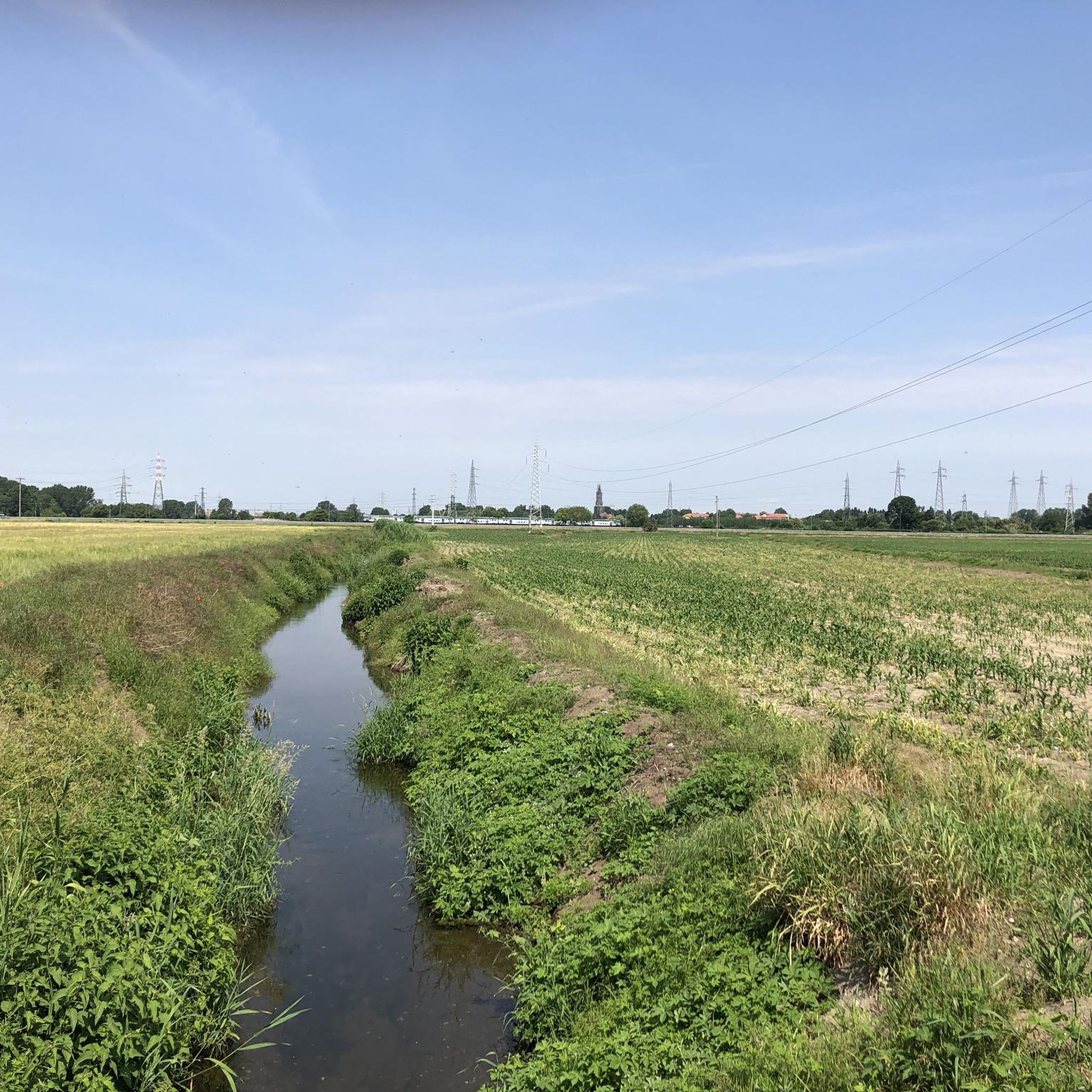
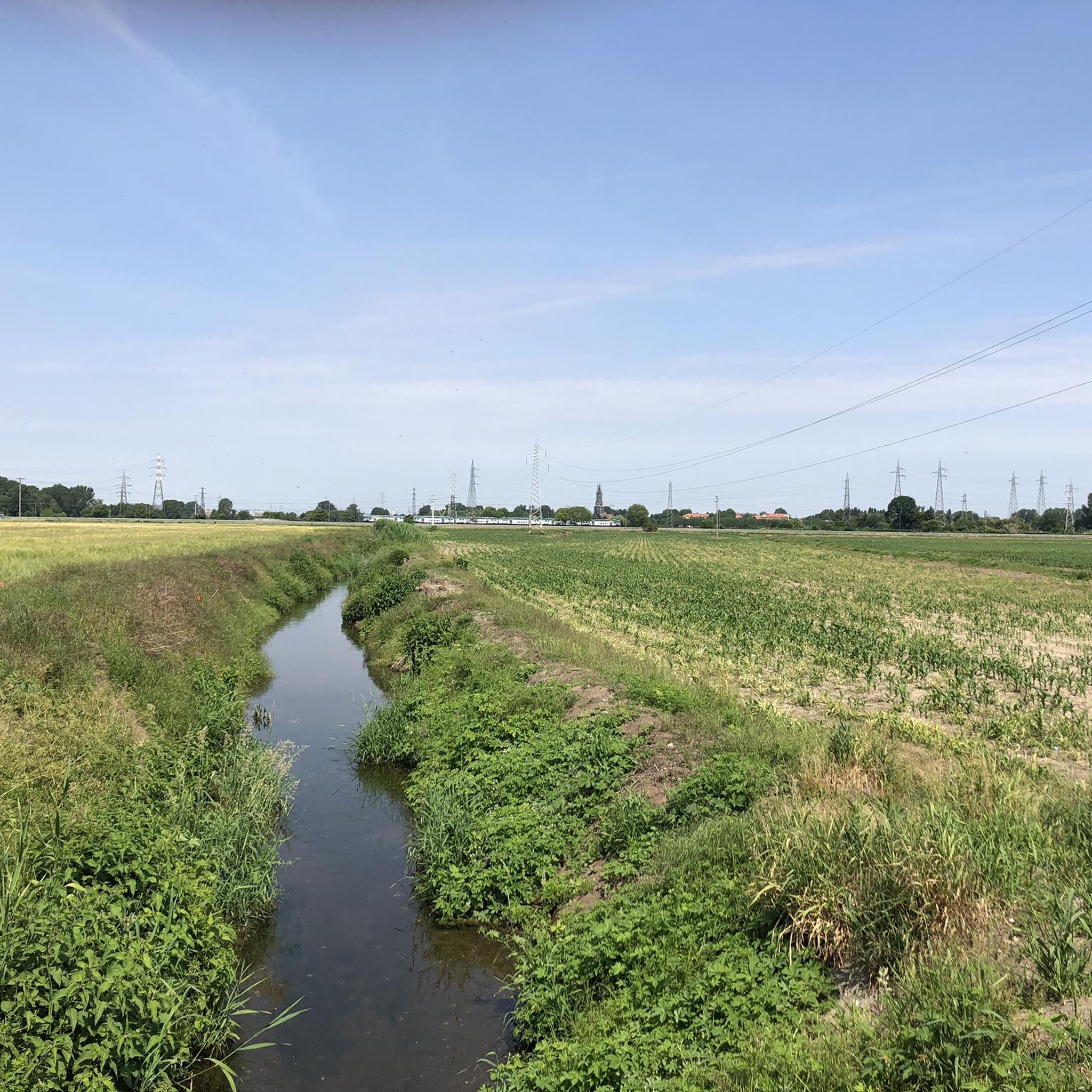
Sixteenth-century fortress immersed in the countryside between San Giuliano and Melegnano. It can be reached either by taking a pleasant dirt road through the fields or by a more comfortable asphalt road. It is not always open so don't be disappointed if the gate is closed
1
0

Viewed from the cathedral, the mighty city palace is located as an extension of Via Dante, Largo Cairoli in Piazza Castello.
9
0
Frequently Asked Questions
What kind of historical fortifications can I explore near San Donato Milanese?
The area around San Donato Milanese offers a variety of historical fortifications, ranging from medieval castles to Renaissance-era palaces. You can find ancient fortified farmhouses, noble country palaces, and significant urban castles that reflect centuries of Milanese history.
Which is the most popular castle in the immediate vicinity of San Donato Milanese?
The most popular castle in the immediate vicinity is the Castello di Peschiera Borromeo. It originated as a fortified farmhouse in the 15th century and was later restored in the late 16th century. A unique feature is its moat, which remains full of water.
Are there any grand, historically significant castles easily accessible from San Donato Milanese?
Yes, the Sforza Castle (Castello Sforzesco) in Milan is a large and historically significant fortified complex. Built in the 15th century, it houses a complex of museums with extensive art collections, including works by Leonardo da Vinci and Michelangelo, offering a deep dive into Milanese history and art.
Can I visit a noble country palace that was once a medieval castle?
Absolutely. Rocca Brivio, located near the Lambro river, is a noble country palace built on the site of a medieval castle. While it lost its defensive functions after a 17th-century renovation, it retains its historical charm.
Is there a castle in the region that is particularly family-friendly?
The Melegnano Castle is considered family-friendly. The area around the castle, built by the Visconti, offers a pleasant atmosphere, and the square in front is a nice spot to enjoy gelato or sweets.
What is a 'ravelin' and can I see one near San Donato Milanese?
A ravelin is a triangular fortification placed in front of a castle gate or curtain wall. You can see the Rivellino of Porta Vercellina, which is notable for being the only Sforza ravelin to have maintained its visible quadrangular plan, showcasing historical defensive architecture.
What outdoor activities can I do near these castles?
The region around San Donato Milanese, particularly within the Parco Agricolo Sud Milano, offers various outdoor activities. You can find numerous routes for gravel biking, running, and hiking. For example, there are easy hiking loops around Chiaravalle Abbey and longer gravel biking tours like the 'Muzza Canal loop'. You can explore more options in the Gravel biking around San Donato Milanese, Running Trails around San Donato Milanese, and Hiking around San Donato Milanese guides.
What is the best time of year to visit castles in the Milan area?
The spring (April-June) and autumn (September-October) months generally offer the most pleasant weather for visiting castles in the Milan area, with mild temperatures ideal for exploring both indoor and outdoor sites. Summer can be hot, while winter can be chilly, though many indoor castle attractions remain open year-round.
Are there any castles near San Donato Milanese that are accessible by public transport?
The Sforza Castle in Milan is very well connected by Milan's extensive public transport network (metro, tram, bus), making it easily accessible from San Donato Milanese via connections to the city center. For other castles, public transport options may be more limited, often requiring a combination of public transport and a short walk or taxi.
How long should I plan for a visit to a castle near San Donato Milanese?
The duration of your visit depends on the castle. For smaller sites like Castello di Peschiera Borromeo or Rocca Brivio, a few hours might suffice to explore the grounds and exterior. For the Sforza Castle in Milan, with its numerous museums and extensive grounds, you could easily spend half a day or even a full day.
What do visitors enjoy most about the castles around San Donato Milanese?
Visitors appreciate the blend of history and architecture, from the well-preserved moats of ancient farmhouses to the grand scale of urban fortresses. The opportunity to explore sites like Castello di Peschiera Borromeo and the historical significance of places like Rocca Brivio are frequently highlighted. The komoot community has shared over 260 photos and given more than 390 upvotes, indicating a strong appreciation for these historical gems.
Most popular routes around San Donato Milanese
Most popular attractions around San Donato Milanese

Get inspired with the komoot mobile app


Explore more
Looking for the best castles somewhere else? Discover other guides around San Donato Milanese:
