Top 12 Castles around Milano
Best castles around Milano include a significant fortress within the city and several notable castles in the broader Lombardy region. Milan, a major city in northern Italy, is known for its historical depth and strategic location, which led to the construction of various defensive and residential castles. These structures offer insights into centuries of Milanese history, from medieval fortifications to Renaissance ducal splendor. The region's landscape provides a backdrop for these historical sites, many of which are easily accessible from the city.
Best castles around Milano
- The most popular castles is Sforza Castle, a castle that was built in the 15th century by Francesco Sforza on the remains of a 14th-century fortification. It is a large fortified complex located just outside the historic center of Milan.
- Another must-see spot is Castello di Peschiera Borromeo, an ancient fortified farmhouse. This castle is one of the oldest possessions of the Borromeo Family and features a moat that is still full of water.
- Visitors also love Royal Villa of Monza, a neoclassical style palace. It served as a private residence for the Habsburgs and Savoys and is known for its extensive park.
- Milano is known for its medieval fortresses, ducal residences, and neoclassical palaces. These structures offer a variety of historical and architectural experiences for visitors to explore.
- The castles around Milano are appreciated by the komoot community, with more than 700 upvotes and over 190 photos shared across the highlights.
Last updated: October 4, 2026
Royal Villa of Monza
Highlight • Castle
Translated by Google •
Tip by

Castello di Peschiera Borromeo
Highlight • Castle
Piazza Castello, 1, 20068 Peschiera Borromeo MI
castelloborromeo.it
+393913971478
Translated by Google •
Tip by

Sign up now to discover places like this
Get recommendations on the best single tracks, peaks, & plenty of other exciting outdoor places.
Sforza Castle
Highlight • Castle
Translated by Google •
Tip by

Villa Arconati
Highlight • Historical Site
Translated by Google •
Tip by

Torre del Filarete
Highlight • Castle
The complex is free to enter and offers excellently preserved architecture and a very beautiful park. Only the various museums require standard tickets for entry. Conclusion: Highly recommended!
Translated by Google •
Tip by

Sign up for free to discover even more castles around Milano.
Already have an account?
Start today with a free account
Your next adventure awaits.
Popular around Milano
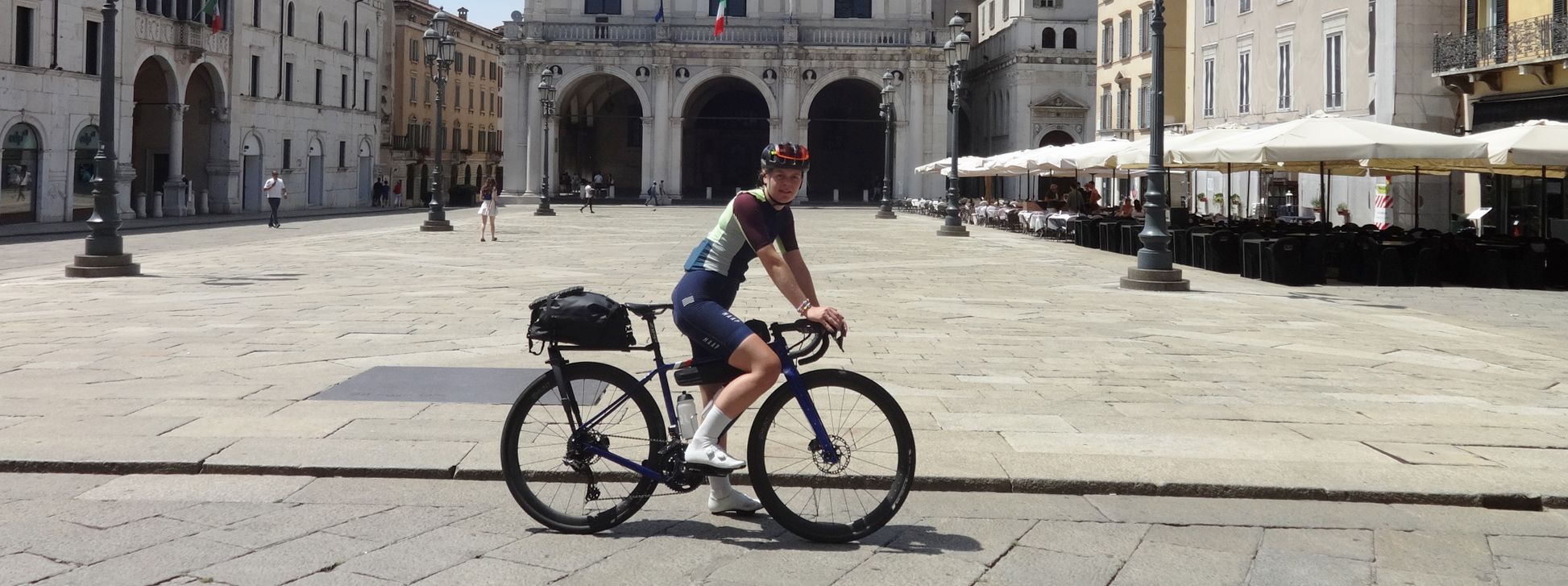
The Pizza Pilgrimage – Milan to Naples, fuelled by pizza
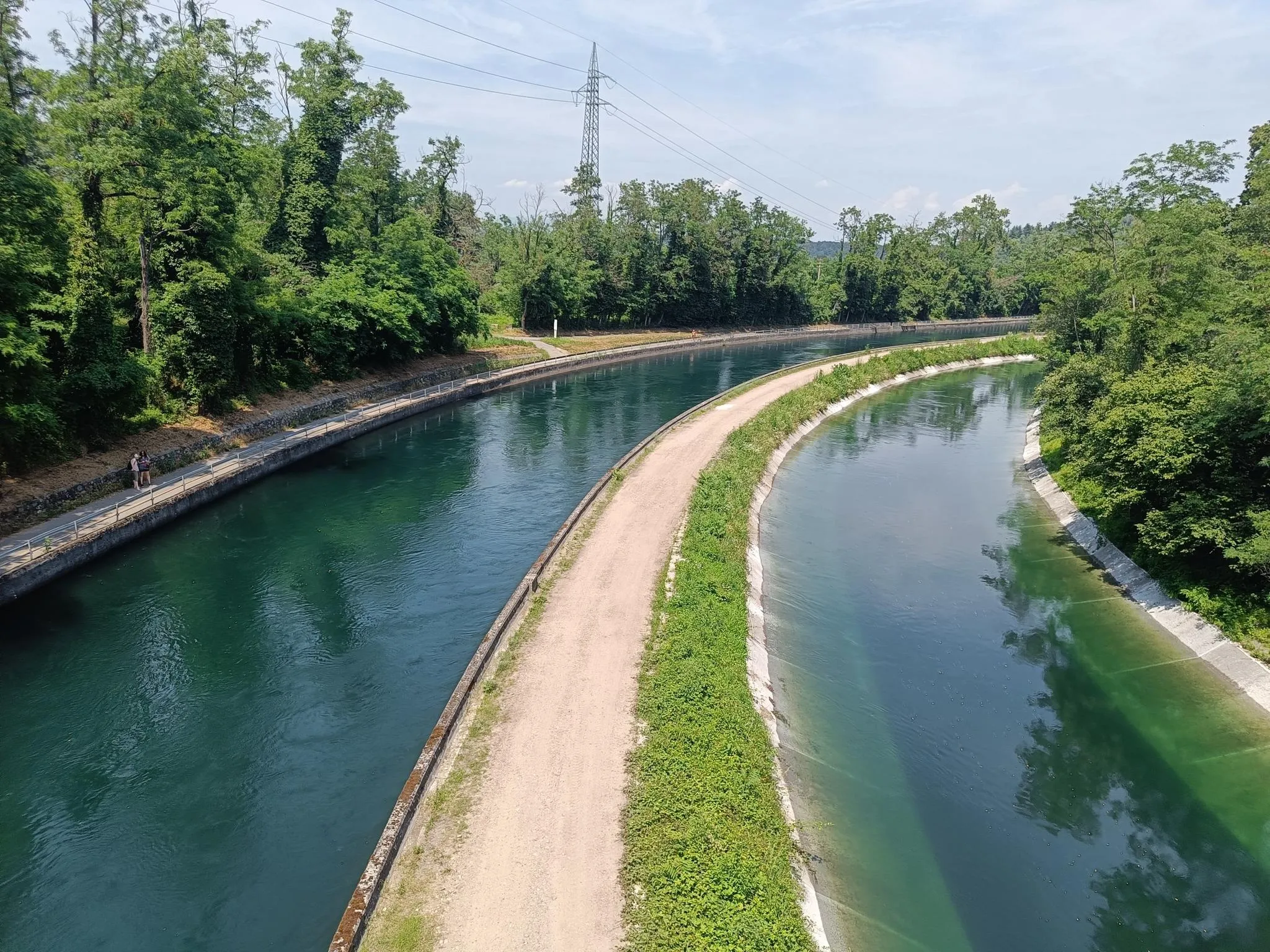
Pedal along water – loop from Milan to Lake Maggiore
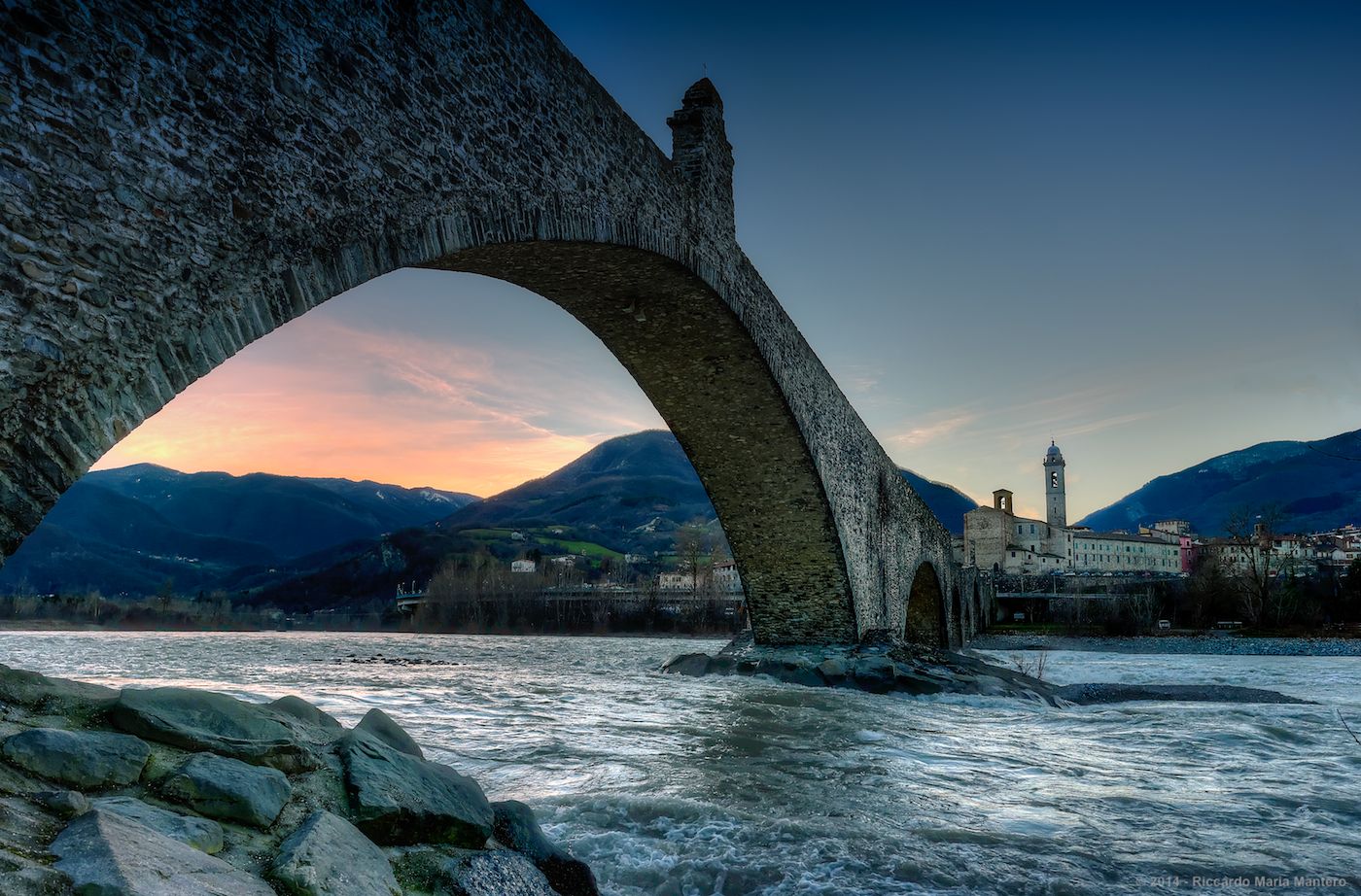
Hike from Milan to the sea – Path of the Celts and Ligurians
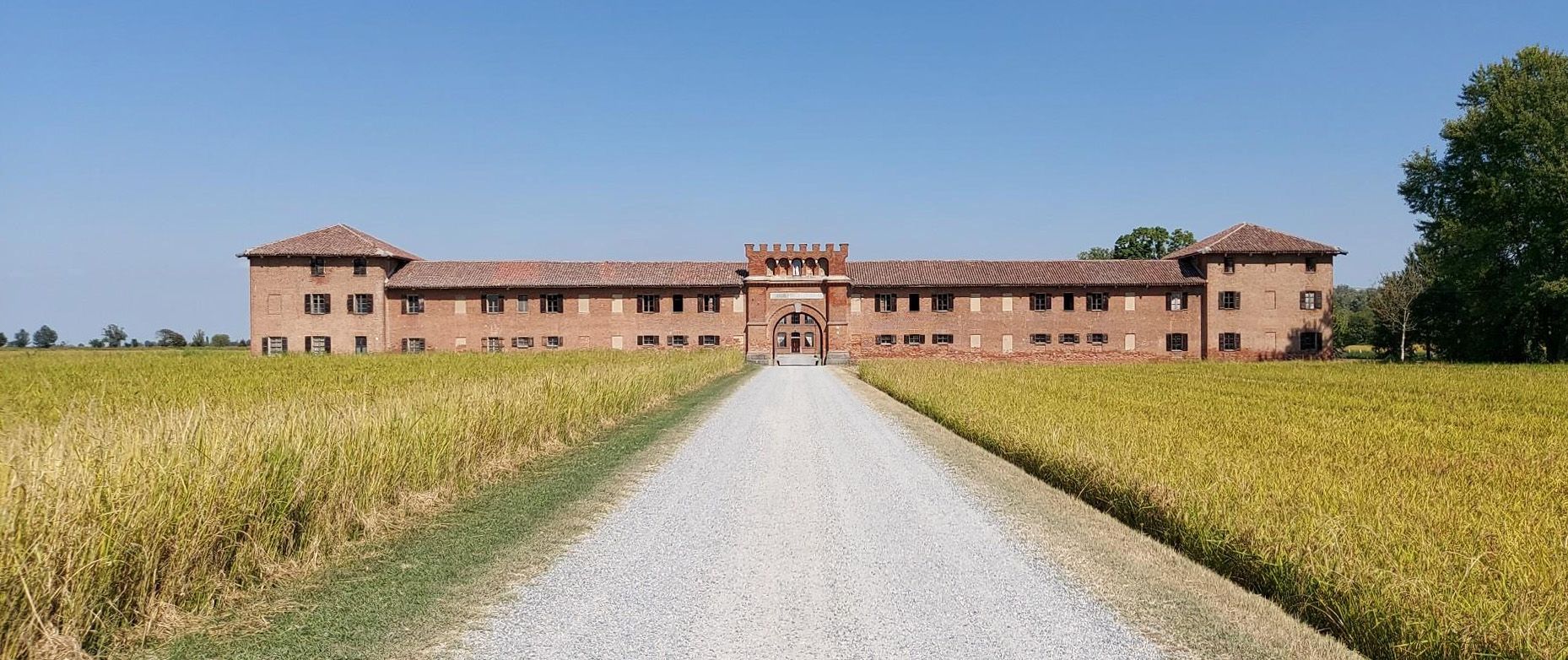
Away with the train – cycle paths within an hour of Milan
La Classicissima – cycling the Milan-San Remo
Escape from Milan – bike, mud, gravel and cows
Gran Milano Bike Hub – itinerari tra Milano, Monza, Brianza e Lodi
Gravel biking around Milano
Hiking around Milano
Other adventures around Milano


Tips from the Community

The Torre del Filarete is the main monumental entrance to the Sforza Castle in Milan. Designed in 1452 by the Florentine architect Antonio Averulino (known precisely as Il Filarete) at the behest of Francesco Sforza, it collapsed in 1521 following the explosion of a gunpowder store. The current appearance is the result of the philological reconstruction of 1905, led by the architect Luca Beltrami
1
0

At the entrance to the Castle, just below the Filarete Tower, there are several well-equipped bicycle parking areas.
1
0

A true gem just a stone's throw from Milan. It's a shame it can't be visited.
3
0


Torre del Filarete - Impressive fortress in the heart of Milan... The complex is free to enter and offers excellently preserved architecture and a very beautiful park. Only the various museums require standard tickets for entry. Conclusion: Highly recommended!
7
1

Medieval Castle of Milan
2
1


Villa Arconati (also called Palazzo Arconati), popularly known as the Castellazzo, is one of the historic villas of the Groane Park, located in Bollate, in the Castellazzo di Bollate hamlet which takes its name from it. It is an example of eighteenth-century Lombard baroque and has been declared a national monument. Due to its size and grandiose style, in eighteenth-century guides it was defined as the petite Versailles italienne ("small Italian Versailles").
2
0
Frequently Asked Questions
What are the most historically significant castles around Milan?
The most prominent is the Sforza Castle in Milan, a magnificent medieval-Renaissance fortress that served as a ducal residence and military stronghold. Beyond the city, the Lombardy region offers castles like the Visconti Castle of Abbiategrasso and the Visconti Castle in Legnano, both with deep historical roots as defensive bulwarks and residences.
Which castles are best for a day trip from Milan?
For an easy day trip, the Sforza Castle is right in Milan and easily accessible. For a short trip outside the city, consider the Castello di Bereguardo, a 14th-century Visconti-style fortress, or the Rocca Borromeo di Angera, offering stunning views over Lago Maggiore.
Are there family-friendly castles to visit near Milan?
Yes, several castles are suitable for families. The Sforza Castle in Milan houses multiple museums and has extensive grounds, including the adjacent Sempione Park. The Royal Villa of Monza, while a neoclassical palace, offers vast gardens for exploration. The Rocca Borromeo di Angera also features a famous doll and toy museum, which can be engaging for children.
What kind of art and museums can I find in these castles?
The Sforza Castle is a major cultural hub, housing several civic museums. You can explore the Museum of Ancient Art, which includes Michelangelo's Pietà Rondanini, the Pinacoteca del Castello Sforzesco with works by Mantegna and Titian, and even an Egyptian Museum. The Rocca Borromeo di Angera also boasts historic rooms with frescoes and Italy's first doll and toy museum.
Can I find outdoor activities or hiking trails near the castles?
Yes, the region around Milan offers various outdoor activities. While visiting castles like the Sforza Castle, you can enjoy walks in the adjacent Sempione Park. For more extensive outdoor adventures, you can find numerous hiking and gravel biking routes around Milan. Explore options like the 'Milan Historic Center and Parks Loop' or 'Lura Park and Groane Park - Gravel ride' on komoot's hiking and gravel biking guides.
What are some lesser-known or 'hidden gem' castles worth visiting?
Beyond the prominent Sforza Castle, consider the Castello di Bereguardo, a well-preserved 14th-century fortress in the Pavia province, known for its 'Beautiful View'. Another interesting site is the Visconti Castle in Cusago, originally a hunting lodge, which offers a glimpse into historical architecture despite its current state.
What is the best time of year to visit castles around Milan?
Spring (April-May) and Autumn (September-October) generally offer pleasant weather for exploring the castles and their grounds. Summer can be warm, but many castles provide indoor attractions. Winter visits are also possible, especially for indoor museums at places like the Sforza Castle, though some smaller, seasonal sites might have reduced hours.
Are there any castles with unique architectural features?
The Sforza Castle is notable for its imposing red-brick walls and the dramatic Filarete Tower. The Castello di Peschiera Borromeo stands out with its moat that is still full of water, a rare and picturesque feature. The Royal Villa of Monza, while a palace, is a prime example of neoclassical architecture.
What can I expect to see at the Rocca Borromeo di Angera?
The Rocca Borromeo di Angera, situated on Lago Maggiore, is a well-preserved medieval fortress. It features historic rooms adorned with frescoes, a renowned doll and toy museum (the first in Italy), and a medieval garden. Its strategic hilltop position also provides sweeping views of Lake Maggiore and the surrounding mountains.
Are there castles that were once royal residences?
Yes, the Royal Villa of Monza served as a private residence for the Habsburgs and later the Savoys. The Sforza Castle was also transformed into a ducal residence by Francesco Sforza, showcasing Renaissance splendor.
Where can I find more information about Castello di Bereguardo?
The Castello di Bereguardo is a 14th-century Visconti-style fortress located in the Province of Pavia. It was part of the western defensive system of the State of Milan and is known for its scenic location. Today, it houses the Town Hall and Civic Library. You can find more details on Visit Pavia.
Most popular routes around Milano
Most popular attractions around Milano

Get inspired with the komoot mobile app


Explore more
Looking for the best castles somewhere else? Discover other guides around Milano:
