The best cycling routes around Hamoir
4.2
(266)
2,201
riders
59
rides
Touring cycling around Hamoir is characterized by the scenic Ourthe Valley and the Néblon, offering a green and peaceful environment. The region features the meandering Ourthe River, providing routes along its banks, and diverse landscapes including wooded areas and open countryside. Geological formations such as "Les Tartines" and various rock masses add to the varied terrain.
Best touring cycling routes around Hamoir
- The most popular touring cycling route is The Ourthe Valley - Province of Liège, a 51.6 miles (83.0 km) trail that takes 4 hours 55 minutes to complete. This moderate route explores the expansive Ourthe Valley landscape.
- Another top favourite among local touring cyclists is Ourthe River – RAVeL route along the Ourthe loop from Hamoir, a moderate 28.6 miles (46.1 km) path. This route follows the Ourthe River, utilizing the dedicated RAVeL network.
- Local touring cyclists also love the RAVeL route along the Ourthe – Roche aux Corneilles loop from Hamoir, a 32.5 miles (52.3 km) trail leading through varied terrain, often completed in about 3 hours 26 minutes. This difficult route includes sections along the RAVeL network and offers views of rock formations.
- Touring cycling around Hamoir is defined by the Ourthe River, the extensive RAVeL network, and a mix of forests and open countryside. The area offers routes for various fitness levels, from moderate riverside paths to more challenging climbs.
- The routes in Hamoir are highly rated by the komoot community with an average score of 4.2 stars from over 170 reviews. More than 1600 touring cyclists have used komoot to explore Hamoir's varied terrain.
Last updated: July 1, 2026
4.6
(73)
446
riders
83.0km
04:56
370m
370m
Moderate bike ride. Good fitness required. Mostly paved surfaces. Suitable for all skill levels.
4.6
(43)
267
riders
34.4km
02:02
130m
130m
Moderate bike ride. Good fitness required. Mostly paved surfaces. Suitable for all skill levels.

Sign up for free
4.6
(55)
378
riders
60.1km
03:36
320m
320m
Moderate bike ride. Good fitness required. Mostly paved surfaces. Suitable for all skill levels.
4.6
(22)
69
riders
52.3km
03:26
570m
570m
Hard bike ride. Very good fitness required. Mostly paved surfaces. Suitable for all skill levels.
4.0
(4)
59
riders
47.7km
03:14
360m
360m
Hard bike ride. Good fitness required. You may need to push your bike for some segments of this route.
Get access to more routes and recommendations from other explorers.
Sign up for free
Already have an account?
Our route recommendations are based on thousands of hikes, rides, and runs completed by other people on komoot.
Start today with a free account
Your next adventure awaits.
Login or Signup




Tips from the Community

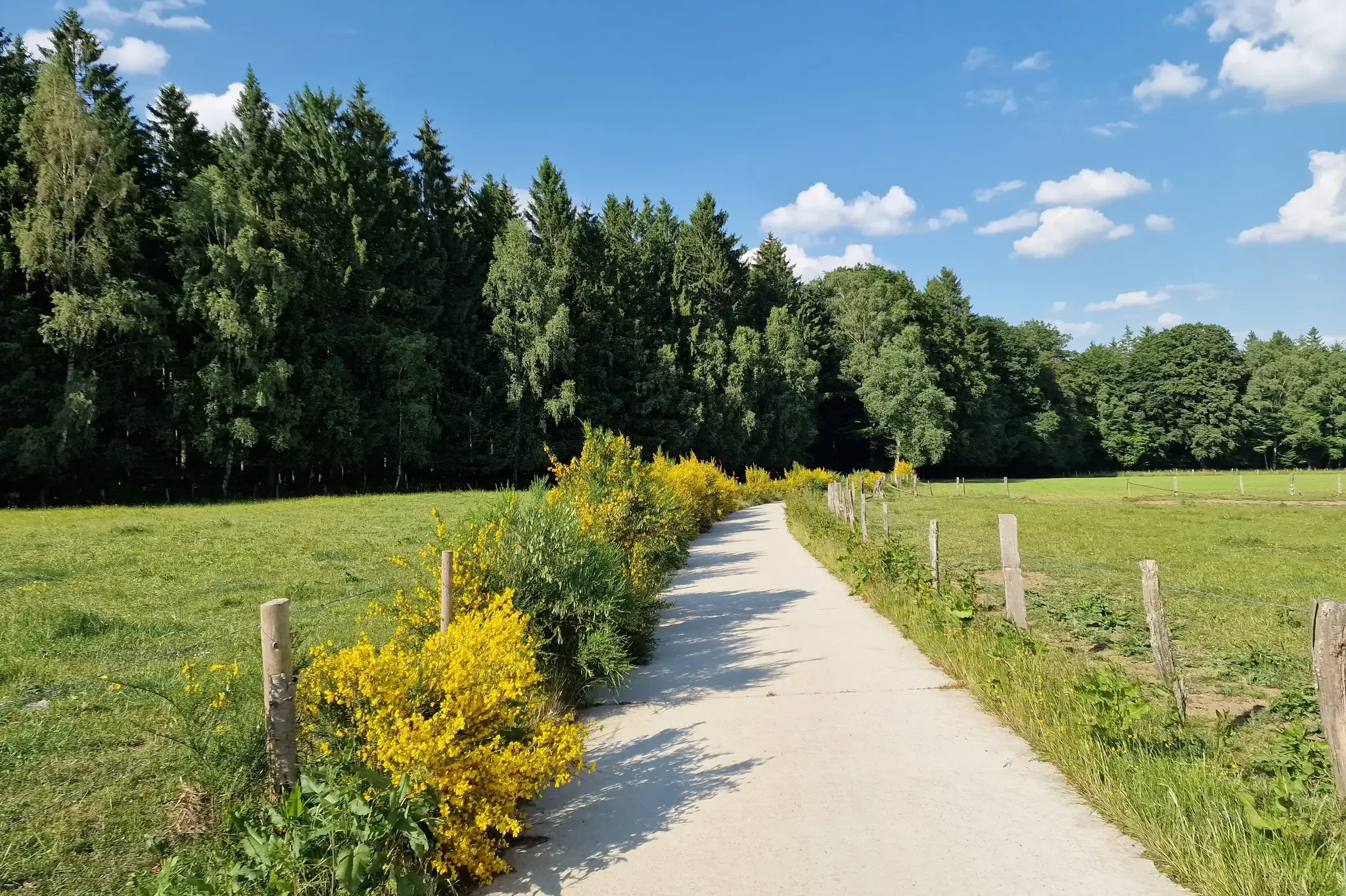
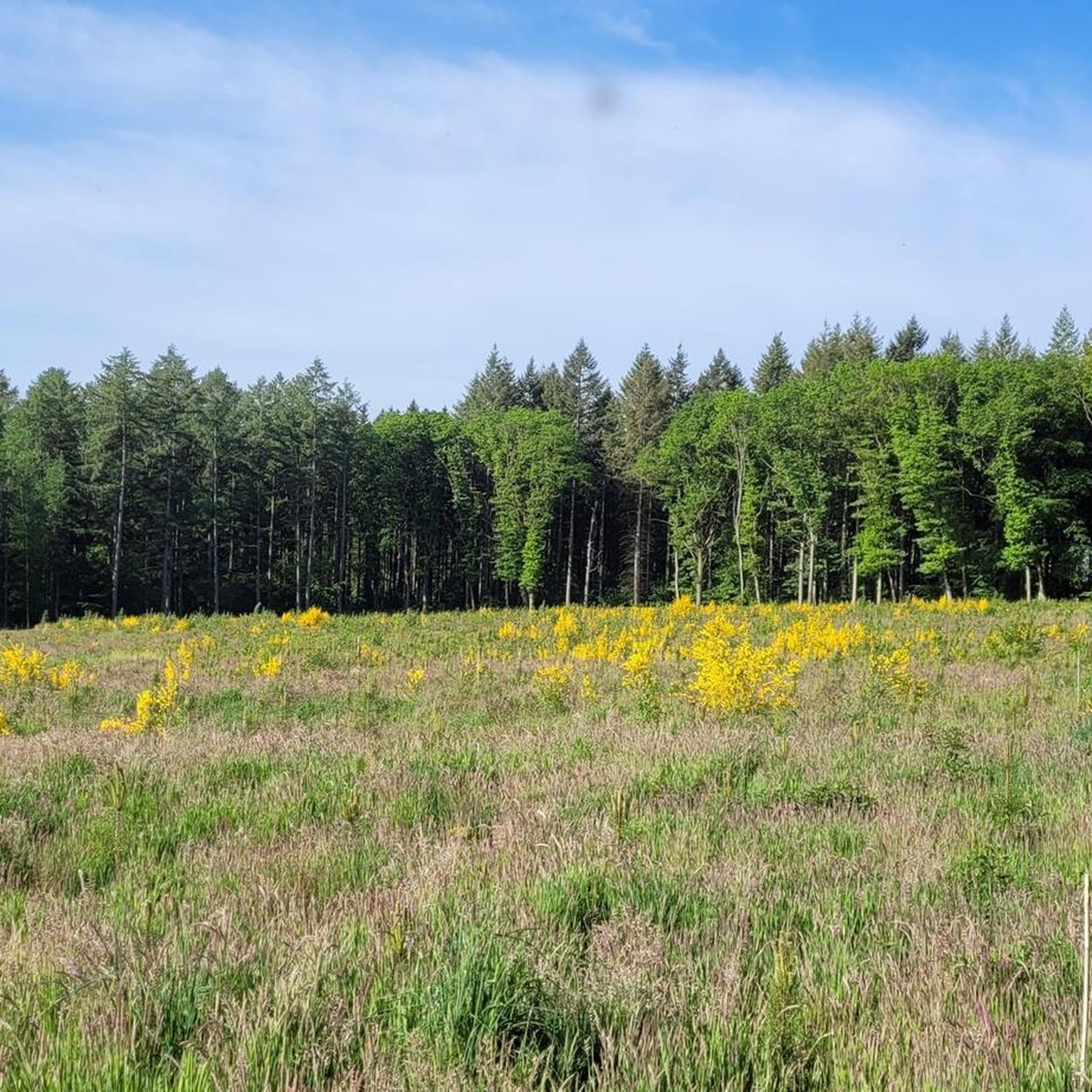
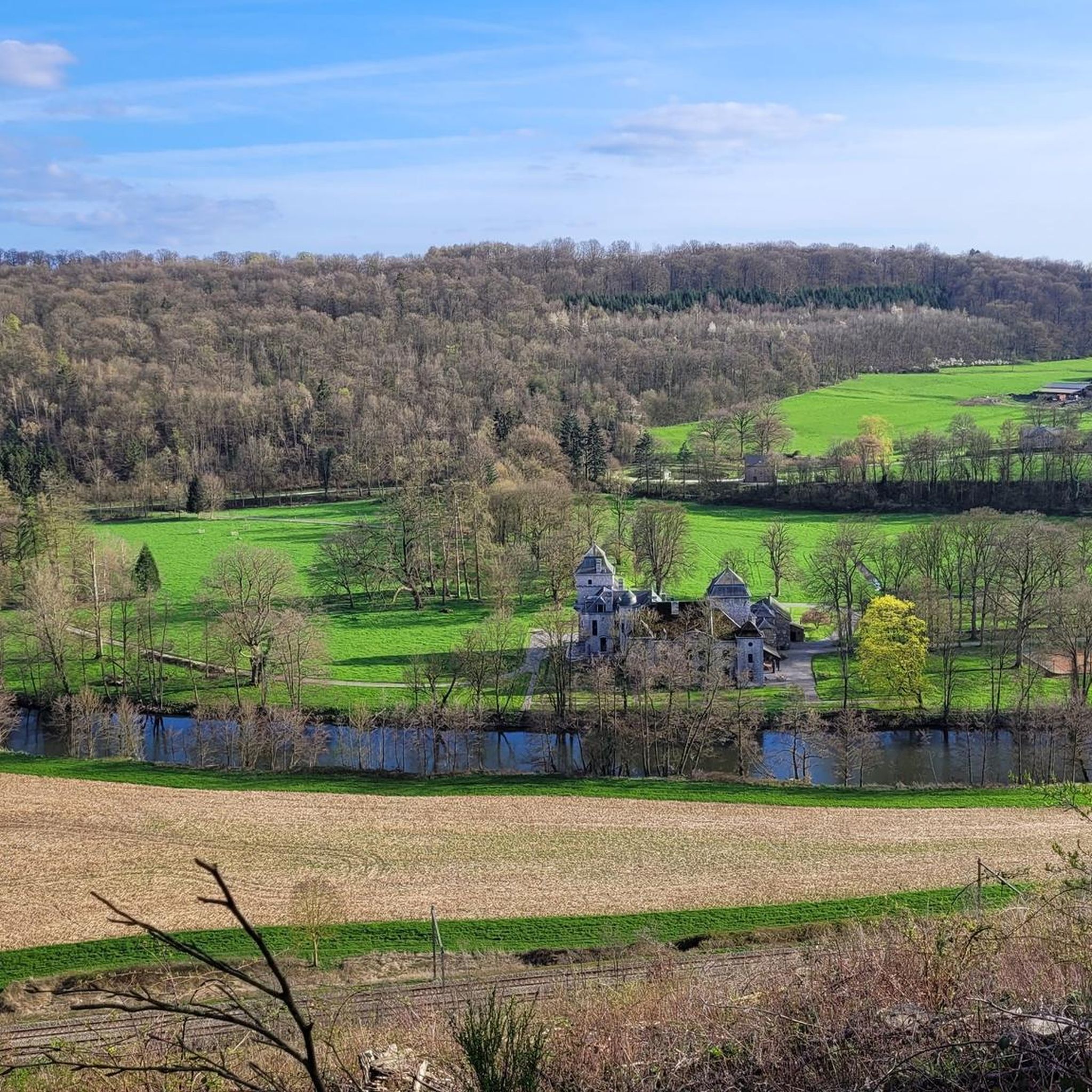
Nice change to cycle through the farmlands with beautiful hilly landscape all around
0
0

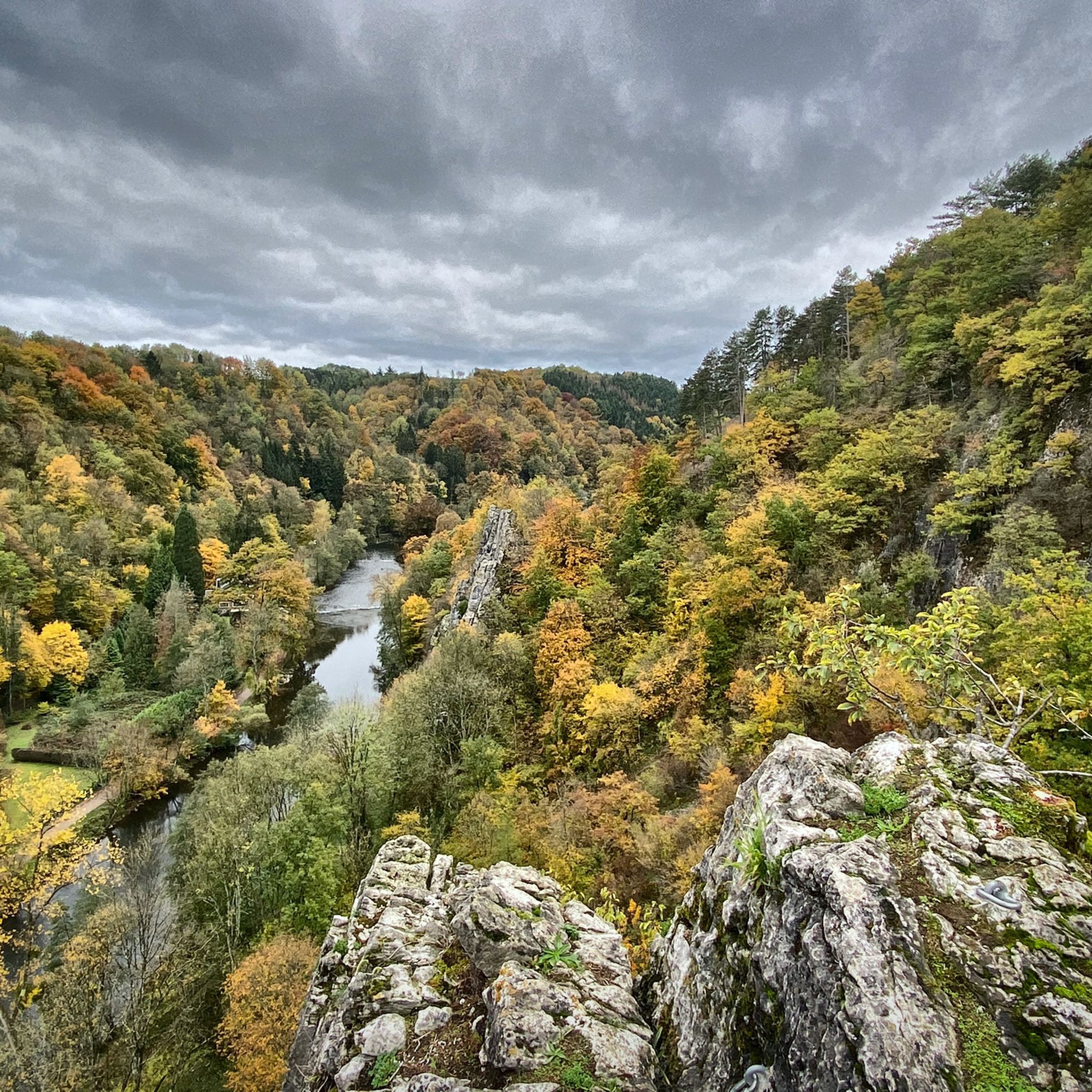
Set in beautiful, verdant surroundings, this stunning 35 meters high limestone rock, towers out above the river Ourthe. Also known as the « Roche à Hierneux », the left part of the rock lies under water, while the rock itself numbers 4 intriguing cavities, one of which goes right through the rock.
4
0
Set in beautiful, verdant surroundings, this stunning 35 meters high limestone rock, towers out above the river Ourthe. Also known as the « Roche à Hierneux », the left part of the rock lies under water, while the rock itself numbers 4 intriguing cavities, one of which goes right through the rock.
4
0
The scenery compensates for the bumpy road surface in places.
3
0
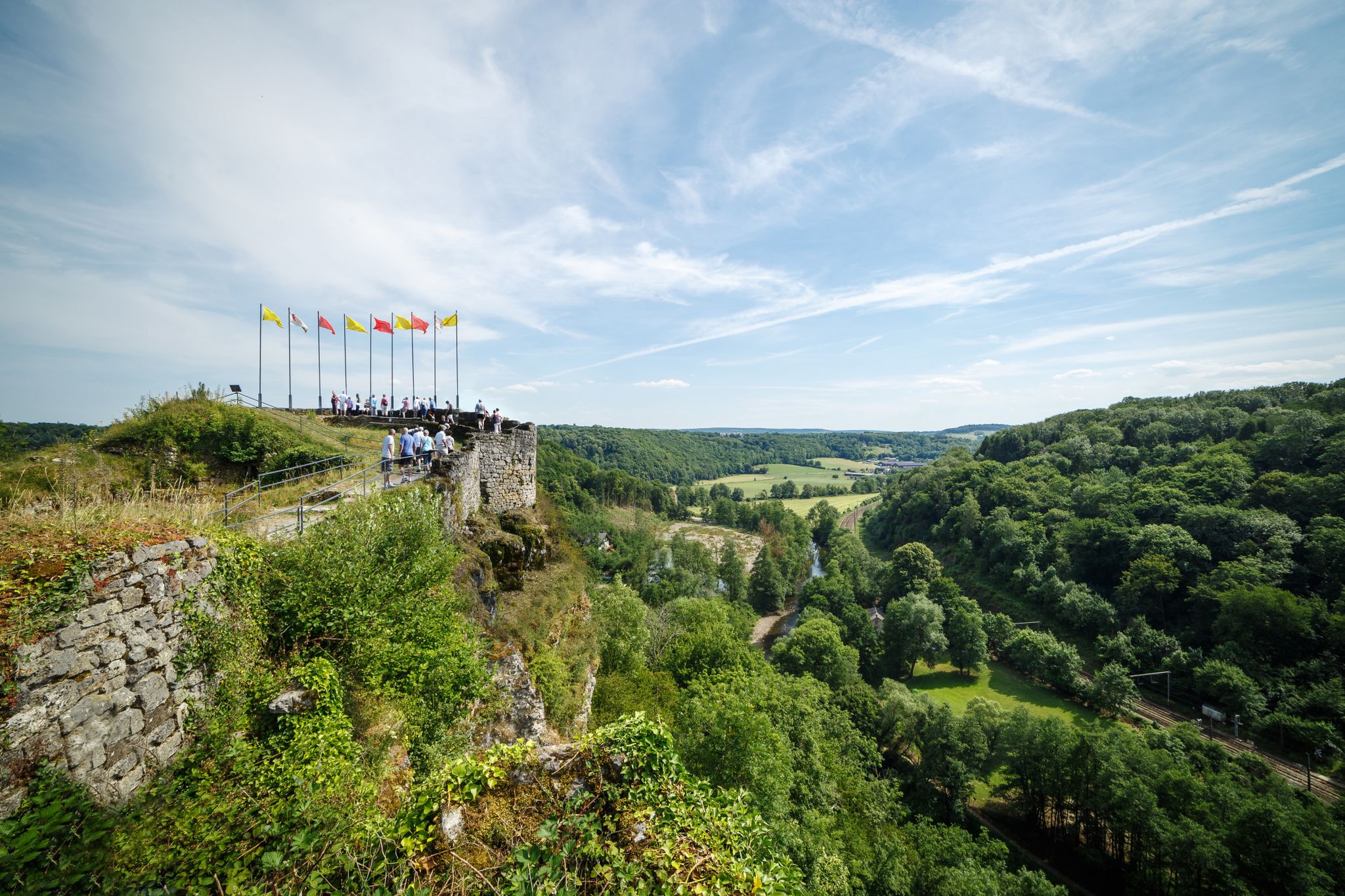
The stunning scenery makes up for the bumpy road surface in some places.
2
0

The city center is lively and vibrant and worth a visit. As with many large or larger cities, the catchment area is often not very charming.
11
0

Frequently Asked Questions
How many touring cycling routes are available in Hamoir?
There are over 50 touring cycling routes around Hamoir, catering to various fitness levels. You'll find a good mix, with about 3 routes considered easy, nearly 30 moderate, and over 20 challenging options.
What kind of terrain can I expect on touring cycling routes around Hamoir?
The terrain around Hamoir is quite diverse. You can expect scenic routes along the meandering Ourthe River, utilizing the dedicated RAVeL network, as well as paths through lush wooded areas and open countryside. Some routes may include unique geological formations like "Les Tartines" and various rock masses, offering varied backdrops for your ride. While many routes are paved, some may include unpaved segments, especially on more challenging tours.
Are there routes suitable for beginners or families in Hamoir?
Yes, Hamoir offers several routes suitable for beginners and families. The RAVeL network along the Ourthe River provides relatively flat and dedicated paths, perfect for a relaxed ride. While specific easy routes aren't highlighted for families, the region's focus on riverside trails generally offers gentler options. For example, parts of the Ourthe River – RAVeL route along the Ourthe loop from Hamoir are well-suited for a leisurely pace.
Are there challenging routes for experienced touring cyclists in Hamoir?
Absolutely. For experienced touring cyclists seeking a challenge, Hamoir offers routes with significant elevation gains and varied terrain. For instance, the Twisty Gravel Road to Awan – Hamoir loop from Hamoir is a difficult route covering over 42 km with substantial climbing. Another challenging option is the Hamoir – View of the Valley loop from Hamoir, which offers panoramic views but also includes considerable ascents.
What natural landmarks or geological features can I see while cycling in Hamoir?
The Hamoir region is rich in natural beauty. You can encounter impressive geological formations like "Les Tartines" and various rock formations such as the "Rochers du Bout du Monde" and "La Roche-aux-faucons." The area also features caves and gorges. Notable highlights include the Ninglinspo Valley and the Chaudière Waterfall. For those interested in caves, the Remouchamps Caves are also nearby.
Are there any historical sites or charming villages to visit along the routes?
Yes, Hamoir's surroundings offer a blend of natural beauty and historical charm. You can cycle past castles and other historical monuments. The fortified Château de Logne is a notable attraction. Additionally, Hamoir is close to some of "The Most Beautiful Villages of Wallonia," such as Durbuy — Old Town and Castle, known as "the smallest town in the world," which is well worth a visit. Other historical sites include Bomal-sur-Ourthe Castle and Dieupart Castle Estate.
Is the RAVeL network accessible for touring cyclists in Hamoir?
Yes, the RAVeL network is a significant asset for touring cyclists in Hamoir. The RAVeL de l'Ourthe is easily accessible, with its first stage connecting Liège to Comblain-la-Tour, allowing cyclists to ride alongside the river. Routes like the RAVeL route along the Ourthe – Roche aux Corneilles loop from Hamoir specifically utilize this dedicated network, providing a safe and scenic cycling experience.
Are there options for parking when cycling in Hamoir?
While specific parking locations are not detailed, Hamoir is a well-known outdoor destination, and parking facilities are generally available in and around the town center, especially near popular trailheads or public areas. It's advisable to check local signage upon arrival for designated cyclist parking.
Can I bring my dog on touring cycling routes in Hamoir?
Many outdoor areas in Wallonia are dog-friendly, and it's generally possible to bring your dog on cycling routes, especially on shared paths like the RAVeL network. However, it's always recommended to keep your dog on a leash, especially in nature reserves, agricultural areas, or where wildlife might be present. Always carry water for your pet and be mindful of other trail users.
What do other touring cyclists enjoy most about Hamoir?
The touring cycling routes in Hamoir are highly rated by the komoot community, with an average score of 4.2 stars from over 170 reviews. Cyclists often praise the scenic Ourthe Valley, the peaceful environment, and the diverse landscapes that include both wooded areas and open countryside. The extensive RAVeL network and the mix of routes for various fitness levels are also frequently highlighted as positive aspects.
Are there other outdoor activities besides cycling in Hamoir?
Beyond touring cycling, Hamoir offers a wide array of outdoor activities. You can enjoy kayaking on the Ourthe River, hiking on numerous marked trails (including sections of the GR 57), climbing, and caving. For those seeking more adventure, The Outsider Ardennes adventure park provides various activities for all ages.
What is the best time of year for touring cycling in Hamoir?
The spring and autumn months generally offer the most pleasant conditions for touring cycling in Hamoir, with milder temperatures and beautiful scenery as the flora changes. Summer is also popular, though it can be warmer. While cycling is possible year-round, winter conditions might bring colder weather and potentially icy paths, especially in shaded areas or at higher elevations.
Most popular routes around Hamoir
Most popular attractions around Hamoir

Get inspired with the komoot mobile app


Explore more
Browse the best Cycling routes in other regions.
