The best mountain hikes around Hamoir
4.8
(9)
20
hikers
10
hikes
Mountaineering routes around Hamoir are characterized by the diverse landscapes of the Ourthe Valley, featuring prominent limestone rock formations and extensive forests. The region offers a dynamic environment for vertical adventure sports, including rock climbing and via ferrata, amidst its natural rock walls. Rolling hills and the Ourthe River define much of the terrain, providing varied challenges and scenic backdrops for outdoor pursuits. This area is known for its blend of challenging climbs and accessible routes, catering to different skill levels.
Best mountaineering routes around Hamoir
- The most popular mountaineering route is Natural Rock Tunnel near Bomal – Sy Rocks loop from Sy, a 9.5 miles (15.3 km) trail that takes 4 hours 27 minutes to complete. This route explores the scenic Ourthe River valley and passes by the notable Sy Rocks.
- Another top favourite among local mountaineers is Sy Rocks – Sy Bridge loop from Durbuy, a moderate 8.9 miles (14.4 km) path. This trail offers views of the Ourthe River and the impressive Sy Rocks formations.
- Local mountaineers also love the Durbuy Bridge - 1725 – Durbuy Castle loop from Durbuy, a 9.1 miles (14.6 km) trail leading through the Ourthe River valley and past Durbuy Castle, often completed in about 4 hours 14 minutes.
- Mountaineering around Hamoir is defined by limestone walls, the Ourthe River, and extensive forests. The network offers options for different ability levels, from beginner-friendly climbs to more challenging ascents.
- The routes in Hamoir are highly rated by the komoot community with an average score of 4.8 stars from over 9 reviews. More than 21 mountaineers have used komoot to explore Hamoir's varied terrain.
Last updated: June 29, 2026
5.0
(3)
7
hikers
15.7km
04:32
380m
380m
Moderate mountaineering route. Good fitness required. Mostly accessible paths. Sure-footedness required.
4.0
(2)
4
hikers
14.4km
04:07
330m
330m
Moderate mountaineering route. Good fitness required. Easily-accessible paths. Suitable for all skill levels.

Sign up for free
5.0
(1)
2
hikers
14.6km
04:14
370m
370m
Moderate mountaineering route. Good fitness required. Easily-accessible paths. Suitable for all skill levels.
5.0
(1)
2
hikers
16.9km
04:46
360m
360m
Moderate mountaineering route. Good fitness required. Easily-accessible paths. Suitable for all skill levels.
5.0
(1)
2
hikers
10.1km
02:51
210m
210m
Moderate mountaineering route. Good fitness required. Mostly accessible paths. Sure-footedness required.
Get access to more routes and recommendations from other explorers.
Sign up for free
Already have an account?
Our route recommendations are based on thousands of hikes, rides, and runs completed by other people on komoot.
Start today with a free account
Your next adventure awaits.
Login or Signup
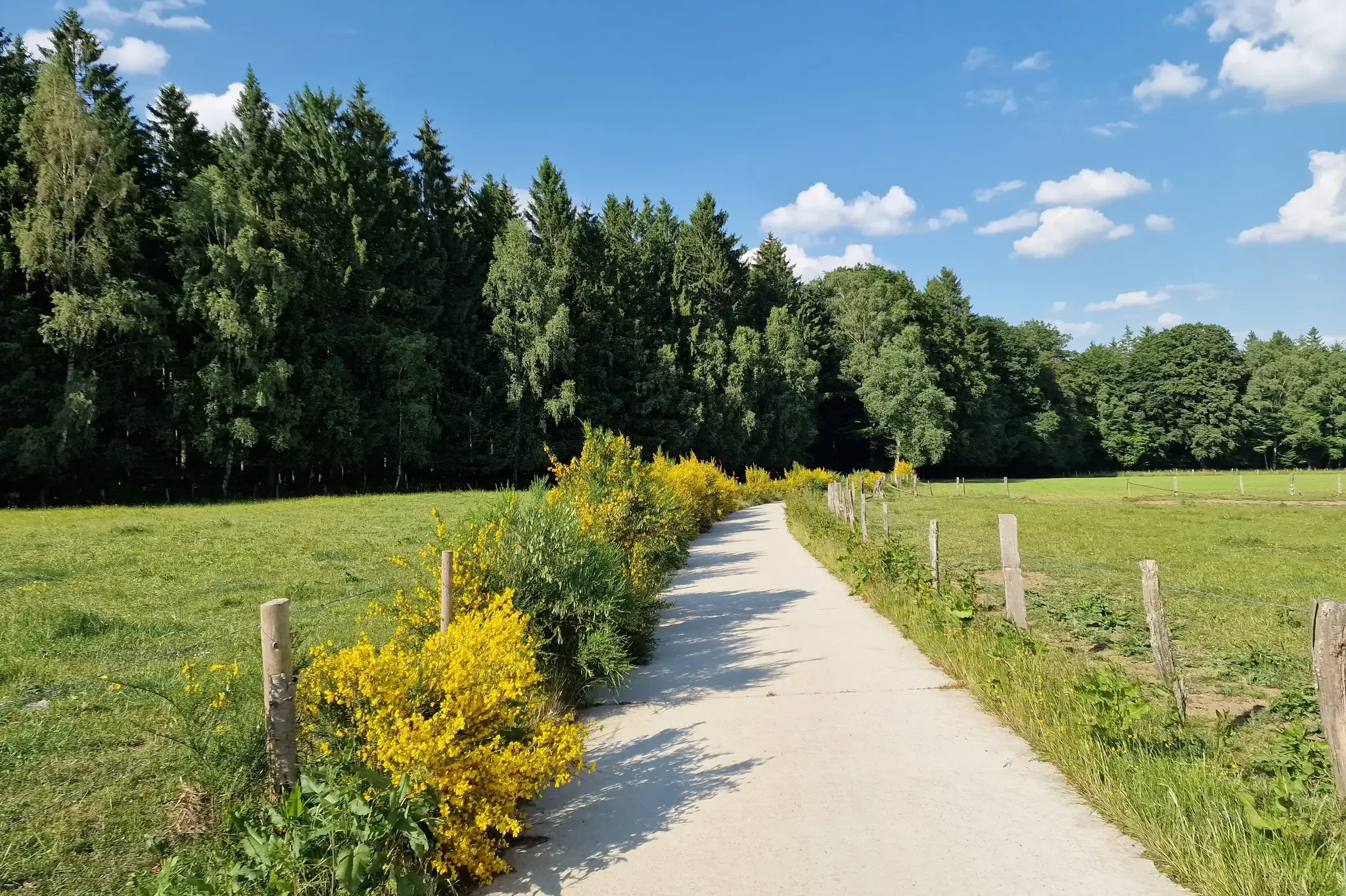
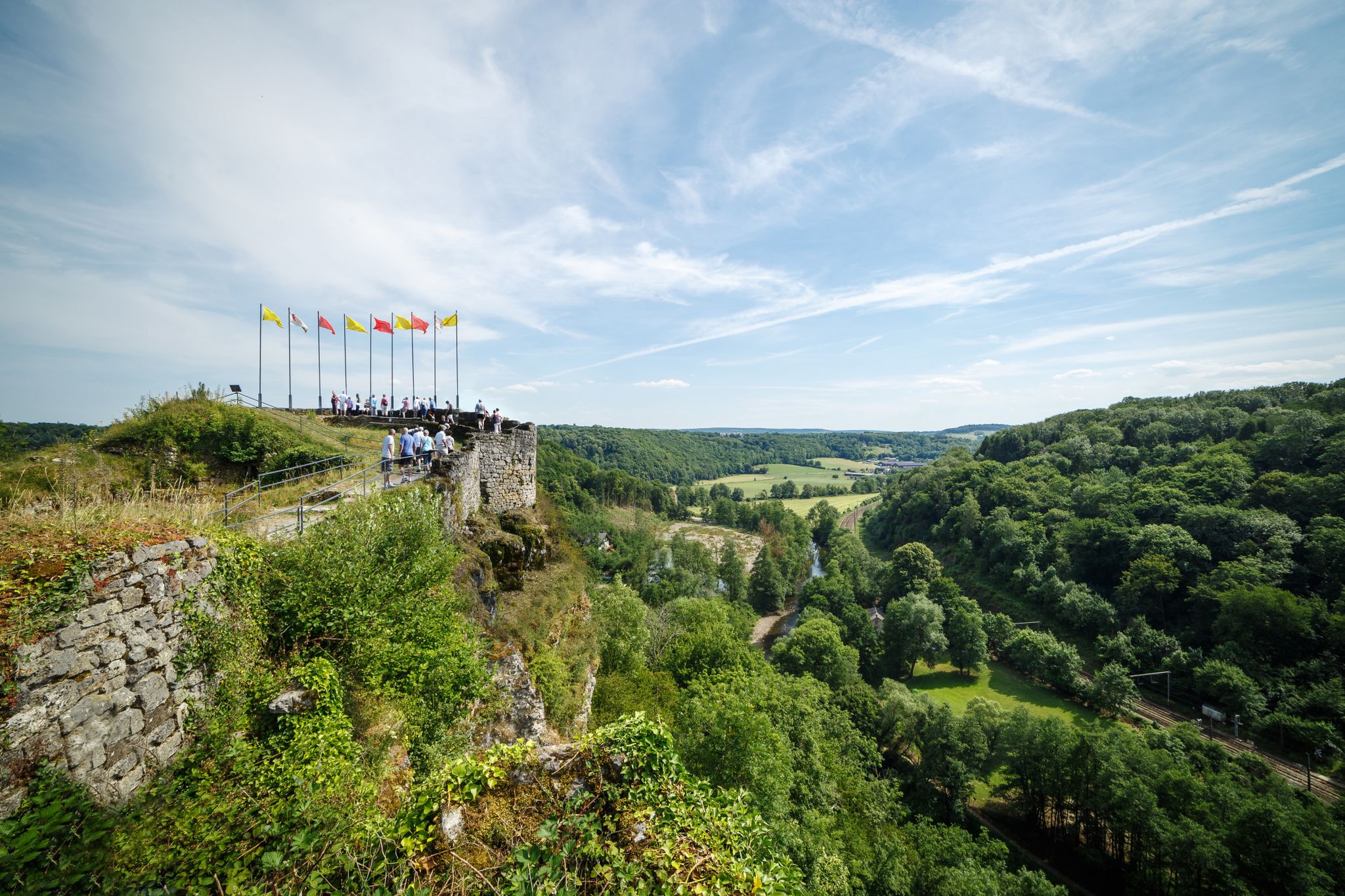
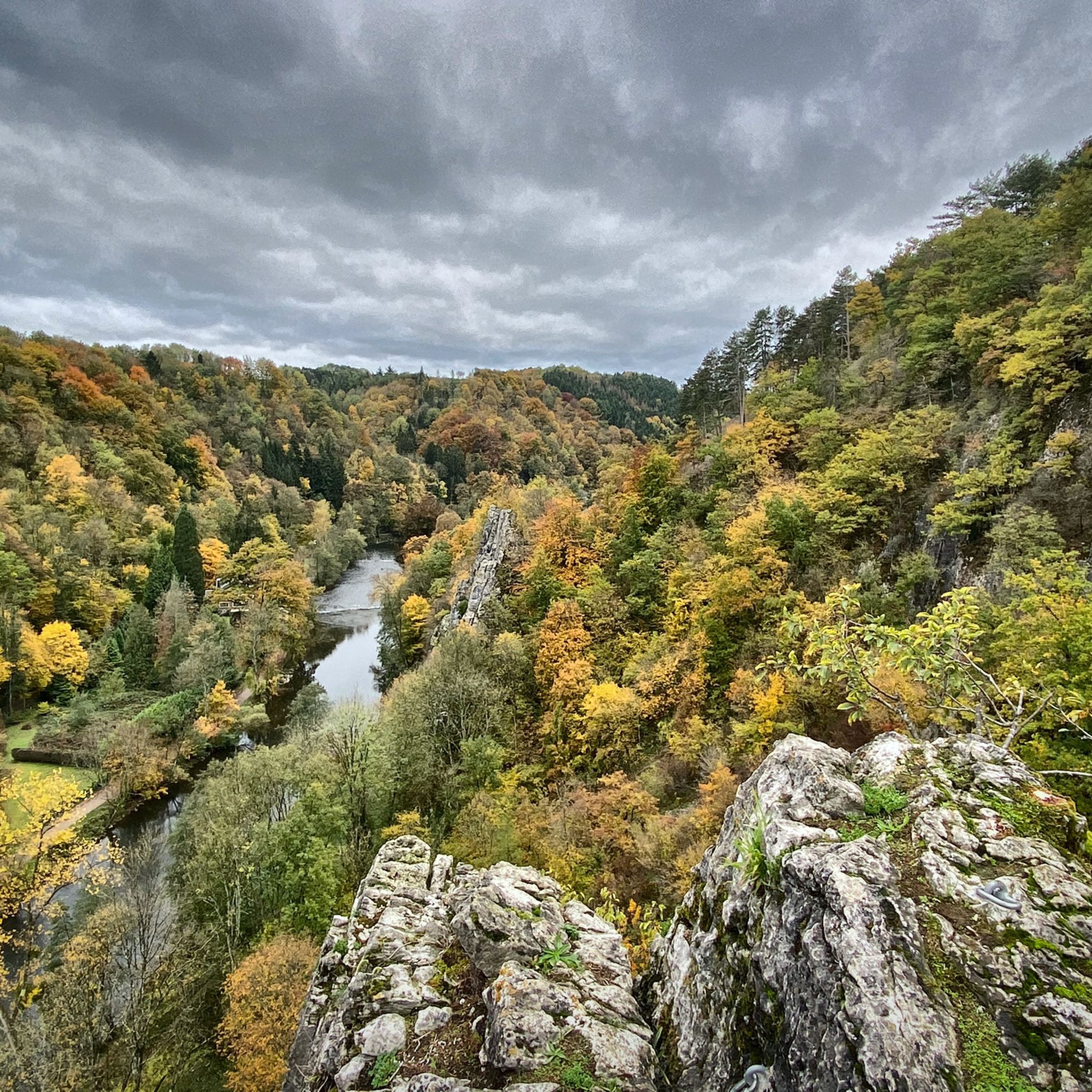
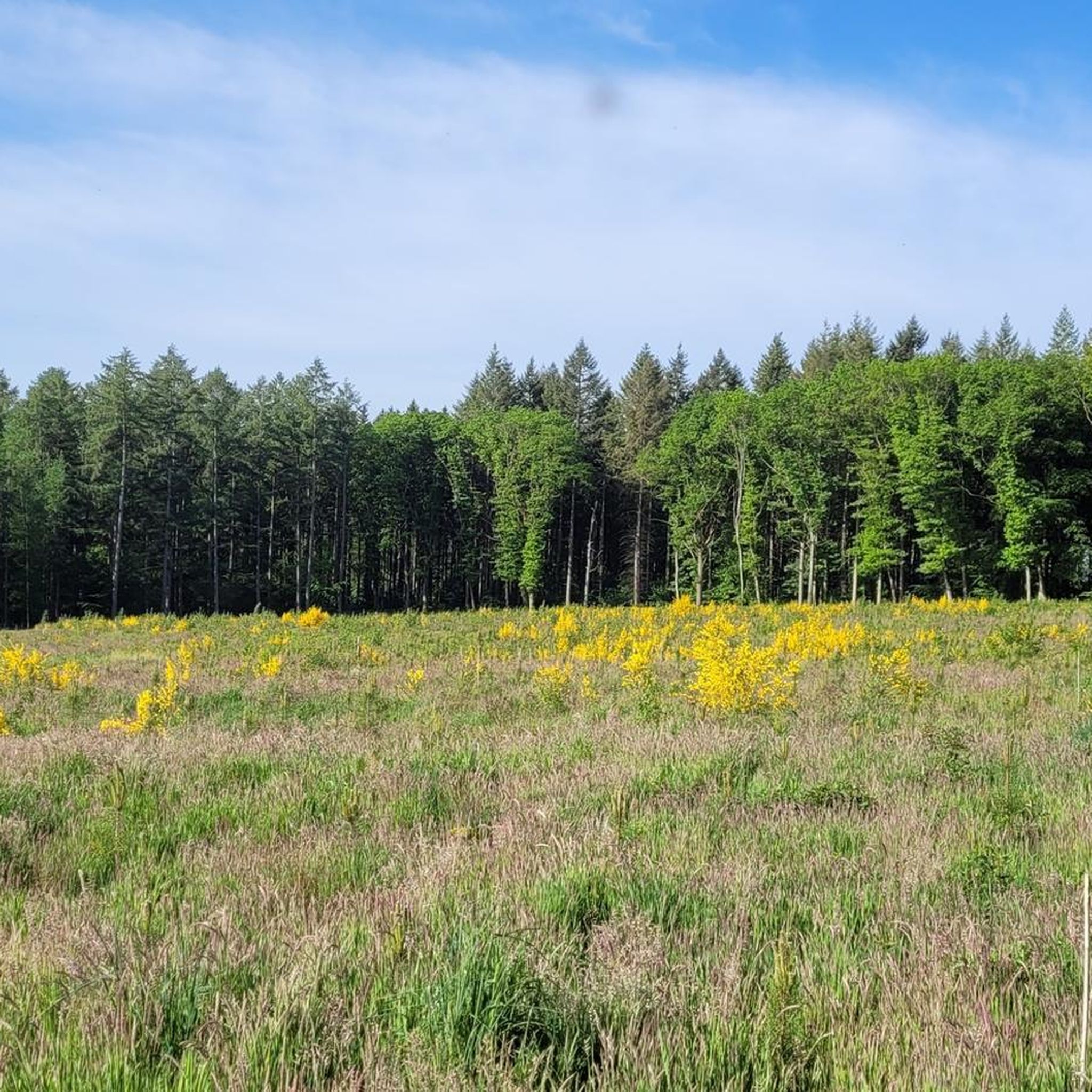
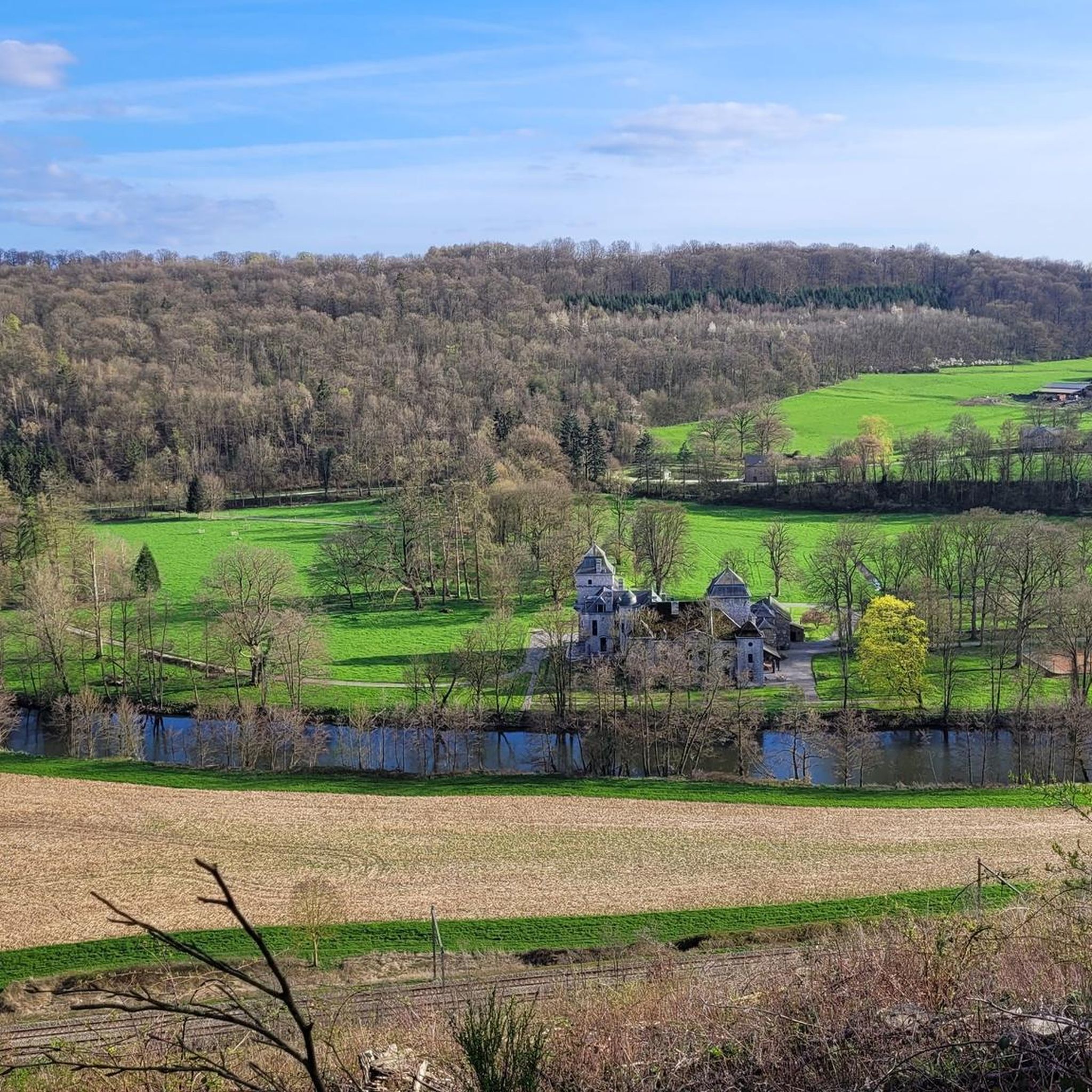
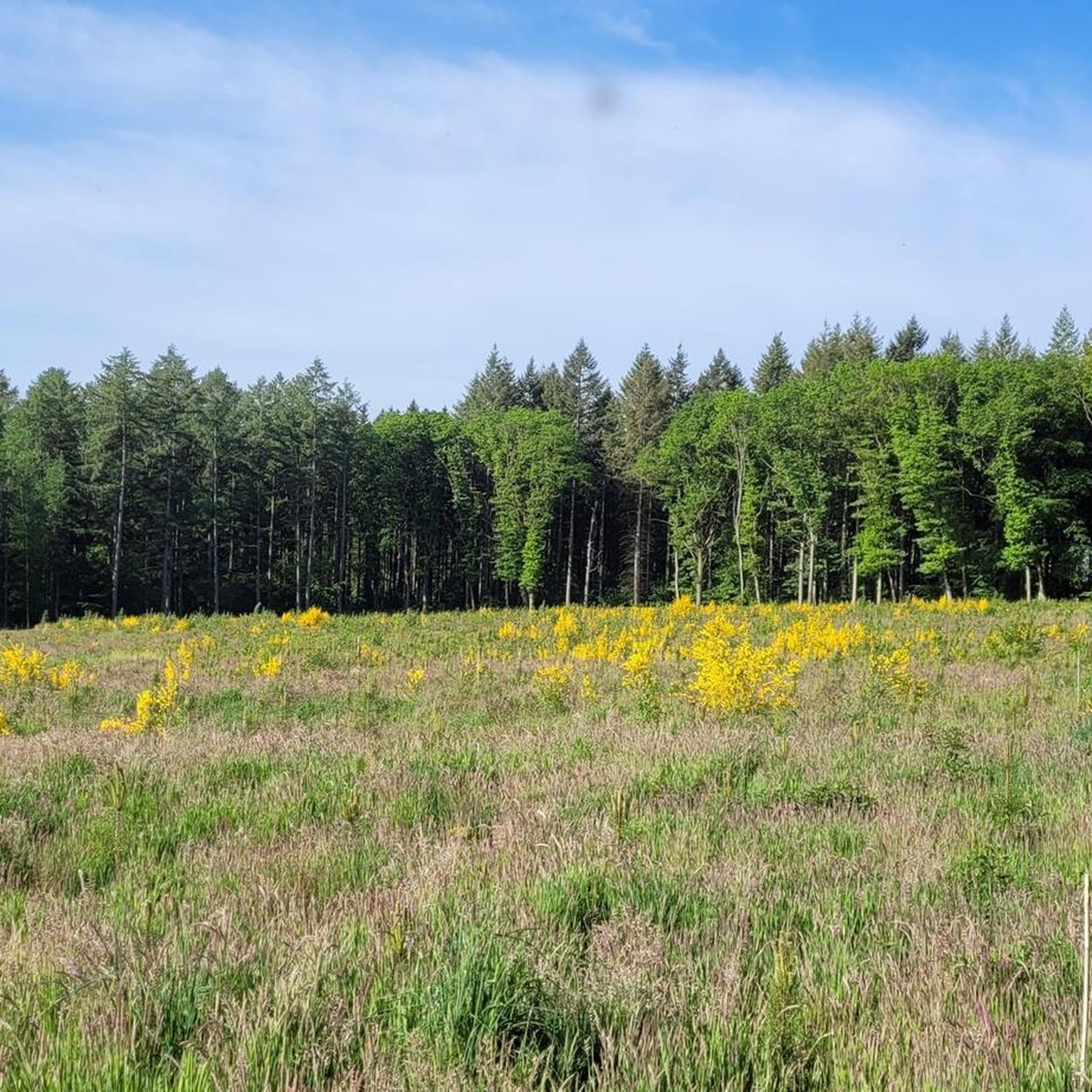
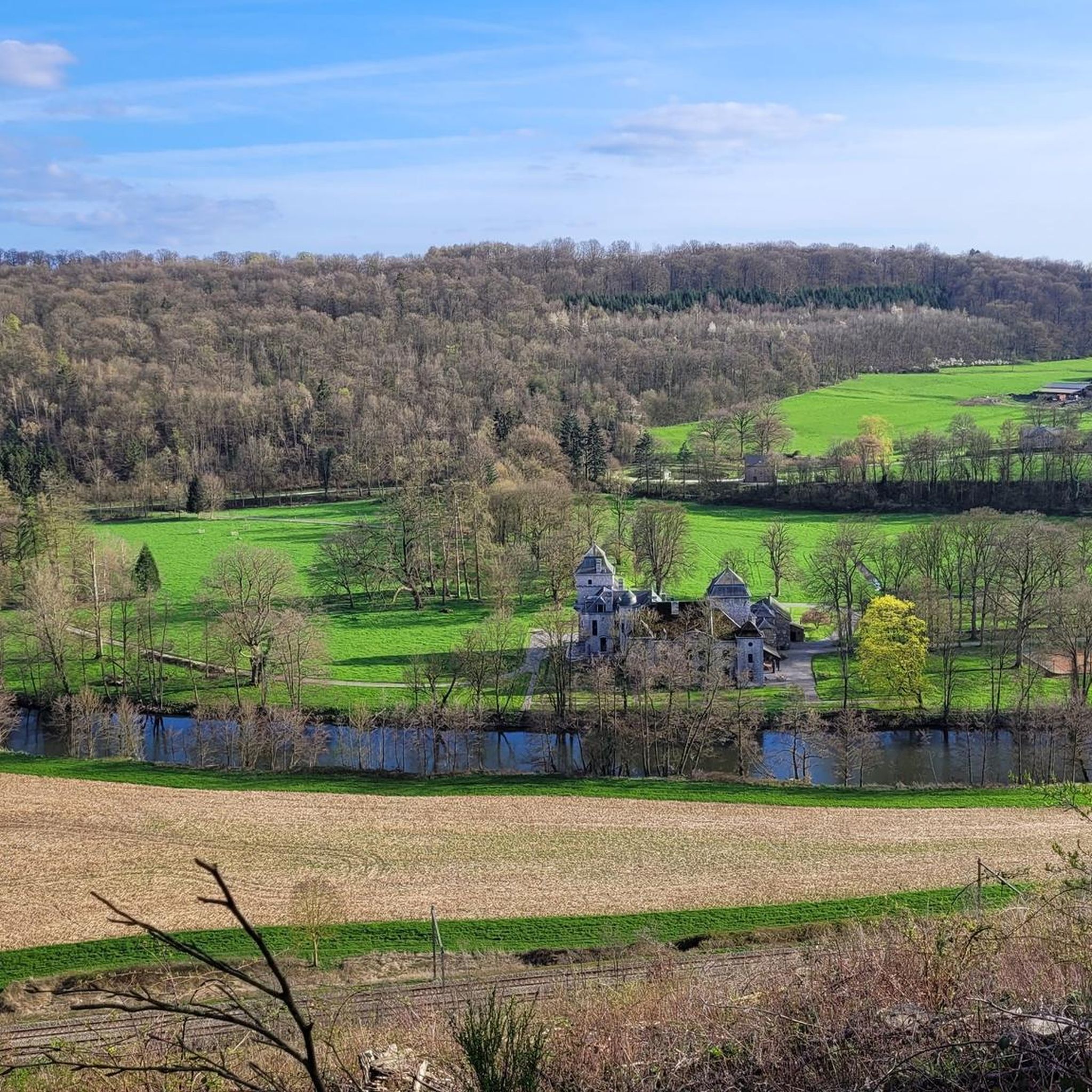



Tips from the Community

Ideal resting place during a longer hike.
0
0
Nice rocky path along the Ourthe
0
0


Varied and surprising: forest, climbing, valleys, meadows, city!
0
0

A beautiful bridge with a view of the castle
1
0


On the side of the bridge, you'll find a four-language (FR/NL/DE/UK) information board with the information about the bridge Herwig mentions. It could use replacing. Other interesting facts about the bridge with visible remains: the metal cross, surmounted by a cast and painted iron statue of Christ on the railing, dates from the eighteenth century. As mentioned, the limestone base inscribes the construction years of the various successive bridges: 1725, 1909, and 1954. The base of the cross itself has also been replaced. The previous one, also part of the city's small heritage, stands on the side of the church next to the old graves. This stone stood there between 1909 and 1940 and was blown up during the war. It was replaced in 1954, just like the bridge. If you go down the stairs towards the parking lot on the other side of the bridge (the side with the information board), you will see another reminder, remains and information about the mill.
6
0
At approximately 37 meters, the top of the Anticline, also known as the Homalius Rock and especially the Falize Rock, is literally the highest point in Durbuy. It has been a highlight for many visitors for years, thanks in part to the surroundings and beautiful water features. The rock is somewhat older than the average visitor. It's said to be more than 300 million years old. However, the rock layers are much older: around 375 million years old. The name Anticline comes from the geological phenomenon known as an anticline. It's the opposite of a syncline. While the former is a fold formed over many years, with the innermost layers being the oldest and the folds running downwards, synclines have folds running downwards. Such folds can form for various reasons and range from very small to large, as seen here. Originally, everything was, of course, horizontal. The inverted U-shape created by uplift in Durbuy is not only beautiful to see but also special. And Durbuy has beautifully highlighted this. Another beautiful anticline can be found in Han-sur-Lesse, also in the Famenne-Ardenne region, albeit in the province of Namur (here we are in Luxembourg), where it has been given the name "Tête de bouc" (Tick of the Rock). There's a waterfall and a large water feature at the end of the expansive pond in front of the rock, which you can also climb. And everywhere there's space to admire it all while sitting and relaxing—or enjoying the water. Don't forget the many smaller works of art and curiosities, and take a look in the water.
7
0
Frequently Asked Questions
What kind of mountaineering experiences can I expect in Hamoir?
Mountaineering in Hamoir primarily involves vertical adventure sports like rock climbing and via ferrata, set amidst the picturesque Ourthe Valley. The region is characterized by prominent limestone rock formations, rolling hills, and extensive forests, offering a dynamic environment for various skill levels.
How many mountaineering routes are available in Hamoir?
There are over 10 mountaineering routes around Hamoir documented on komoot, catering to various skill levels. These include 1 easy route, 8 moderate routes, and 1 difficult route, ensuring options for both beginners and experienced climbers.
Are there any easy mountaineering routes suitable for beginners in Hamoir?
Yes, Hamoir offers routes suitable for beginners. While most routes are moderate, there is at least one easy mountaineering route available. The region's rock formations, such as Les Grandes Moches, are known to offer easy to moderate climbs, ideal for those new to the sport.
What are some notable natural features or landmarks to see along the mountaineering routes in Hamoir?
The routes in Hamoir often feature the scenic Ourthe River and impressive rock formations like the Sy Rocks. You might also encounter various waterfalls, such as the Small Waterfall on the Ninglinspo or the Chaudière Waterfall. The Ninglinspo Valley and Chefna Valley also offer stunning natural scenery.
Are there any circular mountaineering routes in Hamoir?
Yes, many mountaineering routes in Hamoir are designed as loops. For example, you can explore the Natural Rock Tunnel near Bomal – Sy Rocks loop from Sy, which takes you through the Ourthe River valley, or the Sy Rocks – Sy Bridge loop from Durbuy, offering views of the impressive Sy Rocks formations.
What do other mountaineers say about the routes in Hamoir?
The mountaineering routes in Hamoir are highly rated by the komoot community, with an average score of 4.8 stars from over 9 reviews. Mountaineers often praise the diverse terrain, the scenic Ourthe River valley, and the impressive rock formations that define the region's climbing experiences.
Are there any adventure parks or centers in Hamoir that offer climbing activities?
Yes, Hamoir is home to adventure centers like The Outsider Ardennes, which offers a wide array of activities including initiations to climbing, via ferrata, and caving. They cater to individuals, families, and groups, with activities suitable for various age and skill levels. You can find more information on their offerings via VisitArdenne or VisitWallonia.
What are some specific rock climbing hotspots in Hamoir?
Hamoir boasts several popular climbing areas with impressive limestone walls. Notable hotspots include Rocher de la Vierge, known for its challenging routes and scenic views, Le Papegai for varied climbs, and Les Grandes Moches for easier routes. La Roche aux Corneilles also presents accessible climbs in inspiring natural surroundings.
Can I find mountaineering routes that pass by historical sites or castles in Hamoir?
Yes, some routes combine natural beauty with historical interest. For instance, the Durbuy Bridge - 1725 – Durbuy Castle loop from Durbuy leads through the Ourthe River valley and past Durbuy Castle, offering a blend of outdoor adventure and cultural exploration.
Are there any routes that explore the Ourthe River and its valley?
Absolutely. The Ourthe River is a central feature of the region's mountaineering. Routes like the Sy Rocks – Palogne Estate loop from Bomal offer extensive views and interaction with the river and its valley, providing a scenic backdrop for your adventure.
What is the best time of year for mountaineering in Hamoir?
The best time to visit Hamoir for mountaineering is typically during the spring and autumn months when the weather is milder and the natural scenery is at its most vibrant. Summer can also be pleasant, though it can get warmer, while winter might present colder conditions, especially for climbing.
Are there any challenging mountaineering routes in Hamoir?
Yes, Hamoir offers challenging routes for experienced mountaineers. While many routes are moderate, there is at least one difficult route available. Areas like Rocher de la Vierge are well-known for their more demanding climbs, providing a good test for advanced skill levels.
Most popular attractions around Hamoir

Get inspired with the komoot mobile app


Explore more
Browse the best Mountain Hikes & Routes in other regions.
