Attractions and Places To See around Paris - Top 20
Best attractions and places to see around Paris include a mix of iconic landmarks, historic sites, and expansive green spaces. The city is bisected by the Seine River, featuring islands like Île de la Cité, and is characterized by its distinct neighborhoods and hills such as Montmartre. Paris offers a rich tapestry of cultural institutions and architectural marvels set within a diverse urban landscape. This region provides numerous opportunities to explore historical monuments, world-class museums, and serene parks.
Best attractions and places to see around Paris
- The most popular attractions is Louvre Museum Square, a historical site and museum complex known for its iconic pyramid and vast art collection. It houses an immense collection including the Mona Lisa and Venus de Milo.
- Another must-see spot is Basilica Sacré Coeur, a religious building and viewpoint located on the summit of Montmartre. This basilica offers expansive views across Paris and is known for its white facade.
- Visitors also love Eiffel Tower, a man-made monument and viewpoint. It is a symbol of Paris, built for the 1889 World's Fair, and offers views from its top.
- Paris is known for its historical sites, cultural institutions, and natural features. Visitors can explore everything from ancient cathedrals and grand palaces to extensive gardens and river cruises.
- The attractions around Paris are appreciated by the komoot community, with more than 1100 upvotes and over 1100 photos shared.
Last updated: August 29, 2026
Basilica Sacré Coeur
Highlight • Historical Site
Special features of the basilica:
1. Ceiling mosaic above the altar
2. The church consists of the basilica and a bell tower. The famous "Savoyarde" bell hangs in the bell tower. At 19 tons, it is said to be the heaviest swinging bell in the world.
3. The organ in the Sacré-Coeur Basilica is considered one of the most extraordinary organs in Paris, France and even the whole of Europe.
4. The facade of Sacré-Coeur
5. The view from the dome
Source with a great short explanation: help-tourists-in-paris.com/sehenswuerdigkeiten/sacre-coeur/was-sacre-coeur-in-paris-so-besonders-macht/#:~:text=Sacr%C3%A9%2DCoeur%20z%C3%A4hlt%20zu%20den,schwingende%20Glocke%20der%20Welt%20sein.
Translated by Google •
Tip by

Louvre Museum Square
Highlight • Castle
Translated by Google •
Tip by

Sign up now to discover places like this
Get recommendations on the best single tracks, peaks, & plenty of other exciting outdoor places.
Sign up for free
Notre-Dame Cathedral, Paris
Highlight • Other
Notre-Dame Cathedral in Paris is the most visited monument in France. It is a true jewel of Gothic art. Look for the Hunchback of Notre-Dame, but in the meantime admire this impressive building. It has quite a few stories to tell you, from its beginnings of construction in the Middle Ages to the present day.
Translated by Google •
Tip by

Carrousel Triumphal Arch
Highlight • Monument
The quadriga on the arch goes back to a reproduction of the four golden horses of San Marco in Venice. Napoleon had the originals brought to Paris in 1797 after the victorious Italian campaign, together with the Lion of San Marco as the symbol of the Republic of Venice, which he had crushed.
Tip by

Vincennes Castle
Highlight • Castle
Translated by Google •
Tip by
Montmartre
Highlight • Other
With around 400 feet the hill of Montmartre is also the highest natural elevation in Paris.
Tip by
Alexandre III Bridge
Highlight • Bridge
Tip by
Eiffel Tower
Highlight • Monument
Translated by Google •
Tip by
Concorde Bridge
Highlight • Other
Translated by Google •
Tip by
Longchamp Circuit
Highlight (Segment) • Other
Translated by Google •
Tip by

Sign up for free to discover even more attractions around Paris.
Sign up for free
Already have an account?
Start today with a free account
Your next adventure awaits.
Login or Signup
Popular around Paris
The Ardennes Trail (GR 14) – From Paris to the Belgian border
GR 22 to Mont-Saint-Michel – Miquelot's Walk

Around the World in 80 Days
EuroVelo 3 – A cycling pilgrimage from Norway to France
Routes in Hauts-de-France for cycling enthusiasts

Graffiti & Street Art Trails through Europe’s Coolest Cities
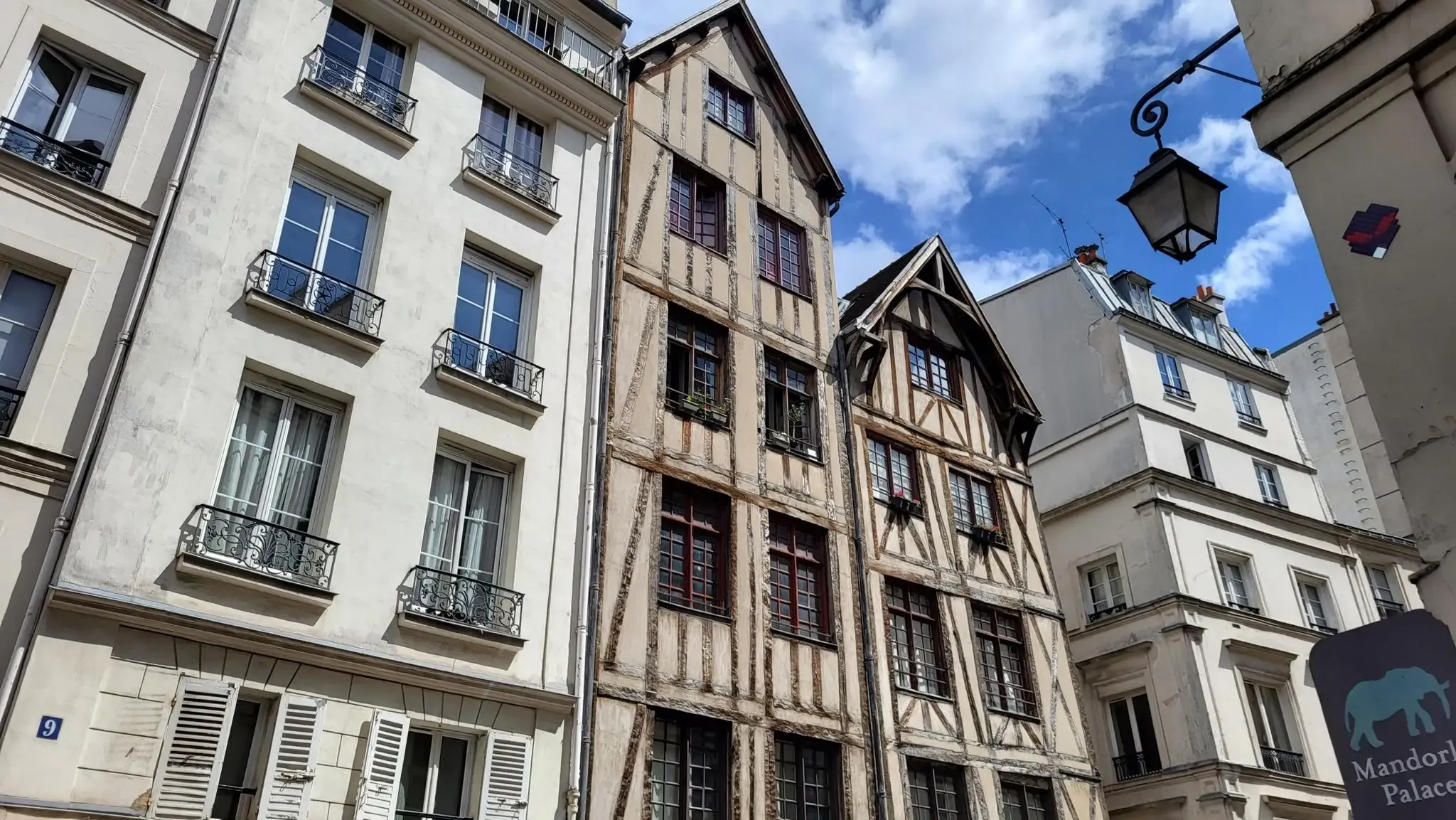
Architecture of Paris – through the centuries by bike
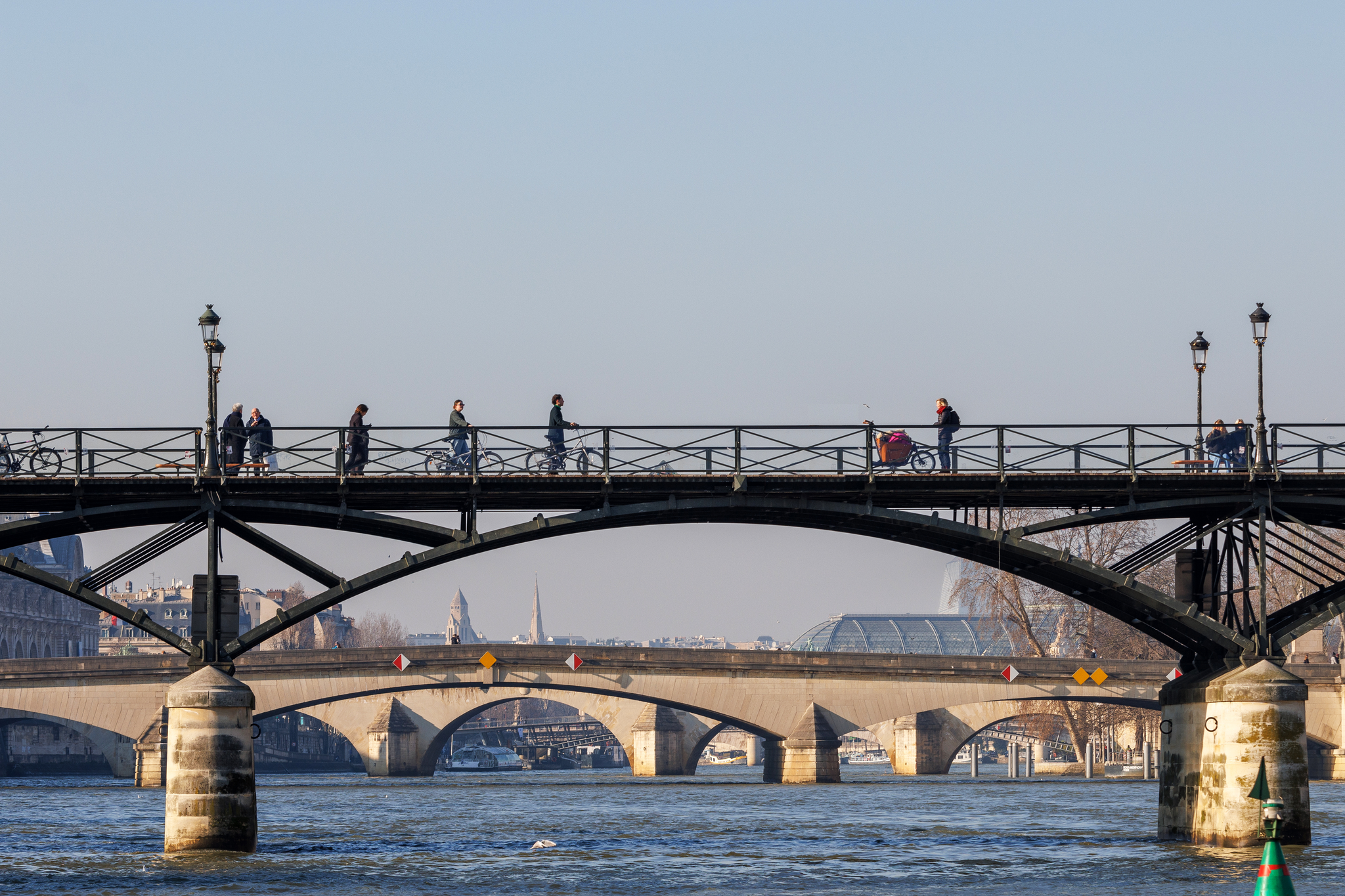
Cosmopolitan Paris — exploring the world without leaving the city
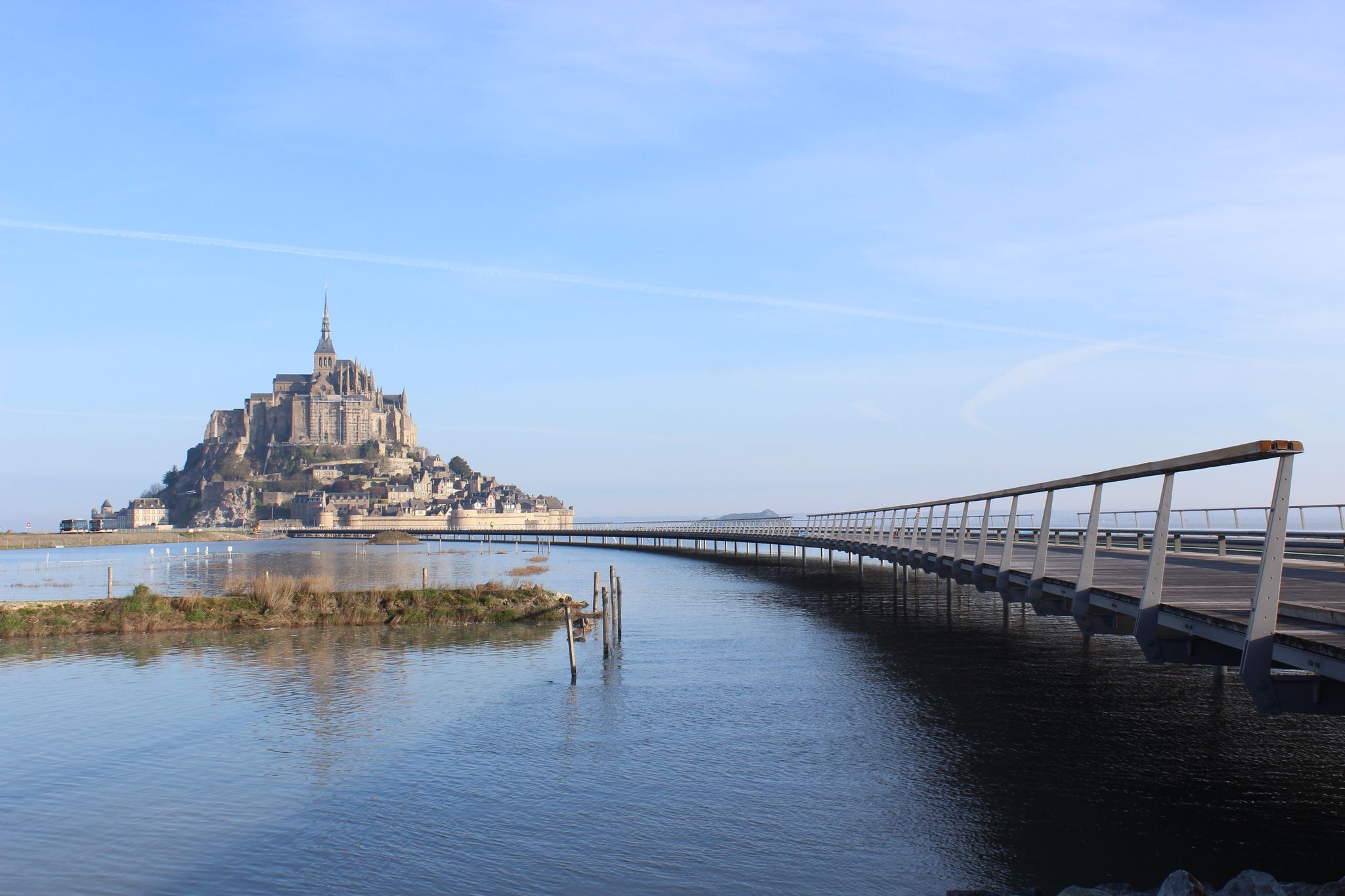
From Paris to Mont-Saint-Michel — La Véloscénie
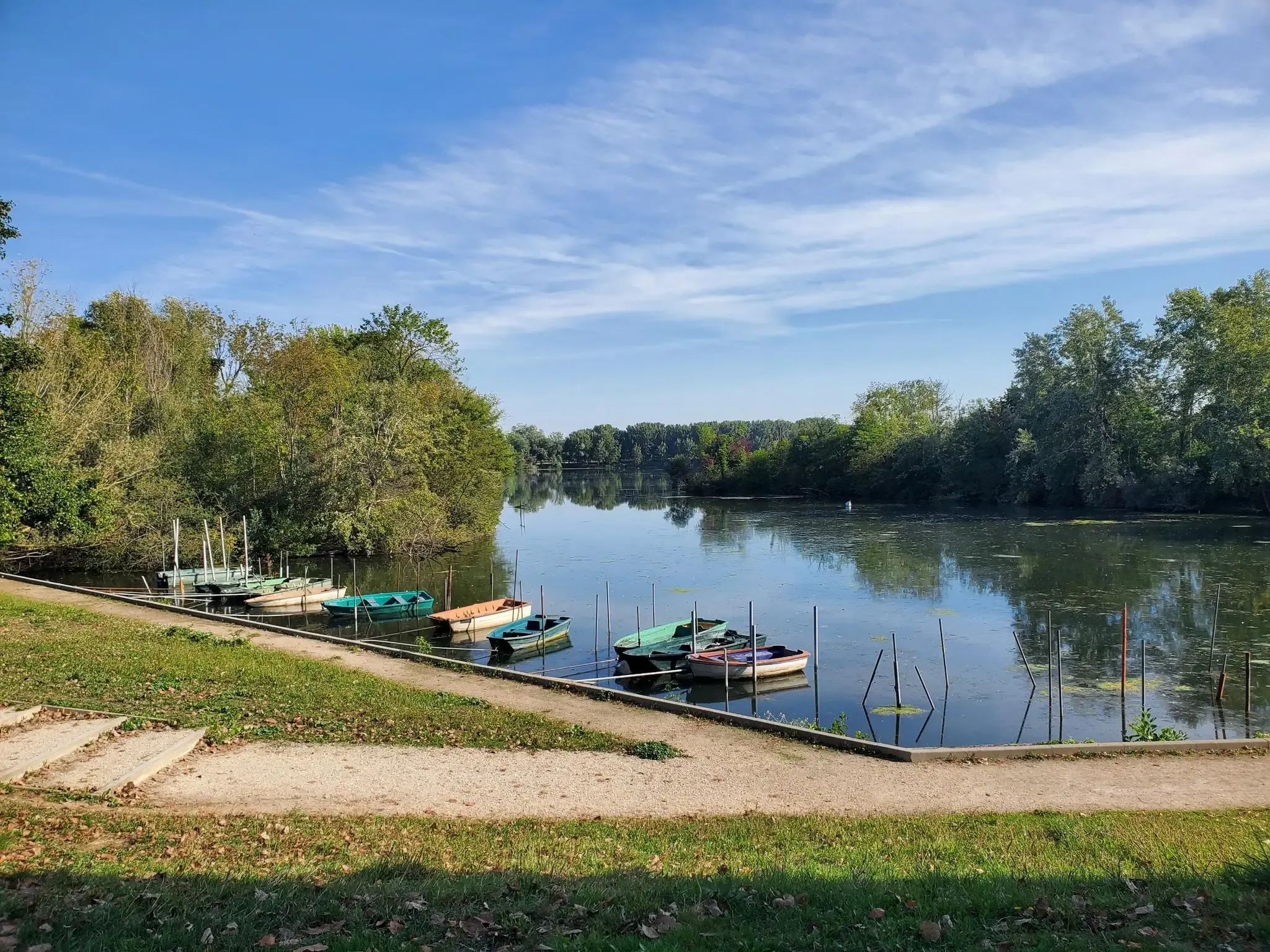
Cycle from Paris to Orléans – Scandibérique along the water
Other adventures around Paris


Tips from the Community

Famous bridge with a breathtaking view.
0
0

The Pont de la Concorde is a bridge over the Seine in Paris, France. It connects the Place de la Concorde and the Quai des Tuileries with the Quai d’Orsay, running directly towards the Palais Bourbon, the seat of the Assemblée Nationale, the French National Assembly.
6
0

The Arc de Triomphe du Carrousel is a triumphal arch near the Louvre in Paris and is also called the Petit Arc de Triomphe, to distinguish it from the much larger and better known Arc de Triomphe, which is also in Paris. https://nl.wikipedia.org/wiki/Arc_de_Triomphe_du_Carrousel
8
0
The Arc de Triomphe du Carrousel is a triumphal arch near the Louvre in Paris and is also called the Petit Arc de Triomphe, to distinguish it from the much larger and better known Arc de Triomphe (de l'Étoile), which is also in Paris. The triumphal arch is located on the Place du Carrousel, so called because it used to be a place for horse training.
8
0

Notre Dame Cathedral in Paris is one of the most famous Gothic cathedrals in the world, located on the Île de la Cité in the heart of Paris. Construction of the cathedral began in 1163 and was completed in 13451. It is known for its impressive Gothic architecture, including its flying buttresses, rose windows, and detailed sculptures. On April 15, 2019, a devastating fire severely damaged the cathedral, destroying its spire and much of the roof1. It has since been undergoing restoration.
21
1
The Louvre Pyramid is an iconic structure located in the central courtyard of the Louvre Museum in Paris, known as Cour Napoléon. Designed by Chinese-American architect Ieoh Ming Pei, it was opened in 1989. This glass and metal pyramid stands 21.6 metres tall and is made up of 603 glass panels. Its modern design contrasts with the museum's classical architecture, creating a bright and airy access point for visitors. Despite initial controversy, the pyramid has become a symbol of Paris and one of the city's most photographed attractions.
26
0

The Pont de la Concorde, located in Paris, is a masterpiece of neoclassical architecture that spans the Seine, connecting the Champs-Élysées district to the Place de la Concorde. Built between 1787 and 1791, it is the work of the architect Jean-Rodolphe Perronet. Architectural Features Dimensions: The bridge is approximately 330 meters long and 22 meters wide. Columns: It is decorated with six 16-meter-high Corinthian columns, divided into three groups on each bank, which add a classical majesty to the whole. Statues: The bridge is decorated with allegorical statues representing the main French cities of the time: Marseille, Lyon, Bordeaux, Nantes, Lille, and Rouen. These sculptures, created by artists such as Jacques-Antoine Granet, are integrated into the bridge's piers. Historical Significance Context of Construction: Its construction was part of a project to modernize Parisian infrastructure during the reign of Louis XVI, aimed at beautifying the city and facilitating transportation. Historical Events: The bridge played an important role during the events of the French Revolution, particularly as a witness to the period of political turbulence. It has also served as a setting for various public demonstrations and celebrations over the years. Functionality Traffic: Today, the Pont de la Concorde remains a nerve center in Paris's transportation network, welcoming significant flows of vehicles and pedestrians. Panoramic View: It offers breathtaking views of several Parisian monuments, including the National Assembly, Les Invalides, and the Louvre, as well as the Seine and its quays. The Pont de la Concorde is not only a key element of Parisian architectural heritage but also a symbol of the grandeur of the French capital, combining aesthetic beauty and practical function.
2
1

The small Arc de Tromphe. It is more reminiscent of the Brandenburg Gate in Berlin.
8
0
Frequently Asked Questions
What are some family-friendly attractions to visit around Paris?
Paris offers many attractions suitable for families. You can explore the vast collections at the Louvre Museum Square, which houses masterpieces like the Mona Lisa. The Eiffel Tower is always a hit, offering panoramic views. For a historical experience, consider Vincennes Castle, a large royal fortress. Additionally, the Bois de Boulogne features a children's theme park, and the Jardin des Plantes is France's main botanical garden with diverse plant species and museums.
Which historical sites and castles can I visit near Paris?
The region around Paris is rich in history. The Vincennes Castle is a significant royal fortress with a long history. While undergoing restoration, the exterior of Notre-Dame Cathedral remains an impressive example of Gothic architecture. The Louvre Museum Square itself is a former royal palace. Just outside Paris, the opulent Palace of Versailles is a must-visit for its grandeur, including the Hall of Mirrors and extensive gardens. Other notable sites include Les Invalides, the Panthéon, and Sainte-Chapelle.
Are there any natural features or green spaces worth visiting in Paris?
Absolutely. The iconic Seine River flows through Paris, offering scenic cruises and beautiful views. You can relax in the meticulously maintained Luxembourg Gardens or stroll through the Tuileries Garden, located between the Louvre and Place de la Concorde. The Champ de Mars provides a large public greenspace in front of the Eiffel Tower, perfect for picnics. For a more rugged landscape, Parc des Buttes-Chaumont features cliffs, a lake, and a Roman temple folly. The Bois de Boulogne and Bois de Vincennes are vast parks offering woodlands, gardens, and other attractions.
What cultural institutions and museums are prominent in Paris?
Paris is a global cultural hub. The Louvre Museum Square is the world's largest art museum, housing the Mona Lisa and Venus de Milo. The Musée d'Orsay, set in a former railway station, is renowned for its Impressionist and Post-Impressionist collections. The Centre Pompidou is known for its modern art, while the Musée Rodin is dedicated to the works of Auguste Rodin. For Monet's 'Water Lilies,' visit the Musée de l'Orangerie. The historic neighborhood of Montmartre also offers a rich artistic heritage.
What outdoor activities can I do near the attractions around Paris?
Beyond sightseeing, Paris and its surroundings offer various outdoor activities. You can find numerous cycling routes, such as the 'Along the Seine, from Paris to Maisons-Laffitte' loop or 'From Paris to Massy via the COULÉE VERTE'. For mountain biking, explore trails like the 'Saint-Cloud Park Farm – Trou aux Gants Pond loop'. Road cyclists can enjoy longer rides like the 'Tour in Cheuvreuse from Longchamps'. For more details on these and other routes, visit the dedicated guides for MTB Trails around Paris, Cycling around Paris, and Road Cycling Routes around Paris.
Are there any less crowded alternatives to popular attractions like Versailles?
While Versailles is iconic, you can explore other magnificent châteaux for a different experience. The Vincennes Castle, located at the gates of Paris, is a significant royal residence with a towering keep. Other options include the Château de Chantilly, known for its art collection and stables, or the Château de Fontainebleau, a UNESCO World Heritage site with a rich history and extensive gardens.
What do visitors enjoy most about the attractions in Paris?
Visitors frequently praise the breathtaking views from landmarks like the Eiffel Tower and the Basilica Sacré Coeur. The artistic atmosphere of Montmartre, with its street artists and charming cafes, is also highly appreciated. Many are captivated by the historical depth and architectural beauty of sites such as the Louvre Museum Square and the grandeur of the Seine River bridges like the Alexandre III Bridge. The sheer variety, from world-class museums to serene parks, ensures there's something for everyone.
Can I find any unique or 'hidden gem' attractions in Paris?
Beyond the main tourist spots, Paris offers several unique experiences. Explore the Coulée Verte René-Dumont, an elevated linear park built on a former railway line, offering a unique green walkway above the city streets. The Covered Passages provide a glimpse into old Parisian commercial life with their historic indoor shopping arcades. For a different perspective, the Catacombs of Paris offer an eerie historical journey through an underground ossuary. The Père Lachaise Cemetery is also a fascinating visit, serving as the final resting place for many famous personalities amidst beautiful grounds.
Are there any attractions that are wheelchair accessible?
Yes, several key attractions in Paris offer wheelchair accessibility. The Eiffel Tower provides accessible routes to its upper levels. The Carrousel Triumphal Arch and the Alexandre III Bridge are also noted for their accessibility. Many museums, including the Louvre, have made significant efforts to accommodate visitors with mobility needs. It's always advisable to check the specific venue's website for the most up-to-date accessibility information before your visit.
What are the best viewpoints to see the Paris skyline?
For iconic views of Paris, the Eiffel Tower is unparalleled, offering panoramic vistas from its top. The Basilica Sacré Coeur, located on the summit of Montmartre, provides expansive views across the city, especially from its dome. The Arc de Triomphe also allows visitors to climb to the top for impressive cityscapes. For a free and stunning view, head to the rooftop of Galeries Lafayette, which offers a great perspective including the Eiffel Tower.
What is the best way to experience the Seine River and its surroundings?
The Seine River is central to the Parisian experience. A popular way to see many of Paris's landmarks from a different perspective is by taking a Seine River cruise, with options for daytime, dinner, or evening tours. You can also stroll along its banks, which are a UNESCO World Heritage site, and cross its historic bridges like the Pont Neuf, the oldest standing bridge across the river. The islands of Île de la Cité and Île Saint-Louis, located in the Seine, form the historical heart of Paris and are perfect for exploration on foot.
Most popular routes around Paris
Most popular attractions around Paris

Get inspired with the komoot mobile app


Didn’t find what you were looking for?
Are you keen on exploring more awesome places nearby? Browse our guides:
Explore more
Still not found the Highlight you’re looking for? See guides of the top attractions in other regions:
