Attractions and Places To See around Vilanova De Arousa - Top 20
Best attractions and places to see around Vilanova De Arousa, a coastal town in Galicia, blend natural beauty with cultural heritage. The region is characterized by its location on the Ría de Arousa, offering views of the estuary and its islands. Visitors can explore a variety of sites, from historical landmarks to natural trails and beaches. The area provides opportunities to experience both the local landscape and its literary and historical significance.
Best attractions and places to see around Vilanova…
Last updated: August 30, 2026
Camino de Santiago Milestone – Km 60
Highlight • Monument
Yellow arrows: These arrows will guide you throughout the entire route. They indicate the direction to follow, especially at crossroads. …
Translated by Google •
Tip by

Caldas de Reis Thermal Baths
Highlight • Structure
Translated by Google •
Tip by

Sign up now to discover places like this
Get recommendations on the best single tracks, peaks, & plenty of other exciting outdoor places.
Sign up for free
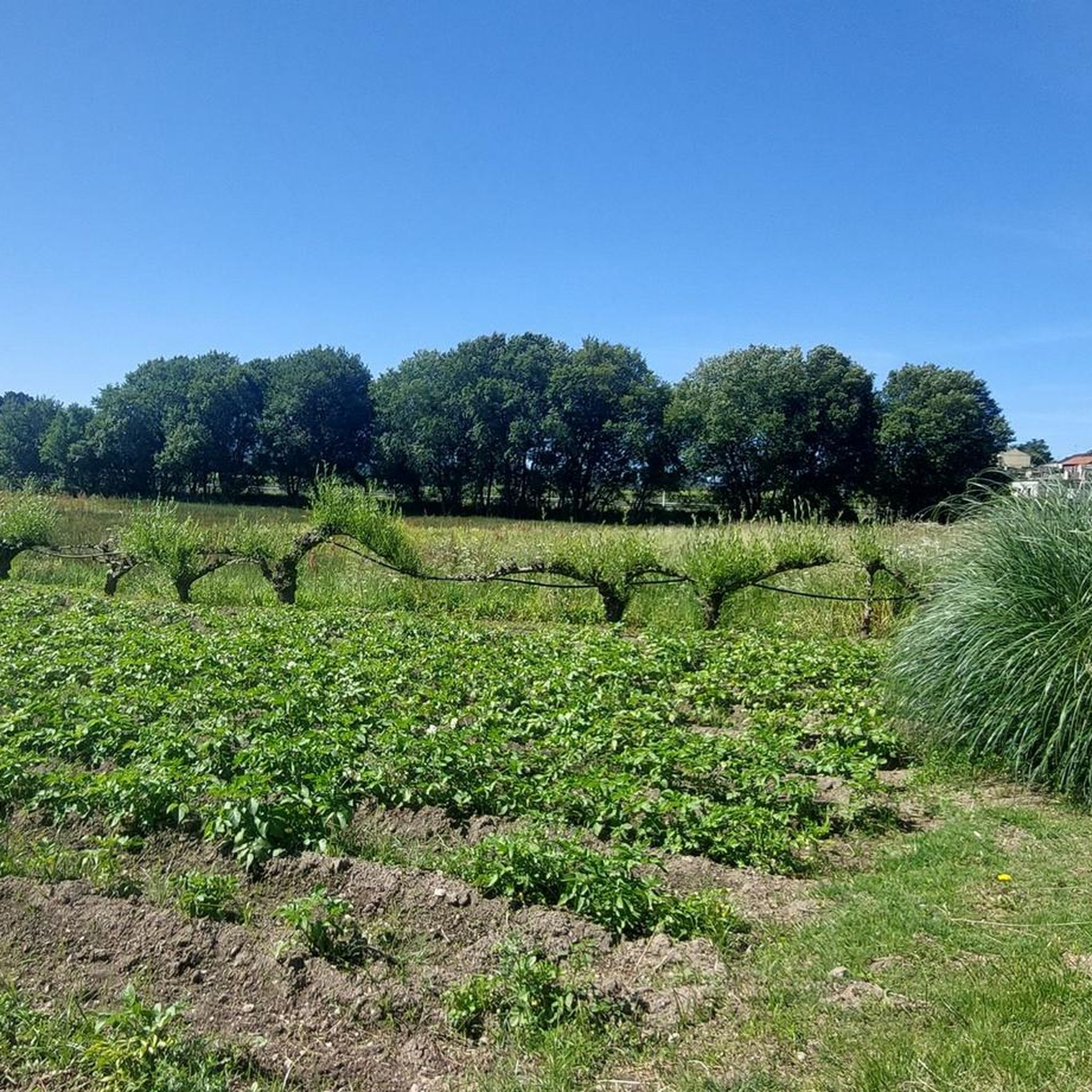
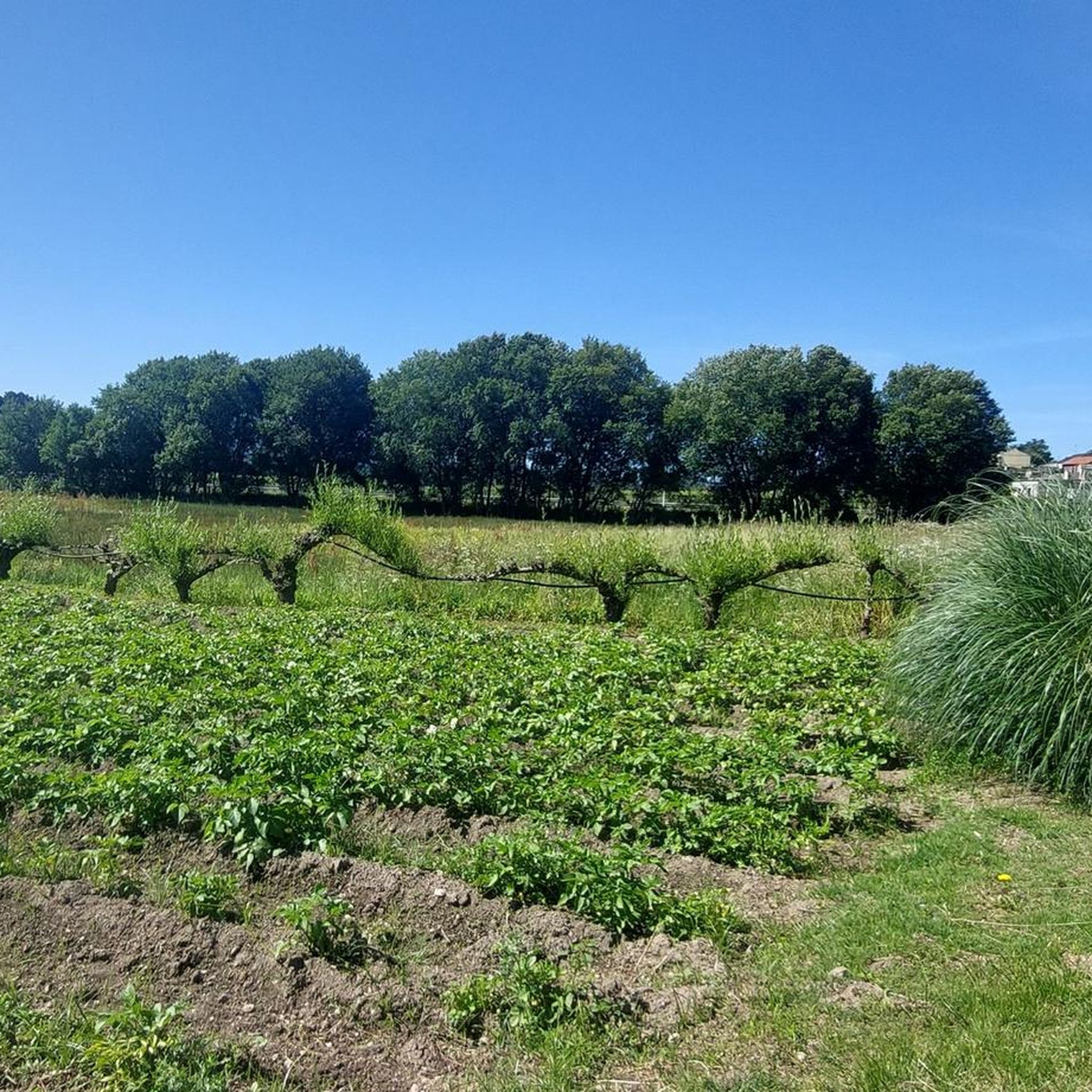
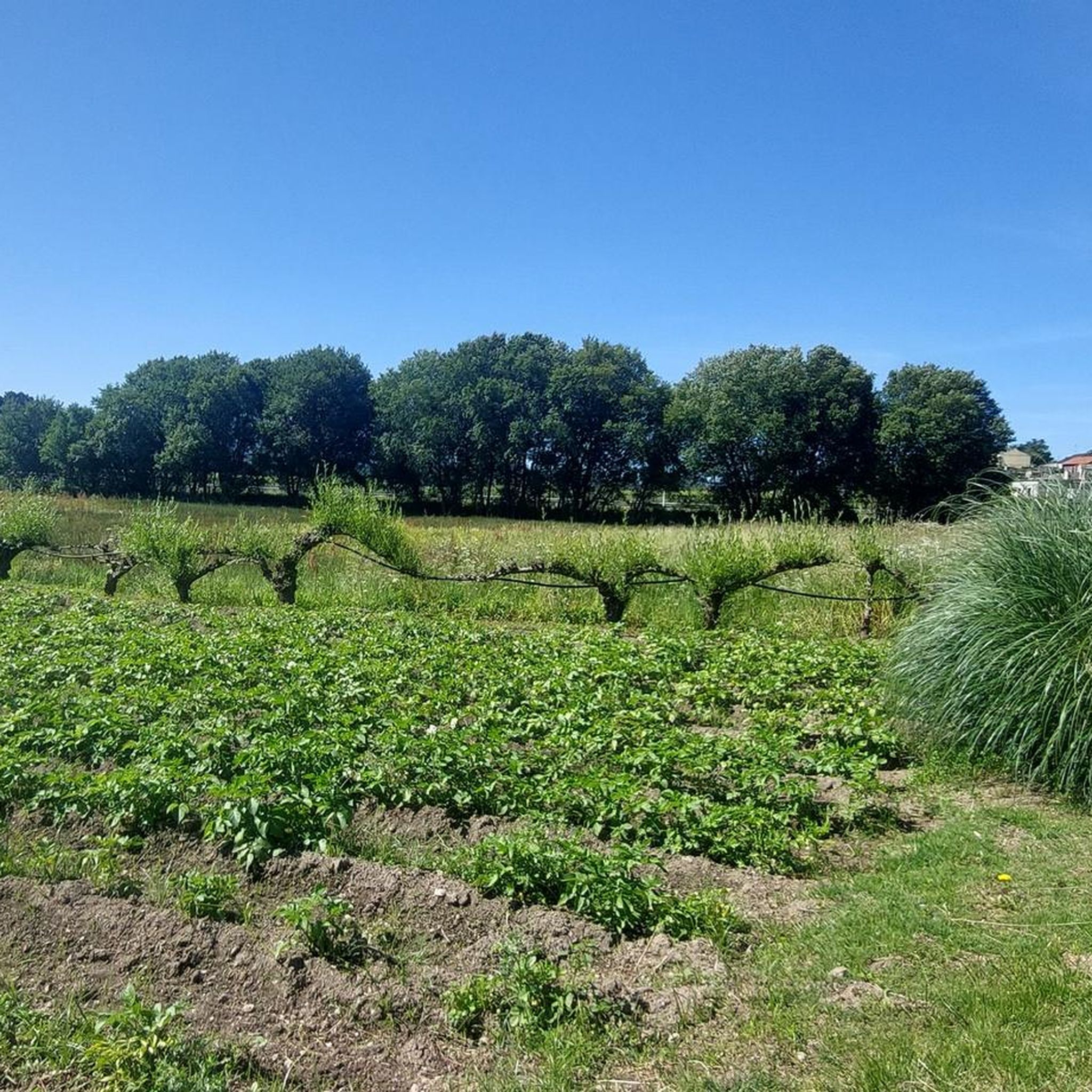
Vineyard and Forest Path
Highlight (Segment) • Trail
Translated by Google •
Tip by
Stone and Water Route (Armenteira River Trail)
Highlight • Trail
Translated by Google •
Tip by
Armenteira Monastery
Highlight • Religious Site
Translated by Google •
Tip by
Sign up for free to discover even more attractions around Vilanova De Arousa.
Sign up for free
Already have an account?
Start today with a free account
Your next adventure awaits.
Login or Signup
Tips from the Community

really beautiful pilgrimage route 🤙
1
1

The goal is the path.
1
1
The nice thing is that you don't need navigation.
0
1
Enjoy the fresh air in the shade of the vines.
2
0
Beautiful city with many murals.
1
0

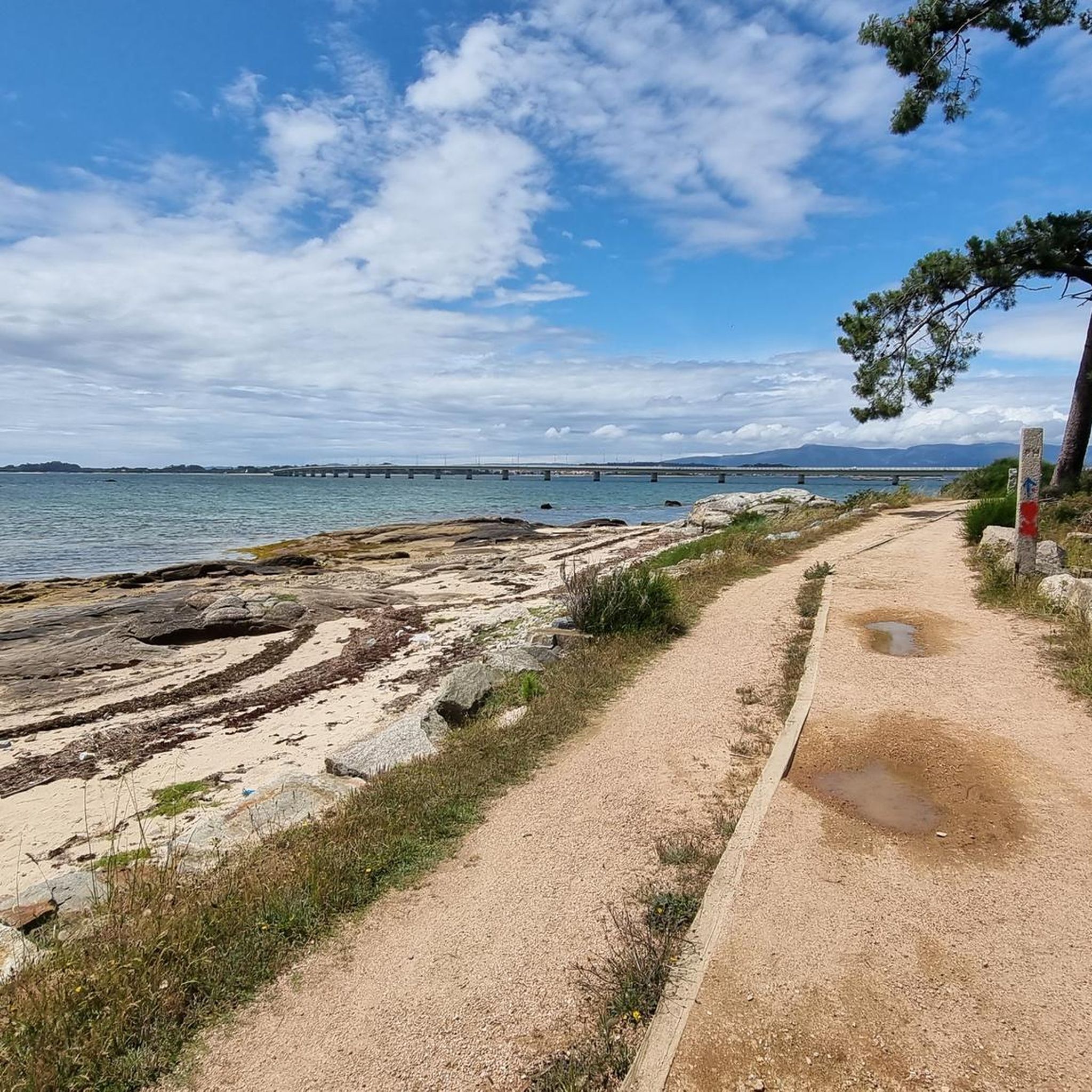
Signage on the Camino de Santiago is essential for pilgrims. Yellow arrows: These arrows will guide you throughout the entire route. They indicate the direction to follow, especially at crossroads. The yellow color is due to the contribution of the parish priest Elías Valiña, a key figure in the resurgence of the Camino de Santiago in the 20th century. Cairns or milestones: These concrete blocks include an arrow, a yellow shell on a blue background and the distance in kilometers to Santiago de Compostela. You will find them every 500 meters in Galicia. Scallop shells: In addition to being drawn on the markers, scallop shells are distributed throughout the Camino. They are universal symbols and have been carried by pilgrims for centuries. The open part of the shell indicates the direction towards Santiago. Good way! 🚶♂️🌟
7
0
Through the forest, along the railway line.
2
0

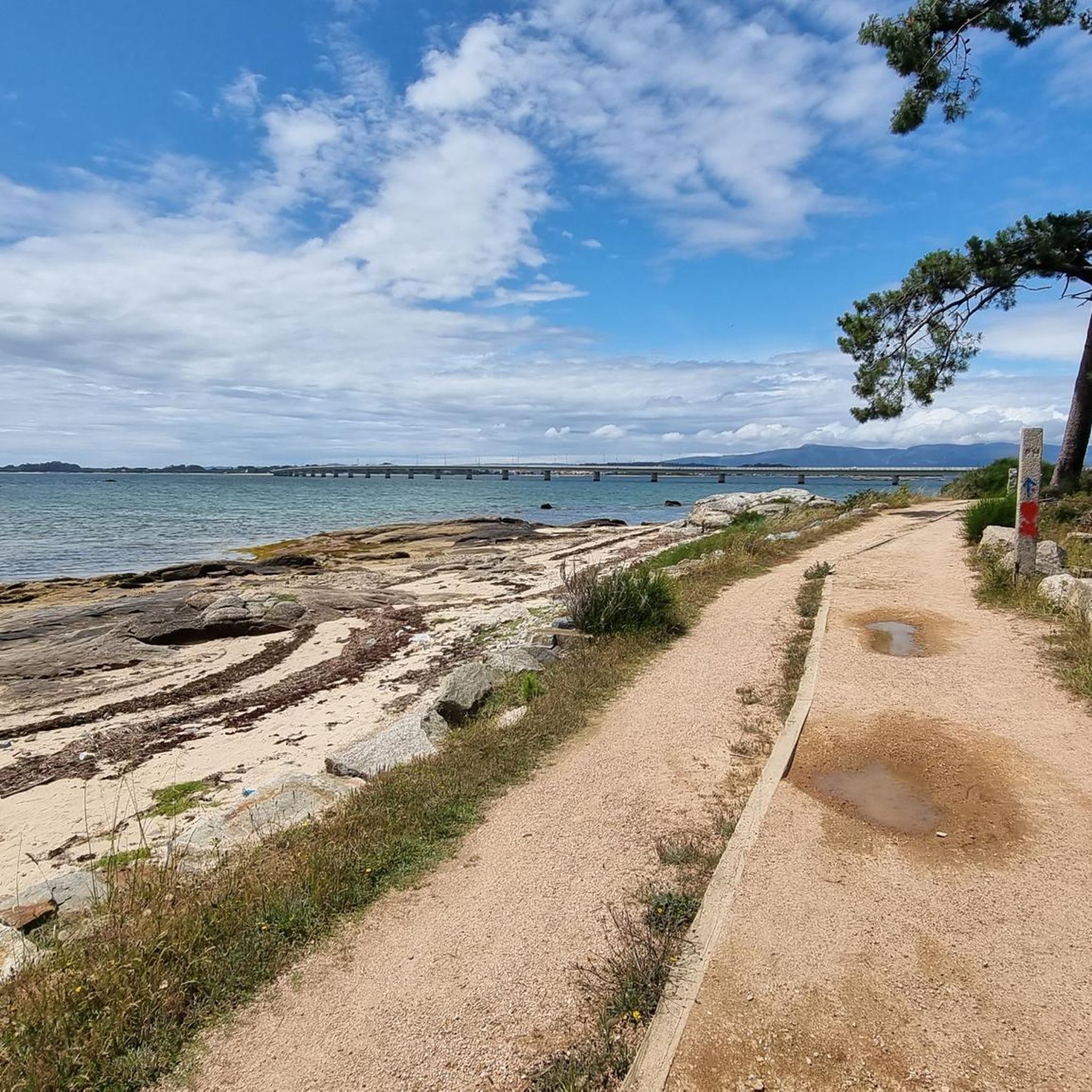
Walking poles useful as downhill on the rocks, bit slippery in parts after rain. Beautiful walk.
2
0
Frequently Asked Questions
What are some popular hiking trails around Vilanova De Arousa?
The Stone and Water Route (Armenteira River Trail) is a highly recommended path that follows the Armenteira river, known for its well-maintained environment and various mills. Another popular option is the Vineyard and Forest Path, which offers a unique combination of humid forest and extensive vineyards. For more hiking options, you can explore the hiking routes around Vilanova De Arousa.
Are there any family-friendly attractions in Vilanova De Arousa?
Yes, Vilanova De Arousa offers several family-friendly spots. The Vineyard and Forest Path is suitable for families, combining natural beauty with easy walking. The Armenteira Monastery is also considered family-friendly, offering a glimpse into history and architecture. Additionally, the Caldas de Reis Thermal Baths provide a relaxing and interesting experience for all ages. O Terrón Beach, with its fine sand and calm waters, is also ideal for families.
What historical and cultural sites can I visit in the area?
Vilanova De Arousa is rich in history and culture. You can visit the Armenteira Monastery, a significant religious building with Romanesque, Renaissance, and Baroque styles. The Caldas de Reis Thermal Baths are also a historical site, known for their thermal waters since Roman times. Beyond these, explore the Valle-Inclán House-Museum, dedicated to the renowned author, and the ancient Cálago Tower, a remnant of a 7th-century Benedictine Monastery.
Where can I find scenic viewpoints in Vilanova De Arousa?
For breathtaking panoramic views, head to the Monte Lobeira Viewpoint, situated on a wooded hill, offering vistas of the Ría de Arousa, the Illas de Ons, and Sierra Barbanza. Another excellent spot for scenic views and sunsets is the Faro das Lúas Viewpoint. You can even follow the 'Route dos Miradoiros Lobeira – Faro das Lúas' to connect these two stunning locations.
Are there any beaches suitable for swimming or relaxing?
Yes, Vilanova De Arousa boasts beautiful beaches. O Terrón Beach is a 3 km long stretch of fine, golden sand with calm waters, easily accessible and ideal for families. As Sinas Beach is another popular option, offering great views of the Ría de Arousa. The O Carreirón Natural Park also features numerous small beaches with clear waters, perfect for a refreshing dip.
What kind of outdoor activities, besides hiking, are available?
Beyond hiking, Vilanova De Arousa offers excellent opportunities for road cycling and running. You can find various road cycling routes, such as the 'Arousa Island Tour' or the 'Isla de Arousa – Terrón Bridge loop'. For runners, there are several running trails, including loops around Terrón Bridge and Isla de Arousa Bridge.
What is the significance of the Camino de Santiago in this region?
Vilanova De Arousa is part of the Mar de Santiago maritime route, which is an extension of the Original Camino. You can encounter significant markers like the Camino de Santiago Milestone – Km 60, indicating the remaining distance to Santiago de Compostela. These milestones, along with yellow arrows and scallop shells, guide pilgrims on their journey.
What natural features characterize the Vilanova De Arousa area?
The region is defined by its location on the Ría de Arousa, a stunning estuary offering picturesque scenery and views of mussel farms (bateas) and distant islands. Key natural attractions include the O Carreirón Natural Park with its clear waters and small beaches, and the wooded hills providing panoramic viewpoints like Monte Lobeira. The area also features rivers like the Armenteira, which forms the basis of the popular Stone and Water Route.
What is the best time of year to visit Vilanova De Arousa?
Vilanova De Arousa, as a coastal town, is particularly charming during the warmer months when visitors can fully enjoy its stunning beaches and outdoor activities. However, its rich cultural heritage and historical sites, such as museums and ancient towers, can be explored year-round. The natural trails and viewpoints also offer beauty across different seasons.
Can I learn about local literature and history in Vilanova De Arousa?
Absolutely. Vilanova De Arousa is the birthplace of Ramón María del Valle-Inclán, a pivotal 20th-century Spanish author. You can visit the Valle-Inclán House-Museum (Casa do Cuadrante) and see the Monument to Valle-Inclán. The Camba Brothers House Museum also showcases the works of other notable literary figures from the region. Additionally, historical sites like the Armenteira Monastery and Cálago Tower provide insights into the area's past.
What unique local industries or traditions can I observe?
The Ría de Arousa is famous for its mussel farms, known as 'bateas,' which are a distinctive feature of the coastal landscape and a vital part of the local economy. You can observe these platforms from various viewpoints. The region is also renowned for its Albariño wine, with vineyards like those surrounding Pazo Baión, offering a glimpse into the local viticulture. The Currás Waterwheels also provide insight into traditional milling heritage.
What do visitors enjoy most about the attractions around Vilanova De Arousa?
Visitors frequently praise the well-maintained natural environments, such as the Stone and Water Route, noting the beauty of the river, trees, and mills. The combination of diverse landscapes, like the humid forest and vineyards on the Vineyard and Forest Path, is also highly appreciated. The historical significance and architectural beauty of sites like the Armenteira Monastery also leave a lasting impression on visitors.
Most popular routes around Vilanova De Arousa
Most popular attractions around Vilanova De Arousa

Get inspired with the komoot mobile app


Explore more
Still not found the Highlight you’re looking for? See guides of the top attractions in other regions:
