Attractions and Places To See around Poio - Top 20
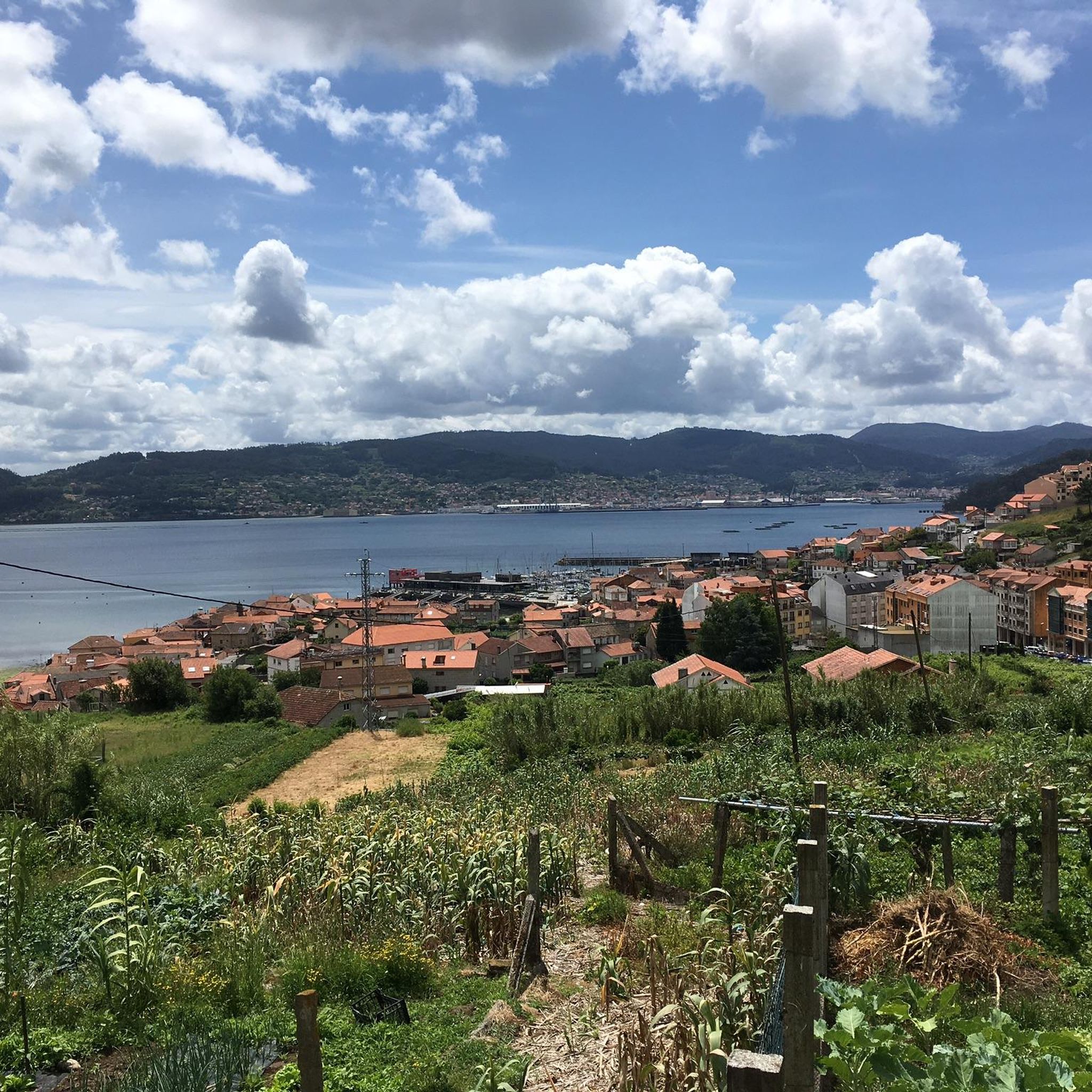
Best attractions and places to see around Poio, a municipality on the northern bank of the Pontevedra estuary in Galicia, Spain, offers a rich tapestry of historical, cultural, and natural attractions. The area features ancient monasteries, prehistoric art, and traditional fishing villages. Its diverse landscape includes numerous beaches, rivers, and forests, providing varied exploration opportunities. Poio was declared a Municipality of Tourist Interest in 2000.
Best attractions and places to see around Poio
- The most popular attractions is Ponte Sampaio…
Last updated: July 6, 2026
Ponte Sampaio Bridge
Highlight • Bridge
Translated by Google •
Tip by

Río Tomeza Riverside Trail
Highlight (Segment) • Trail
Translated by Google •
Tip by
Sign up now to discover places like this
Get recommendations on the best single tracks, peaks, & plenty of other exciting outdoor places.
Sign up for free
Galician Hórreo (Traditional Granary)
Highlight • Monument
Translated by Google •
Tip by

Church of the Pilgrim Virgin (Iglesia de la Virgen Peregrina)
Highlight • Religious Site
Translated by Google •
Tip by
Camino de Santiago Milestone – Km 60
Highlight • Monument
Yellow arrows: These arrows will guide you throughout the entire route. They indicate the direction to follow, especially at crossroads. …
Translated by Google •
Tip by
Sign up for free to discover even more attractions around Poio.
Sign up for free
Already have an account?
Start today with a free account
Your next adventure awaits.
Login or Signup
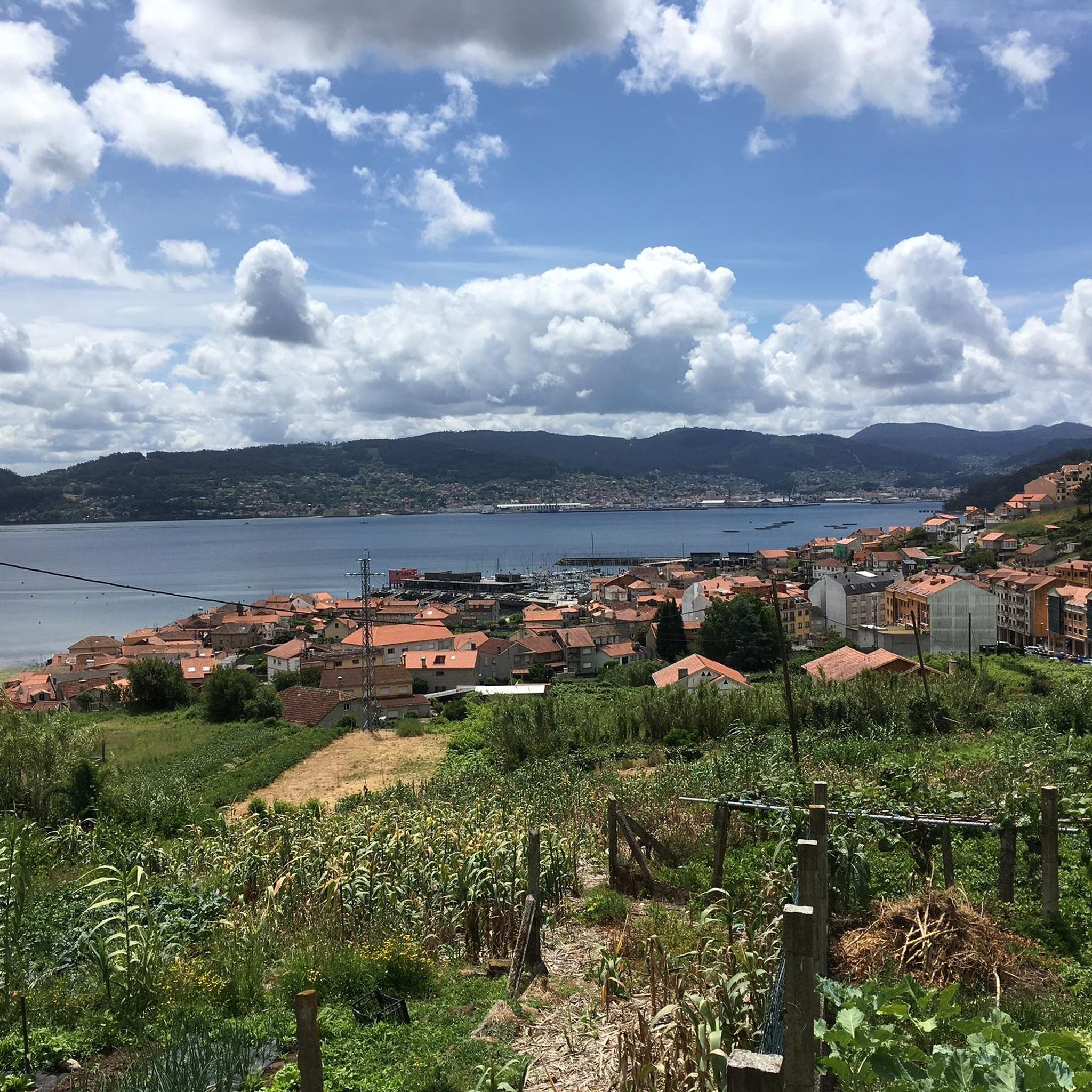
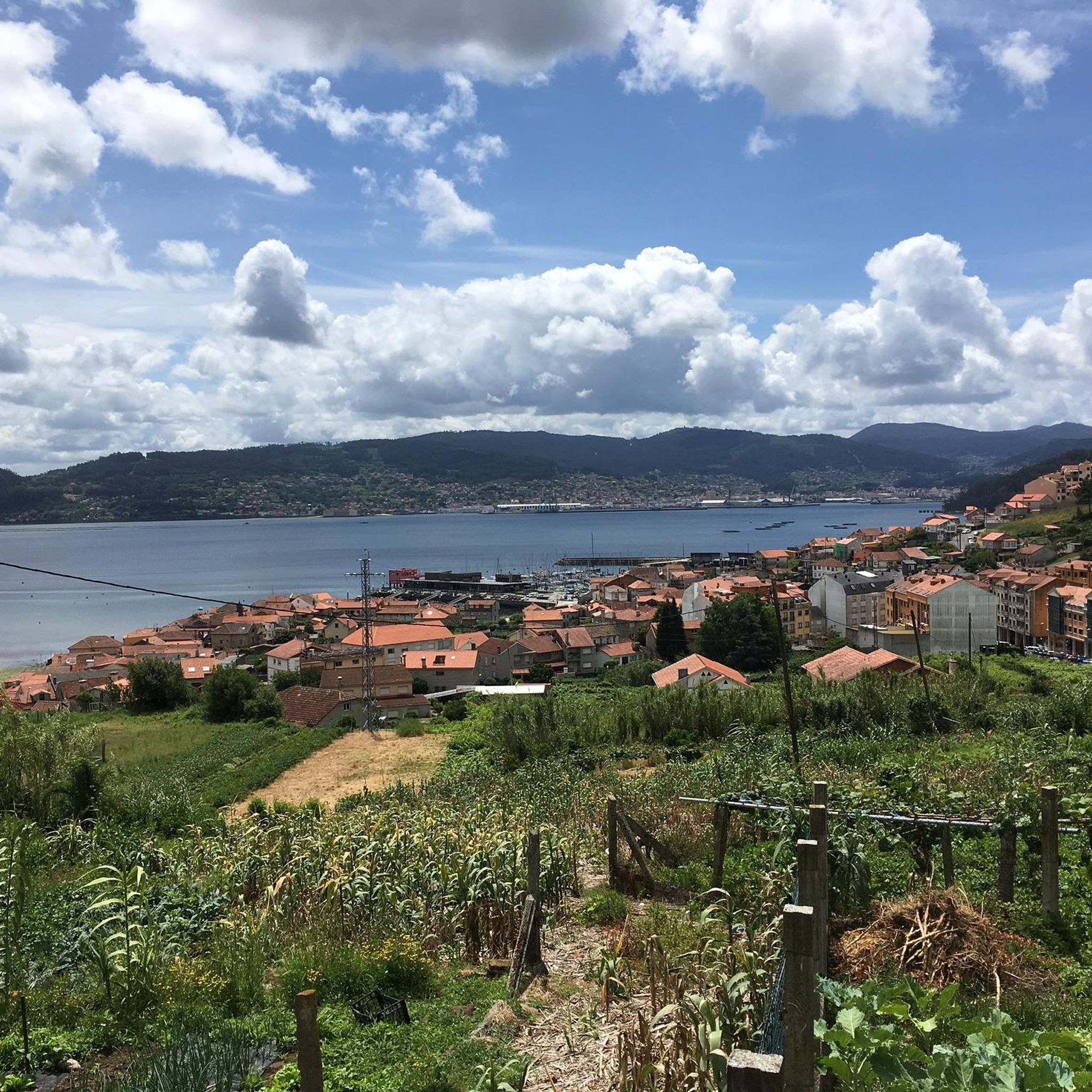
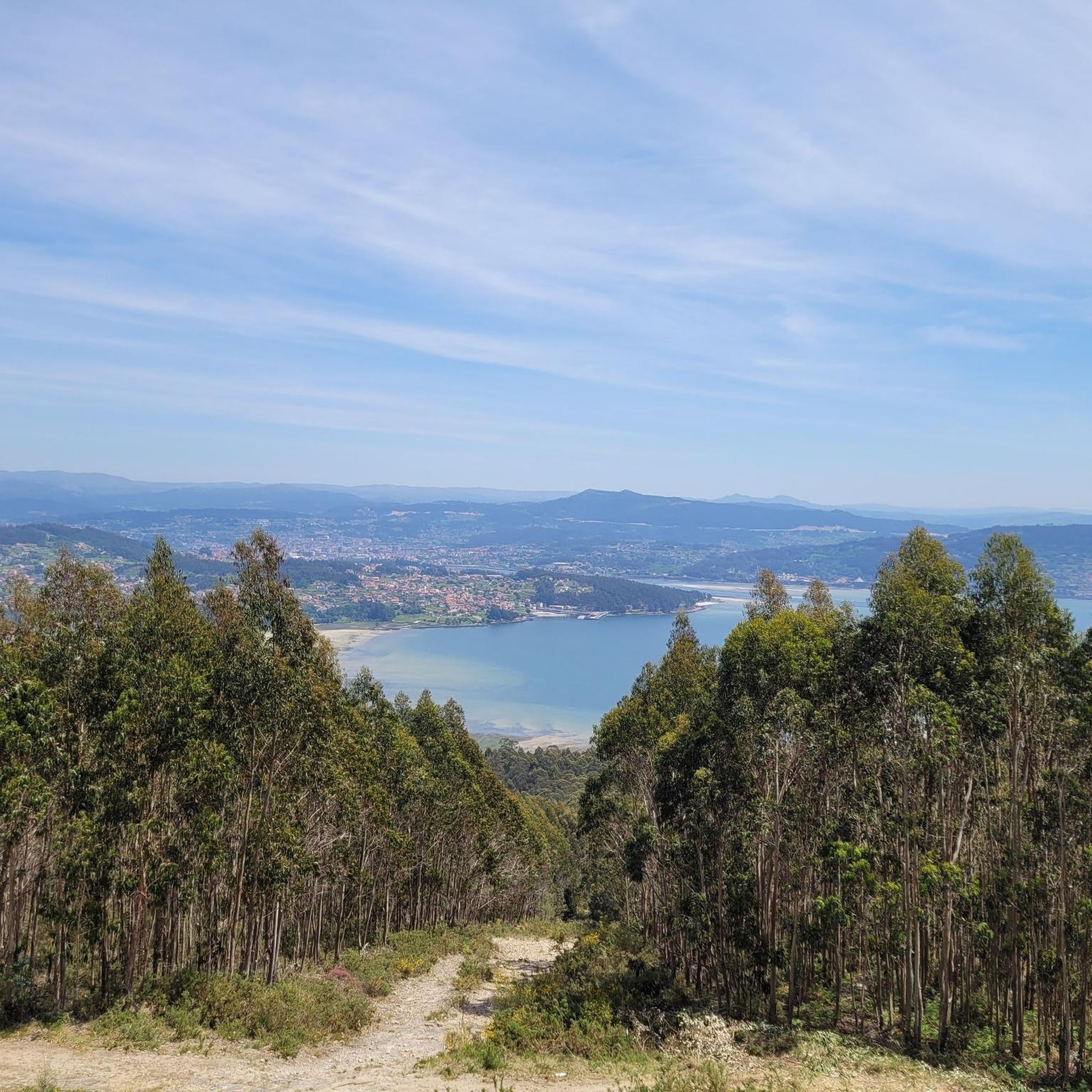
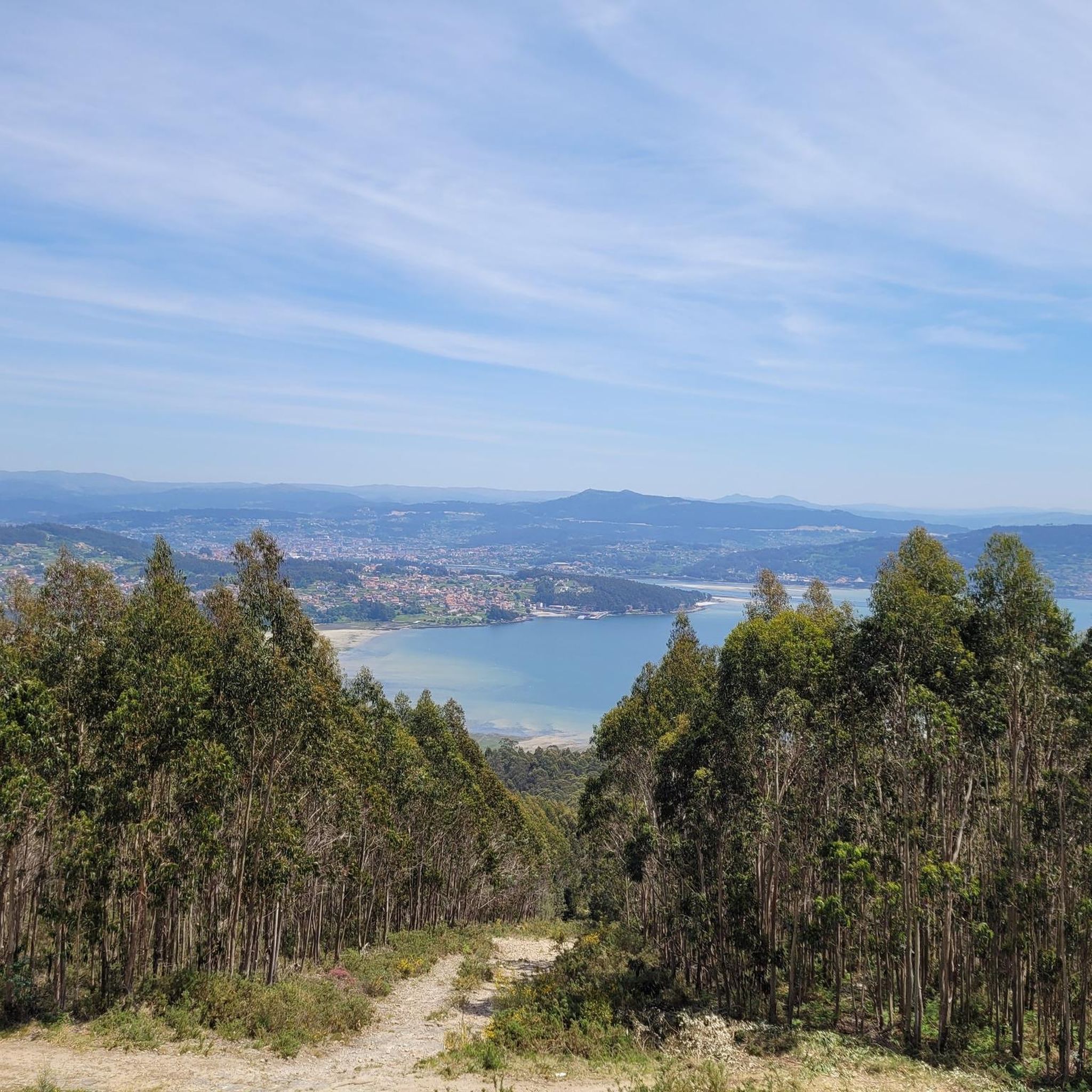

Tips from the Community


These granaries for drying grain are always beautiful to see. They are listed as historical monuments.
1
0

Very pleasant and beautiful cathedral. Pilgrim mass at 7:30 p.m.
2
0
The goal is the path.
1
1
The nice thing is that you don't need navigation.
0
1

Signage on the Camino de Santiago is essential for pilgrims. Yellow arrows: These arrows will guide you throughout the entire route. They indicate the direction to follow, especially at crossroads. The yellow color is due to the contribution of the parish priest Elías Valiña, a key figure in the resurgence of the Camino de Santiago in the 20th century. Cairns or milestones: These concrete blocks include an arrow, a yellow shell on a blue background and the distance in kilometers to Santiago de Compostela. You will find them every 500 meters in Galicia. Scallop shells: In addition to being drawn on the markers, scallop shells are distributed throughout the Camino. They are universal symbols and have been carried by pilgrims for centuries. The open part of the shell indicates the direction towards Santiago. Good way! 🚶♂️🌟
7
0

The most important detail of these granaries - which are always deliberately built on stilts - is the flat, plate- or lid-shaped end at the top of the supporting columns. This special feature of the construction of the "horreos" was vitally important in ancient times: these elements represent an insurmountable obstacle for voracious rodents such as rats or mice, and thus protect the harvest from these uninvited guests.
4
0

The church in honor of Our Lady as a pilgrim was built between 1778 and 1794 and is therefore part of the transition from Baroque to Classicism. Its floor plan is in the shape of a shell within a Greek cross. In the church there is a sculpture of Our Lady as a pilgrim or 'Virgen de A Peregrina' (19th century), who is the patron saint of the province of Pontevedra and at the same time of the Portuguese Way of St. James.
7
1
Frequently Asked Questions
What historical sites can I explore in Poio?
Poio is rich in history. You can visit the ancient Monasterio de San Xoán de Poio, a Benedictine foundation dating back to 942. The beautifully preserved fishing village of Combarro is a declared Historical-Artistic Site, famous for its cruceiros and hórreos. Don't miss the historic Ponte Sampaio Bridge, site of a significant battle during the Spanish War of Independence, or the A Caeira Archaeological Centre, which showcases prehistoric art and petroglyphs from the Bronze Age.
Are there any unique natural attractions or viewpoints in Poio?
Yes, Poio offers several unique natural spots. Explore the Bosque de Colón (Columbus Forest), a rare plantation of 500 Californian redwood trees. Tambo Island is a natural paradise with rich legends, accessible by boat from Combarro. For scenic vistas, head to Monte Castrove or the Raxó area. You might also discover the hidden gem of Fervenza de O Pereiro, a beautiful waterfall.
Where can I find traditional Galician architecture in Poio?
The fishing village of Combarro is an excellent place to see traditional Galician architecture, with its iconic cruceiros (stone crosses), hórreos (granaries), and traditional thatched-roof fishermen's houses. You can also see a specific example of a Galician Hórreo (Traditional Granary), which is a protected monument used for drying and storing cereals.
What kind of outdoor activities can I do near Poio's attractions?
Poio is ideal for outdoor enthusiasts. You can enjoy various cycling routes, including touring, road cycling, and mountain biking. For example, there are challenging touring bicycle routes like the 'Community of Montes Fountain – Pontevedra City Center loop' or mountain bike trails around Monte Castrove. Find more details and routes on the Cycling around Poio, Road Cycling Routes around Poio, and MTB Trails around Poio guide pages.
Are there any family-friendly attractions in Poio?
Many attractions in Poio are suitable for families. The Ponte Sampaio Bridge and the Galician Hórreo (Traditional Granary) are historical sites that can be interesting for all ages. Exploring the traditional village of Combarro or enjoying the numerous Poio Beaches are also great family activities. The A Caeira Archaeological Centre offers didactic explanations and 3D reproductions of prehistoric art, which can be engaging for children.
What are the best beaches in Poio?
Poio is known for its scenic coastline with over twenty beaches. Popular options include Aguete Beach, Playa de Areas, Canelinas Beach, Santa Mariña, and Portocelo Beach. These offer diverse settings for relaxation and water activities.
Can I find hiking trails near Poio's attractions?
Absolutely! Poio is located along pilgrimage routes to Santiago de Compostela, including the spiritual variant of the Portuguese Way. A notable trail is the Río Tomeza Riverside Trail, an approximately 4-kilometer path featuring forests, wooden walkways, and bridges along the Tomeza River. There are numerous other hiking trails throughout the area, offering varied experiences.
What is the best time to visit Poio for outdoor activities?
While Poio is beautiful year-round, for outdoor activities like hiking, it's generally best to visit during drier seasons. The Río Tomeza Riverside Trail, for instance, can sometimes flood during the rainy season, making parts of it less accessible. Spring and early autumn often offer pleasant weather for exploration.
Are there any cultural sites related to Christopher Columbus in Poio?
Yes, Poio has a connection to Christopher Columbus through local lore. You can visit the Columbus House-Museum, which is dedicated to the famous explorer. Additionally, the unique Bosque de Colón (Columbus Forest), a plantation of redwood trees, was established in 1992 to commemorate Columbus's arrival in America.
What do visitors enjoy most about the attractions in Poio?
Visitors particularly appreciate the blend of history, nature, and traditional charm. The historical significance of sites like the Ponte Sampaio Bridge and the picturesque beauty of the Río Tomeza Riverside Trail are highly rated. The unique architecture of the Galician Hórreo and the overall atmosphere of places like Combarro also receive positive feedback, with many photos and upvotes shared by the komoot community.
Can I visit religious buildings in Poio?
Yes, Poio is home to significant religious architecture. The Monasterio de San Xoán de Poio is a historic Benedictine monastery. Nearby, in Pontevedra, you can visit the Church of the Pilgrim Virgin (Iglesia de la Virgen Peregrina), an 18th-century church dedicated to the patron saint of Pontevedra and pilgrims, known for its unique scallop-shaped baptismal font.
Are there any specific landmarks related to the Camino de Santiago in Poio?
Poio is situated along pilgrimage routes to Santiago de Compostela. You can encounter markers such as the Camino de Santiago Milestone – Km 60, which indicates the remaining distance to Santiago. These milestones, along with yellow arrows and scallop shells, guide pilgrims on their journey.
Most popular attractions around Poio

Get inspired with the komoot mobile app


Explore more
Still not found the Highlight you’re looking for? See guides of the top attractions in other regions:
