Attractions and Places To See around Santiago De Compostela - Top 20
Best attractions and places to see around Santiago De Compostela include a rich array of historical, cultural, and natural sites. The city, a UNESCO World Heritage site, is renowned as the culmination point of the Camino de Santiago pilgrimage route. It features a well-preserved Old Town with Romanesque, Gothic, and Baroque architecture. The broader municipal area offers natural environments, including rivers like the Tambre and Ulla, and several parks.
Best attractions and places to see around Santiago De Compostela
- The most popular attractions is Santiago de Compostela Cathedral, a religious building that is the reputed burial place of Saint James the Great. This iconic landmark blends Romanesque, Gothic, and Baroque architectural styles, featuring the Botafumeiro, a giant censer swung during special ceremonies.
- Another must-see spot is A Ponte Maceira – Tambre River with waterfall, a 14th-century bridge spanning the Río Tambre. This historical site, built on Roman foundations, offers a picturesque setting with seven arches and a nearby waterfall.
- Visitors also love Holy Door (Puerta Santa) of the Cathedral of Santiago de Compostela, a significant religious building. This door, which leads into the cathedral's ambulatory, is only opened during Jacobean Years when July 25th falls on a Sunday.
- Santiago De Compostela is known for its religious buildings, historical sites, and natural features. Visitors can explore a variety of attractions, from ancient architecture to serene parks and river landscapes.
- The attractions around Santiago De Compostela are appreciated by the komoot community, with more than 100 highlights, over 2600 photos, and more than 2300 upvotes.
Last updated: July 20, 2026
Santiago de Compostela Cathedral
Highlight • Religious Site
Translated by Google •
Tip by

Historic Centre of Santiago de Compostela
Highlight • Historical Site
Declared a World Heritage Site by UNESCO on December 4, 1985.
Translated by Google •
Tip by

Sign up now to discover places like this
Get recommendations on the best single tracks, peaks, & plenty of other exciting outdoor places.
Sign up for free
Santiago de Compostela
Highlight • Historical Site
In the historic center, the Cathedral and the Pórtico de la Gloria. Emblematic squares such as Obradoiro, Quintana and O Toural. Dozens of churches, convents and palaces. Romanesque, Gothic, Baroque.
Translated by Google •
Tip by
Fountain of the Horses (Fonte dos Cabalos), Plaza de Platerías
Highlight • Monument
Translated by Google •
Tip by
Raxoi Palace
Highlight • Monument
Translated by Google •
Tip by
Sign up for free to discover even more attractions around Santiago De Compostela.
Sign up for free
Already have an account?
Start today with a free account
Your next adventure awaits.
Login or Signup
Popular around Santiago De Compostela
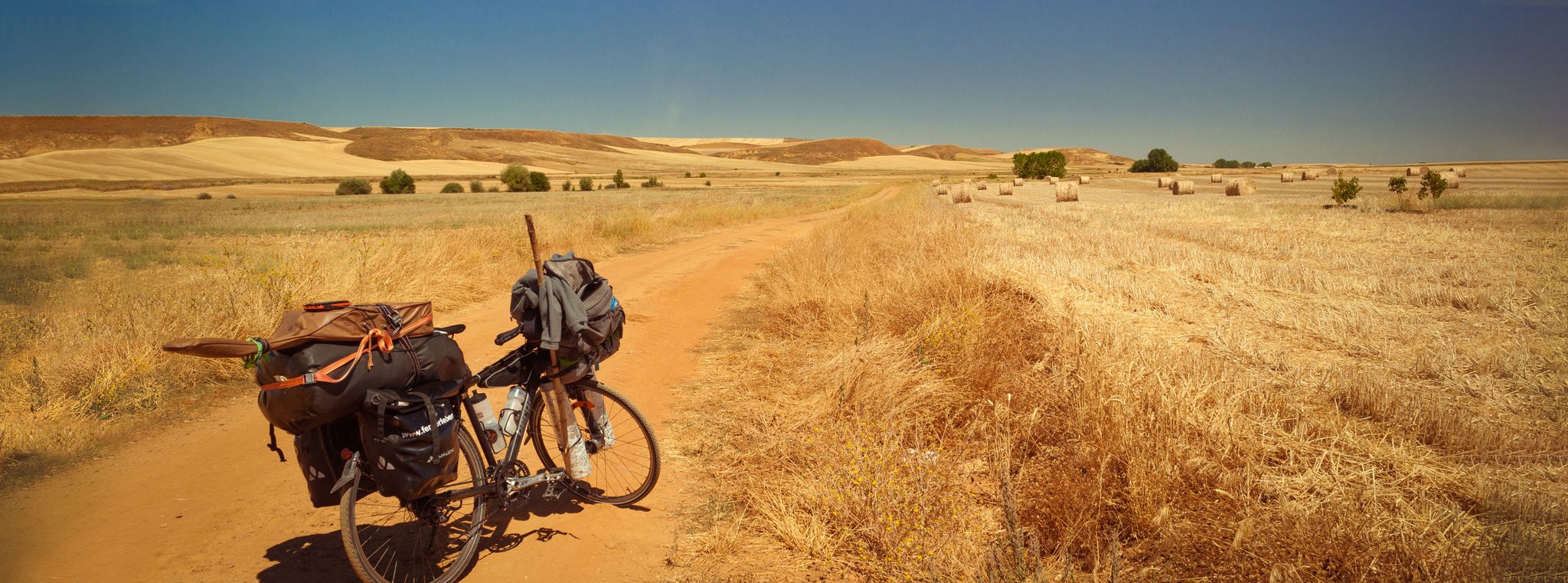
Camino Francés and Camino Finisterre – Cycling pilgrimages in Spain
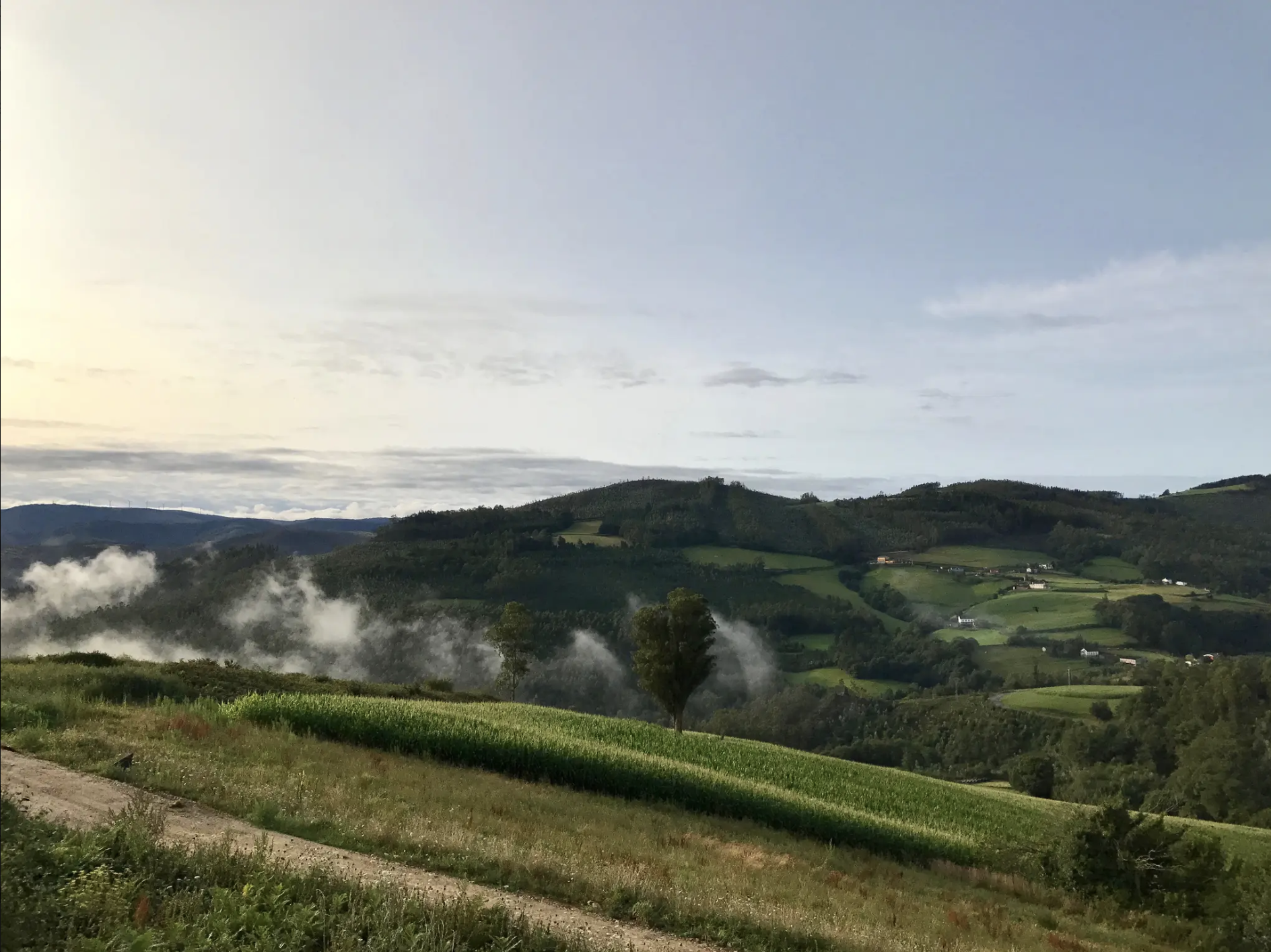
Camino del Norte (in reverse) – Discovering northern Spain's stunning coastline
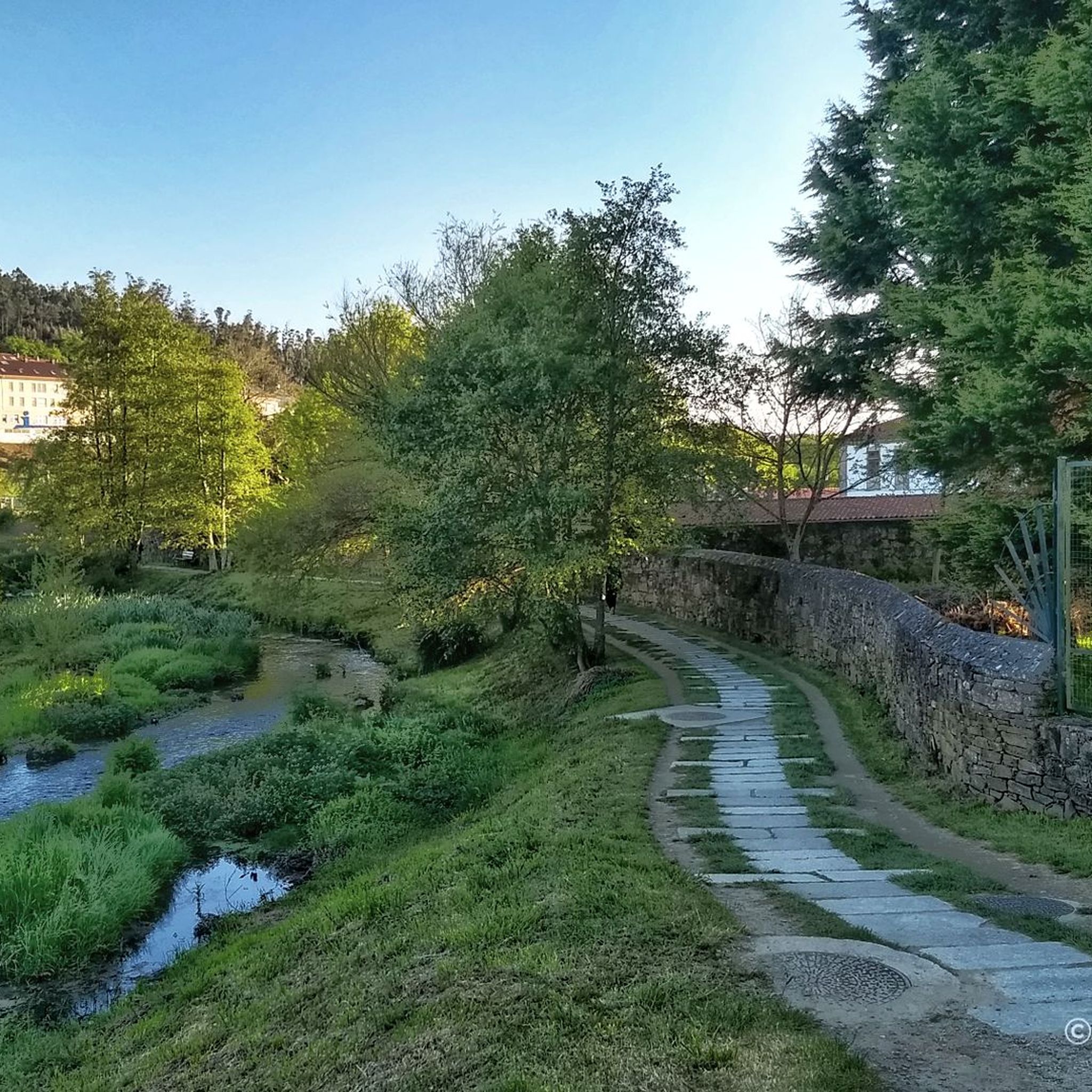
Hiking around Santiago De Compostela
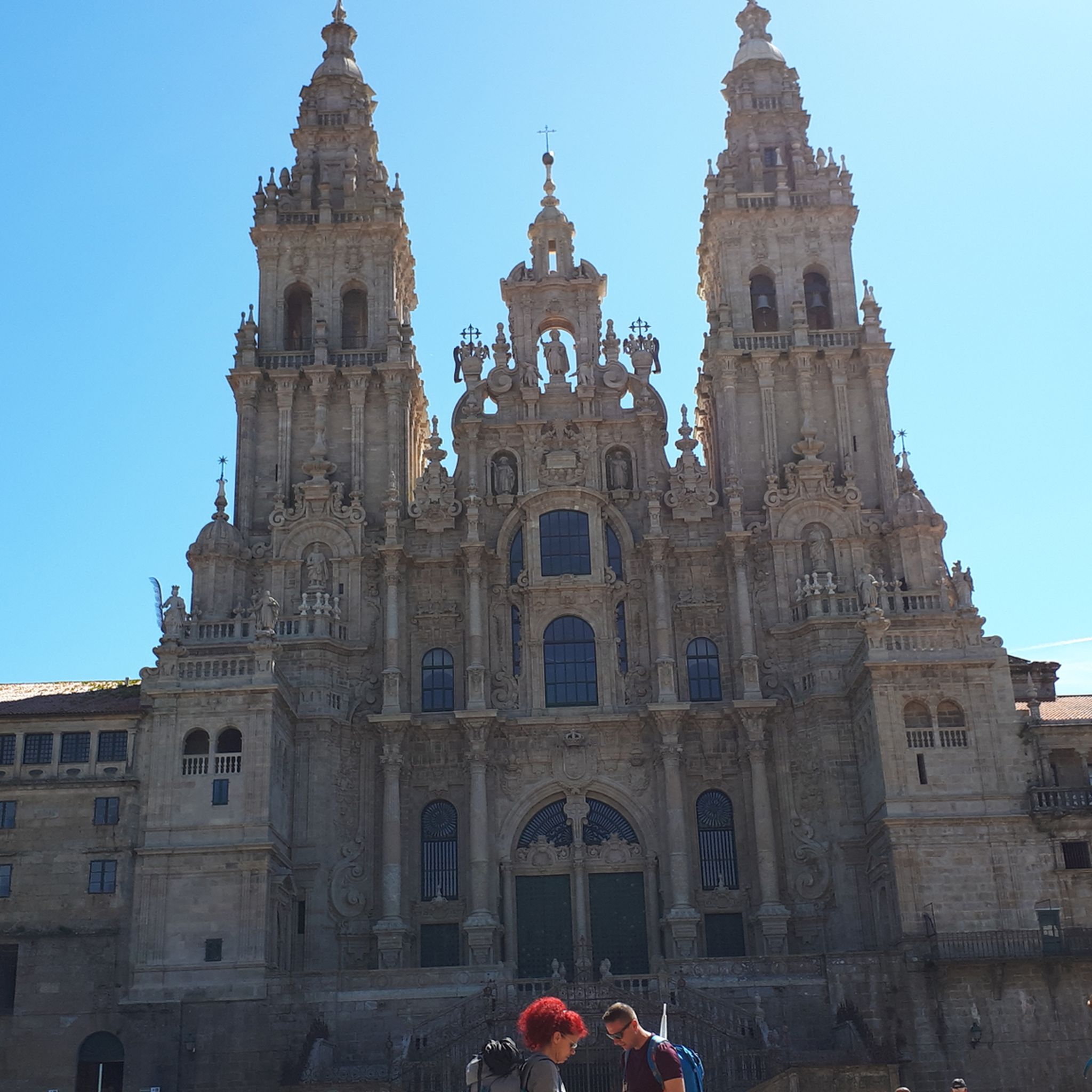
Cycling around Santiago De Compostela
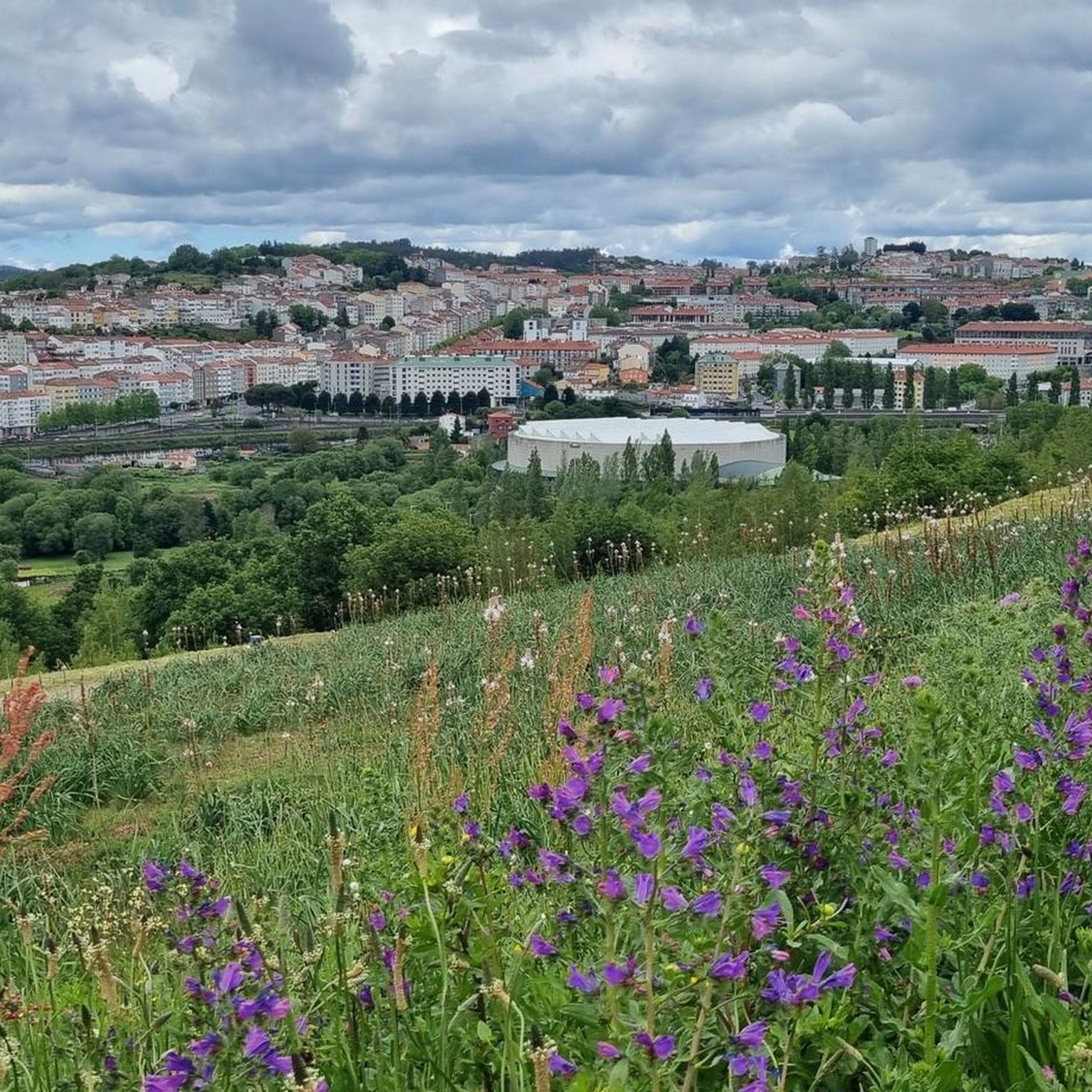
Road Cycling Routes around Santiago De Compostela
Running Trails around Santiago De Compostela
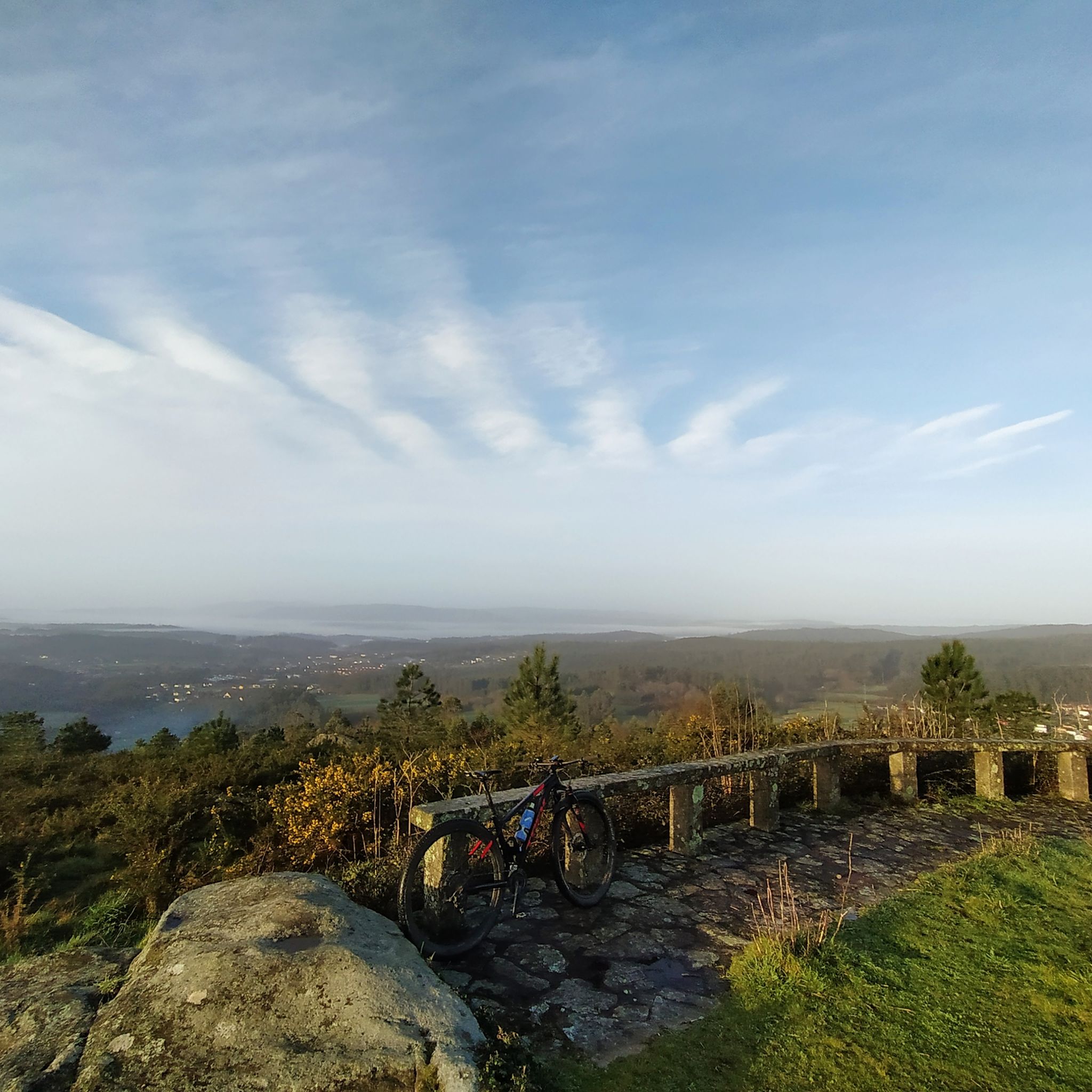
MTB Trails around Santiago De Compostela

Gravel biking around Santiago De Compostela


Tips from the Community

Large fountain
5
0

Santiago de C. has gained importance particularly since the Middle Ages. The old town with its lovely little streets and beautiful shops and restaurants is always worth a look. Unfortunately, there is only one supermarket left for the local population in the center. But an old hat shop has managed to survive. Men come from far away to buy their hats here.
4
0

It is famous for being the place that, according to tradition, houses the tomb of the Apostle Santiago, making it one of the main pilgrimage destinations in Europe through the Camino de Santiago. The building is a mix of architectural styles including Romanesque, Gothic and Baroque. The Obradoiro façade is particularly impressive and is one of the most recognizable symbols of the cathedral. In addition, the cathedral features the famous Botafumeiro, a huge censer used during certain liturgical celebrations.
27
0

The Fountain of the Horses, also known as Fonte dos Cabalos. The space consists of countless Renaissance details, but in the middle of the square there is a fountain with four horses in Baroque style that quickly attracts attention. Built by J. Pernas in 1825, the Fonte dos Cabalos consists of four horses spouting water from their mouths.
7
0
The history of Santiago began on July 25, 813, when the Bishop of Iria, Teodomiro, confirmed the discovery of the tomb of the apostle Saint James in the village of San Fiz de Solovio, which would eventually become the city of Compostela. News of the discovery quickly spread throughout the Christian world, which at the time was threatened by the Islamic invasions. A large basilica was built over the tomb of the apostle, and there was a constant coming and going of travelers and pilgrims between Santiago and the rest of Europe. Religion, culture, trade and politics came together along the way. Everyone who comes here is impressed by the past and the present.
4
0

Tip: Get up early and have the place to yourself
6
0
The Cathedral of Santiago de Compostela, also known as the Holy Apostolic and Metropolitan Cathedral Church of Santiago de Compostela, is a temple of Catholic worship located in the city of the same name, in the center of the province of La Coruña, in Galicia. This majestic cathedral is a symbol of the pilgrimage to Santiago and has a rich history and meaning.
27
0

The Concello de Santiago de Compostela, located in the bustling Plaza del Obradoiro, stands as a prominent symbol of administrative governance in the city. With its refined French neoclassical architecture, the building commands attention, harmonizing seamlessly with the historic surroundings dominated by the cathedral. The main façade captivates with a balanced composition, featuring a central triangular pediment and flanked by graceful semicircular fronts supported by Ionic columns. Adorned with a relief portraying the battle of Clavijo and crowned by the sculpted figure of Santiago 'O Matamouros' by José Ferreiro, the Concello is a testament to Santiago de Compostela's rich cultural and historical tapestry.
6
0
Frequently Asked Questions
What historical and cultural sites should I visit in Santiago de Compostela?
Santiago de Compostela is rich in history and culture. The iconic Santiago de Compostela Cathedral is a must-see, known for its blend of Romanesque, Gothic, and Baroque styles. Explore the entire Old Town (Casco Histórico), a UNESCO World Heritage site, with its winding medieval streets. Other significant sites include the Raxoi Palace, the Hostal de los Reyes Católicos, the Monastery of San Martiño Pinario, and the Museo de las Peregrinaciones (Pilgrimage Museum) which details the Camino de Santiago.
Are there any natural attractions or green spaces to enjoy in Santiago de Compostela?
Yes, Santiago de Compostela offers several beautiful natural spaces. Alameda Park is the city's most iconic green space, providing a peaceful retreat and stunning views of the Cathedral from Paseo da Ferradura. San Domingos de Bonaval Park, located near the Museo do Pobo Galego, offers a quiet atmosphere with historical ruins and city views. For those looking for more active options, the River Sarela Trail and Galeras Park provide recreational facilities and trails along the Sarela River.
What are some family-friendly activities or attractions in Santiago de Compostela?
Families can enjoy several attractions in Santiago. The Santiago de Compostela Cathedral is impressive for all ages, and its rooftop tours offer unique perspectives. The Fountain of the Horses (Fonte dos Cabalos) in Plaza de Platerías is a charming spot. Exploring the vibrant Mercado de Abastos can be an engaging experience, allowing families to discover local foods and culture. Alameda Park and San Domingos de Bonaval Park also provide open spaces for children to play and explore.
Where can I experience the local culture and cuisine in Santiago de Compostela?
To immerse yourself in local culture and cuisine, visit the Mercado de Abastos, the city's second most visited spot. Here, you can buy fresh produce, seafood, cheeses, and Padrón peppers, and even have your purchases cooked on-site. The arcaded streets of Rúa do Vilar and Rúa do Franco are known for their lively atmosphere and numerous tapas bars, perfect for experiencing Galician gastronomy.
What outdoor activities, like hiking or cycling, can I do near Santiago de Compostela?
The region around Santiago de Compostela offers various outdoor activities. For hiking, you can explore routes like the 'Xiro dos Montes: Monte Gaiás and City Loop' or the 'Cathedral – Raxoi Palace loop from Santiago de Compostela'. Cyclists have options such as the 'Santiago de Compostela - Padrón Loop' for road cycling or the 'Santiago de Compostela - Negreira Return' for touring. You can find more details and routes in the dedicated guides for Hiking around Santiago De Compostela, Road Cycling Routes around Santiago De Compostela, and Cycling around Santiago De Compostela.
What is the significance of the Holy Door at the Cathedral?
The Holy Door (Puerta Santa) of the Cathedral of Santiago de Compostela is a significant religious building that leads into the cathedral's ambulatory. It is only opened during Jacobean Years, which occur when July 25th (the feast day of Saint James) falls on a Sunday. Pilgrims traditionally enter through this door to gain plenary indulgence.
Are there any notable viewpoints to get panoramic views of Santiago de Compostela?
Yes, for breathtaking views of the city, you can climb to the rooftop of the Santiago de Compostela Cathedral. Another excellent spot is Monte do Gozo, also known as the "Hill of Joy," where pilgrims traditionally get their first glimpse of the Cathedral. Alameda Park also offers a famous tree-framed view of the Cathedral from its Paseo da Ferradura.
What is the best time of year to visit Santiago de Compostela for sightseeing?
The best time to visit Santiago de Compostela for sightseeing is generally during the spring (April to June) and early autumn (September to October). During these months, the weather is pleasant, with fewer crowds than the peak summer season, making it ideal for exploring the city's historical sites and enjoying outdoor activities.
What is the A Ponte Maceira and why is it significant?
A Ponte Maceira – Tambre River with waterfall is a picturesque 14th-century bridge spanning the Río Tambre. Built on Roman foundations, it features seven arches and a nearby waterfall, offering a beautiful setting. It's a significant historical site and a popular stop for pilgrims on the Camino de Fisterra-Muxía.
What can I expect when visiting Praza do Obradoiro?
Praza do Obradoiro is Santiago's most famous square and a vibrant hub, especially for pilgrims concluding their journey. It is surrounded by several significant buildings, including the Santiago de Compostela Cathedral, the Hostal de los Reyes Católicos, the Pazo de Raxoi (city hall), and the Colexio de San Xerome. It's a place where you'll witness a mix of emotions from arriving pilgrims and admire impressive architecture.
Are there any museums dedicated to Galician culture or art?
Yes, you can visit the Museo do Pobo Galego (Museum of Galician People), housed in a former convent, which provides insights into Galician culture and history. For contemporary art enthusiasts, the Galician Centre of Contemporary Art (CGAC) showcases modern Galician architecture and art.
What are some unique experiences related to the Cathedral of Santiago de Compostela?
Beyond admiring its architecture, you can witness the Botafumeiro, a giant censer swung during special ceremonies inside the Santiago de Compostela Cathedral. Climbing to the rooftop offers a unique perspective of the city. Additionally, the Cathedral Museum provides an essential visit, including the cloister, archaeological remains, and ancient objects.
Most popular routes around Santiago De Compostela
Most popular attractions around Santiago De Compostela

Get inspired with the komoot mobile app


Explore more
Still not found the Highlight you’re looking for? See guides of the top attractions in other regions:
