The best road cycling routes in George Washington And Jefferson National Forest
4.8
(6)
691
riders
78
rides
Road cycling in George Washington and Jefferson National Forest spans 1.8 million acres across Virginia, West Virginia, and Kentucky, offering diverse terrain for cyclists. The landscape is characterized by lush woodlands, unique mountain balds, and peaceful waterways, with elevations ranging from 515 feet to 5,729 feet. The region features remote, winding roads and mountain passes, providing varied gradients and scenic backdrops for road cycling routes.
Best road cycling routes in George Washington and Jefferson National Forest
- The most popular road cycling route is James River to Abbott Lake loop, a 45.5 miles (73.2 km) trail that takes 4 hours 4 minutes to complete. This difficult route features challenging climbs and panoramic mountain views.
- Another top favourite among local road cyclists is James River to Irish Creek Valley Overlook, a difficult 42.3 miles (68.1 km) path. This route climbs over 4,200 feet through mountainous terrain.
- Local road cyclists also love the Ravens Roost Overlook to Boston Knob Overlook, a 56.2 miles (90.4 km) trail leading through remote, winding roads and mountain passes, often completed in about 4 hours 53 minutes.
- Road cycling in George Washington and Jefferson National Forest is defined by lush woodlands, mountainous terrain, and peaceful waterways. The network offers options for easy, moderate, and difficult routes, catering to various ability levels.
- The routes in George Washington and Jefferson National Forest are highly rated by the komoot community with an average score of 5.0 stars from more than 7 reviews. More than 600 road cyclists have used komoot to explore George Washington and Jefferson National Forest's varied terrain.
Last updated: October 10, 2026
26
riders
73.2km
04:04
1,430m
1,430m
Hard road ride. Very good fitness required. Mostly well-paved surfaces and easy to ride.
8
riders
90.4km
04:54
1,820m
1,820m
Hard road ride. Very good fitness required. Mostly well-paved surfaces and easy to ride.

8
riders
68.1km
03:39
1,290m
1,290m
Hard road ride. Very good fitness required. Mostly well-paved surfaces and easy to ride.
5
riders
31.2km
01:46
680m
680m
Moderate road ride. Good fitness required. Mostly well-paved surfaces and easy to ride.
1
riders
19.0km
01:08
440m
440m
Moderate road ride. Good fitness required. Mostly well-paved surfaces and easy to ride.
Get access to more routes and recommendations from other explorers.
Already have an account?
Our route recommendations are based on thousands of hikes, rides, and runs completed by other people on komoot.
Start today with a free account
Your next adventure awaits.
Popular around George Washington And Jefferson National Forest
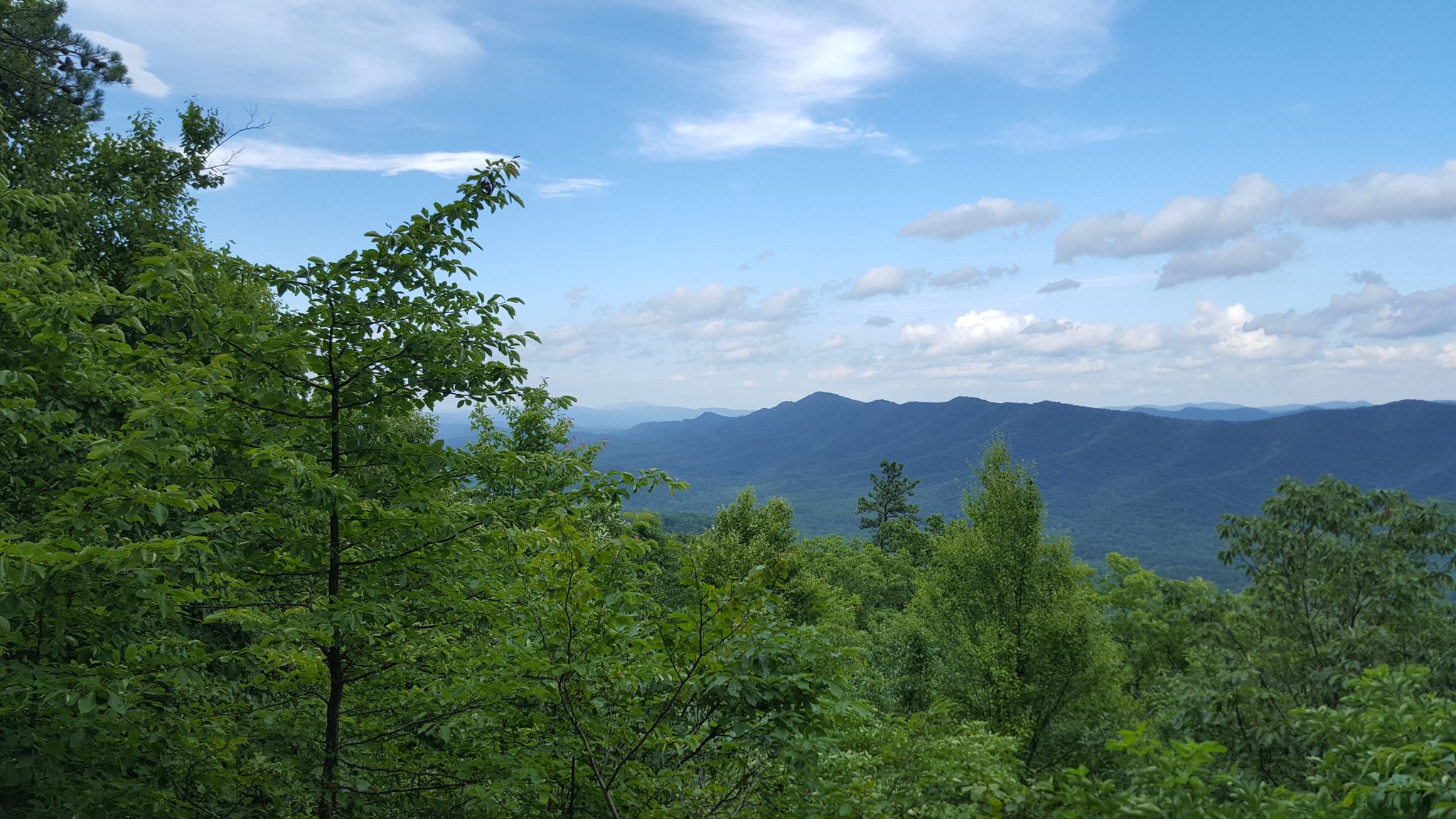
Tuscarora Trail — A remote trek across the backbone of Appalachia
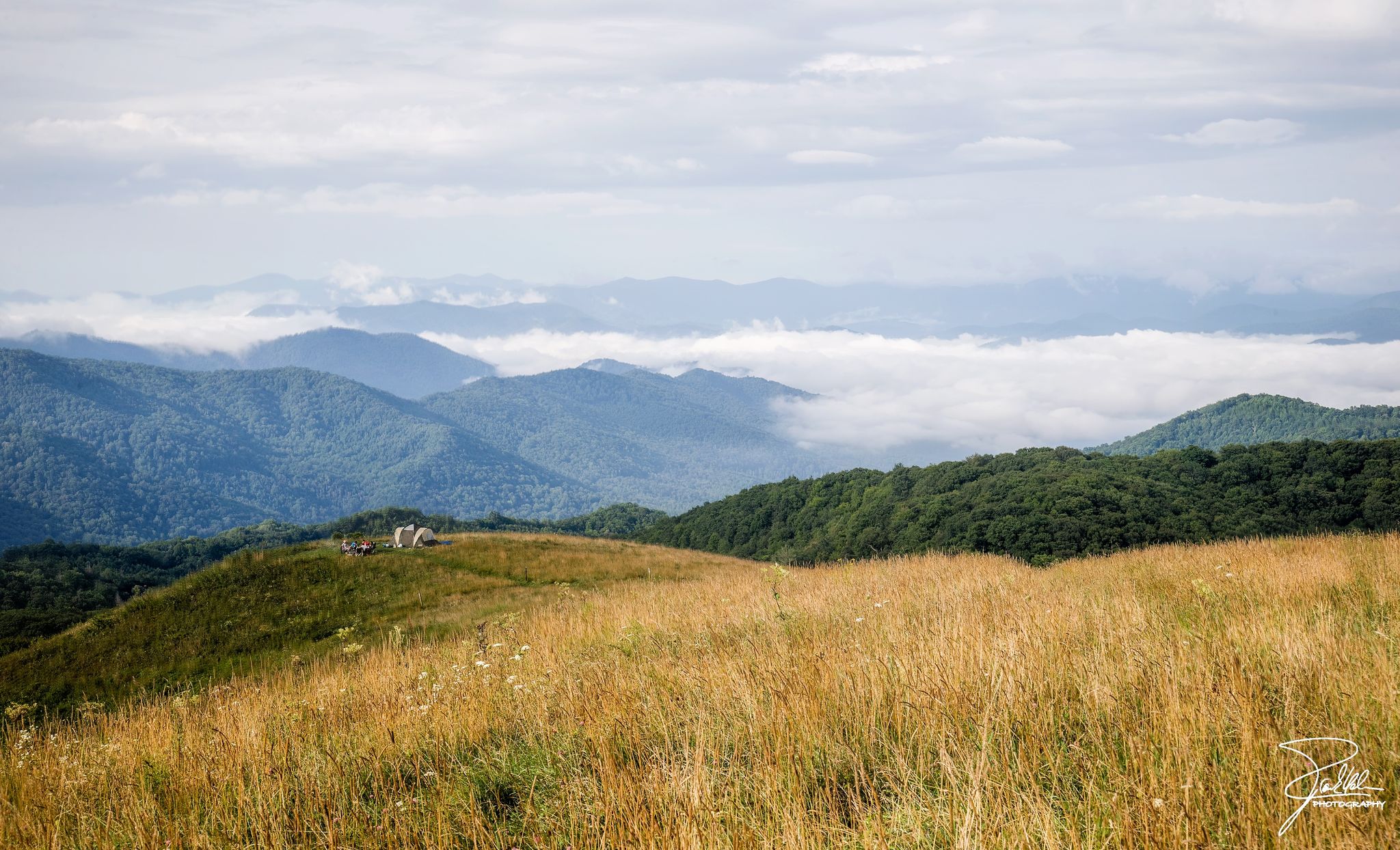
The Appalachian Trail — America's most iconic long-distance hike
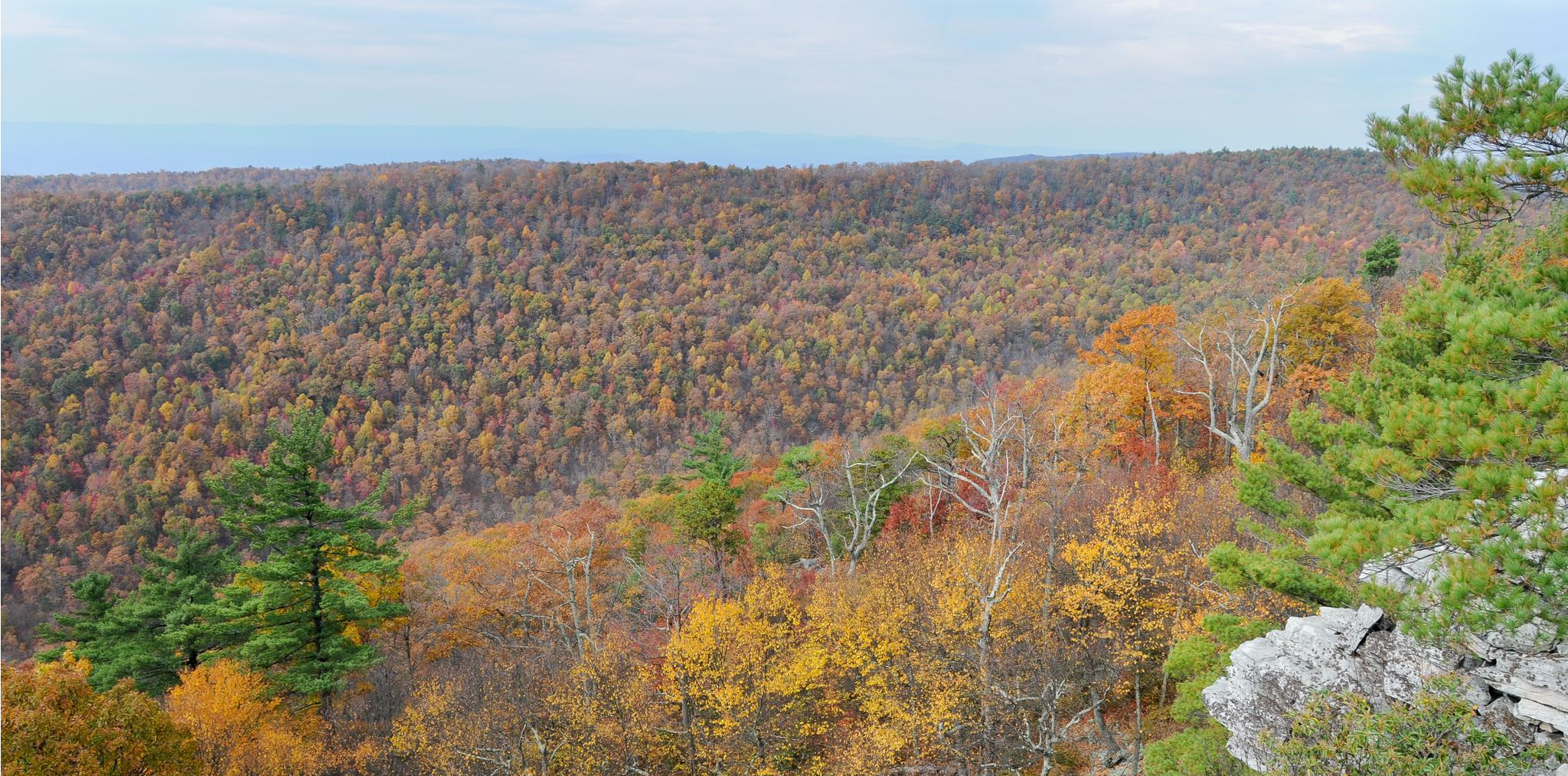
Massanutten Trail loop — Forested ridges & scenic valleys
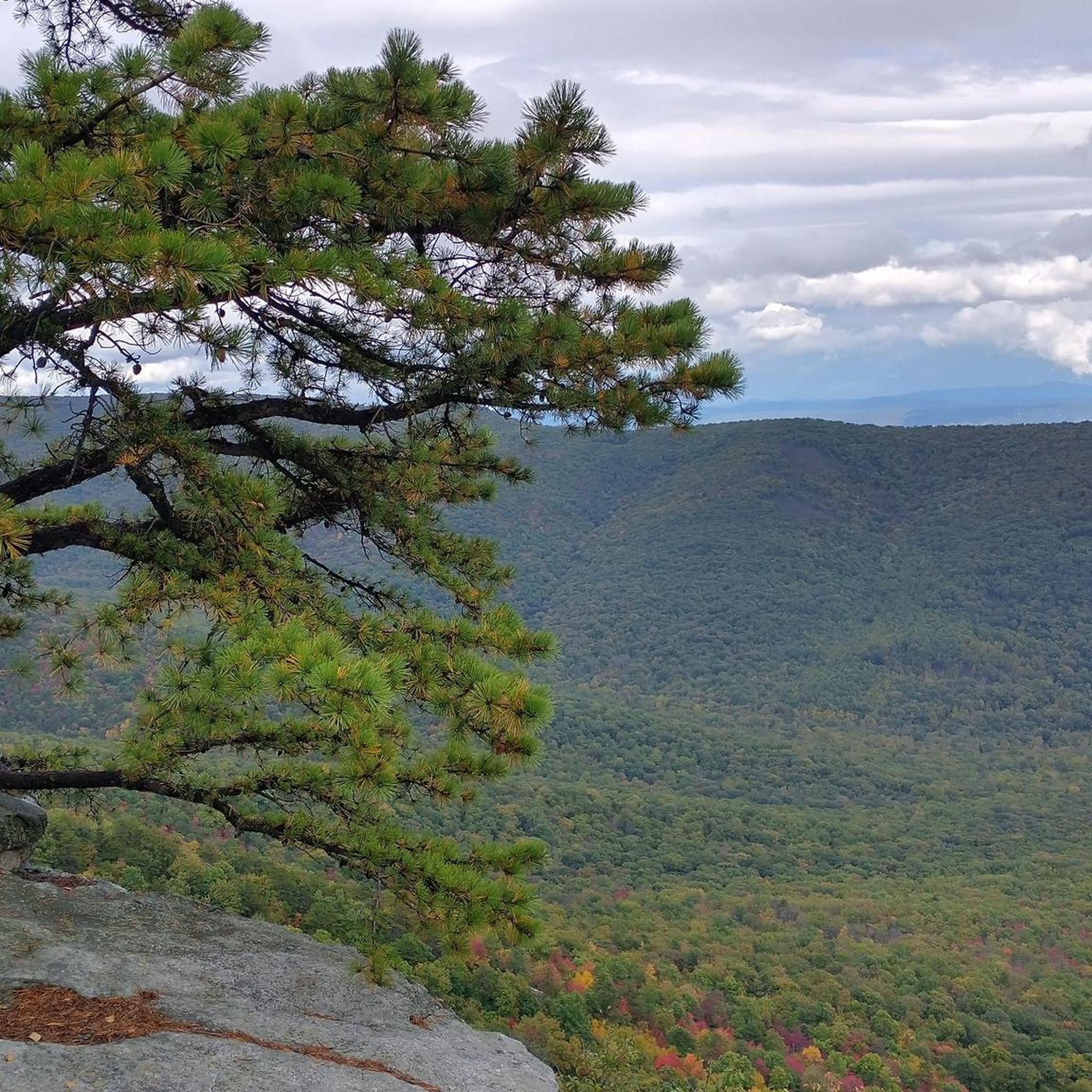
Hiking in George Washington And Jefferson National Forest
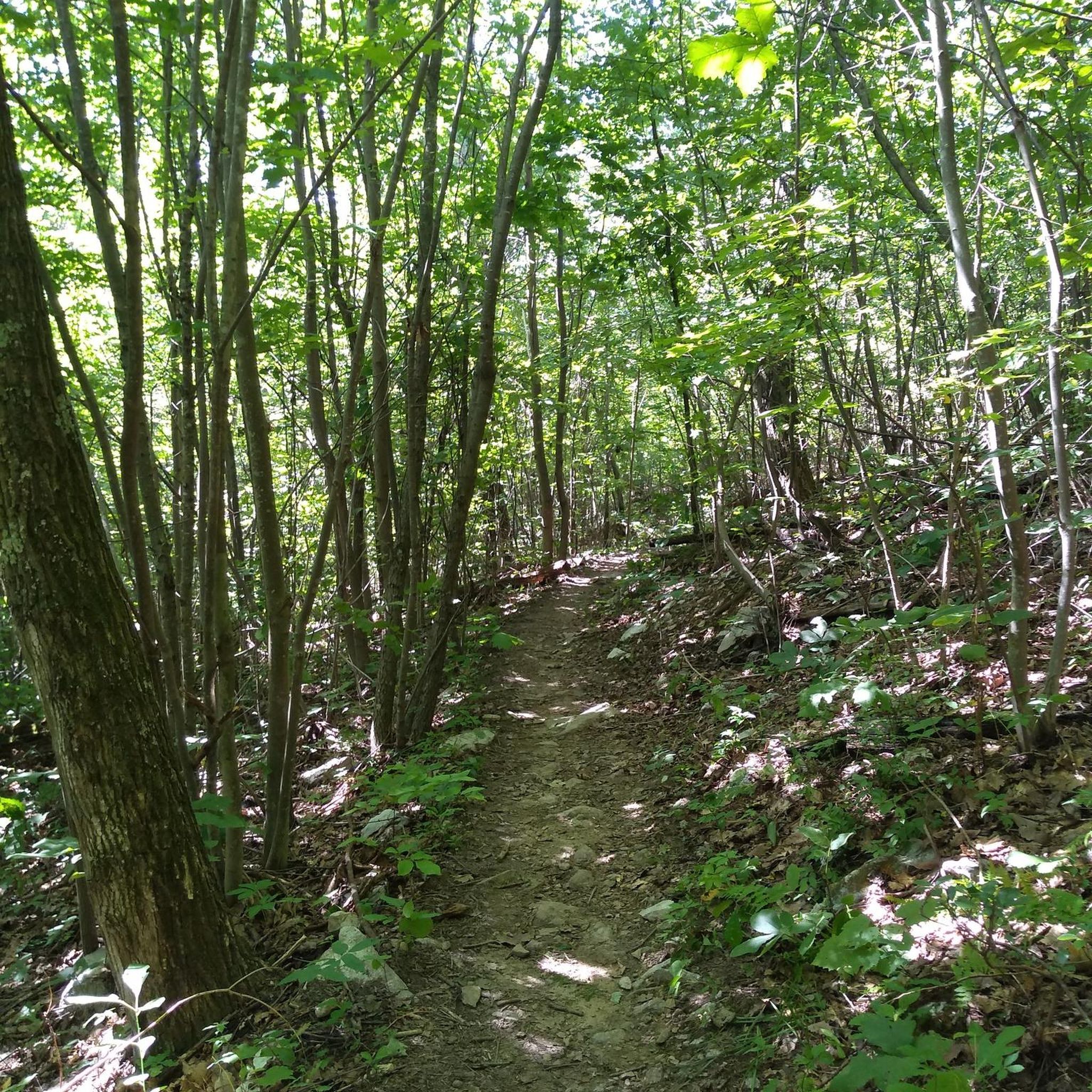
MTB Trails in George Washington And Jefferson National Forest
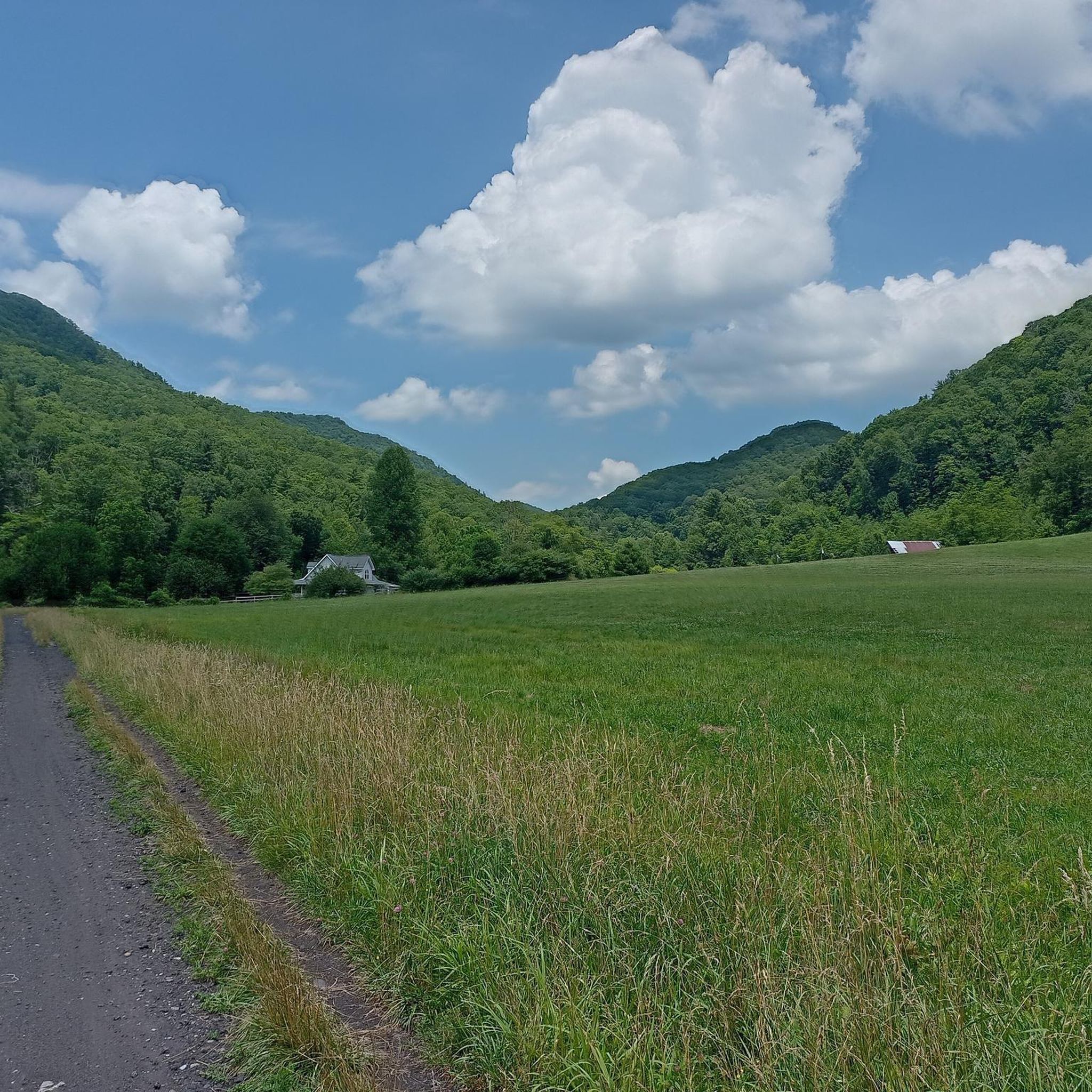
Cycling in George Washington And Jefferson National Forest
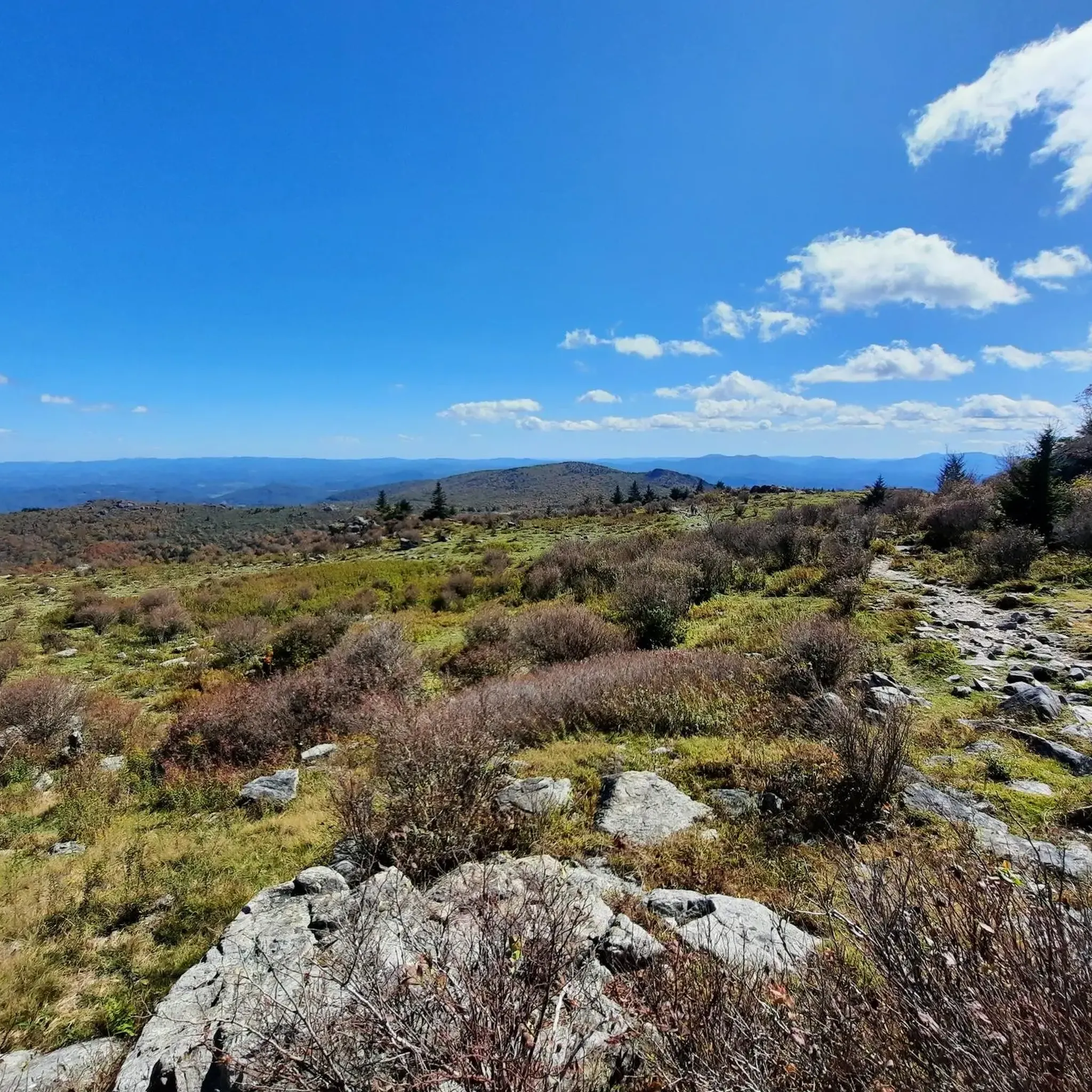
Running Trails in George Washington And Jefferson National Forest

Gravel biking in George Washington And Jefferson National Forest
Other adventures in George Washington And Jefferson National Forest


Tips from the Community

The Mills Gap Overlook is a short detour off of the Appalachian Trail, but it is definitely worth getting off the trail and stopping to enjoy the view. The viewpoint is also right where the Blue Ridge Parkway intersects with the trail, so there is a good chance you will see others enjoying this spot.
0
0

This stretch basically spans from the Sharp Top Overlook to the Great Valley Overlook. There are pull-offs left and right along the roadway, and there are also some sections where you get great views from the shoulder of the road. This is one of the most popular sections of the Blue Ridge Parkway in Virginia for both motorists and cyclists.
0
0
At Milepost 91.8 on the Blue Ridge Parkway, Mills Gap Overlook views out over the James River Valley. The Appalachian Trail crosses through the parking lot, so you can expect for this to be one of the busier pull-offs in this area.
0
0
Abbott Lake is located on the property of Peaks of Otter Lodge. There is a footpath point around the lake and a bunch of other trails leaving from the property. If you aren't looking to make a full stop, you can actually see the lake from the road as you ride by.
0
0
One of the more unique overlooks on the parkway in this part of Virginia, Thunder Ridge Overlook can be found at Milepost 74 on the Blue Ridge Parkway. It peers over the Arnold Valley and offers views to the south of Thunder Ridge, which the Appalachian Trail traverses on its way towards the state of North Carolina.
0
0
The Terrapin Mountain Overlook is located at Milepost 72.6 on the Blue Ridge Parkway and offers views of Terrapin Mountain, which runs parallel to the parkway. This gives you a view of the spine from the face-side. There are a lot of overlooks on the parkway in this area.
0
0
The Terrapin Mountain Overlook is located at Milepost 72.6 on the Blue Ridge Parkway and offers views of Terrapin Mountain, which runs parallel to the parkway. This gives you a view of the spine from the face-side. There are a lot of overlooks on the parkway in this area.
0
0
The Blue Ridge Parkway crosses over the James River here via a bridge. There are some trails and parking areas here near the river, making this a great starting/stopping point or a resupply location.
0
0
Frequently Asked Questions
How challenging are the road cycling routes in the George Washington and Jefferson National Forest?
The George Washington and Jefferson National Forest offers a wide range of road cycling experiences. You'll find everything from easy afternoon rides to very challenging routes with significant elevation gains. The forest's mountainous terrain means many routes feature considerable climbs and exhilarating descents. For example, the James River to Abbott Lake loop is a difficult 45.5-mile route with challenging climbs, while the James River to Irish Creek Valley Overlook climbs over 4,200 feet.
What kind of terrain can I expect when road cycling in this region?
Road cycling in the George Washington and Jefferson National Forest is characterized by lush woodlands, unique mountain balds, and peaceful waterways. The routes often follow remote, winding roads and mountain passes, providing varied gradients and scenic backdrops. Elevations range significantly, from 515 feet near the Shenandoah River to Virginia's highest point, Mount Rogers, at 5,729 feet, ensuring a diverse and engaging ride.
Are there any easy road cycling routes suitable for beginners or casual rides?
Yes, while many routes are challenging, there are options for easier rides. Paved campground roads at locations like Sherando Lake Campground or Beartree Campground offer suitable surfaces for casual bicyclists. Additionally, rail trails such as the Virginia Creeper Trail provide a unique and generally less strenuous cycling experience, following historic mountain railroad beds.
What scenic viewpoints or landmarks can I see while road cycling?
The George Washington and Jefferson National Forest is rich in scenic beauty. Many routes, such as the Ravens Roost Overlook to Boston Knob Overlook, traverse sections of the iconic Blue Ridge Parkway, offering breathtaking mountain views. Other notable viewpoints and attractions include McAfee Knob, Spy Rock, and Humpback Rocks Trail, which provide stunning panoramic vistas of the surrounding valleys and ranges.
Are there any notable natural features to explore by bike?
Absolutely. The forest is home to diverse natural features. You can encounter old-growth forests, unique mountain balds, and numerous waterways. While not directly on a road cycling route, the region is known for Crabtree Falls, one of Virginia's highest waterfalls. The varying elevations create sharp climatic and ecological gradients, offering a constantly changing natural landscape to observe as you ride.
What attractions are near the road cycling routes?
Many attractions are located within or near the George Washington and Jefferson National Forest. You can find beautiful lakes like Otter Lake, Hidden Valley Lake, and Pandapas Pond. Historic sites like Roaring Run Furnace and natural wonders such as Natural Bridge State Park are also within reach. The forest also contains designated wilderness areas, preserving untouched landscapes for a truly immersive experience.
Where can I park my car when starting a road cycling route?
Parking is generally available at various access points throughout the National Forest. Many routes begin near designated parking areas or overlooks along the Blue Ridge Parkway. Additionally, paved campground roads at locations like Sherando Lake Campground or Beartree Campground can serve as starting points with parking options, especially for more casual rides.
Is public transport available to access the cycling routes?
Due to the expansive and rural nature of the George Washington and Jefferson National Forest, public transport options directly serving the road cycling routes are generally limited or not widely available. Most visitors access the routes by private vehicle.
Do I need any permits for road cycling in the National Forest?
For general road cycling on open forest roads and paved surfaces within the George Washington and Jefferson National Forest, permits are typically not required. However, if you plan to camp or use specific developed recreation sites, fees or permits may apply for those facilities. Always check with the U.S. Forest Service for the latest regulations if you have specific concerns.
What do other road cyclists enjoy the most about road cycling in the George Washington and Jefferson National Forest?
The George Washington and Jefferson National Forest is highly rated by the komoot community, with an average score of 5.0 stars from more than 7 reviews. Cyclists often praise the remote, winding roads, the challenging climbs, and the stunning panoramic mountain views. The diverse landscapes, from lush woodlands to unique mountain balds, also contribute to a highly enjoyable and scenic cycling experience.
Are there any long-distance road cycling routes in the area?
Yes, the George Washington and Jefferson National Forest offers several routes that provide significant distance and elevation. Routes like the Ravens Roost Overlook to Boston Knob Overlook, which spans over 56 miles, are popular for those seeking longer rides. The extensive network of forest roads and sections of the Blue Ridge Parkway allow for various long-distance cycling adventures.
Can I find any loop trails for road cycling?
Yes, loop routes are available, allowing you to start and end at the same point. A notable example is the James River to Abbott Lake loop, a difficult 45.5-mile route offering a comprehensive cycling experience with challenging climbs and panoramic views. Many other routes can be combined or adapted to create custom loop itineraries.
Most popular routes in George Washington And Jefferson National Forest
Most popular attractions in George Washington And Jefferson National Forest

Get inspired with the komoot mobile app


Explore more
Browse the best Road cycling routes in other regions.
