The best traffic-free bike rides in George Washington And Jefferson National Forest
4.8
(6)
691
riders
13
rides
No traffic road cycling routes in George Washington And Jefferson National Forest traverse a vast landscape spanning 1.8 million acres across Virginia, West Virginia, and Kentucky. The region is characterized by the Appalachian Mountains and Blue Ridge, featuring elevations ranging from 515 feet to over 5,700 feet. Cyclists encounter remote, winding roads through dense woodlands, alongside over 2,300 miles of streams, and past numerous waterfalls. The forest offers diverse terrain for road cycling, from scenic mountain passes to open forest…
Last updated: October 10, 2026
52.2km
03:01
1,030m
1,030m
Get ready for a challenging road cycling adventure on the Jefferson National Forest loop. This difficult route spans 32.4 miles (52.2 km) and demands a significant effort, climbing 3371 feet…
37
riders
81.8km
03:37
820m
820m
Moderate road ride. Good fitness required. Mostly well-paved surfaces and easy to ride.

4.0
(1)
14
riders
84.7km
03:27
460m
460m
Moderate road ride. Good fitness required. Mostly well-paved surfaces and easy to ride.
9
riders
70.5km
03:36
1,140m
1,140m
Hard road ride. Very good fitness required. Mostly well-paved surfaces and easy to ride.
8
riders
48.8km
03:28
830m
830m
Moderate road ride. Good fitness required. Some segments of this route may be unpaved and difficult to ride.
Get access to more routes and recommendations from other explorers.
Already have an account?
Our route recommendations are based on thousands of hikes, rides, and runs completed by other people on komoot.
Start today with a free account
Your next adventure awaits.
Popular around George Washington And Jefferson National Forest
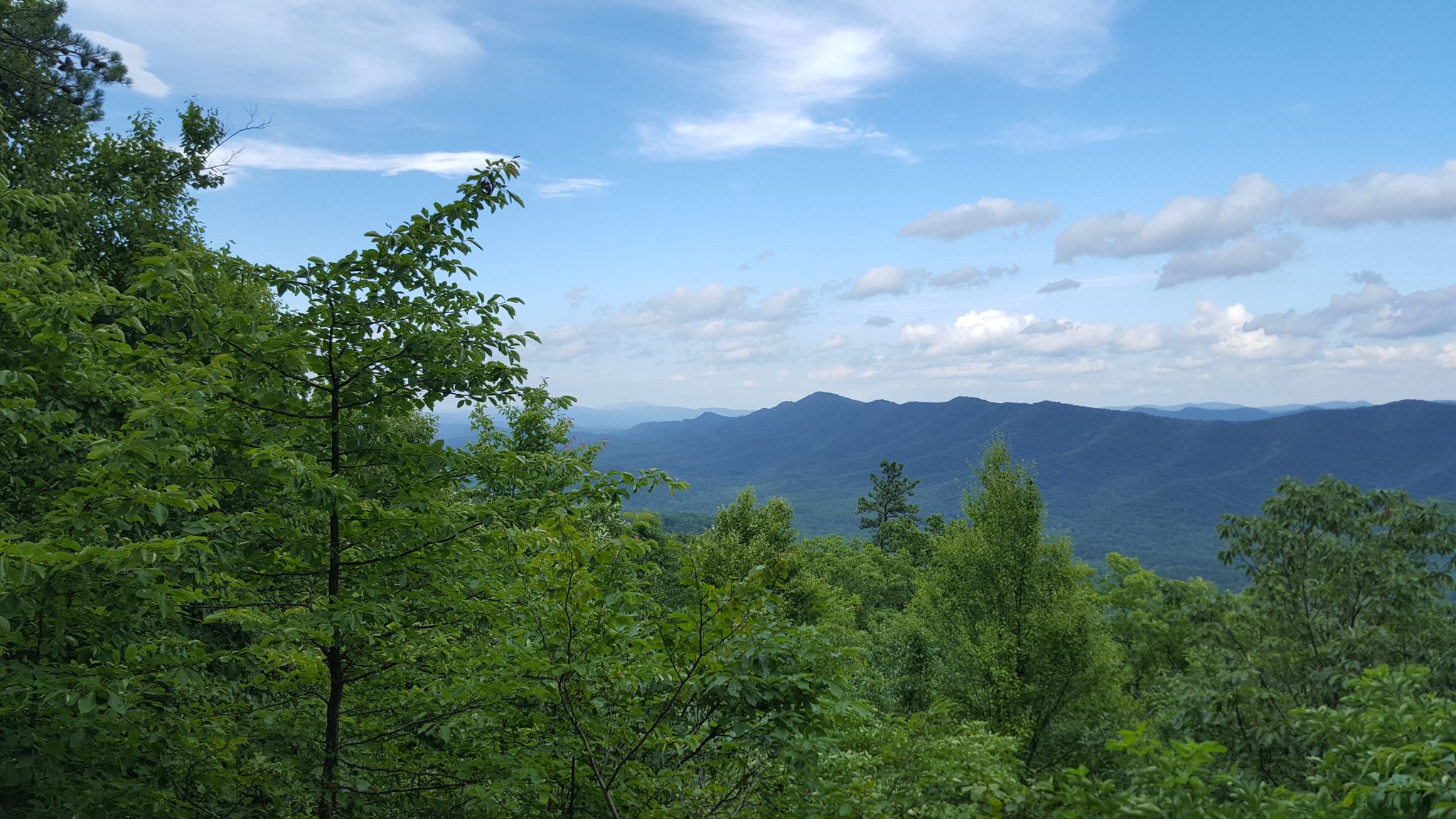
Tuscarora Trail — A remote trek across the backbone of Appalachia
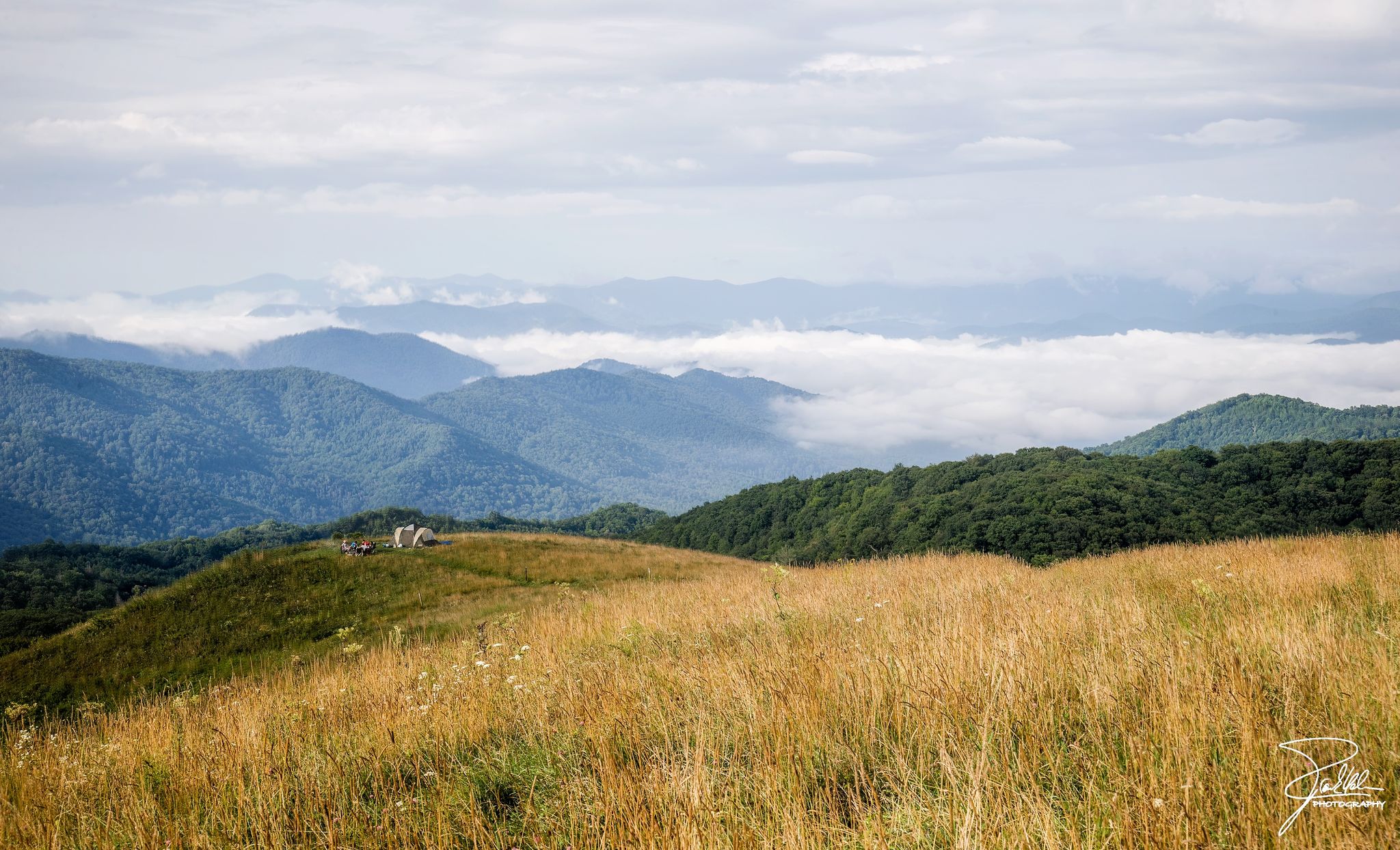
The Appalachian Trail — America's most iconic long-distance hike
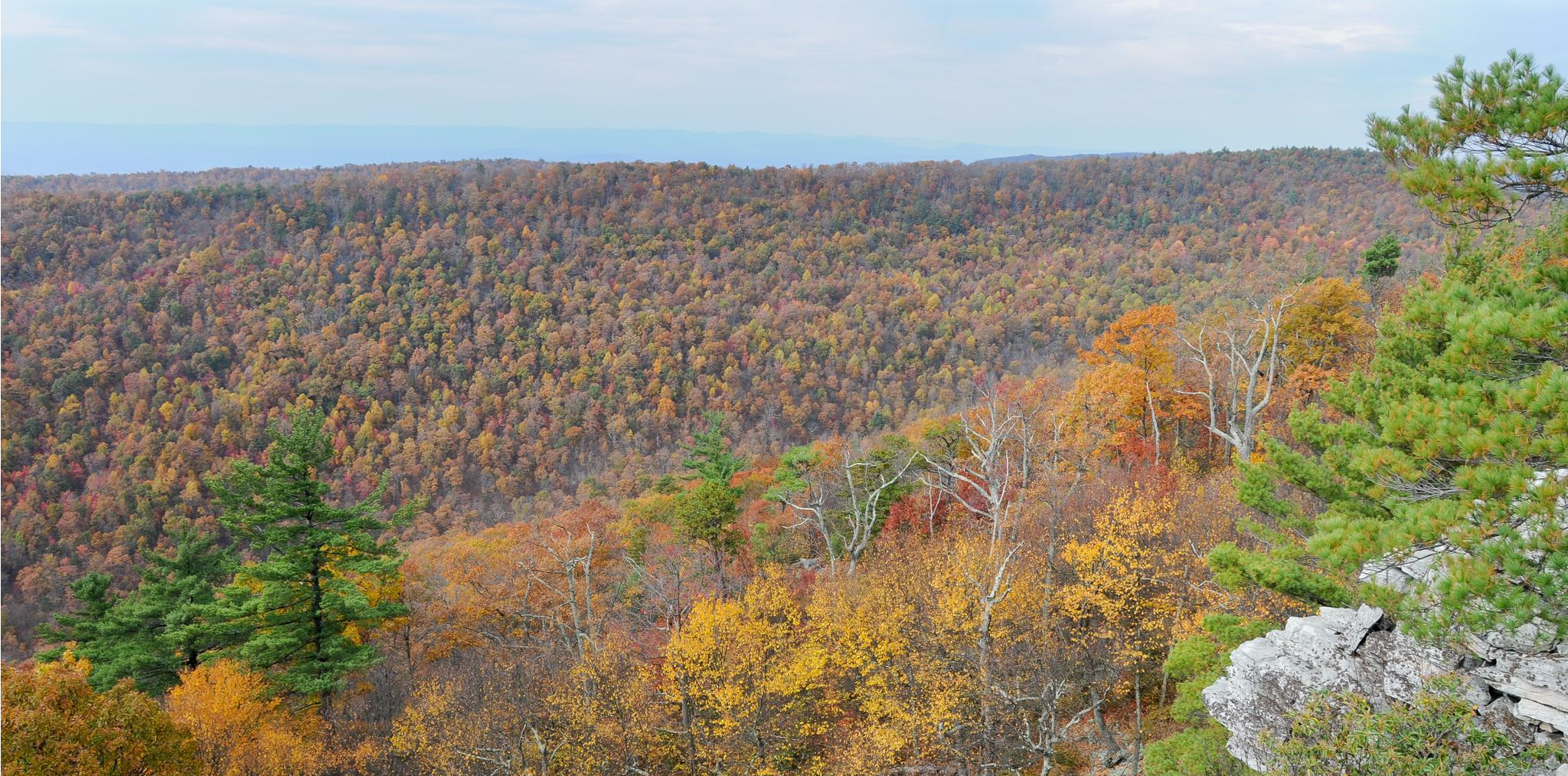
Massanutten Trail loop — Forested ridges & scenic valleys

Traffic-free bike rides in George Washington And Jefferson National Forest

Traffic-free bike rides in George Washington And Jefferson National Forest
Other adventures in George Washington And Jefferson National Forest


Tips from the Community


Sugar Grove is a small town tucked in the Appalachian Mountains. There is a market here to grab a snack at, but not too much else. This town is the gateway to the Mt. Rogers National Recreation Area and sometimes a stopover for adventures and Appalachian Trail hikers.
0
0
At the George Washington and Jefferson National Forests, you can enjoy a relaxing day with picnic tables and public restrooms, and feel free to bring your furry friends along as dogs are allowed in Jefferson National Forest. This area combines two U.S. National Forests, creating one of the largest public land spaces in the Eastern United States. Encompassing 1.8 million acres in the Appalachian Mountains of Virginia, West Virginia, and Kentucky.
0
0
Frequently Asked Questions
How many no-traffic road cycling routes are available in George Washington And Jefferson National Forest?
There are 16 dedicated no-traffic road cycling routes in the George Washington And Jefferson National Forest, catering to various skill levels. You'll find 1 easy route, 10 moderate routes, and 5 difficult routes to explore.
What kind of terrain can I expect on these no-traffic road cycling routes?
The George Washington and Jefferson National Forests offer diverse terrain, from remote, winding roads to scenic mountain passes. You can expect significant elevation gains, especially on routes that traverse the Blue Ridge Parkway or other mountainous areas. The region's elevation ranges from 515 feet near the Shenandoah River to Virginia's highest point, Mount Rogers, at 5,729 feet, providing varied challenges and stunning views.
Are there any circular no-traffic road cycling routes?
Yes, many of the no-traffic road cycling routes in the George Washington and Jefferson National Forests are designed as loops. For example, you could try the challenging Jefferson National Forest loop, or the moderate Connallys Lake loop from McCartney Family Cemetery, which offers over 80 km of riding.
What are some natural features or viewpoints I can see along the no-traffic road cycling routes?
The forests are rich in natural beauty. You might encounter numerous waterfalls, such as Cascade Falls or Shamokin Falls. Many routes offer continuous mountain vistas, especially along sections of the Blue Ridge Parkway. Peaks like Elliott Knob and Whitetop Mountain provide breathtaking views, and the Humpback Rocks Trail offers panoramic views of the Rockfish and Shenandoah Valleys.
Are there any lakes or water features accessible from the no-traffic road cycling routes?
Yes, the region features over 2,300 miles of streams and several serene lakes. You can find beautiful spots like Otter Lake, Hidden Valley Lake, Pandapas Pond, and Lake Moomaw Greenwood Point, which are great for a break or to enjoy the scenery.
What is the best time of year to enjoy no-traffic road cycling in this area?
The George Washington and Jefferson National Forests are beautiful year-round, but spring and autumn are particularly popular for road cycling. Spring brings lush greenery and blooming wildflowers, while autumn offers spectacular fall foliage. Summer can be warm, but higher elevations provide cooler temperatures. Always check local weather conditions before heading out.
Are there any amenities or places to stop for refreshments along the no-traffic road cycling routes?
While many routes are remote, some areas offer facilities. For instance, Peaks of Otter Lodge is a notable facility that can be found within the forest. It's always a good idea to carry sufficient water and snacks, especially on longer rides, as amenities can be sparse on forest roads.
What are the difficulty levels of the no-traffic road cycling routes?
The routes range from easy to difficult. There is 1 easy route, 10 moderate routes, and 5 difficult routes. Moderate options include the Roadbike loop from Little Cove Mountain, while more challenging rides like the Roadbike loop from McCartney Family Cemetery feature significant elevation gains.
What do other cyclists say about road cycling in George Washington And Jefferson National Forest?
The komoot community highly rates the road cycling experience in the George Washington And Jefferson National Forest, with an average score of 5.0 stars based on 7 ratings. Cyclists often praise the quiet, scenic roads, the challenging climbs, and the immersive natural beauty of the diverse landscapes.
Are there any historical sites or landmarks to see while road cycling?
Yes, the forest contains historical sites that provide insight into 19th-century iron production, such as the ruins of the iron ore furnace at Roaring Run Recreation Area and Elizabeth Furnace. While not directly on every cycling route, these offer interesting points of exploration within the broader forest area.
What should I bring for a no-traffic road cycling trip in this region?
Given the remote nature of many routes, it's essential to be self-sufficient. Always carry enough water, snacks, a repair kit, and a first-aid kit. A fully charged phone and a reliable navigation device (like komoot) are also highly recommended. Dress in layers, as mountain weather can change quickly.
Most popular routes in George Washington And Jefferson National Forest
Most popular attractions in George Washington And Jefferson National Forest

Get inspired with the komoot mobile app


Explore more
Browse the best Road cycling routes in other regions.
