Mt. Hood National Forest
Mt. Hood National Forest
The 20 Most Amazing Peaks in Mt. Hood National Forest
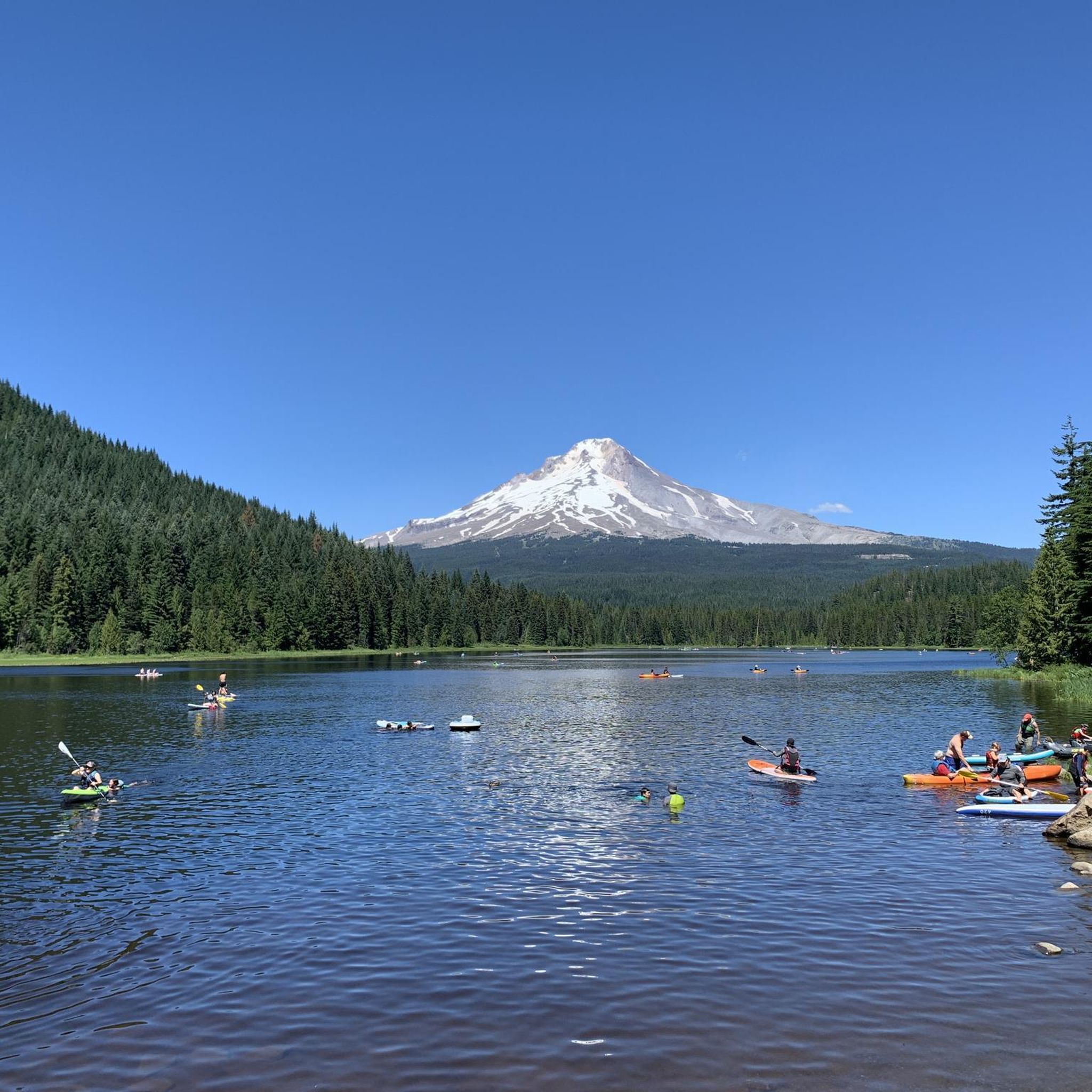
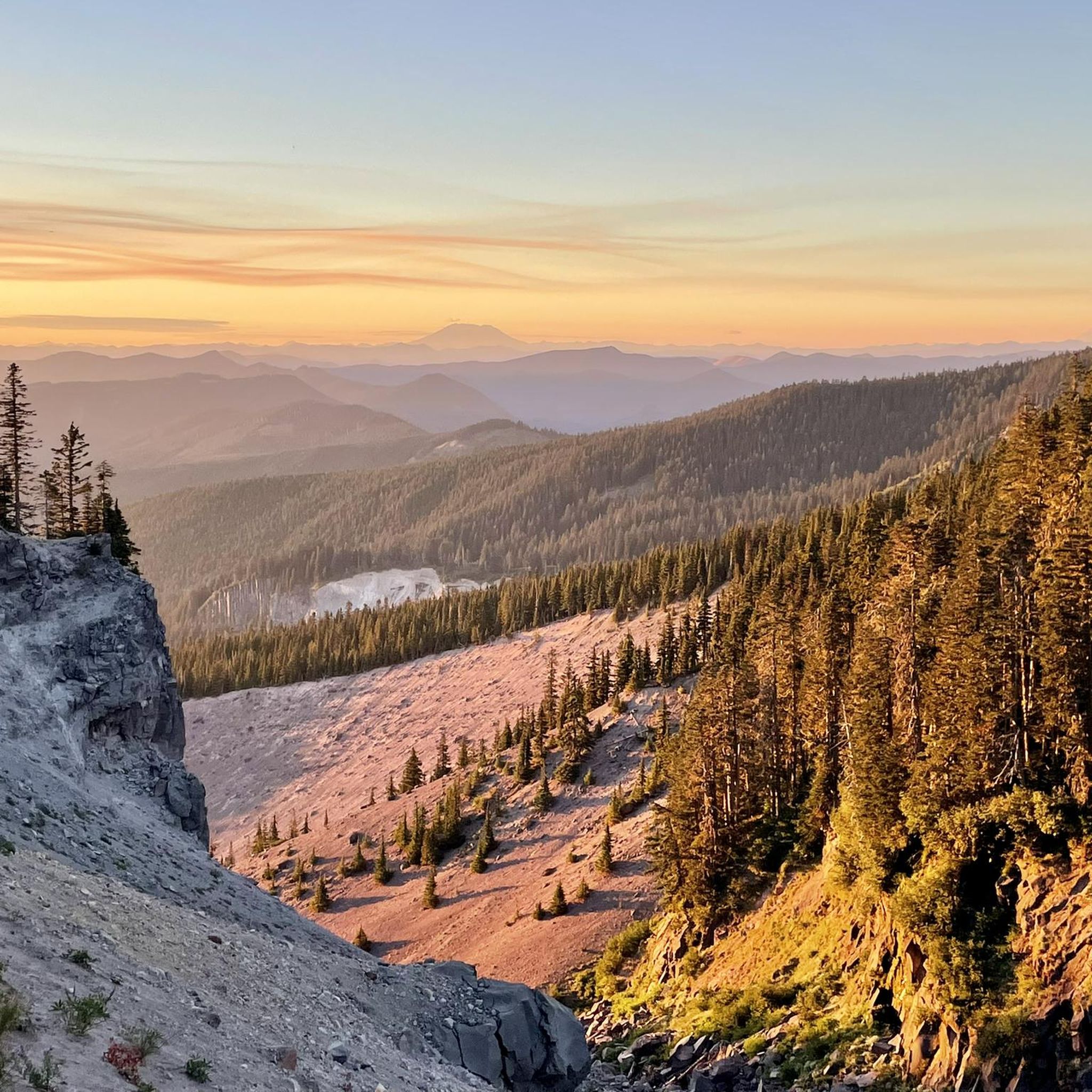
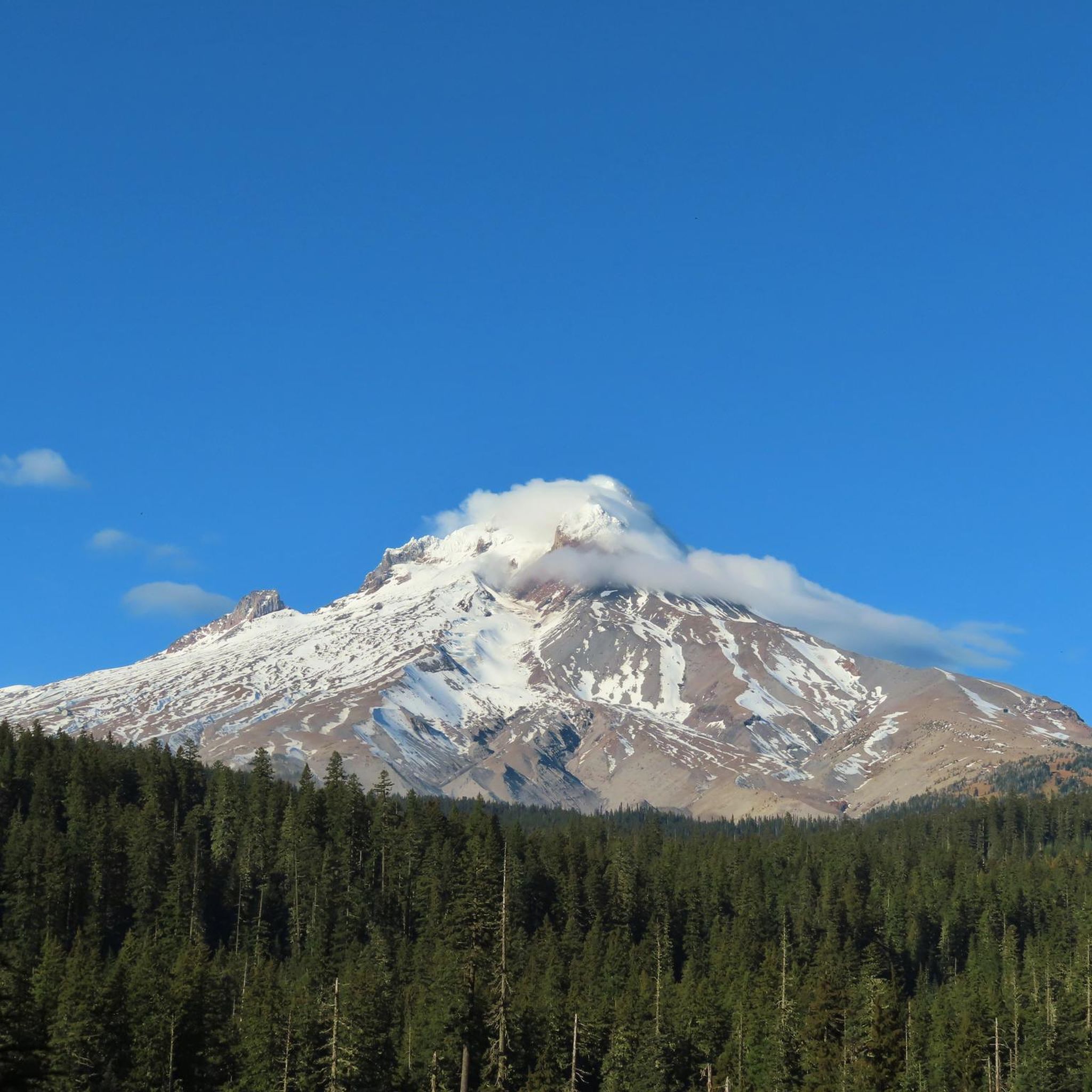
Best mountain peaks in Mt. Hood National Forest are found within a diverse landscape dominated by Mount Hood, a prominent stratovolcano. This region features extensive forests, alpine meadows, and numerous rivers, offering varied terrain for exploration. The area provides opportunities to experience the natural environment, from high-altitude viewpoints to forested trails. It is characterized by its significant elevation changes and geological formations.
Best mountain peaks in Mt. Hood National Forest
- The most popular mountain peaks is View of Timberline Lodge…
Last updated: October 11, 2026
Timberline Trail
Highlight (Segment) • Trail
Tip by

Tom, Dick and Harry Mountain
Highlight • Summit
Tip by
Sign up now to discover places like this
Get recommendations on the best single tracks, peaks, & plenty of other exciting outdoor places.
View of Mt. Hood & White River Glacier
Highlight • Viewpoint
Tip by

Salmon Butte Summit
Highlight • Summit
Tip by

Chinidere Mountain
Highlight • Summit
Tip by

Sign up for free to discover even more peaks in Mt. Hood National Forest.
Already have an account?
Start today with a free account
Your next adventure awaits.
Popular around Mt. Hood National Forest

Pacific Crest Trail from Mexico to Canada – 4,200 kilometres of wilderness
Timberline Trail — A Scenic Mount Hood Adventure
Like in the Wild West – hiking on the Oregon Trail
Volcanic peaks and glistening shores – discover Oregon and Washington
Hiking in Mt. Hood National Forest
Running Trails in Mt. Hood National Forest
MTB Trails in Mt. Hood National Forest
Road Cycling Routes in Mt. Hood National Forest
Cycling in Mt. Hood National Forest
Gravel biking in Mt. Hood National Forest
Other adventures in Mt. Hood National Forest


Tips from the Community

An easy summit from the Wahtum Lake campground, Chinidere Mountain offers epic views of Mt Hood and the surrounding mountains.
0
0

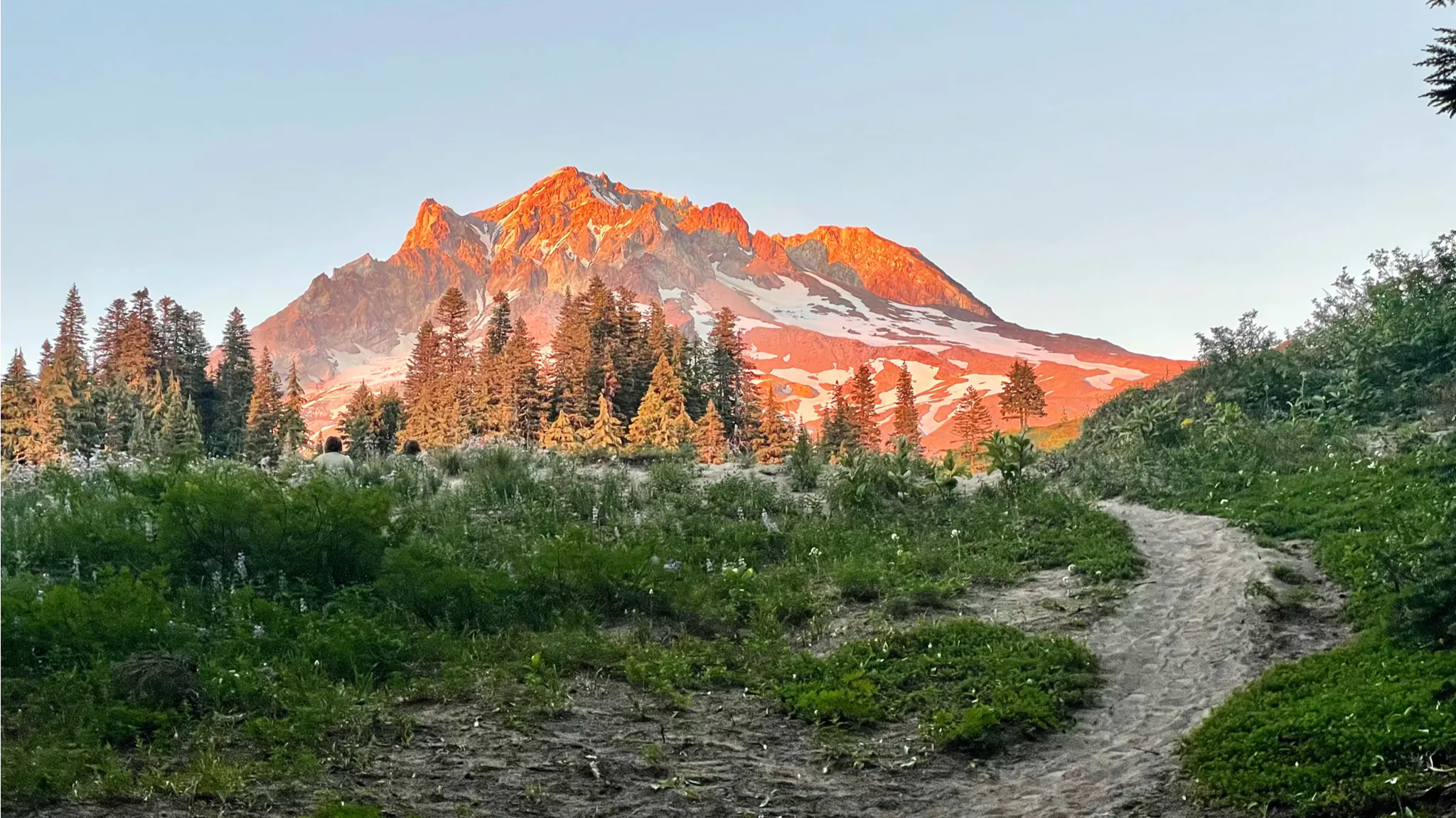
This fantastic trail forms a nearly 40-mile loop around Mount Hood and is a combination of sand, dirt, and often a rocky pathway featuring incredible mountain views, alpine meadows, and beautiful waterfalls. Due to its popularity, the route is well-marked and easy to follow. The first few miles feature a steep descent, allowing for a relatively easy start. As you continue, you'll encounter various elevation changes and several large river crossings, where trekking poles are advisable to help you navigate. The terrain is diverse, primarily consisting of dusty, steep, and rocky sections. However, the vistas are spectacular, and conquering some challenging climbs makes it well worth the effort.
0
0

The Timberline Trail circumnavigates Oregons highest peak, Mount Hood, with a total length of 41.5 miles. It was constructed primarily by the Civilian Conservation Corps in the 1930s and in this section, it overlaps with the Pacific Crest Trail. It offers a stunning view of majestic Mount Hood and the iconic Timberline Lodge. Hikers of the Pacific Crest Trail can find a camp spot nestled in the trees next to the trail above the Timberline Lodge.
5
0

There are great views of Mt Hood and Mt Jefferson from the peak of Salmon Butte. It is a strenuous climb up to the top, but it is worth it for the views you get on the top.
0
0
At the peak of Tom, Dick and Harry Mountain there is a great view of Mt. Hood and Mirror Lake. The trail up to the peak requires a moderate effort but it is worth it for the views at the top.
0
0

Chinidere Mountain is marked by a rocky platform jutting out towards Mount Hood. You can see a lot of the valley and lower foothills from the top of this 4,674-foot peak. The lower trails are also great places for viewing the wilderness of the Cascades.
0
0
The trail going up Mount Hood is a difficult one, so it is important to be safe and not rush this part of the trail. The views in this area are spectacular, so if you want to enjoy your surroundings, make sure you are doing it safely.
0
0
Beautiful spot to view the White River Glacier on Mt. Hood. The wildflowers are plentiful along the alpine meadows, making this an ideal place to stop and have lunch.
0
1
Frequently Asked Questions
What are some popular mountain peaks with great views in Mt. Hood National Forest?
Visitors frequently enjoy the views from View of Timberline Lodge and Salmon River, which offers sights of the lodge, the Salmon River, and Mount Jefferson. Another highly regarded spot is Tom, Dick and Harry Mountain, known for its impressive views across the Zigzag Valley, including Mount Hood and Mirror Lake.
Are there challenging mountain climbs for experienced hikers in Mt. Hood National Forest?
Yes, the region offers several challenging experiences. The Timberline Trail, a nearly 40-mile loop around Mount Hood, features diverse and strenuous terrain with significant elevation changes and river crossings. The View of Mt. Hood & White River Glacier also involves a difficult ascent, rewarding hikers with spectacular views of Mount Hood and the White River below.
What are some family-friendly mountain peaks or viewpoints in Mt. Hood National Forest?
While many peaks offer challenging terrain, viewpoints like the View of Timberline Lodge and Salmon River can be accessed via trails that vary in difficulty, making some sections suitable for families. For specific family-friendly trails, it's best to research individual routes, as the overall region has diverse terrain.
Can I bring my dog on trails to mountain peaks in Mt. Hood National Forest?
Many trails in Mt. Hood National Forest are dog-friendly, but regulations can vary by specific area or wilderness designation. It's always recommended to check the specific trail rules before heading out. Generally, dogs should be kept on a leash to protect wildlife and ensure a pleasant experience for all visitors.
What is the best time of year to hike mountain peaks in Mt. Hood National Forest?
The best time for hiking mountain peaks in Mt. Hood National Forest is typically from late spring through early fall (June to October). During this period, snow has usually melted from lower and mid-elevation trails, and weather conditions are generally more stable and warmer. Higher elevations, including Mount Hood itself, may retain snow much later into the summer.
What kind of wildlife can I expect to see around the mountain peaks?
Mt. Hood National Forest is home to diverse wildlife. You might spot deer, elk, black bears, and various small mammals like squirrels and marmots. Birdwatchers can look for species such as Steller's jays, various woodpeckers, and raptors. Always observe wildlife from a distance and never feed animals.
Are there any loop trails with good mountain views in the Mt. Hood area?
Yes, the Timberline Trail is a prominent loop that circumnavigates Mount Hood, offering continuous mountain views, alpine meadows, and waterfalls. While it's a challenging multi-day trek, sections of it can be hiked as day loops or out-and-back trips for impressive vistas.
What outdoor activities can I do near the mountain peaks in Mt. Hood National Forest?
Beyond hiking and climbing, Mt. Hood National Forest offers a range of outdoor activities. You can explore MTB trails, go running on scenic trails, or enjoy gravel biking. Popular routes include the Timberline to Rhododendron MTB trail and the Ramona Falls Loop for running.
Are permits required for climbing certain peaks in Mt. Hood National Forest?
Yes, permits are required for climbing Mount Hood above 9,500 feet. A Mount Hood Climbing Permit is necessary for all climbers and can be obtained through the Forest Service. Additionally, a Northwest Forest Pass or equivalent is often required for parking at many trailheads.
Where can I find parking for popular trailheads leading to mountain peaks?
Parking is available at various trailheads throughout Mt. Hood National Forest. For popular areas like Timberline Lodge or the trailheads accessing Tom, Dick and Harry Mountain, designated parking lots are provided. It's advisable to arrive early, especially on weekends, as spaces can fill up quickly. Some parking areas may require a Northwest Forest Pass or day-use fee.
What gear is recommended for summer mountain hikes in Mt. Hood National Forest?
Even in summer, mountain weather can be unpredictable. Essential gear includes layers of clothing (moisture-wicking base, insulating mid-layer, waterproof outer shell), sturdy hiking boots, plenty of water, high-energy snacks, a map and compass or GPS, sun protection (hat, sunglasses, sunscreen), and a first-aid kit. Trekking poles are also recommended for stability on varied terrain, especially near river crossings or steep sections.
Are there any less-known mountain viewpoints or 'hidden gems' in the area?
While not entirely 'hidden,' the Gnarl Ridge and Lamberson Butte section of the Timberline Trail offers breathtaking views towards Mount Hood's summit and the meandering Newton Creek below, providing a slightly less frequented but equally rewarding experience compared to the most popular viewpoints.
Most popular routes in Mt. Hood National Forest
Most popular attractions in Mt. Hood National Forest

Get inspired with the komoot mobile app


Explore more
See even more amazing summits in Mt. Hood National Forest with these guides:
