Top 20 Lakes in Mt. Hood National Forest
Best lakes in Mt. Hood National Forest offers a diverse landscape with over 150 lakes, providing various recreational opportunities. The region is characterized by its volcanic peaks, dense forests, and clear waters, making it a notable natural area in Oregon. Visitors can explore a range of lake environments, from easily accessible spots to more secluded alpine settings. This area is known for its natural features and serves as a significant outdoor destination.
Best lakes in Mt. Hood National Forest
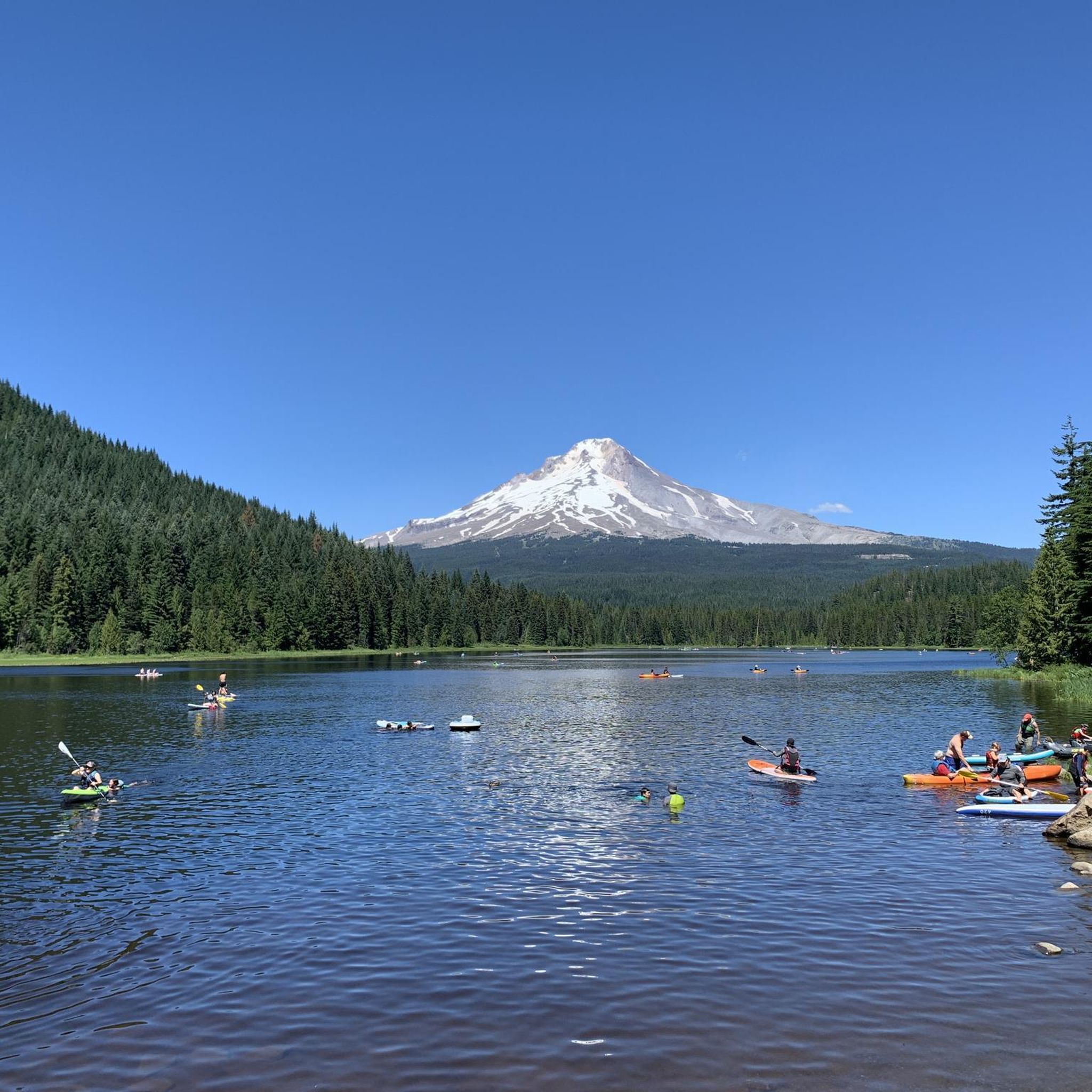
- The most popular lakes is Trillium Lake, a lake known for its views of Mt. Hood. The reflection from this alpine lake is a notable feature, surrounded by Douglas, Noble, and Silver firs.
- Another must-see spot is Timothy Lake, a lake with views of Mt. Hood and Mt. Jefferson. The surrounding forest setting provides opportunities for hiking, camping, and fishing.
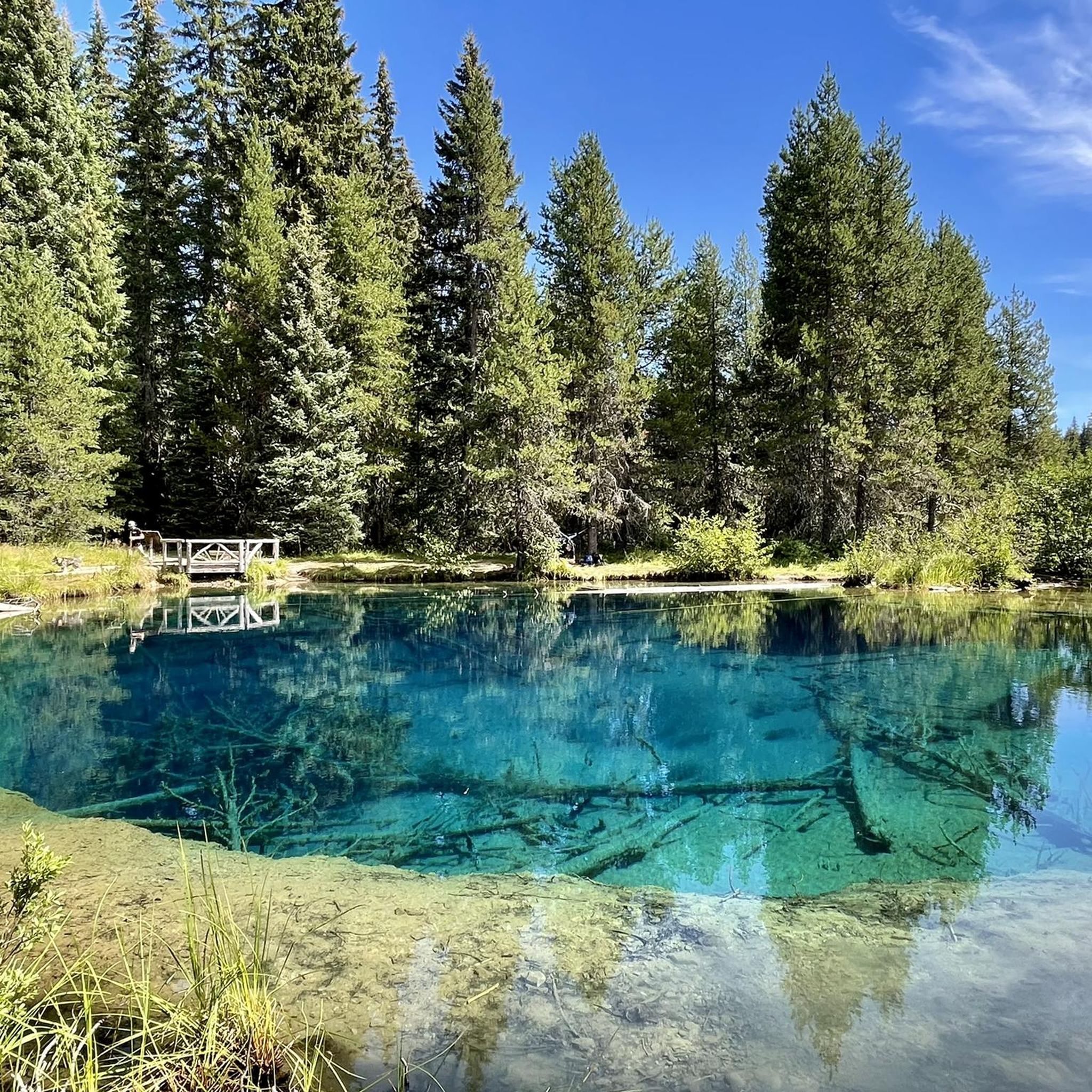
- Visitors also love Little Crater Lake, a small lake with clear, teal-hued water. It was formed by a crack in the earth or a volcanic maar, leading to an artesian spring.
- Mt. Hood National Forest is known for its alpine lakes, forest-surrounded lakes, and unique geological lake formations. The variety of lakes provides diverse options for exploration and activities.
- The lakes in Mt. Hood National Forest are appreciated by the komoot community, with 27 highlights, including 6 photos and 11 upvotes.
Last updated: October 11, 2026
Trillium Lake
Highlight • Lake
Tip by

Historic Log Dock
Highlight • Structure
Tip by
Sign up now to discover places like this
Get recommendations on the best single tracks, peaks, & plenty of other exciting outdoor places.
Little Crater Lake
Highlight • Lake
Tip by

Timothy Lake
Highlight • Lake
Tip by
Wahtum Lake
Highlight • Lake
Tip by

Sign up for free to discover even more lakes in Mt. Hood National Forest.
Already have an account?
Start today with a free account
Your next adventure awaits.
Popular around Mt. Hood National Forest

Pacific Crest Trail from Mexico to Canada – 4,200 kilometres of wilderness
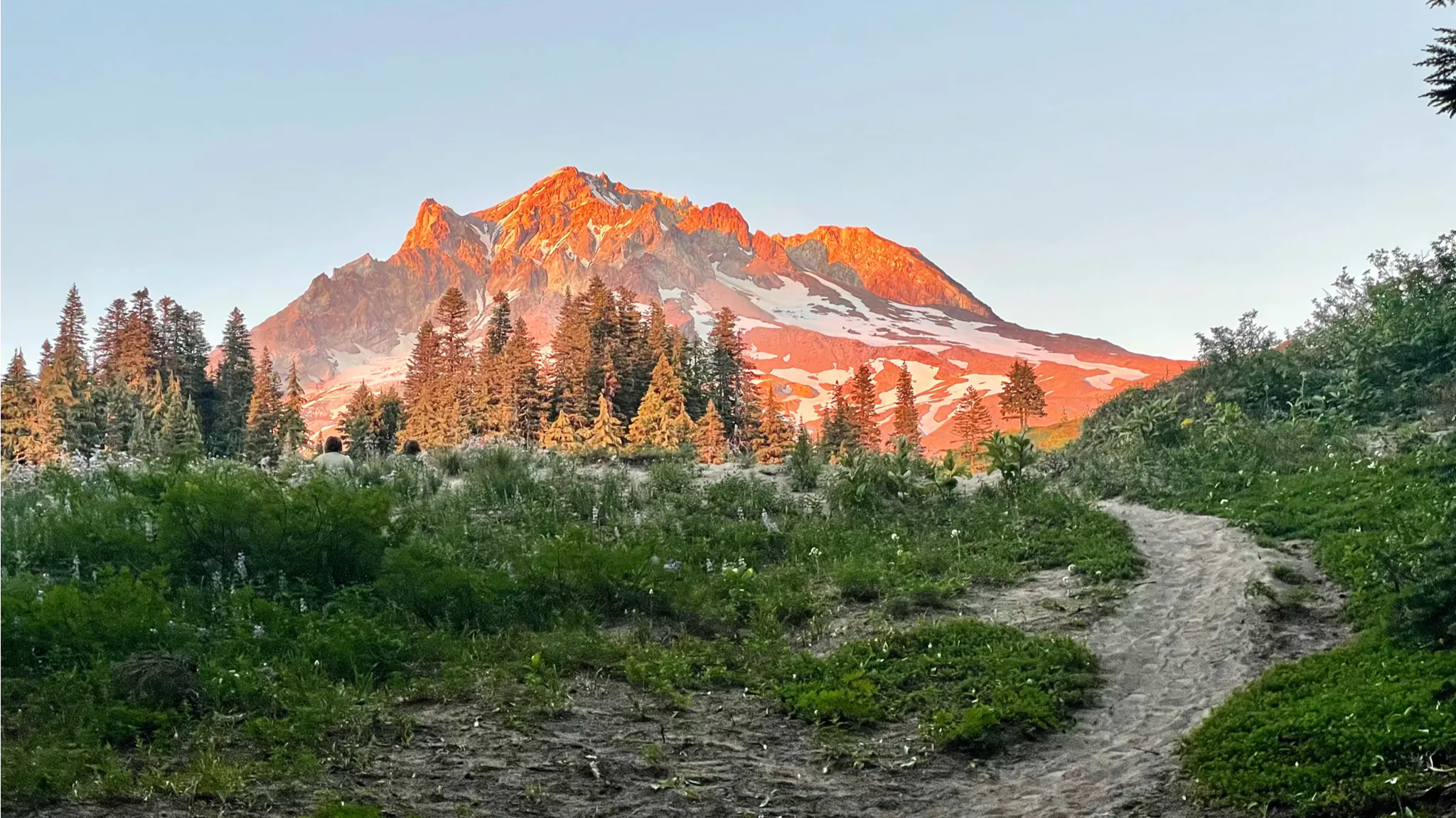
Timberline Trail — A Scenic Mount Hood Adventure
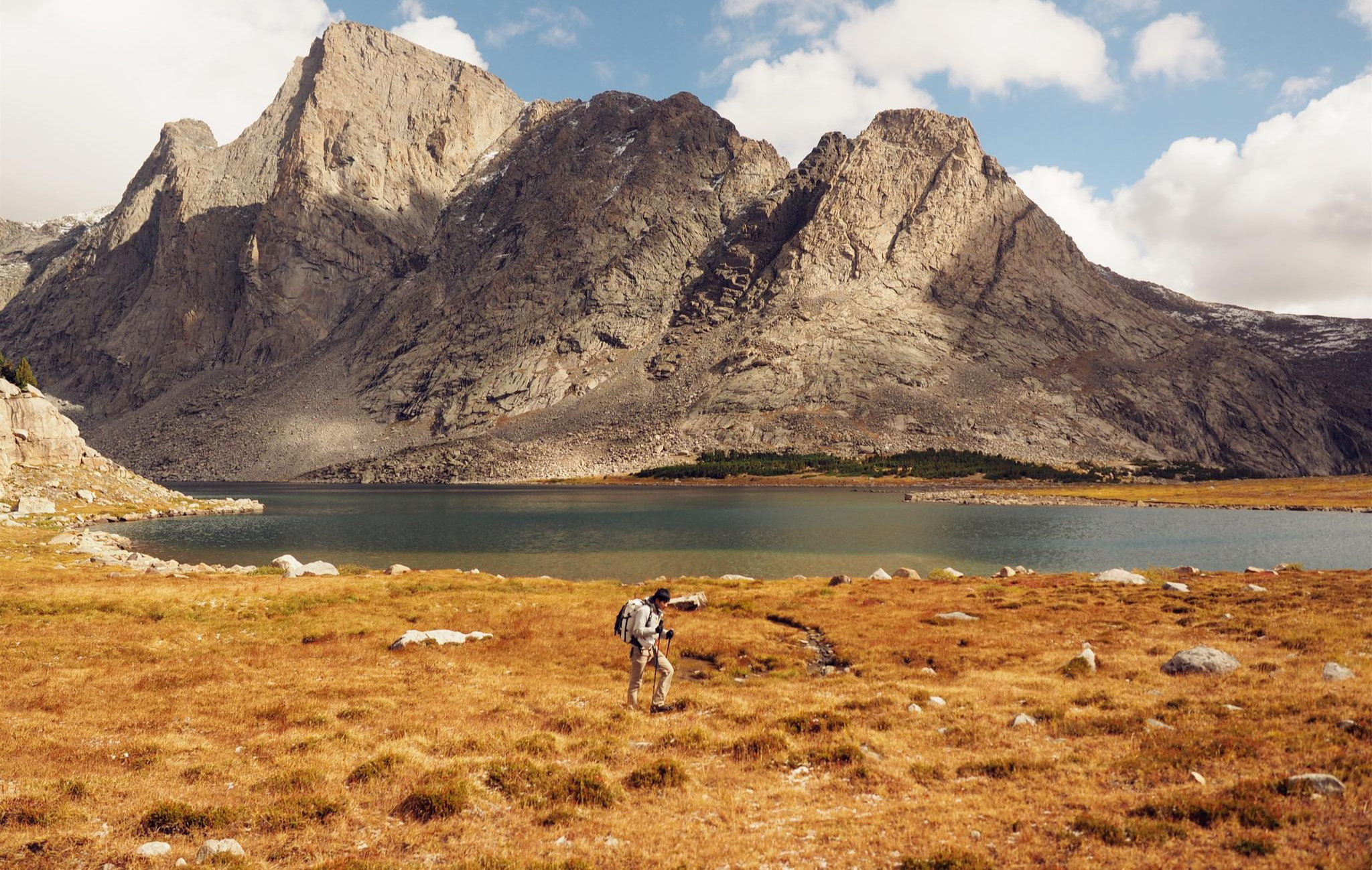
Like in the Wild West – hiking on the Oregon Trail
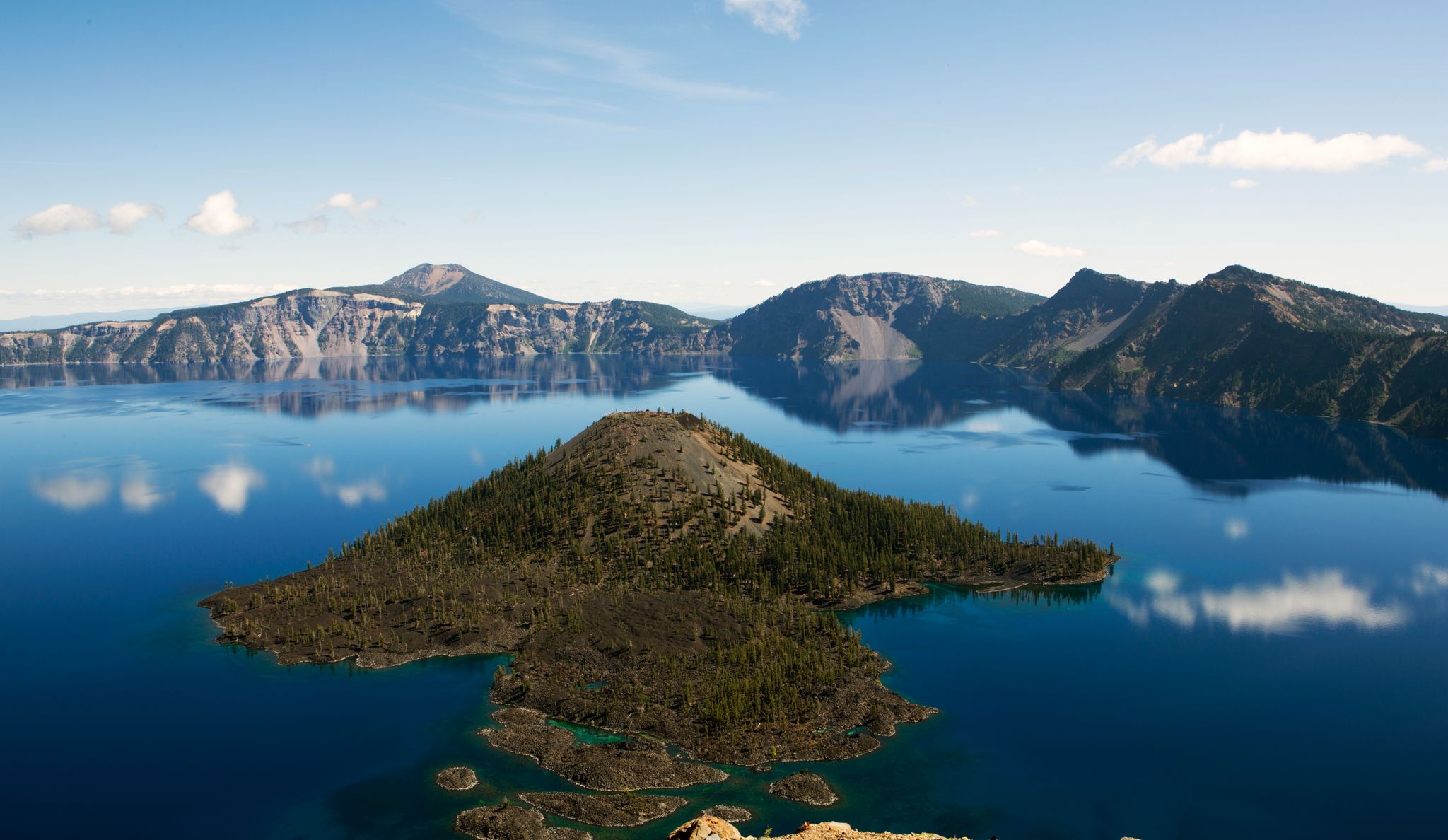
Volcanic peaks and glistening shores – discover Oregon and Washington
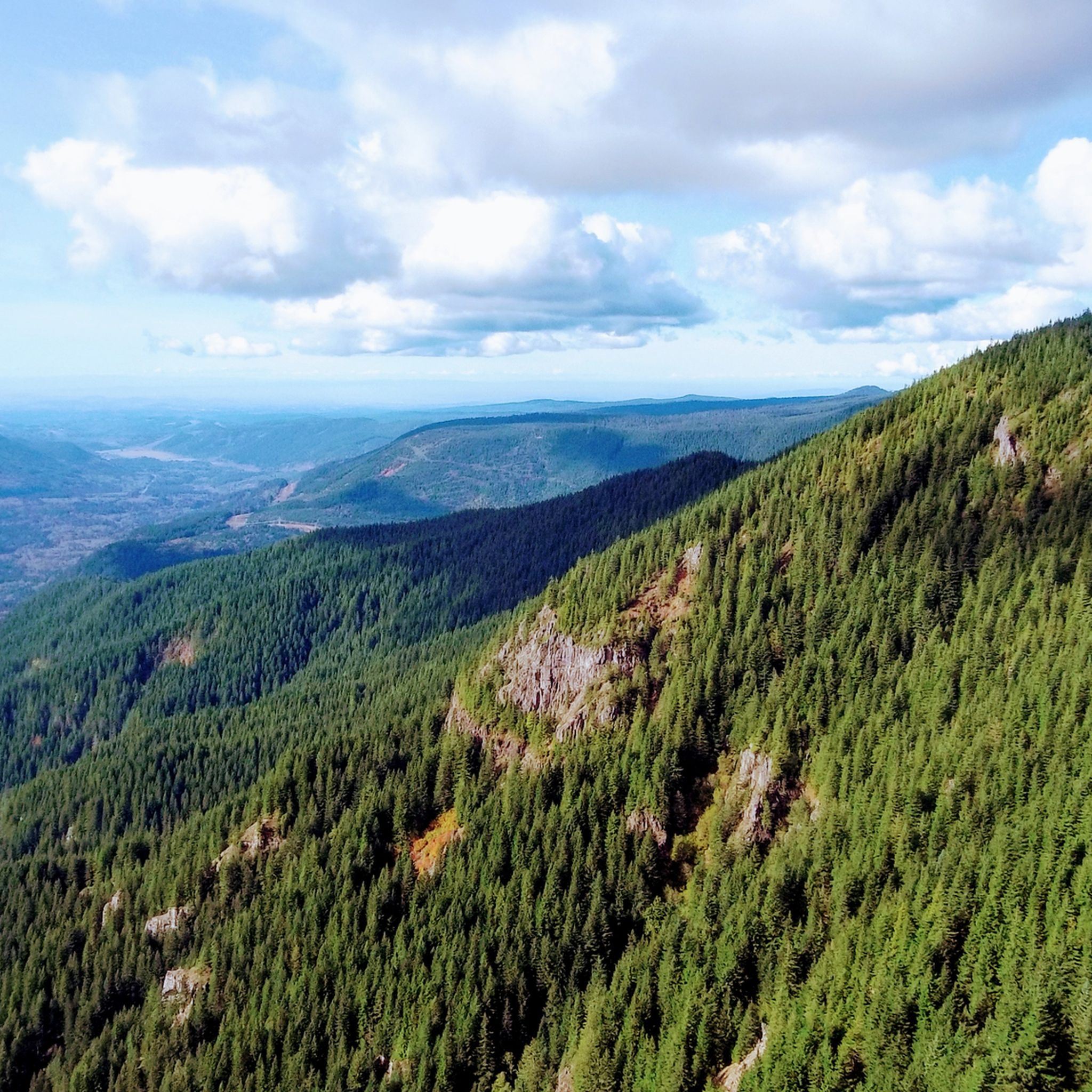
Hiking in Mt. Hood National Forest
Running Trails in Mt. Hood National Forest
MTB Trails in Mt. Hood National Forest
Road Cycling Routes in Mt. Hood National Forest
Cycling in Mt. Hood National Forest
Gravel biking in Mt. Hood National Forest
Other adventures in Mt. Hood National Forest


Tips from the Community

There is a large campground and trailhead near the eastern end of the lake. The trailhead provides access to multiple wilderness trails, which require wilderness permits to hike. This is a really popular spot for accessing the backcountry, so you'll probably see others while out on your hike.
0
0

Beautiful aquamarine lake with views of Mt. Hood and Mt. Jefferson. The surrounding forest setting is a playground for hikers, campers and fishermen. There are several picnic areas along the shore to enjoy lunch and take some great photos.
0
1
This rustic picturesque log dock pokes out into the water and is a great place to take photos. In the summertime, this serene spot transforms into a popular fishing dock for those looking to catch several species of trout stocked by the Oregon Department of Fish & Wildlife.
1
0
Breathtaking views of Mt. Hood. The reflection from this alpine lake is spectacular and is the jewel in this landscape. It is surrounded by Douglas, Noble and Silver firs accompanied by Western Red Cedars.
2
0

Timothy Lake is an awesome opportunity to take a dip in the crystal clear water. There are also flat spots if you want to spend the night. The lake is home to fish and crayfish.
5
0
Little Crater Lake might not be as nearly as large as the bigger brother, but it is fascinating in its very own way. It was formed by a crack in the earth or from a volcanic maar which led to an artesian spring that washed away the soft siltstone that surrounds the lake.
6
0

Frequently Asked Questions
Which lakes are best for families with easy access?
For families seeking easy access, Trillium Lake is a popular choice with a pleasant 2-mile trail circling the lake, suitable for most skill levels. Timothy Lake also offers numerous campgrounds and a wide range of activities for all ages. Lower Twin Lake is easily accessible with ample parking and a relatively short 2-mile hike to reach it.
What water activities are available at the lakes?
Many lakes in Mt. Hood National Forest are excellent for water activities. You can enjoy paddling (kayak, canoe, paddleboard) at Trillium Lake, Timothy Lake, and Lost Lake, with rentals often available. Swimming is popular at Trillium Lake and Timothy Lake. Fishing for stocked trout is a common activity at Trillium Lake, Timothy Lake, and Lost Lake. Motorized boats are allowed at Timothy Lake (up to 10 mph).
Are there hiking trails around the lakes in Mt. Hood National Forest?
Yes, many lakes offer scenic hiking trails. A popular 2-mile trail circles Trillium Lake. The Timothy Lake Trail #528 is great for hikers, horses, and mountain bikers. Mirror Lake is accessible via a 2-mile uphill hike. For more hiking options in the region, explore the Hiking in Mt. Hood National Forest guide.
When is the best time of year to visit the lakes?
The best time to visit the lakes in Mt. Hood National Forest is generally during the late spring, summer, and early fall months (June to October) when the weather is warm, trails are clear of snow, and all facilities are typically open. Summer is ideal for water activities, while fall offers stunning foliage.
Can I camp overnight at the lakes in Mt. Hood National Forest?
Yes, several lakes offer camping opportunities. Timothy Lake has nine campgrounds with over 250 campsites. Burnt Lake and Mirror Lake offer walk-up or hike-in campsites for a more secluded experience. Lost Lake also provides numerous campsites. Always check for specific permit requirements and availability before planning an overnight stay.
Are there any unique or hidden gem lakes worth visiting?
For a unique experience, Little Crater Lake is exceptionally beautiful with clear, teal-hued water and a unique geological formation. Burnt Lake offers a quiet, serene escape, requiring a 3-mile hike to reach its spring-fed waters. Laurance Lake, nestled in a remote area, provides a peaceful, rugged experience with fewer crowds.
What are the parking and permit requirements for visiting the lakes?
Parking availability varies by lake. Popular spots like Trillium Lake and Timothy Lake have designated parking areas, which can fill up quickly during peak season. Some areas may require a Northwest Forest Pass or a day-use fee. Always check the specific regulations for your chosen lake before your visit, especially for overnight stays or wilderness areas.
What should I bring for a day trip to the lakes?
For a day trip, it's advisable to bring plenty of water, snacks, sun protection (sunscreen, hat), insect repellent, and appropriate layers of clothing as mountain weather can change quickly. Comfortable hiking shoes are recommended if you plan to explore trails. If you're swimming or paddling, bring swimwear and a towel.
Are dogs allowed on trails around the lakes?
Dogs are generally allowed on trails and in many recreation areas within Mt. Hood National Forest, but they must be kept on a leash. Always check specific regulations for each lake or trail, as some sensitive areas or designated swimming beaches might have restrictions. Remember to pack out all pet waste.
What kind of natural features can I expect to see at the lakes?
The lakes in Mt. Hood National Forest offer diverse natural beauty. You can expect stunning reflections of Mount Hood, dense forests of Douglas, Noble, and Silver firs, and clear waters. Little Crater Lake features unique teal-hued water from an artesian spring, while Upper Twin Lake offers views of Mount Hood and the Barlow Creek valley, with wild rhododendrons in early summer.
Are there any wheelchair-accessible viewpoints at the lakes?
While many trails around the lakes involve uneven terrain, some areas may offer more accessible viewpoints. For specific wheelchair-accessible options, it's best to consult the U.S. Forest Service website or contact local ranger stations for the most up-to-date information on accessible facilities and viewpoints around the lakes.
Most popular routes in Mt. Hood National Forest
Most popular attractions in Mt. Hood National Forest

Get inspired with the komoot mobile app


Explore more
Still not found your perfect lake in Mt. Hood National Forest? Check out the guides of these regions to see even more beautiful places.
