The best road cycling routes in Réserve Biologique Dirigée De Longegoutte-Géhant
4.6
(650)
28,377
riders
167
rides
Road cycling in Réserve Biologique Dirigée De Longegoutte-Géhant offers diverse landscapes within the Vosges massif, characterized by a "moyenne montagne" topography. The area features well-maintained routes through dense beech and fir forests, providing a serene and shaded environment. Cyclists encounter varied terrain, including challenging ascents and enjoyable descents, as the reserve occupies a ridge between the Moselle and Moselotte river valleys. Unique ecosystems such as peat bogs and mountain moorlands add to the scenic diversity of the routes.
Best road…
Last updated: October 9, 2026
5.0
(4)
39
riders
25.3km
01:23
430m
430m
Moderate road ride. Good fitness required. Mostly well-paved surfaces and easy to ride.
4.3
(4)
270
riders
77.8km
03:51
1,190m
1,190m
Hard road ride. Very good fitness required. Mostly well-paved surfaces and easy to ride.

4.5
(6)
236
riders
90.3km
05:04
1,860m
1,860m
Hard road ride. Very good fitness required. Some segments of this route may be unpaved and difficult to ride.
4.8
(5)
104
riders
40.6km
02:18
850m
850m
Moderate road ride. Good fitness required. Some segments of this route may be unpaved and difficult to ride.
4.0
(1)
67
riders
80.0km
03:54
1,130m
1,130m
Hard road ride. Very good fitness required. Mostly well-paved surfaces and easy to ride.
Get access to more routes and recommendations from other explorers.
Already have an account?
Our route recommendations are based on thousands of hikes, rides, and runs completed by other people on komoot.
Start today with a free account
Your next adventure awaits.
Popular around Réserve Biologique Dirigée De Longegoutte-Géhant
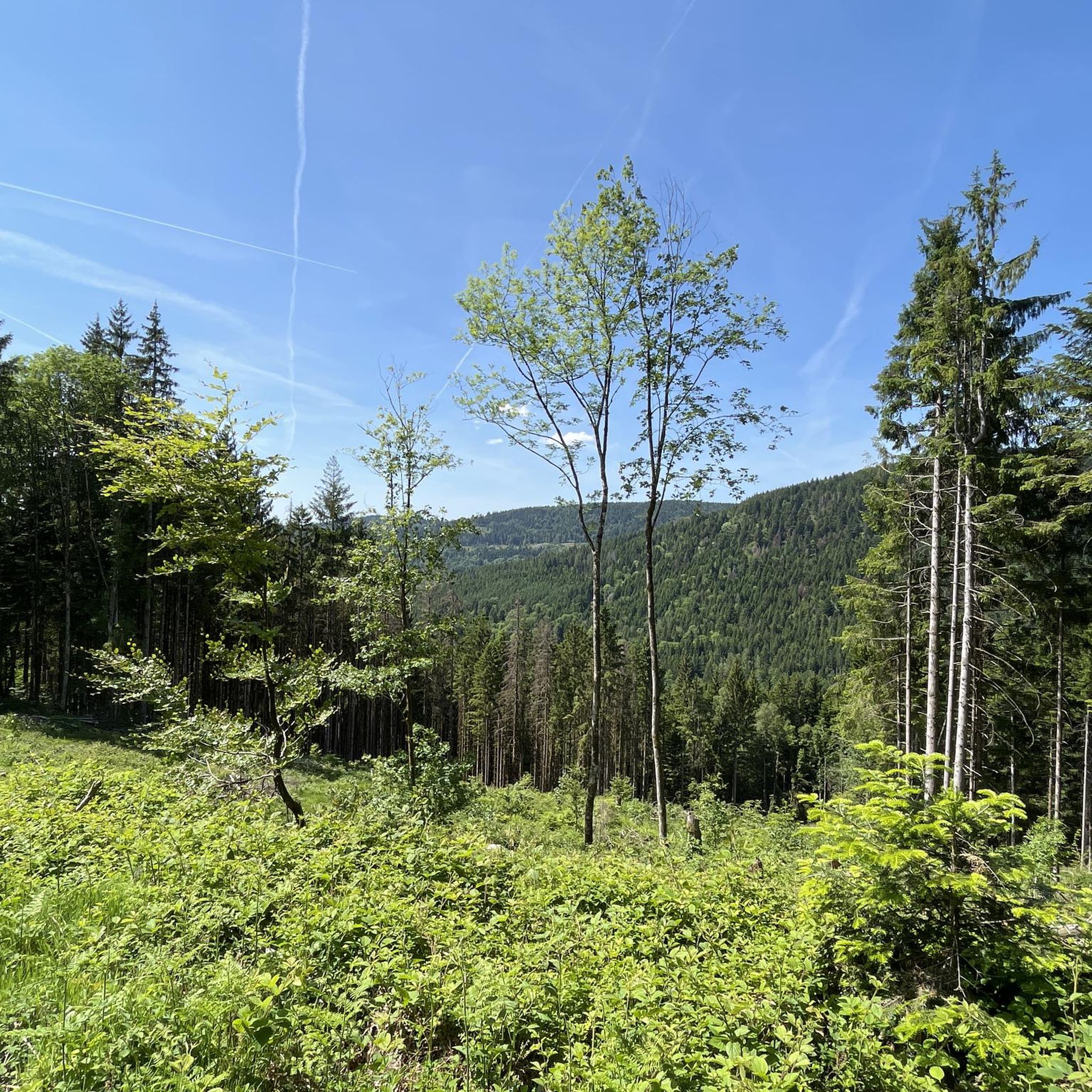
Cycling in Réserve Biologique Dirigée De Longegoutte-Géhant
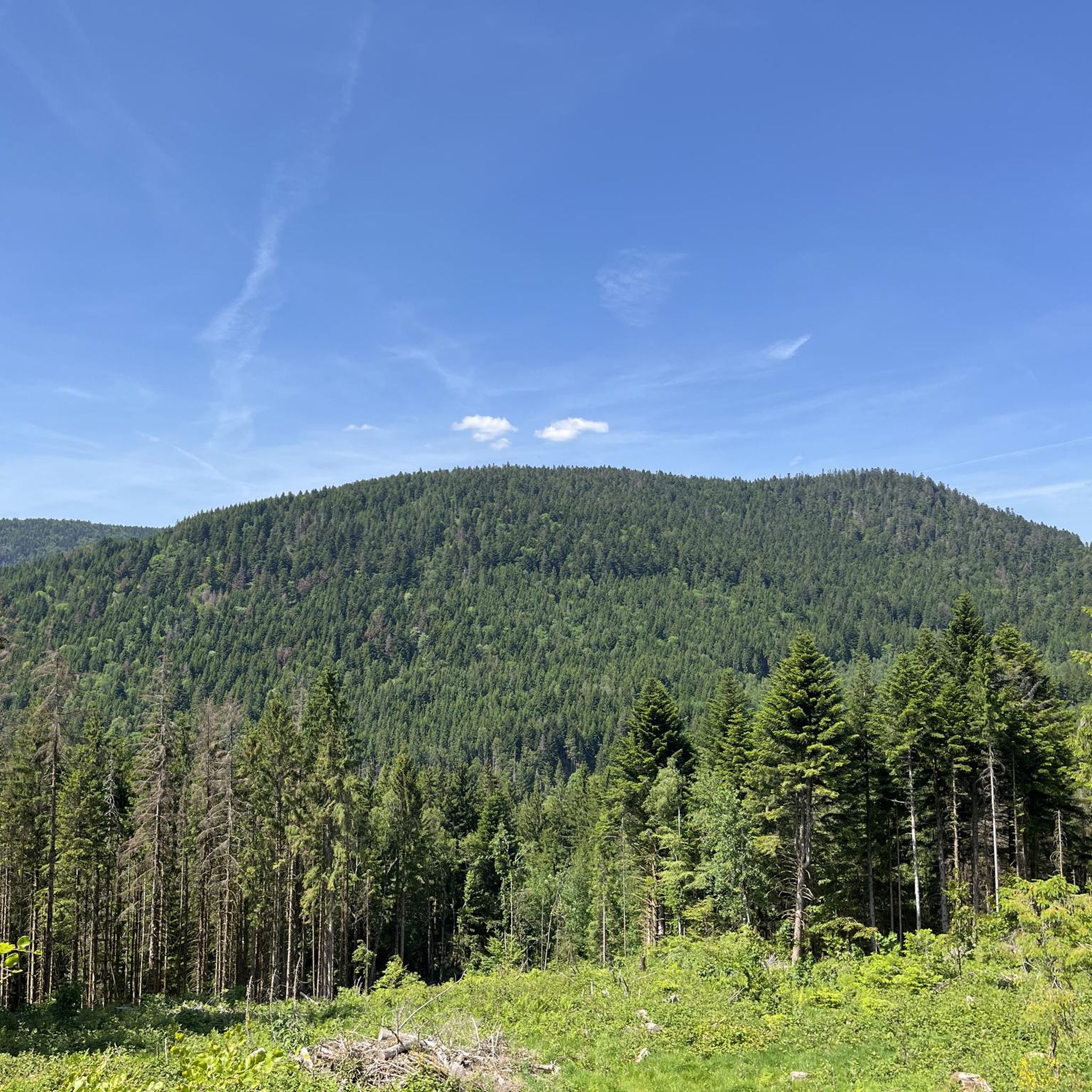
Hiking in Réserve Biologique Dirigée De Longegoutte-Géhant
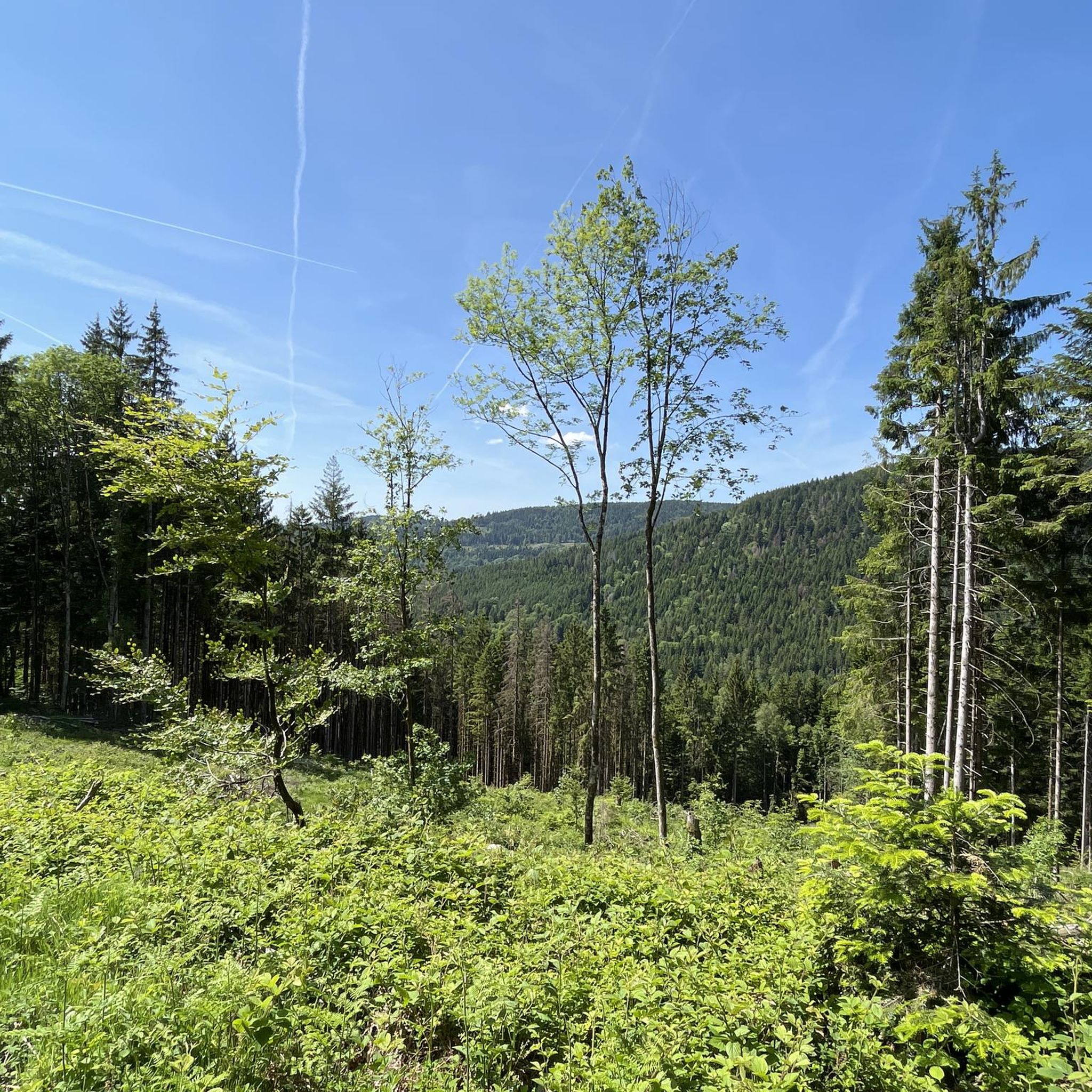
MTB Trails in Réserve Biologique Dirigée De Longegoutte-Géhant
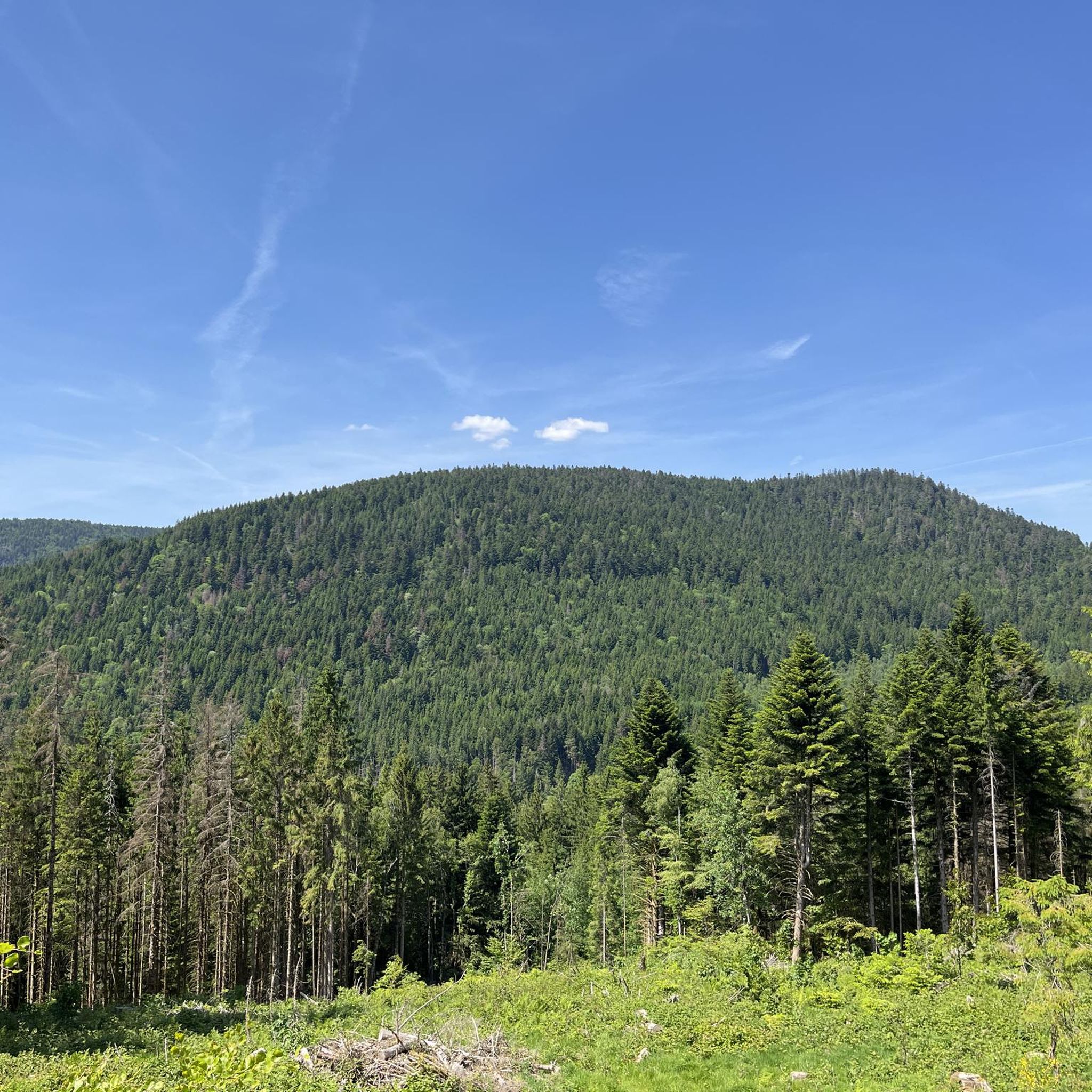
Running Trails in Réserve Biologique Dirigée De Longegoutte-Géhant

Gravel biking in Réserve Biologique Dirigée De Longegoutte-Géhant

Mountain Hikes in Réserve Biologique Dirigée De Longegoutte-Géhant
Tips from the Community

When you drive from the Route des Crêtes towards Le Grand Ballon, you pass the Col du Haag (1233 m) almost unnoticed. Yet, this pass marks a special point on the southern flank of the highest mountain in the Vosges. Here, steep roads from the Thurdal leave the wooded slopes and reach the open heights of the massif. From the col, a typical Vosges landscape unfolds with mountain meadows, scattered farms, and sweeping views. The proximity of the Grand Ballon is felt everywhere: the imposing summit towers above the pass and forms the natural goal of the final climbing kilometers. For cyclists, the Col du Haag is mainly known as the point where difficult climbs from the valleys converge before the road continues to rise to the highest point of the Vosges.
4
0
Le Markstein (1184 m) is meer dan alleen een kruispunt op de Route des Crêtes. Het is echter een echte bergpas en het hoogste punt van de oversteek tussen het Lauch- en Thurdal. Het ligt in het hart van het Vogezenmassief, midden een populair wintersportgebied dat nauw verbonden is met de Grand Ballon
4
0
The Route des Crêtes (the D430 near Rothenbach) is one of the most beautiful ridge routes in Europe. The road was originally built in 1914 by the French army to supply troops at the front in World War I. Today, it is an iconic panoramic route that connects the main peaks of the Vosges.
4
0
The highlight is on the Route des Crêtes and concerns the Rothenbach pass at 1210m. The kopf is still 100 m higher (1316 m). The Rothenbach pass is located on an open mountain saddle in the High Vosges, just below the Rothenbachkopf (1316 m). The pass is around 1210 meters high and forms a natural transition between the ridges of the Rainkopf and the Batteriekopf. The landscape consists of wide, treeless mountain meadows (chaumes) created by centuries of grazing and the harsh climate at this altitude. From the pass, you have a panoramic view of the Mittlach valley, the Hohneck, and the long ridges of the Ballons massif. Very beautiful pass with those bare expanses.
4
0
The Col du Rothenbach is a 5-kilometer climb. This is a category 2 climb. The average gradient of this climb is 6.6% with a maximum of 9%. The Col du Rothenbach rises from 903 meters at the start to 1,234 meters at the top, with a total of 331 meters of elevation gain.
5
0
The Col du Rothenbach is a 1205-meter-high mountain pass in the High Vosges. The pass is located directly on the famous, panoramic Route des Crêtes (D430) and lies within the territory of the municipality of Wildenstein. The pass is situated in the heart of the Hautes Chaumes du Rothenbach protected nature reserve, known for its characteristic high-altitude meadows (chaumes) and subalpine flora. For cyclists, the col is mainly known as a link station or a rolling intermediate section (approx. 5 kilometers of climbing depending on the approach) on the ridge route between Le Markstein and the Col de la Schlucht.
5
0
There are no restaurants or cafes at the summit of the Col de Bramont itself. However, the pass serves as a strategic junction. From the summit, you can directly connect to the famous Route des Crêtes (the D431), which links the main mountain peaks of the Vosges. This allows you to easily cycle or hike to larger attractions nearby, such as the Col de la Schlucht, the Hohneck, or the Grand Ballon. The climb is enjoyable due to its 12 hairpin bends on the southern flank (Kruth).
5
0
The Col d' Oderen is an 8.2 kilometer climb. This is a category 3 climb. It is located in Cornimont, Lorraine, France. The average gradient of this climb is 3.9% with a maximum of 6%. The Col d' Oderen rises from 573 meters at the start to 885 meters at the top, with a total of 312 meters of elevation gain.
5
0
Frequently Asked Questions
How many road cycling routes are available in Réserve Biologique Dirigée De Longegoutte-Géhant?
There are over 160 road cycling routes available in Réserve Biologique Dirigée De Longegoutte-Géhant, offering a wide range of options for different skill levels and preferences.
What kind of terrain can I expect when road cycling in Réserve Biologique Dirigée De Longegoutte-Géhant?
The region features a 'moyenne montagne' (medium mountain) topography, characterized by diverse landscapes. You'll encounter well-maintained routes through dense beech and fir forests, as well as varied terrain with both challenging ascents and enjoyable descents. The reserve occupies a ridge between the Moselle and Moselotte river valleys, providing a mix of slopes and scenic views.
Are there road cycling routes suitable for beginners in Réserve Biologique Dirigée De Longegoutte-Géhant?
Yes, the area offers routes suitable for beginners. While the Vosges region is known for its challenges, there are 26 easy routes and 73 moderate routes available. These often feature gentler slopes and shorter distances, allowing new riders to enjoy the scenic beauty without excessive difficulty.
Are there challenging road cycling routes for experienced riders?
Absolutely. For experienced riders seeking a challenge, there are 63 difficult routes. These often include significant climbs over mountain passes, such as the Col de la Schlucht – Col de Bramont loop from Saulxures-sur-Moselotte or the Ballon d'Alsace – Col du Ballon d'Alsace loop from Saulxures-sur-Moselotte, providing a demanding and rewarding experience through the higher elevations of the Vosges.
Can I find loop road cycling routes in the reserve?
Yes, many of the road cycling routes in the Réserve Biologique Dirigée De Longegoutte-Géhant are designed as loops. For example, the Col des Croix – Étang de la Peau loop from Le Ménil offers a moderate, scenic circular ride. Loop routes allow you to start and finish at the same point, making logistics easier.
What is the best time to visit Réserve Biologique Dirigée De Longegoutte-Géhant for road cycling?
The best time for road cycling in Réserve Biologique Dirigée De Longegoutte-Géhant is generally during the warmer months, from late spring to early autumn. This period offers pleasant temperatures and the lush green landscapes of the Vosges. Summer provides the most consistent weather, though frequent rainfall helps maintain the vibrant scenery.
What makes road cycling in Réserve Biologique Dirigée De Longegoutte-Géhant unique?
The unique appeal of road cycling here lies in its integration into the beautiful and challenging Vosges landscape. You'll cycle through serene forests, past unique ecosystems like peat bogs and mountain moorlands, on well-maintained roads with relatively low traffic. The 'moderate relief' offers a balance of physical challenge and picturesque scenery, providing a peaceful experience away from urban hustle.
Are there any notable natural features or viewpoints along the road cycling routes?
While specific named viewpoints are not detailed, the routes traverse dense beech and fir forests, offering a serene and shaded environment. The presence of peat bogs and mountain moorlands adds to the scenic diversity. As the reserve occupies a ridge between river valleys, many routes will naturally offer panoramic views of the surrounding Vosges landscape, especially during descents or from higher elevations.
Is parking available for road cyclists in the Réserve Biologique Dirigée De Longegoutte-Géhant area?
While specific parking areas for cyclists are not detailed, the broader Vosges region, including areas near the reserve, typically offers parking options in towns and villages that serve as starting points for routes. It is advisable to check local information for specific parking facilities in towns like Le Ménil or Saulxures-sur-Moselotte, which are common starting points for komoot routes.
Are there places to eat or stay near the road cycling routes?
Yes, towns and villages surrounding the Réserve Biologique Dirigée De Longegoutte-Géhant, such as Ferdrupt, Ramonchamp, Rupt-sur-Moselle, and Saulxures-sur-Moselotte, offer various amenities. You can find cafes, pubs, and accommodation options in these areas, providing convenient stops for refreshments or overnight stays before or after your rides.
What do other road cyclists enjoy the most about road cycling in Réserve Biologique Dirigée De Longegoutte-Géhant?
The area is highly rated by the komoot community, with an average score of 4.6 stars from over 400 reviews. Reviewers often praise the diverse landscapes, the tranquility of cycling through dense forests, and the variety of routes that cater to different fitness levels, from moderate loops to challenging mountain passes.
What are the regulations for cycling within the Réserve Biologique Dirigée De Longegoutte-Géhant?
As a biological reserve, there are specific regulations to protect the natural environment. Generally, cycling is permitted on designated roads and paths. It's important to stay on marked routes, respect wildlife, and avoid disturbing the natural habitats. For detailed regulations, you can consult official documents from the regional development and environment authorities, such as the one available at grand-est.developpement-durable.gouv.fr.
Most popular routes in Réserve Biologique Dirigée De Longegoutte-Géhant

Get inspired with the komoot mobile app


Explore more
Browse the best Road cycling routes in other regions.
