Attractions and Places To See in Metro Vancouver Regional Parks - Top 20
Best attractions and places to see in Metro Vancouver Regional Parks include a diverse array of natural features, cultural sites, and points of interest. The park system encompasses nearly 14,000 hectares across 24 regional parks, five greenways, and ecological conservancy areas. This region offers opportunities for recreation and connecting with nature, featuring extensive forests, rivers, lakes, and coastal areas. Visitors can explore significant landmarks and natural habitats, many of which hold cultural importance.
Best attractions and places to see in Metro Vancouver Regional Parks
- The most popular attractions is Grouse Mountain, a summit that is home to a ski area and a popular 2.9 kilometer hiking trail. It is a prominent landmark overlooking Greater Vancouver.
- Another must-see spot is Seymour River Suspension Bridge, a bridge that crosses the Seymour River. This pedestrian and bicycle bridge offers panoramic views of the river and its natural surroundings.
- Visitors also love Cleveland Dam, an other_man_made structure that holds back Capilano Lake. It features an impressive 91-meter spillway and provides views of the reservoir and surrounding panorama.
- Metro Vancouver Regional Parks is known for its landmarks, natural features, and cultural sites. The region offers a variety of attractions to see and explore, from challenging climbs to peaceful lake areas and significant historical sites.
- The attractions in Metro Vancouver Regional Parks are appreciated by the komoot community, with 114 upvotes and 16 photos shared by visitors.
Last updated: May 8, 2026
Grouse Mountain
Highlight • Summit
Tip by

Seymour River Suspension Bridge
Highlight • Bridge
Tip by

Sign up now to discover places like this
Get recommendations on the best single tracks, peaks, & plenty of other exciting outdoor places.
Sign up for free
Cleveland Dam
Highlight • Structure
Translated by Google •
Tip by

Fraser River Exploration Monument
Highlight • Monument
Tip by

Mount Seymour Road Climb
Highlight (Segment) • Climb
Tip by

Sign up for free to discover even more attractions in Metro Vancouver Regional Parks.
Sign up for free
Already have an account?
Start today with a free account
Your next adventure awaits.
Login or Signup
Popular around Metro Vancouver Regional Parks
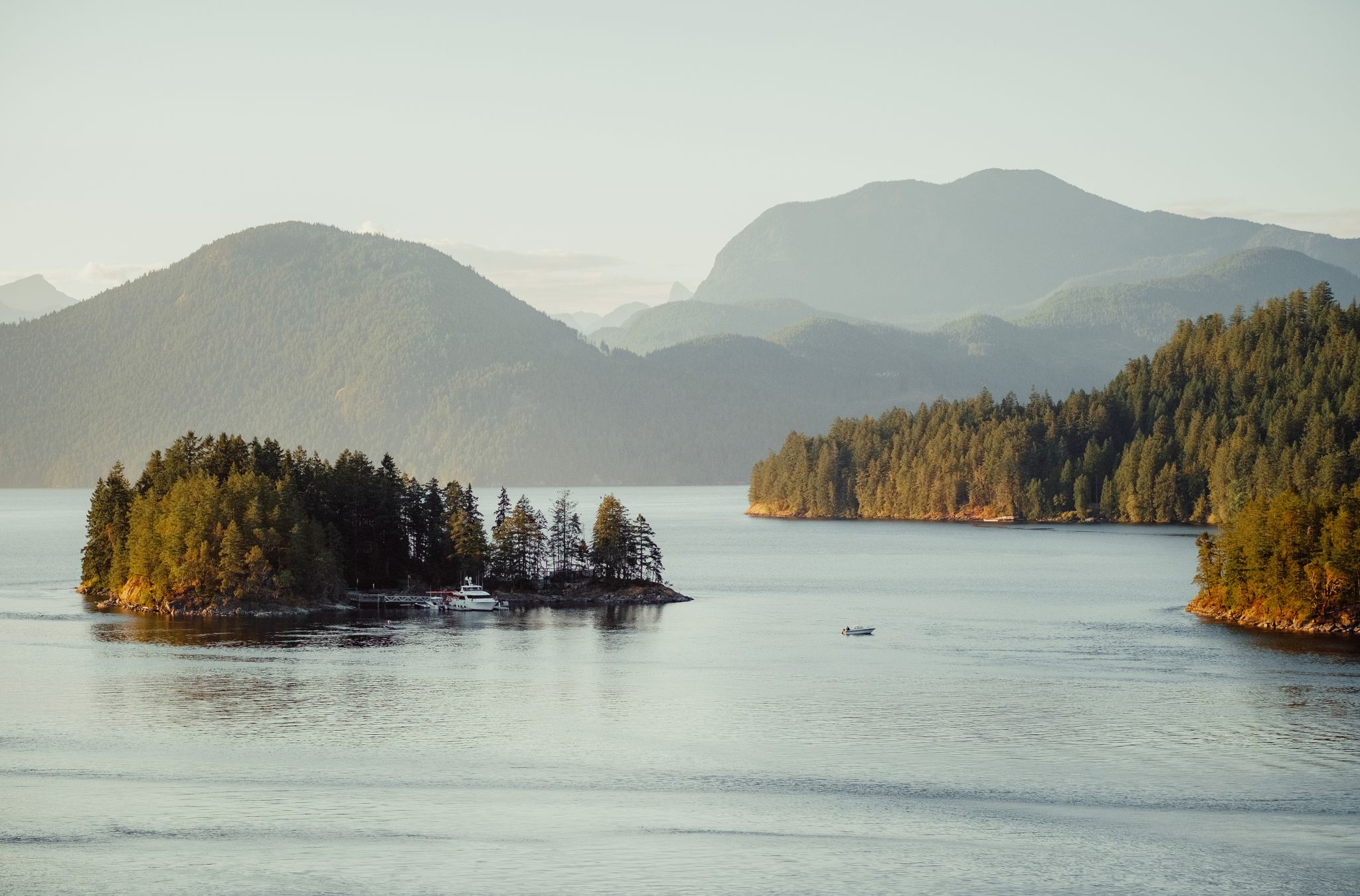
Pacific charm and peak happiness in British Columbia
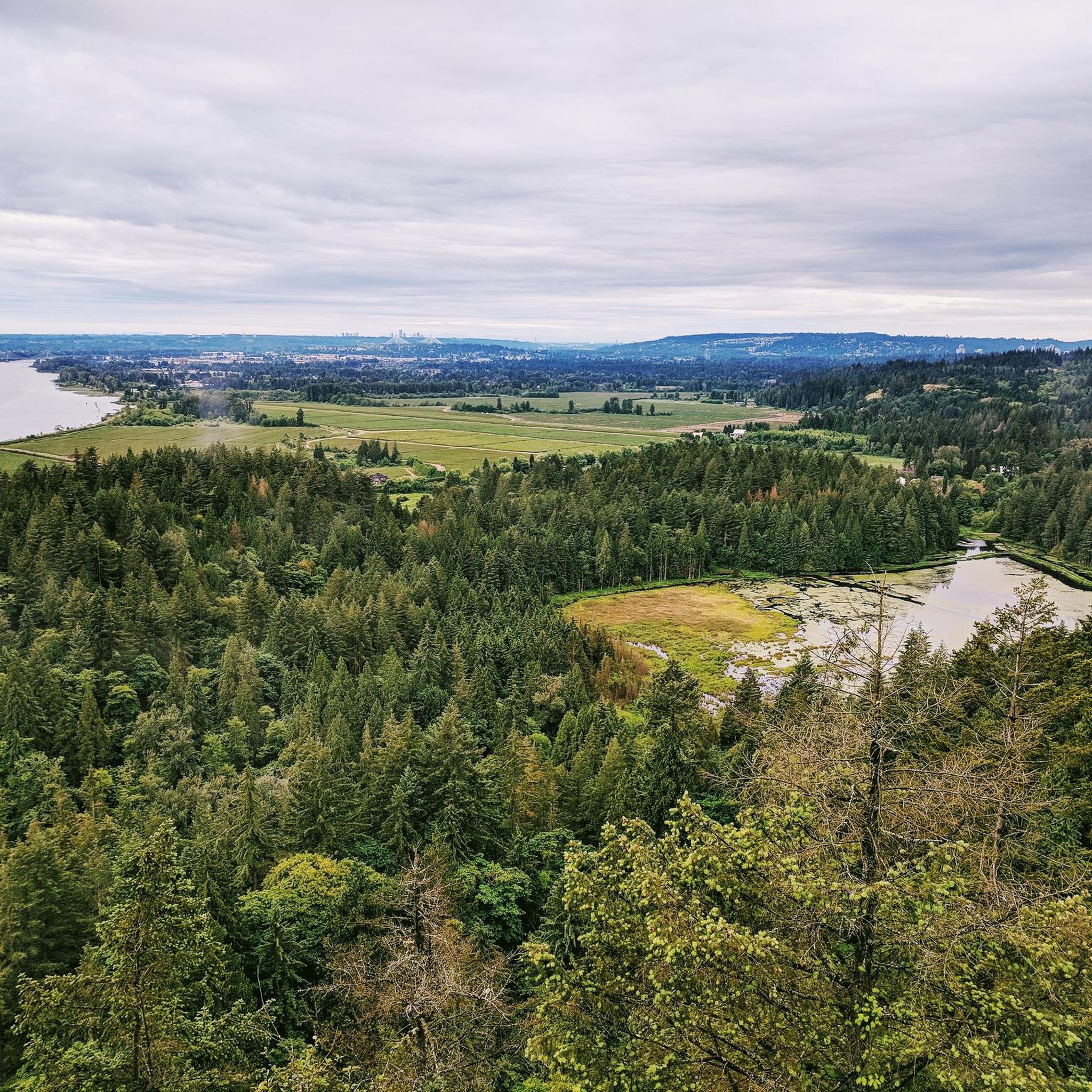
Hiking in Metro Vancouver Regional Parks
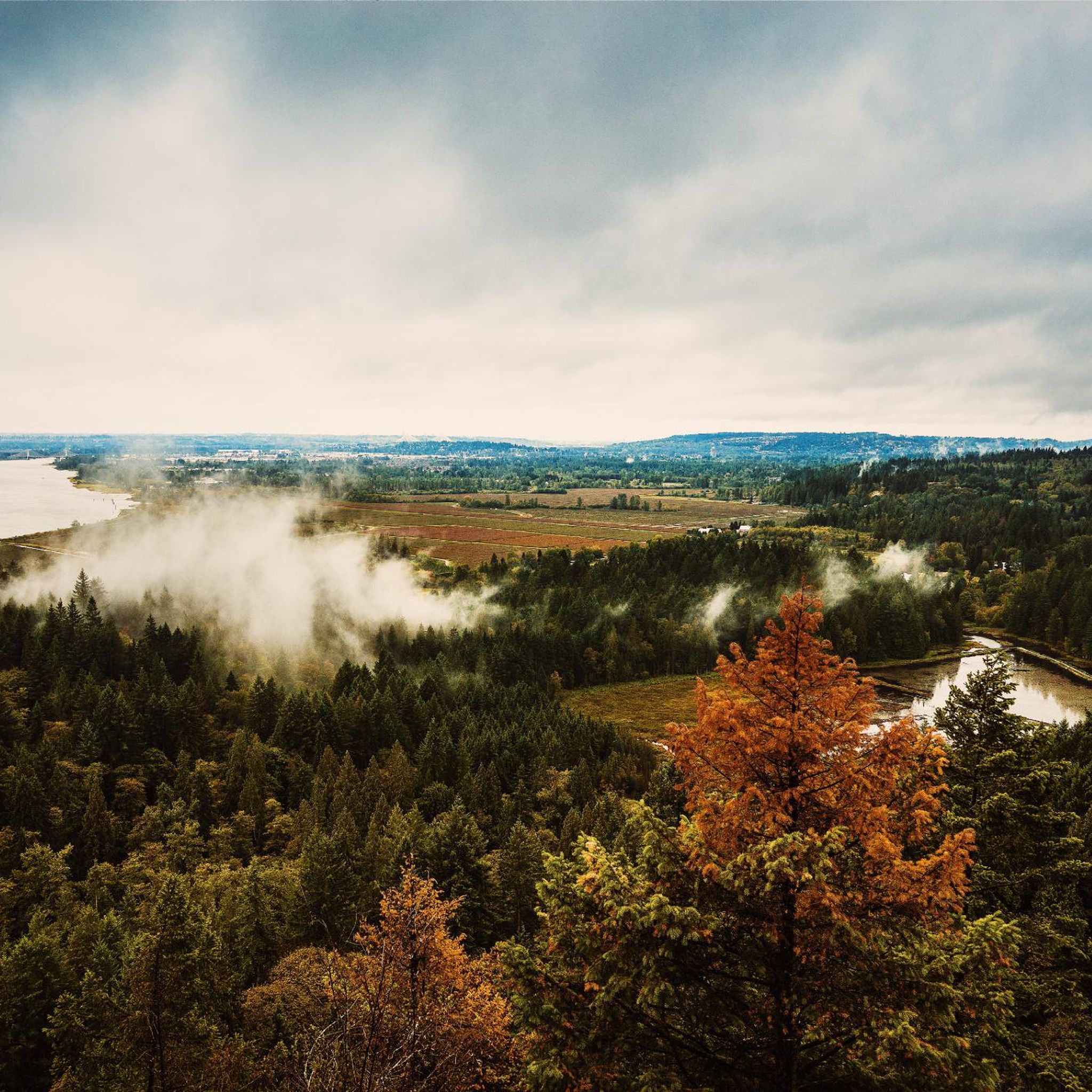
Road Cycling Routes in Metro Vancouver Regional Parks
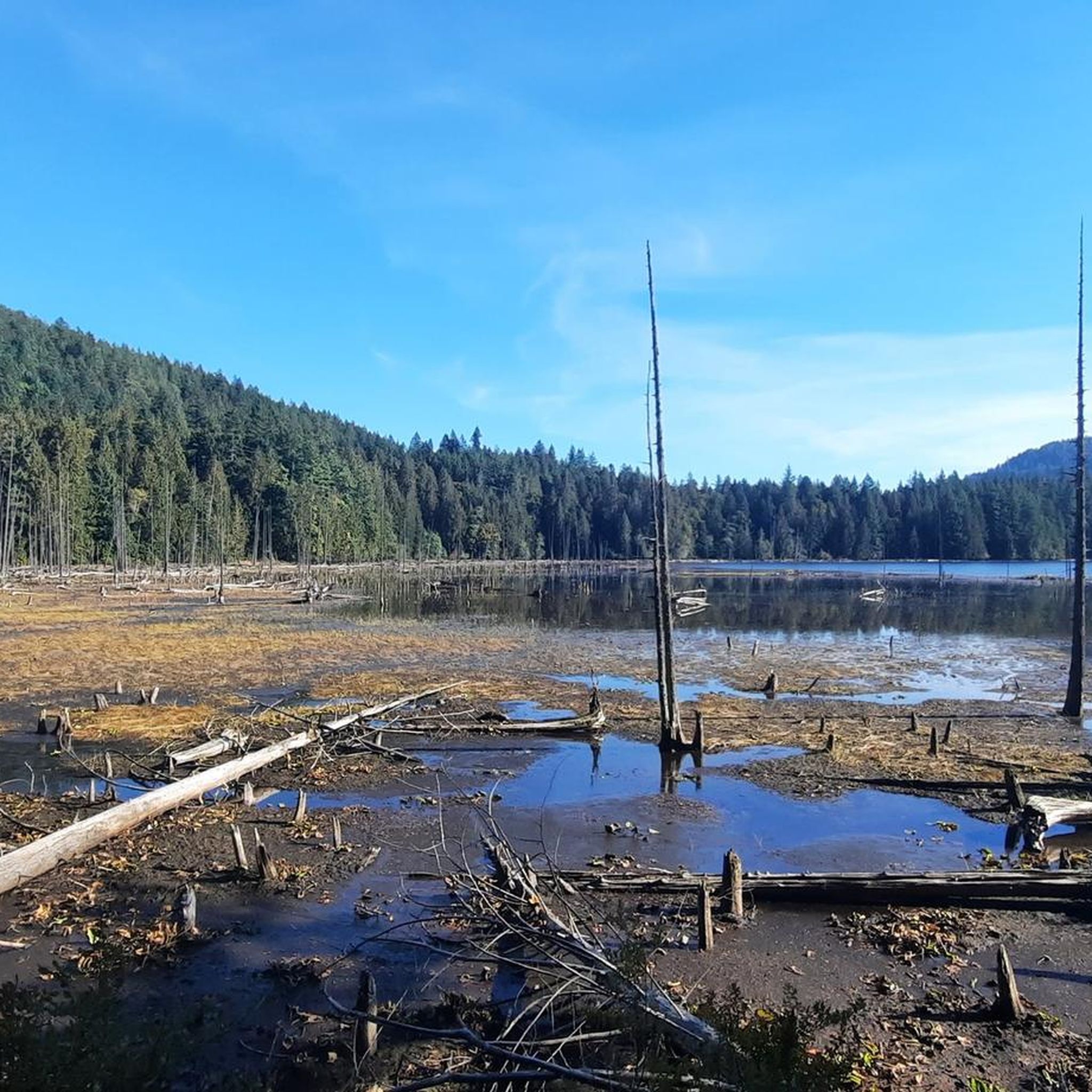
Cycling in Metro Vancouver Regional Parks
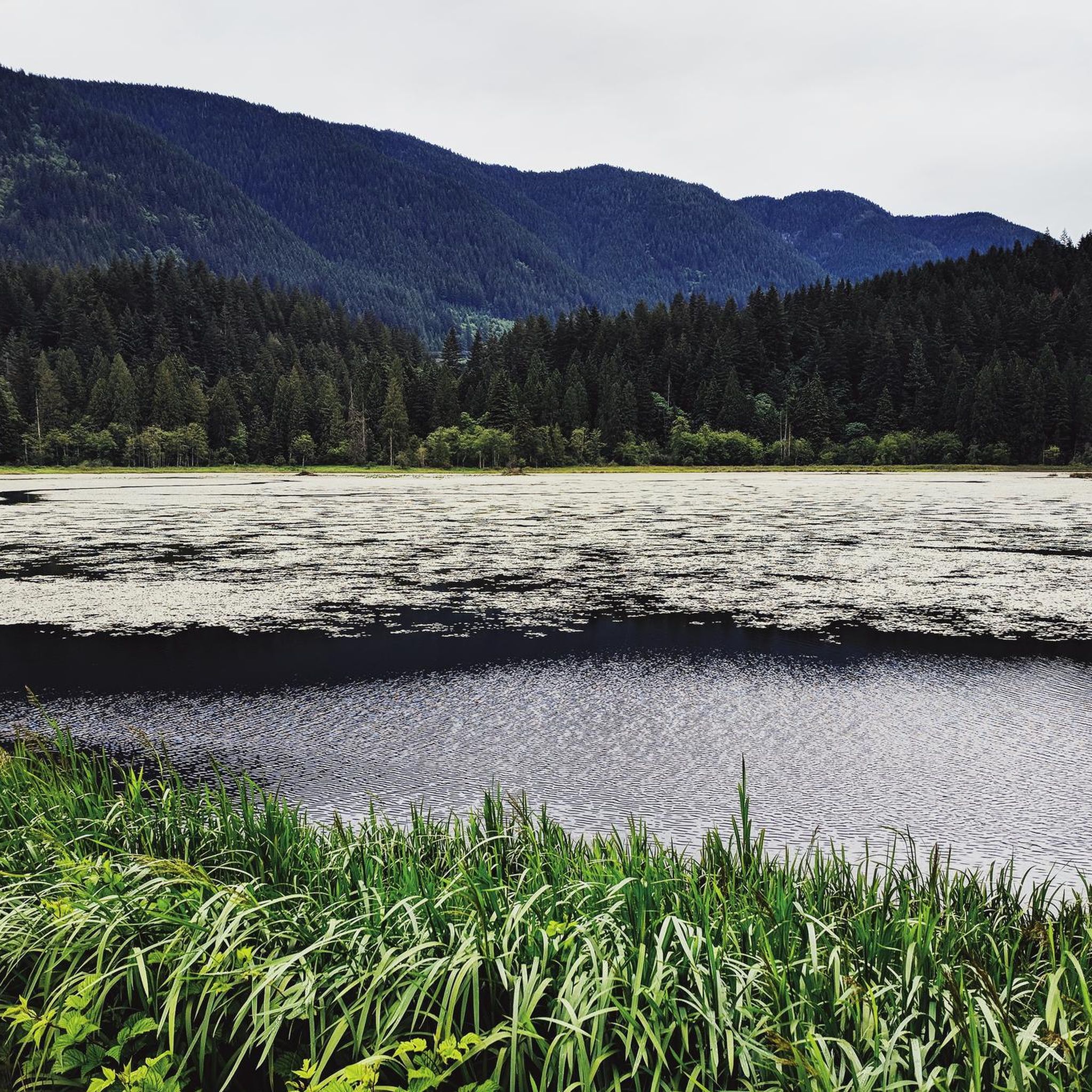
Running Trails in Metro Vancouver Regional Parks
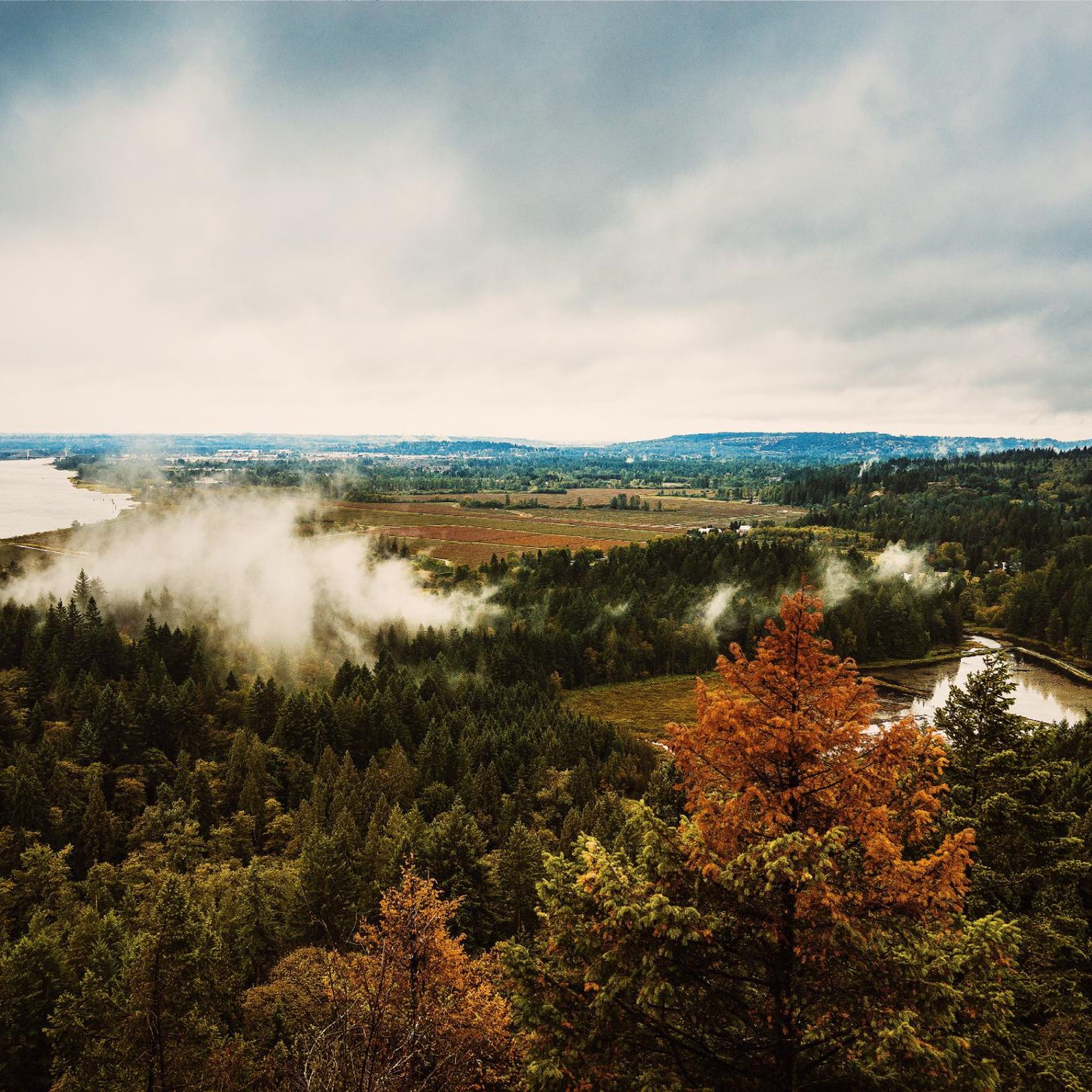
MTB Trails in Metro Vancouver Regional Parks

Gravel biking in Metro Vancouver Regional Parks
Other adventures in Metro Vancouver Regional Parks

Tips from the Community

The landmark sits near SW Marine Drive, along the western edge of the park, and it honors the historic 1808 journey of explorer Simon Fraser and John Stuart, who traveled the great Fraser River all the way to the Pacific Ocean. From the monument area, you can look out toward the North Arm of the Fraser River and take in views of the natural landscape.
0
0

Built in 1954, this dam holds back Capilano Lake. It has a pretty impressive 91-metre spillway and is responsible for a large portion of the Lower Mainland's drinking water. The dam is part of the Capilano River Regional Park.
0
0

To be clear, this is not the top of Grouse Mountain, but merely the furthest you can climb by bicycle on a paved road. Here, you'll find a parking lot, washrooms, a water dispenser, a coffee shop, and the base of the Skyride gondola. To get to the top of Grouse Mountain where the views and tourist attractions are, you'll need to either take a gondola ride, hike up the Grouse Grind Trail (https://komoot.com/smarttour/e1816863835), or hike the BCMC Trail (https://komoot.com/highlight/3718910). It is also possible to ride a bike to the top, not through here, but by taking Mountain Highway to the unpaved Grouse Mountain Highway.
0
0

The Seymour River Suspension Bridge was completed and opened in December 2018. This made it possible to walk the Fisherman's Trail (North) all the way through again. After the former Twin Bridges had to be demolished in 2014 following a rockslide and damming of the Seymour River, there was no longer a crossing at this point in the Lower Seymour Conservation Reserve. The Twin Bridges were originally built in 1908 to carry pipelines and were later supplemented by a parallel pedestrian bridge. Years later, the two bridges were combined to form one bridge. https://www.vancouvertrails.com/blog/seymour-river-suspension-bridge/
2
0

This pedestrian and bicycle bridge crosses the Seymour River and is part of the region's network of trails and roads. Opened in 2018, the bridge is a modern structure designed to improve access and connectivity to surrounding natural areas, such as Lower Seymour Conservation Reserve Regional Park and Inter River Park. As well as being an attractive spot for walkers and cyclists, the bridge offers panoramic views of the river and its natural surroundings.
1
0
Cleveland Dam has washrooms and a faucet for filling water bottles. The west side leads to gravel trails, including the Baden Powell Trail which is a popular shortcut when riding from Grouse Mountain to the British Properties and Cypress Bowl Rd.
0
0
Mt Seymour is the highest road cycling climb in Metro Vancouver. The gradient is more or less constant for the first 6 km, so settle into a sustainable pace and stick to it! The road goes through a forest, so views are limited. Also, don't expect any services at the top of the mountain during the off-season for skiing. Here is a video of the entire descent: https://youtube.com/watch?v=ZAyKYAK0xaw
0
0

Although Spanish seamen had noted the Fraser estuary in 1791, when Alexander Mackenzie reached the upper Fraser in 1793 on his way to the Pacific, he thought he was on the Columbia. Simon Fraser and John Stuart of the North West Company explored the river under the same misapprehension in 1808, realizing only when they reached the sea that two great river systems drained the north Pacific slope. Although the Fraser was not throughout its course a practical canoe route, the Hudson's Bay company integrated it into a new supply system when forced in 1848 to abandon the Columbia.
0
0
Frequently Asked Questions
What natural features can I explore in Metro Vancouver Regional Parks?
The regional parks offer a diverse range of natural features. You can experience towering fir and cedar trees and the powerful Capilano River at Capilano River Regional Park, or explore extensive forests, creeks, beaches, and the Camosun Bog, a freshwater wetland, in Pacific Spirit Regional Park. Other highlights include Sasamat Lake and White Pine Beach in Belcarra Regional Park, the crucial bird and turtle habitat at Burnaby Lake Regional Park, and the sandy beaches and tidal flats of Boundary Bay Regional Park.
Are there family-friendly attractions in Metro Vancouver Regional Parks?
Yes, many attractions are suitable for families. The Seymour River Suspension Bridge is a pedestrian and bicycle bridge offering panoramic views, and Cleveland Dam provides impressive views of the reservoir and surrounding panorama. Tynehead Regional Park features a salmon hatchery and picnic areas, while Burnaby Lake Regional Park has a butterfly garden and a viewing tower for bird and turtle watching. Sasamat Lake and White Pine Beach are also popular family destinations.
Where can I find impressive viewpoints in the regional parks?
For stunning vistas, consider visiting Grouse Mountain, which offers views overlooking Greater Vancouver. The Cleveland Dam provides a wonderful panorama of the reservoir. The Mount Seymour Road Climb, while challenging, rewards with views of Vancouver and the surrounding sound from its summit. Additionally, Iona Beach Regional Park offers expansive ocean views.
What cultural or historical sites are worth visiting in the regional parks?
The Camosun Bog within Pacific Spirit Regional Park holds cultural significance as a former source of food and trade for the Musqueam people. You can also learn about the salmon life cycle at the Tynehead salmon hatchery in Tynehead Regional Park and the fish fence and hatchery in Kanaka Creek Regional Park. Deas Island Regional Park contains heritage buildings that reflect the region's history.
Are there opportunities for hiking in Metro Vancouver Regional Parks?
Absolutely. The challenging 2.9-kilometer Grouse Grind trail on Grouse Mountain is a popular summer hiking destination. Capilano River Regional Park offers trails beneath towering fir and cedar trees. For easier options, you can explore routes like the Deas Island loop or the Cleveland Dam and Capilano Lake trail. Find more hiking options at Easy hikes in Metro Vancouver Regional Parks.
What about cycling or mountain biking in the regional parks?
The regional parks offer various cycling opportunities. The Tynehead Pedestrian Overpass is part of Surrey's Greenway Network and supports cycling. The Mount Seymour Road Climb provides a challenging road cycling experience. For mountain biking, Kanaka Creek Regional Park has a 10-kilometer trail, and you can find more routes at MTB Trails in Metro Vancouver Regional Parks.
Can I observe wildlife in Metro Vancouver Regional Parks?
Yes, the parks are excellent for wildlife viewing. Burnaby Lake Regional Park is a crucial habitat for turtles and birds, with a viewing tower at Piper Spit Walkway. Boundary Bay Regional Park and Iona Beach Regional Park are famous bird sanctuaries, offering opportunities for bird watching. You can also see salmon at the fish fences and hatcheries in Tynehead Regional Park and Kanaka Creek Regional Park. Deas Island Regional Park is home to one of the province's largest maternal bat colonies.
Are there any wheelchair-accessible paths or attractions?
The Tynehead Pedestrian Overpass is designed to support wheelchair access, linking to nature trails within Tynehead Regional Park. Many regional parks strive to offer accessible options, so it's advisable to check specific park information for detailed accessible routes.
When is the best time of year to visit Metro Vancouver Regional Parks?
The best time to visit depends on your desired activities. The Grouse Grind trail on Grouse Mountain is typically open for hiking from May to October. Summer is ideal for enjoying lakes like Sasamat Lake and beaches. However, the parks offer beauty year-round, with opportunities for quiet walks in forested areas even during cooler months. Some parks, like Minnekhada Regional Park, may offer specific winter activities.
What are some lesser-known spots or 'hidden gems' in the regional parks?
The Seymour River Suspension Bridge is considered a lesser-known suspension bridge on the North Shore, offering a unique outdoor experience. The Tynehead Pedestrian Overpass, with its light-based artwork, is also a distinctive feature. Exploring parks like Minnekhada Regional Park and Glen Valley Regional Park can reveal diverse landscapes and peaceful river vistas away from the busiest areas.
What facilities are available at popular attractions like Cleveland Dam?
The Cleveland Dam area, part of Capilano River Regional Park, includes facilities and offers impressive views. Tynehead Regional Park, accessible via the Tynehead Pedestrian Overpass, provides access to a salmon hatchery and picnic areas. Many regional parks are equipped with basic amenities like parking, restrooms, and picnic spots, enhancing the visitor experience.
Are there any challenging outdoor activities for experienced adventurers?
For those seeking a challenge, the 2.9-kilometer Grouse Grind trail on Grouse Mountain is a popular and demanding hike. The Mount Seymour Road Climb offers a quiet yet challenging road cycling experience with significant elevation gain. Mountain biking trails in parks like Kanaka Creek Regional Park also provide more strenuous options.
Most popular routes in Metro Vancouver Regional Parks
Most popular attractions in Metro Vancouver Regional Parks

Get inspired with the komoot mobile app


Explore more
Still not found the Highlight you’re looking for? See guides of the top attractions in other regions:
