Top 20 Natural Monuments in El Teide
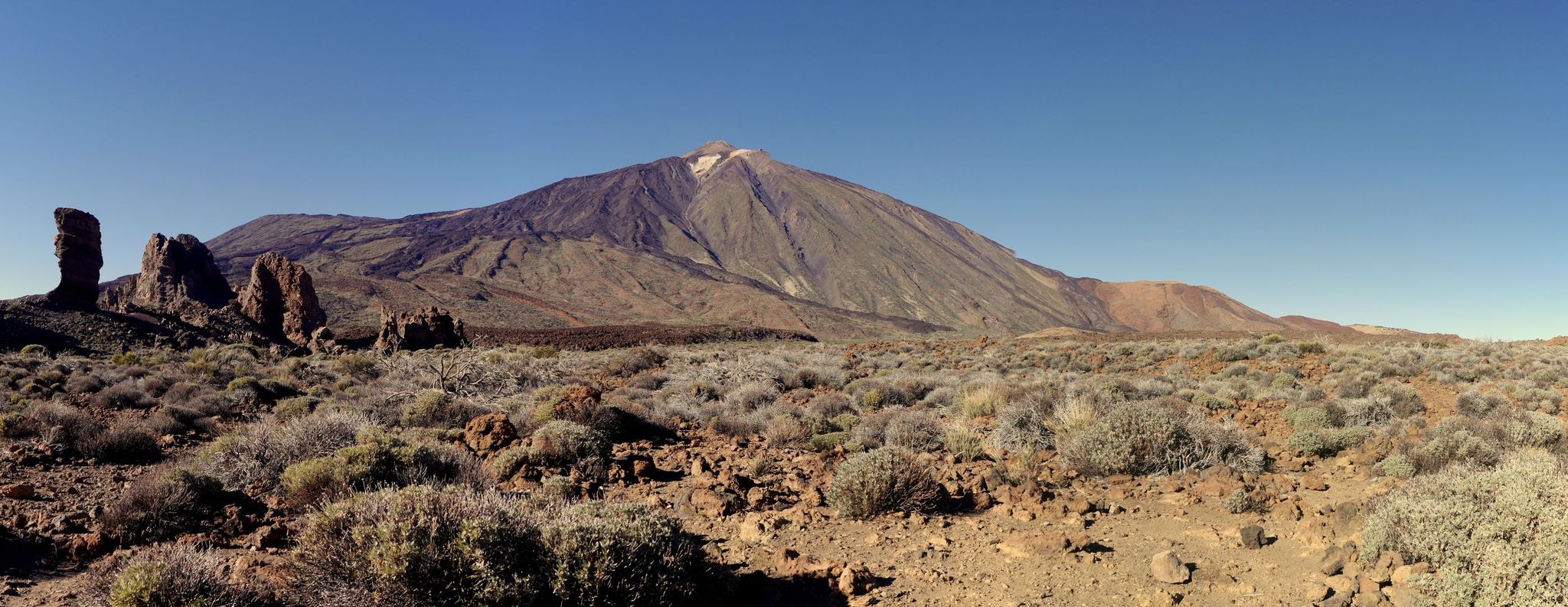
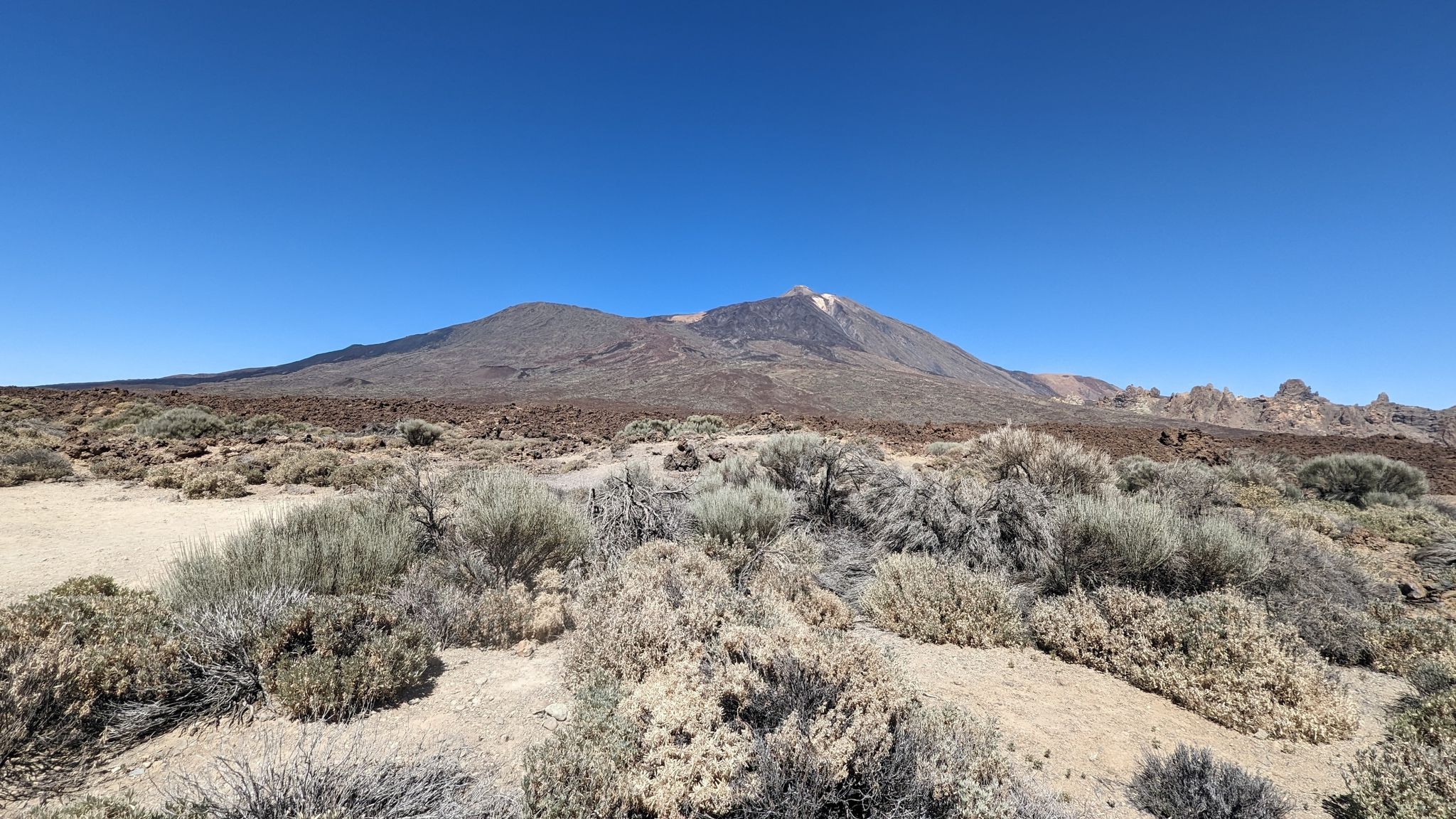
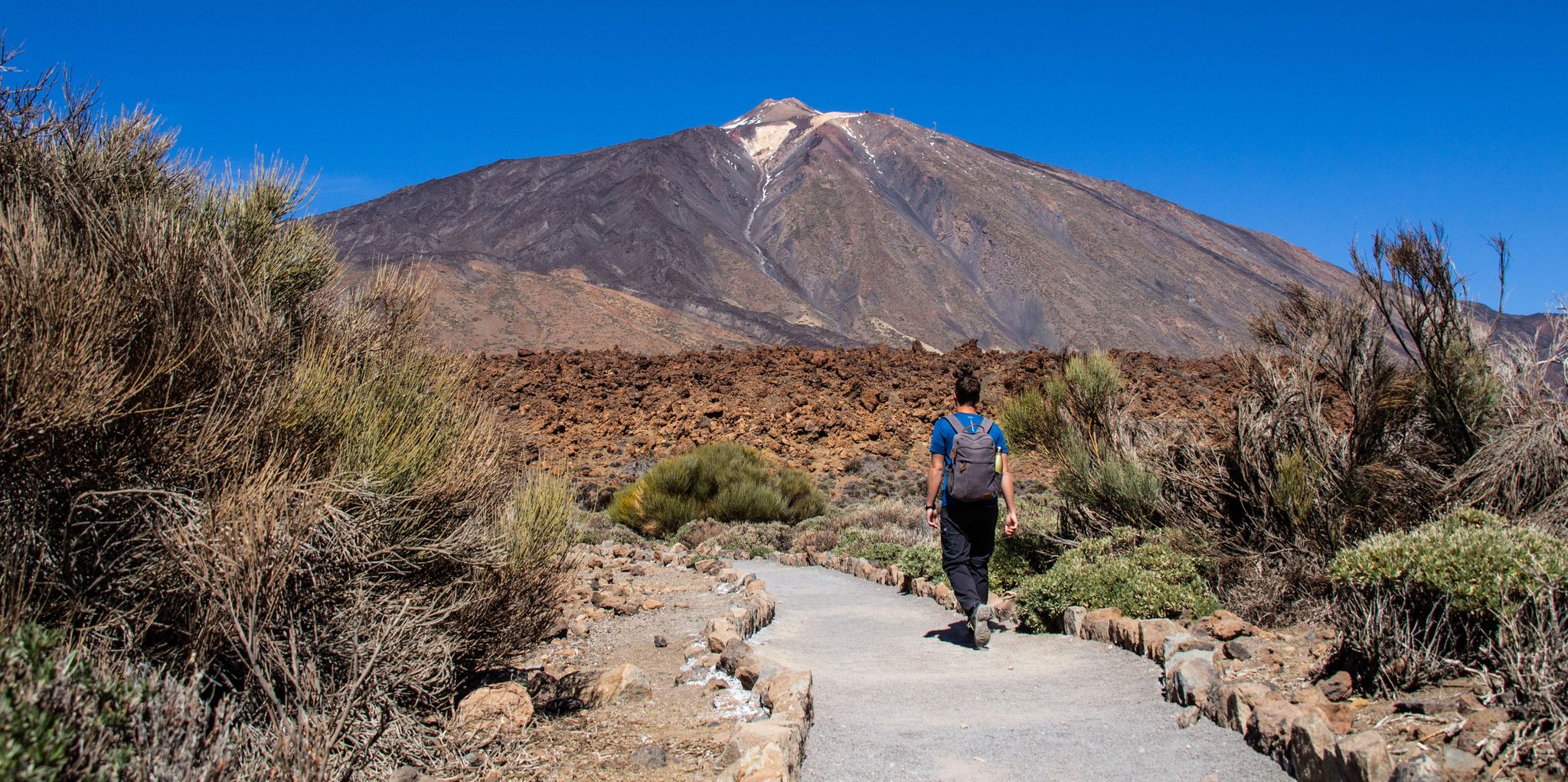
Best natural monuments in El Teide National Park showcase a diverse volcanic landscape with unique rock formations and significant geological structures. This UNESCO World Heritage Site features a "lunar-like" terrain, vast calderas, and solidified lava flows. The park's geological features are considered globally unique, representing a complex volcanic system. It offers a range of natural features for exploration.
Best natural monuments in El Teide
- The most popular natural monuments is Roque Cinchado, a natural monument known as the "finger…
Last updated: June 26, 2026
Roque Cinchado
Highlight • Natural Monument
Translated by Google •
Tip by

El Burro
Highlight • Natural Monument
Translated by Google •
Tip by

Sign up now to discover places like this
Get recommendations on the best single tracks, peaks, & plenty of other exciting outdoor places.
Sign up for free
Placas de Guillermo
Highlight • Natural Monument
Translated by Google •
Tip by

Guajara
Highlight • Summit
Tip by

La Catedral, Teide National Park
Highlight • Natural Monument
Translated by Google •
Tip by

Sign up for free to discover even more natural monuments in El Teide.
Sign up for free
Already have an account?
Start today with a free account
Your next adventure awaits.
Login or Signup
Popular around El Teide
The giant of Tenerife — around Teide by road bike
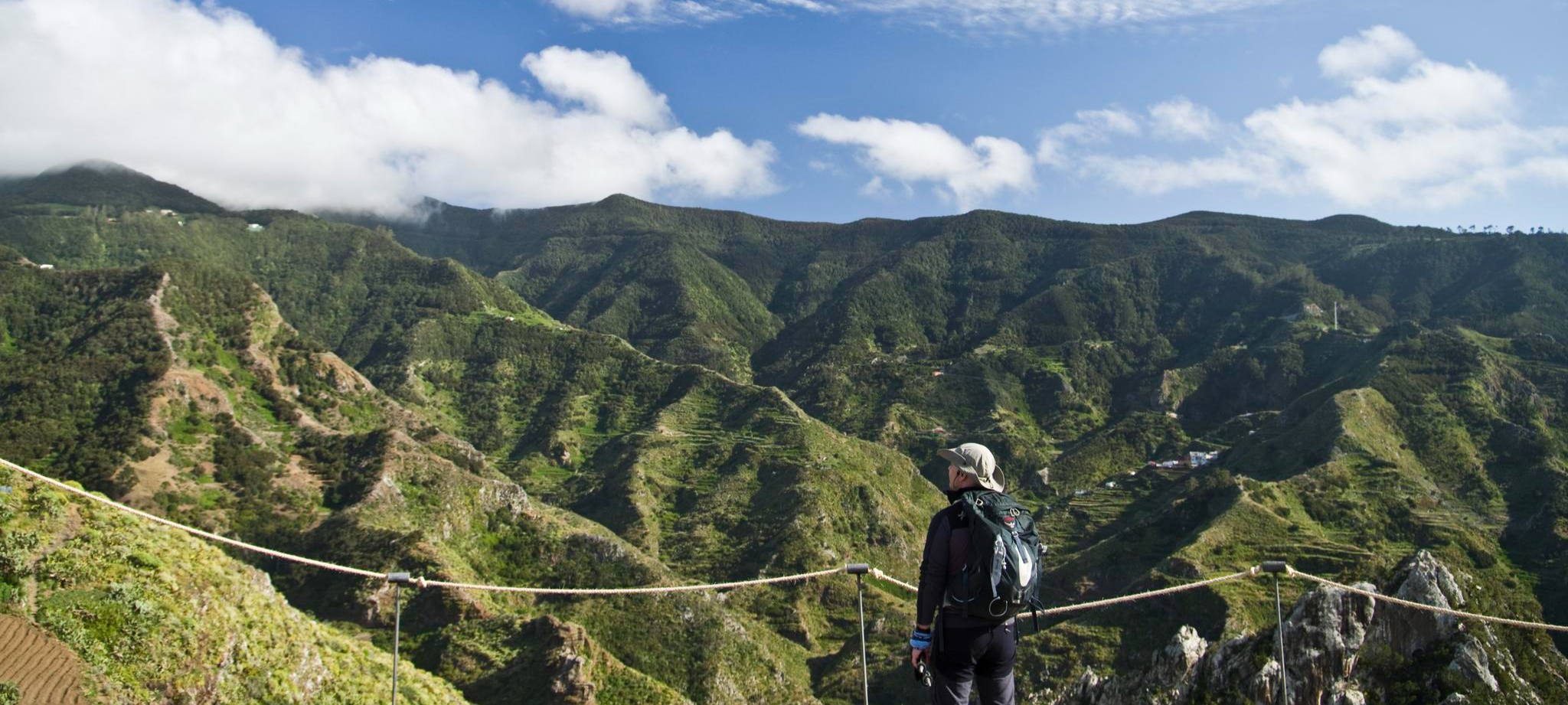
The green heart of Tenerife – Natural Path of Anaga-Chasna
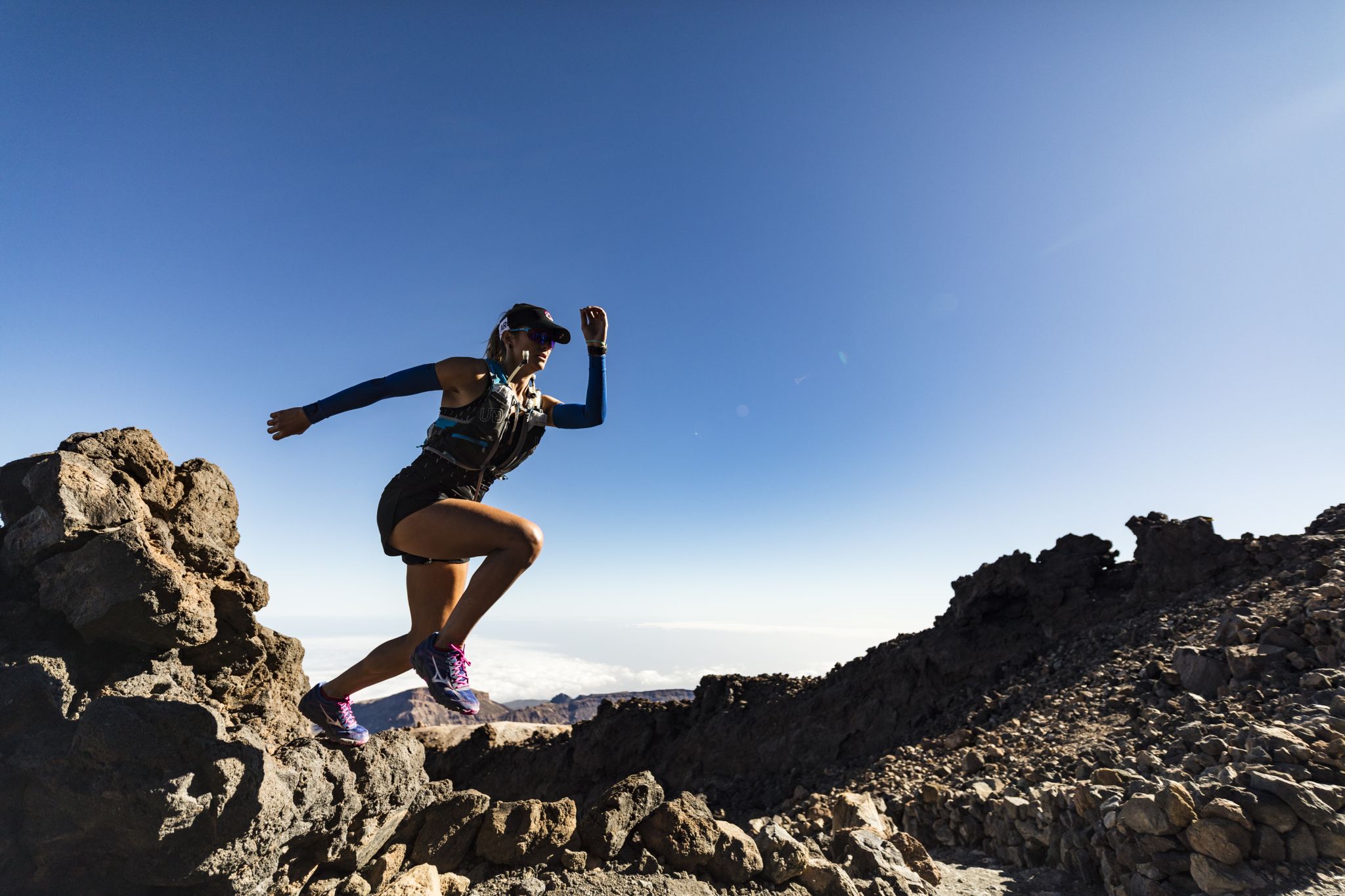
Trail running in Tenerife – dreamy routes between sea and mountain
Tenerife's interior – discover fascinating hiking routes
Six fascinating ways to discover the Canary Islands on foot
Volcanoes, lava and forests – running in Tenerife
Tenerife from north to south – Camino Natural de Anaga-Chasna
Laurel forest to Caldera – hike the Tenerife GR 131 in 5 days
Adventuring in Tenerife — six hiking Tours for every taste
From volcanic peaks to pristine beaches – A hiking paradise in Tenerife
Other adventures in El Teide


Tips from the Community

Stunning, spectacular views of the surrounding nature. A visit is highly recommended and very interesting.
1
0


The short circular hike of Sendero 3 leads around the Los Roques rock formations with the famous Roque Cinchado. The path initially runs through flat terrain along the spectacular rock towers. This is followed by the descent into the Llano de Ucanca sedimentary plain, which leads alongside an impressive tongue of lava that has solidified as if it were a waterfall. At the foot of the bizarre lava formations, the path leads to the volcanic vent La Catedral and back up to the starting point.
2
0
An easy and highly recommended circular hike around one of the most impressive rock formations in the Teide National Park. The special feature lies in the variety of volcanic manifestations that can be observed here in their different colors and shapes. A NOTICE: Crowds of tourists often move between the Mirador de la Ruleta and the Roque Cinchado. However, the crowds quickly disperse as hardly anyone goes on the hike. So don't let that put you off! Refreshments available in the Parador National cafeteria, opposite the viewing point.
5
1

One of the grandiose rocks of the Roques de Garcia
5
0

Very nice hike around the rock group Roques de Garcia. The mosquitoes present themselves to the viewer in different "design" and color. Each wonderful in their own way.
7
1
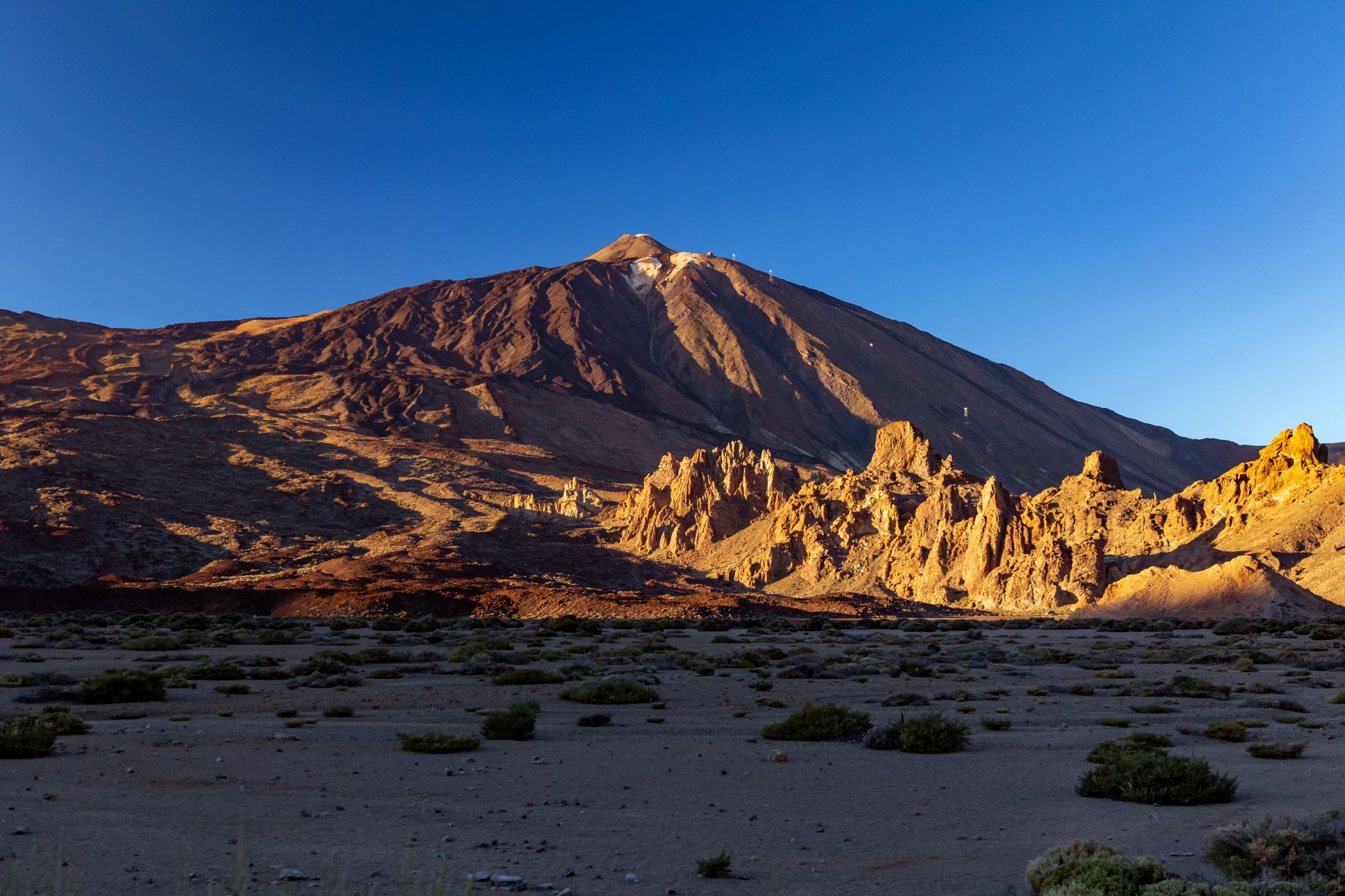
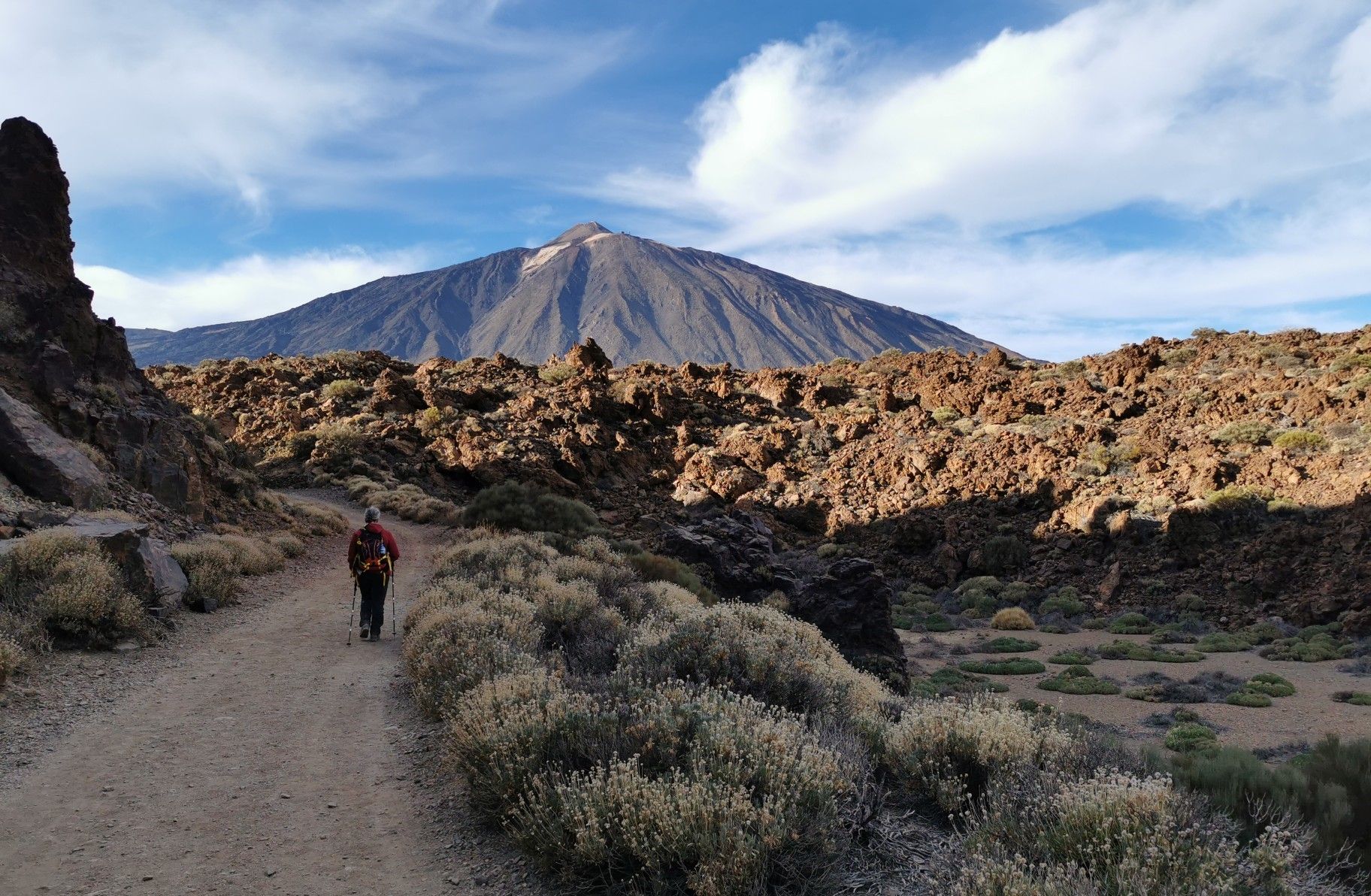
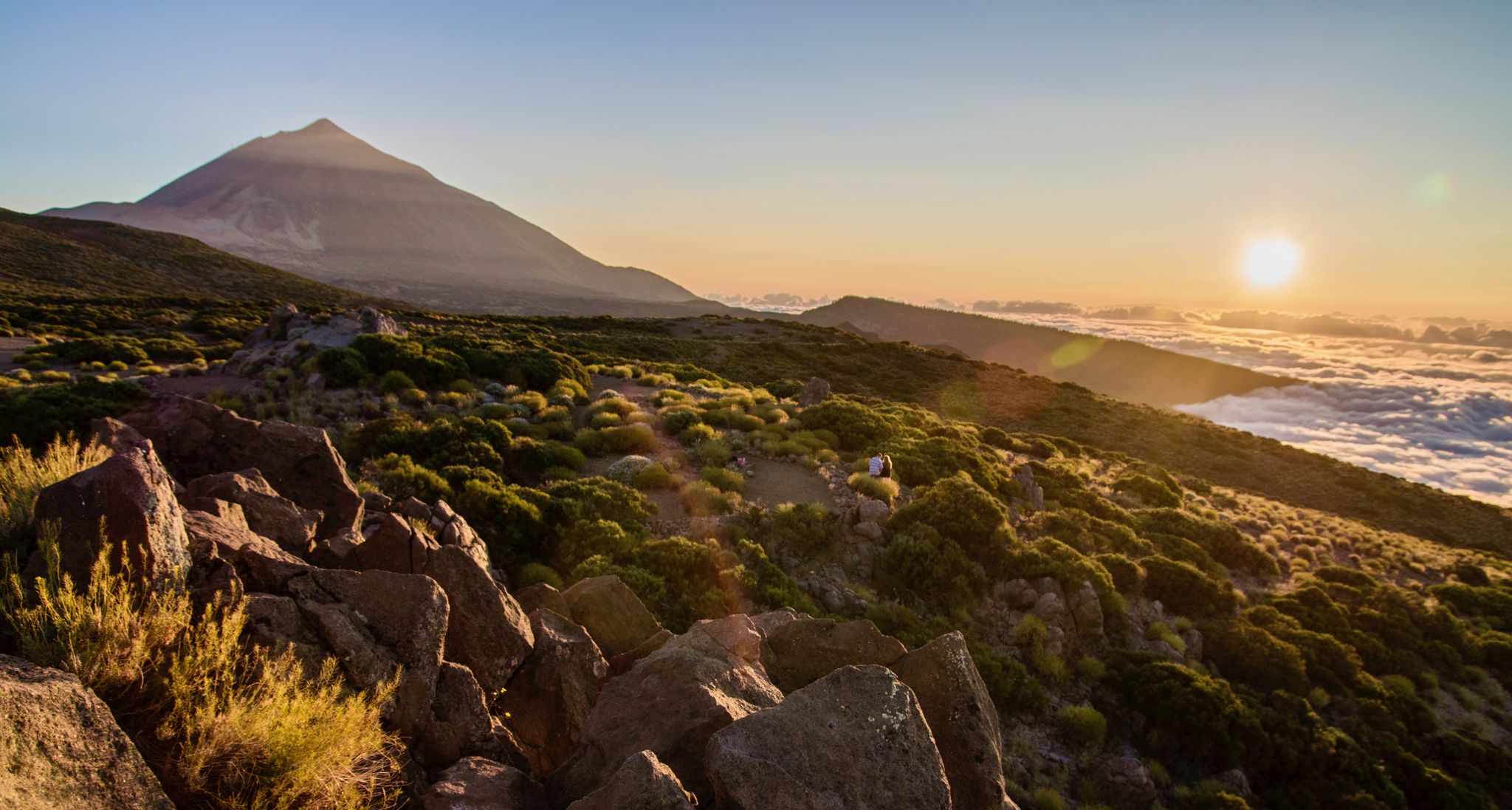
From the Roques de Garcia you can see the Teide from below
9
0

Since this tour is very popular, you should start it as early as possible.
7
0
Frequently Asked Questions
What unique geological formations can I see among El Teide's natural monuments?
El Teide National Park is renowned for its diverse volcanic landscape. You can explore iconic formations like Roque Cinchado, often called the "finger of God," which is a prominent part of the Roques de García. Another notable formation within the Roques de García is La Catedral. Additionally, Placas de Guillermo offers a unique landscape with distinct rock formations and views of Mount Teide.
Are there any natural monuments in El Teide that are particularly family-friendly?
Yes, several natural monuments in El Teide are suitable for families. Roque Cinchado and the wider Roques de García area are easily accessible, with some paths even suitable for wheelchairs and prams. El Burro is another family-friendly natural monument offering impressive views. The circular route at Placas de Guillermo is also considered suitable for families and can be enjoyed in sneakers.
What are some popular hiking routes to explore the natural monuments in El Teide?
You can find various hiking routes to explore the natural monuments. For example, a moderate route like the "Teide National Park – Roque de García loop from Roque Cinchado" covers about 4.6 km and allows you to see several formations. For easier options, consider routes from the Easy hikes in El Teide guide, such as the "Trail PNT 13: Sámara loop" (around 4.9 km) which offers views of the volcanic landscape.
What is the best time of year to visit the natural monuments in El Teide?
The best time to visit El Teide National Park generally depends on your preferences. Spring (April-May) and autumn (September-October) offer pleasant temperatures for hiking and fewer crowds. Winter can bring snow to higher elevations, creating a stunning contrast, but some trails might be closed. Summer is popular but can be very hot, especially at lower altitudes, so early morning visits are recommended.
Are there any historical sites associated with the natural monuments in El Teide?
Yes, Guajara, standing at 2,715 meters, is not only a natural monument but also holds historical significance. It was the site of the world's first high-mountain observatory, and you can still see the ruins at its summit. From Guajara, you get magnificent panoramic views over the caldera, Pico del Teide, and neighboring islands.
What kind of views can I expect from the natural monuments in El Teide?
The natural monuments in El Teide offer breathtaking and diverse views. From Roque Cinchado, you'll get iconic shots with Mount Teide as a backdrop. Guajara provides expansive panoramic views of the caldera, Pico del Teide, and even other islands like El Hierro, Gran Canaria, and La Gomera. Many viewpoints throughout the park showcase the unique "lunar-like" volcanic terrain and solidified lava flows.
What outdoor activities can I do near these natural monuments?
Beyond exploring the natural monuments themselves, El Teide National Park offers a range of outdoor activities. You can find numerous mountain hikes, including challenging routes like the "Huevos del Teide – View of Mount Teide loop." Cycling is also popular, with routes like the "Teide National Park Loop" available in the Cycling in El Teide guide. There are also many easy hikes for a more relaxed experience.
Is El Teide National Park a UNESCO World Heritage Site?
Yes, El Teide National Park is a designated UNESCO World Heritage Site. It was inscribed for its outstanding universal value, particularly its unique volcanic landscape and significant geological structures. You can learn more about its designation on the UNESCO website.
What should I pack for a visit to the natural monuments in El Teide?
Given the high altitude and varying conditions, it's advisable to pack layers of clothing, even in summer, as temperatures can drop quickly. Essential items include sturdy hiking shoes, sun protection (hat, sunglasses, high SPF sunscreen), and plenty of water. If you plan to hike, a map or GPS device is also recommended. In winter, warmer clothing and waterproofs are essential.
Are there any less crowded natural monuments to visit in El Teide?
While popular sites like Roque Cinchado can attract crowds, exploring areas slightly off the main tourist paths or visiting early in the morning or late in the afternoon can offer a more tranquil experience. The vastness of the park means you can often find quieter spots, especially on longer hiking trails. Consider exploring some of the less-frequented viewpoints or trails within the Roques de García area away from the main parking.
What do visitors enjoy most about the natural monuments in El Teide?
Visitors consistently praise the unique and otherworldly landscapes, often described as "lunar-like" or "Martian." The dramatic rock formations, the panoramic views of Mount Teide, and the sense of being in a truly special geological environment are frequently highlighted. The opportunity for stunning photography and the variety of hiking experiences, from easy walks to challenging ascents, also contribute to a highly positive visitor experience.
Can I find circular walks around the natural monuments?
Yes, there are several circular walks that allow you to fully appreciate the natural monuments. For instance, Placas de Guillermo offers a very nice circular route. The Roques de García also feature a popular circular hike that takes you around the impressive rock formations, providing different perspectives of the landscape and Mount Teide.
Most popular routes in El Teide
Most popular attractions in El Teide

Get inspired with the komoot mobile app


Explore more
Extend your search for the best caves by checking out these guides of the top ones in El Teide:
