Don Edwards San Francisco Bay National Wildlife Refuge
Don Edwards San Francisco Bay National Wildlife Refuge
Top 8 Lakes in Don Edwards San Francisco Bay National Wildlife Refuge
Best lakes in Don Edwards San Francisco Bay National Wildlife Refuge are primarily former industrial salt evaporation ponds, now integral to the refuge's ecosystem. This area features an extensive network of salt ponds, tidal marshes, and mudflats. These "lakes" play a critical role in supporting diverse wildlife and are part of a large-scale restoration project. The refuge is known for its unique features and significant ecological importance.
Best lakes in Don Edwards San Francisco Bay National Wildlife Refuge
- The most…
Last updated: October 12, 2026
San Francisco Bay Trail
Highlight (Segment) • Trail
Tip by

Bayfront Salt Marsh
Highlight (Segment) • Natural
Tip by
Sign up now to discover places like this
Get recommendations on the best single tracks, peaks, & plenty of other exciting outdoor places.
Former salt ponds – Alviso wetlands
Highlight • Natural
Tip by

Coyote Creek Lagoon of Don Edwards wetlands
Highlight (Segment) • Lake
Tip by

Bayview Trail Observation Deck
Highlight • Viewpoint
Tip by

Sign up for free to discover even more lakes in Don Edwards San Francisco Bay National Wildlife Refuge.
Already have an account?
Start today with a free account
Your next adventure awaits.
Popular around Don Edwards San Francisco Bay National Wildlife Refuge
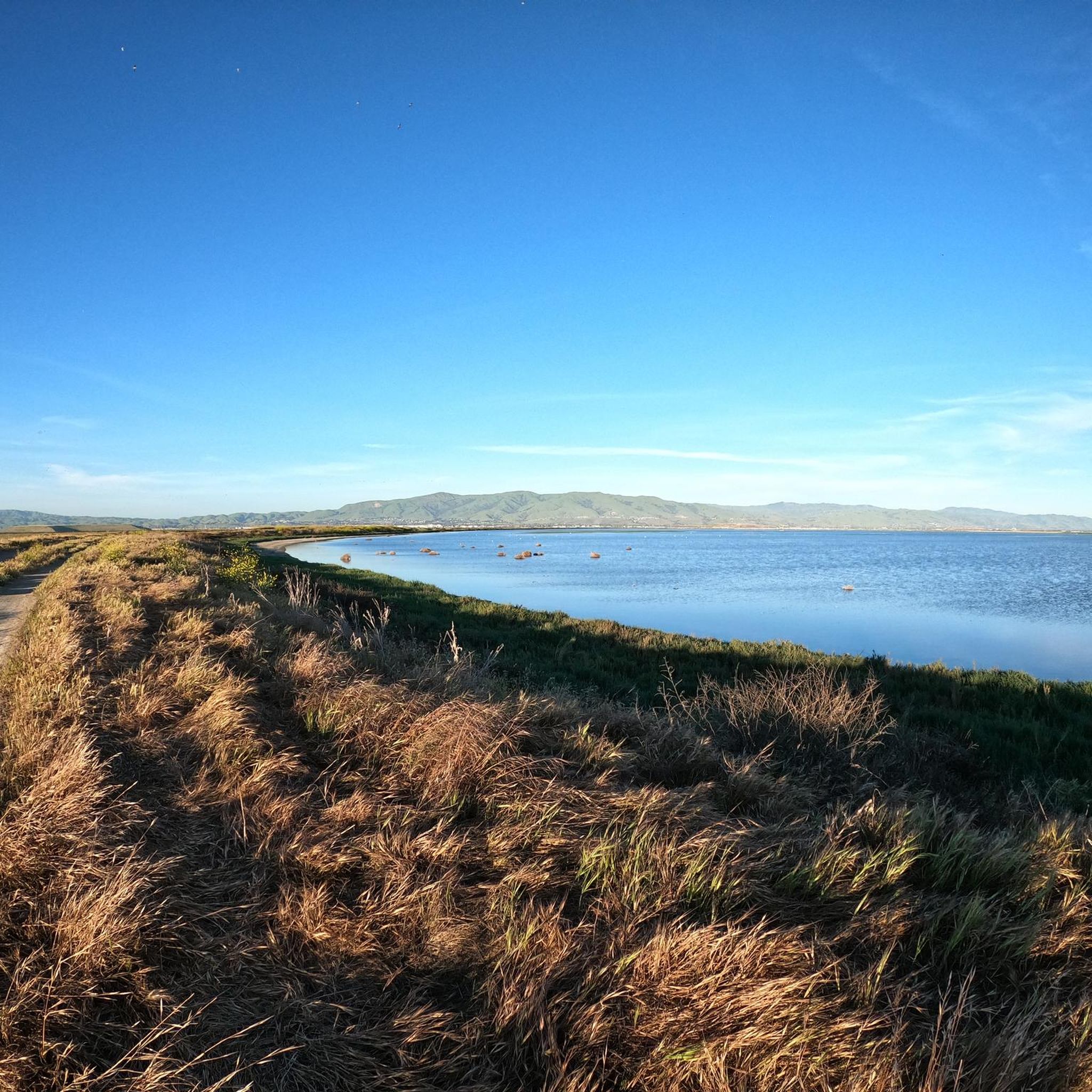
Running Trails in Don Edwards San Francisco Bay National Wildlife Refuge
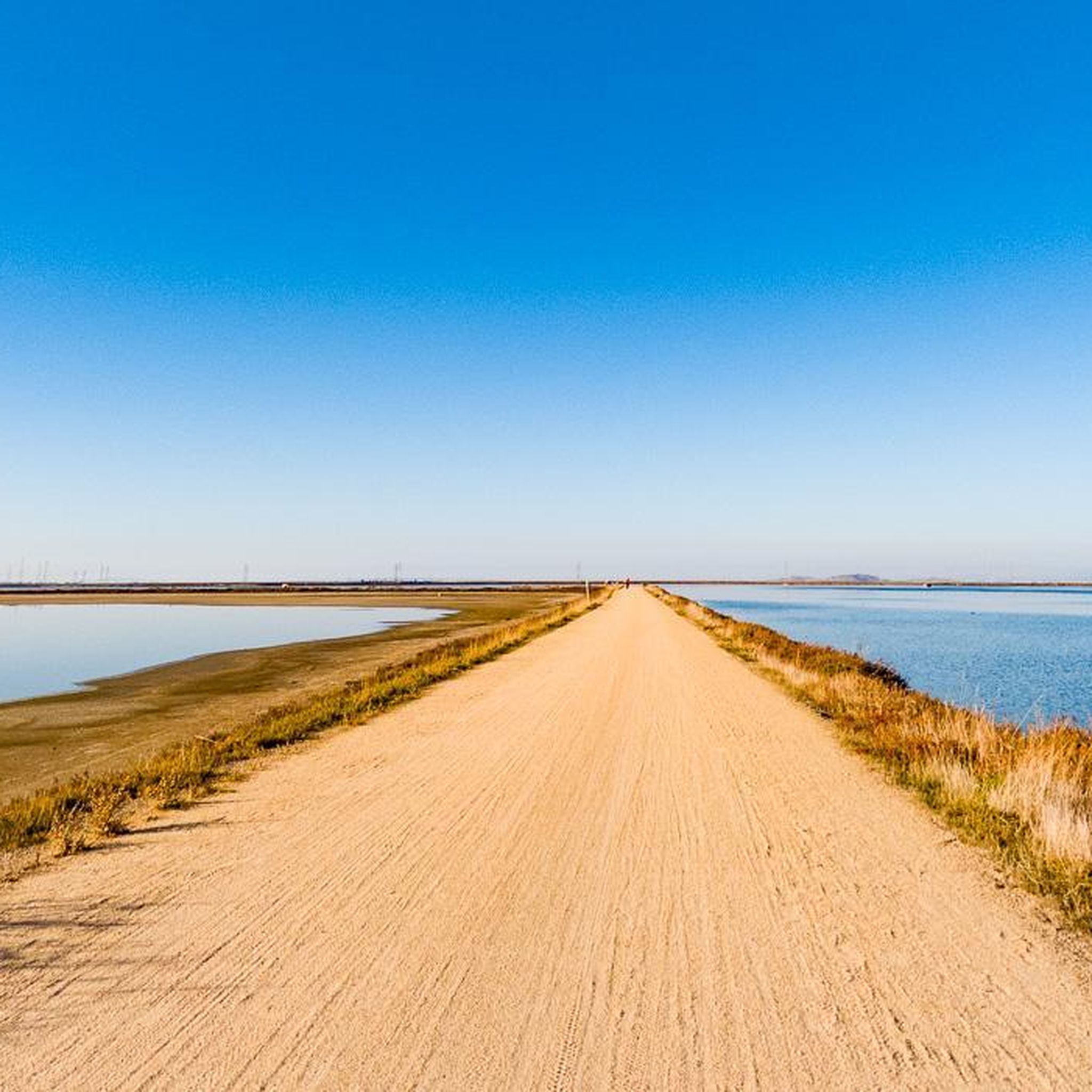
Hiking in Don Edwards San Francisco Bay National Wildlife Refuge
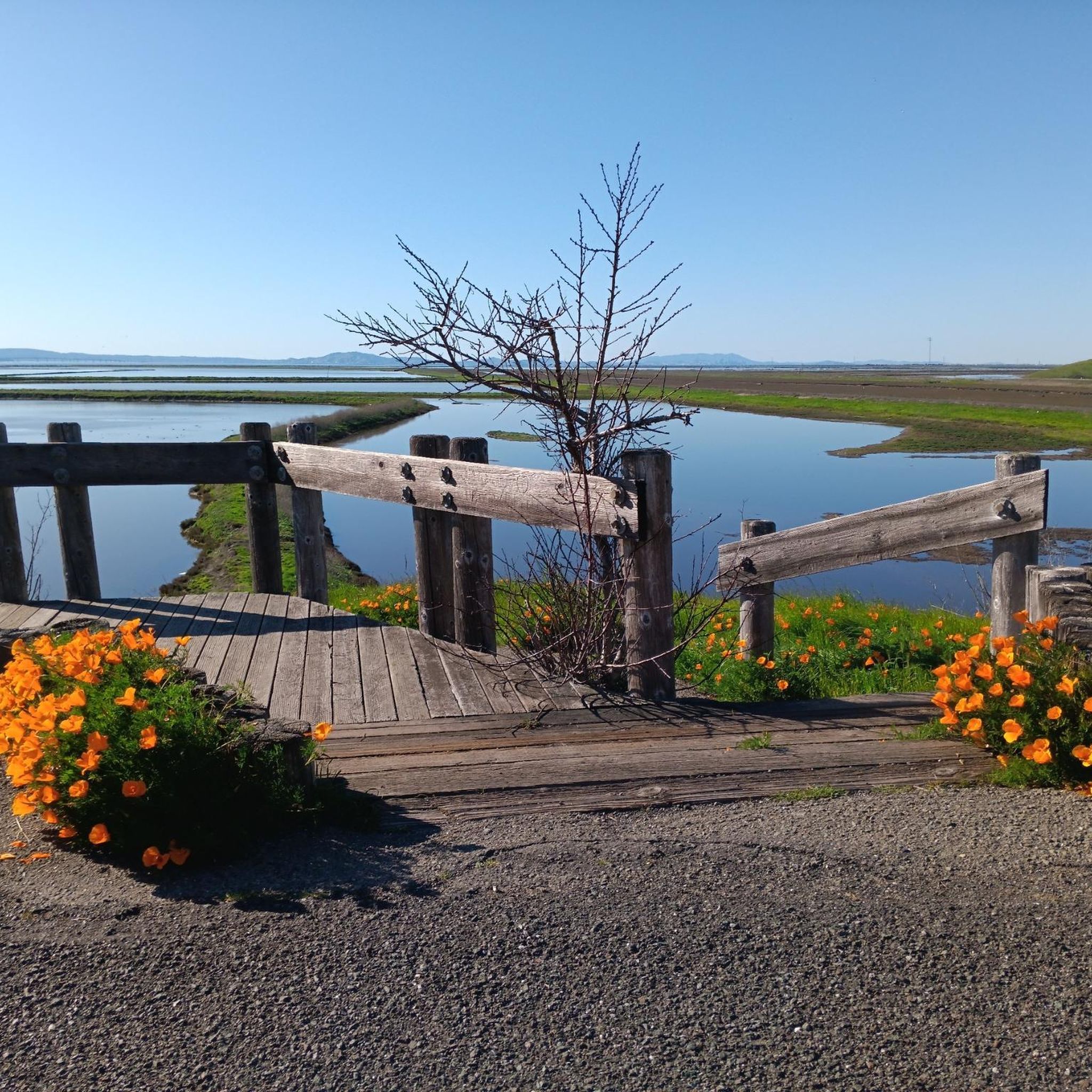
Cycling in Don Edwards San Francisco Bay National Wildlife Refuge
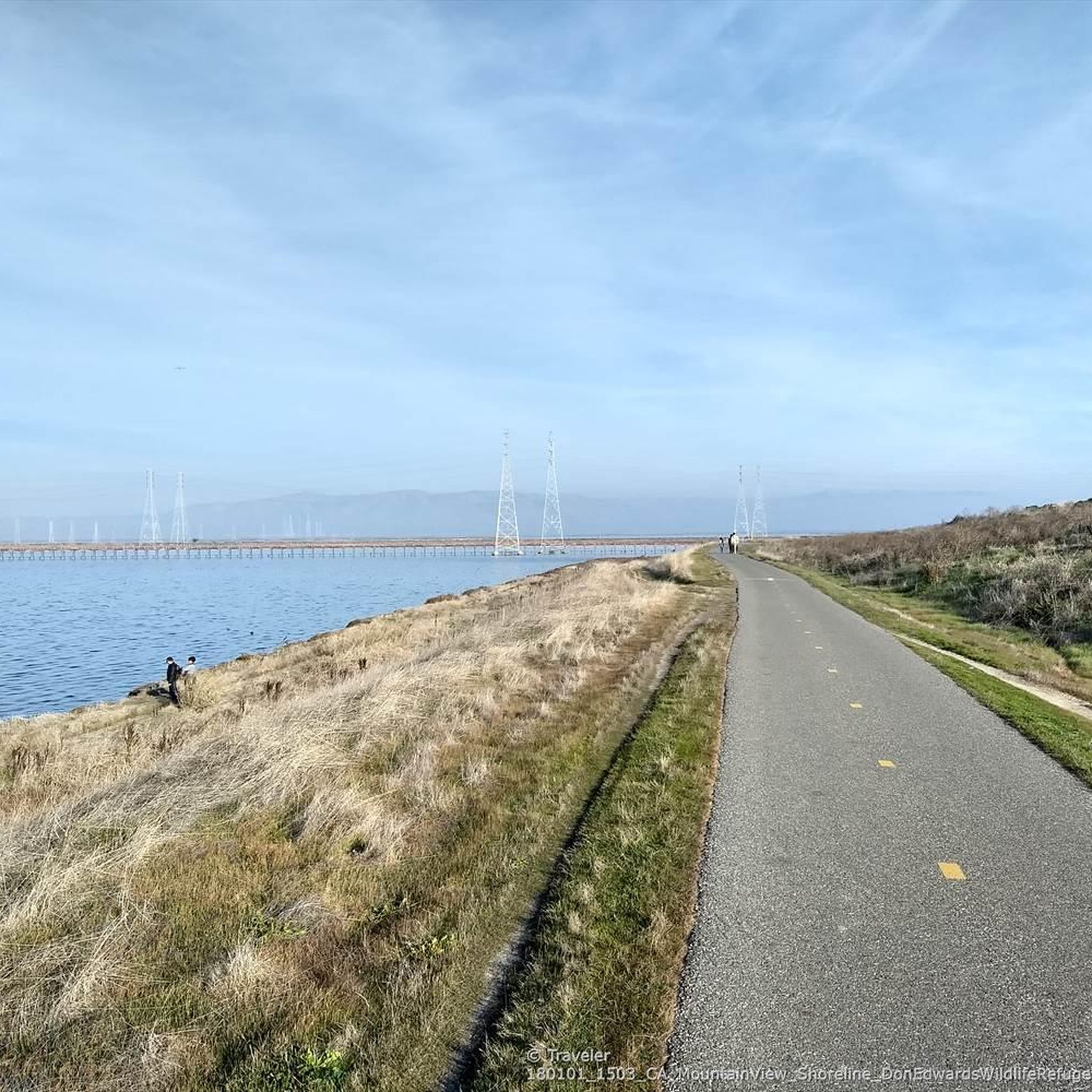
Road Cycling Routes in Don Edwards San Francisco Bay National Wildlife Refuge
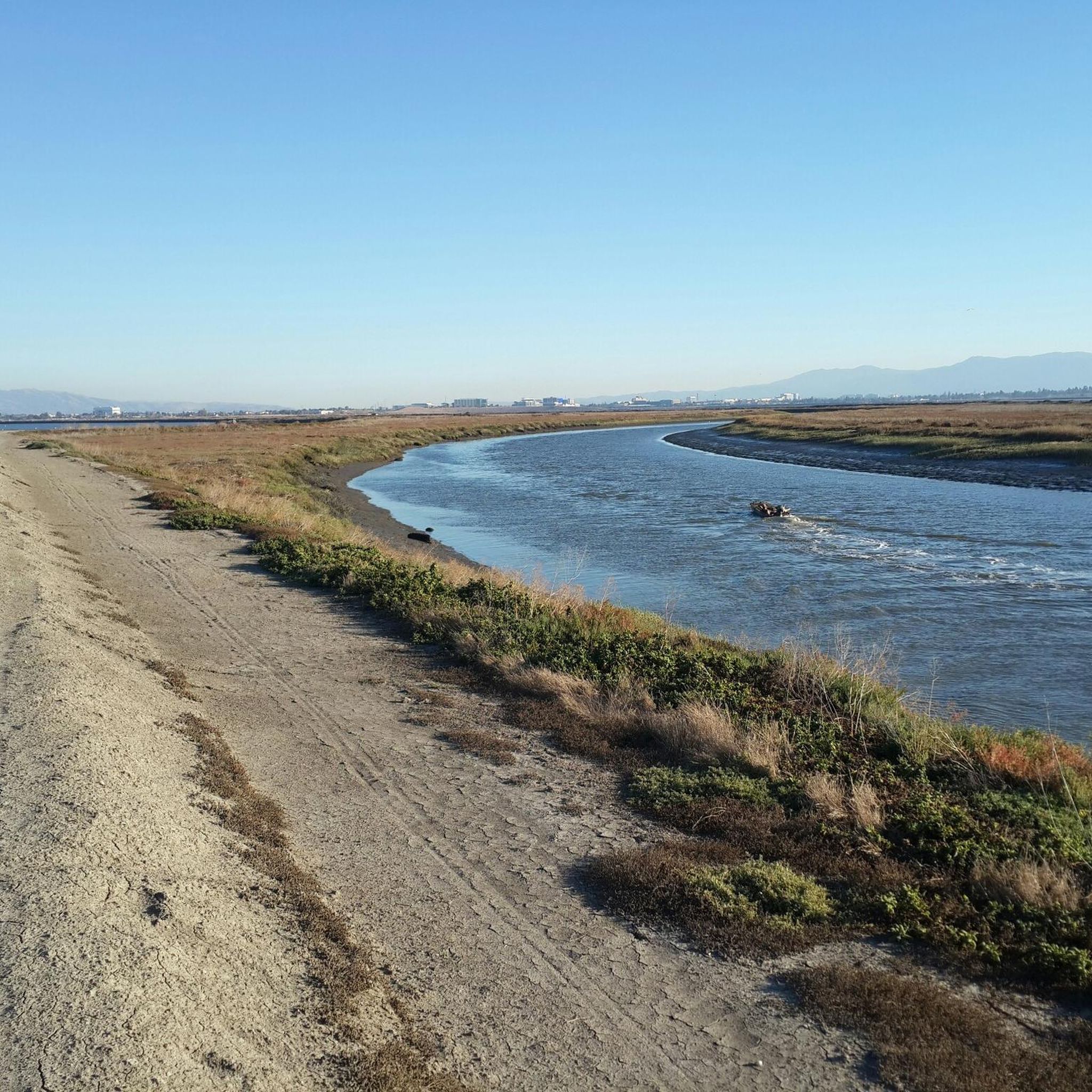
Gravel biking in Don Edwards San Francisco Bay National Wildlife Refuge
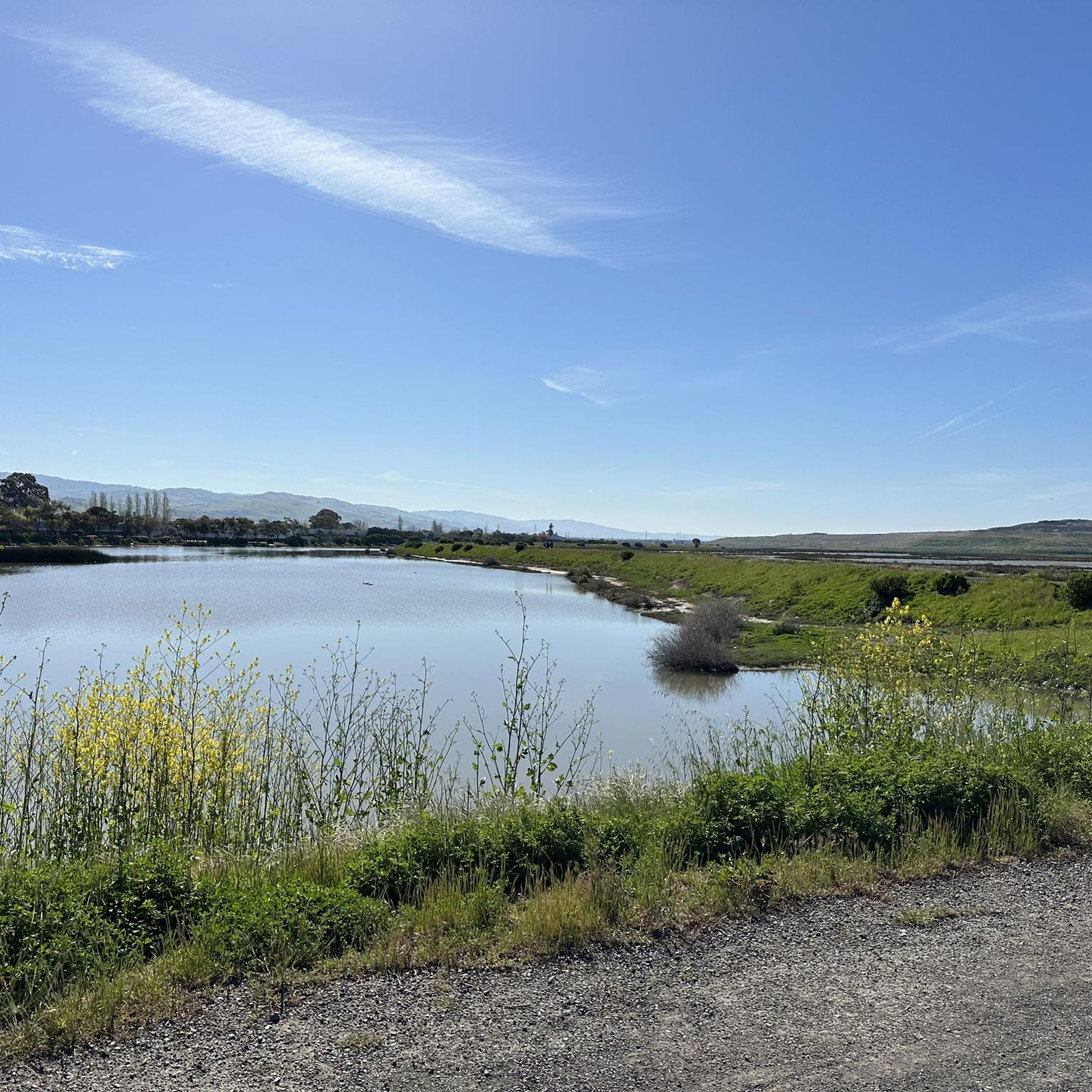
MTB Trails in Don Edwards San Francisco Bay National Wildlife Refuge
Tips from the Community

The San Francisco Bay Trail is a flat, paved trail that runs along the border of the bay. It is a great place for a run because it is traffic free and has great views.
0
0

The perfect spot for a break! No shade here, but there is a bench, an informational panel, and a wooden observation deck. The views over the marshland here and the bay are pretty amazing.
0
0
The Bay Trail is a flat and picturesque paved path around the wetlands of Shoreline Lake Park. The trail can be crowded on weekends, and there is not a lot of shade. Shoreline Lake Park was once a landfill but has been transformed into a 750-acre recreational space. Bikers can use nearly eight miles of scenic trails through sloughs and marshlands. Benches are scattered throughout for visitors to take a break. Check out the restored Rengstorff House, a nice example of Victorian Italianate architecture that offers free tours.
1
0

After a short climb from the Red Hill Trailhead, enjoy a beautiful view of the surrounding area and the bay. From here, you can backtrack to continue onto the Red Hill Trail, or continue along the shore of the bay on Bayview Trail.
1
1
Bayfront Salt Marsh was run by the Leslie Salt Company in the 1950s, and levies were built. Later, in 1989, Midpen Company purchased the property and opened Ravenswood Preserve for public access. Restoration of the marsh began in 2000, when the old levees were removed and water returned.
0
0

(May-30, 2023) Closed off with heavy construction on it. Didn't find a sign saying until when.
0
0

The scenery is stunning here, as you ride between marshes and wetlands.
0
0

Main paved Trail from the visitor center across the east side of the Coyote Hills and then around their west side with constant views of the Bay
0
0
Frequently Asked Questions
What kind of "lakes" can I expect to see in Don Edwards San Francisco Bay National Wildlife Refuge?
The "lakes" in the refuge are primarily former industrial salt evaporation ponds, now integral to a massive restoration project. These ponds, along with tidal marshes and mudflats, create a unique ecosystem. You'll observe a striking range of colors in the water, from green to mauve, depending on the season and salt concentration.
What wildlife can I observe around the salt ponds and marshes?
The refuge is a crucial stopover along the Pacific Flyway, hosting over 280 species of birds. You can spot millions of shorebirds and waterfowl during spring and fall migrations, including white pelicans, American avocets, and various ducks. It's also a vital habitat for endangered species like the California Ridgway's rail and the salt marsh harvest mouse.
Are there family-friendly trails or activities near the lakes?
Yes, many areas are family-friendly. The San Francisco Bay Trail is a flat, paved path suitable for all ages, offering nearly eight miles of scenic trails through sloughs and marshlands. The Coyote Creek Lagoon of Don Edwards wetlands also features a family-friendly trail along a restored wetland area.
What are some popular trails for exploring the salt ponds?
The San Francisco Bay Trail is a highly popular option, offering scenic views along the bay's edge. Another notable area is the Former salt ponds – Alviso wetlands, which provides views of marshes and wetlands in the southern part of the Bay. You can also explore the Newark Slough Trail, which cuts across Newark salt ponds.
Can I go cycling near the lakes in the refuge?
Absolutely! The refuge offers excellent cycling opportunities. The San Francisco Bay Trail is a flat, paved path perfect for biking. For more options, you can explore various road cycling routes in the area, such as the South Bay loop via SF Bay Trail, or gravel biking routes like the Bayview Trail Observation Deck loop. Find more cycling routes at Road Cycling Routes in Don Edwards San Francisco Bay National Wildlife Refuge and Gravel biking in Don Edwards San Francisco Bay National Wildlife Refuge.
Are there any viewpoints to get a good overview of the salt ponds and marshes?
Yes, the Bayview Trail Observation Deck is a fantastic spot. After a short climb, it offers panoramic views of the surrounding marshland and the bay. It's a perfect place for a break, with an informational panel and a wooden observation deck.
What is the best time of year to visit the Don Edwards San Francisco Bay National Wildlife Refuge for wildlife viewing?
The refuge is excellent for wildlife viewing year-round, but spring and fall migrations are particularly spectacular for birdwatching, as millions of shorebirds and waterfowl pass through. The vibrant colors of the salt ponds can also be striking at different times of the year.
Are the trails around the lakes accessible for everyone, including those with wheelchairs?
Many trails within the refuge are designed to be accessible. The San Francisco Bay Trail is a flat, paved path that is wheelchair accessible. Additionally, an accessible fishing pier is available at the Fremont location.
Can I bring my dog to the Don Edwards San Francisco Bay National Wildlife Refuge?
Dogs are generally permitted on designated trails within the refuge, but they must be kept on a leash. It's always best to check specific trail regulations before your visit, as some areas may have restrictions to protect sensitive wildlife.
What is the South Bay Salt Pond Restoration Project, and can I see its progress?
The South Bay Salt Pond Restoration Project is an ambitious, large-scale effort to convert 15,100 acres of former industrial salt ponds back into tidal marshland. Visitors can witness this ongoing transformation, which not only increases wildlife habitat but also helps protect against flood risks. The refuge's visitor centers often have exhibits explaining the project.
What should I bring for a visit to the Don Edwards San Francisco Bay National Wildlife Refuge?
Given the open nature of the refuge, it's advisable to bring water, sun protection (hat, sunscreen), and layers of clothing as weather can change. Binoculars are highly recommended for birdwatching. Comfortable walking or cycling shoes are essential for exploring the trails.
How do the Don Edwards salt ponds compare to other wetlands in the Bay Area?
The Don Edwards San Francisco Bay National Wildlife Refuge is unique due to its extensive network of former industrial salt evaporation ponds, which are now part of a massive restoration project. While other Bay Area wetlands exist, the scale of the salt pond restoration and the resulting diverse habitats for migratory birds and endangered species make Don Edwards particularly significant.
Are there options for longer hikes or walks around the lakes?
Yes, the refuge offers several options for longer walks and loop trails. For example, the San Francisco Bay Trail provides nearly eight miles of continuous path. You can also find various loop trails, such as the Coyote Creek Lagoon loop or the Ravenswood Trail loop, which offer extended exploration opportunities. More details can be found in the Easy hikes in Don Edwards San Francisco Bay National Wildlife Refuge guide.
Most popular routes in Don Edwards San Francisco Bay National Wildlife Refuge
Most popular attractions in Don Edwards San Francisco Bay National Wildlife Refuge

Get inspired with the komoot mobile app


Explore more
Still not found your perfect lake in Don Edwards San Francisco Bay National Wildlife Refuge? Check out the guides of these regions to see even more beautiful places.
