Top 4 Caves in Jämtland
Best caves in Jämtland are found within a region known for its diverse natural landscapes, including extensive karst areas and unique geological formations. This Swedish county offers a range of underground experiences, from long cave systems to accessible grottoes. The presence of ancient limestone has led to the formation of numerous caves, sinkholes, and underground rivers. Jämtland's caves provide insights into geological processes and natural phenomena.
Best caves in Jämtland
- The most popular caves is Korallgrottan Cave Entrance and Waterfall…
Last updated: July 11, 2026
Korallgrottan Cave Entrance and Waterfall
Highlight • Cave
Translated by Google •
Tip by

Hoverberg Cave
Highlight • Cave
The Hoverbergsgrottan (Swedish: Hoverbergsgrottan) is located near Svenstavik in Jämtland on the southern part of Lake Storsjön in Sweden. It was discovered in 1897 by Jöns Väst in the Hoverberg.
Translated by Google •
Tip by
Sign up now to discover places like this
Get recommendations on the best single tracks, peaks, & plenty of other exciting outdoor places.
Sign up for free
Path to Korallgrottan
Highlight (Segment) • Trail
Translated by Google •
Tip by
Hålbergsgrottan Cave
Highlight • Cave
an outcast murderer have lived. I don't build myself 11 (centi-) meters into the cave
married. 😄
Translated by Google •
Tip by

Bjurälven Cave
Highlight • Cave
Translated by Google •
Tip by

Start today with a free account
Your next adventure awaits.
Login or Signup
Popular around Jämtland
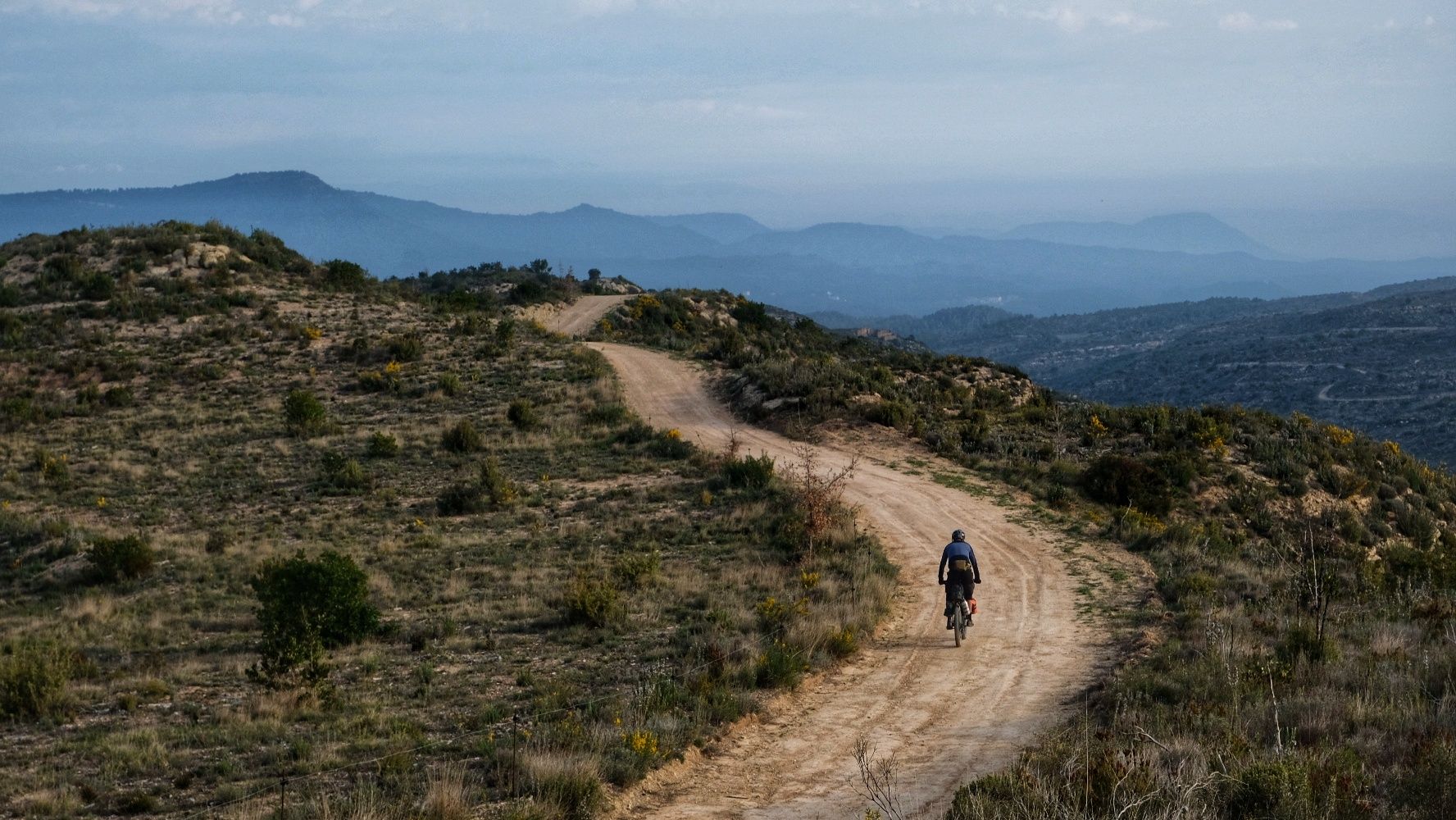
European Divide Trail — 7,600 km across the continent
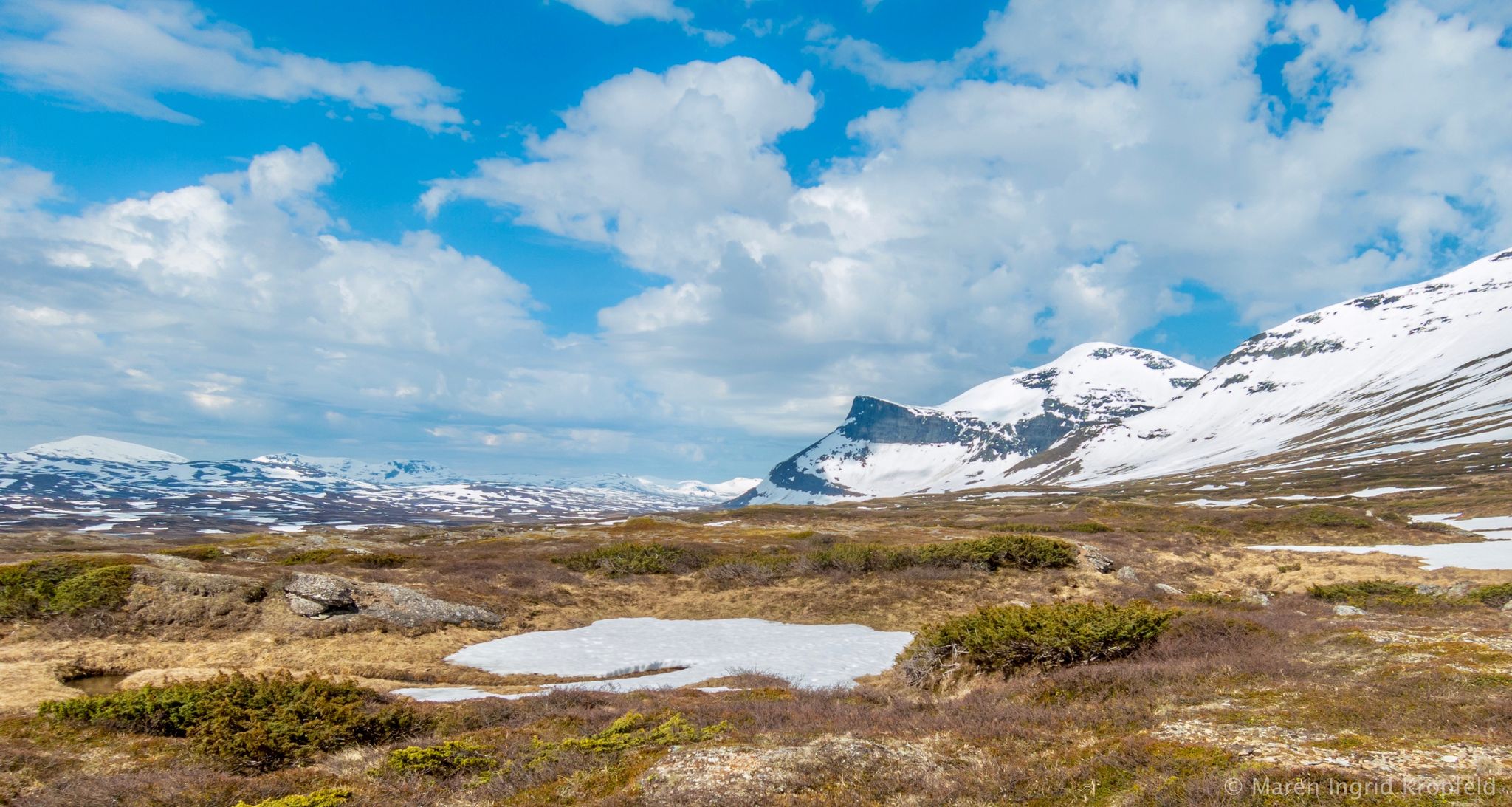
Kungsleden South — Frosty glaciers and endless nature
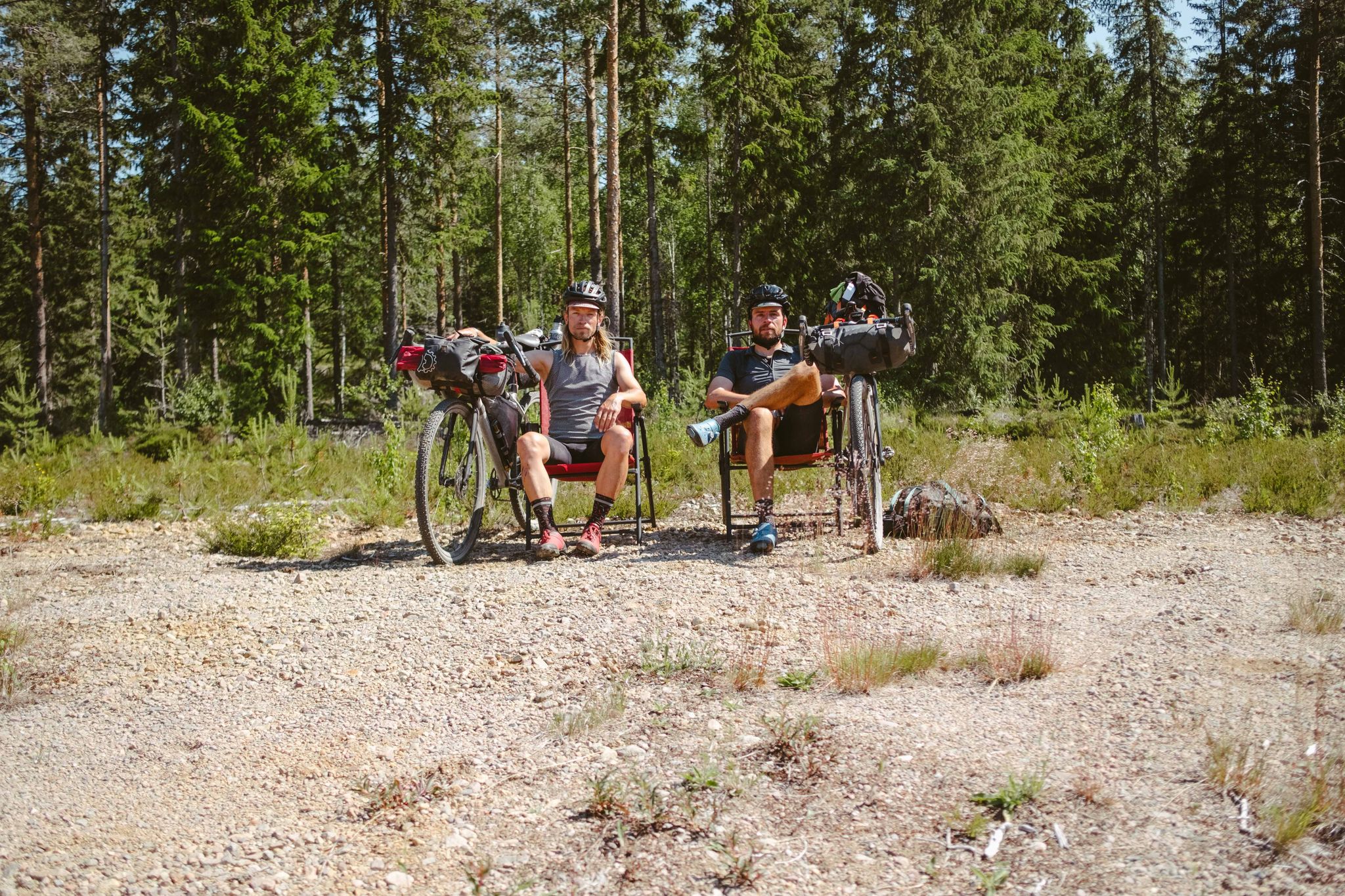
Into The Wild – Going North With JDA
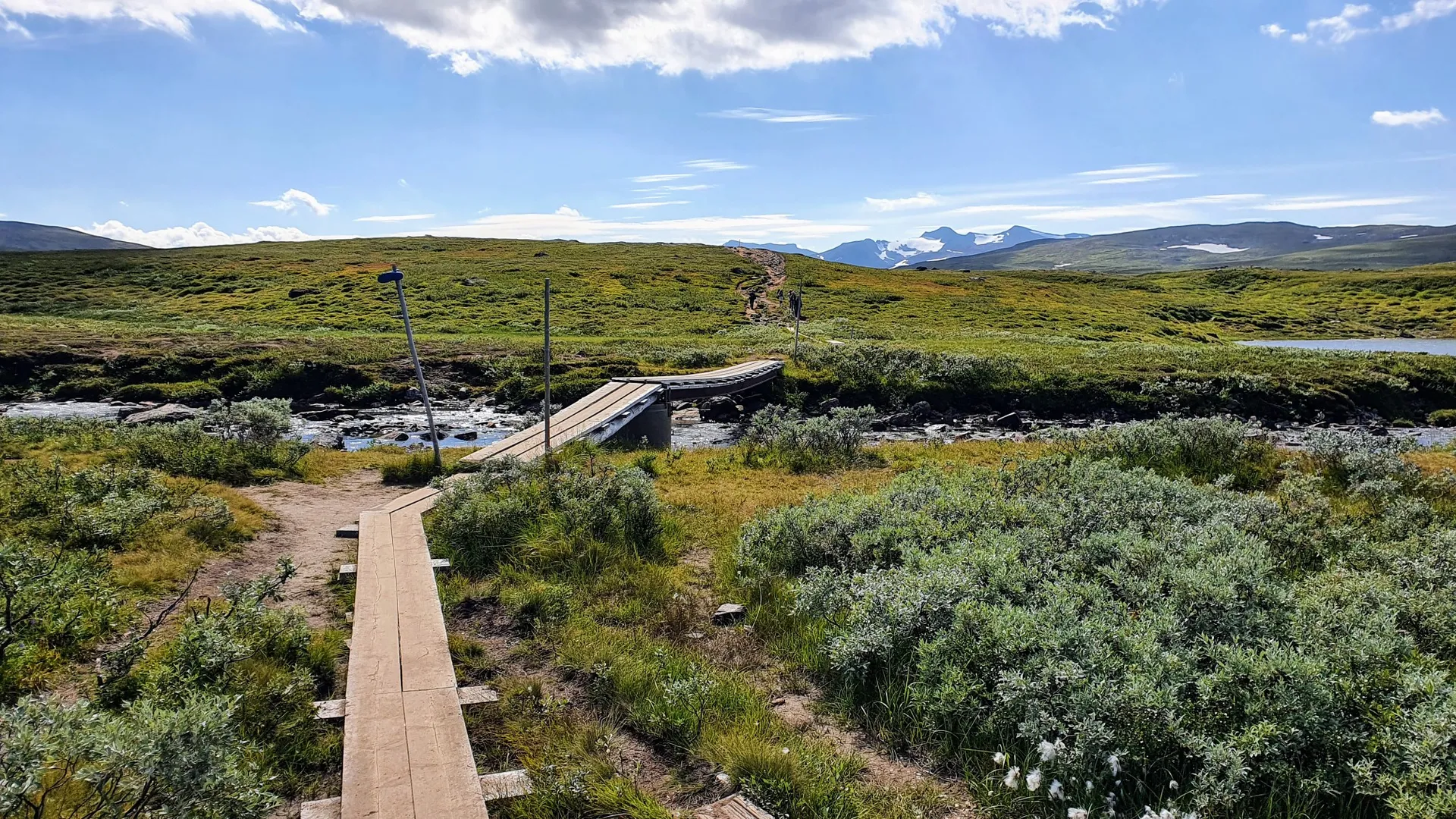
Storulvån-Vålådalen: where the mountains open up
Storulvån to Ljungdalen – hiking Sweden's southernmost mountain range
The Vålådalen Trail — A Swedish Hut-to-Hut Classic
A Scenic Trek Through Swedish Fjälls — The Jämtland Triangle
European D̶I̶V̶I̶D̶E̶ Connect Trail Project – a journey across Europe
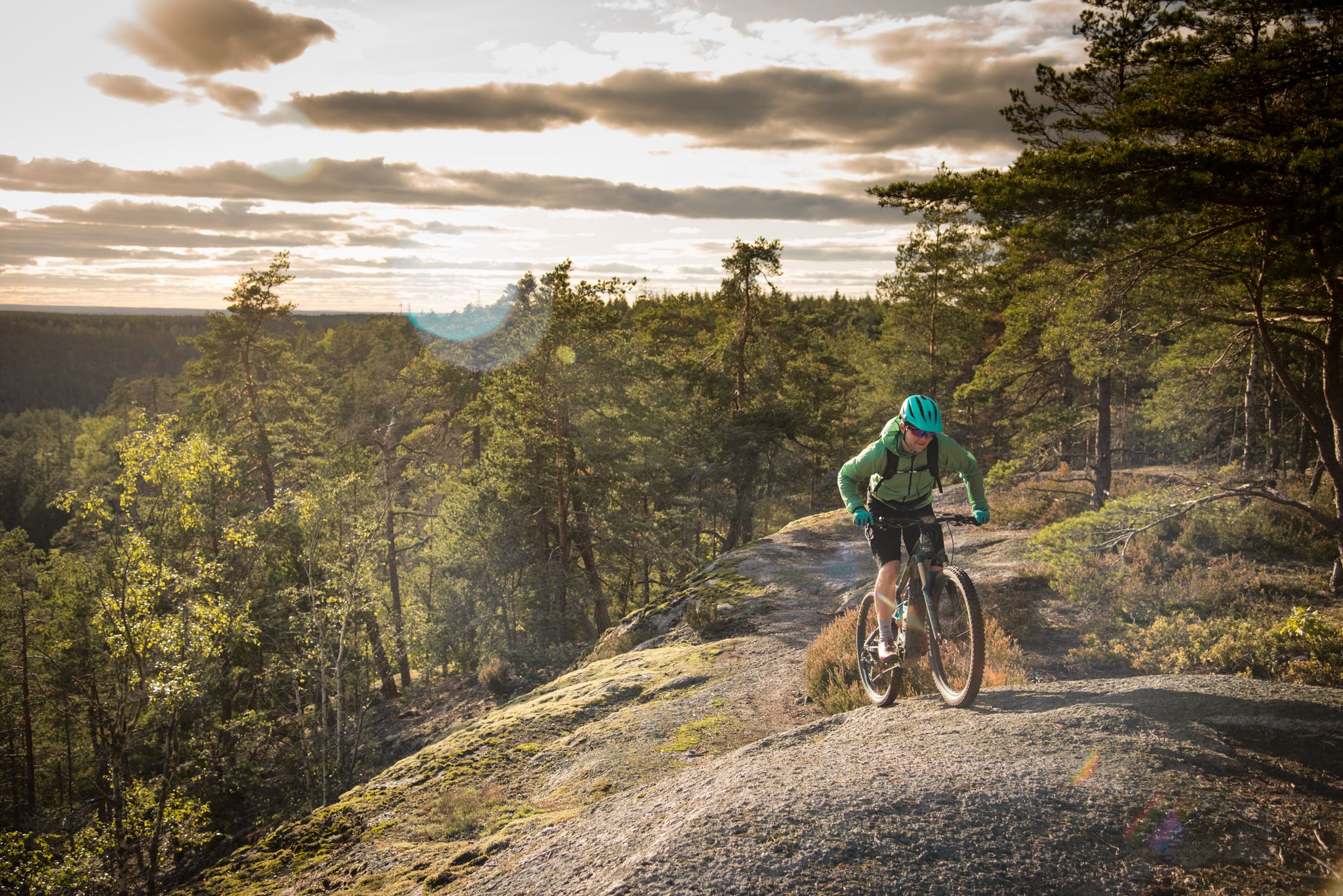
E-biking in Sweden – lonely forests, vast landscapes and insane trails
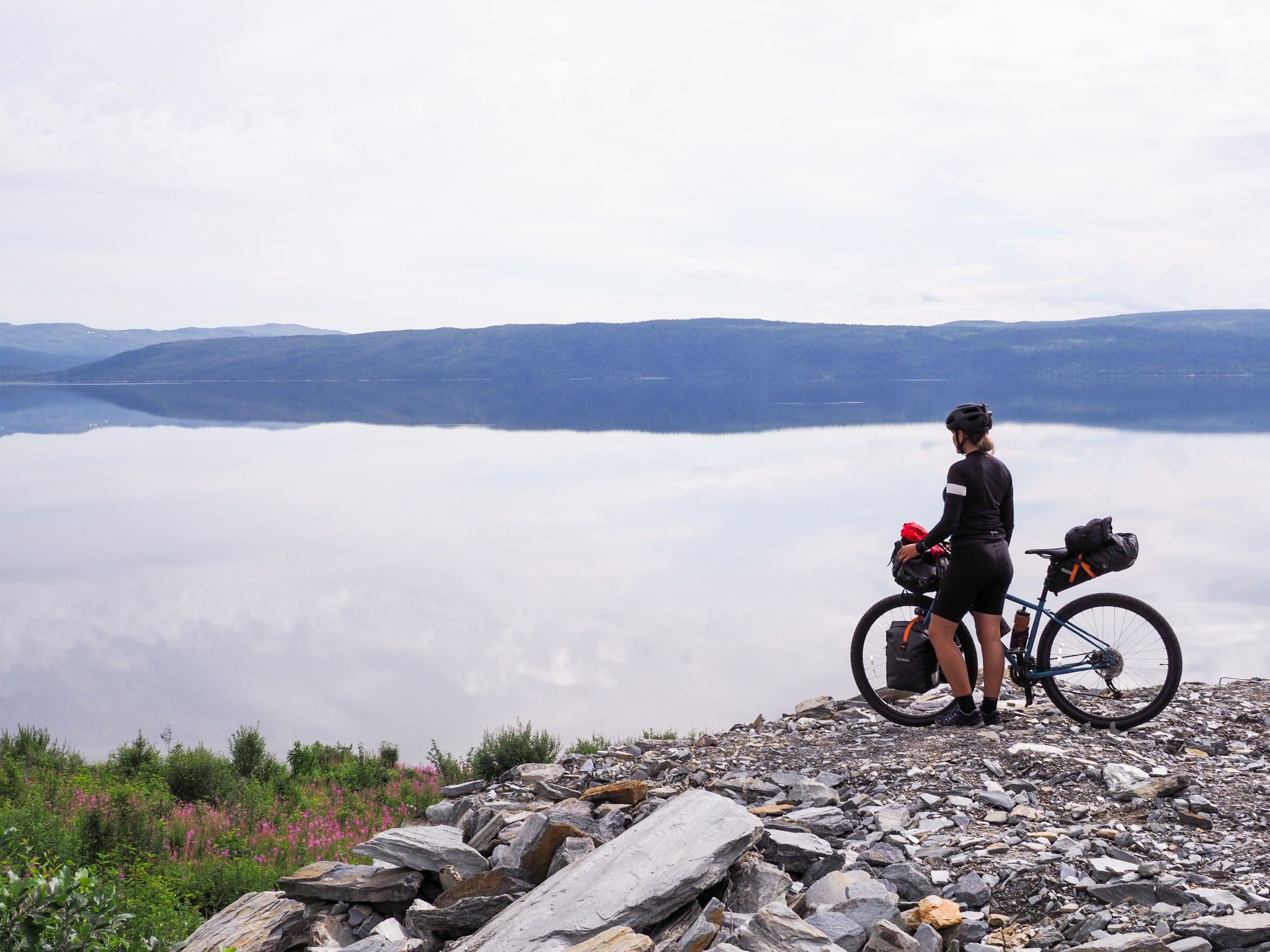
Crisscross through Sweden 🚴🏼
Other adventures in Jämtland


Tips from the Community

Great hiking trail and very well developed.
11
1
Directly at the large sinkhole with the waterfall, a staircase leads down into the cave. After a few meters, however, standing is no longer possible. From here on, the cave may only be entered with a guide. Tours are currently available on Tuesdays and Saturdays. A phone number is posted on the information board at the parking lot. The price is 1,200 kroner.
11
1

Beautiful walk with starting point along the famous Vildmarksvägen at the Ankarvattnet. You mainly walk on boardwalks until you reach the waterfall. The water disappears into the cave system and here is also the entrance to the famous Koralgrottan. The cave system is almost six kilometers long and also the longest in Sweden. It is NOT allowed to enter the cave without an experienced guide. This is only possible in the summer period. A few minutes further up there is a hut with barbecue facilities where you can perfectly rest.
1
0

A hike almost entirely on wooden planks is worthwhile because of the very beautiful waterfall, even without a guide and direct access to the cave.
4
0
At six kilometers long, the Coral Cave is Sweden's longest known underwater cave: it covers 26 square kilometers of narrow passages, enormous cave halls and there is even a waterfall at the entrance. The cave can only be entered during the summer months as part of guided tours.
2
1
Entrance to the Hoverbergsgrottan The Hoverbergsgrottan (Swedish: Hoverbergsgrottan) is located near Svenstavik in Jämtland on the southern part of Lake Storsjön in Sweden. It was discovered in 1897 by Jöns Väst in the Hoverberg. The entrance is wedge-shaped and can be accessed via a steel staircase that leads about 12 meters down into a kind of anteroom. From there, another staircase leads down a steep slope into the interior. You enter a cavity that is 20 to 30 meters high. The cave is said to be 170 meters long in total. Parts of the grotto were illuminated with green and red light in early 2010. Source: Wikipedia
3
1

This is an 11 meter long cave. This is said to be in the 1420s an outcast murderer have lived. I don't build myself 11 (centi-) meters into the cave married. 😄
0
0

as the river disappears in the mountain - the approach was worth it!
1
0
Frequently Asked Questions
What makes Korallgrottan unique among Jämtland's caves?
Korallgrottan, also known as the Coral Cave, is Sweden's longest known cave system, stretching over six kilometers. It's notable for its unique geological formations, including small white stalactites resembling corals, which grow at an incredibly slow rate. Entry to the main system requires a guided tour to preserve its pristine condition and ensure visitor safety. You can find the entrance at Korallgrottan Cave Entrance and Waterfall.
Can I explore Korallgrottan on my own, or do I need a guide?
While you can descend a few meters into the initial section of Korallgrottan Cave Entrance and Waterfall via a staircase, further exploration into the main cave system is only permitted with a guide. Tours are typically offered during the summer, and a phone number for bookings is usually posted on the information board at the parking lot.
What is special about Hoverbergsgrottan?
Hoverberg Cave, discovered in 1897, is accessible via a steel staircase that leads about 12 meters down into an antechamber. From there, you can enter a main cavity that reaches 20 to 30 meters in height. The cave is approximately 170 meters long in total, and parts of it have been illuminated with colored lights, enhancing the visitor experience.
What kind of geological features can I expect to see in Jämtland's caves?
Jämtland's caves are primarily karst caves, formed in ancient limestone. You can observe unique formations like the slow-growing stalactites in Korallgrottan. The Bjurälven karst area, Scandinavia's largest, features an intricate system of sinkholes (dolines), siphons, and underground rivers, where the Bjurälven river flows both above and below ground, carving out the landscape.
Are there any family-friendly caves or activities in Jämtland?
For families, Hoverberg Cave offers an accessible experience with a steel staircase leading into its main chamber. The Path to Korallgrottan is also a well-developed hiking trail, featuring wooden planks and views of a beautiful waterfall, suitable for a family walk even without entering the main cave.
What is the Bjurälven karst area, and what can I see there?
The Bjurälven karst area is Scandinavia's largest karst landscape, often called 'the invisible river' because the Bjurälven river flows both above and underground. This unique nature reserve is characterized by around 300 funnel-shaped sinkholes (dolines) and an intricate system of caves. One notable feature is Snödolinen (The Snow Doline), which is so deep that snow remains in it year-round. The area also hosts Dolinsjö cave, Sweden's longest underwater cave, explored by experienced divers.
What outdoor activities can I do near the caves in Jämtland?
Near Jämtland's caves, you can find various outdoor activities. For hiking, consider exploring the waterfall hikes in Jämtland, such as the moderate Upper Brakkåfallet trail. Cycling enthusiasts can explore routes like the St. Olavsleden from Pilgrimstad to Östersund, detailed in the Cycling in Jämtland guide. For more challenging rides, there are gravel biking routes like the one from Fröåtjärnen lake to the Indalsälven river, found in the Gravel biking in Jämtland guide.
Is there an easy-to-access cave in Jämtland for a quick visit?
Hålbergsgrottan Cave is an 11-meter long cave that offers a brief and easy exploration. It's a small, historical site that doesn't require extensive caving equipment or a guided tour for a short visit.
What is the best time of year to visit caves in Jämtland?
The summer months are generally the best time to visit Jämtland's caves, especially for guided tours like those offered at Korallgrottan. During this period, access roads are clear, and the weather is more favorable for outdoor activities and cave exploration. Some areas, like Snödolinen in Bjurälven, retain snow year-round, offering a unique contrast even in summer.
What should I wear for caving in Jämtland?
When visiting caves in Jämtland, it's advisable to wear sturdy shoes with good grip, as surfaces can be uneven and wet. Layers of clothing are recommended, as cave temperatures are consistently cool regardless of the outside weather. For guided tours or more extensive exploration, you might need specific gear like helmets and headlamps, which are often provided or specified by the tour operator.
Are dogs allowed in Jämtland's caves or on nearby trails?
While specific cave entry rules for dogs can vary, natural areas and trails around the caves, such as the Path to Korallgrottan, are generally dog-friendly. However, for the caves themselves, especially those requiring guided tours or with delicate ecosystems like Korallgrottan, it's best to check with the specific cave operator or nature reserve management regarding their pet policy before your visit.
Most popular routes in Jämtland
Most popular attractions in Jämtland

Get inspired with the komoot mobile app


Explore more
Extend your search for the best caves by checking out these guides of the top ones in Jämtland:
