Top 19 Castles around Assisi
Best castles around Assisi offer a glimpse into the city's medieval past and provide panoramic views of the Umbrian valley. Assisi is home to formidable fortresses that have guarded the region for centuries. The landscape features hills, valleys, mountains, and plains, with structures often strategically positioned on hilltops or near rivers like the Chiascio. These sites showcase diverse architectural features and historical significance.
Best castles around Assisi
- The most popular castles is Historic Center of Bevagna, a historical site…
Last updated: August 23, 2026
Historic Center of Bevagna
Highlight • Historical Site
Translated by Google •
Tip by

Rocca Maggiore
Highlight • Castle
Translated by Google •
Tip by

Sign up now to discover places like this
Get recommendations on the best single tracks, peaks, & plenty of other exciting outdoor places.
Sign up for free
Biscina Castle
Highlight • Castle
Translated by Google •
Tip by

Castello di San Gregorio
Highlight • Castle
Translated by Google •
Tip by

Armenzano Village
Highlight • Settlement
Translated by Google •
Tip by

Sign up for free to discover even more castles around Assisi.
Sign up for free
Already have an account?
Start today with a free account
Your next adventure awaits.
Login or Signup
Popular around Assisi
Italian Coast2Coast – From Portonovo to Orbetello
The Apennine Cycleway (Part 2) - From Umbria to Calabria
A journey of faith between Umbria and Marche – Via Lauretana
Italy coast to coast by bike – Orbetello to Senigallia
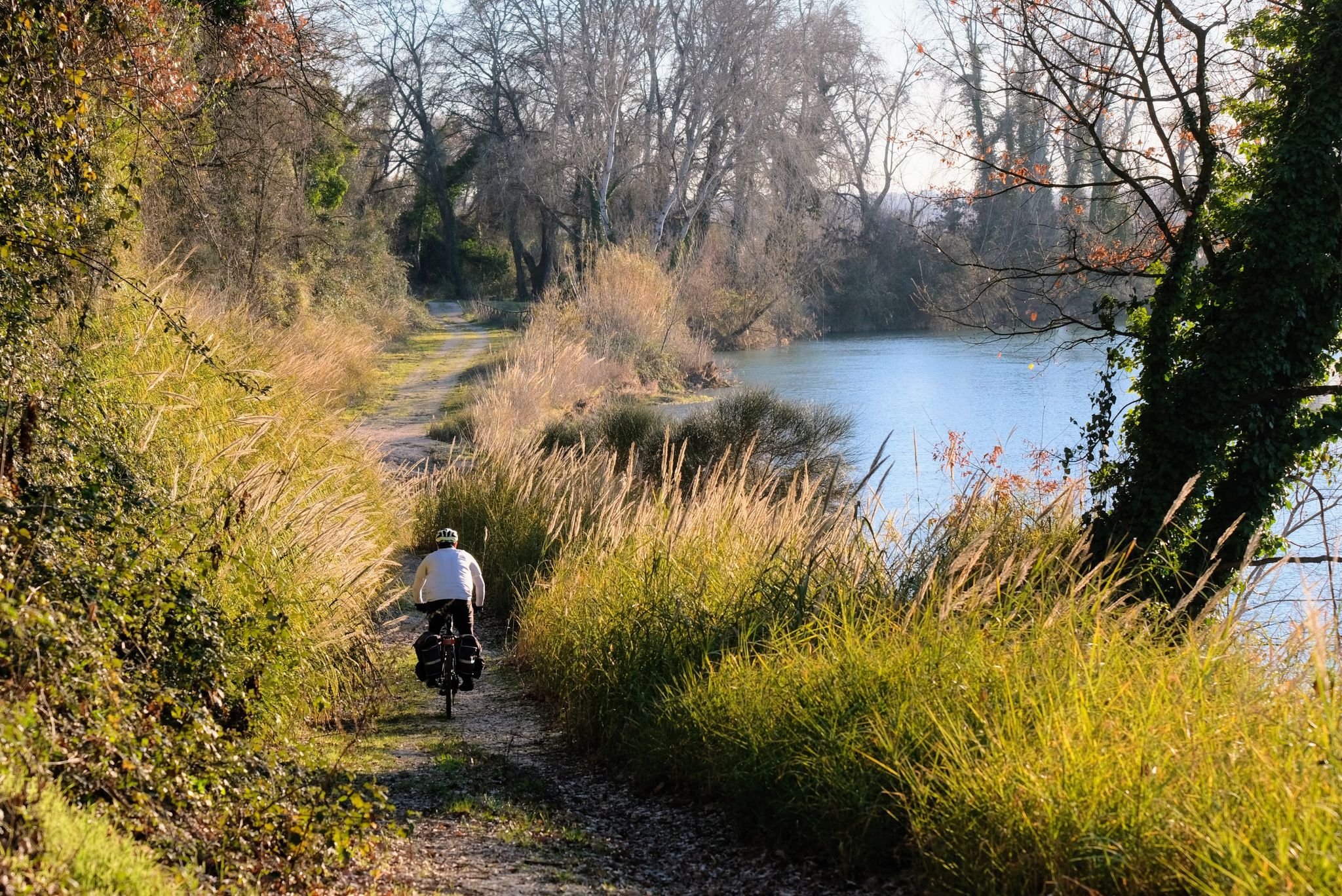
Assisi to Rome – Via dell'Acqua
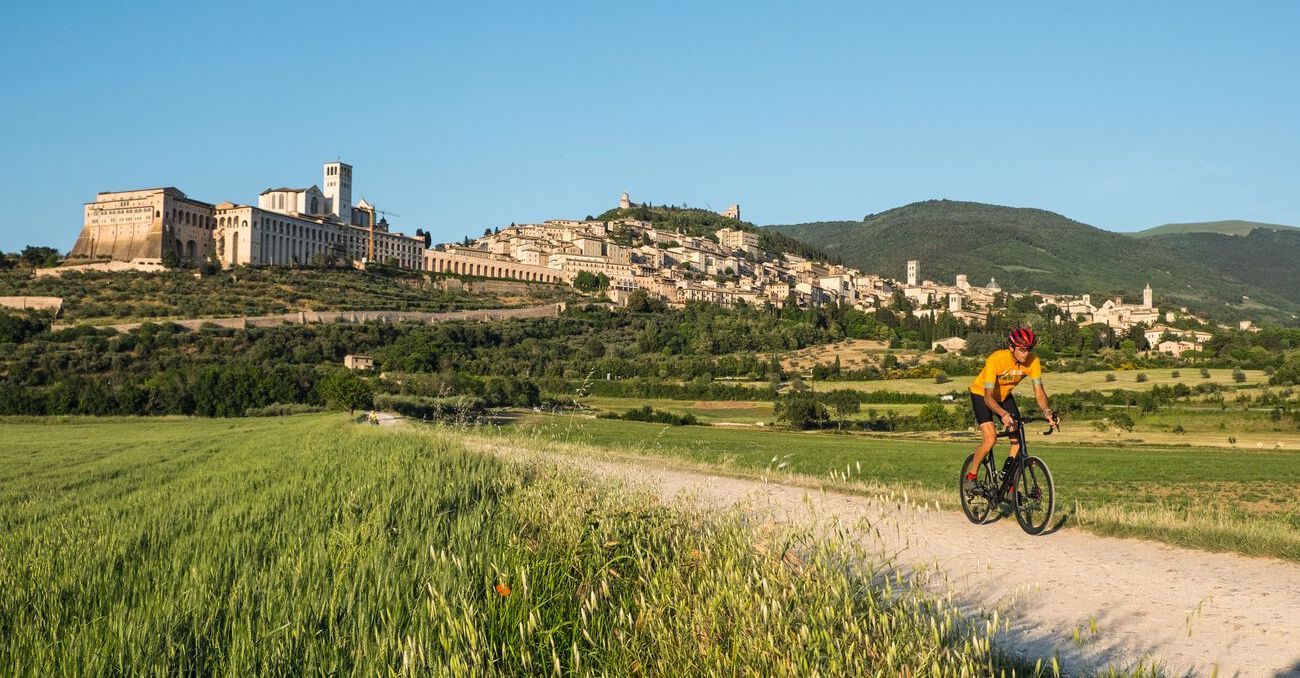
Umbria - Italy's hilly center
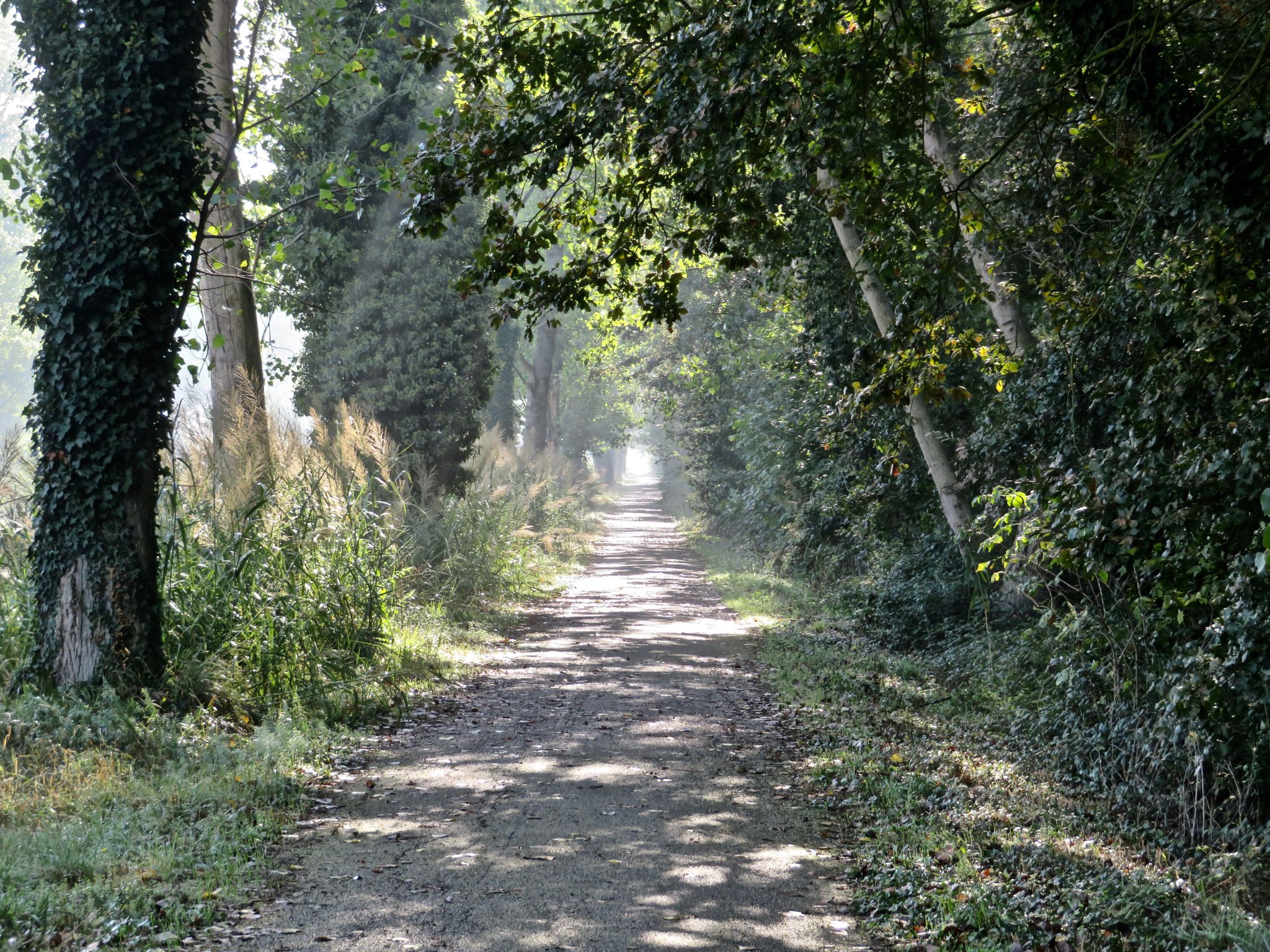
The old railroad – Assisi-Spoleto-Norcia Cycle Route
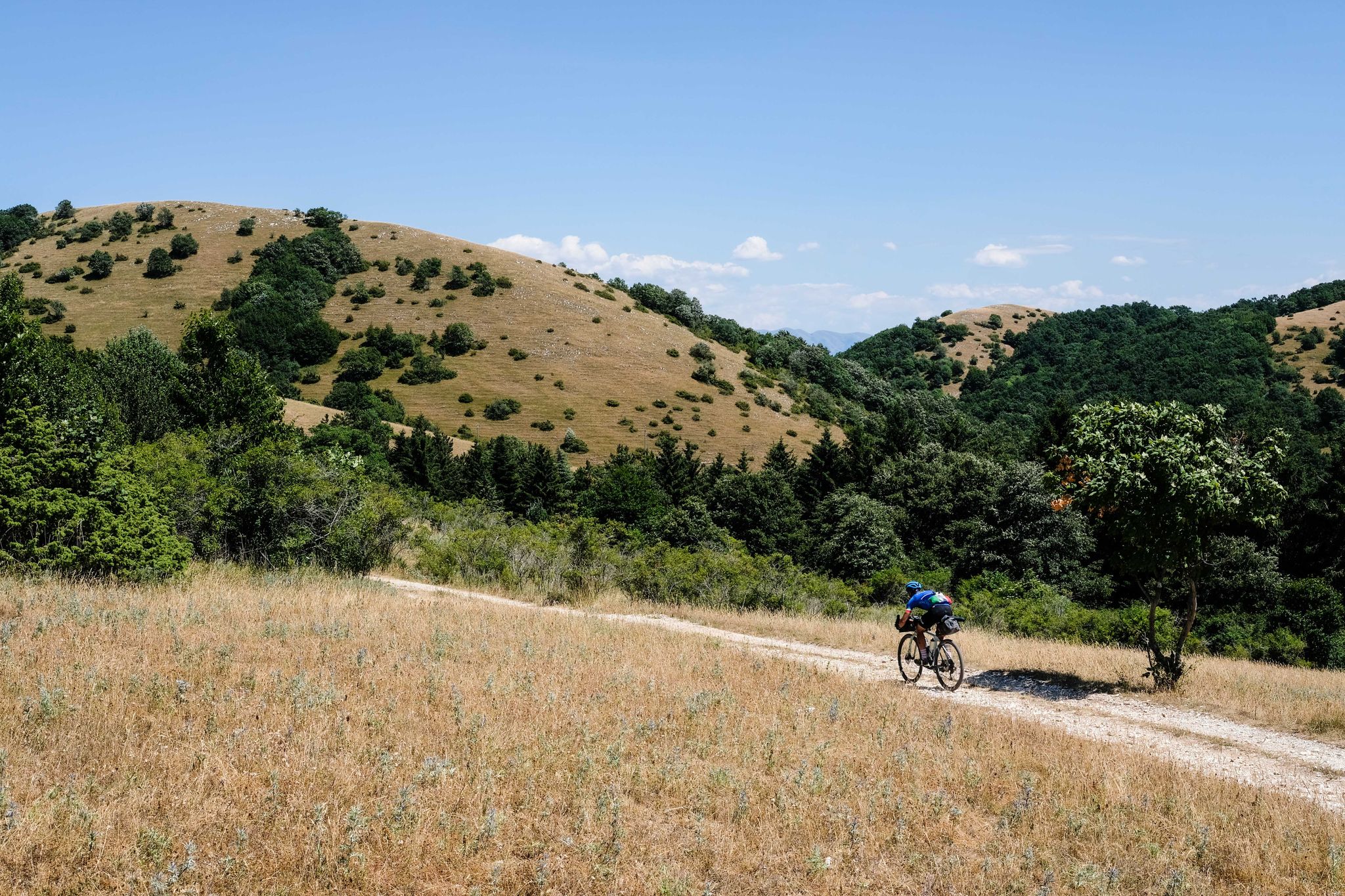
In the footsteps of Saint Francis of Assisi – gravel biking in Italy’s Umbria
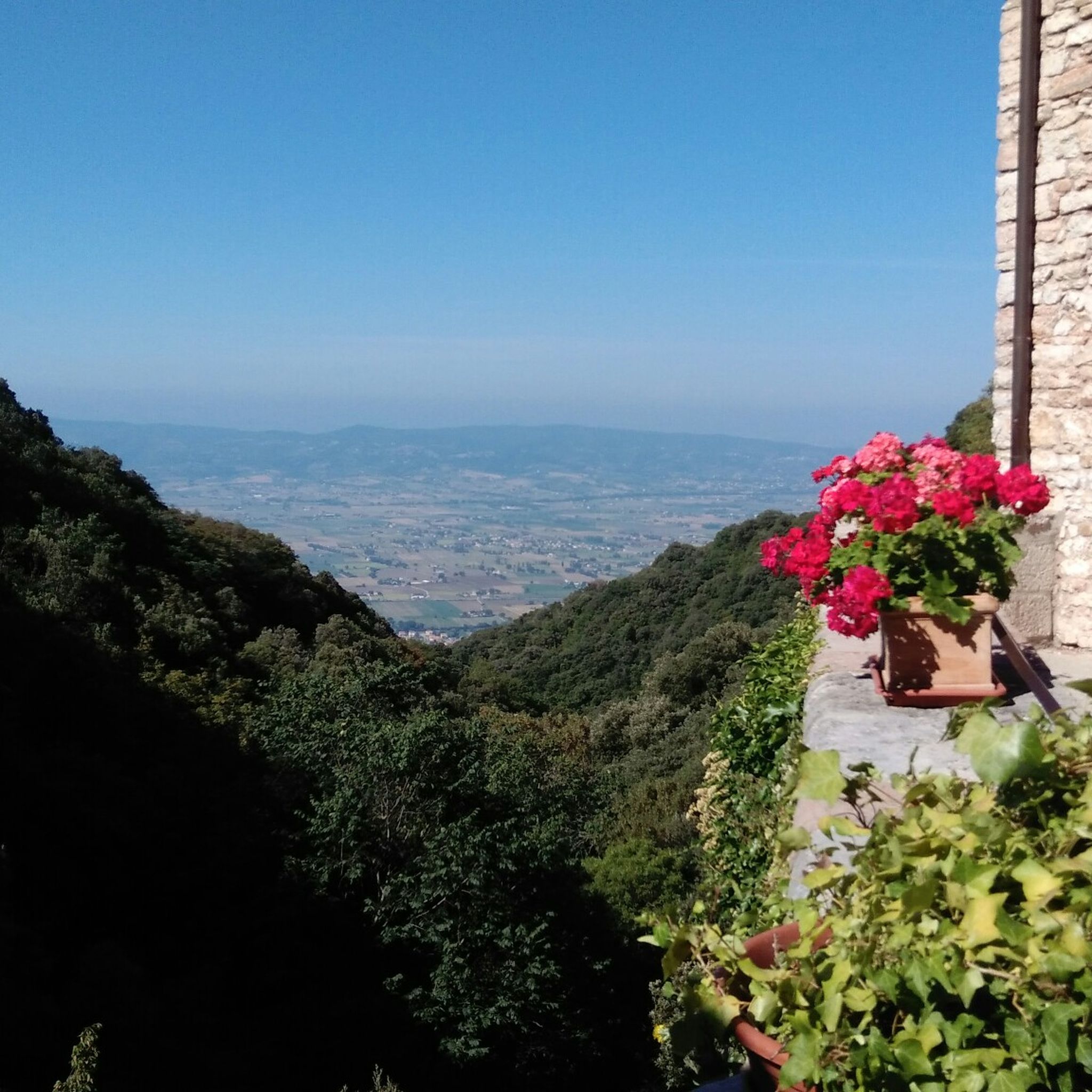
Hiking around Assisi
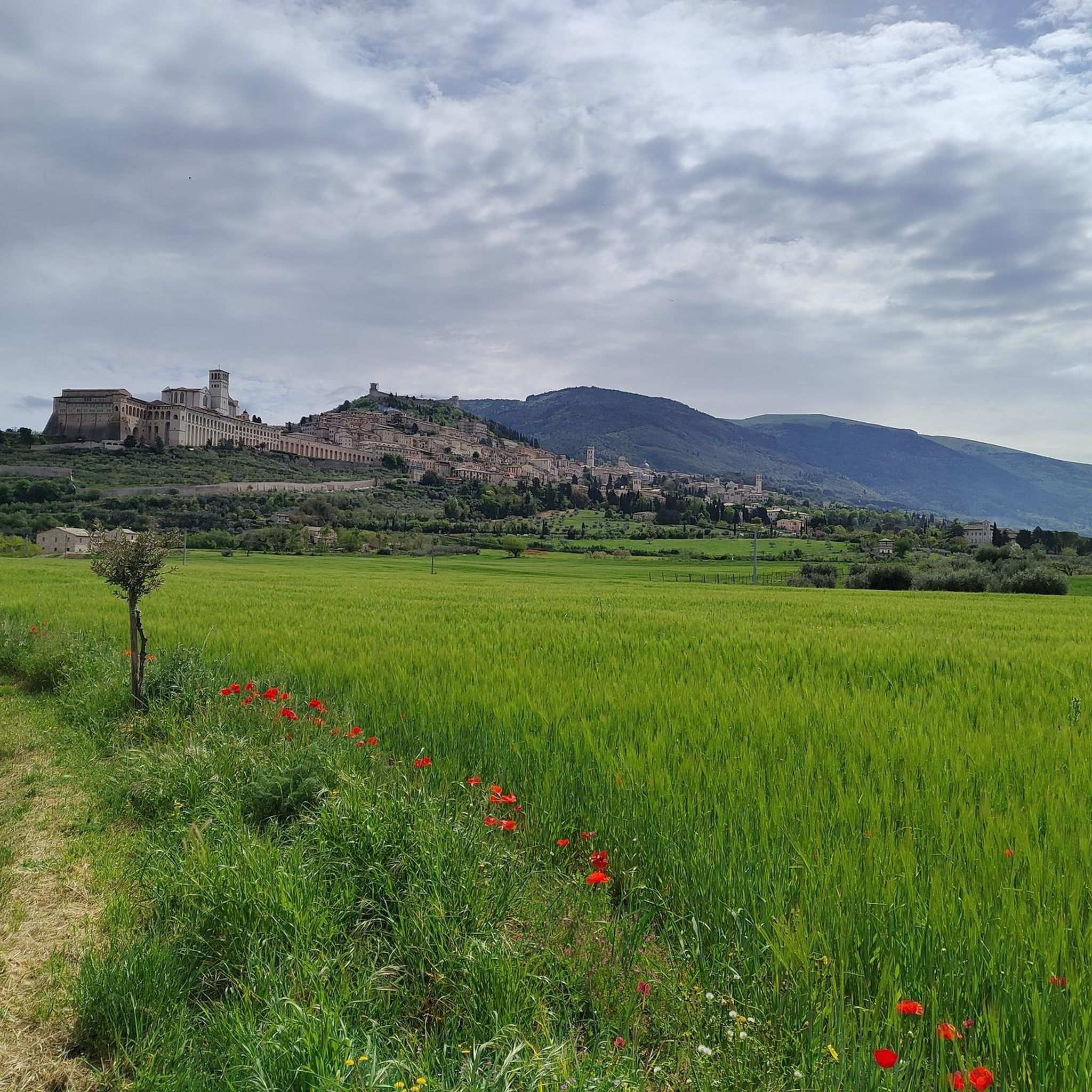
Running Trails around Assisi
Other adventures around Assisi


Tips from the Community

Bevagna / Region – Umbria / Province – Perugia (PG) The town, surrounded by a city wall with towers and gates, has an intact medieval structure (12th-13th centuries). In the upper part of the town, numerous Roman remains can still be seen: the ruins of a temple, the theater, and a thermal bath complex, of which a frigidarium with a magnificent black and white floor mosaic depicting marine figures from the 2nd century AD survives. The medieval town structure, with its squares and noble houses, developed over the Romanesque foundations: The magnificent Piazza Silvestri is home to the Palazzo dei Consoli (1270), which houses the Torti Theater, the Romanesque churches of San Silvestro and San Michele Arcangelo, both from the late 12th century, and the church of San Domenico e Giacomo (1291). Worth seeing is the Palazzo Comunale (late 18th century), which houses the historical archives, the library, and the art gallery. The Baroque churches of the Monastery of Santa Margherita and San Filippo are also very interesting. At the highest point in the town stands the Church of San Francesco (late 13th century). Next to the altar, one can see the stone on which St. Francis knelt when he preached to the flock of birds at Pian d'Arca. The 18th-century Palazzo Lepri houses the Museum of Bevagna, with works that tell the story of the town from pre-Roman times to the 18th century: archaeological finds from the ancient city of Mevania, medieval documents, and paintings by Dono Doni, Fantino, and Corrado Giaquinto. In the surrounding area, the Sanctuary of Madonna delle Grazie (late 16th century), the Sanctuary of Madonna della Valle, and the Monastery of Annunziata (11th century), formerly a defensive castle, rise up against the hillsides. Text / Source: Umbria Tourism.it contatti@umbriatourism.it https://www.umbriatourism.it/de/bevagna
14
1

The town lies on a hill, with a central castle and a double concentric circle of houses. The castle of Armenzano has ancient origins, and is worth a short stop
2
0

The Castle stands on a small hill, a short distance from the Chiascio River and along the borders that divided the territories of the Municipality of Assisi from those of Perugia. Built almost entirely of sandstone blocks, it still retains the clearly visible walls that mark its rectangular development, with corner towers. The entrance gate is protected by a mighty tower with turrets, on which the slots for the drawbridge's lowering are still clearly visible. The Castle was mentioned as early as 1114 in documents kept in the Archives of the Cathedral of Assisi. Due to its particular position, it was the scene of power struggles, which continued until the 15th century. In 1479, together with the Castles of Rocca Sant'Angelo, Mora and Beviglie, it was the subject of significant restoration work by the Municipality of Assisi. It can still be admired today in its original structure, only partially altered due to the partial transformation for residential use.
1
0

Nice hike, impressive view from the top and the crest of Monte Subasio. It is quite challenging at the beginning! Important to know: if you are planning to hike in summer be aware that along the trail you will be attacked by swarm of horseflies! Cover arms and legs!
0
0

The castle is located on a rocky peak, making the construction of a motte unnecessary. The walls are protected by square corner towers. The large keep and the walls date back to the castle's early days. The battlements and machicolations attached to the walls are clearly visible. On the first floor of the palace there is a large ballroom with rich decorations. The inner courtyard is quite small in relation to the entire complex. In the middle of the 15th century, Giacomo Piccinino built a twelve-sided tower to the west of the castle on a wall with a battlement. The last extension took place in 1538. A round bastion was built at the entrance, which could accommodate artillery.
2
0
In my opinion, together with Spello, the most beautiful village in the eastern Umbrian Valley
1
0

Beautiful city with ancient origins.
0
0

There is no certain information on the date of foundation of this castle nor on the origin of its name. Biscina, derived from the word "biscia", could refer to the course of the Chiascio river which draws curves downstream that recall the movement of a snake. What is certain is known that between the 10th and 14th centuries the castle was part of a complex of fortifications belonging to the Bigazzini di Coccorano, the local lords. Today the structure is in a state of abandonment, the last renovation dates back to the seventies but the complex was seriously damaged by the 1984 earthquake.
1
0
Frequently Asked Questions
Which castles around Assisi offer the best panoramic views?
The Rocca Maggiore, perched high above Assisi, provides incredible panoramic views of the Umbrian landscape, including hills, valleys, mountains, and plains. Its observation points are particularly stunning at dawn and sunset. Armenzano Village, with its central castle, also offers 360-degree views of the Nocerini mountains and the Regional Park of Monte Subasio.
Are there any family-friendly castles to visit near Assisi?
Yes, the Rocca Maggiore is an excellent choice for families. Its complex of tunnels, staircases, secret passages, and a dungeon can entertain children while demonstrating medieval defenses. It also features reconstructed medieval objects, figures, musical instruments, and weapons. The Historic Center of Bevagna, a fortified medieval town, also offers a charming experience for families, especially during its medieval festival.
What is the historical significance of the castles around Assisi?
The castles around Assisi are deeply rooted in the region's medieval history. The Rocca Maggiore, first mentioned in 1173-1174, was a significant military presence for the Papal States and housed young Frederick II. Castello di San Gregorio, dating back to the 10th century, marked the border between Assisi and Perugia and was a frequent site of conflict. The Castello di Petrignano, from the 1300s, was a crucial defensive bulwark heavily contested by Perugia and Assisi.
Which castles are well-preserved and offer a glimpse into medieval architecture?
The Rocca Maggiore showcases a geometric collection built across different eras, including a square watch tower, a polygonal tower, and a circular bastion. Visitors can climb towers, walk along passageways, and explore multiple wall systems. Castello di San Gregorio maintains its original square shape with four corner towers and crenellated walls, and its access gate is protected by a mighty tower with visible openings for a drawbridge.
Are there hiking or cycling routes that pass by or near these castles?
Yes, the region around Assisi offers various outdoor activities. For cycling, you can explore routes like the 'Cannara village center – Historic Center of Bevagna loop from Assisi' or the 'Assisi – loop tour'. For running, trails like the 'Assisi - Way of St. Francis Loop' or the 'Arna Trail' are available. You can find more details on these and other routes in the Cycling around Assisi and Running Trails around Assisi guides.
What is the best time of year to visit the castles around Assisi?
While specific castle opening times vary, visiting the castles around Assisi during spring or autumn generally offers pleasant weather for exploration. Autumn, in particular, can provide comfortable temperatures and beautiful scenery for castle tours and walks.
Can I visit the <strong>Rocca Minore</strong>?
The Rocca Minore, also known as Rocchicciola, was historically linked to the Rocca Maggiore by a walled enclosure and formed a crucial part of Assisi's medieval defenses. While its ruins are visible and contribute to the historical landscape, it is not typically open for interior exploration in the same way as the larger Rocca Maggiore.
Are there any castles that host local events or traditions?
Yes, both Castello di San Gregorio and Castello di Petrignano are known for local traditions. Castello di San Gregorio is famous for hosting a living Nativity scene during Christmas. The Castello di Petrignano is a focal point for its community, with inhabitants organizing parties with historical costumes and protagonists, also during Christmas, and hosts an annual living Nativity scene.
Is there parking available at the castles?
While specific parking information for each castle can vary, for the Rocca Maggiore, it is generally recommended to park in Assisi and walk up, as the castle is located on a hilltop above the city. For castles like Castello di Petrignano, parking may be available in the nearby village areas, but it's advisable to check local signage.
What kind of architectural features can I expect to see at the castles?
The castles display a range of medieval architectural elements. The Rocca Maggiore features a square watch tower, a polygonal tower, a circular bastion, and multiple wall systems. Castello di San Gregorio is notable for its original square shape with four corner towers and crenellated walls. The Castello di Palazzo di Assisi still shows intact signs of its ancient drawbridge.
Can I find cafes or restaurants near the main castles?
The Rocca Maggiore is located directly above the historic center of Assisi, which offers numerous cafes, restaurants, and amenities within walking distance. For castles further afield, such as Castello di San Gregorio or Castello di Petrignano, you would typically find amenities in the nearby villages or towns.
Are there any castles that are currently in ruins but still worth seeing?
While many castles are well-preserved, Biscina Castle is a notable ruin. Although it cannot be visited inside due to its state of abandonment, its complex can be seen from afar and holds historical significance as a strategic point between the 10th and 14th centuries. It offers a picturesque view for those interested in historical remnants.
Most popular attractions around Assisi

Get inspired with the komoot mobile app


Explore more
Looking for the best castles somewhere else? Discover other guides around Assisi:
