Top 6 Caves around Vilanova De Sau
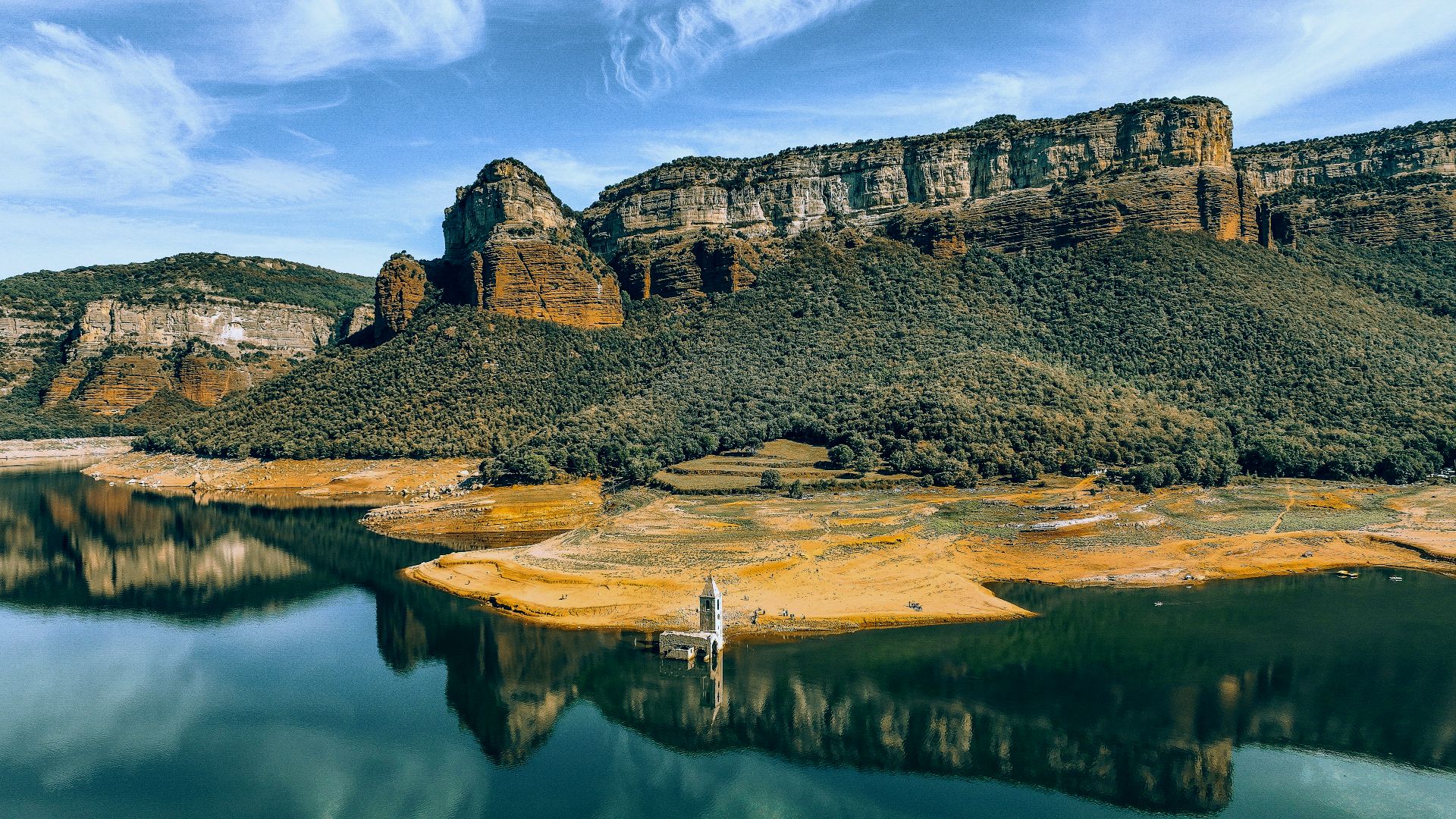
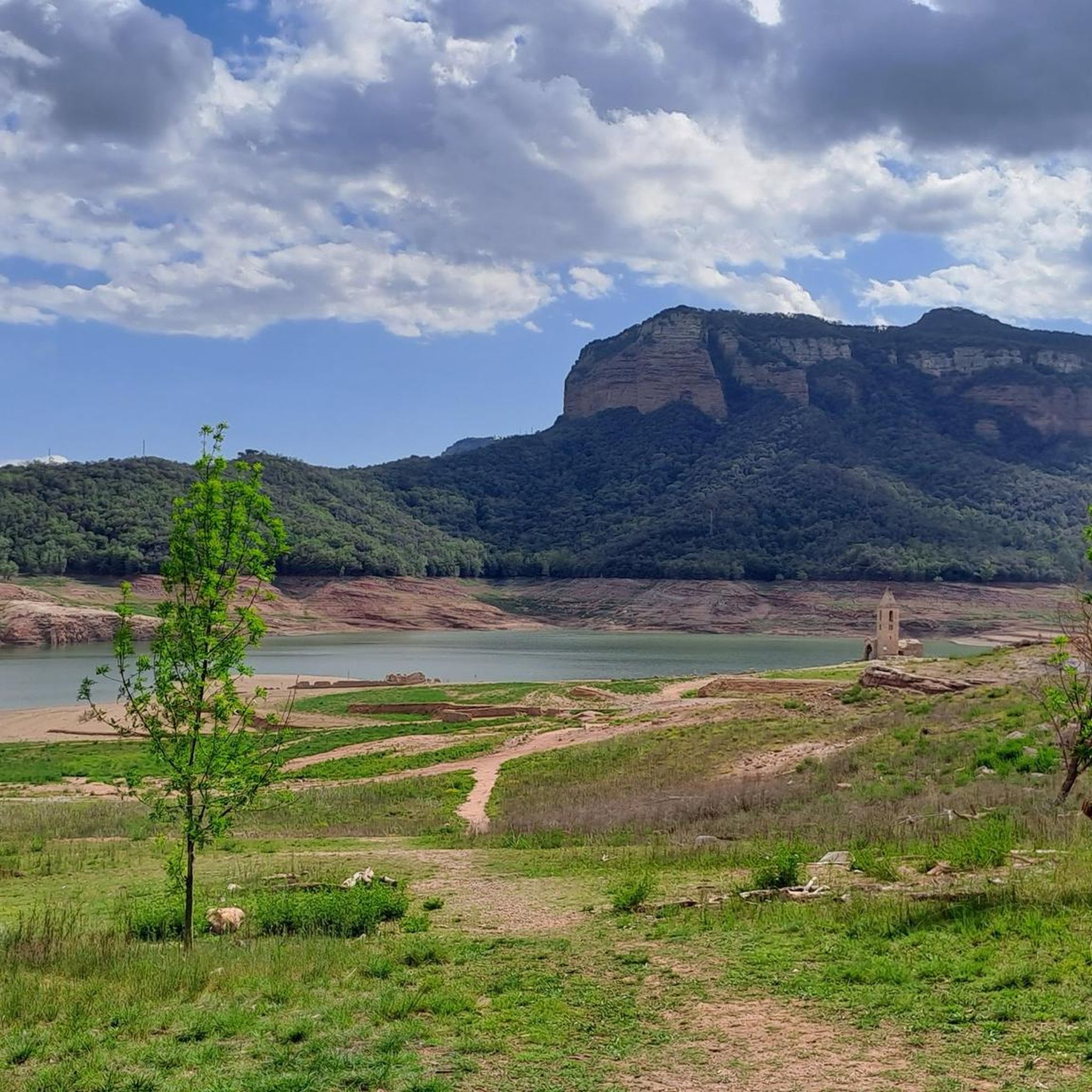
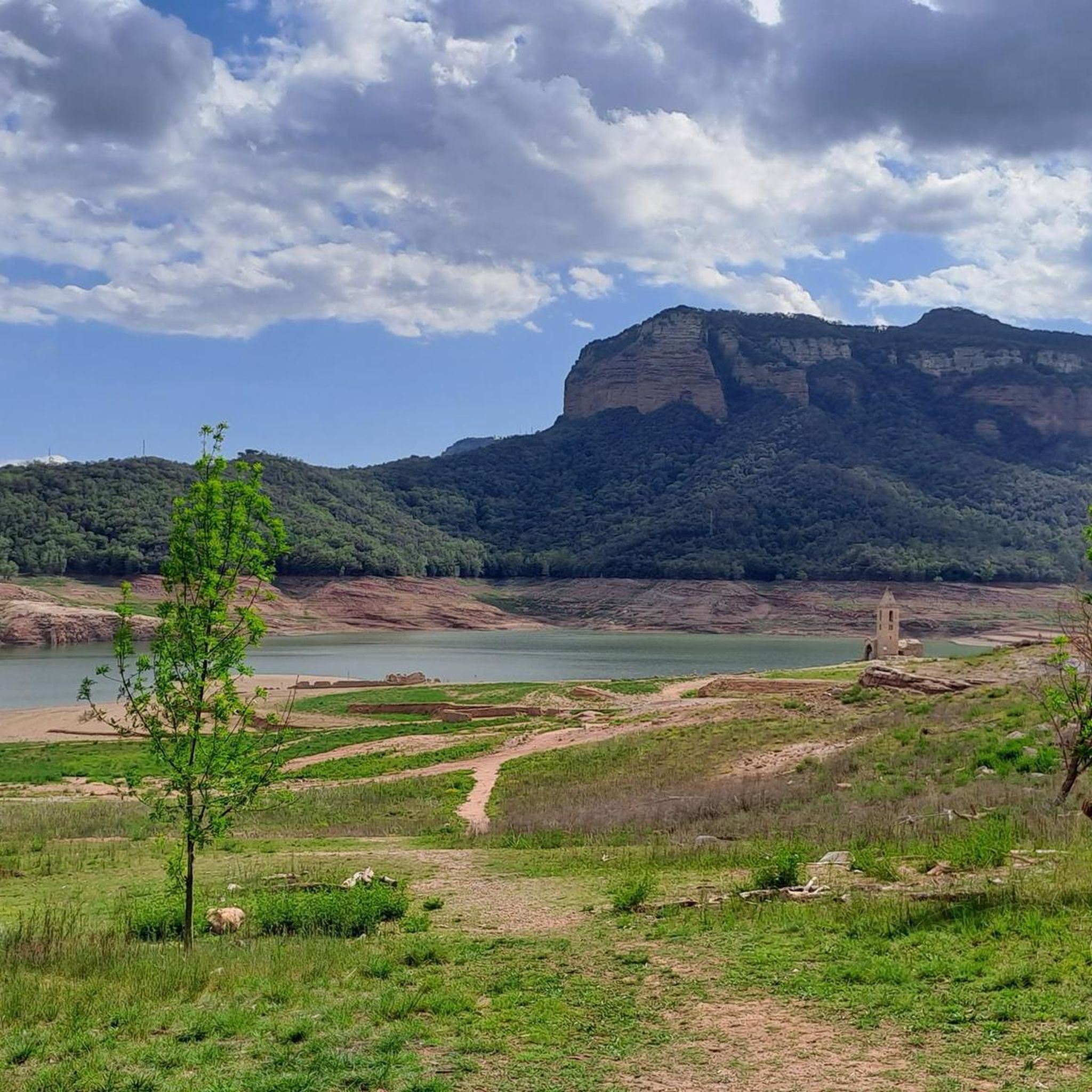
Caves around Vilanova De Sau are found within a region defined by the Sau Reservoir and the Guilleries-Savassona Natural Park, an area known for its diverse landscapes and prominent cliffs. The natural environment here combines geological features with significant historical and archaeological sites. While extensive deep cave systems are not a primary feature, the region offers various rock shelters, grottoes, and natural balmas. These formations provide insights into both the natural geology and the prehistoric human activity of the area.
…Last updated: July 4, 2026
Salt del Molí Bernat
Highlight • Waterfall
Translated by Google •
Tip by

Can Boix Castle
Highlight • Castle
Translated by Google •
Tip by

Sign up now to discover places like this
Get recommendations on the best single tracks, peaks, & plenty of other exciting outdoor places.
Sign up for free
Cave of the Pixarelles
Highlight • Cave
Considered one of the oldest …
Translated by Google •
Tip by

Bandoleros' Mine
Highlight • Cave
Translated by Google •
Tip by

Bauma de les Piques
Highlight • Cave
Translated by Google •
Tip by

Sign up for free to discover even more caves around Vilanova De Sau.
Sign up for free
Already have an account?
Start today with a free account
Your next adventure awaits.
Login or Signup
Other adventures around Vilanova De Sau

Tips from the Community

We were here in April 2026. Unfortunately, the hiking trail is not in good condition. The descent to the waterfall is quite steep but passable. The paths to the stairs of the Riscos de la Perereda are all overgrown, and only a shortened path past an old mill back to the parking lot is passable.
0
0

good views of the Plain of Vic and the Pyrenees and very fun downhill trails.
1
0

Can Boix Castle, also known as Taradell Castle, is located on some large rocks, at an altitude of 803 metres. Below the castle is a large cave. I think there are parts of the castle from the 10th century.
3
0

It is one of the largest pools in the Collsacabra, with a width of 70 m, although it is not very deep, it has a maximum of 7 m. The maximum height is 4 m. Inside there are two large rectangular sinks (one simple and one double) dug into the rock that collect the water that falls from the roof of the balma. It was possibly the primitive house of the Baumes, located well below. It could also have been the refuge of the famous Serrallonga, since according to a legend, he used to rest in a balma near Tavertet that had room for 60 men and beasts of burden. It is a balm, that of Spades, which meets these conditions, due to its capacity and strategy.
0
1
The Salt del Molí Bernat is one of the most impressive waterfalls in the country with a 50 meter drop, it belongs to the Gorgàs stream, from the Sot de Balà. The whole of the balma, the jump and the remains of the mill make up one of the most attractive and unique places in the region. If you want to see the jump in all its glory, we recommend doing the route after rains, despite the added difficulty because of the mud you can find on the way down, but seeing the water fall from inside the balma is really impressive .
2
1

Caves that during the Neolithic and until the Iberian period had been a lookout and hunting settlement (complementary to the town of Pla del Castell). Considered one of the oldest documented stable occupations, dating from the year 3100 to 900 before our era. Although no human remains have been found, the discovery in this lower level of a prehistoric home and a fauna deposit (with the supposed remains of a wild boar half consumed by the ancient settlers) will help to study what life was like in this space six years ago. a thousand years.
1
1

Taradell Castle, also known as Can Boix Castle, is located 2.2 km southeast of the town of Taradell, in the Catalan region of Osona, and crowning a summit of large rocks, at an altitude of 803 metres. The Castle is located on a large grotto that makes it very characteristic. Currently some consolidation works have been carried out on the remains. There are remains from the 10th - 11th centuries, in the sector of the old chapel of Santa Cruz, now totally damaged, and the rest is a large wall of about seventy meters, from the 14th century.
4
0

The passage of the waterfall is internal but there is a chain to hold onto in case of moisture.
6
1
Frequently Asked Questions
What types of 'caves' can I expect to find around Vilanova de Sau?
The Vilanova de Sau region is characterized by rock shelters, grottoes, and natural balmas rather than extensive deep cave systems. These formations often have significant archaeological or historical importance, or feature natural elements like waterfalls. You'll find sites like the Salt del Molí Bernat, which is a waterfall with an internal passage, or the large grotto below Can Boix Castle.
Are there any historically significant cave sites in the Vilanova de Sau area?
Yes, the area is rich in historical and archaeological cave sites. The Cave of the Pixarelles is considered one of the oldest documented stable human occupations in the region, dating back to the Neolithic period. Additionally, the Cova del Cingle Vermell is an important Paleolithic archaeological rock shelter, offering insights into early human presence in Catalonia.
Can I explore deep cave systems with stalactites and stalagmites in Vilanova de Sau?
Vilanova de Sau is not primarily known for deep cave systems with typical geological formations like stalactites and stalagmites. The 'caves' in this region are mostly rock shelters, grottoes, and balmas, which are significant for their archaeological value, historical connections, or unique natural features like waterfalls.
What is the Cova del Cingle Vermell and why is it important?
The Cova del Cingle Vermell is an open-air rock shelter in Vilanova de Sau, renowned for its immense archaeological significance. It holds the earliest evidence of human presence in the region, dating back approximately 11,000 to 7,000 years Before Common Era. Excavations have uncovered human remains, tools, and evidence of prehistoric hunter-gatherer societies. While not a typical deep cave, its historical importance is profound. You can learn more about its archaeological context on Wikipedia.
Are there any caves around Vilanova de Sau associated with local legends or historical figures?
Yes, the Bandoleros' Mine is a crevice known for its association with local legends, believed to have been a hiding place for bandits due to its strategic location. Another site, Bauma de les Piques, is a large rock shelter that, according to legend, may have served as a refuge for the famous bandit Serrallonga.
What outdoor activities can I do near the caves in Vilanova de Sau?
The Vilanova de Sau area, including the Guilleries-Savassona Natural Park, offers a variety of outdoor activities. You can find numerous running trails, gravel biking routes, and MTB trails. These routes often pass through the diverse landscapes of the region, offering opportunities to explore the natural beauty surrounding the cave sites.
Are the cave sites around Vilanova de Sau suitable for families with children?
Many of the sites, being rock shelters or grottoes, can be interesting for families, especially those with an interest in history or nature. For example, exploring the area around Can Boix Castle with its grotto can be an engaging experience. However, some sites might involve challenging terrain, so it's advisable to check specific route difficulties before visiting with young children.
What is the best time of year to visit the caves and surrounding area?
The Vilanova de Sau region is enjoyable throughout the year, but spring and autumn generally offer the most pleasant weather for exploring. During these seasons, temperatures are mild, and the natural landscapes are particularly vibrant. If you wish to see waterfalls like the Salt del Molí Bernat at their fullest, visiting after periods of rain is recommended, though this might mean muddier trails.
What kind of natural features can I expect to see near these cave sites?
Beyond the cave formations themselves, the region is known for its stunning natural landscapes, including the Sau Reservoir and the Guilleries-Savassona Natural Park. You'll encounter diverse flora and fauna, impressive cliffs, and water features like the 50-meter drop at Salt del Molí Bernat. The geological formations are primarily granitic, contributing to the unique character of the rock shelters and balmas.
Do I need any special permits or equipment to visit the cave sites?
For general visitation to the publicly accessible rock shelters and grottoes mentioned, special permits are typically not required. However, some archaeological sites like the Cova del Cingle Vermell may have restricted access for preservation. For any challenging routes or internal passages, such as at Salt del Molí Bernat, appropriate footwear and caution are advised. Always check local regulations or park information before your visit.
Are there any specific tips for visiting the Salt del Molí Bernat?
The Salt del Molí Bernat is an impressive 50-meter waterfall with an internal passage. To see the waterfall in its full glory, it's best to visit after heavy rains. Be aware that the path down can be muddy and challenging. There is a chain available for support in case of moisture in the internal passage. Always wear appropriate footwear for potentially slippery and uneven terrain.
Most popular routes around Vilanova De Sau
Most popular attractions around Vilanova De Sau

Get inspired with the komoot mobile app


Explore more
Extend your search for the best caves by checking out these guides of the top ones around Vilanova De Sau:
